Advanced Techniques to Control Jumping in Dogs: Beyond Basic Commands
🤔 Frustrated by your dog's jumping? PetCareWorld reveals advanced training techniques beyond basic commands, offering proven strategies to finally stop dog jumping.…
Read article
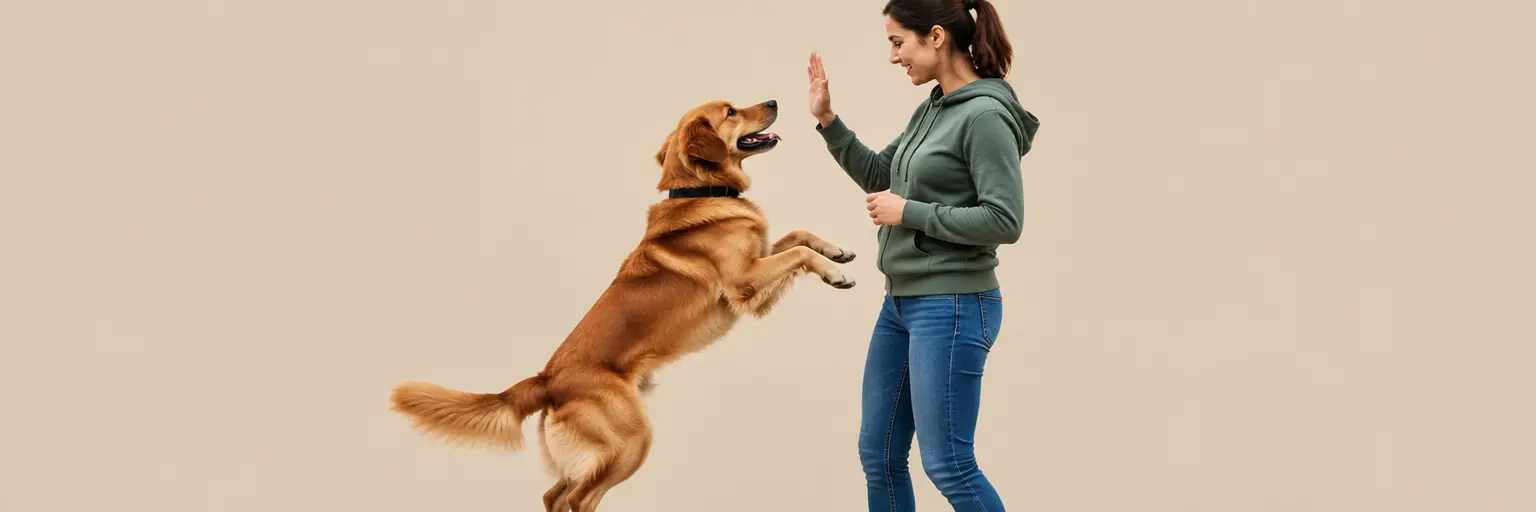
Does your dog jump on guests, strangers, or you? That enthusiastic leap may seem cute in puppies, but it can quickly become a frustrating and even dangerous habit. At PetCareWorld, we understand that excited jumping is one of the most common dog behavior issues, often rooted in over-arousal, attention-seeking, or poor impulse control. The good news? With the right training techniques and consistent reinforcement, you can teach your furry friend to keep all four paws on the floor—politely greeting without the chaos. From positive reinforcement strategies to redirection cues and calming exercises, our expert-driven guidance helps you tackle this issue humanely while strengthening your bond. Learn how to manage greetings, use effective ‘sit’ commands, and address underlying anxiety triggers that fuel jumping. Whether you have a hyperactive puppy or an adult dog with a stubborn habit, our practical, step-by-step solutions ensure lasting results—making every entrance a calm, happy, and safe experience for everyone.
🤔 Frustrated by your dog's jumping? PetCareWorld reveals advanced training techniques beyond basic commands, offering proven strategies to finally stop dog jumping.…
Read article
😊 Is your dog excessively jumping? PetCareWorld's expert guide offers proven techniques for dog jumping redirecting training, transforming unwanted behavior into positive…
Read article
🐶 Prevent injuries and unwanted behavior with effective dog jumping safety training. Learn essential techniques to protect your dog and others from…
Read articleJumping is one of the most common dog behavior issues, often stemming from excitement, greeting rituals, or attention-seeking. While it may seem harmless in a puppy, an adult dog jumping on guests can lead to scratches, knocked-over children, or even injury. At PetCareWorld, our dedicated subcategory on jumping provides scientifically-backed, humane training techniques to help you redirect this natural instinct. We focus on prevention, consistency, and positive reinforcement to transform your eager greeter into a calm, well-mannered companion. Here, you’ll discover step-by-step protocols, expert insights, and troubleshooting tips to address the root causes, ensuring lasting results for both you and your pet.
Before you can stop jumping, you must understand why your dog does it. Jumping is often a learned behavior, rewarded inadvertently by attention—even negative attention like pushing or shouting. Dogs also jump to greet nose-to-nose, a natural canine social ritual, or to gain access to your face for a sniff. Excitement, anxiety, and lack of impulse control are additional triggers. Recognizing the specific motivation behind your dog’s jumps—whether they are excited, nervous, or simply wanting a treat—allows you to tailor your training approach. Observe your dog’s body language (tail wagging, ear position, vocalizations) to differentiate between joy and stress, which informs whether your strategy should focus on calmness or confidence building.
Another key factor is age. Puppies under six months often jump as exploratory behavior, while adolescent dogs (6–18 months) may jump out of over-arousal or testing boundaries. Adult dogs may have ingrained habits, requiring more structured counter-conditioning. Environmental factors, such as a busy household or inconsistent rules from family members, can reinforce jumping. By keeping a behavior journal for a week—noting when jumps occur, who is present, and what precedes the action—you’ll identify patterns. This data-driven insight is invaluable, allowing you to preemptively manage situations, such as greeting visitors at the door or returning from a walk, where jumping is most likely to happen.
Effective training relies on consistency, timing, and rewarding the alternative behavior—sitting. The "Four on the Floor" rule is a cornerstone: your dog only gets attention when all paws are on the ground. Start by practicing indoor greetings. When your dog jumps, immediately turn your back, cross your arms, and ignore them completely. Do not speak, make eye contact, or push them away. Wait until they sit or place all paws down, then calmly reward with a treat and gentle praise. Repeat this sequence dozens of times daily, gradually adding distractions like knocking sounds or you holding a toy. Consistency across all family members is non-negotiable; if one person reacts differently, the behavior will persist.
For more persistent jumpers, incorporate a "sit-to-greet" drill. Attach a short leash to your dog’s harness when guests arrive. Ask your guest to ignore your dog until they sit. Use a high-value treat (like cheese or chicken) held at your dog’s nose, then lure them into a sit position. Praise and give the treat immediately. Have your guest then calmly pet your dog while they remain seated. If your dog pops up, the guest should step back and repeat. This structured repetition builds a strong association: sitting leads to affection, jumping leads to withdrawal. Aim for 5–10 repetitions per training session, twice daily. Over 2–4 weeks, most dogs learn to default to a sit, especially when you also teach a reliable "off" cue as a fallback.
Smart environmental management prevents rehearsal of unwanted behavior. Baby gates, exercise pens, and tethering are powerful tools that give you control over interactions. For example, place a baby gate across your front door so guests can enter without your dog rushing them. This creates a physical barrier that breaks the jumping pattern. Similarly, when you come home, ignore your dog until they are calm—don’t even look at them—then greet them after 2–3 minutes of calmness. This teaches that calm greetings are rewarding, not excited ones. Use a tether anchored to a heavy piece of furniture to keep your dog in a safe zone during busy times, such as when children are playing or you’re preparing meals.
Another effective strategy is to provide alternative outlets for excess energy. A tired dog is less likely to jump. Increase daily exercise to include both physical activities (fetch, brisk walks) and mental stimulation (puzzle toys, nose work, obedience training). Before guests arrive, take your dog for a brisk 20-minute walk or play a vigorous game of tug. This burns off the pre-greeting excitement. Additionally, create a designated "calm spot," like a mat or bed, where your dog learns to go when the doorbell rings. Practice sending them to that spot with a command like "place," rewarding them for staying there until you release them. Over time, this becomes a default behavior, replacing jumping entirely.
If your dog’s jumping is driven by anxiety or extreme excitement, standard ignoring may not suffice. Counter-conditioning changes your dog’s emotional response to a trigger (like a ringing doorbell) by pairing it with something positive. Start at a low intensity—for example, play the doorbell sound softly on your phone while giving your dog treats. Gradually increase the volume over days, ensuring your dog stays relaxed. The goal is for them to associate the doorbell with delicious rewards, not frantic jumping. Pair this with desensitization: have a friend stand outside the door at a distance where your dog notices them but doesn’t react. Reward calm behavior, then slowly decrease the distance over multiple sessions.
For dogs who jump when overexcited, teach an incompatible behavior like "touch" (nose to your palm). When your dog starts to jump, immediately present your palm and ask for a touch—this physically prevents the jump and refocuses their energy. Practice this in various locations, first at home, then in the yard, and finally when guests arrive. Another advanced method is the "nothing in life is free" protocol, where your dog performs a sit before every meal, door opening, or toy throw. This reinforces impulse control across all contexts. Consistency is critical; ensure every household member follows the same rules. If jumping persists after 4–6 weeks of consistent training, consider consulting a certified professional dog trainer or veterinary behaviorist for a customized plan.
Many owners inadvertently reinforce jumping. Pushing your dog away or shouting "down" may seem discouraging, but for an attention-loving dog, any interaction is a reward. Similarly, inconsistent rules—one person scolds, another pets—confuse your dog. A common mistake is only training indoors; dogs struggle to generalize if they’ve only practiced at home. Take your training to parks, sidewalks, and friends’ houses. Another pitfall is moving too fast: if your dog jumps at the mail carrier, don’t expect them to greet well-mannered guests immediately. Break the behavior down into small steps and practice each one until your dog succeeds 90% of the time before progressing.
If your dog regresses, assess for medical causes or increased stress. Pain from arthritis or ear infections can make a dog more anxious and prone to jumping defensively. A sudden onset of jumping in an older dog warrants a veterinary check. Also, review your own arousal levels—dogs are mirrors; if you’re anxious or excited, your dog will be too. Practice calming exercises, such as deep breathing or a soothing voice, before entering high-excitement situations. Finally, never punish jumping with physical corrections, as this can lead to fear-based aggression. Instead, focus on reward-based methods. Celebrate small victories—a single moment of all paws down is progress. With patience and persistence, jumping will diminish, revealing a calmer, more polite companion.
Your dog likely has a stronger bond with you, so they anticipate more interaction and treats. They may have learned that jumping on you gets immediate attention, whereas they’re more cautious with strangers. Consistency in training is key—ask others to use the same ignoring-and-rewarding protocol to generalize the behavior.
With consistent daily practice, most dogs show significant improvement in 2–4 weeks. However, generalizing the behavior to all situations (guests, walks, etc.) can take 2–3 months. Factors like age, history, and consistency of your training influence duration. Remember, every dog learns at their own pace, so avoid rushing the process.
Spraying water is a punishment-based method that can increase anxiety and damage trust. It may suppress jumping in your presence but often causes your dog to jump more when you’re not around, or leads to fear of water. Humane, positive reinforcement methods—like turning away and rewarding sits—are safer and more effective long-term.
Always prioritize safety. Use a baby gate to separate your dog from children during high-excitement moments. Teach your dog a "place" command and practice with children calmly offering treats for sitting. Never leave a dog and child unsupervised until the behavior is fully managed. Consult a professional if jumping is rampant.
In some cases, yes. If jumping is accompanied by growling, snapping, or stiff body language, it may indicate fear-based aggression rather than excitement. Also, using jumping to get attention constantly can suggest separation anxiety or lack of mental stimulation. If the behavior persists despite training, seek guidance from a certified behaviorist or veterinarian.







