Crate Training for Dogs: A Solution to House Soiling and Accidents
😊 Frustrated by dog accidents? PetCareWorld's guide to crate training offers a proven solution to house soiling, providing a safe, effective method…
Read article
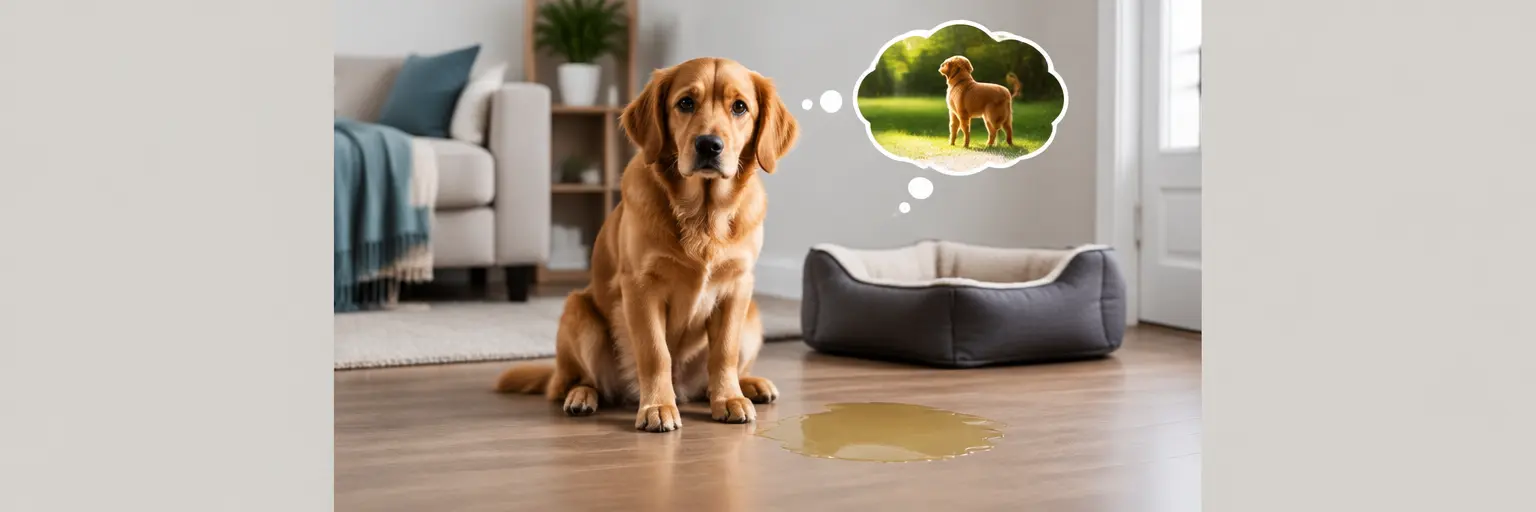
House soiling is one of the most common—and frustrating—dog behavior issues pet parents face. 🐾 Whether your pup is a puppy learning the ropes or an adult dog suddenly regressing, this messy problem can strain your bond and your carpets. The good news? Most house soiling cases are solvable with the right approach, and at PetCareWorld, we break down whether it’s a medical issue, a training gap, or a behavioral trigger. From accident prevention strategies and crate training tips to enzyme cleaner recommendations and routine adjustments, our expert guidance helps you identify the root cause and restore clean, stress-free living. You’ll learn to read your dog’s signals, manage anxiety-related accidents, and rebuild trust through positive reinforcement. Don’t let puddles define your home—discover practical, science-backed fixes that turn this challenge into a stepping stone for a happier, more confident pup. 🌟 Explore our actionable advice and enjoy a fresher home and a stronger connection with your canine companion today.

😊 Frustrated by dog accidents? PetCareWorld's guide to crate training offers a proven solution to house soiling, providing a safe, effective method…
Read article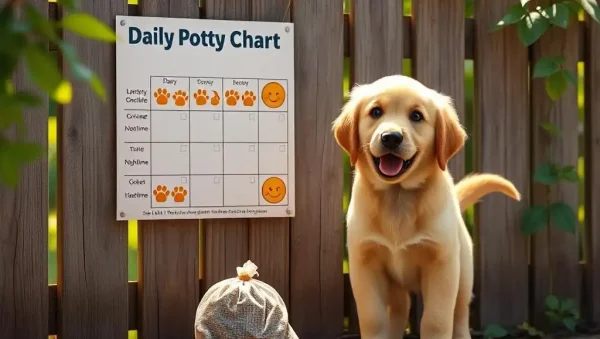
🤔 Establish a reliable dog potty schedule to prevent house soiling. PetCareWorld's expert guide reveals proven strategies for achieving consistent potty habits,…
Read article
🤔 Is your dog having house training accidents? PetCareWorld explores the link between anxiety and inappropriate urination/defecation in dogs, offering solutions to…
Read articleHouse soiling is one of the most common and frustrating behavioral problems dog owners face, whether you’re dealing with a new puppy or an adult dog who suddenly forgets their training. At PetCareWorld, this subcategory focuses on identifying the root causes—from medical conditions to anxiety, territorial marking, or insufficient housetraining—and provides step-by-step, positive reinforcement-based solutions to restore a clean, stress-free home. Below, you’ll find expert-driven insights on diagnosis, prevention, and long-term management, all designed to help you and your canine companion live harmoniously.
Before assuming a behavioral issue, it’s crucial to rule out underlying health problems. Urinary tract infections, kidney disease, diabetes, gastrointestinal disorders, or age-related incontinence can all cause a dog to urinate or defecate indoors. Sudden onset house soiling in a previously trained dog is a red flag that warrants immediate veterinary attention. Common signs include frequent squatting, straining, excessive thirst, or accidents during sleep.
Your vet will run urinalysis, blood work, or imaging to pinpoint the cause. If a medical issue is identified, treatment—such as antibiotics or dietary changes—often resolves the soiling. For senior dogs, medications for cognitive dysfunction or hormone-responsive incontinence can be effective. Always document the frequency, time, and location of accidents to share with your vet; this detailed history accelerates diagnosis and ensures you’re not punishing a sick pet for an involuntary act.
Sometimes house soiling occurs because initial training was inconsistent or incomplete. This section covers a structured retraining protocol suitable for puppies and adult dogs alike. The cornerstone is supervision, confinement, and a predictable feeding schedule. Crate training, when done humanely, taps into a dog’s natural denning instinct, reducing accidents to a minimum. Take your dog outside every 1-2 hours, after meals, play, and waking, and use a consistent command like “go potty.”
Reward desired behavior immediately with high-value treats and enthusiastic praise. Clean accidents with an enzymatic cleaner to eliminate odor triggers—never use ammonia-based products, which mimic urine scent. Keep a strict diary of potty breaks and accidents; over 7-10 days, you’ll spot patterns that allow you to preemptively take your dog out. If you catch your dog in the act indoors, interrupt calmly and rush outside; punishing after the fact only creates anxiety and worsens the problem.
Dogs urinate or defecate indoors when overwhelmed by stress, fear, or separation anxiety. Common triggers include thunderstorms, new pets or people, moving, or being left alone for extended periods. Submissive urination—often seen in shy dogs—occurs during greetings or when scolded. Anxious soiling is frequently accompanied by destructive behavior, excessive barking, or pacing. Recognizing the emotional root cause is essential, as punitive measures will intensify the anxiety.
Management starts with environmental modification: provide a safe retreat, use calming pheromone diffusers, and gradually desensitize your dog to triggers. For separation anxiety, practice short departures that build up duration, leaving puzzle toys to occupy their mind. In severe cases, consult a certified animal behaviorist or veterinary behaviorist; they may recommend anti-anxiety medication alongside behavior modification. Always track episodes to identify specific stressors, which allows you to implement targeted counter-conditioning and build your dog’s confidence over time.
Urine marking, distinct from complete urination, involves small amounts deposited on vertical surfaces—walls, furniture, or door frames—and is more common in unneutered males, though females and neutered dogs can also mark. Marking is driven by hormonal instincts and social communication, often triggered by the scent of other animals, visitors, or changes in the home’s layout. Neutering resolves marking in up to 80% of male dogs if performed early, but established habits may require behavioral intervention.
To reduce marking, thoroughly clean every marked spot, restrict access to previously soiled areas, and make those locations unattractive using motion-activated alarms or upside-down mop buckets. Increase supervision and reinforce the “go potty” routine outdoors. If marking persists, consider a belly band for males during indoor periods. Additionally, avoid confrontations with marking—never rub your dog’s nose in it—since this heightens stress. For multi-dog households, ensure each dog has separate resources (beds, bowls, toys) to lower competition-based marking.
Effective cleanup is non-negotiable to prevent repeat soiling. Enzymatic cleaners are mandatory as they break down proteins and bacteria, eliminating scents that prompt your dog to revisit the spot. Avoid steam cleaners on urine, as heat can set the stain and odor. For carpets, blot, then apply cleaner, followed by a dry towel and heavy weight to absorb moisture. Hard floors require pH-neutral cleaners and thorough rinsing to avoid residue that attracts pets.
Prevention also involves routine management: keep your dog on a regular feeding and potty schedule, provide ample mental and physical stimulation to reduce boredom-related indoor elimination, and restrict access to carpeted rooms when unsupervised. Use baby gates to create dog-safe zones with washable flooring. Periodically reassess your dog’s schedule—growth, health changes, or weather can alter their elimination needs. Invest in washable rugs and waterproof furniture covers to protect your investments while your dog is in training.
Retraining duration varies based on age, history, and cause. For a puppy with no underlying medical issue, consistent training often yields results within 4-6 weeks. Adult dogs with ingrained habits may need 2-3 months of strict supervision and routine. Anxiety-related soiling can take longer, often requiring behavior mods over 3-6 months. Patience and consistency are your greatest allies.
No. Punishment, especially after the fact, is ineffective and harmful. Your dog won’t associate the punishment with the act—only with your anger or the environment. This increases anxiety and can worsen soiling. Instead, interrupt calmly if you catch them, then take them outside. Focus on rewarding desired outdoor elimination to reinforce positive behavior.
Yes, occasionally. If you notice extreme lethargy, vomiting, blood in urine or stool, or your dog is unable to urinate (straining with no output), seek emergency veterinary care immediately. These may indicate a blockage, infection, or organ failure. Otherwise, a simple vet appointment within a few days is sufficient for most cases.
Not always, but often. Neutering reduces marking in about 50-80% of male dogs, especially if done before 1 year of age. For dogs that have marked for years, the habit may persist even after neutering. In such cases, combine neutering with behavior modification, cleaning, and supervision. Females and already-neutered males may require professional intervention.
Use a quality enzymatic cleaner specifically designed for pet waste, such as formulas containing live bacteria or enzymes that digest urine proteins. For deep-set stains, apply liberally, let sit for 10-15 minutes, then blot. Avoid steam cleaning until the enzymatic treatment dries, as heat removes the active enzymes. For old stains, repeat applications may be necessary.







