Choosing the Right Toy Breed for Your Lifestyle
😊 Discover the perfect small dog breed for your lifestyle! PetCareWorld guides you through choosing a toy breed that thrives in your…
Read article
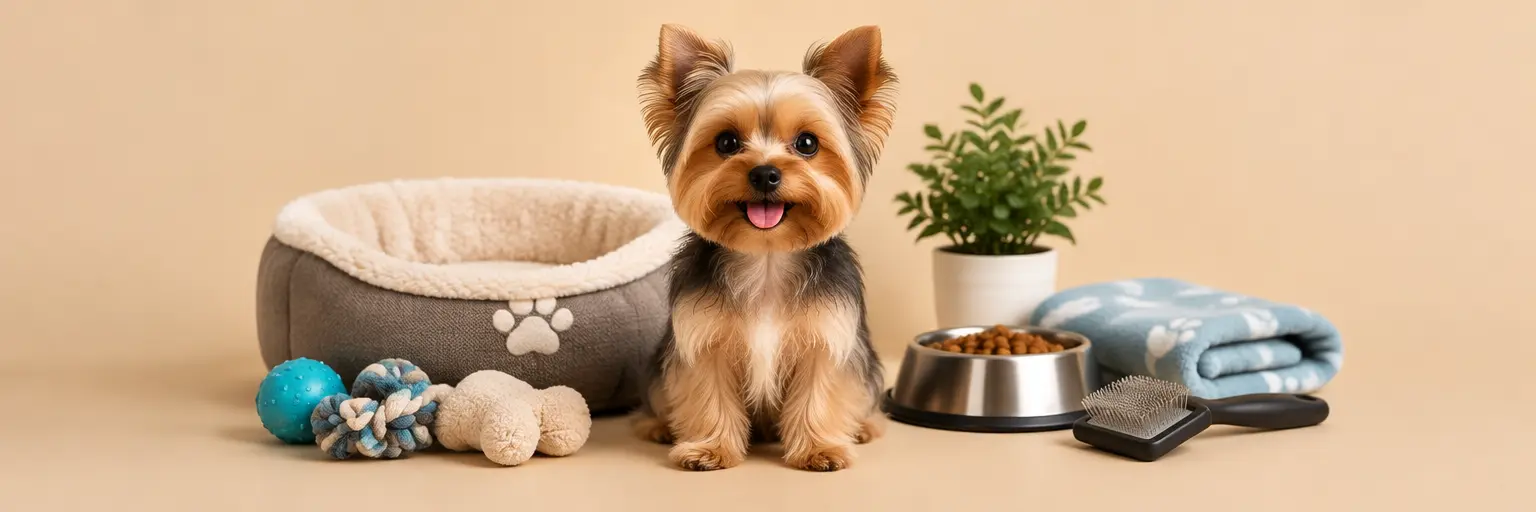
Discover the delightful world of toy breed care with PetCareWorld, where small size meets big personality! 🐾 These pint-sized pups—like Chihuahuas, Pomeranians, and Maltese—require specialized attention to thrive, from their delicate bones to their sensitive metabolisms. Our expert guidance covers everything from portion-controlled nutrition and gentle exercise routines to dental health and safe handling techniques that prevent injuries. Learn how to manage their fragile tracheas, patellar luxation risks, and temperature sensitivities, while also nurturing their confident, affectionate temperaments through positive-reinforcement training tailored to their intelligent, often stubborn nature. Whether you’re a first-time owner or a seasoned enthusiast, we provide practical solutions for housebreaking, socialization, and grooming that keep your tiny companion happy and healthy. Unlock the secrets to longevity and vibrant well-being for your toy breed, ensuring every playful moment is safe and joyful. Let us help you build an unbreakable bond with your little lapdog, making life together both rewarding and stress-free. ❤️

😊 Discover the perfect small dog breed for your lifestyle! PetCareWorld guides you through choosing a toy breed that thrives in your…
Read article
😊 Discover expert Japanese Chin dog care guidance on PetCareWorld! This guide covers health, grooming, and training, ensuring your elegant companion thrives.…
Read article
🐶 Discover the elegant Italian Greyhound! PetCareWorld reveals essential insights into their exercise needs, grooming requirements, and unique temperament, empowering you to…
Read articleWelcome to PetCareWorld’s dedicated hub for Toy Breeds, your one-stop resource for mastering the unique care, training, and health needs of pint-sized companions. From Chihuahuas to Pomeranians, Toy Breeds are charming, portable, and full of personality—but their small stature demands specialized attention. Here, we dive deep into every facet of their care, ensuring your tiny friend thrives in body and mind. Whether you’re a first-time owner or a seasoned pro, this subcategory is packed with actionable, vet-approved insights tailored to the delicate physiology and spirited temperament of these little dogs.
Toy Breeds have rapid metabolisms and tiny stomachs, making portion control and meal frequency critical. Unlike larger dogs, they are prone to hypoglycemia, so small, frequent meals (3-4 times daily) are often recommended. Look for high-protein, nutrient-dense formulas specifically designed for small breeds, as these support muscle maintenance without excess calories. Avoid free-feeding, as obesity is a common issue that strains their delicate joints and heart.
Pay close attention to dental-friendly kibble sizes and textures, since toy breeds often suffer from dental overcrowding. Incorporate wet food or soaked kibble for seniors or those with missing teeth. Always consult your vet for a tailored plan, as age, activity level, and health conditions like patellar luxation influence caloric needs. Fresh water should be available at all times, and avoid toxic human foods like grapes, onions, and xylitol—even tiny amounts can be dangerous for their small body weight.
Toy breeds are adorable but genetically predisposed to several health issues. Patellar luxation (slipping kneecaps), tracheal collapse, and hydrocephalus are common. Additionally, their small jaws often lead to dental disease, so daily brushing and regular vet cleanings are non-negotiable. Hypoglycemia is a constant risk in puppies and very small adults—watch for lethargy, tremors, or disorientation, and keep a glucose gel on hand.
Because of their fragile bones, injury prevention is paramount. Avoid letting them jump from heights, and use ramps for sofas. Routine wellness exams should include heart checks (mitral valve disease is prevalent) and eye screenings. Vaccinations and parasite control remain essential, but doses must be weight-appropriate. Insurance is strongly advised, as treatment for luxating patellas or dental extractions can be costly. Early detection through regular checkups keeps your toy breed lively for 12-16 years.
Toy breeds are often overlooked in training, but they are highly intelligent and respond brilliantly to positive reinforcement. However, their small size means they can develop “small dog syndrome” if not socialized properly. Use treats broken into pea-sized pieces, and keep sessions brief (5-10 minutes) to hold their attention. Crate training provides a safe den, while housebreaking requires patience—their bladders are tiny, so frequent potty breaks are a must.
Focus on leash manners early, as pulling can cause tracheal injury—opt for a harness over a collar. Socialization with other dogs and people is vital to prevent fear-based snapping, a common issue in toy breeds. Teach commands like “sit,” “stay,” and “leave it” using gentle, consistent methods. Avoid harsh corrections, as they can trigger anxiety. Remember, these dogs thrive on bonding, so training should be a fun, rewarding experience that reinforces your role as a loving leader.
Despite their size, toy breeds need daily exercise to stay fit and mentally stimulated, but the intensity must be moderated. Aim for 20-30 minutes of activity split into two sessions—short walks, indoor fetch, or puzzle toys work perfectly. Because they have delicate bones, avoid high-impact jumps or rough play with larger dogs. Supervised play in a fenced yard is ideal, as their small size makes them vulnerable to predators like hawks or coyotes.
Incorporate mental enrichment through snuffle mats, treat-dispensing balls, or hide-and-seek games. Toy breeds are prone to boredom, which can lead to excessive barking or destructive chewing. During hot or cold weather, limit outdoor time—they are sensitive to temperature extremes. Always carry them on stairs or uneven terrain to protect their joints. Balance activity with ample cuddle time, as these dogs are true companions and need closeness to feel secure.
Grooming needs vary widely among toy breeds, from the silky coat of a Maltese to the double coat of a Pomeranian. Regardless, regular brushing (3-5 times weekly) prevents mats, tangles, and skin irritation. Use a slicker brush and comb for long-haired breeds, and a rubber brush for short coats. Bathing should occur every 2-4 weeks with a gentle, tear-free shampoo, ensuring thorough drying to avoid fungal infections. Don’t forget ear cleaning—floppy-eared breeds are prone to infections.
Nail trimming is crucial for toy breeds, as overgrown nails can cause painful walking or splayed feet. Check weekly, and trim every 2-3 weeks using a clipper designed for small dogs. Dental hygiene is part of grooming—brush teeth daily with enzymatic toothpaste and consider dental chews. For breeds with tear stains, wipe the eye area daily with a soft, damp cloth. Professional grooming every 4-6 weeks keeps their coat in top condition, but home maintenance ensures you catch skin issues early.
They can be, but supervision is essential. Due to their fragile size, accidental drops or rough handling can injure them. Teach children to sit and hold the dog gently, and always monitor interactions. Many toy breeds prefer older, respectful kids who understand calm play, making them better suited for families with school-age children.
Puppies under six months need three to four small meals daily to prevent hypoglycemia. After six months, switch to two to three meals. Always use a high-quality, small-breed puppy formula, and measure portions precisely. Consult your vet for a feeding schedule tailored to your dog’s growth rate and energy level.
Yes, many toy breeds are alert and vocal, often serving as excellent watchdogs. Excessive barking can be managed through early training and mental stimulation. Teach the “quiet” command and provide enrichment to reduce boredom. Regular exercise and social interaction also help curb nuisance barking.
It’s best to avoid walks in extreme heat or cold. Toy breeds have little body fat and short coats, making them susceptible to hypothermia and heatstroke. On hot days, walk early morning or late evening; in winter, use a doggy sweater and protect paws from ice. Keep walks brief and watch for signs of discomfort.
Most toy breeds live between 12 to 16 years, with some even reaching 18. Their longevity depends on genetics, diet, exercise, and preventive care. Regular vet checkups, a healthy weight, and dental care significantly boost their chances of a long, happy life. Some smaller breeds like Chihuahuas often exceed the average.







