Cardboard Creations: Easy DIY Puzzle Toys for Dogs Using Recycled Boxes
🐶 Unleash your creativity and recycle those cardboard boxes! PetCareWorld shows you how to craft fun, engaging DIY dog puzzle cardboard toys…
Read article
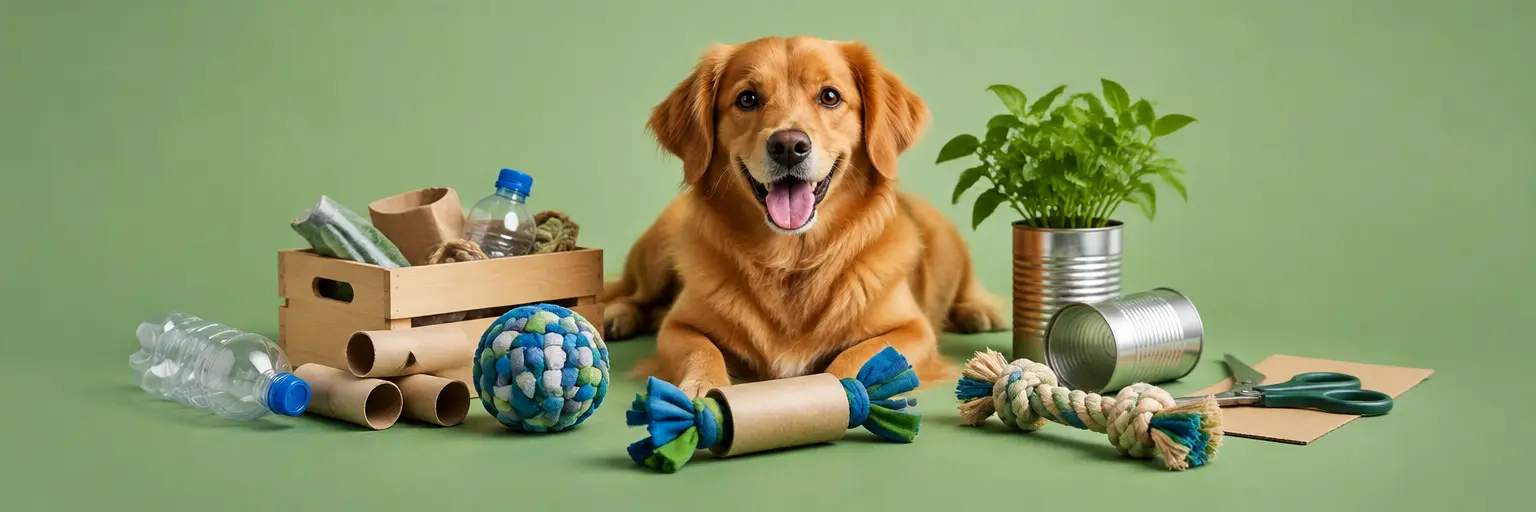
Turn trash into treasure with DIY dog toys from recycled materials—a fun, sustainable way to keep your pup entertained while reducing waste. From braided t-shirt ropes and squeaky bottle-in-sock puzzles to treat-dispensing cardboard boxes, these eco-friendly projects are budget-friendly, quick to make, and endlessly customizable for your dog’s play style. Perfect for rainy days, eco-conscious pet parents, and crafty beginners alike, every toy uses items you already have at home—old jeans, plastic bottles, empty toilet rolls, and more. Not only will you save money and shrink your carbon pawprint, but you’ll also strengthen the bond with your furry friend through play. Discover step-by-step guides that prioritize safety, durability, and enrichment, ensuring your dog gets hours of mental stimulation and physical fun without harming the planet. Get ready to unleash your creativity and make playtime greener, smarter, and tail-waggingly awesome—one recycled creation at a time.
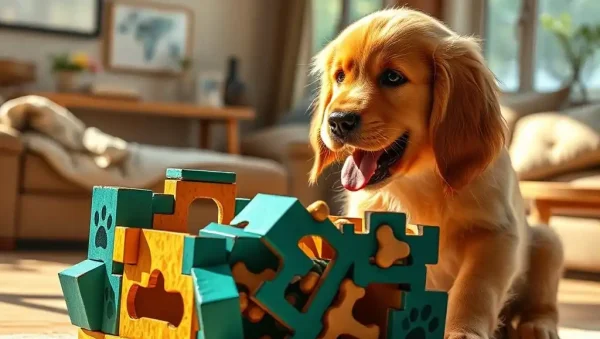
🐶 Unleash your creativity and recycle those cardboard boxes! PetCareWorld shows you how to craft fun, engaging DIY dog puzzle cardboard toys…
Read article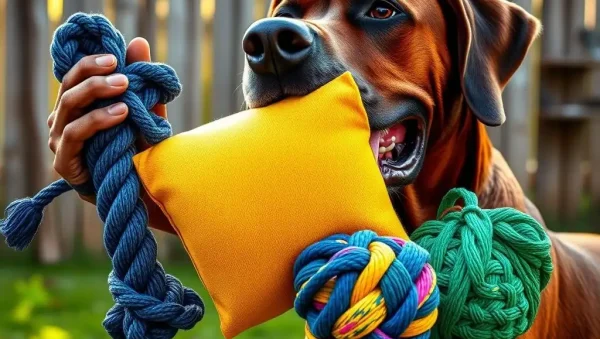
😊 Keep your large breed entertained and save money with our guide to crafting durable, DIY large dog toys from recycled materials!…
Read article
😊 Spoil your small breed with safe, fun DIY toys! PetCareWorld shows you how to create engaging, enriching toys from recycled materials…
Read articleWelcome to PetCareWorld’s guide on DIY dog toys from recycled materials, where creativity meets sustainability. Here, you’ll discover how to transform everyday household items—like old t-shirts, cardboard boxes, and plastic bottles—into engaging, safe, and eco-friendly toys for your furry friend. Not only will you save money, but you’ll also reduce waste and provide your dog with endless entertainment. Our projects are designed for all skill levels, from quick five-minute chews to more complex puzzle toys. Dive in to learn practical tips, safety checks, and step-by-step instructions that prioritize your pet’s happiness and well-being, all while keeping our planet cleaner.
Old cotton t-shirts are a goldmine for crafting sturdy tug toys that dogs adore. The soft fabric is gentle on teeth yet strong enough for a vigorous game of tug-of-war. By braiding or knotting strips of fabric, you can create a textured toy that also helps clean your dog’s gums. This project is perfect for beginners, requiring no special tools—just scissors and an old shirt. Always supervise play to prevent ingestion of loose threads.
For a more challenging twist, add a tennis ball or a squeaker from a broken toy inside the braid. This not only recycles more materials but also stimulates your dog’s prey drive. Pro tip: Wash the t-shirt before crafting to remove any residues, and inspect the finished toy weekly for wear. Rotate between two or three rope toys to keep your pup’s interest high and extend the toy’s lifespan.
Cardboard boxes are perfect for creating interactive puzzle feeders that challenge your dog’s problem-solving skills. Simply crumple paper, hide treats inside smaller boxes, and place them all within a larger shipping box. Your dog will love the ripping and tearing action, which satisfies their natural shredding instincts. This activity is excellent for rainy days, providing both physical and mental exercise without any cost.
To make it more engaging, layer boxes of different sizes or add rolled-up towels between layers. Safety first: always use plain, unprinted cardboard free of tape, staples, or glossy coatings. Also, never leave your dog unattended with cardboard for long periods, as large pieces could be swallowed. Once the box is shredded, replace the top layer with fresh cardboard to reset the puzzle. This DIY helps reduce anxiety and boredom, making it a favorite for high-energy breeds.
Clean plastic bottles—like water or soda bottles—can be repurposed into enticing treat dispensers. With a few holes cut into the sides and a handful of kibble inside, your dog will bat, roll, and nudge the bottle to release the goodies. This toy encourages active play and slows down fast eaters. Choose a bottle size that matches your dog’s jaw to prevent swallowing, and always remove the cap and the plastic ring.
For extra durability, slide the bottle inside an old sock to soften the material and reduce the noise. You can also freeze a small amount of peanut butter inside the bottle (smear it around the inner walls) for a longer-lasting challenge. Remember: stiff plastic can cause dental damage if your dog is an aggressive chewer, so supervise sessions and replace the bottle once it becomes cracked or punctured. This eco-friendly hack keeps single-use plastics out of landfills while giving your pup a rewarding occupation.
Those mismatched socks are perfect for crafting soft, tossable toys for puppies or senior dogs with sensitive teeth. Fill a clean sock with a smaller ball or a piece of fleece, then knot the end securely. You can even braid multiple socks together for a longer fling toy. This project is incredibly quick, often taking under five minutes, and uses materials you already own—making it an ideal last-minute gift for your pet.
Add a squeaker from a discarded toy to make the sock more exciting, but ensure it’s well-secured. Important: never use socks with holes or loose stitching, as they can unravel and become a choking hazard. For mental stimulation, hide treats inside a knotted sock and let your dog work to unwrap it. Always wash the sock toy regularly, and discard it when it shows signs of heavy wear. This is one of the most affordable ways to keep your dog entertained while decluttering your drawer.
Don’t throw away worn-out tennis balls; instead, turn them into hybrid toys that combine bounce with fetching power. Cut a small slit in the ball, stuff it with strips of fabric or even a bit of catnip, and watch your dog go wild. The fabric adds texture and helps clean teeth, while the ball retains its bouncy nature. You can also attach a fabric tail to the ball for easier throwing and retrieval.
For advanced players, create a “ball in a sock” toy by placing the ball inside a long sock and knotting the ends—this adds unpredictability to the bounce. Safety note: always remove any loose fuzz from the ball and ensure the felt covering is intact. If your dog is a power chewer, limit this toy to supervised outdoor play. This project not only recycles but also teaches your dog impulse control, as they learn to drop the ball for a treat. It’s a win-win for you and the environment.
Not all dogs are the same. Puppies, small breeds, and gentle chewers thrive with soft fabric or cardboard toys, but aggressive chewers may require tougher materials like braided denim. Always supervise first-time exposure, inspect toys after each play, and remove any toy that shows signs of breaking. When in doubt, test a small piece to gauge your dog’s chewing style.
Replace any DIY toy as soon as you see cracks, tears, or loose threads—typically every one to two weeks with heavy use. Cardboard toys may last only one session, which is fine. For plastic bottles, discard after they become crumpled or have sharp edges. A good rule: if you can pull off a piece easily, your dog can too.
While recycled DIY toys are engaging and economical, they shouldn’t be the sole source of stimulation. Rotate them with store-bought toys that meet different needs, like dental chews or durable rubber puzzles. Homemade toys are perfect for variety, but commercial toys often undergo stricter safety testing. Combine both for optimal enrichment.
Immediately remove the toy and supervise more closely next time. Choose larger items that cannot be swallowed—use bigger bottles (e.g., 1-liter) or thick fabric. If your dog frequently swallows non-food items, consult your vet for advice on pica or anxiety. Never leave your dog alone with a new homemade toy until you observe safe play habits.
Yes, most fabric toys can be washed in a pillowcase on a gentle cycle with mild detergent. Air-dry thoroughly to prevent mold. Cardboard and plastic toys should be wiped clean or discarded—do not submerge them. For plastic bottles, wash with warm soapy water, rinse well, and dry completely before refilling with treats.