Planning Your Catio: Design Ideas for Small and Large Spaces
😊 Create the purrfect catio! PetCareWorld offers expert advice and the best catio design ideas for spaces of all sizes, ensuring your…
Read article
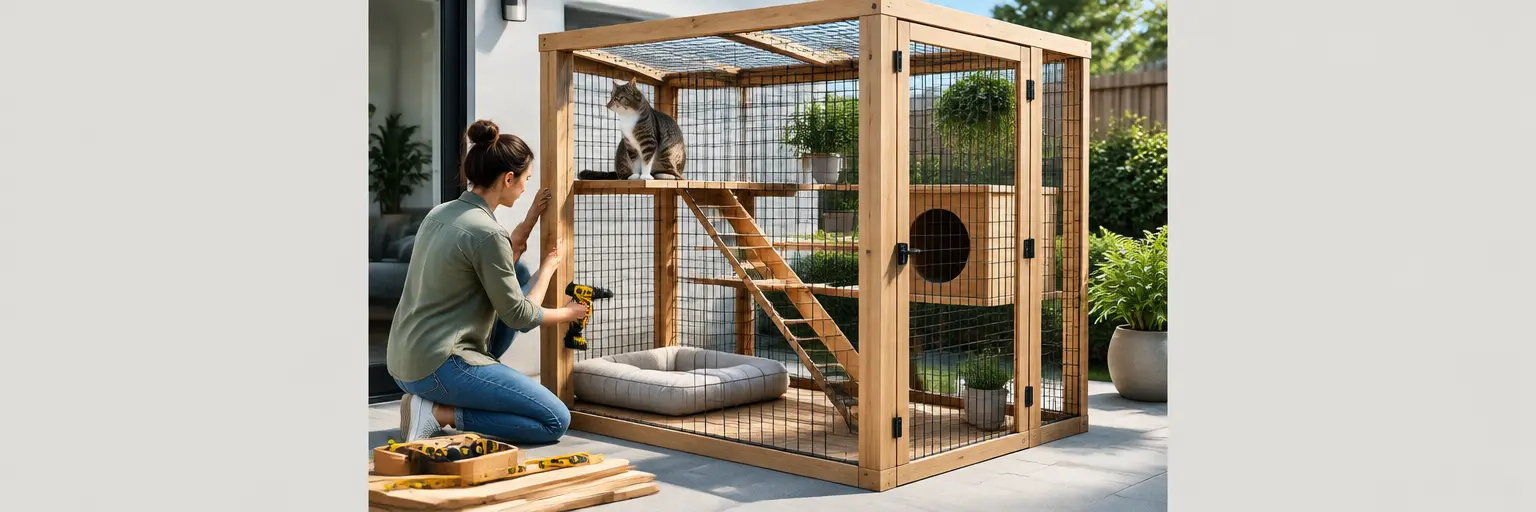
Transform your indoor cat’s world with a custom-built catio! 🌿 This step-by-step guide walks you through designing and constructing a safe, enriching outdoor haven that lets your feline explore nature without the risks of roaming free. From planning the perfect size and location to choosing durable materials, securing mesh, and adding exciting climbing shelves, tunnels, and cozy resting spots, we cover every essential detail. Boost your cat’s mental and physical health while keeping them protected from traffic, predators, and disease. Even beginners can follow our clear, budget-friendly instructions, complete with safety checks and professional tips for weatherproofing. Whether you’re a seasoned DIY enthusiast or a first-time builder, you’ll learn how to create a personalized paradise that your cat will love for years. Get ready to see your indoor companion thrive with fresh air, sunshine, and bird-watching—right in your backyard! 🛠️🐾
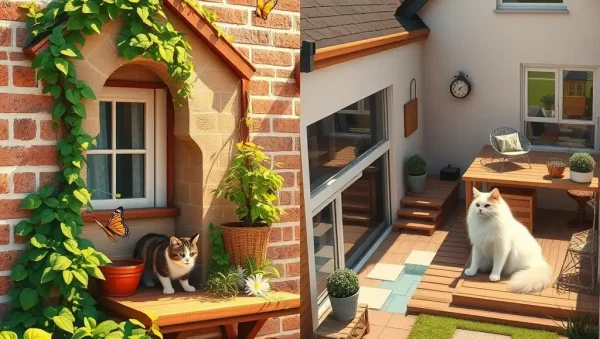
😊 Create the purrfect catio! PetCareWorld offers expert advice and the best catio design ideas for spaces of all sizes, ensuring your…
Read article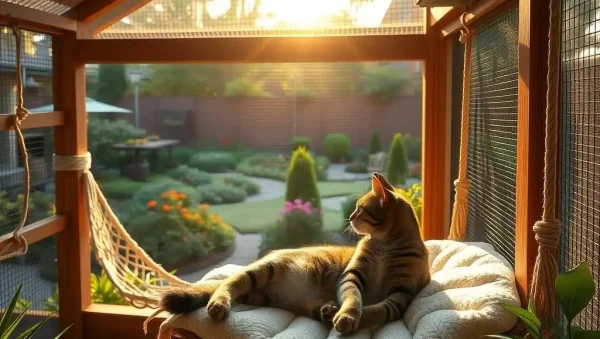
😊 Ensure your cat's outdoor haven is secure! PetCareWorld offers essential catio safety tips for outdoor cats, guaranteeing a worry-free, enriching experience.…
Read articleTransform your indoor cat’s world with a custom-built catio—a secure outdoor enclosure that delivers fresh air, natural stimulation, and safe exploration. This step-by-step guide covers every phase, from planning and materials to construction and enrichment, helping you create a feline paradise while protecting local wildlife and ensuring your pet’s safety. Whether you’re a first-time DIYer or a seasoned builder, you’ll find practical advice, cost-saving tips, and design inspiration tailored to your space and budget.
Before you cut a single board, assess your available space—balconies, patios, yards, or even large windows. Measure the area precisely to determine a catio footprint that allows for vertical climbing, perching, and running. Check local zoning laws and homeowner association rules; some municipalities require permits for structures over a certain height or square footage. Also, factor in sunlight, shade, and weather exposure: a south-facing catio may overheat, while a windy corner needs extra bracing.
Think about how your cat will access the enclosure—via a window insert, a door flap, or a tunnel. Plan for easy human entry for cleaning and maintenance, and consider future expansions if you have multiple cats or plan to adopt more. Sketch a simple diagram with dimensions, door placements, and support posts. A well-thought-out plan saves time, money, and frustration, and it ensures your catio is both functional and safe for years to come.
Pressure-treated lumber or cedar resists rot and insects, while galvanized steel mesh (1/2-inch or 1-inch openings) prevents escapes and keeps predators out. Avoid chicken wire—it’s too flimsy and can injure claws. For the frame, 2x2 or 2x4 lumber works well; use exterior screws and brackets for stability. If you prefer a low-maintenance option, consider aluminum or PVC frames, though they may cost more upfront. For flooring, concrete pavers or gravel allow drainage, while wood decking needs a waterproof sealant.
Weatherproof all joints with marine-grade sealant and rust-resistant fasteners. Paint or stain exposed wood with nontoxic, pet-safe products. For roofs, clear polycarbonate panels let in sunlight but provide rain protection, while shade cloth is ideal for hot climates. Don’t forget to bury the mesh 6–12 inches underground or curve it outward at the base to prevent digging out. Quality materials may cost more, but they prevent frequent repairs and keep your cat secure in all seasons.
Start by building the base frame—cut your lumber to the planned dimensions and assemble rectangles for the floor and ceiling, ensuring corners are square. Attach vertical posts at each corner and every 2–3 feet along the sides for stability. Once the skeleton stands, staple or screw the mesh tightly to the outside, overlapping edges to avoid sharp gaps. Install a framed mesh door (or double-door vestibule) that opens inward, with strong hinges and a latch that your cat cannot operate.
After walls and roof are secure, add shelving, ramps, and perches at varying heights—cats love vertical space. Use plywood covered with outdoor carpet for traction. Finally, install a weatherproof electrical outlet for heated beds or water fountains, and add a lockable panel for human entry. Test every seam and edge for sharp wires or loose screws. A solid build ensures your catio withstands heavy use, harsh weather, and curious paws.
Fill your catio with cat-safe plants like catnip, valerian, or wheatgrass, which provide sensory stimulation and grazing opportunities. Nontoxic options include spider plants, Boston ferns, and catmint. Add scratching posts, hanging toys, and puzzle feeders to keep your cat engaged. Include a covered corner with a soft outdoor bed or a small insulated house for shade and warmth during extreme weather. A water bowl should always be available, but place it in a shaded area to prevent overheating.
Rotate toys and plants weekly to maintain novelty and interest. Consider installing a bird feeder outside the catio to offer safe wildlife viewing—this entertains your cat without hunting pressure. For multi-cat households, design separate perching zones to reduce territorial disputes. A well-enriched catio not only fulfills your cat’s instincts but also reduces behavioral issues like scratching furniture or overeating, promoting overall mental and physical health.
Once completed, inspect the catio monthly for rust, loose mesh, or wood damage. Replace any chewed or frayed components immediately. Check latches and hinges every few weeks, especially if you have a clever escape artist. Clean the enclosure weekly—scoop litter boxes (if included), remove droppings, and wipe down perches with pet-safe disinfectant. Trim nearby tree branches that could provide a jumping route for predators or escape routes for your cat.
During winter, add windbreaks and heated pads; in summer, ensure ventilation with additional mesh windows or fans. Reapply waterproof sealant annually to wood surfaces. If you notice signs of wear, address them promptly—a small tear in mesh can become a gap. By staying proactive, your catio remains a secure, hygienic haven. This ongoing care not only protects your investment but also guarantees your cat enjoys a safe outdoor experience every single day.
Adapt your catio to changing seasons: in winter, insulate walls with clear plastic sheeting on the outside facing inward, and add a heated cat pad. In summer, install shade cloth over the roof and provide frozen treat bowls or misting fans. Use a thermometer to monitor temperature—if it exceeds 85°F (29°C), add more ventilation or bring your cat inside. Rainy seasons require proper drainage: slope flooring slightly and add a gutter system to divert water away.
Spring winds call for reinforced roof panels, while autumn leaves can clog mesh—clear debris regularly. For areas with heavy snow, use a pitched roof to prevent collapse. Always keep an eye on weather forecasts; during extreme events, transition your cat indoors temporarily. With thoughtful seasonal adjustments, your catio remains a comfortable retreat year-round, encouraging your cat to use it daily without hesitation.
Costs vary widely, from $200 for a small window unit using repurposed materials to $2,000+ for a large, fully equipped enclosure. Key expenses include lumber ($100–$300), galvanized mesh ($50–$150), and hardware like hinges and latches ($20–$50). If you hire a contractor, labor adds 50–100%. Budget for extra sealant and pest controls. Reusing old doors or frames can cut costs significantly.
Yes, but you’ll need a sturdy support system—use heavy-duty brackets bolted into studs or a freestanding base with angled legs. Choose a lightweight frame (aluminum or PVC) and ensure the mesh is tightly secured. Install a window insert with a locking panel. Always consult a structural engineer if attaching to brick or concrete; never rely solely on the window frame for support.
Galvanized welded wire with 1/2-inch by 1/2-inch openings is the safest—it prevents paws from slipping through and blocks predators. For extra security, use 14-gauge or 16-gauge steel. Avoid chicken wire or plastic netting, which can tear and trap claws. For the roof, add a second layer or use 1-inch mesh to prevent climbing and escape.
Start by letting your cat explore the enclosed space with you present, keeping a close eye for the first few sessions. Place familiar bedding, toys, and treats inside to create positive associations. Gradually increase unsupervised time, but only after your cat appears calm and avoids trying to jump out. Never force your cat in—let them set the pace.
Yes, daily spot cleaning is recommended if you include a litter box; scoop it twice a day. Weekly, scrub perches and flooring with enzyme-based cleaners to neutralize urine and feces odors. Hose down the mesh monthly and check for mold. Proper ventilation also reduces buildup. Neglecting cleanliness can lead to parasites, respiratory issues, and your cat avoiding the space.