Homemade Treats for Birds: Healthy and Delicious Recipes
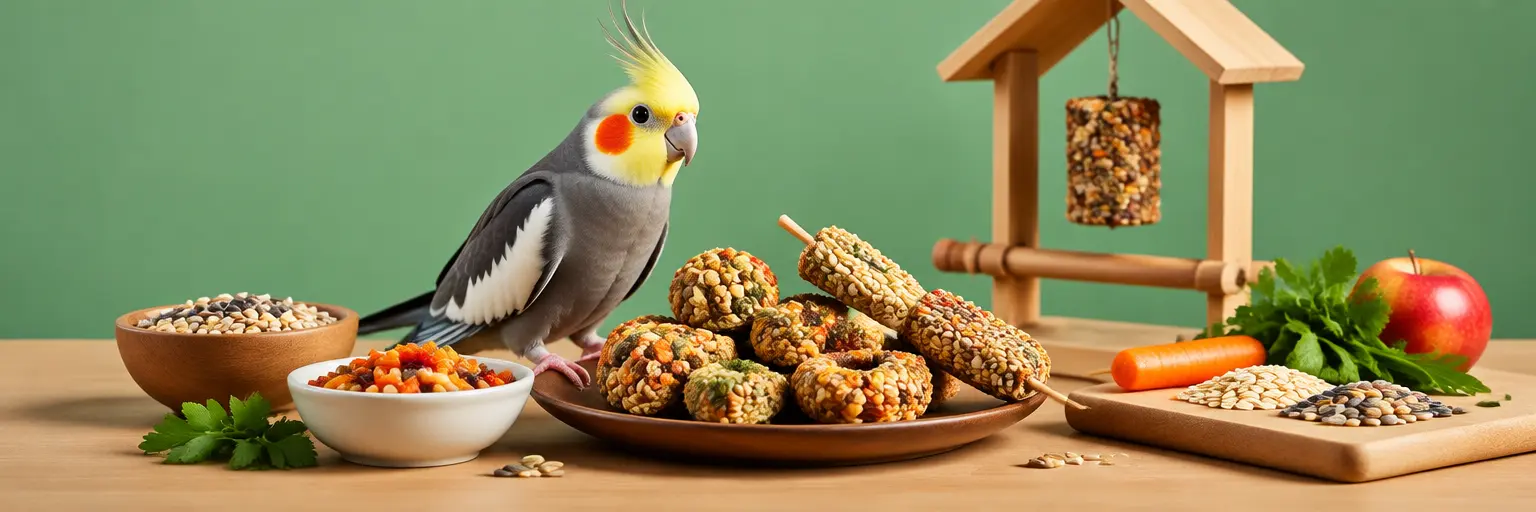
Welcome to PetCareWorld’s dedicated guide on homemade bird treats, where nutrition meets creativity. Here, you’ll discover safe, vet-approved recipes that transform simple pantry ingredients into joyful, beak-friendly snacks. Whether you have a parakeet, cockatiel, or African grey, this subcategory helps you avoid store-bought additives, control portions, and bond with your feathered friend through handcrafted goodness. Each recipe focuses on balancing vitamins, minerals, and natural textures to support plumage, digestion, and energy.
🦜 Nutritional Essentials: Ingredients That Birds Love
Understanding what goes into a bird-safe treat is the first step. This section highlights bird-friendly staples like millet, oats, fresh fruits (apple, banana, berries), leafy greens, and unsalted nuts. We emphasize avoiding avocado, chocolate, caffeine, and xylitol, which are toxic. You’ll learn how to combine these ingredients to provide a boost of protein, calcium, and healthy fats without excess sugar or salt.
Recipes here are crafted to mimic foraging behavior, encouraging mental stimulation. For example, a simple “seed cake” uses whole-wheat flour, honey, and mixed seeds, baked at low temperature to preserve nutrients. We guide you on portion sizes based on bird size—small birds need just a teaspoon, while larger parrots enjoy a tablespoon. This ensures treats remain a supplement, not a meal replacement, keeping your pet’s diet balanced.
🍎 Fruit & Veggie Delights: Crunchy and Hydrating Snacks
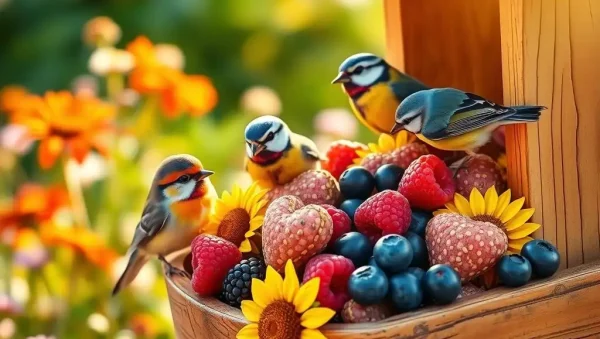
Fresh produce is a fantastic base for homemade treats, offering hydration and natural sweetness. This subcategory features recipes like “Berry & Kale Bites” (mashed berries mixed with finely chopped kale and a touch of cornmeal, shaped into tiny balls) and “Apple Cinnamon Sticks” (dehydrated apple slices dusted with cinnamon). These are perfect for hot days or picky eaters who ignore veggies in their bowl.
We also cover safe preparation methods, such as steaming hard vegetables like carrots or sweet potatoes to soften them for small beaks. You’ll find tips on storing these treats—airtight containers in the fridge for up to three days or freezing for monthly batches. Remember to wash all produce thoroughly to remove pesticides. These recipes not only taste great but also support feather shine due to vitamin A and antioxidants.
🥜 Nut & Seed Energy Bites: High-Protein Power Snacks
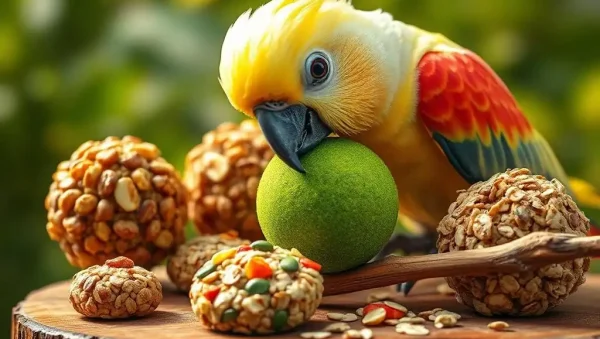
For active birds, nuts and seeds provide concentrated energy. This section introduces no-bake energy bites using unsalted sunflower seeds, chopped almonds, and a binder like mashed banana or peanut butter (xylitol-free). We also share a “Trail Mix Muffin” recipe that mixes whole-wheat flour, egg, shredded carrot, and a variety of seeds, baked in mini muffin tins for easy handling.
These treats are excellent for training rewards or as a pre-flight snack. We stress moderation because nuts are high in fat—offer one to two bites per bird per day. Additionally, we explain how to properly store high-fat treats to prevent rancidity, using vacuum-sealed bags or freezing. This ensures your homemade snacks stay fresh and safe, saving money compared to commercial high-fat options.
🌿 Foraging Fun: DIY Treats to Hide and Seek
Birds in the wild spend hours foraging, so this subcategory focuses on treats that double as play. We provide instructions for creating foraging toys filled with treats—like cardboard tubes stuffed with millet and shredded paper, or woven palm baskets with hidden fruit chunks. A highlight is the “Coconut Shell Feeder,” where you hollow a coconut, poke holes, and fill with a seed-and-berry mix.
These projects enhance mental health, reducing stress and feather plucking. We guide you on rotating treats to keep novelty alive, and we explain how to supervise first-time foragers to ensure they don’t swallow unsafe materials. This section is perfect for owners who want daily enrichment beyond food, turning treat time into a rewarding game that strengthens your bond and mimics natural instincts.
🍪 Simple Baked Biscuits: For Celebrations and Training
Baked biscuits are a crowd-pleaser for bird owners. Here, we share a basic “Birdie Breakfast Biscuit” recipe using cornmeal, whole-wheat flour, a beaten egg, and unsweetened applesauce. Shape into small shapes, bake at 350°F for 15 minutes, then cool completely. You can also add crushed pellets or dried herbs like chamomile for a calming effect. These biscuits are ideal for birthday parties or just weekend baking.
We also cover common pitfalls: over-baking leads to hard, crumbly textures; under-baking risks moisture causing mold. Storage is key—keep in a paper bag for up to a week, or freeze for longer. For training, break biscuits into tiny pea-sized pieces to avoid overfeeding. This section provides troubleshooting tips to make every batch successful, ensuring your bird savors your culinary effort.
Frequently Asked Questions
Can I feed my bird homemade treats every day?
Yes, but only in moderation. Treats should make up no more than 10% of your bird’s daily diet. For a parakeet, that’s about one teaspoon; for a macaw, up to two tablespoons. Always balance with a quality pellet or seed mix and fresh water. Daily treats are fine if they are low in sugar and fat, like vegetable-based options.
What ingredients should I absolutely avoid in bird treats?
Avoid avocado, chocolate, caffeine, alcohol, onion, garlic, and artificial sweeteners like xylitol. Also skip salty, sugary, or heavily processed foods. Apple seeds and cherry pits contain cyanide, so remove them. Unsalted nuts are okay, but never give macadamia nuts. When in doubt, consult your avian vet before trying new ingredients.
How do I know if a homemade treat is too hard for my bird?
Test the texture yourself. A safe treat should crumble with gentle pressure from your fingers or break easily. If it’s rock-hard, it risks damaging the beak or causing choking. Over-baked biscuits can be softened by microwaving for 5 seconds and cooling. Always observe your bird first time—offer a small piece and watch chewing behavior.
Can homemade treats replace commercial bird seed or pellets?
No. Homemade treats lack the balanced vitamins and minerals found in fortified pellets. They are supplementary, designed for enrichment and bonding. Always provide a nutritionally complete base diet (65-75% pellets plus fresh veggies). Treats should never exceed 10% of total intake, or you risk nutritional deficiencies over time.
How should I store homemade bird treats to keep them fresh?
Store dry treats (biscuits, baked goods) in an airtight container at room temperature for up to five days, or freeze for up to three months. Moist treats like fruit bites should be refrigerated in a sealed container and used within two days. Always label with the date. Discard any treat that looks moldy or smells off—never risk your bird’s health.