
Securing Your Catio: Essential Safety Tips for a WorryFree Outdoor Experience

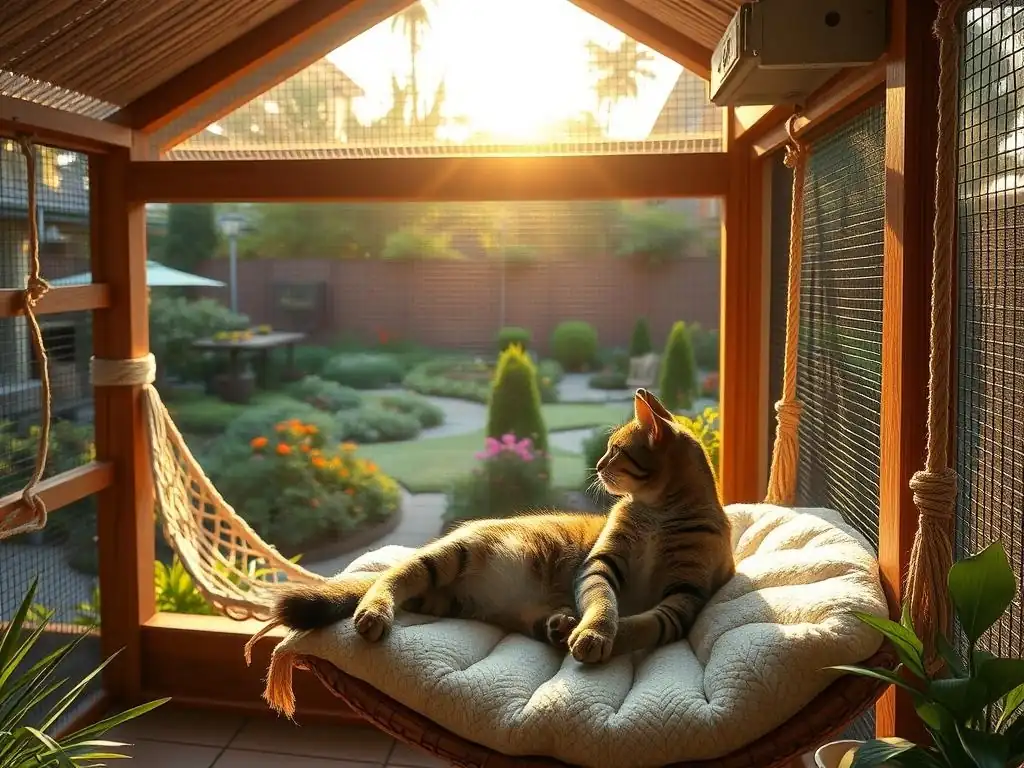
Welcome to PetCareWorld, your ultimate guide to a happier, healthier life for your beloved pets! Are you dreaming of giving your feline friend the joys of the outdoors without the risks? Then discover essential catio safety tips to ensure your cat enjoys a worry-free outdoor experience. Learn how to create a secure and stimulating environment for your adventurous kitty – explore our expert guide on building the purrfect catio today!
- Understanding Catio Safety: Preventing Escapes and Injuries
- Catio Safety Features: Essential Components for a Secure Outdoor Space
- Regular Catio Maintenance for Enhanced Safety
- Maximizing Your Cat's Catio Experience: Enrichment and Safety
- Frequently Asked Questions
- Final Reflection: Building a Sanctuary: Ensuring Catio Safety for Years to Come
- Unleash Your Cat's Outdoor Adventure: Secure Their Freedom Today!
Understanding Catio Safety: Preventing Escapes and Injuries
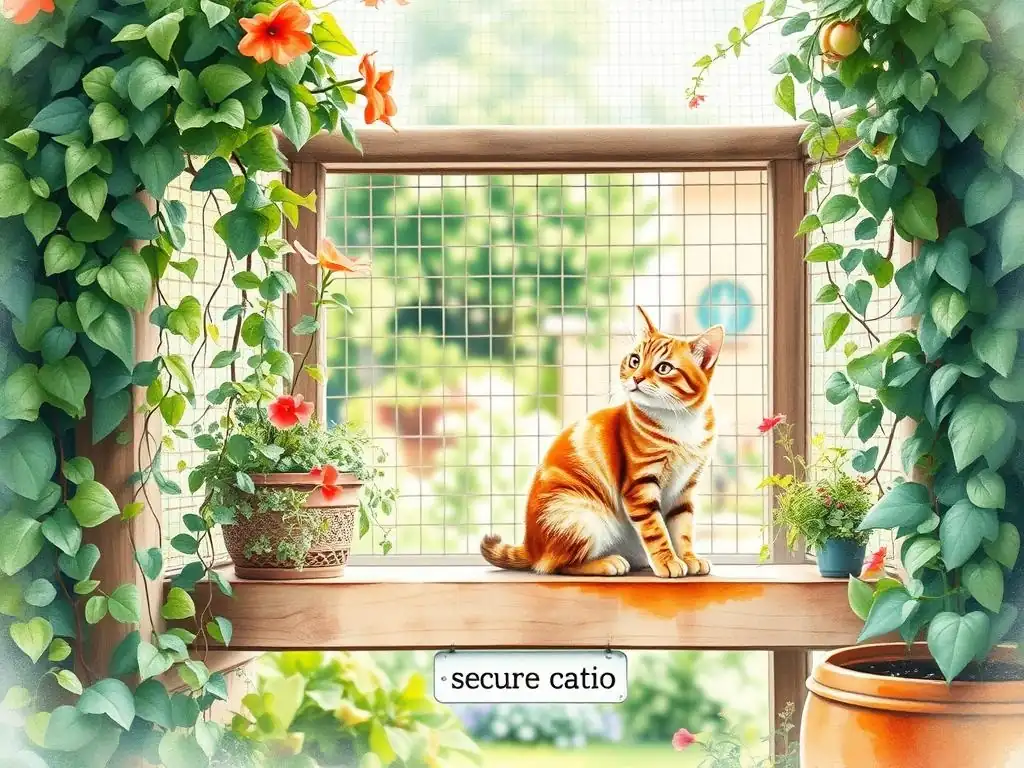
Creating a catio—a safe outdoor enclosure for your feline friend—offers a wonderful way to enrich their lives with fresh air, sunshine, and stimulating sights and sounds. However, the success of a catio hinges on its safety. This comprehensive guide delves into the essential safety tips you need to ensure your cat enjoys a worry-free outdoor experience, free from escapes and potential hazards. We'll cover everything from choosing the right materials and design to protecting your cat from predators and other dangers, providing you with the knowledge to build a truly secure and enriching catio environment.
This is crucial for the well-being of your beloved cat and will address common concerns associated with "catio safety tips outdoor cats." Remember, a well-designed and secure catio allows your indoor cat to experience the joys of the outdoors without the risks associated with unsupervised roaming. 😻
Preventing Catio Escapes: Choosing the Right Enclosure Materials and Design
A cat's innate curiosity and agility demand a catio designed with escape prevention as a top priority. The materials and design you choose are paramount in ensuring your feline companion remains safely within their outdoor haven.
Solid vs. Mesh Catios: Weighing the Pros and Cons for Escape Prevention
Choosing between a solid or mesh catio involves carefully considering your cat's personality and your budget.
- Solid Catios: These offer maximum security, especially for escape artists. Solid walls made of wood, polycarbonate, or other sturdy materials prevent even the most determined cat from squeezing through. However, they can be more expensive and may offer less ventilation.
- Mesh Catios: Mesh catios provide excellent visibility and ventilation. They're generally more affordable than solid catios. However, the mesh needs to be incredibly strong and securely fastened to prevent escapes. Using a fine mesh with small openings is crucial, and it's important to consider the type of mesh used and its strength.
The decision will depend on your cat's personality and your budget. A particularly agile cat may require a solid catio, while a more laid-back cat might be content in a sturdy mesh enclosure.
Securing Gaps and Weak Points: Preventing Determined Cats from Escaping
Even the most meticulously constructed catio can have weak points. Thorough inspection and proactive measures are key.
- Check for Gaps: Carefully examine all seams, joints, and connections for any potential gaps a cat could exploit. Seal any openings with weather-resistant sealant or additional mesh.
- Reinforce Corners: Corners are common escape points. Reinforce them with extra bracing or additional layers of material.
- Regular Inspections: Regularly inspect the catio for any signs of wear and tear, especially after storms or strong winds. Address any issues promptly.
Choosing the Right Hardware: Strong Latches, Hooks, and Mesh for Catio Security
The hardware you choose plays a vital role in the overall security of your catio.
- Heavy-Duty Latches: Use latches designed to withstand a determined cat. Avoid flimsy latches that can be easily opened. Consider using multiple latches for added security.
- Strong Hooks and Eyes: Use strong hooks and eyes for hanging shelves or other accessories inside the catio. Ensure they are securely fastened to prevent accidental detachment.
- High-Tensile Strength Mesh: If using a mesh catio, opt for high-tensile strength mesh that is resistant to tearing and stretching. Consider using double layers of mesh in high-traffic areas.
Protecting Your Cat from Predators and Other Dangers
While a catio offers a safer alternative to outdoor roaming, it's crucial to address potential threats.
Protecting Against Birds of Prey: Height, Netting, and Strategic Placement
Birds of prey pose a significant threat to cats. Consider these measures:
- Height: Place the catio high enough to deter birds of prey from easily accessing it.
- Netting: Use strong netting over the top of the catio to prevent birds of prey from swooping down.
- Strategic Placement: Avoid placing the catio in areas where birds of prey frequently hunt.
Keeping Cats Safe from Ground Predators: Elevated Catios and Secure Bases
Ground predators such as foxes, raccoons, and coyotes can also pose a risk.
- Elevated Catio: Consider building an elevated catio to deter ground predators.
- Secure Base: Ensure the base of the catio is secure and cannot be easily undermined or dug under.
Shielding Your Cat from Neighborhood Cats: Territorial Issues and Solutions
Territorial disputes with neighborhood cats can lead to stress and injury for your pet.
- Visual Barriers: Use visual barriers such as dense shrubs or opaque panels to reduce visual contact with neighboring cats.
- Scent Management: Regularly clean the catio to reduce the presence of your cat's scent, which can attract territorial conflicts. [Specific scent management techniques pending]
This detailed approach to catio safety ensures your feline companion enjoys the best of both worlds: the comfort and security of the indoors, combined with the stimulating experiences of the outdoors. Remember, a secure catio is a happy cat!
Catio Safety Features: Essential Components for a Secure Outdoor Space

This section delves into the crucial safety features necessary for creating a truly secure and enjoyable catio environment. A well-designed catio minimizes risks while maximizing your feline friend's outdoor experience. Remember, a catio isn't just a pretty addition to your home; it's a carefully considered sanctuary designed with your cat's safety as a top priority.
Thorough planning and attention to detail are key to ensuring your cat's well-being and peace of mind. We'll explore various aspects of catio safety, from flooring to plant selection, providing you with the knowledge to build a truly worry-free outdoor space for your beloved cat. This detailed guide ensures your catio prioritizes "catio safety tips outdoor cats".
Safe Flooring Options for Catios: Preventing Injuries and Providing Comfort
Choosing the right flooring is paramount for catio safety. The surface must be both safe and comfortable for your cat, preventing injuries and providing a pleasant environment. Consider these options and their impact on your cat's well-being and the overall catio safety. This is a crucial aspect of ensuring your cat enjoys its outdoor time without risk.
Non-Slip Surfaces: Preventing Falls and Injuries in Your Catio
Falls are a significant concern in catios, especially for senior cats or kittens. Non-slip surfaces are essential. Avoid smooth surfaces like polished wood or metal. Instead, opt for materials with good traction, such as:
- Rubber mats: These provide excellent grip and are easy to clean.
- Carpet remnants: Soft and comfortable, but ensure they are securely fastened to prevent bunching.
- Concrete with a textured finish: Durable but needs to be cleaned regularly.
Remember to regularly inspect the flooring for wear and tear and replace any damaged sections promptly. Regular maintenance is key for "catio safety tips outdoor cats".
Soft Bedding and Cushioning: Comfort and Injury Prevention
Providing soft bedding and cushioning in various areas of the catio offers comfort and helps prevent injuries from falls or hard surfaces. Consider placing soft cushions or blankets in lounging areas. This added comfort contributes to a more enjoyable and safer outdoor experience for your cat.
Durable Catio Flooring Mat Review: Safety and Longevity
Choosing a durable and long-lasting flooring mat is vital for the longevity and safety of your catio. Look for mats made from high-quality, weather-resistant materials. [Specific information pending on recommended brands and materials]. Consider the ease of cleaning and maintenance when making your selection. A durable mat will save you money and effort in the long run, and it's vital for maintaining "catio safety tips outdoor cats".
Safeguarding Against Poisonous Plants: Creating a Toxic-Free Environment
Plants can pose a significant threat to cats. Many common garden plants are toxic if ingested. Creating a toxic-free environment within your catio is non-negotiable.
Identifying Toxic Plants: Common Garden Hazards for Cats
Many common garden plants are toxic to cats. Lilies, for example, are particularly dangerous. Other common culprits include:
- Azaleas
- Oleander
- Sago palms
- Tulips
- Daffodils
Thoroughly research any plant you consider placing in or near your catio. Even seemingly harmless plants can cause digestive upset or more severe reactions. This is a critical factor in ensuring "catio safety tips outdoor cats".
Creating a Safe Plant List for Your Catio
Instead of focusing on what not to include, proactively choose cat-friendly plants. Research plants known to be safe for feline companions. Examples include:
- Catnip ( Nepeta cataria)
- Cat grass ( various types)
- Spider plant ( Chlorophytum comosum)
Always double-check the safety of any plant before introducing it to your catio. A safe plant list is essential for a truly worry-free catio experience.
ASPCA's Toxic and Non-Toxic Plants List for Safe Catio Landscaping
The ASPCA provides an extensive and regularly updated list of toxic and non-toxic plants. Referencing this resource is crucial for ensuring the safety of your cat. Utilize this valuable tool to inform your plant selection and create a safe and enriching environment for your feline companion. This is a definitive resource for ensuring "catio safety tips outdoor cats".
Providing Shade and Shelter: Protecting Your Cat from the Elements
Ensuring your cat's comfort and safety within their catio is paramount. One crucial aspect of catio safety involves providing adequate shade and shelter from the elements. Direct sunlight can lead to overheating and sunstroke, especially during hot summer months. Similarly, exposure to rain, wind, and extreme temperatures can negatively impact your cat's health and well-being.
A well-designed catio should offer multiple options for your feline friend to escape harsh weather conditions and find a comfortable respite. This isn't just about providing a roof; it's about creating a microclimate within the catio that caters to your cat's needs year-round. Consider the direction of the sun throughout the day when planning your catio's layout to maximize shade and minimize direct sun exposure.
Building a Shaded Area: Protecting Your Cat from Sunstroke
Sunstroke is a serious risk for cats, especially those with lighter-colored fur. To prevent this, incorporate shaded areas into your catio design. This could involve strategically planting shade-providing trees or shrubs, if space allows. Alternatively, you can install a pergola or awning to provide artificial shade. Consider using a durable, weather-resistant fabric for the awning to ensure longevity.
Remember to choose a fabric that allows for adequate air circulation to prevent heat buildup. For smaller catios, a simple sunshade or strategically placed potted plants can provide sufficient shade. Regularly check the temperature within the catio, especially during peak sun hours, to ensure it remains within a comfortable range for your cat. Providing multiple shaded areas allows your cat to choose their preferred spot based on the sun's position and their comfort level. This proactive approach will significantly reduce the risk of sunstroke.
Weatherproofing Your Catio: Protecting Your Cat from Rain and Wind
Protecting your cat from the rain and wind is crucial for their comfort and health. A well-constructed roof is essential, ensuring it's waterproof and capable of withstanding strong winds. Consider using materials like sturdy polycarbonate or other weather-resistant roofing materials. The roof should extend sufficiently to provide ample coverage and prevent water from seeping in during heavy rain.
To further enhance wind protection, consider installing windbreaks, such as solid panels or strategically planted shrubs, on exposed sides of the catio. Proper drainage is also vital; ensure the catio floor is sloped slightly to prevent water from pooling. Regularly inspect the roof and sides of the catio for any damage or leaks, especially after severe weather, and promptly repair any issues to maintain optimal protection. Remember that even a small leak can lead to discomfort and potential health problems for your cat.
Providing Shelter from Extreme Temperatures: Hot and Cold Weather Protection
Extreme temperatures, both hot and cold, pose significant risks to cats. During hot weather, ensure your catio offers ample shade and ventilation to prevent overheating. Consider adding a fan for extra circulation on particularly hot days. In colder months, provide a sheltered, insulated area within the catio.
This could be a small, enclosed house or a bed placed in a protected corner. Use insulating materials to help maintain a consistent temperature. Adding a heat lamp or a heated cat bed can provide additional warmth in very cold climates, but always ensure it's used safely and monitored to prevent burns.
Providing access to fresh water is vital year-round, but especially important during extreme temperatures. Remember to regularly check the temperature inside the catio and adjust accordingly to ensure your cat remains comfortable and safe throughout the year. Providing a variety of options for your cat to regulate its temperature will contribute to its overall health and happiness.
Regular Catio Maintenance for Enhanced Safety
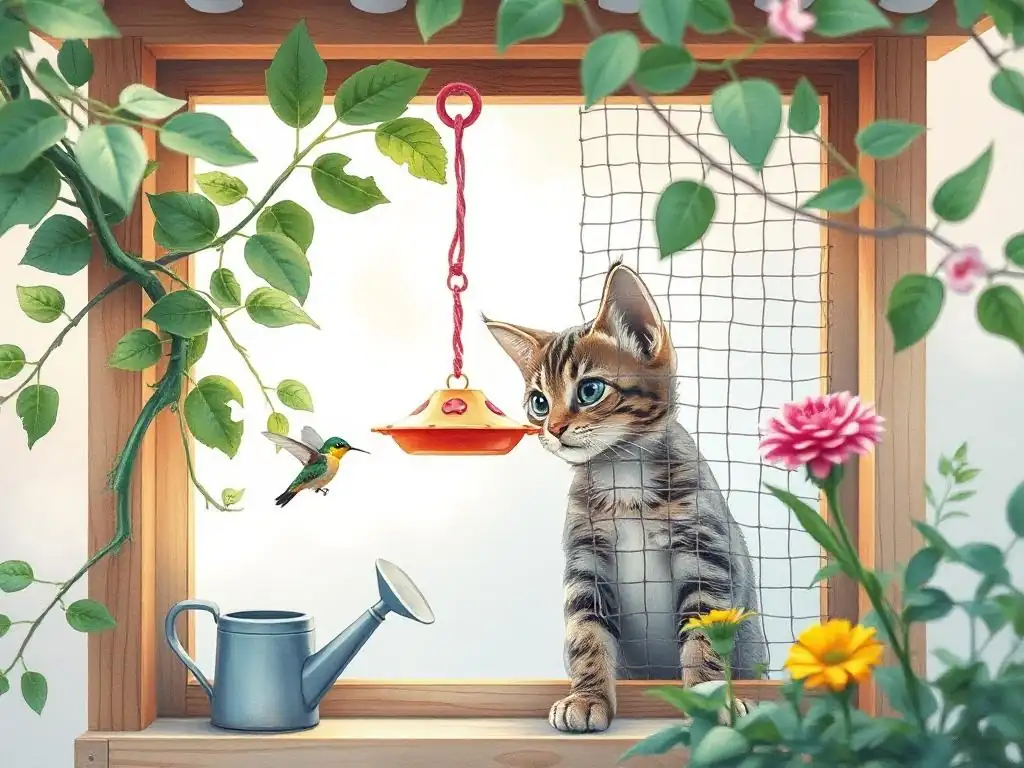
Maintaining your catio isn't a one-time task; regular upkeep is crucial for ensuring your feline friend's safety and well-being. Neglecting maintenance can lead to hazards that compromise the catio's primary purpose: providing a secure outdoor space. This section details the essential maintenance procedures to maximize your catio's safety and longevity, enhancing your cat's outdoor experience. Remember, proactive maintenance is key to preventing accidents and keeping your cat safe and happy. Consistent attention to detail will significantly reduce the risk of escape or injury.
Regular Inspections: Identifying and Addressing Potential Hazards
Regular inspections are the cornerstone of catio safety. A thorough, systematic approach will help identify and address potential hazards before they become serious problems. This preventative approach is far more effective and less stressful than dealing with emergencies. Aim for weekly inspections, increasing frequency during harsh weather conditions.
Checking for Damage: Wear and Tear on Materials and Structures
Over time, even the most robust catio materials will show signs of wear and tear. Regularly inspect all components:
- Mesh: Check for holes, tears, or weakened areas. Small holes can quickly become escape routes.
- Framing: Look for loose screws, rotting wood (if applicable), or any structural weakness.
- Hardware: Inspect all fasteners, latches, and hinges for damage or loosening. Replace any faulty components immediately.
- Plants: Check for any poisonous plants that might have grown into the catio. Remove these immediately.
Consider keeping a log of your inspections, noting any repairs made and the date. This historical record will help you track potential issues and anticipate future maintenance needs. This proactive approach is essential for long-term catio safety and can help prevent costly repairs down the line. Remember, a little preventative maintenance goes a long way in ensuring your cat's safety.
Addressing Potential Escape Routes: Regular Maintenance Checks
Even minor gaps or weaknesses in your catio's structure can become significant escape routes for a determined cat. Regular checks are vital to identify and rectify these vulnerabilities.
- Mesh Gaps: Carefully examine the mesh for any gaps or openings, no matter how small. Use appropriate mesh repair patches to seal any holes.
- Loose Connections: Check all connections between the mesh, framing, and hardware for any loosening. Tighten screws or bolts as needed.
- Underneath the Catio: Inspect the area underneath the catio for any gaps or openings that your cat might be able to exploit.
- Top of the Catio: Ensure the top is securely fastened and there are no gaps.
Remember, cats are surprisingly adept at finding escape routes. Regular checks are essential to ensure your catio remains a secure environment. A thorough inspection, focusing on potential escape routes, should be a top priority in your regular maintenance routine. The peace of mind knowing your cat is safe is invaluable.
Catio Maintenance Checklist for Enhanced Safety
To streamline your inspections, create a simple checklist. This will ensure consistency and help you spot potential problems more readily. Here's a sample checklist:
| Item | Inspection Frequency | Action |
|---|---|---|
| Mesh Integrity | Weekly | Repair or replace damaged sections |
| Frame Stability | Weekly | Tighten loose screws, address structural issues |
| Hardware Functionality | Weekly | Replace worn or broken parts |
| Potential Escape Routes | Weekly | Seal gaps and openings |
| Plant Safety | Monthly | Remove poisonous plants |
| Overall Structure | Monthly | Check for any signs of damage or weakness |
This checklist can be adapted to suit your specific catio design and materials. Remember to regularly update it as needed.
Cleaning and Hygiene: Maintaining a Healthy and Safe Environment
Maintaining a clean and hygienic catio is vital for your cat's health and well-being. Accumulated waste, debris, and parasites can pose significant health risks. Regular cleaning is a crucial aspect of catio safety.
Removing Waste and Debris: Maintaining a Clean Catio
Regularly remove any waste, such as cat droppings, uneaten food, and other debris. This prevents the build-up of harmful bacteria and parasites. The frequency of cleaning will depend on your cat's habits and the size of the catio, but aim for at least a weekly clean. Dispose of waste properly and use appropriate cleaning products. A clean catio is a safe catio. 🧹
Cleaning Catio Surfaces: Preventative Measures for Disease
Cleaning catio surfaces helps prevent the spread of disease and parasites. Use a pet-safe disinfectant to clean all surfaces, paying particular attention to areas where your cat spends the most time. Regular cleaning is a crucial preventative measure for maintaining a healthy and safe environment for your cat. Remember to rinse thoroughly after cleaning to remove any residue of cleaning products. A clean and disinfected catio contributes significantly to your cat's overall health and well-being. 🧼
Maximizing Your Cat's Catio Experience: Enrichment and Safety

This section focuses on enhancing your cat's catio experience, ensuring it's not just a safe space, but also an engaging and stimulating environment. A well-designed catio promotes both physical and mental well-being, reducing boredom and anxiety often associated with indoor-only lifestyles. By incorporating enrichment strategies, you'll create a truly enriching outdoor experience for your feline companion. Remember, a happy cat is a safe cat, and a safe cat is a happy cat!
Providing Engaging Activities: Enrichment to Prevent Boredom and Anxiety
Boredom and anxiety are significant concerns for cats, especially those confined to indoor spaces. A catio offers a solution, but only if it's properly enriched. Providing stimulating activities is key to keeping your cat happy, healthy, and safe within its outdoor enclosure. A stimulating environment reduces the likelihood of your cat exhibiting destructive behaviors or attempting to escape.
Interactive Toys and Puzzles: Keeping Your Cat Entertained and Engaged
Interactive toys and puzzles are crucial for mental stimulation. These aren't just about play; they challenge your cat's problem-solving skills, preventing boredom and promoting natural hunting instincts. Consider toys that dispense treats, require manipulation, or offer hidden rewards. Rotating toys regularly keeps your cat engaged and prevents them from losing interest. Examples include: food puzzles, toy mice that move unpredictably, and balls with bells inside. Remember to supervise playtime initially to ensure safe interaction with the toys.
Climbing Structures and Perches: Providing Vertical Space and Enrichment
Cats are natural climbers. Providing vertical space within the catio is essential for both physical activity and a sense of security. Install sturdy climbing structures, shelves, and perches at varying heights. This allows your cat to survey its territory, feel in control, and engage in natural behaviors. Varying heights also offer different perspectives and opportunities for observation. Consider using cat trees designed for outdoor use or building custom shelves using weather-resistant materials.
Examples of Catio Enrichment Toys to Enhance Safety and Enjoyment
| Toy Type | Description | Safety Considerations |
|---|---|---|
| Feather Wand Toys | Interactive play that mimics hunting. | Supervise play to prevent ingestion of feathers. |
| Puzzle Feeders | Dispense food slowly, encouraging problem-solving. | Choose durable, non-toxic materials. |
| Tunnels and Tubes | Provide hiding places and exploration opportunities. | Ensure adequate ventilation and easy access for your cat. |
| Catnip-Filled Toys | Stimulate play and relaxation. | Use organic catnip and supervise to prevent overconsumption. |
| Birdwatching Perches | Allow for observation of natural surroundings. | Ensure secure placement and prevent access to potentially dangerous birds. |
Monitoring Your Cat's Behavior: Identifying and Addressing Potential Issues
Regular monitoring of your cat's behavior is crucial for ensuring its safety and well-being in the catio. Early detection of problems can prevent larger issues from developing. Pay close attention to your cat's reactions to its environment and adjust accordingly.
Observing Your Cat's Reactions: Early Detection of Safety Concerns
Observe your cat's behavior closely, noting any signs of stress, fear, or anxiety. These might include excessive grooming, hiding, changes in appetite, or vocalization. If your cat seems distressed, investigate potential causes. Is there something frightening it? Is it too hot or cold? Is it feeling unsafe? Addressing these concerns promptly can prevent the development of more serious issues. Keep a catio journal to track your cat's daily activities and mood.
Addressing Anxiety and Fear: Creating a Safe and Secure Space
If your cat exhibits signs of anxiety or fear, make adjustments to the catio environment. Provide more hiding places, such as tunnels or enclosed structures. Consider adding calming pheromone diffusers. Ensure the catio is well-protected from predators and harsh weather conditions. A safe and secure catio is essential for a positive experience. Gradually introduce your cat to the catio to minimize stress.
Resources for Understanding Cat Behavior and Addressing Anxiety
Understanding feline behavior is key to ensuring your cat's safety and happiness. [Specific information pending on resources for understanding cat behavior and addressing anxiety]. Consulting with a veterinarian or a certified cat behaviorist can provide valuable insights and personalized recommendations. Many online resources offer information on cat behavior and enrichment techniques. Remember, a calm and confident cat is a safe cat.
Frequently Asked Questions
What are the main safety concerns when building a catio?
The main concerns are predator access, escape routes, and structural integrity. Ensure your catio is securely enclosed, using strong materials and eliminating any gaps or weaknesses. Consider the size and strength of potential predators in your area.
How can I prevent my cat from escaping the catio?
Use heavy-duty mesh with small openings, secure all latches and doors, and bury the bottom of the mesh several inches below ground level. Regularly inspect for any damage or wear and tear. Consider using double-layered mesh for extra security.
What materials are best for building a safe catio?
Durable and weather-resistant materials are crucial. Consider using sturdy wood, metal, or strong PVC. Choose mesh that's UV-resistant and strong enough to withstand scratching and potential impacts. Avoid materials that could be easily chewed through.
How do I protect my cat from the elements within the catio?
Provide adequate shelter from sun, rain, and wind. This could include a cat house, a covered area, or strategically placed shade. Ensure good drainage to prevent waterlogging and consider heating or cooling options depending on your climate.
What about plants and other potential hazards inside the catio?
Use non-toxic plants and ensure all plants are securely rooted to prevent accidental uprooting. Remove any potential hazards, such as sharp objects or small items that could be swallowed. Regularly inspect for any damaged plants or potential dangers.
Final Reflection: Building a Sanctuary: Ensuring Catio Safety for Years to Come
Creating a safe and enriching catio isn't just about providing outdoor access; it's about extending your cat's life and happiness. The freedom to explore the wonders of the natural world, while remaining protected from the dangers of the outside, is a privilege we can—and should—offer our feline companions. This is more crucial than ever in a world facing increasing threats to wildlife, including our beloved pets.
The impact of providing a secure catio extends beyond the individual cat; it contributes to a broader movement towards responsible pet ownership and environmental awareness. We are actively shaping a future where cats can enjoy the outdoors without jeopardizing their well-being or contributing to the decline of local wildlife populations. The best things in life are simple, but not easy.
This holds true for catio construction; while seemingly straightforward, the commitment to safety requires careful planning and execution. It's a testament to the love and dedication we have for our furry friends.
Now, consider your own cat's personality and needs. What elements of a secure catio would best suit their unique desires? Perhaps it's a climbing structure, a shaded lounging area, or a strategically placed bird feeder (for observation only, of course!). Take the knowledge you've gained from this article and begin planning your cat's personal outdoor paradise. Remember, a safe and enriching catio is an investment in years of joy and companionship, a testament to the enduring bond between humans and their feline friends. Let's build a future where every cat can safely experience the wonders of the outdoors.
Unleash Your Cat's Outdoor Adventure: Secure Their Freedom Today!
Thank you for learning how to create a safe and enriching cat enclosure for your feline friend! You now have the knowledge to build a wonderful outdoor space. Ready to turn those plans into reality?
- Prioritize escape-proofing: Carefully check every connection, mesh size, and latch to ensure your cat's safety. This is crucial for a worry-free experience.
- Share your cat enclosure on social media: Post pictures of your completed cat enclosure on social media using #PetCareWorldCatio and inspire other pet owners!
- Join the conversation: What unique safety features did you incorporate into your design? Share your creative ideas in the comments below!
Ready to give your cat the gift of safe outdoor adventures? We'd love to hear your plans!