
Cardboard Creations: Easy DIY Puzzle Toys for Dogs Using Recycled Boxes

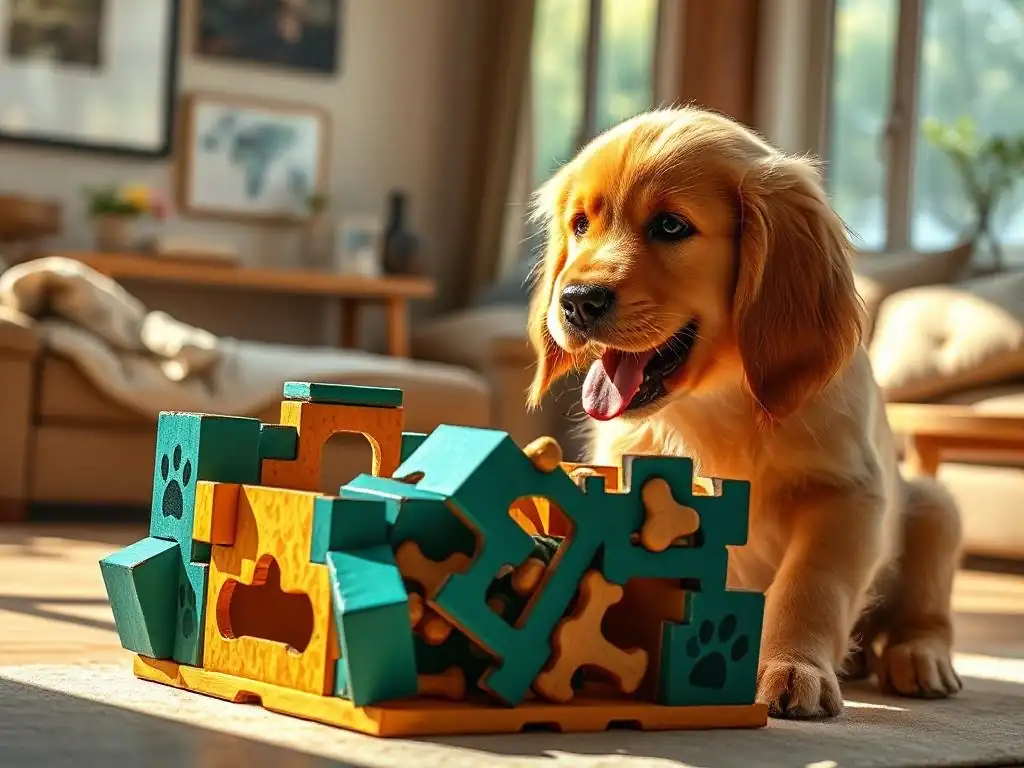
Welcome to PetCareWorld, your ultimate guide to happy and healthy pets! Are you looking for engaging ways to stimulate your canine companion's mind and keep them entertained? Then you've come to the right place. Discover how to create amazing DIY dog puzzle cardboard toys using readily available recycled materials – a fun, cost-effective, and enriching activity for you and your furry friend. Dive in and unleash your creativity!
- Introduction: The Benefits of DIY Dog Puzzle Toys Made from Cardboard
- Essential Materials for Your DIY Cardboard Dog Puzzle Project
-
Easy DIY Cardboard Puzzle Toy Designs for Dogs of All Sizes
- Simple Sliding Puzzle: A Beginner-Friendly Cardboard Puzzle for Puppies
- Treat Dispensing Maze: A More Challenging Puzzle for Experienced Dogs using Blue Buffalo Blue Bits
- Hidden Treat Cardboard Box: A Fun and Engaging Puzzle for Dogs of All Ages and Sizes
- Interactive Cardboard Tunnel: A Multi-Sensory Puzzle Toy for Active Dogs
-
Step-by-Step Instructions: Creating Your Dog's Cardboard Puzzle Toy
- Step 1: Preparing the Cardboard: Cleaning and Cutting Techniques for Safety
- Step 2: Designing Your Puzzle: Simple Shapes and Intricate Mazes
- Step 3: Assembling Your Puzzle: Securing Pieces with Safe Glue and Reinforcement
- Step 4: Adding the Finishing Touches: Decorating and Personalizing Your Dog's Toy
- Safety Tips for DIY Cardboard Dog Toys
- Advanced Cardboard Puzzle Toy Designs for Experienced Crafters
- Conclusion: Enriching Your Dog's Life with Homemade Cardboard Puzzles
- Resources: Where to Find More DIY Dog Toy Inspiration
- Frequently Asked Questions
- Final Reflection: The Enduring Joy of Cardboard Canine Creations
- Unleash Your Dog's Inner Puzzle Master!
Introduction: The Benefits of DIY Dog Puzzle Toys Made from Cardboard
Creating engaging and enriching activities for your canine companion is crucial for their physical and mental well-being. While store-bought puzzle toys offer convenience, DIY dog puzzle toys made from recycled cardboard present a fantastic alternative, offering a blend of affordability, sustainability, and creative fun. This guide will walk you through simple, step-by-step instructions for crafting stimulating cardboard puzzles that will keep your dog entertained and mentally sharp.
We'll explore the advantages of using cardboard, showcasing how this readily available material can transform into engaging enrichment tools, saving you money and reducing your environmental impact. Get ready to unleash your creativity and bond with your furry friend through the rewarding process of crafting custom puzzle toys tailored to their specific needs and preferences! Let's dive into the world of cardboard creations and discover how easy it is to build fun and engaging DIY dog puzzle cardboard toys.
Why Choose Cardboard for Dog Puzzles? Eco-Friendly and Engaging Enrichment
Cardboard offers a multitude of benefits when it comes to crafting DIY dog puzzle toys. First and foremost, it's incredibly eco-friendly . By repurposing readily available cardboard boxes – those Amazon deliveries piling up? – you’re actively reducing waste and contributing to a more sustainable lifestyle. This aligns perfectly with the growing trend of eco-conscious pet ownership. Beyond its environmental advantages, cardboard’s texture and structure provide an engaging sensory experience for dogs. The crinkling sound and the varied tactile sensations stimulate their natural instincts, making the puzzle-solving process all the more rewarding. Moreover, the material’s relative softness minimizes the risk of injury compared to harder materials, providing a safe and enjoyable play experience. The ease of cutting and manipulating cardboard also makes it an ideal material for crafting a wide variety of puzzle designs, catering to different skill levels and your dog's individual preferences. Think of the possibilities: simple mazes, treat-dispensing compartments, or even interactive tunnels!
Cost-Effective Alternatives to Store-Bought Puzzle Toys for Dogs
Store-bought puzzle toys can quickly add up, especially if you have a dog who enjoys a variety of challenges. DIY cardboard puzzle toys offer a remarkably cost-effective alternative. The primary material, cardboard, is often free or readily accessible, requiring minimal additional investment in tools and treats. This significantly reduces the overall cost of providing your dog with ongoing mental stimulation.
Consider the savings: instead of repeatedly purchasing expensive toys, you can create a plethora of unique puzzles using readily available resources. This approach not only saves you money but also allows you to tailor the difficulty and design of the puzzle to your dog's specific needs and abilities, ensuring they remain challenged and engaged. This flexibility is invaluable in keeping your dog mentally stimulated and preventing boredom.
Stimulating Your Dog's Mind with Cardboard Puzzle Toys: Mental Enrichment Benefits
Providing your dog with mental enrichment is just as important as physical exercise. Cardboard puzzle toys offer a fantastic way to achieve this. The process of solving the puzzle – figuring out how to access the hidden treats or toys – stimulates their problem-solving skills and keeps their minds sharp. This mental engagement can significantly contribute to a happier, healthier dog. A bored dog can exhibit destructive behaviors, but engaging them with challenging puzzles provides a constructive outlet for their natural instincts.
The act of successfully retrieving a reward reinforces positive behaviors and strengthens the bond between you and your furry friend. Furthermore, the varied levels of difficulty you can create with cardboard puzzles allow you to progressively challenge your dog, preventing them from becoming complacent and ensuring sustained mental stimulation. This continuous mental workout contributes to improved cognitive function and overall well-being. 🐶
Essential Materials for Your DIY Cardboard Dog Puzzle Project
This section details the crucial components needed to create safe and engaging DIY cardboard puzzle toys for your canine companion. Remember, safety is paramount when crafting toys for your dog, so carefully consider the materials you choose. Using recycled materials not only saves money but also contributes to a more sustainable approach to pet care. The success of your DIY dog puzzle cardboard toys hinges on selecting the right materials.
Gathering Your Supplies: Recycled Cardboard Boxes, Elmer's School Glue, and Child-Safe Acrylic Paint
Before you begin crafting your canine's new favorite toy, ensure you have these essential supplies on hand:
- Recycled Cardboard Boxes: The foundation of your project! Look for sturdy boxes of varying sizes and thicknesses. Avoid boxes that have been exposed to chemicals or hazardous materials (like pesticide containers). Clean boxes thoroughly before use. 📦
- Elmer's School Glue (or similar non-toxic, water-based adhesive): This is ideal for securely bonding cardboard pieces. Avoid using strong, potentially toxic adhesives. The goal is a strong bond, not a super-glue effect!
- Child-Safe Acrylic Paint: This allows you to personalize your puzzle toy and add visual stimulation for your dog. Crucially, ensure the paint is specifically labeled as non-toxic and safe for use around pets. Avoid paints containing lead or other harmful chemicals. 🎨
Remember to thoroughly wash your hands after handling any crafting materials.
Choosing the Right Cardboard: Strength and Thickness Considerations for Dog Toys
The durability of your DIY dog puzzle cardboard toy directly correlates to the cardboard you select. Avoid flimsy or easily-damaged cardboard; your dog will likely be chewing and tearing at the toy, so strength is key.
- Thickness: Opt for cardboard that's relatively thick and sturdy. Think about the strength of the box—would you easily crush it with your hands? If so, it's likely too thin for a durable dog toy. The thicker the cardboard, the longer the toy will last.
- Type of Cardboard: Corrugated cardboard is generally a better choice than thinner, single-layer cardboard. The corrugated layers provide increased strength and resistance to tearing.
- Condition: Inspect the cardboard for any damage before starting your project. Avoid using cardboard with sharp edges or protruding staples, which could injure your pet.
Consider testing the strength of your chosen cardboard before committing to the entire project. A small prototype can help you assess its durability under simulated "dog-chewing" conditions.
Safe Paint Options for Dog Toys: Avoiding Toxic Ingredients for Pet Safety
When selecting paint, prioritize safety above all else. Your dog might lick or ingest small paint chips, making non-toxic options absolutely essential.
- "Child-Safe" is Key: Look for paints explicitly labeled as "child-safe" or "non-toxic." These paints typically undergo stricter testing to ensure they're free from harmful ingredients.
- Water-Based Acrylics: These are generally the safest option. They're easy to clean up and less likely to contain hazardous chemicals.
- Avoid: Stay away from oil-based paints, spray paints, and paints containing lead or other heavy metals. These pose significant health risks to your dog.
If you're unsure about a specific paint's safety, err on the side of caution and choose a different option. A little extra research can prevent potential health problems for your beloved pet. Remember, a safe and fun toy is the ultimate goal of this DIY project! 🐕
Easy DIY Cardboard Puzzle Toy Designs for Dogs of All Sizes
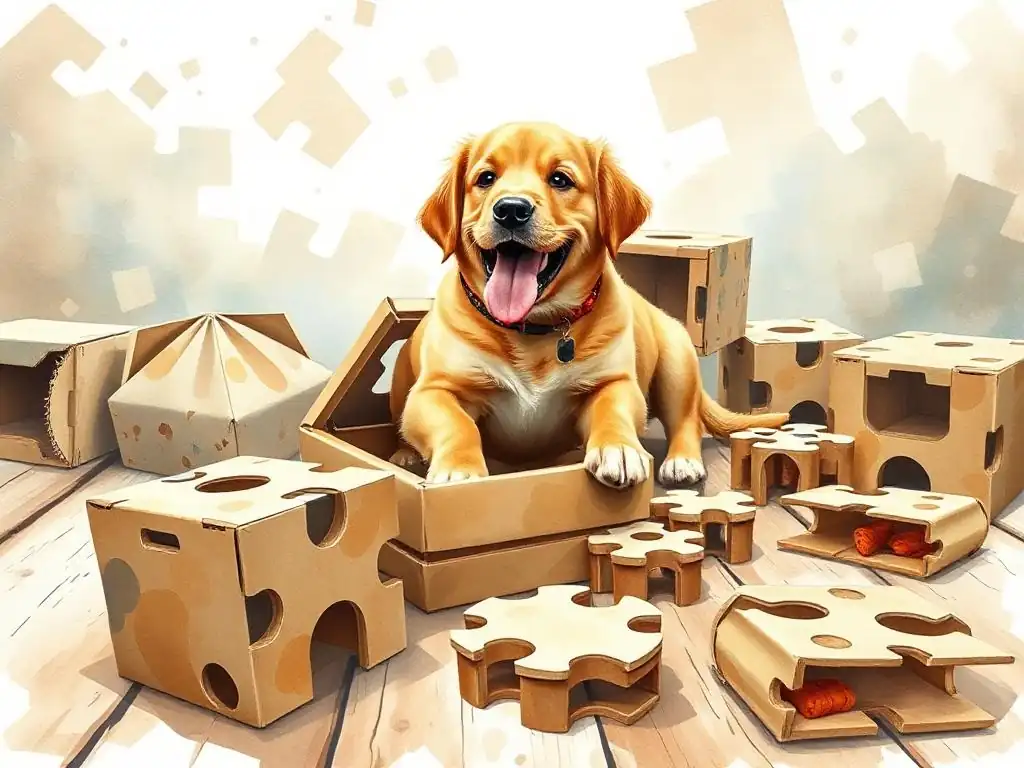
This section details several easy-to-make cardboard puzzle toys for dogs of all ages and sizes, utilizing readily available recycled materials. These DIY dog puzzle cardboard toys offer a stimulating and enriching experience for your canine companion, while promoting mental and physical well-being and reducing waste. Remember to always supervise your dog while they play with these toys to ensure their safety.
These designs are tailored to different skill levels, allowing you to choose the perfect challenge for your furry friend. The use of recycled cardboard makes these toys both affordable and environmentally friendly, aligning perfectly with sustainable pet care practices. Let's explore some fantastic options for your DIY dog puzzle cardboard toy creation!
Simple Sliding Puzzle: A Beginner-Friendly Cardboard Puzzle for Puppies
This puzzle is ideal for puppies or dogs new to puzzle toys. Its simplicity allows for easy understanding and success, building confidence and encouraging further engagement with more complex puzzles later on.
The construction is straightforward:
- Take a sturdy cardboard box (a shoebox works perfectly).
- Cut out several appropriately sized squares or circles in the top of the box. Ensure the holes are large enough for treats to be easily accessible but not so large that your dog can simply reach in and grab them. For puppies, larger openings are recommended.
- Cut out corresponding pieces of cardboard slightly smaller than the holes.
- Decorate the box (optional) with non-toxic paint or markers. Let it dry completely before use.
- Place treats inside the box, and then insert the cut-out pieces into the holes, creating a sliding puzzle.
- Your puppy will learn to slide the pieces to access the delicious rewards!
Remember to use non-toxic materials and supervise your dog during playtime. This simple design allows for easy adjustment of difficulty by changing the size and number of holes. You can even vary the treat size to further challenge your pup's problem-solving skills. This simple DIY dog puzzle cardboard toy is a perfect introduction to puzzle play!
Treat Dispensing Maze: A More Challenging Puzzle for Experienced Dogs using Blue Buffalo Blue Bits
This design offers a more complex challenge for experienced dogs. It involves creating a maze-like structure within the cardboard box, requiring your dog to navigate the pathways to reach the hidden treats. We suggest using Blue Buffalo Blue Bits, small and easily dispensed treats, ideal for this type of puzzle.
Construction involves:
- Using a larger cardboard box (a cereal box or a small appliance box would be suitable).
- Cutting a series of interconnected tunnels and chambers within the box, ensuring the pathways are not too narrow or too easy to bypass.
- Adding small holes along the pathways to dispense the Blue Buffalo Blue Bits.
- Consider adding small obstacles or dividers within the maze to increase the difficulty.
- Again, decorate the box if desired, using pet-safe materials.
This type of puzzle encourages problem-solving skills and provides a significant mental workout for your dog. The use of Blue Buffalo Blue Bits provides a healthy and rewarding element to the game. Adjust the complexity of the maze based on your dog's abilities. Observe your dog's progress and make adjustments as needed to keep them engaged and challenged. This is a fantastic example of a fun and engaging DIY dog puzzle cardboard toy.
This puzzle focuses on hiding treats within various compartments of a modified cardboard box, encouraging your dog to sniff out their rewards. This design is adaptable for dogs of all ages and skill levels.
Here's how to create it:
- Use a sturdy cardboard box, preferably one with a lid.
- Cut various sized openings and compartments within the box. These could be simple holes, small drawers, or even flaps that need to be lifted.
- Hide treats in different compartments. Vary the difficulty by placing some treats in easily accessible areas and others in more challenging locations.
- Seal any sharp edges with tape to prevent injuries.
- You can add small obstacles or dividers inside to make it more challenging. This could be as simple as placing small, lightweight items inside to make finding the treats more difficult.
The beauty of this design lies in its adaptability. You can easily adjust the complexity by changing the number and location of the hidden compartments and the size of the openings. This DIY dog puzzle cardboard toy promotes scent work and encourages your dog to use their nose and problem-solving skills to find their rewards. This is a great way to provide mental stimulation and keep your dog entertained for a longer period. Remember to always use non-toxic materials and supervise your dog during playtime.
Interactive Cardboard Tunnel: A Multi-Sensory Puzzle Toy for Active Dogs
Creating an interactive cardboard tunnel is a fantastic way to engage your dog's natural instincts while providing mental stimulation. This DIY dog puzzle toy is particularly well-suited for active breeds who need a good outlet for their energy. The design encourages exploration, problem-solving, and even a bit of a physical challenge. The best part? It's incredibly easy to make using readily available materials.
To begin, you'll need a large cardboard box – think appliance box or even a sturdy moving box. The larger the box, the longer and more complex your tunnel can be. Cut out two openings at opposite ends of the box, ensuring they're large enough for your dog to comfortably enter and exit. For added challenge and engagement, consider cutting smaller openings along the sides of the tunnel. These will require your dog to navigate slightly more complex pathways.
Once the openings are cut, you can enhance the sensory experience. Try lining the inside of the tunnel with crinkly paper or fabric scraps. This adds an auditory and tactile element that many dogs find stimulating. You can also add small, safe treats or puzzle toys inside to further incentivize exploration. Consider using different textures, like soft fleece or rough burlap, to create a variety of sensory experiences within the tunnel. The variations in texture will keep your dog engaged and exploring for longer.
Remember safety is paramount. Ensure all edges are smooth and taped securely to prevent your dog from getting injured. Avoid using any materials that could be easily ingested or pose a choking hazard. Supervise your dog while they play with the tunnel, especially initially, to ensure they are interacting with it safely and appropriately.
This simple DIY dog puzzle cardboard toy provides hours of entertainment and mental enrichment for your canine companion. This project is perfect for dogs of all sizes, simply adjust the size of the box according to your dog's dimensions. Larger dogs will need a substantially larger box to create a comfortable and engaging tunnel.
Step-by-Step Instructions: Creating Your Dog's Cardboard Puzzle Toy
This section provides a detailed, step-by-step guide on constructing engaging and safe DIY dog puzzle toys using recycled cardboard boxes. Remember, safety is paramount! Always supervise your dog while they play with any homemade toy. These instructions focus on creating durable and stimulating puzzles that will keep your canine companion entertained for hours. We'll explore different complexity levels, ensuring you can tailor the challenge to your dog's puzzle-solving skills. Let's get started on crafting the perfect DIY dog puzzle cardboard toy!
Step 1: Preparing the Cardboard: Cleaning and Cutting Techniques for Safety
Before you unleash your creativity, it's crucial to prepare the cardboard safely. This involves cleaning the box thoroughly and employing safe cutting techniques to avoid sharp edges that could injure your furry friend.
First, thoroughly clean your chosen cardboard box. Remove any tape, labels, and stickers. Residue from sticky labels can be removed using warm soapy water and a sponge or cloth. Ensure the box is completely dry before proceeding. This prevents your dog from ingesting potentially harmful substances. Consider using a non-toxic, pet-safe cleaner if necessary.
Next, decide on the size and shape of your puzzle pieces. For smaller dogs, use smaller pieces of cardboard, and vice versa. Use a sharp utility knife or craft cutter for precise cuts. Adult supervision is crucial during this step, especially if children are involved. Always cut away from yourself and use a cutting mat to protect your work surface.
After cutting, carefully inspect all edges for any sharp points or splinters. Sand down any rough edges using fine-grit sandpaper to ensure a smooth, safe surface for your dog. This is a critical step to prevent injuries. The smoother the edges, the safer the toy.
Step 2: Designing Your Puzzle: Simple Shapes and Intricate Mazes
Now for the fun part – designing your dog's puzzle! The complexity of the puzzle should be tailored to your dog's experience with puzzle toys. Beginners might appreciate simple shapes, while experienced puzzle solvers will enjoy more intricate mazes.
Simple Shapes: For novice puzzle-solving pups, start with simple shapes like squares, circles, or triangles. Cut out these shapes and create a simple puzzle by arranging them loosely within the larger cardboard box. You can create small openings where treats can be hidden.
Intricate Mazes: For more experienced puzzle dogs, design a maze-like structure. This involves creating a series of interconnected compartments and passages within the cardboard box. Consider using different sized compartments to vary the challenge. Remember to leave sufficient space for treats to be hidden within the maze.
Here's a table illustrating some puzzle design ideas:
| Puzzle Type | Difficulty Level | Description | Treat Placement |
|---|---|---|---|
| Simple Shapes | Easy | Squares, circles, and triangles arranged within a box. | Underneath shapes, or within slightly raised flaps |
| Straight Maze | Medium | Straight passages connecting several compartments. | In individual compartments along the path |
| Winding Maze | Hard | Complex, winding paths with multiple turns and dead ends. | At the end of the maze, or strategically placed |
| Combined Puzzle | Expert | Combination of shapes and maze elements, varying compartment sizes. | Throughout the puzzle, requiring varied approaches |
Remember to consider your dog's size and chewing habits when designing the puzzle. Larger pieces are better for powerful chewers. Smaller pieces might be more suitable for delicate chewers or small dogs.
Step 3: Assembling Your Puzzle: Securing Pieces with Safe Glue and Reinforcement
Once you've designed your puzzle, it's time to assemble it securely. Use a non-toxic, pet-safe glue to fasten the pieces together. Ensure the glue is completely dry before allowing your dog to interact with the toy. Consider using additional reinforcement techniques to enhance the toy's durability.
Securing Pieces: Apply a thin layer of glue to the edges of the cardboard pieces before joining them. Clamp the pieces together using clothespins or binder clips to ensure a strong bond while the glue dries. Allow ample drying time as specified on the glue's packaging.
Reinforcement Techniques: To enhance durability, consider reinforcing the puzzle's structure. This can be achieved by adding extra layers of cardboard to areas that might experience significant stress. You can also use strong tape (pet-safe) to reinforce joints and seams. Consider using cardboard corners to add extra strength to the puzzle.
Remember to always supervise your dog while they play with the puzzle. Inspect the toy regularly for any signs of damage or wear and tear. Replace or repair the toy as needed to ensure your dog's safety. Creating a durable DIY dog puzzle cardboard toy requires careful attention to detail, but the reward is a happy and engaged canine companion! 🐶
Step 4: Adding the Finishing Touches: Decorating and Personalizing Your Dog's Toy
Once the puzzle structure is complete and secure, it's time to unleash your creativity! This is where you can personalize your DIY dog puzzle cardboard toy and make it truly special. Consider your dog's personality and preferences when choosing your decorating style. A vibrant, playful design might suit an energetic pup, while a more subdued palette might be better for a calmer companion.
Remember safety first! Avoid using toxic paints, glues, or markers that could be harmful if ingested. Opt for pet-safe, non-toxic materials specifically designed for use around animals. Water-based paints are a great choice, allowing for easy cleaning and ensuring your dog's safety. You can also explore eco-friendly options like natural dyes or fabric markers.
There's a world of possibilities when it comes to decorating your cardboard creation. You could use brightly colored washi tape to create stripes, patterns, or even simple shapes. Consider adding some textured elements for extra sensory stimulation – think felt scraps glued onto the cardboard for a tactile experience. For a truly unique touch, you could incorporate your dog's favorite smells. A dab of peanut butter (or another safe, non-toxic treat) in inconspicuous areas can add an extra layer of intrigue and reward for your canine companion.
Don't forget the importance of durability! While aesthetics are important, the toy needs to withstand enthusiastic chewing and playful exploration. Consider sealing the paint or decorations with a pet-safe sealant to protect the design and increase the longevity of the toy. This will help prevent the paint from chipping or peeling off, even with rigorous playtime.
A clear, water-based sealant is ideal for this purpose, ensuring the toy remains safe and appealing for your furry friend. Remember to let the sealant dry completely before introducing the toy to your dog. This step is crucial to ensure the safety and durability of your DIY dog puzzle cardboard toy. Following these steps ensures a fun, safe, and engaging experience for your beloved pet while promoting sustainable practices.
Safety Tips for DIY Cardboard Dog Toys
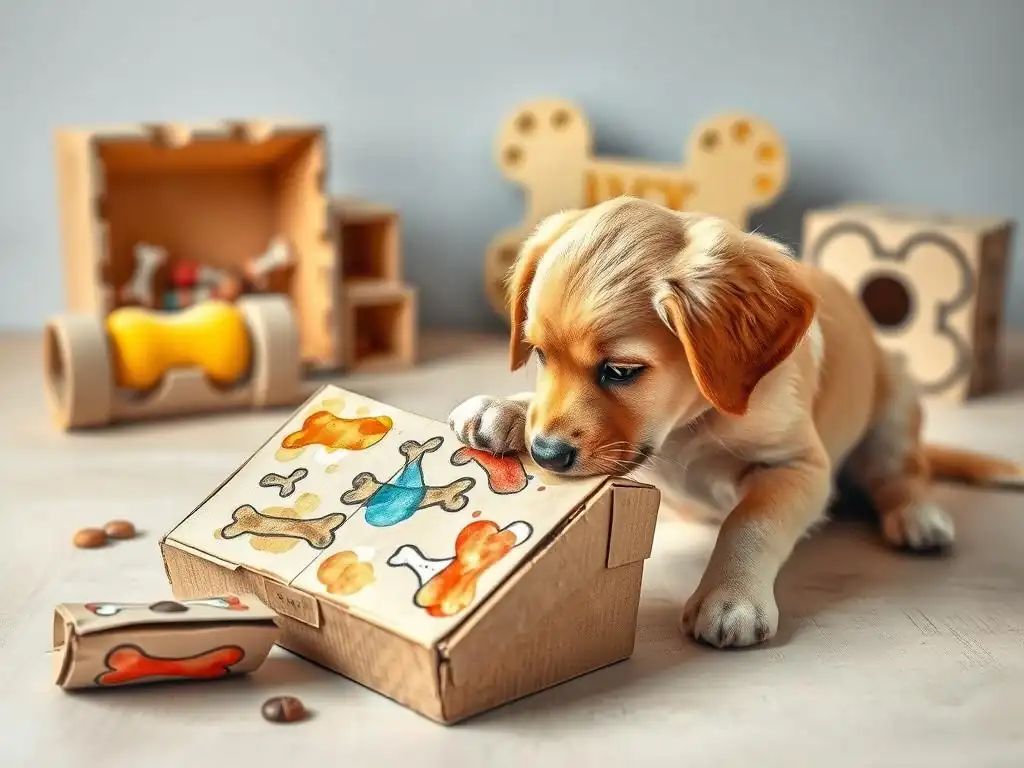
Creating engaging and stimulating DIY dog puzzle toys from cardboard is a fantastic way to keep your furry friend entertained and mentally challenged. However, ensuring your dog's safety is paramount. Improperly constructed toys can lead to injuries, so careful attention to detail is crucial. This section will cover essential safety measures to guarantee your canine companion enjoys their new toy without risk. Remember, responsible creation is key when crafting DIY dog puzzle cardboard toys.
Avoiding Choking Hazards: Proper Size and Construction Techniques
Choking is a significant risk with DIY dog toys, especially those made from cardboard. Preventing this requires meticulous attention to size and construction. The size of the puzzle pieces should be significantly larger than your dog's mouth to prevent them from swallowing them whole. A good rule of thumb is to ensure pieces are at least three times the width of your dog's mouth. For smaller dogs, this means larger cardboard pieces and fewer, larger treats. Larger dogs can handle more intricate puzzles with smaller pieces, but always err on the side of caution.
Consider the thickness of the cardboard. Thin cardboard can easily be torn and ingested, posing a choking hazard. Use sturdy, thick cardboard boxes, such as those used for appliances or larger items. Avoid flimsy boxes like cereal boxes, as they are far too easily destroyed and consumed.
Construction techniques are also vital. Avoid using small, loose pieces that can easily detach and become choking hazards. Secure all pieces firmly using strong, pet-safe glue. Avoid using staples or tacks, as these can cause injury. Always thoroughly inspect the toy before giving it to your dog. Look for any loose parts or sharp edges that could pose a risk. Remember, a well-constructed toy is a safe toy. Consider reinforcing edges with extra layers of cardboard or masking tape to add durability.
Here's a table summarizing safe sizing guidelines:
| Dog Breed Size | Approximate Mouth Width (cm) | Minimum Puzzle Piece Size (cm) |
|---|---|---|
| Small (e.g., Chihuahua) | 2-3 | 6-9 |
| Medium (e.g., Beagle) | 4-5 | 12-15 |
| Large (e.g., Labrador) | 6-7 | 18-21 |
Using Non-Toxic Materials: Protecting Your Dog from Harmful Chemicals
Your dog's safety extends beyond the physical structure of the toy. The materials used must also be non-toxic. Avoid using paints, markers, or glues that contain harmful chemicals. Many commercially available glues and paints are not designed for ingestion and can cause illness or poisoning in pets. Always opt for pet-safe, non-toxic alternatives specifically designed for use around animals. Look for products labeled as "pet-safe" or "non-toxic."
If you're using any adhesive, ensure it is completely dry before allowing your dog access to the toy. A wet or partially-dried adhesive can be licked off and ingested, leading to potential health problems. Moreover, avoid using any recycled materials that may have been in contact with hazardous substances such as pesticides or cleaning products.
Remember, even seemingly harmless materials can pose a risk. Always research the ingredients of any product you intend to use in your DIY project to ensure it's safe for your canine companion. When in doubt, err on the side of caution and choose a different material. Your dog's health is worth the extra effort.
Regular Inspection and Replacement: Ensuring the Safety of Your Dog's Toy
Even the most carefully constructed DIY dog puzzle cardboard toy will eventually show signs of wear and tear. Regular inspection is vital to maintain its safety. Check the toy daily for any signs of damage, such as loose pieces, tears, or sharp edges. If you notice any damage, discard the toy immediately and create a new one.
The frequency of replacement depends on your dog's chewing habits and the durability of the cardboard. Some dogs are gentle chewers, while others are more destructive. A heavily chewed toy should be replaced promptly, even if it doesn't appear to have any loose pieces. The damaged cardboard could become a choking hazard, or sharp edges could form.
Remember, a worn-out toy is not just less engaging for your dog; it's also a potential safety hazard. Regular replacement is a small price to pay for the peace of mind knowing your dog is playing safely. Consider making several toys in advance so you always have a replacement ready. This proactive approach to safety ensures your dog enjoys their DIY cardboard puzzle toys safely and happily for a longer time. 🐶
Advanced Cardboard Puzzle Toy Designs for Experienced Crafters
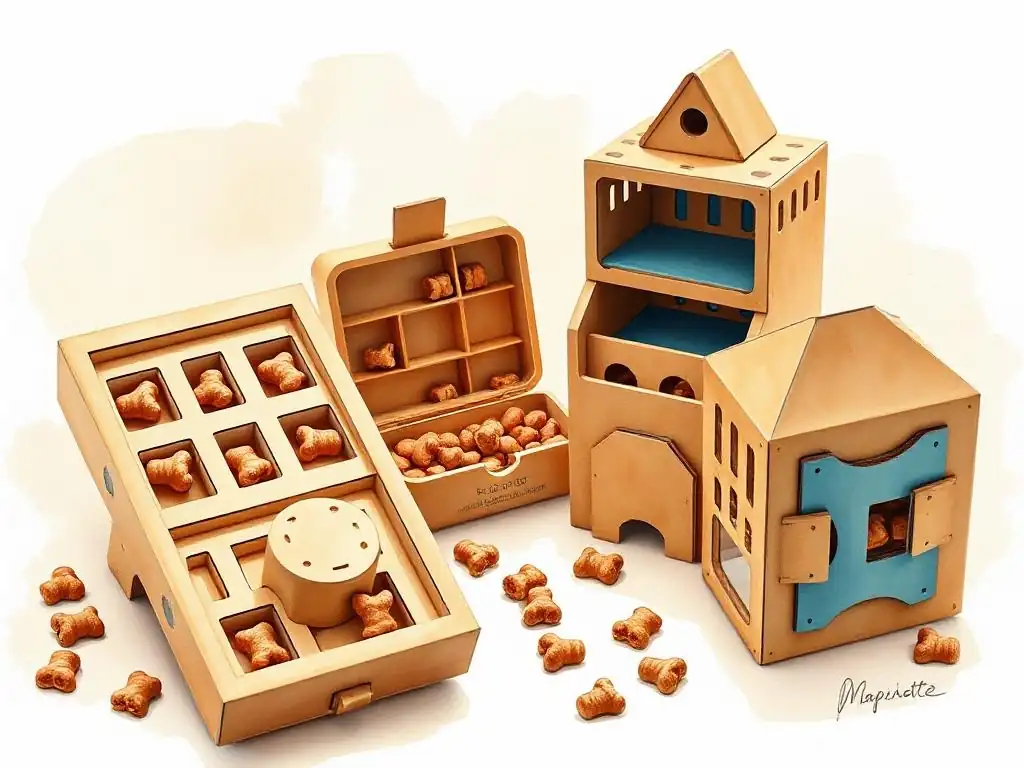
This section delves into more complex DIY dog puzzle toys using cardboard, perfect for experienced crafters and dogs who have mastered simpler puzzle designs. These projects require more advanced crafting skills and offer a greater challenge for your canine companion, stimulating their minds and providing hours of engaging playtime. Remember safety first! Always supervise your dog while they play with any DIY toy and replace it if it becomes damaged.
Multi-Level Treat Dispensing Puzzle: A Complex Challenge for Highly Intelligent Dogs
Creating a multi-level treat dispensing puzzle requires careful planning and execution. The goal is to design a structure with multiple compartments, each requiring a different method of access to release the treats. This could involve sliding panels, rotating sections, or even small flaps that need to be lifted or pushed.
Consider using different sized cardboard boxes, nested within each other to create the levels. Smaller boxes can be glued inside larger ones, creating hidden compartments. For example, a large shoebox could be the base, with a smaller cereal box inside, and a tiny gift box nestled within that. Each box could have a different opening mechanism.
To enhance the difficulty, you can incorporate small obstacles within each level, such as strategically placed cardboard dividers or small tunnels. Remember to use non-toxic glue and ensure all edges are smooth to prevent injury to your dog. The key is to make it challenging but not frustrating.
Observe your dog's interaction with the puzzle and adjust the difficulty as needed. A successful design will keep your smart dog engaged for a considerable amount of time, providing excellent mental stimulation. This type of puzzle is ideal for breeds known for their intelligence, such as Border Collies, Poodles, and German Shepherds.
Interactive Cardboard Obstacle Course: Combining Puzzle Elements with Physical Activity
This design moves beyond simple treat dispensing and incorporates physical activity, transforming the cardboard into an engaging obstacle course. The course could involve tunnels made from rolled-up cardboard, jumps created using sturdy boxes, and puzzle elements integrated into the path.
For instance, a small cardboard box could be placed at the beginning of the course. Inside, you might hide a treat or a favorite toy. The dog needs to solve a simple puzzle (perhaps a sliding panel) to retrieve the reward before continuing through the tunnel. Further along the course, you could include a section where the dog needs to navigate around or over strategically placed boxes, mimicking simple agility obstacles.
This type of interactive course provides both mental and physical stimulation. It's a fun way to encourage your dog's problem-solving skills while also providing them with much-needed exercise. The complexity can be adjusted based on your dog's size, agility, and experience with obstacle courses. Remember to use strong cardboard to prevent collapse during enthusiastic play. Consider using double-layered cardboard for added durability. This project is especially beneficial for energetic dogs who need both mental and physical challenges.
Incorporating Different Textures and Materials: Enhancing Sensory Stimulation for Dogs
Adding different textures and materials to your cardboard puzzle toys can significantly enhance the sensory experience for your dog. This can be achieved by incorporating materials such as felt, fleece, or even crinkled paper into the design.
For example, you could glue pieces of felt onto the exterior of the boxes, creating different tactile surfaces for your dog to explore. You could also add crinkled paper inside some compartments to create a rustling sound that will pique your dog's curiosity. The combination of different textures, sounds, and the scent of treats creates a multi-sensory experience, making the puzzle even more engaging.
Remember to choose materials that are non-toxic and safe for your dog. Avoid using anything that could be easily ingested or cause harm. This approach of sensory enrichment is particularly beneficial for dogs that enjoy exploring their environment through touch and sound. The added sensory stimulation can make even a simple puzzle more captivating and rewarding for your furry friend. Experiment with different combinations to see what your dog enjoys most!
Conclusion: Enriching Your Dog's Life with Homemade Cardboard Puzzles
Creating DIY dog puzzle cardboard toys offers a fantastic way to enrich your canine companion's life while promoting sustainability. By repurposing readily available materials like cardboard boxes, you can provide engaging mental stimulation, combat boredom, and strengthen your bond with your furry friend. The process is not only cost-effective but also incredibly rewarding, allowing you to tailor the difficulty and design to perfectly suit your dog's individual needs and preferences. Remember, the key to success lies in understanding your dog's personality and adapting the puzzle's complexity accordingly.
A challenging puzzle for a seasoned problem-solver might be frustrating for a puppy just learning to navigate such activities. Observe your dog's engagement and adjust the complexity of the puzzle as needed. This iterative approach ensures that the experience remains positive and enjoyable for both of you.
The Long-Term Benefits of DIY Enrichment Toys for Canine Companions
Investing time in crafting DIY dog puzzle cardboard toys yields numerous long-term benefits for your canine companion. Beyond the immediate entertainment value, these puzzles contribute significantly to your dog's overall well-being. Mental stimulation helps prevent boredom-related behavioral issues, such as excessive barking, destructive chewing, and anxiety.
The act of problem-solving stimulates cognitive function, keeping your dog mentally sharp and engaged, particularly important for senior dogs. Furthermore, the process of rewarding your dog for successfully completing the puzzle strengthens your bond, fostering trust and companionship. This positive reinforcement approach strengthens your relationship and enhances your dog's confidence.
The physical act of manipulating the puzzle also provides a low-impact form of exercise, particularly beneficial for dogs with mobility limitations. Finally, using recycled materials promotes environmentally conscious pet ownership, minimizing your environmental footprint while providing a fun and enriching experience for your dog. Consider tracking your dog's progress and noting any changes in their behavior or engagement levels to gain further insights into the effectiveness of your DIY puzzle creations.
Expanding Your DIY Dog Toy Collection: Future Project Ideas Using Recycled Materials
Once you've mastered the art of crafting cardboard puzzles, the possibilities for creating DIY dog toys from recycled materials are virtually endless! Consider expanding your repertoire with other exciting projects. For example, you can create:
- Toilet paper roll toys: Stuff empty toilet paper rolls with treats and seal the ends for a simple yet engaging puzzle.
- Bottle cap puzzles: Glue bottle caps to a piece of cardboard and hide treats underneath for a challenging game.
- Fabric scrap toys: Sew together fabric scraps to create durable and stimulating chew toys.
- Cardboard tube tunnels: Create a fun and engaging tunnel using large cardboard tubes.
- Sock puzzles: Hide treats inside old socks and tie them securely.
Remember to always supervise your dog while they are playing with any DIY toy, and replace or repair any damaged items promptly to ensure their safety. The key is to remain creative and resourceful, repurposing items you would normally discard into fun and functional toys for your beloved pet. Experiment with different designs, materials, and difficulty levels to keep your dog engaged and entertained. By exploring various recycled materials, you can not only save money but also contribute to a more sustainable and eco-friendly lifestyle.
Think beyond cardboard and explore the potential of other recycled materials to enrich your dog's playtime and challenge their problem-solving skills. The possibilities are as limitless as your creativity! 🐶♻️
Resources: Where to Find More DIY Dog Toy Inspiration
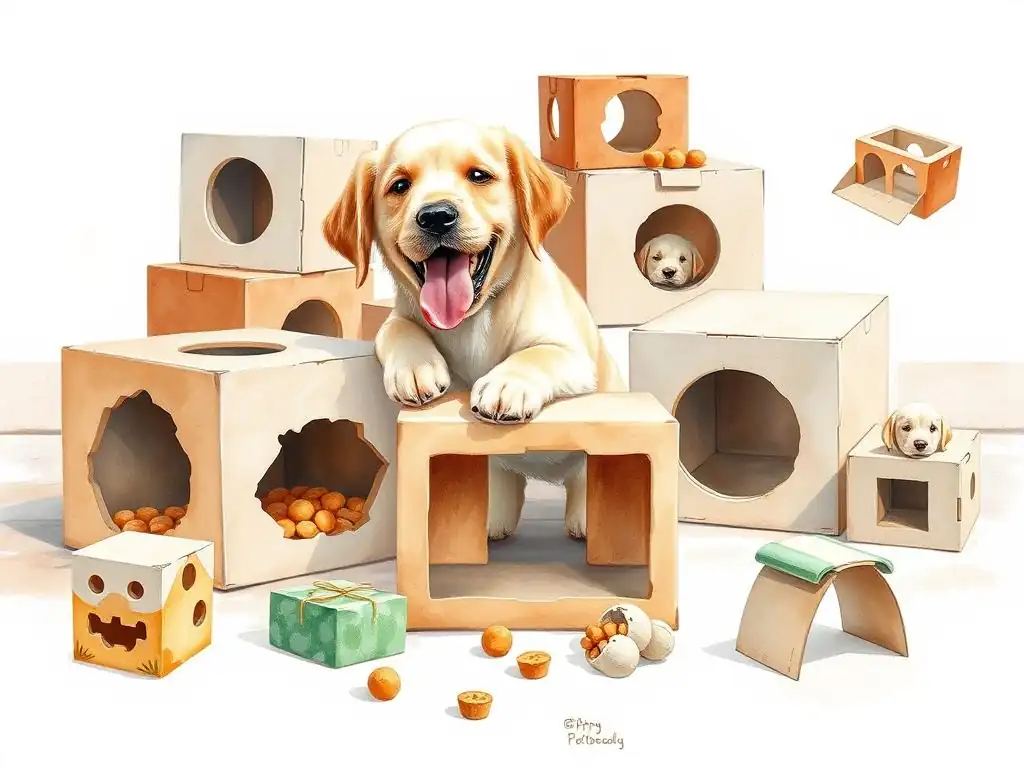
This section provides you with additional resources to fuel your creativity and continue crafting amazing DIY dog puzzle cardboard toys. We understand that once you start, you'll want to keep going! Finding new ideas and materials is key to keeping your canine companion engaged and mentally stimulated.
Link to PetCareWorld's DIY Dog Toy Section
While this article focuses specifically on cardboard puzzle toys, PetCareWorld offers a wealth of additional DIY dog toy projects using recycled materials. Our dedicated section is designed to provide a comprehensive library of fun, safe, and cost-effective ways to enrich your dog's life through creative play. You'll find tutorials ranging from simple fleece tug toys to more complex puzzle feeders, all crafted from repurposed materials.
We regularly update this section with new ideas, so check back often for fresh inspiration! Expect to find ideas categorized by skill level, making it easy to find projects that match your crafting abilities. We also include detailed guides on safety, ensuring you create toys that are both fun and safe for your furry friend.
Link to a Relevant Blog Post/Article on Dog Enrichment
Creating DIY dog puzzle cardboard toys is a fantastic way to contribute to your dog's overall enrichment. Beyond the simple act of play, these puzzles offer significant mental stimulation, preventing boredom and promoting cognitive function. To delve deeper into the world of dog enrichment and understand the importance of mental stimulation, we recommend exploring [specific blog post/article title pending].
This resource will provide a holistic view of dog enrichment, highlighting its benefits and offering a wider range of activities to keep your dog happy, healthy, and engaged. You'll learn about the various types of enrichment, how to tailor activities to your dog's breed and age, and the signs that indicate your dog is thriving with a stimulating environment. The article also covers the importance of providing a variety of enrichment activities to avoid boredom and prevent behavioral issues.
Link to a Supplier of Safe, Non-Toxic Craft Supplies
Safety is paramount when crafting DIY dog toys. Using non-toxic materials is crucial to protect your dog from potential harm. We recommend sourcing your craft supplies from a reputable supplier that specializes in pet-safe materials.
[Specific supplier name pending] is an example of a supplier that offers a wide range of non-toxic glues, paints, and other craft supplies specifically designed for pet projects. Always check the labels carefully before using any materials to ensure they are free from harmful chemicals and are suitable for your pet. When in doubt, err on the side of caution and choose materials explicitly labeled as pet-safe.
Remember, a little research can go a long way in ensuring the safety and well-being of your beloved canine companion. 🐶 Consider factors like the durability of the materials and their resistance to chewing and tearing. Opt for sturdy cardboard and strong, pet-safe adhesives to ensure longevity and prevent accidental ingestion of small parts.
Frequently Asked Questions
What materials do I need to make DIY dog puzzle cardboard toys?
You'll primarily need recycled cardboard boxes, strong glue, and treats your dog loves. Optional additions include paint (non-toxic!), markers, and other safe, durable decorations.
How can I ensure my DIY dog puzzle toy is safe for my dog?
Avoid using toxic glues or paints. Make sure there are no small, detachable pieces that your dog could swallow. Always supervise your dog while they play with the toy.
What kind of treats are best for these DIY dog puzzle toys?
Use small, high-value treats that your dog will work hard for. Consider kibble, small pieces of cooked meat, or commercially available training treats. Avoid anything that could easily break apart and become a choking hazard.
How challenging should I make the puzzle for my dog?
Start with a simple design and gradually increase the difficulty as your dog masters each puzzle. The goal is to provide a mentally stimulating but not frustrating experience.
How often should I replace my DIY dog puzzle cardboard toys?
Replace your DIY dog puzzle toys when they become damaged or worn out. This prevents your dog from ingesting cardboard pieces and ensures continued safety and enjoyment.
Final Reflection: The Enduring Joy of Cardboard Canine Creations
The simple act of transforming discarded cardboard boxes into engaging puzzle toys for our beloved dogs offers a powerful blend of sustainability and enriching playtime. It's a testament to the fact that sometimes, the most rewarding experiences come from the simplest of resources and a little bit of creativity. This isn't just about saving money; it's about strengthening the bond with our furry friends through thoughtful interaction.
The impact of this simple DIY project extends beyond the immediate joy it brings to our dogs. It speaks to a growing awareness of responsible pet ownership and mindful consumption. We are increasingly conscious of the environmental impact of our choices, and repurposing everyday materials like cardboard offers a tangible way to reduce waste and contribute to a more sustainable lifestyle. The best things in life are free. The second best are very, very cheap.
– This sentiment perfectly encapsulates the spirit of this project, highlighting the value of resourceful creativity.
Now, consider the possibilities. What other creative ways can you engage your dog using recycled materials? Think beyond cardboard – what other household items could be transformed into stimulating and enriching toys? I encourage you to embrace this spirit of resourcefulness and creativity. Let's build a world where responsible pet ownership and environmental consciousness go hand in hand, one cardboard creation at a time.
Unleash Your Dog's Inner Puzzle Master!
Thank you for joining us and learning how to create fun, enriching puzzle toys for your dog using simple, recycled materials. You've discovered a world of playful engagement! Ready to start crafting and see the joy in your dog's eyes?
- Craft your first cardboard puzzle today! Gather cardboard boxes and follow our easy instructions – you'll be amazed at how quickly you can build a stimulating toy for your canine companion.
- Share your creative cardboard creations! Post pictures of your dog enjoying their new puzzle on social media and tag us – we'd love to see them!
- Challenge your dog with progressively more difficult puzzles. Gradually increase the complexity of the puzzles to match your dog's problem-solving skills.
What ingenious cardboard puzzle will you create next to challenge your pup?