
Enhancing Your Reptile's Health with a DIY Bioactive Terrarium: A Comprehensive Guide

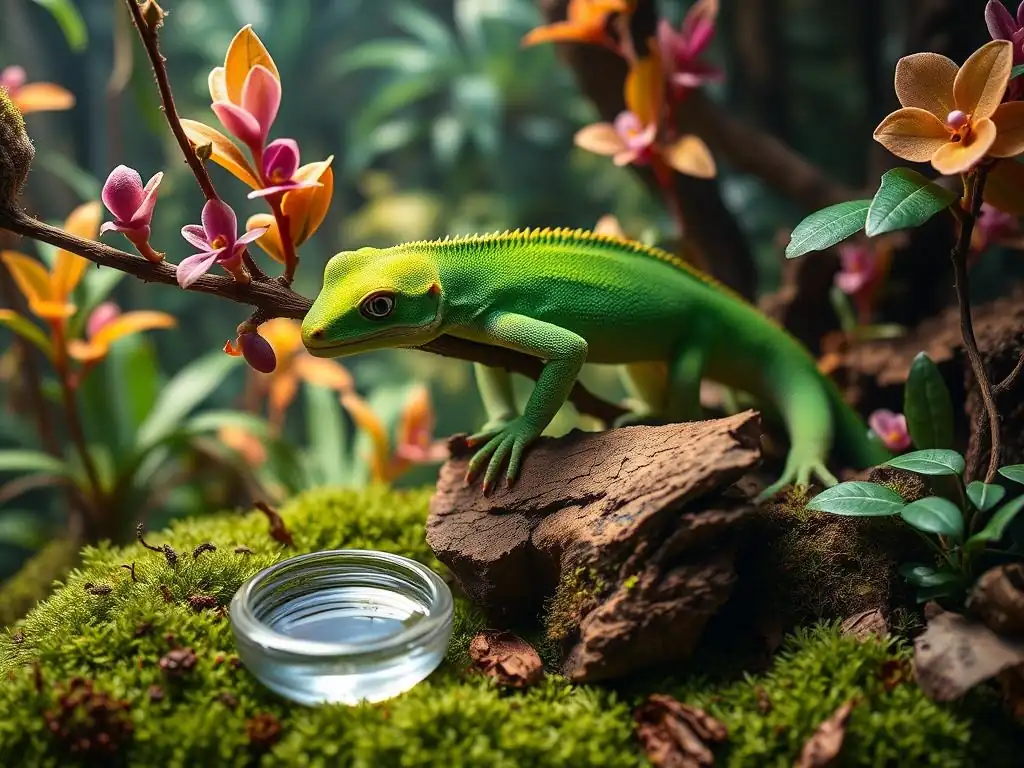
Welcome to PetCareWorld, your ultimate guide to a happier, healthier life for your beloved pets! Are you ready to transform your reptile's habitat into a thriving ecosystem? Our comprehensive DIY bioactive reptile terrarium guide reveals the secrets to creating a naturally balanced and enriching environment for your scaly friend. Discover how to build a stunning, self-sustaining terrarium that promotes your reptile's well-being and simplifies your pet care routine. Dive in and unlock the fascinating world of bioactive terrariums!
Understanding the Benefits of Bioactive Terrariums for Reptiles
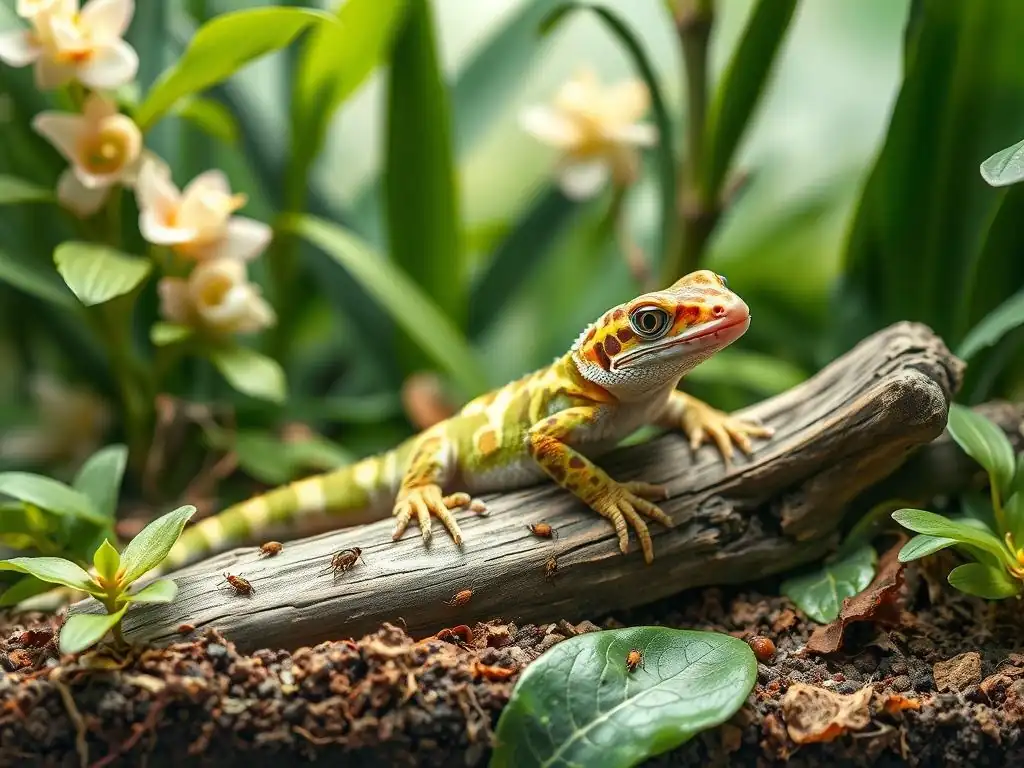
Creating a thriving and enriching environment for your reptile companion goes beyond simply providing food and water. A bioactive terrarium offers a significant upgrade, mimicking the natural habitat of your reptile and providing numerous health benefits. This comprehensive guide will walk you through the process of building your own DIY bioactive reptile terrarium, focusing on the specific needs of various reptile species and emphasizing the long-term advantages for your pet's well-being.
We'll cover everything from choosing the right substrate and plants to introducing the crucial cleanup crew – all while ensuring your project is both rewarding and successful. This guide is perfect for both beginner and experienced reptile keepers looking to elevate their pet's living space and simplify maintenance. By the end, you'll understand how a DIY bioactive terrarium can significantly improve your reptile's health, reduce your workload, and create a more engaging and naturalistic environment.
Choosing the Right Enclosure and Substrate for Your Reptile
Selecting the appropriate enclosure and substrate is paramount to building a successful bioactive terrarium. The size and type of enclosure will depend heavily on the size and species of your reptile. For example, a large arboreal species like a green iguana will require a significantly taller and wider enclosure than a smaller terrestrial species like a leopard gecko. Consider factors such as your reptile's adult size, activity levels (arboreal, terrestrial, semi-arboreal), and preferred humidity levels. The enclosure material should be sturdy, escape-proof, and easy to clean. Glass terrariums are a popular choice, offering good visibility.
The substrate forms the base of your bioactive terrarium and plays a crucial role in maintaining humidity and supporting the beneficial bacteria and microorganisms. Avoid substrates that can be ingested and cause impaction, such as sand or loose gravel, especially for younger or smaller reptiles. Popular and safer options include a mix of coco coir, topsoil, and orchid bark, providing excellent drainage and moisture retention. The specific ratio will vary depending on your reptile's needs and the type of plants you choose. Always research the best substrate for your specific reptile species to ensure optimal health and well-being.
Selecting and Planting Bioactive-Friendly Flora
The plants you choose for your bioactive terrarium are not just aesthetically pleasing; they serve vital roles in maintaining a healthy environment. They help regulate humidity, provide cover and enrichment for your reptile, and contribute to the overall aesthetic appeal of the terrarium. Select plants that are hardy, low-maintenance, and tolerant of the specific temperature and humidity levels required by your reptile. Avoid toxic plants that could harm your reptile if ingested.
Consider a variety of plants to create depth and visual interest. Include both low-growing ground cover plants and taller plants that provide climbing opportunities for arboreal species. Some popular choices include pothos, bromeliads, and various types of ferns, but again, research the specific needs of your reptile and choose accordingly. Remember to properly research the specific needs of each plant to ensure its survival within the terrarium environment. Proper planting techniques, including drainage and adequate spacing, are also crucial for the health of your plants and the overall success of your bioactive setup.
Introducing the Cleanup Crew: Essential Micro-Organisms and Invertebrates
The "cleanup crew" is the heart of a bioactive terrarium, responsible for breaking down waste and preventing the buildup of harmful bacteria. This crew typically consists of a combination of beneficial microorganisms and invertebrates.
The microorganisms, largely invisible to the naked eye, work tirelessly in the substrate to decompose waste products. These are naturally introduced through the substrate itself and flourish in a well-maintained terrarium. The invertebrate cleanup crew, however, is more visible and includes species like springtails and isopods. These tiny creatures consume waste, uneaten food, and decaying plant matter, keeping the terrarium clean and preventing unpleasant odors.
The right balance of these invertebrates is crucial; too many can overwhelm the system, while too few may not be sufficient to maintain cleanliness. Careful research into the appropriate numbers and species for your terrarium size and reptile species is essential. Introducing them gradually allows for proper acclimation and prevents overwhelming the system.
Frequently Asked Questions
What is a bioactive terrarium?
A bioactive terrarium is a self-sustaining ecosystem designed for reptiles and amphibians. It includes a live substrate layer with beneficial bacteria and cleanup crew (like isopods and springtails) to naturally process waste, reducing maintenance. This creates a more enriching and natural habitat.
Why should I build a bioactive terrarium for my reptile?
A bioactive terrarium offers numerous benefits, including improved air quality, reduced cleaning, and a more stimulating environment for your reptile. It mimics their natural habitat, leading to a healthier and happier pet.
What materials do I need to build a DIY bioactive terrarium?
You'll need a suitable enclosure, substrate (like topsoil and coco coir), drainage layer (like gravel or lava rock), cleanup crew (isopods and springtails), plants appropriate for your reptile's species, and decorations.
Is building a bioactive terrarium difficult?
While it requires some initial effort and research, building a bioactive terrarium is achievable for beginners. Many online resources, including PetCareWorld, offer comprehensive guides and step-by-step instructions to help you succeed. Patience and planning are key.
How do I maintain a bioactive terrarium?
Maintenance is minimal compared to traditional terrariums. You'll need to monitor humidity and temperature, occasionally mist the plants, and replenish any decaying plant matter. The cleanup crew will handle waste naturally, minimizing your workload.
Final Reflection: Cultivating Thriving Ecosystems, One Terrarium at a Time
Building a bioactive terrarium isn't just about creating a beautiful habitat; it's about fostering a miniature, self-sustaining ecosystem that mirrors the natural world and directly impacts the health and well-being of your reptile companion. The principles of bioactive design, from carefully selected substrate to the introduction of beneficial cleanup crews, offer a superior alternative to traditional setups, promoting a cleaner, healthier, and more enriching environment for your scaly friend.
The journey of creating a bioactive terrarium is more than just a project; it's a deeply rewarding experience that fosters a deeper connection with nature and the creatures we share our lives with. It's about understanding the intricate balance of life, mimicking natural processes, and appreciating the beauty of a thriving ecosystem contained within a glass enclosure. The best way to find yourself is to lose yourself in the service of others,
– Mahatma Gandhi. While not directly about terrariums, this quote speaks to the fulfilling nature of caring for a living creature and understanding its needs, a sentiment deeply connected to the bioactive approach.
Now, consider your own role in this intricate dance of life. Will you embrace the challenge of creating a thriving bioactive environment for your reptile? Will you delve deeper into the fascinating world of ecological balance and apply these principles to other areas of your life? The knowledge and skills gained from building a bioactive terrarium extend far beyond the confines of a glass enclosure; they encourage observation, patience, and a deeper appreciation for the interconnectedness of all living things. Embrace the opportunity to learn, grow, and contribute to the well-being of your reptile and the planet we share.
Unleash Your Reptile's Inner Explorer: Build Their Bioactive Paradise!
Thanks for exploring the world of bioactive terrariums! You've learned how enriching these environments can be for your reptile. Now it's time to put your knowledge into action and create a thriving habitat.
- Start building your bioactive terrarium today! Gather the necessary materials and begin constructing a personalized paradise tailored to your reptile's specific needs. This is the most impactful step you can take to improve your pet's well-being.
- Share your progress (or questions!) on our PetCareWorld forum. Connect with other reptile enthusiasts, exchange tips, and inspire others to create amazing bioactive setups.
- Document your build with photos or a short video! Share your creation and inspire others to build their own bioactive terrariums.
What unique element will you add to your reptile's new bioactive haven to make it truly special?