
Creative Pet Projects & DIY
Unleash your creativity and strengthen the bond with your furry, feathered, or scaly friends through hands-on, budget-friendly projects. Our Creative Pet Projects & DIY hub is your go-to source for innovative ideas that blend fun, sustainability, and expert-backed know-how. Whether you’re crafting DIY dog toys from recycled materials to keep your pup entertained and the planet cleaner, or diving into the fascinating world of a bioactive reptile terrarium that mimics a natural ecosystem, we provide step-by-step inspiration for every pet parent. Dreaming of a safe outdoor haven? Follow our detailed guide to build a catio for indoor cats, offering fresh air without the risks. And don’t forget our feathered companions—try our homemade treats for birds that are as nutritious as they are delicious. Turn simple materials into memorable experiences, save money, and enhance your pet’s well-being with projects designed for all skill levels, because the best pet care is often a labor of love.
 Homemade Treats for Birds: Healthy and Delicious Recipes
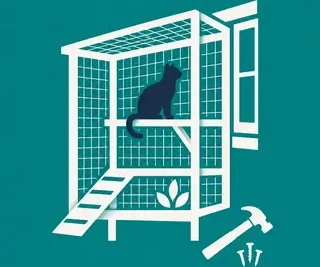 Building a Catio for Indoor Cats: Step-by-Step Guide
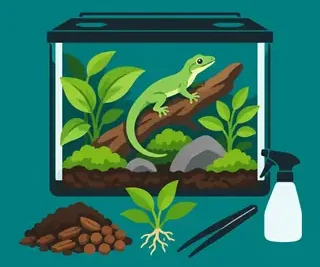 Creating a Bioactive Reptile Terrarium: A DIY Guide
 DIY Dog Toys from Recycled Materials: Fun and Sustainable Projects
Creative Pet Projects & DIY at PetCareWorld
Welcome to Creative Pet Projects & DIY, your ultimate hub for hands-on, budget-friendly ideas that enrich your pet’s life while showcasing your crafting skills. From eco-conscious dog toys to advanced reptile habitats, these projects are designed with safety, sustainability, and fun in mind. Whether you’re a seasoned DIYer or a curious beginner, our step-by-step guides help you build, bake, and construct meaningful additions for your furry, feathered, or scaly companions. Explore the subcategories below to find the perfect project that blends creativity with practical pet care, saving money and reducing waste.
🐾 DIY Dog Toys from Recycled Materials: Fun and Sustainable Projects
Transform everyday household waste—old t-shirts, tennis balls, or cardboard boxes—into engaging, durable toys your dog will adore. These projects prioritize safety by using non-toxic, chew-resistant materials that you can easily inspect and replace. Expect step-by-step instructions for braided rope tuggers, treat-dispensing puzzles, and no-sew fleece knots, all while reducing your environmental footprint. Ideal for playful pups that need mental stimulation and physical exercise, these sustainably crafted toys save money and encourage responsible consumption.
🦎 Creating a Bioactive Reptile Terrarium: A DIY Guide
Go beyond basic enclosures by building a self-sustaining ecosystem for your reptile. This guide covers layering drainage, substrate, live plants, and beneficial microfauna like springtails and isopods, creating a naturalistic habitat that regulates humidity and breaks down waste. Expect detailed advice on species-specific setups (geckos, skinks, or snakes), lighting, and watering systems. The result is a thriving, visually stunning terrarium that reduces cleaning frequency and promotes your reptile’s natural behaviors, making it a rewarding long-term project for committed keepers.
🐱 Building a Catio for Indoor Cats: Step-by-Step Guide
Give your indoor feline safe outdoor access with a custom-built catio. Our guide offers everything from simple window boxes to freestanding enclosures, using weather-resistant wood and wire mesh. You’ll learn to plan dimensions, add climbing shelves, tunnels, and scratch posts, plus secure doors and roofing. This project enriches your cat’s environment, curbing boredom and obesity while keeping them protected from traffic and predators. With clear tool lists and safety tips, you can create a luxury outdoor retreat that suits your space and your cat’s personality.
🍎 Homemade Treats for Birds: Healthy and Delicious Recipes
Whisk up nutritious snacks for your feathered friends using simple, bird-safe ingredients like oats, seeds, fruits, and vegetables. From baked seed bars to sprouted mixes and frozen summer treats, these recipes are free from preservatives, salt, and harmful additives. Each recipe includes portion control and storage advice to maintain freshness and variety. Perfect for parrots, cockatiels, or budgies, these homemade goodies support feather health, immune function, and mental enrichment. You’ll know exactly what goes into every bite, ensuring a happy and healthy flock.
Frequently Asked Questions
Are DIY pet toys as safe as store-bought ones?
Yes, if you follow guidelines and supervise initial use. Use non-toxic, durable materials without small parts or loose threads that can be ingested. Regularly inspect for wear and replace damaged toys. For aggressive chewers, avoid hard plastics that can crack; opt for sturdy fabrics and ropes. Always remove any toy that becomes dangerous.
What is the easiest plant to use in a bioactive terrarium?
Pothos (Epipremnum aureum) is a top choice: it’s hardy, grows quickly, tolerates low light, and is safe for many reptiles. However, always verify toxicity for your specific species—some reptiles may nibble. Other easy options include bromeliads, ferns, and snake plants. Start with one or two and monitor your reptile’s interaction.
How much does it cost to build a basic catio?
A simple window box catio can cost around $50–$150 in basic wood and wire mesh, while a larger freestanding unit might range from $300–$800 depending on size and materials. Using reclaimed wood reduces costs. You’ll also need screws, hinges, and paint/protective sealant. Rental tools or borrowing from neighbors can save more.
Can I feed my bird homemade treats every day?
No—treats should make up only 10–15% of your bird’s daily diet. Too many seeds or fruits can lead to obesity and nutritional imbalances. Offer small portions two to three times per week, and always provide a balanced pelleted diet and fresh water. Consult your avian vet for specific species needs.
What is the best recycled material for dog toys?
Old cotton t-shirts and denim are excellent because they’re soft yet durable, washable, and free of harmful chemicals. Braided strips create strong ropes for tugging. Also, clean, hollow rubber balls (like tennis balls) can become treat-dispensing puzzles. Avoid thin plastic bags, batteries, or any sharp edges—always cut and sew securely.