
Homemade Bird Treat Recipes for Picky Eaters: Entice Your Bird With These Tasty Options

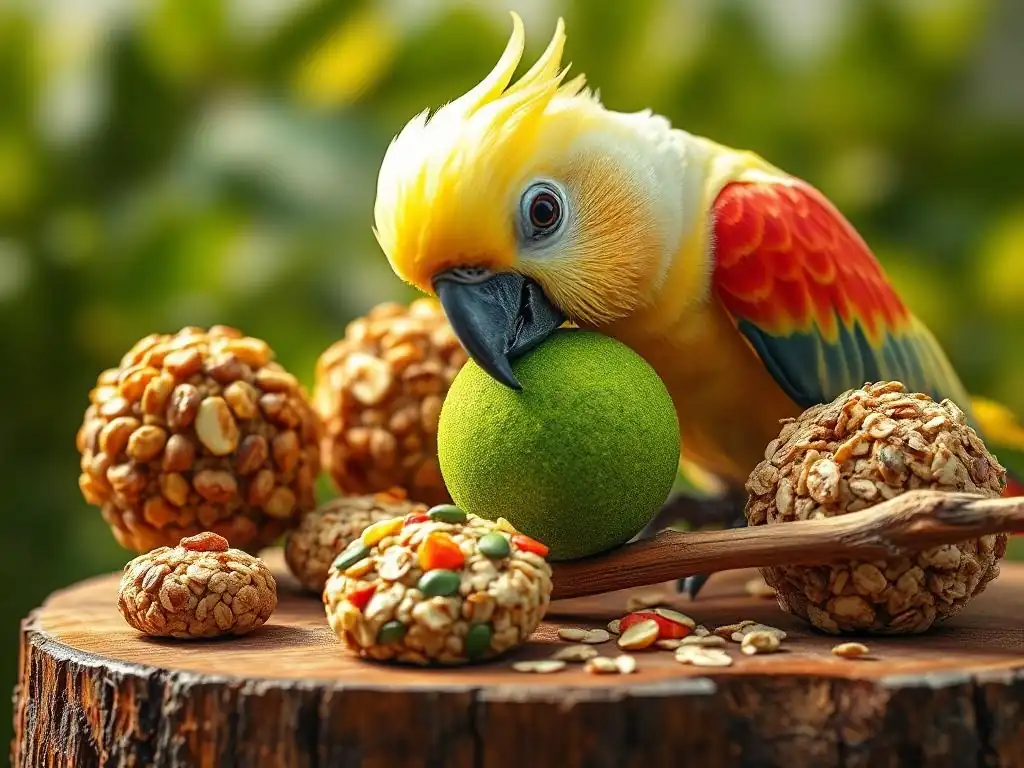
Welcome to PetCareWorld, your ultimate guide to a happier, healthier life for your beloved companions! Are you struggling to find treats that tempt your feathered friend? Discover the secret to winning over even the pickiest bird with our collection of homemade bird treat recipes. Dive in and unlock the delicious solutions to ensure your bird enjoys every bite – we've got the perfect recipe to tantalize their taste buds!
- Understanding Your Picky Bird's Dietary Needs
- Easy Homemade Bird Treat Recipes for Picky Eaters
- Enhancing the Appeal of Homemade Bird Treats
- Troubleshooting Picky Eating Habits
- Top Tips for Making Homemade Bird Treats Safely
- Frequently Asked Questions About Homemade Bird Treats (FAQ)
-
Frequently Asked Questions
- What makes a bird treat recipe suitable for picky eaters?
- Are there any ingredients I should avoid when making bird treats?
- How can I ensure my homemade bird treats are safe and nutritious?
- How do I introduce a new homemade bird treat to my picky bird?
- What if my bird still refuses to eat the homemade treats?
- Final Reflection: Nurturing the Bond Through Culinary Creativity
- Unlock Your Bird's Inner Gourmet: Delightful Recipe Adventures Await!
Understanding Your Picky Bird's Dietary Needs
Many bird owners face the frustrating challenge of a picky eater. This isn't simply about a bird refusing a single type of seed; it's about a consistent pattern of rejecting a wide variety of food options, potentially leading to nutritional deficiencies and health problems. This article dives deep into understanding why your feathered friend might be a picky eater, offering insights into identifying the problem, uncovering the root causes, and providing delicious, homemade treat recipes designed to tempt even the most discerning palate.
We'll explore the nutritional needs of different bird species, ensuring your customized treats not only taste great but also provide the essential nutrients your bird needs to thrive. With a little patience and creativity, you can turn your picky eater into a happy, healthy bird. Let's get started on this rewarding journey of creating nutritious and appealing homemade bird treats!
Identifying the Signs of a Picky Eater in Birds
Recognizing a picky eater in your avian companion is crucial for early intervention. It's not always obvious, and simply refusing one type of seed doesn't necessarily qualify as pickiness. True pickiness involves a consistent rejection of a diverse range of foods offered. Here are some key signs to watch for:
- Weight loss: A noticeable decrease in body weight is a significant red flag. Weigh your bird regularly to monitor changes.
- Lack of energy: Lethargy, decreased activity levels, and a general lack of enthusiasm are common indicators.
- Poor feather condition: Dull, ruffled feathers can signal malnutrition.
- Selective feeding: Only consuming a very limited selection of foods, often preferring only one or two items.
- Food wastage: Leaving large portions of offered food uneaten.
- Changes in droppings: Changes in the consistency, color, or frequency of droppings can reflect dietary issues.
Remember, observing your bird's behavior and physical condition is paramount. If you suspect pickiness, consult an avian veterinarian to rule out underlying medical conditions.
Common Reasons Why Birds Are Picky Eaters
Several factors can contribute to a bird's pickiness. Understanding these reasons is key to developing effective strategies to address the issue. These reasons can include:
- Boredom: A monotonous diet can lead to boredom and a refusal to eat. Variety is key!
- Stress: Environmental stress, such as noisy environments or cage mates, can significantly impact a bird's appetite.
- Underlying medical conditions: Illness can suppress appetite. A veterinary checkup is crucial.
- Previous negative experiences: A bad experience with a particular food can create aversion.
- Natural preferences: Some birds are naturally more selective than others.
- Insufficient foraging opportunities: Birds are naturally inclined to forage for their food. Providing opportunities for foraging can improve their interest in eating.
Addressing these underlying causes alongside offering appealing treats can greatly improve your bird's eating habits.
Nutritional Requirements for Different Bird Species
Nutritional needs vary widely among bird species. A diet suitable for a cockatiel won't necessarily be appropriate for a parrot. It's crucial to research the specific dietary requirements of your bird's species to ensure you're providing a balanced and nutritious diet. For example:
| Bird Species | Key Nutritional Needs | Considerations |
|---|---|---|
| Cockatiels | Seeds, pellets, fruits, vegetables | Avoid high-fat foods; provide calcium supplements. |
| Parrots (various) | Pellets, fruits, vegetables, nuts (in moderation) | Nutritional needs vary greatly by species and size. |
| Canaries | Seeds, fruits, vegetables, egg food | Ensure a balanced mix of seeds; provide grit. |
| Finches | Seeds, small insects, fruits, vegetables | Offer a variety of small seeds; provide fresh water. |
| Lovebirds | Pellets, seeds, fruits, vegetables | Avoid overly sugary foods; provide millet sprays. |
Remember, this table provides a general overview. Always consult with an avian veterinarian or a knowledgeable avian specialist to determine the precise nutritional needs of your specific bird. This detailed knowledge will inform the creation of homemade treats that are both delicious and nutritionally beneficial.
Easy Homemade Bird Treat Recipes for Picky Eaters
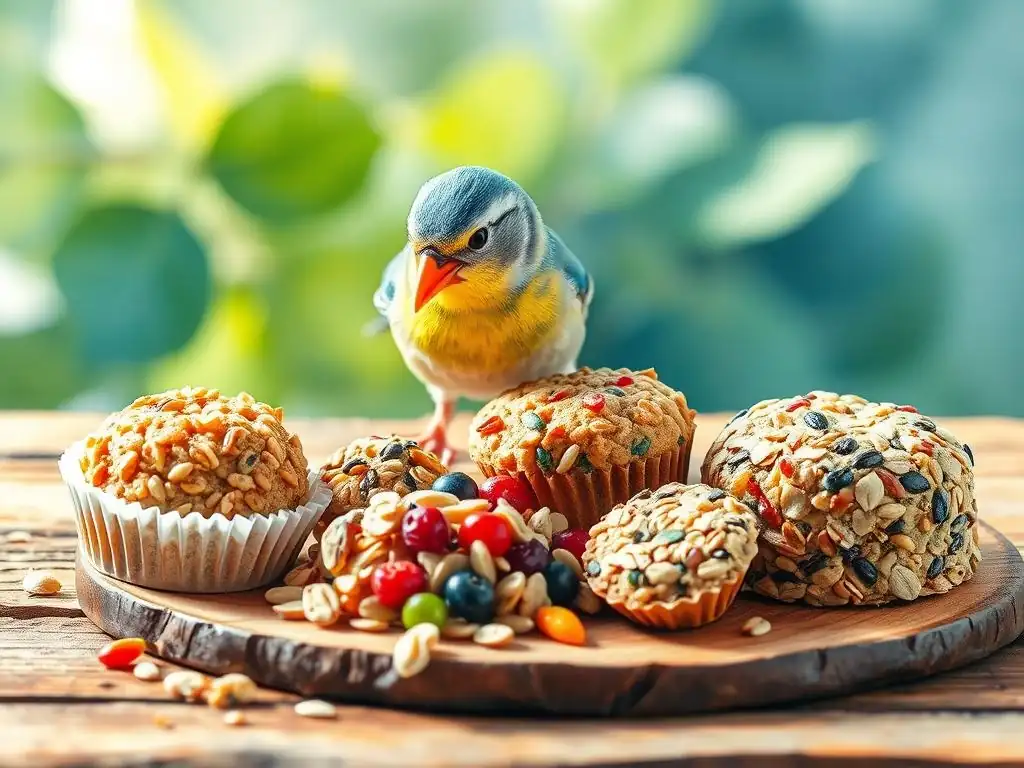
This section provides simple, yet nutritious, homemade treat recipes designed to tempt even the fussiest feathered friends. Remember to always supervise your bird during feeding time and introduce new treats gradually to avoid digestive upset. Consult with an avian veterinarian before making significant changes to your bird's diet, especially if they have pre-existing health conditions. These recipes focus on using fresh, high-quality ingredients to create delicious and healthy options for your picky bird. Remember to always prioritize safety and hygiene when preparing food for your pet.
Seed and Nut Mix for Small Parrots (Budgies, Cockatiels)
This recipe is perfect for small parrots like budgies and cockatiels, who often have a preference for seeds and nuts. The mix provides essential nutrients while offering a variety of textures and flavors to keep your bird engaged. This recipe is a great starting point and can be easily adapted to your bird's specific preferences.
Ingredients and Preparation for a Nutritious Seed Mix
To create a balanced and appealing seed and nut mix, consider the following recipe:
- 1/4 cup hulled sunflower seeds (choose a variety your bird enjoys)
- 1/4 cup small millet seeds
- 1/8 cup chopped unsalted peanuts (ensure they're not salted or roasted)
- 1/8 cup chopped almonds (unsalted and unroasted)
- 1 tablespoon finely chopped dried cranberries (unsweetened)
Instructions:
- Thoroughly wash and dry all ingredients.
- Finely chop the nuts and cranberries to ensure easy consumption for smaller birds.
- Gently mix all ingredients in a clean bowl.
- Store the mix in an airtight container in a cool, dry place. This mix can be stored for up to a week. Always check for freshness and discard any moldy or spoiled ingredients.
Remember to offer this mix in moderation as part of a balanced diet. Overfeeding seeds and nuts can lead to nutritional imbalances.
Adding Variety: Incorporating Fruits and Vegetables
To make this seed and nut mix even more appealing, consider incorporating small pieces of fresh fruits and vegetables. Introduce these gradually to monitor your bird's reaction. Good options include:
- Small pieces of apple (remove seeds and core)
- Shredded carrots
- Small pieces of cooked sweet potato (ensure it's unsalted and unseasoned)
Remember to remove any uneaten fruits and vegetables after a few hours to prevent spoilage. Always ensure the fruits and vegetables are fresh, clean, and free from pesticides. Consider rotating the fruits and vegetables to offer a wider variety of nutrients and flavors. This keeps things interesting and prevents your bird from getting bored with their food. 🐦
Fruit and Veggie Delights for Larger Birds (Macaws, African Greys)
Larger birds like macaws and African greys have a higher nutritional requirement and often appreciate a wider variety of foods. This section provides recipes focusing on fruits and vegetables, which are crucial for maintaining their health and well-being. Remember to always choose fresh, high-quality ingredients and to supervise your bird during feeding time.
Creating a Safe and Appetising Fruit Salad for Birds
A fruit salad can be a delightful and nutritious treat for larger birds. Here's a recipe to get you started:
- 1/2 cup chopped mango (remove the pit)
- 1/4 cup chopped papaya
- 1/4 cup chopped blueberries
- 1/4 cup chopped strawberries (remove the green tops)
- 1 tablespoon grated coconut (unsweetened)
Instructions:
- Thoroughly wash and dry all fruits.
- Chop the fruits into bite-sized pieces suitable for your bird's beak size.
- Gently mix all ingredients in a clean bowl.
- Offer the fruit salad in a clean dish and remove any uneaten portions after a few hours.
Remember to avoid giving your bird avocados, as they are toxic to birds. Always introduce new fruits gradually to monitor for any allergic reactions. A diverse fruit salad provides a wide range of vitamins and antioxidants.
Preparing Cooked Vegetables for Enhanced Palatability
Some birds might find cooked vegetables more palatable than raw ones. Steaming or lightly boiling vegetables can enhance their flavor and make them more appealing. Here are some options:
- Steamed broccoli florets (small pieces)
- Steamed green beans (cut into small pieces)
- Lightly boiled sweet potato (cubed, unsalted and unseasoned)
Instructions:
- Wash the vegetables thoroughly.
- Steam or lightly boil until tender-crisp. Avoid overcooking, as this can reduce nutritional value.
- Allow the vegetables to cool completely before offering them to your bird. Cut them into small, manageable pieces.
- Offer a small amount as a treat and observe your bird's reaction before offering more.
Remember that these are just suggestions, and you can adapt them based on your bird's preferences and dietary needs. Always prioritize a balanced diet and consult with an avian veterinarian for any specific dietary concerns. Happy cooking! 🦜
Homemade Millet Sprouts: A Nutritional Powerhouse
Millet sprouts are a fantastic addition to your picky bird's diet, offering a nutritional boost that surpasses even regular millet seeds. These tiny sprouts are packed with vitamins, minerals, and enzymes, making them a truly superfood for feathered friends. Unlike the dry millet seeds, sprouts are incredibly soft and easily digestible, perfect for birds with sensitive beaks or digestive systems. The sprouting process significantly increases the nutrient content, making them a highly desirable and healthy treat.
Many bird owners report a noticeable increase in their bird's energy levels and overall health after incorporating millet sprouts into their diet. It's a simple, yet highly effective way to enhance your bird's well-being and address picky eating habits. Remember to always supervise your bird while it enjoys its sprouts to ensure safe consumption and prevent choking hazards.
Step-by-Step Guide to Sprouting Millet for Your Bird
Sprouting millet at home is surprisingly easy and requires minimal equipment. Here’s a straightforward guide:
- Rinse the Millet: Start by rinsing one cup of millet seeds under cool running water. This removes any dust or debris.
- Soaking the Seeds: Place the rinsed millet in a jar or container, and cover it with about two cups of filtered water. Let it soak for at least 8 hours, or preferably overnight.
- Draining and Rinsing: After soaking, drain the water completely. Rinse the millet thoroughly and then drain again. This step is crucial to prevent mold growth.
- The Sprouting Process: Place the jar (with the drained millet) at a slightly angled position (this allows for better drainage) and cover it with a breathable cloth or cheesecloth secured with a rubber band. Rinse the millet thoroughly twice a day (morning and evening) with cool water, ensuring all the seeds are rinsed.
- Monitoring the Growth: Within a few days, you should see tiny sprouts emerging from the seeds. Continue rinsing twice daily until the sprouts reach your desired length (typically 1-2 inches).
- Storage and Feeding: Once the sprouts reach the desired length, rinse them one last time. You can store them in the refrigerator for a few days in an airtight container. Offer a small amount to your bird daily as a supplementary treat. Always discard any unused sprouts after a few days to prevent spoilage and potential health issues for your bird.
Benefits of Millet Sprouts for Bird Health
The benefits of offering millet sprouts to your bird are numerous:
- Increased Nutritional Value: Sprouting significantly increases the concentration of vitamins, minerals, and antioxidants compared to dry millet seeds. This translates to a more nutritious and beneficial treat for your bird.
- Improved Digestibility: The sprouting process softens the seeds, making them easier to digest, especially for birds with sensitive digestive systems. This is particularly crucial for picky eaters who might struggle with harder seeds.
- Enhanced Palatability: The fresh, slightly sweet taste of millet sprouts is often more appealing to picky birds compared to dry seeds. This can encourage them to eat a wider variety of foods.
- Boosted Immunity: The abundance of nutrients in millet sprouts contributes to a stronger immune system, helping your bird fight off illnesses and maintain overall good health.
- Natural Detoxification: Millet sprouts contain enzymes that support natural detoxification processes within your bird's body.
By incorporating homemade millet sprouts into your bird’s diet, you're providing a natural, healthy, and delicious way to address picky eating habits and promote optimal health. Remember to always introduce new foods gradually and monitor your bird's reaction. Consult an avian veterinarian if you have any concerns about your bird's diet or health.
Enhancing the Appeal of Homemade Bird Treats
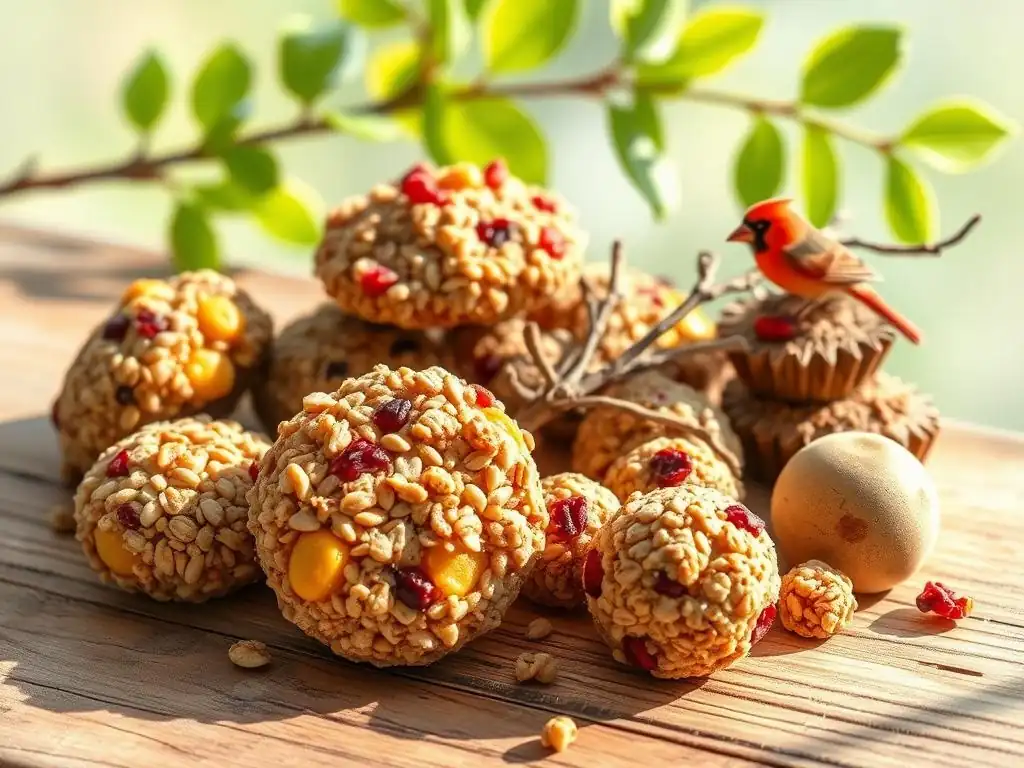
This section focuses on strategies to make your homemade bird treats even more appealing to your picky feathered friend, going beyond just the recipe itself. We'll explore presentation techniques, gradual introduction methods, and the powerful role of positive reinforcement training. Remember, even the most nutritious treat will be rejected if it's not presented correctly or if your bird isn't properly trained to accept new foods.
Presentation Matters: Creative Serving Ideas
The way you present a treat can significantly impact a picky bird's willingness to try it. Simply placing a pile of food in the bowl might not be enticing enough. Consider these creative serving ideas:
- Variety in Texture and Shape: Instead of always offering crumbled treats, try forming them into small balls, sticks, or even little shapes using cookie cutters (bird-safe materials only!). A mix of textures – soft, crunchy, chewy – can also pique their interest. For example, you can offer a mix of soft cooked millet and crunchy sunflower seeds.
- Visual Appeal: Birds are visually stimulated creatures. Consider using colorful, edible ingredients like berries (ensure they are bird-safe!) to make the treats more attractive. Arranging the treats artistically in their bowl or on a perch can also make a difference.
- Temperature: Some birds prefer their treats at a specific temperature. Experiment with serving treats slightly warmed (never hot!) or chilled to see if it influences their acceptance.
- Location, Location, Location: Offer the treats in different locations within the cage. Sometimes, a change of scenery can encourage a hesitant bird to sample something new. Try placing treats on different perches, in foraging toys, or even hanging them from the cage bars.
- Serving Size: Don't overwhelm your bird with a large portion. Start with tiny amounts to avoid waste and encourage trial.
Introducing New Treats Gradually
Introducing new treats gradually is crucial, especially with picky eaters. A sudden change in diet can cause stress and rejection. Follow these steps for a smooth transition:
- Initial Exposure: First, let your bird see and smell the new treat. This allows them to become familiar with the scent and appearance without feeling pressured to eat it.
- Small Samples: Once your bird seems comfortable with the presence of the new treat, offer a tiny, almost insignificant piece.
- Positive Association: If your bird shows any interest (even just pecking at it), immediately praise them and offer a favorite treat alongside the new one. This creates a positive association.
- Gradual Increase: Slowly increase the amount of the new treat over several days or weeks, always pairing it with a known favorite. Never force your bird to eat.
- Observe and Adjust: Pay close attention to your bird's reactions. If they show signs of distress or consistently refuse the treat, stop and try again later with a different approach or a different recipe.
Positive Reinforcement Training with Treats
Using treats as positive reinforcement can be incredibly effective in encouraging your bird to try new things. This method focuses on rewarding desired behaviors, making the treat a symbol of reward rather than just a food item.
- Target Training: Teach your bird to target a specific object (like a stick or your finger) with their beak. Reward them with a small piece of the new treat each time they successfully target. This creates a positive association between the treat and a desired behavior.
- Trick Training: Use the new treat to reward your bird for learning new tricks. This makes the treat a valuable reward, increasing its desirability.
- Consistency is Key: Consistency is paramount in positive reinforcement training. Always reward desired behaviors promptly and consistently. Inconsistent rewards can confuse your bird and hinder progress.
- Variety in Rewards: While focusing on introducing a specific treat, don't forget to also offer other favorite treats to keep your bird engaged and motivated.
Remember, patience and persistence are key when working with picky eaters. By combining creative presentation, gradual introduction, and positive reinforcement, you can significantly increase the chances of your bird enjoying your homemade treats and reaping the nutritional benefits they offer. 🎉
Troubleshooting Picky Eating Habits
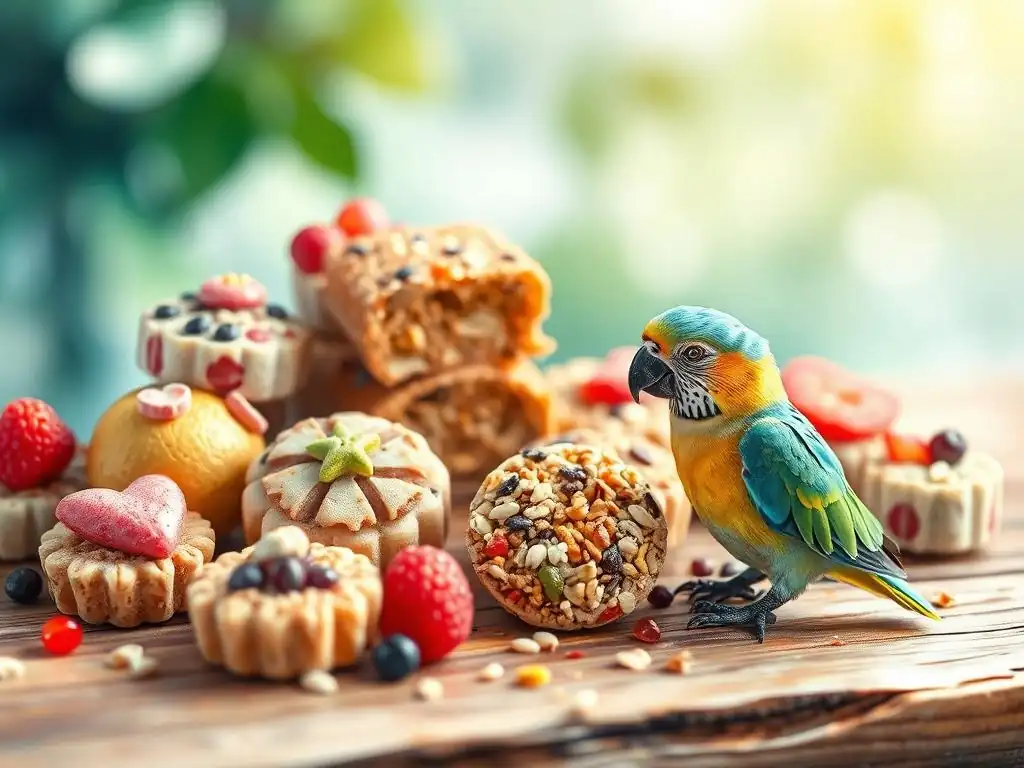
Picky eating in birds is a common concern for many owners. While offering a variety of homemade treats can significantly improve a bird's diet, understanding the underlying reasons for the pickiness is crucial for long-term success. This section explores strategies to address this issue and when professional veterinary intervention becomes necessary. Successfully addressing a picky bird's dietary needs often involves a multi-pronged approach, combining nutritional adjustments with behavioral modifications. Remember, a balanced diet is paramount to your feathered friend's health and well-being. Let's delve into some key strategies for tackling picky eating in your avian companion.
When to Consult an Avian Veterinarian
Ignoring persistent picky eating can have serious consequences for your bird's health. While homemade treats can be a valuable tool, they shouldn't replace a balanced diet. If your bird shows any of the following symptoms alongside picky eating, a visit to an avian veterinarian is essential:
- Significant weight loss: A noticeable decrease in body weight is a major red flag, indicating a potential nutritional deficiency.
- Lethargy and decreased activity: A bird that is unusually inactive or lethargic may be suffering from an underlying illness.
- Changes in droppings: Alterations in the consistency, color, or frequency of droppings can signal digestive problems or other health issues.
- Feather plucking or other behavioral changes: Sudden changes in behavior, such as excessive feather plucking, can be a sign of stress or illness related to poor nutrition.
- Vomiting or regurgitation: These are clear indications of digestive upset and require immediate veterinary attention.
Remember, early intervention is key. Don't hesitate to seek professional help if you suspect something is wrong. A thorough examination by an avian veterinarian can help pinpoint the cause of the picky eating and recommend appropriate treatment. Delaying treatment can lead to more severe health problems. Your bird's health should always be your top priority.
Addressing Underlying Medical Conditions
Picky eating can sometimes be a symptom of an underlying medical condition. Conditions such as liver disease, kidney problems, or infections can affect a bird's appetite and preference for food. For example, a bird with a liver condition might exhibit a decreased appetite for high-fat foods, while a bird with a kidney issue may avoid foods high in phosphorus. Therefore, a comprehensive veterinary checkup is crucial to rule out any underlying medical issues before implementing dietary changes.
The veterinarian may run blood tests, X-rays, or other diagnostic tests to determine the cause of the picky eating. Treatment of the underlying condition is often the first step towards resolving the dietary problems. Early diagnosis and treatment are essential for a positive outcome.
The Importance of Consistent Feeding Habits
Maintaining consistent feeding habits is vital for managing a picky bird's diet. This includes offering food at regular intervals, providing a variety of healthy options, and avoiding giving in to constant begging or demanding behavior. Creating a structured feeding routine helps establish predictability and reduces stress, which can contribute to better eating habits. For instance, offering fresh food and water twice a day, along with a consistent portion of pellets, can establish a healthy routine.
Avoid offering treats too frequently, as this could lead to your bird rejecting its regular diet. Remember, consistency and patience are key to successfully managing picky eating habits and promoting a healthy diet for your avian companion. Positive reinforcement techniques, such as rewarding desired behaviors with small amounts of preferred treats, can also be beneficial. Patience and persistence are crucial in establishing positive eating habits.
Top Tips for Making Homemade Bird Treats Safely
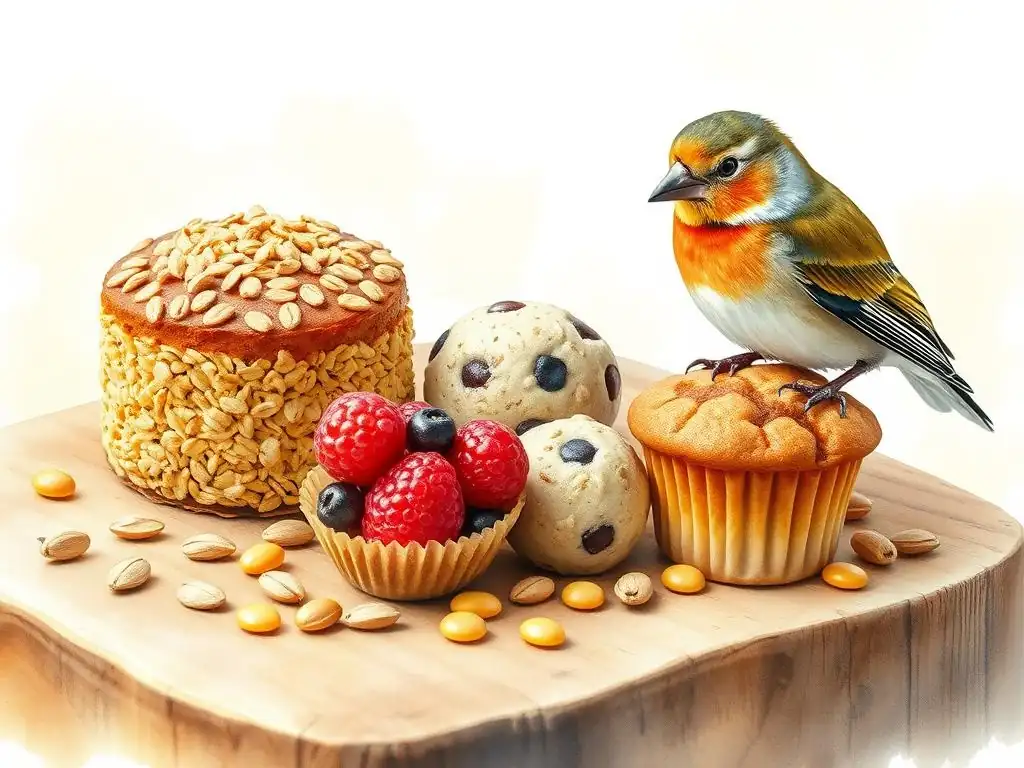
Creating delicious and nutritious homemade treats for your picky bird is rewarding, but safety should always be the top priority. A few simple precautions can ensure your feathered friend enjoys their treats without risk. Remember, even seemingly harmless ingredients can be toxic to birds if not handled correctly. This section focuses on best practices to minimize potential hazards and maximize the health benefits of your homemade creations. Let's delve into some crucial aspects of safe treat preparation.
Avoiding Toxic Foods for Birds
Many common human foods are toxic to birds. It's crucial to research thoroughly before incorporating any new ingredient into your bird's diet. Some common culprits include:
- Avocado: Contains persin, which is toxic to birds.
- Chocolate: Contains theobromine, a stimulant that can be fatal to birds.
- Caffeine: Found in coffee, tea, and soda, it can cause heart problems and seizures.
- Alcohol: Extremely toxic and can be fatal even in small amounts.
- Onions and Garlic: Contain compounds that can damage a bird's red blood cells.
- Salt: Excessive salt intake can lead to dehydration and other health problems.
- Raw meat and eggs: Can contain harmful bacteria like Salmonella. Always cook thoroughly.
Always double-check the safety of any ingredient before using it. A simple online search for "[ingredient] toxicity in birds" can provide valuable information. When in doubt, leave it out! Prioritizing your bird's safety is paramount. Remember to consult with an avian veterinarian if you have any concerns about a specific ingredient. They can provide personalized advice based on your bird's species and health status. A healthy and happy bird is a happy owner!
Storing Homemade Treats Properly
Proper storage is vital to prevent spoilage and maintain the quality and safety of your homemade bird treats. Spoiled treats can harbor bacteria and mold, posing health risks to your bird. Here's a guide to safe storage practices:
- Airtight Containers: Store treats in airtight containers to prevent moisture from entering and causing spoilage. Glass or food-grade plastic containers are ideal.
- Refrigeration: Most homemade bird treats should be refrigerated to extend their shelf life. This slows down bacterial growth and prevents spoilage.
- Freezing: For longer storage, consider freezing your treats in individual portions. This ensures freshness and prevents waste. Thaw portions in the refrigerator before serving.
- Labeling: Clearly label each container with the date of preparation and the ingredients used. This helps you track freshness and avoid accidental ingestion of outdated treats.
- Portion Control: Make only what your bird can consume within a few days to minimize waste and ensure freshness.
Following these simple storage guidelines will help you maintain the quality and safety of your homemade bird treats, ensuring your feathered friend enjoys them for longer. Remember, freshness is key to maintaining the nutritional value and preventing potential health issues.
Maintaining Hygiene During Preparation
Maintaining a clean and hygienic environment during the preparation of your bird treats is essential to prevent contamination and ensure your bird's safety. Here's a detailed checklist to follow:
- Wash your hands thoroughly: Before and after handling ingredients, wash your hands with soap and water for at least 20 seconds. This is crucial in preventing the transfer of bacteria.
- Clean your workspace: Keep your preparation area clean and free of clutter. Wipe down surfaces with a disinfectant before and after preparation.
- Use clean utensils: Use clean utensils and bowls throughout the preparation process. Avoid cross-contamination by using separate utensils for different ingredients.
- Cook thoroughly: If using any raw ingredients, ensure they are cooked thoroughly to eliminate any harmful bacteria.
- Discard spoiled ingredients: Discard any ingredients that show signs of spoilage, such as mold or unusual odors. Never use spoiled ingredients in your bird treats.
By meticulously following these hygiene practices, you significantly reduce the risk of contaminating your bird treats and causing health issues. Remember, a clean and safe preparation process is paramount to ensuring your bird enjoys their treats without any health concerns. A little extra care goes a long way in protecting your beloved pet.
Frequently Asked Questions About Homemade Bird Treats (FAQ)
This section addresses common concerns regarding homemade bird treats, focusing on safety, frequency, and ingredient selection for even the pickiest avian companions. Remember, always consult your avian veterinarian before introducing new foods into your bird's diet. This information is for educational purposes only and should not replace professional veterinary advice.
Can I give my bird avocado?
No, you should absolutely not give your bird avocado. Avocados contain persin, a toxin that can cause vomiting, diarrhea, and even respiratory distress in birds. Even small amounts can be harmful, so it's crucial to avoid avocado completely. Many other fruits and vegetables offer excellent nutritional benefits without posing this risk. For example, consider offering small pieces of:
- Blueberries: Rich in antioxidants.
- Strawberries: A good source of vitamin C.
- Mango (in moderation): Provides vitamin A and fiber.
- Papaya (in moderation): A good source of vitamins and minerals.
Remember to always wash fruits and vegetables thoroughly before offering them to your bird. Introducing new foods gradually and monitoring your bird's reaction is also essential. If you notice any adverse effects after introducing a new food, discontinue its use immediately and contact your veterinarian.
How often should I give my bird homemade treats?
Homemade treats should supplement, not replace, your bird's main diet. Think of them as occasional rewards or enrichment opportunities, not a daily staple. Overfeeding treats can lead to nutritional imbalances and obesity, which can negatively impact your bird's health and longevity.
A good rule of thumb is to limit treats to no more than 10% of your bird's daily caloric intake. This percentage can vary depending on your bird's species, size, age, and activity level. For a small bird, this might equate to a tiny piece of fruit or a few seeds, whereas a larger bird might tolerate a slightly larger portion.
Consider incorporating treats strategically:
- Training: Use small, healthy treats as positive reinforcement during training sessions.
- Enrichment: Offer treats in puzzle feeders or foraging toys to stimulate your bird mentally and physically.
- Special Occasions: Reserve more elaborate homemade treats for birthdays, holidays, or other special occasions.
Regularly monitor your bird's weight and body condition to ensure that treat consumption doesn't contribute to weight gain. Consult your veterinarian for personalized recommendations based on your bird's specific needs.
What are the best ingredients for a picky bird?
Picky birds often require a little extra coaxing, but understanding their preferences can make treat-making much easier. Instead of focusing solely on what you think they should eat, observe what they already show interest in. Do they favor certain types of seeds? Are they drawn to specific colors or textures?
Here are some generally appealing and nutritious options for picky eaters:
| Ingredient | Nutritional Benefits | Notes |
|---|---|---|
| Cooked Quinoa | High in protein, fiber, and essential minerals | Cook until tender; can be mixed with other ingredients. |
| Sprouting Seeds | Increased nutrient bioavailability | Easy to prepare; offer variety like sunflower, millet, or flax seeds. |
| Cooked Sweet Potato | Rich in vitamins A and C, fiber | Cook until soft; mash or cut into small, manageable pieces. |
| Plain, Unsweetened Yogurt (in moderation) | Source of calcium and probiotics (ensure no added sugar or xylitol!) | Offer small amounts to birds who tolerate dairy well; some are lactose intolerant. |
| Oatmeal (plain, uncooked) | Fiber and some vitamins and minerals (cook before offering) | Avoid adding sugar or other flavorings. |
Remember to always introduce new ingredients one at a time and monitor your bird for any adverse reactions. Experiment with different combinations of textures and flavors to find the perfect winning combination for your feathered friend! 🐦 A little patience and observation will go a long way in creating delicious and healthy homemade treats that your picky bird will love.
Frequently Asked Questions
What makes a bird treat recipe suitable for picky eaters?
Picky birds often need highly palatable ingredients like seeds they already enjoy, combined with novel textures or familiar flavors in a new format. The recipe should also be easy to digest.
Are there any ingredients I should avoid when making bird treats?
Yes, avoid chocolate, avocado, caffeine, alcohol, and onions, as these are toxic to birds. Also, limit salt and sugar. Always research ingredient safety thoroughly.
How can I ensure my homemade bird treats are safe and nutritious?
Use fresh, high-quality ingredients, and thoroughly research the nutritional needs of your specific bird species. Maintain proper hygiene during preparation to avoid contamination.
How do I introduce a new homemade bird treat to my picky bird?
Start by offering a small amount alongside their regular food. If they don't eat it right away, don't be discouraged; try again later or mix a small amount into their regular food. Positive reinforcement can help.
What if my bird still refuses to eat the homemade treats?
Try different recipes and variations of the same recipe. Consider consulting an avian veterinarian to rule out any underlying health issues that might be affecting their appetite. Patience is key.
Final Reflection: Nurturing the Bond Through Culinary Creativity
The simple act of crafting homemade bird treats transcends mere sustenance; it's a powerful expression of care and connection. Providing our feathered friends with nutritious and delicious meals strengthens the bond we share, offering a unique opportunity for interaction and observation. This is especially crucial for picky eaters, whose dietary preferences can sometimes pose a challenge.
The journey of creating these recipes has been deeply rewarding, highlighting the importance of understanding our birds' individual needs and preferences. It's a testament to the unique personalities of our avian companions, each with their own tastes and quirks. The greatest pleasure in life is loving those who love us back.
This sentiment, while often applied to human relationships, resonates deeply with the bond we forge with our pets, including our birds. The time spent preparing these treats becomes a cherished ritual, fostering a deeper understanding and appreciation for the creatures we share our lives with.
Now, I invite you to embark on your own culinary adventure. Experiment with different ingredients, observe your bird's reactions, and most importantly, enjoy the process of creating a special treat that caters to their unique palate. Remember, the love and care you put into crafting these recipes will be reflected in the joy and health of your beloved bird. Let the chirping and happy dances be your reward!
Unlock Your Bird's Inner Gourmet: Delightful Recipe Adventures Await!
Thank you for exploring these delicious and nutritious homemade bird treat recipes! We hope you've found inspiration to pamper your feathered friend. Let's get those beaks pecking!
- Create your bird's favorite treat today: Select a recipe that appeals to you, gather the ingredients, and start baking (or blending)! Remember to adjust the recipe to suit your bird's specific dietary requirements.
- Share your culinary creations: Take a photo of your bird enjoying their new treat and share it on our PetCareWorld social media pages—we'd love to see your birdie's happy face!
- Experiment with flavors: Once you've mastered a few basic recipes, try substituting ingredients to discover your bird's favorite treat. You might be surprised by what your bird enjoys!
What unique twist will you add to these bird treat recipes to create a truly unforgettable culinary experience for your feathered friend?