
Decoding Kitten Food Labels: What Every Owner Should Know

Welcome to PetCareWorld, your ultimate guide to a happier, healthier life for your beloved pets! Are you ready to unlock the secrets to providing optimal nutrition for your furry, feathered, or scaled friend? Our expert guide on "Best kitten food label guide" will empower you to make informed decisions about your kitten's diet, ensuring they thrive from kittenhood to adulthood. Dive in and discover the critical information hidden within those seemingly complex food labels – your kitten's well-being depends on it!
- Understanding Kitten Food Label Requirements: A Comprehensive Guide
- Choosing the Best Kitten Food: Factors to Consider Beyond the Label
- Best Kitten Food Label Guide: Key Indicators of High-Quality Nutrition
- Interpreting Feeding Guidelines and Portion Control
- Beyond the Label: Ensuring Optimal Kitten Nutrition
-
Frequently Asked Questions
- What should I look for on a kitten food label to ensure it's high-quality?
- How much protein should a kitten food contain?
- Are there specific ingredients I should avoid in kitten food?
- What does "complete and balanced" mean on a kitten food label?
- How can I tell if my kitten is allergic to a particular ingredient in their food?
- Final Reflection: Unlocking a Lifetime of Health Through Informed Choices
- Unlock Your Kitten's Nutritional Potential!
Understanding Kitten Food Label Requirements: A Comprehensive Guide
Choosing the right food is crucial for your kitten's healthy growth and development. Navigating the often-confusing world of kitten food labels can feel overwhelming, but understanding the key components is essential for making informed decisions that support your feline friend's well-being.
This comprehensive guide will equip you with the knowledge to decipher kitten food labels effectively, ensuring you select a diet that meets your kitten's nutritional needs throughout their crucial early stages of life. We'll explore ingredient lists, guaranteed analysis statements, and nutritional adequacy statements, empowering you to become a savvy kitten food shopper and providing you with the tools to select the best food for your furry companion.
This guide aims to be your ultimate resource for selecting the best kitten food, helping you confidently navigate the complexities of food labels and make choices that contribute to a healthy and happy kitten. This is your ultimate guide to becoming a confident and informed kitten food buyer, ultimately contributing to your kitten's overall health and happiness.
Deciphering Ingredient Lists: Key Nutrients for Growing Kittens
The ingredient list, typically found on the back of the food package, is a crucial element for understanding the composition of your kitten's food. It's listed in descending order by weight, meaning the first ingredient constitutes the largest percentage of the food. For optimal kitten growth, look for high-quality protein sources listed prominently. This typically includes named meat sources such as "chicken," "turkey," or "salmon," rather than vague terms like "meat by-products."
These named sources provide essential amino acids necessary for muscle development and overall health. Avoid foods with fillers like corn, wheat, or soy as primary ingredients, as these can be less digestible and offer less nutritional value. Ideally, your kitten's food should include a balance of animal-based proteins and healthy fats, along with essential vitamins and minerals.
A good rule of thumb is to look for foods with meat or fish as the first few ingredients. The presence of taurine, an essential amino acid for cats, should also be noted. The absence of artificial colors, flavors, and preservatives is also a plus for your kitten's well-being.
Here's a simple table to illustrate good vs. bad ingredient lists:
| Good Ingredient List Example | Bad Ingredient List Example |
|---|---|
| 1. Chicken, 2. Chicken Liver, 3. Brown Rice, 4. Oatmeal | 1. Corn, 2. Wheat, 3. Poultry By-Products, 4. Meat Meal |
Identifying Guaranteed Analysis: Protein, Fat, and Fiber Content Explained
The "guaranteed analysis" section provides minimum and maximum percentages of crucial nutrients, including crude protein, crude fat, crude fiber, and moisture. Understanding these values allows you to compare different brands and ensure your kitten receives adequate levels of essential nutrients. A higher protein percentage is generally desirable for growing kittens, supporting muscle development and overall growth. Healthy fat levels are also necessary for energy, brain development, and a shiny coat.
Crude fiber content should be moderate, aiding in digestion. Moisture content indicates the water percentage in the food. Always compare these values across different brands to find a balance that suits your kitten's needs.
Keep in mind that these are minimum guarantees; the actual values might be higher. For example, a guaranteed analysis might show "Crude Protein: 30% min," meaning the food contains at least 30% protein, but it could contain more. Remember to consult your veterinarian for specific recommendations based on your kitten's age, breed, and activity level.
Understanding Nutritional Adequacy Statements: AAFCO Standards and Their Meaning
The Association of American Feed Control Officials (AAFCO) sets standards for pet food labeling. Look for statements indicating that the food meets AAFCO nutrient profiles for growth or maintenance of kittens. These statements confirm that the food has been formulated to meet the nutritional requirements of kittens at different life stages. AAFCO statements typically read something like: "Complete and balanced nutrition for growth of kittens."
This signifies that the food is formulated to provide all the essential nutrients a growing kitten needs. Without this statement, you cannot be sure the food meets the nutritional needs of your kitten. This section provides the assurance that the food you are selecting is scientifically formulated to meet the specific nutritional demands of a growing kitten. Paying attention to this detail empowers you to make a well-informed decision about your kitten's diet, contributing to its long-term health and vitality.
Spotting Potential Allergens and Additives: Common Ingredients to Watch Out For
Choosing the best kitten food requires a keen eye for potential allergens and additives. Many ingredients, while seemingly harmless, can trigger adverse reactions in sensitive kittens. Understanding these potential culprits is crucial for maintaining your kitten's health and well-being. This section will highlight common ingredients to watch out for, empowering you to make informed decisions when selecting your kitten's food.
One of the most prevalent allergens in kitten food is beef. While a common protein source, beef can cause digestive upset, skin irritation, and even more serious allergic reactions in some kittens. Similarly, chicken and dairy products are also frequent allergens.
Many commercial kitten foods utilize chicken by-products, which can be less digestible and potentially contain higher levels of allergens than whole chicken. Dairy, while seemingly beneficial, can cause lactose intolerance in some kittens, leading to diarrhea and other gastrointestinal issues. Always check the ingredient list carefully, noting the specific form of the protein source (e.g., whole chicken vs. chicken meal).
Beyond the major protein sources, several additives can negatively impact your kitten's health. Artificial colors and flavors are often used to enhance the food's appeal, but they offer no nutritional value and can contribute to hyperactivity or other behavioral issues in some kittens. Similarly, artificial preservatives, such as BHA and BHT, are used to extend shelf life, but their long-term effects are debated and some studies suggest potential health risks. Look for foods that utilize natural preservatives like vitamin E or mixed tocopherols.
Another important consideration is the presence of fillers. These are inexpensive ingredients that add bulk to the food but offer minimal nutritional value. Common fillers include corn, wheat, and soy. While not inherently harmful, these fillers can reduce the digestibility of the food and may not provide the necessary nutrients for optimal kitten development.
A high-quality kitten food will prioritize whole meat sources and minimize the use of these fillers. Always check the guaranteed analysis to determine the actual protein and fat content, rather than just relying on the ingredient list alone. A higher percentage of named meat sources, relative to the total ingredients, is a good indicator of superior quality.
Finally, remember that each kitten is unique. What might be perfectly acceptable for one kitten could trigger an allergic reaction in another. Pay close attention to your kitten's reactions to different foods, monitoring for signs of digestive upset, skin problems, or changes in behavior. If you suspect an allergic reaction, consult your veterinarian immediately.
They can conduct allergy testing and recommend a suitable diet to manage your kitten's sensitivities. By carefully reviewing labels and monitoring your kitten's health, you can ensure they receive the best possible nutrition and avoid potential health problems. This diligent approach is key to providing your kitten with a long, healthy, and happy life.
Choosing the Best Kitten Food: Factors to Consider Beyond the Label
Choosing the right kitten food is crucial for their healthy development. While understanding the label is essential (as we've discussed previously), several factors extend beyond the printed information. These factors significantly impact your kitten's nutritional intake and overall well-being. Consider these aspects alongside label analysis for a truly informed decision. Remember, the "best" kitten food is highly individual and depends on your kitten's specific needs and preferences.
Dry vs. Wet Kitten Food: Benefits and Drawbacks for Optimal Nutrition
The age-old debate: dry versus wet food. Both offer nutritional benefits, but their composition and impact differ. Dry kitten food (kibble) is generally more convenient, offering longer shelf life and easier storage. It also contributes to dental health by helping to scrape away plaque. However, dry food typically contains lower moisture content, potentially leading to dehydration if not balanced with sufficient water intake. This can be especially problematic for kittens, who are more susceptible to urinary tract issues.
Wet kitten food, on the other hand, boasts higher moisture content, crucial for hydration. The palatability is often higher, making it ideal for picky eaters. However, wet food has a shorter shelf life once opened and can be more expensive per serving. It's also less effective for dental cleaning.
The ideal solution often involves a combination. A balanced approach might include primarily wet food for hydration and palatability, supplemented with a small amount of dry food for dental health and convenience. Always consult your veterinarian to determine the optimal ratio for your kitten's specific needs and health status. Consider factors like breed, activity level, and any pre-existing health conditions. For example, a highly active kitten might benefit from a higher calorie intake, potentially requiring more dry food. A kitten prone to urinary tract infections might need a higher moisture diet, leaning towards more wet food.
Kitten Food Formulas: Selecting the Right Type for Age and Breed
Kitten food formulas aren't one-size-fits-all. Manufacturers offer various formulas catering to different age groups and breeds. Kittens under four months old require food specifically formulated for their rapid growth and development, typically containing higher levels of protein and fat. As they mature, their nutritional needs change, requiring a transition to kitten food designed for older kittens (typically 4-12 months). After 12 months, they should graduate to adult cat food.
Breed-specific formulas also exist. Certain breeds are predisposed to specific health issues, necessitating tailored nutrition. For example, some breeds are more prone to urinary tract problems, requiring food formulated to minimize the risk. Always check the specific recommendations on the packaging and consult your veterinarian for personalized advice. This is especially important for kittens with allergies or sensitivities. A veterinarian can help identify potential allergens and recommend suitable hypoallergenic options. They can also advise on appropriate portion sizes to prevent obesity.
Grain-Free vs. Grain-Inclusive Kitten Food: Addressing Common Concerns
The grain-free versus grain-inclusive debate remains a topic of discussion in the pet food industry. Grain-inclusive foods often contain sources of carbohydrates like corn, wheat, and rice, providing energy and fiber. Some argue that grains are unnecessary fillers, while others emphasize their role in providing essential nutrients and promoting healthy digestion.
Grain-free options often substitute grains with alternative sources of carbohydrates, such as potatoes or peas. However, some studies have linked grain-free diets to a higher risk of dilated cardiomyopathy (DCM) in certain breeds. It's crucial to carefully evaluate the ingredients and consult your veterinarian before making a decision. The best choice depends on your kitten's individual needs and any potential sensitivities.
A balanced approach considers the overall nutritional profile of the food, not just the presence or absence of grains. A good quality grain-inclusive food can provide complete and balanced nutrition, just as a well-formulated grain-free option can. The key is to find a food that meets your kitten's specific requirements and preferences.
Choosing between budget-friendly and premium kitten food often presents a dilemma for pet owners. While premium brands often boast higher-quality ingredients and potentially better nutritional profiles, their price point can be significantly higher. Budget options, conversely, might seem appealing for their affordability, but they may compromise on the quality and quantity of essential nutrients. The key is to find a balance that meets your kitten's nutritional needs without breaking the bank.
One crucial aspect to consider is the ingredient list. Premium kitten foods typically feature named meat sources (like "chicken" or "salmon") as the primary ingredients, indicating a higher meat content and potentially better protein sources. Budget options, however, might utilize less specific terms like "meat by-products" or "animal digest," which are less transparent and may indicate lower-quality ingredients. This difference can significantly affect your kitten's growth, development, and overall health. A kitten's nutritional needs are particularly high during their formative months, and skimping on quality can lead to long-term health issues.
Another important factor is the nutrient density. Premium foods are often formulated to meet or exceed the Association of American Feed Control Officials (AAFCO) nutrient profiles for growth, ensuring your kitten receives the necessary vitamins, minerals, and amino acids for optimal development. Budget brands may meet the minimum AAFCO requirements, but they may not provide the same level of nutritional richness. This could translate to slower growth, a weaker immune system, and an increased risk of health problems.
However, it's not always an "all or nothing" scenario. Many budget-friendly brands offer decent quality, especially if you carefully examine the ingredient list and nutritional information. Look for foods that list specific meat sources early on, avoid fillers like corn or wheat, and ensure they meet AAFCO standards. You might need to compare several brands to find one that strikes a balance between affordability and nutritional adequacy.
Remember, consulting your veterinarian is always a good idea to determine the best food for your individual kitten's needs and budget. They can provide personalized recommendations based on your kitten's breed, age, activity level, and any existing health conditions. Ultimately, the best choice involves careful research, comparison shopping, and professional veterinary guidance to ensure your kitten thrives.
Best Kitten Food Label Guide: Key Indicators of High-Quality Nutrition
This section delves into the crucial aspects of understanding kitten food labels to ensure your feline friend receives optimal nutrition during their critical growth phase. Navigating the myriad of options available can be overwhelming, but by focusing on key indicators, you can confidently select a food that supports your kitten's health and development. This guide will empower you to make informed decisions, contributing to your kitten's long-term well-being. Remember, choosing the right food is a cornerstone of responsible pet ownership.
Recognizing High-Quality Protein Sources: Meat, Poultry, and Fish
Protein is paramount for a kitten's growth and development. Look for labels clearly specifying named meat, poultry, or fish sources as the first ingredients. Generic terms like "meat by-products" or "animal digest" are less desirable, as they may contain lower-quality ingredients with less nutritional value. The higher the percentage of named meat sources listed at the beginning of the ingredient list, the better.
For example, a high-quality kitten food might list "Chicken," "Turkey," or "Salmon" prominently, indicating a significant proportion of these nutritious proteins. Conversely, a label showing "Poultry by-product meal" as a primary ingredient should raise concerns about the quality and digestibility of the protein source. Always prioritize whole meat sources over processed by-products.
A table can help visualize the importance of ingredient order:
| Ingredient Order | Quality Indication | Example |
|---|---|---|
| Named Meat (Chicken, Salmon, etc.) first | Excellent | Chicken, Turkey, Brown Rice, etc. |
| Meat By-products first | Poor | Meat By-products, Corn, Wheat, etc. |
| Unidentified Meat Source first | Questionable | Meat Meal, Grain, etc. |
Remember, kittens have higher protein requirements than adult cats. Insufficient protein can lead to stunted growth and various health issues. Therefore, carefully scrutinizing the protein sources listed on the label is crucial.
Evaluating Fat Content: Essential Fatty Acids for Healthy Development
Fat is another vital nutrient for kittens, providing energy and supporting brain development. However, the type of fat is just as important as the quantity. Look for labels mentioning specific essential fatty acids (EFAs), such as omega-3 and omega-6 fatty acids. These EFAs are crucial for healthy skin and coat, as well as overall development. Sources like fish oil or flaxseed oil are excellent indicators of a balanced fat profile.
The amount of fat should be appropriate for the kitten's age and activity level. Excessive fat can lead to obesity, while insufficient fat can hinder growth and development. The label should provide the percentage of fat content, allowing you to compare different brands and ensure it aligns with your kitten's needs. Consult your veterinarian if you have concerns about your kitten's weight or fat intake. They can provide personalized recommendations based on your kitten's breed, size, and activity level.
Essential Vitamins and Minerals: Checking for Complete and Balanced Nutrition
A complete and balanced kitten food will contain a comprehensive blend of essential vitamins and minerals. These micronutrients play crucial roles in various bodily functions, including bone development, immune system support, and overall health. While the exact amounts may vary depending on the formulation, the label should clearly state that the food meets the nutritional levels established by the Association of American Feed Control Officials (AAFCO) for growth. This AAFCO statement ensures the food meets minimum requirements for kitten nutrition.
Look for specific vitamins like Vitamin A, Vitamin D, Vitamin E, and Vitamin K, as well as minerals such as calcium, phosphorus, and iron. These are vital for your kitten's healthy development. The presence of these nutrients, alongside the AAFCO statement, offers assurance that the food provides a comprehensive nutritional profile. Don't hesitate to contact your veterinarian if you have any questions about specific vitamin or mineral requirements for your kitten's breed or individual needs. They can offer guidance tailored to your pet's unique circumstances. Remember, proactive nutrition is key to a healthy and happy kitten!
Avoiding Fillers and Artificial Ingredients: Prioritizing Whole Foods
Choosing a kitten food that prioritizes whole foods is crucial for their healthy development. Many commercially available kitten foods contain fillers, artificial colors, flavors, and preservatives that offer little nutritional value and can even be detrimental to a kitten's health. These fillers often take the form of inexpensive grains like corn, wheat, and soy, which can cause allergies and digestive upset in sensitive kittens. Furthermore, artificial ingredients have been linked to various health problems in pets, including hyperactivity, skin issues, and long-term organ damage.
A high-quality kitten food will clearly list named meat sources as the primary ingredients, such as chicken, turkey, or fish. Look for recognizable whole foods like fruits and vegetables, which contribute essential vitamins and antioxidants. The ingredient list should be transparent and easy to understand, avoiding vague terms or proprietary blends. Remember, the shorter and more understandable the list, the better.
A longer list often suggests a higher proportion of fillers and less emphasis on nutrient-dense ingredients. Prioritizing foods with easily digestible protein sources is also vital for optimal growth and development. For example, chicken and fish are generally well-tolerated by kittens, whereas beef can sometimes cause digestive issues.
It's important to note that the order of ingredients on the label reflects their proportion in the food. The ingredients listed first are present in the highest quantities. Therefore, if you see corn or wheat listed near the top, it indicates that these fillers constitute a significant portion of the food, reducing the overall nutritional value. Conversely, a food with named meat sources listed first suggests a higher protein content, essential for building strong muscles and supporting a kitten's rapid growth.
Always check the guaranteed analysis section on the label as well, which provides information on the minimum percentages of crude protein, fat, fiber, and moisture. This data, along with the ingredient list, paints a clearer picture of the food's nutritional profile. Pay close attention to these details; they are key to making informed decisions about your kitten's nutrition.
Remember, investing in high-quality kitten food translates to a healthier, happier, and more energetic kitten in the long run. The cost savings from cheaper, filler-heavy food are insignificant compared to potential veterinary bills resulting from health issues caused by poor nutrition. Prioritizing whole foods is an investment in your kitten’s well-being.
Interpreting Feeding Guidelines and Portion Control
Understanding how to interpret kitten food labels is crucial for ensuring your feline friend receives the proper nutrition. Manufacturers provide feeding guidelines based on average kitten weight and activity levels. However, these are just starting points. Individual kittens vary greatly in their metabolism and energy expenditure. A playful, active kitten will require more calories than a more sedentary one. The information on the label is a guide, not a rigid rule.
Understanding Caloric Density: How to Adjust Portions for Your Kitten's Needs
Caloric density, expressed in kilocalories (kcal) per cup or per kilogram of food, is a key factor in portion control. A higher caloric density means fewer cups of food are needed to meet your kitten's daily energy requirements. For example, a food with 400 kcal/cup will require a smaller serving than a food with 300 kcal/cup to provide the same amount of energy. Always check the label for the caloric density and use this information to calculate the appropriate portion size based on your kitten's weight and activity level.
This is particularly important for kittens who are either underweight or overweight. Regularly monitoring your kitten's weight is crucial for making adjustments to their food intake and maintaining a healthy body condition. Remember, consistency is key! Sticking to a regular feeding schedule, even with adjustments, helps your kitten develop healthy eating habits.
Monitoring Your Kitten's Weight: Maintaining a Healthy Body Condition
Regularly weighing your kitten is paramount. Aim to weigh your kitten weekly, especially during the rapid growth phase. Use a pet scale for accurate measurements. Feel your kitten's ribs; you should be able to feel them easily without excessive pressure. If you can't feel them, or if they are very prominent, it's time to adjust the food portions.
A healthy kitten should have a visible waistline when viewed from above. A visual assessment combined with regular weighing gives you a comprehensive picture of your kitten's body condition. Consult your veterinarian if you are unsure about your kitten's weight or body condition. They can provide personalized guidance and help you create a feeding plan that suits your kitten's specific needs. Don't hesitate to seek professional advice; it's a sign of responsible pet ownership.
Adjusting Feeding Schedules: Growth Stages and Individual Needs
Kitten feeding schedules should adapt to their growth stages. Kittens need frequent, smaller meals during their first few months of life. As they mature, the frequency can gradually decrease, but the total daily caloric intake might remain relatively high to support their ongoing development. A typical guideline is to feed kittens multiple times a day (3-4) until around 6 months old, then transition to two meals a day.
However, this is just a suggestion. Some kittens may require more frequent feeding, while others might do well with slightly less. Always observe your kitten's eating habits, energy levels, and weight. If your kitten seems excessively hungry or lethargic, consult your veterinarian.
They can help determine if there are underlying health issues affecting their appetite or weight. Remember, the "best" kitten food label guide is the one that helps you meet the unique needs of your kitten. Individual adjustments are often needed to ensure optimal health and development.
This detailed guide helps you decipher kitten food labels and adjust feeding to your kitten's individual needs, positioning you as an informed and responsible pet owner. Remember, regular monitoring and veterinary check-ups are vital parts of responsible pet ownership. 😻
Potential Nutritional Issues and Consultations with Veterinarians
Understanding your kitten's nutritional needs is paramount, but recognizing potential problems is equally crucial. Dietary imbalances can manifest in various ways, impacting your kitten's growth, development, and overall health. For example, a diet lacking in essential taurine can lead to serious heart conditions, while deficiencies in certain vitamins and minerals can result in weakened immune systems and skeletal problems.
Observing your kitten's stool consistency – it should be firm, not runny or hard – is a simple yet effective way to monitor digestive health. Changes in appetite, weight fluctuations (both gain and loss), and unusual lethargy are all red flags that warrant immediate attention.
Moreover, certain ingredients can trigger allergies or sensitivities in some kittens. Common culprits include chicken, beef, dairy, and wheat. Symptoms can range from mild skin irritation and itching to more severe gastrointestinal distress, including vomiting and diarrhea. If you suspect a food allergy, meticulous record-keeping of your kitten's diet and any observed symptoms is essential for your veterinarian to make an accurate diagnosis. This detailed information will significantly aid in identifying the offending ingredient and formulating a suitable alternative diet.
Regular veterinary check-ups are not just about vaccinations; they are essential for monitoring your kitten's nutritional status. Your veterinarian can assess your kitten's weight, body condition score, and overall health, offering personalized advice on appropriate food choices and portion sizes. They can also run blood tests to detect any underlying nutritional deficiencies or imbalances that might not be immediately apparent through observation alone.
Don't hesitate to discuss any concerns you have about your kitten's diet, even seemingly minor ones. Early intervention can prevent many serious health problems. Remember, a proactive approach to your kitten's nutrition is a crucial investment in their long-term well-being.
A healthy diet, combined with regular veterinary care, lays the foundation for a happy and thriving feline companion. Early detection and intervention are key to addressing any nutritional deficiencies or imbalances before they escalate into significant health problems. The expertise of your veterinarian is invaluable in navigating the complexities of kitten nutrition.
Beyond the Label: Ensuring Optimal Kitten Nutrition
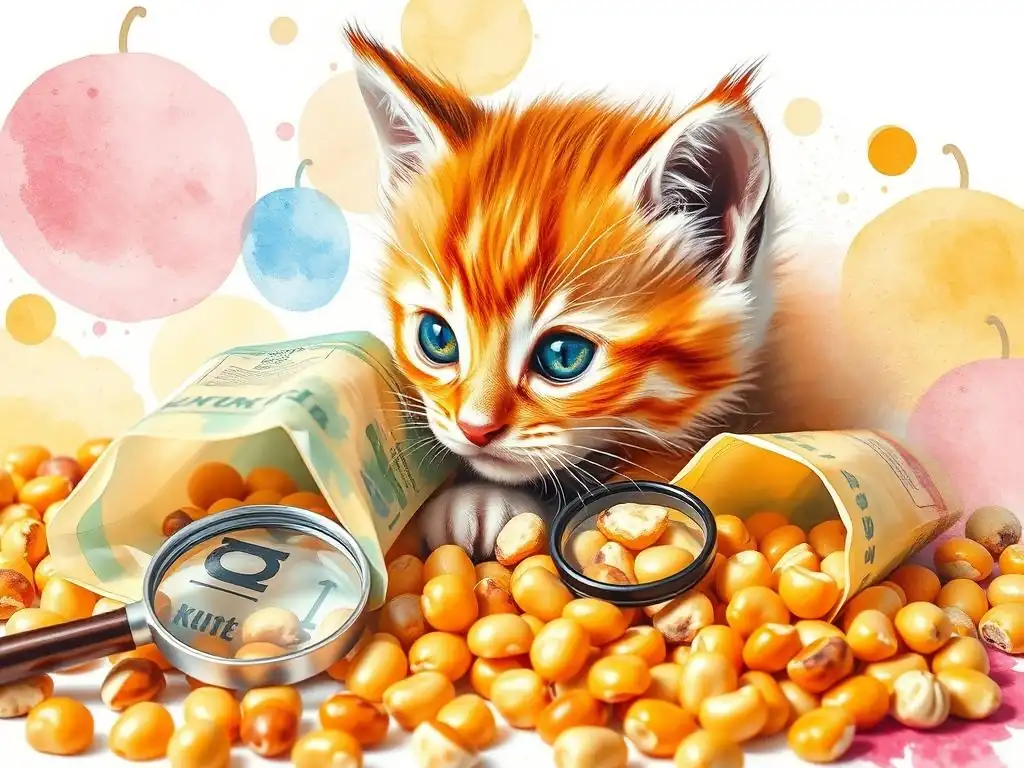
This section delves deeper into kitten nutrition, moving beyond simply deciphering food labels to understanding the holistic needs of a growing feline. While understanding the ingredients listed on a food label is crucial (as detailed in previous sections of this Best kitten food label guide), it's equally important to consider broader nutritional factors contributing to your kitten's overall health and well-being. Remember, the label is just a starting point.
A balanced diet encompasses more than just meeting minimum nutritional requirements; it's about providing the right nutrients in the correct proportions to support healthy growth, development, and a strong immune system. This includes considering the quality of ingredients, the kitten's age and activity level, and any potential dietary sensitivities or allergies.
The Importance of Fresh Water: Hydration and Overall Health
Maintaining adequate hydration is paramount for kittens. Dehydration can lead to serious health complications, including kidney problems and urinary tract infections. Kittens, especially young ones, have a higher metabolic rate and therefore require more water than adult cats. Always ensure a clean bowl of fresh, cool water is readily available at all times.
Consider offering multiple water bowls in different locations throughout your home, particularly if your kitten plays a lot or is prone to knocking over its water dish. You can also try using a water fountain, which encourages kittens to drink more by providing moving water – many kittens find this more appealing than still water. Monitoring your kitten's urine output and consistency can help you assess its hydration status.
Dark yellow or concentrated urine indicates dehydration, whereas light yellow or clear urine generally suggests adequate hydration. If you notice any signs of dehydration, consult your veterinarian immediately. 💧 Remember, even the best kitten food can't compensate for inadequate water intake!
Supplementing Your Kitten's Diet: When and How to Add Supplements
While a high-quality commercial kitten food generally provides all the necessary nutrients, there might be instances where supplementation is beneficial. However, never supplement without first consulting your veterinarian. Improper supplementation can lead to health issues. For example, some kittens may require additional taurine, an amino acid crucial for heart and eye health, particularly if they are consuming a diet deficient in this nutrient. Similarly, kittens with specific dietary needs or those recovering from illness might benefit from veterinary-recommended supplements.
Adding supplements should always be a gradual process, starting with small amounts and carefully monitoring your kitten's response. Never abruptly change your kitten's diet or introduce supplements without veterinary guidance. Always choose supplements from reputable manufacturers and follow the dosage instructions carefully. Over-supplementation can be just as harmful as under-supplementation. The key is a balanced approach.
Transitioning Kitten Food: Gradual Changes for Digestive Health
Switching your kitten's food abruptly can upset its delicate digestive system, leading to diarrhea, vomiting, or other gastrointestinal issues. A gradual transition is essential to minimize these risks. The best approach is to mix the new food with the old food over a period of 7-10 days. Start by gradually increasing the proportion of the new food while decreasing the amount of the old food.
For example, on day one, use a 90/10 ratio (90% old food, 10% new food). Gradually increase the percentage of the new food each day until you reach a 100/0 ratio (100% new food) by day 7-10. Closely monitor your kitten's stool consistency and overall behavior during this transition period.
Any signs of digestive upset should prompt you to slow down the transition process or consult your veterinarian. Remember, patience and a gradual approach are key to a smooth food transition and a happy, healthy kitten. 🐈⬛
Monitoring Your Kitten's Health: Recognizing Signs of Nutritional Deficiencies
Regularly monitoring your kitten's health is crucial for ensuring they receive the proper nutrition. A healthy kitten will exhibit vibrant energy, a shiny coat, and consistent bowel movements. However, subtle changes can signal nutritional deficiencies, requiring immediate attention. Early detection is key, as prolonged deficiencies can lead to serious health complications.
One of the most visible signs is a change in coat condition. A dull, dry, or patchy coat can indicate deficiencies in essential fatty acids, vitamins, or minerals. For instance, a lack of Omega-3 and Omega-6 fatty acids often manifests as dry, brittle fur, prone to breakage. Similarly, a deficiency in zinc can lead to skin lesions and hair loss. Observing your kitten's fur regularly can provide early warning signs.
Changes in appetite and weight are also crucial indicators. While kittens naturally have periods of increased and decreased appetite, significant changes warrant investigation. Unexplained weight loss, despite a seemingly normal appetite, could point towards problems with nutrient absorption or underlying health issues exacerbated by poor nutrition. Conversely, excessive weight gain, even with appropriate food intake, may signal an imbalance in the diet, potentially leading to obesity and related health problems later in life. Keeping a detailed record of your kitten's weight and food consumption can be invaluable in identifying subtle shifts.
Digestive issues are another important consideration. Consistent diarrhea or constipation can indicate problems with dietary fiber or the presence of allergens or intolerances in the kitten's food. The frequency, consistency, and color of your kitten's stool should be closely monitored. Any significant deviation from the norm—such as persistently loose or hard stools, or changes in color—should prompt a consultation with a veterinarian. This is especially critical as digestive problems can quickly lead to dehydration and nutrient malabsorption.
Finally, behavioral changes can also be subtle indicators of nutritional deficiencies. Lethargy, decreased playfulness, and increased irritability can all be linked to underlying nutritional imbalances. While these symptoms can have multiple causes, they should not be dismissed, particularly when accompanied by other signs of nutritional deficiency. A holistic approach, combining observation of physical symptoms with behavioral changes, provides a more comprehensive picture of your kitten's overall health and nutritional status. Remember, prompt veterinary intervention is essential if you suspect any nutritional deficiency. Don't hesitate to seek professional advice to ensure your kitten thrives.
Frequently Asked Questions
What should I look for on a kitten food label to ensure it's high-quality?
Look for labels that list named meat sources (e.g., chicken, turkey) as the first ingredients, avoiding vague terms like "meat by-products." Also, check for guaranteed analysis showing minimums of protein and fat appropriate for kittens' growth needs.
How much protein should a kitten food contain?
Kitten food should ideally contain at least 30% protein on a dry matter basis. This supports their rapid growth and development. Always consult your veterinarian for specific dietary recommendations.
Are there specific ingredients I should avoid in kitten food?
Avoid foods containing artificial colors, flavors, and preservatives, as well as fillers like corn, wheat, and soy. These can be less digestible and offer minimal nutritional value.
What does "complete and balanced" mean on a kitten food label?
"Complete and balanced" means the food meets the Association of American Feed Control Officials (AAFCO) nutrient profiles for growing kittens. This ensures it provides all necessary nutrients for healthy development.
How can I tell if my kitten is allergic to a particular ingredient in their food?
Signs of food allergies include skin issues (itching, redness), digestive problems (vomiting, diarrhea), and ear infections. If you suspect an allergy, consult your veterinarian to identify the culprit and switch to a hypoallergenic diet.
Final Reflection: Unlocking a Lifetime of Health Through Informed Choices
Understanding kitten food labels is not merely about deciphering ingredients; it's about investing in the vibrant health and longevity of your feline companion. The choices we make in those early, formative months profoundly impact a kitten's development, setting the stage for a life filled with playful energy and boundless affection. Failing to understand these labels can have serious, long-term consequences.
The impact of proper nutrition on a kitten's growth is undeniable, extending far beyond mere physical development. It shapes their immune system, their cognitive abilities, and even their temperament. As responsible pet owners, we are entrusted with their well-being, and that responsibility begins with making informed decisions about their food. The best investment you can make is in your pet's health; it's a gift that keeps on giving.
This simple truth underscores the importance of this guide and the power of knowledge in nurturing a thriving kitten.
Now, consider your own kitten, or the kittens you may encounter in the future. Take a moment to reflect on the information presented in this article. Are you ready to empower yourself with the knowledge to choose the best possible nutrition for your furry friend? Armed with this understanding, you can confidently navigate the often-confusing world of kitten food labels, ensuring your kitten receives the optimal start to a long, healthy, and happy life. Let's work together to build a future where every kitten thrives.
Unlock Your Kitten's Nutritional Potential!
Thank you for exploring the world of kitten nutrition with us! We hope you feel confident making informed decisions about your furry friend's diet. Ready to put your knowledge into practice?
- Choose high-quality kitten food: Carefully examine the ingredient list and nutritional information on your kitten's current food, and switch brands if necessary. This is crucial for their health and well-being.
- Share your newfound expertise! Tell your cat-loving friends and family about the essential details to check on kitten food labels—you might save them from costly mistakes!
- Learn more: Visit PetCareWorld.org for additional resources on raising healthy, happy kittens. Discover expert advice on all aspects of kitten care.
What's the single most important ingredient you'll now look for on kitten food labels? Let us know in the comments!