
Preventative Care for Breeding Exotic Pets: Ensuring Healthy Offspring

Welcome to PetCareWorld, your ultimate guide to a happier, healthier life for your beloved companion! Are you passionate about responsible exotic pet ownership? Then you've come to the right place. Discover crucial insights into exotic pet breeding health tips in our latest article, unlocking the secrets to ensuring healthy offspring and a thriving breeding program. Dive in and explore the expert advice waiting for you – your pet's well-being is just a click away!
- Understanding the Unique Health Needs of Exotic Breeding Stock
- Pre-Breeding Health Checks for Exotic Pets
- Optimizing the Breeding Environment for Exotic Pets
- Nutrition and Dietary Management During Breeding
- Monitoring Pregnancy and Post-Natal Care
- Recognizing and Addressing Common Health Issues in Exotic Pet Offspring
- Best Practices for Responsible Exotic Pet Breeding
- Resources and Further Information on Exotic Pet Breeding Health
-
Frequently Asked Questions
- What are some key health considerations for breeding exotic pets?
- How can I identify potential health problems in my exotic pet before breeding?
- What role does nutrition play in the health of breeding exotic pets?
- What environmental factors should I consider to promote the health of breeding exotic pets?
- Where can I find reliable information on exotic pet breeding health?
- Final Reflection: A Legacy of Health: Shaping the Future of Exotic Pet Breeding
- Unlock Your Exotic Pet's Breeding Potential
Understanding the Unique Health Needs of Exotic Breeding Stock
Breeding exotic pets presents a unique set of challenges compared to breeding more common domestic animals. Responsible exotic pet breeding requires a deep understanding of the species-specific needs of your animals, going beyond basic husbandry. This includes a comprehensive preventative care plan that addresses genetic predispositions, nutritional requirements, and potential environmental factors impacting reproductive health and the well-being of offspring.
Neglecting these crucial aspects can lead to unhealthy offspring, genetic defects, and ultimately, compromise the welfare of the animals under your care. This article delves into key preventative care strategies for exotic pet breeders, focusing on genetic health, disease prevention, and nutritional optimization to ensure the production of healthy and thriving offspring. We will explore practical and evidence-based approaches to responsible breeding practices, emphasizing the importance of proactive health management for both parents and their young.
This guide aims to equip you with the knowledge and tools necessary to become a responsible and ethical breeder of exotic animals, contributing to the preservation and well-being of these unique species. Let's dive into the specifics of what constitutes optimal preventative care for your breeding program.
Genetic Considerations in Exotic Pet Breeding
Genetic health is paramount in exotic pet breeding. Many exotic species are prone to specific inherited conditions. Before embarking on a breeding program, thorough research into the genetic history of your chosen animals is crucial. This might involve obtaining veterinary records from previous owners, if available, or conducting genetic testing where possible. Careful selection of breeding pairs is essential to minimize the risk of passing on undesirable traits or inherited diseases. Consider the following:
- Inbreeding Depression: Avoid close inbreeding, as this significantly increases the likelihood of recessive genetic disorders manifesting in offspring. Maintaining genetic diversity within your breeding population is key to long-term health.
- Line Breeding: While slightly less risky than inbreeding, line breeding still carries some risk and should be approached cautiously. Careful record-keeping and monitoring of offspring health are essential.
- Genetic Testing: Where available, utilize genetic testing to screen potential breeding animals for known genetic diseases prevalent within their species. This proactive approach can prevent the propagation of harmful genes.
- Pedigree Analysis: Maintain meticulous records of your breeding program, including detailed pedigrees. This allows you to track genetic traits across generations and make informed decisions about breeding pairs.
Failing to account for genetic factors can result in offspring with weakened immune systems, congenital defects, and reduced overall lifespan, ultimately undermining the ethical responsibilities of a breeder. A proactive approach to genetic management is an investment in the long-term health and well-being of your breeding program.
Identifying and Preventing Genetic Diseases in Exotic Pets
Identifying and preventing genetic diseases in exotic pets requires a multi-pronged approach. Regular veterinary check-ups are crucial, allowing for early detection of potential problems. These check-ups should include thorough physical examinations, as well as species-specific diagnostic testing where appropriate. Early intervention is key to managing many genetic conditions, improving the quality of life for affected animals and reducing the risk of passing on these conditions to future generations. Some specific strategies include:
- Regular Veterinary Examinations: Schedule routine check-ups with a veterinarian experienced in exotic animal care. These examinations should include thorough physical evaluations and targeted diagnostic testing based on the species and known genetic predispositions.
- Early Detection and Intervention: Early detection of genetic diseases allows for timely intervention, potentially mitigating the severity of symptoms and improving the animal's overall health.
- Quarantine Procedures: Implement strict quarantine protocols for new animals introduced to your breeding program to prevent the introduction of infectious diseases that could exacerbate existing genetic weaknesses.
- Genetic Counseling: Consult with a veterinary geneticist or other qualified professional for guidance on managing genetic risks within your breeding program.
The proactive identification and prevention of genetic diseases are essential aspects of responsible exotic pet breeding, ensuring the health and well-being of both parent animals and their offspring. This commitment to preventative care is a crucial step towards ethical breeding practices.
Nutritional Requirements for Breeding Exotic Animals
Nutrition plays a vital role in the reproductive success and overall health of exotic breeding animals. Providing a balanced and species-appropriate diet is crucial for maintaining optimal reproductive function, supporting pregnancy and lactation (where applicable), and ensuring the healthy development of offspring. The nutritional needs of breeding animals often differ from those of non-breeding animals, requiring a higher intake of certain vitamins, minerals, and other essential nutrients. This section highlights key nutritional considerations:
- Species-Specific Diets: Research the specific dietary requirements of your chosen exotic species. These needs can vary significantly between species, and providing an inappropriate diet can lead to deficiencies, impacting reproductive health and offspring development.
- Supplementation: In some cases, dietary supplementation may be necessary to ensure that breeding animals receive all the essential nutrients they need. Consult with a veterinarian or a qualified nutritionist to determine the appropriate supplements for your animals.
- Fresh, High-Quality Food: Always provide fresh, high-quality food to your breeding animals. Avoid processed foods or foods that contain artificial additives, colors, or preservatives.
- Monitoring Body Condition: Regularly monitor the body condition of your breeding animals to ensure they are maintaining a healthy weight. Obesity or malnutrition can negatively impact reproductive function.
A well-planned and carefully executed nutritional program is essential for successful breeding and the production of healthy offspring. Understanding and meeting the specific nutritional needs of your chosen exotic species is a cornerstone of responsible breeding practices. Remember to consult with experts in exotic animal nutrition to create a tailored feeding plan for your breeding program.
Pre-Breeding Health Checks for Exotic Pets
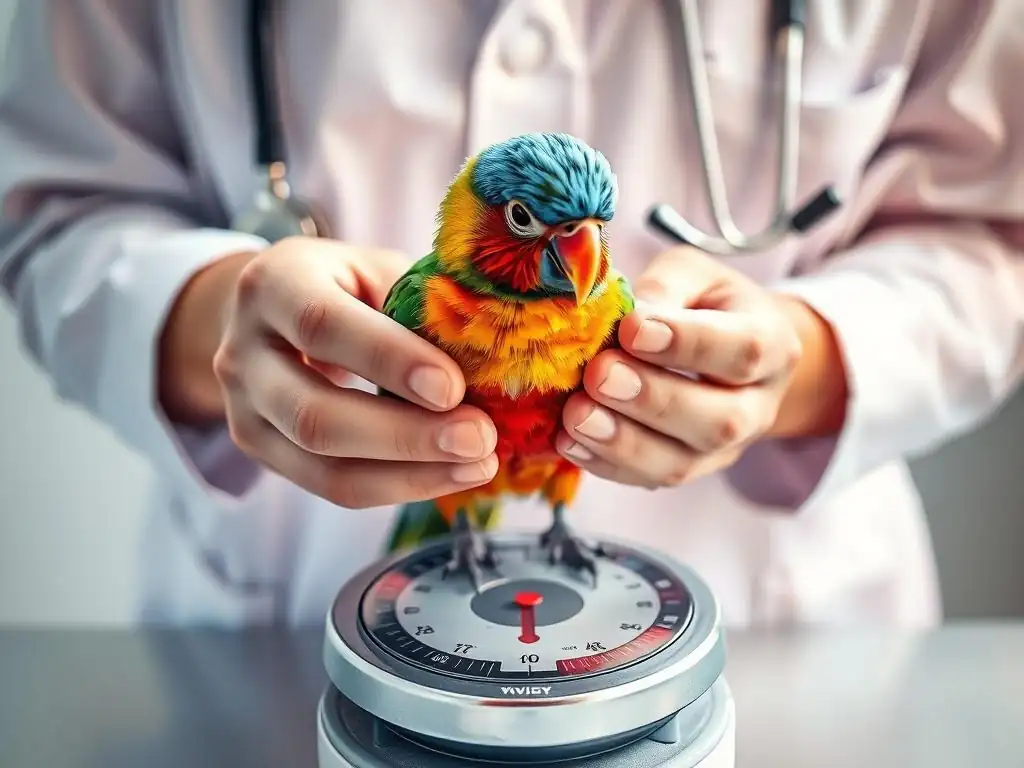
This section delves into the crucial pre-breeding health assessments necessary for responsible exotic pet breeding. Ignoring these steps can lead to unhealthy offspring, genetic disorders, and significant financial losses. Remember, healthy parents are the cornerstone of successful and ethical exotic pet breeding. Proactive preventative care is key to maximizing the chances of producing healthy and vibrant offspring. This involves thorough veterinary examinations, parasite control, and appropriate vaccination protocols, all tailored to the specific needs of your chosen exotic species. Neglecting these crucial steps can severely compromise the health and well-being of both parents and their young.
Comprehensive Veterinary Examinations for Breeding Pairs
Before embarking on a breeding program, a comprehensive veterinary examination is paramount for both male and female exotic pets. This isn't a simple checkup; it's a detailed assessment designed to identify potential health problems that could impact breeding success or the health of future offspring. The examination should include:
- Physical Examination: A thorough visual inspection checking for any abnormalities, assessing body condition score (BCS), and evaluating overall physical health. This includes checking for signs of illness, such as lethargy, respiratory distress, or skin lesions.
- Bloodwork: Complete blood count (CBC), blood chemistry panel, and parasite screening (fecal examination) are essential for detecting underlying conditions like infections, organ dysfunction, or internal parasites. This data provides a baseline health profile and allows for early detection of potential problems. For example, a low white blood cell count might indicate an underlying infection that needs treatment before breeding.
- Imaging: Depending on the species and suspected problems, radiographs (X-rays) or ultrasounds may be necessary to visualize internal organs and identify any structural abnormalities or masses. This could reveal issues like skeletal deformities or reproductive problems which are often not visible through other methods.
- Genetic Testing: Genetic testing is becoming increasingly important, particularly for certain species prone to specific inherited diseases. This can help identify carriers of genetic disorders, allowing breeders to make informed decisions to avoid passing on these conditions. For example, some reptile species are predisposed to metabolic bone disease; genetic testing can help identify carriers.
- Reproductive Examination: A reproductive examination is crucial, especially for females. This involves a thorough assessment of the reproductive tract to ensure proper function and identify any potential issues that could hinder successful breeding or pregnancy. This may include an ultrasound to evaluate ovarian function and uterine health.
The results of these tests will provide a comprehensive picture of the animal's health and suitability for breeding. A clean bill of health is not just a recommendation; it is a necessity for responsible and ethical breeding practices. Ignoring these tests can lead to significant health problems for both parents and offspring.
Parasite Control and Prevention Strategies
Parasites pose a significant threat to the health of exotic pets and their offspring. Internal and external parasites can weaken the immune system, leading to decreased fertility and increased susceptibility to disease. Therefore, a robust parasite control and prevention program is essential before, during, and after breeding.
- Internal Parasites: Regular fecal examinations are critical for detecting internal parasites such as coccidians, nematodes, and cestodes. Treatment should be administered based on the results of these examinations. The specific medication and treatment protocol will vary depending on the species and type of parasite identified. Prevention often involves strict hygiene protocols, including regular cleaning and disinfection of enclosures.
- External Parasites: External parasites like mites, ticks, and fleas can cause significant irritation and skin problems. Regular inspections and appropriate treatments are crucial. Prevention often includes using species-appropriate insecticides and maintaining clean and sanitary housing conditions. Some species may even require more specialized treatments, such as topical applications or dips.
- Environmental Control: Controlling parasites also involves managing the environment. Regular cleaning and disinfection of enclosures, substrates, and feeding equipment are vital for minimizing parasite infestations. This is particularly important for reptiles and amphibians, which are often susceptible to various parasites.
A proactive and ongoing parasite control program is essential for maintaining the health of your breeding animals and protecting their offspring from potential infestations. It’s important to remember that preventative measures are far more effective than treating established infestations.
Vaccination Protocols for Exotic Breeding Animals
Vaccination protocols for exotic pets vary significantly depending on the species. While not all exotic pets require vaccinations, some species are susceptible to specific diseases that can be prevented through vaccination. It is crucial to consult with an exotic animal veterinarian to determine the appropriate vaccination schedule for your specific species. Some species may require vaccinations for common illnesses such as herpesvirus, adenovirus, or paramyxovirus. Others may require vaccinations tailored to regional disease prevalence.
- Species-Specific Vaccines: The availability of vaccines varies greatly depending on the species. Some species have readily available vaccines, while others may not. Your veterinarian can advise on the availability and suitability of vaccines for your specific animals.
- Timing of Vaccinations: The timing of vaccinations is also important. Vaccinations should be administered well in advance of breeding to allow time for the animal's immune system to develop adequate protection. Breeding animals should not be vaccinated during pregnancy or lactation, as this could potentially harm the offspring.
- Veterinary Consultation: It is crucial to consult with an experienced exotic animal veterinarian to develop a tailored vaccination plan. They can assess your animals' individual health status and determine the appropriate vaccines and schedule.
Remember, preventative health care is an investment in the health and well-being of your exotic breeding program. By following these guidelines, you can significantly increase your chances of producing healthy, vibrant offspring and contribute to the responsible breeding of exotic pets. This is not just good practice; it's ethical and essential for the welfare of these animals.
Optimizing the Breeding Environment for Exotic Pets
This section focuses on creating the ideal environment to support the health and reproductive success of your exotic pets. A well-planned environment minimizes stress, reduces the risk of disease, and ultimately contributes to healthier offspring. Remember, the specific needs vary greatly depending on the species; this section provides general guidelines, and you should always consult species-specific resources for detailed information.
Ignoring these crucial aspects can significantly impact the health of both parents and offspring, leading to complications during breeding and potentially compromising the well-being of the young. Thorough research and careful planning are vital for responsible exotic pet breeding. This is crucial for adhering to best practices in exotic pet breeding health tips.
Creating a Safe and Stimulating Habitat for Breeding
Creating a safe and stimulating habitat is paramount for successful breeding. This involves several key considerations. First, the enclosure must be appropriately sized for the species, allowing ample space for movement, exploration, and interaction (or separation, as needed). Overcrowding stresses animals and increases the risk of aggression and disease transmission. Secondly, the enclosure materials must be non-toxic and easy to clean and disinfect.
Avoid materials that could harbor bacteria or parasites. Finally, the enclosure should provide a variety of textures and enrichment options to stimulate natural behaviors. This could include climbing structures, hiding places, and foraging opportunities, all of which contribute to reducing stress and promoting overall well-being. For example, a large arboreal lizard might require branches of varying thicknesses, while a terrestrial snake might benefit from a substrate that allows for burrowing. Appropriate enrichment is a crucial element of exotic pet breeding health tips.
Maintaining Optimal Temperature and Humidity Levels
Precise temperature and humidity control are critical for many exotic species. Fluctuations outside the optimal range can weaken the immune system, making animals more susceptible to illness and impacting reproductive success. For example, reptiles are ectothermic, meaning their body temperature depends on their environment. Incorrect temperatures can lead to developmental abnormalities in eggs or impair fertility. Similarly, inappropriate humidity levels can affect egg incubation and the overall health of both parents and offspring.
Invest in reliable temperature and humidity gauges, and use appropriate heating and humidification equipment to maintain consistent levels within the species' specific requirements. Regular monitoring and adjustments are crucial. Maintaining these levels is a cornerstone of exotic pet breeding health tips. Failure to do so can result in significant health problems for both parents and their offspring. Always consult a veterinarian specializing in exotic animals for species-specific recommendations.
Providing Enriched Environments to Reduce Stress
Stress is a major factor influencing the health and reproductive success of exotic animals. Enriched environments play a vital role in stress reduction. Enrichment strategies should mimic the animal's natural habitat as closely as possible. This could involve providing appropriate substrates, hiding places, climbing structures, and social interaction (if applicable and appropriate for the species). For example, a solitary species might benefit from visual barriers to reduce anxiety, while a social species might require opportunities for interaction with conspecifics. Remember, the specific enrichment needs vary greatly depending on the species. Insufficient or inappropriate enrichment can lead to behavioral problems, weakened immune systems, and reduced fertility. Providing a rich and stimulating environment is a key component of responsible exotic pet breeding health tips, and it directly impacts the health and well-being of future generations. Careful consideration of these factors will significantly improve the chances of a successful and healthy breeding program.
Nutrition and Dietary Management During Breeding

Optimal nutrition is paramount for successful exotic pet breeding and the health of offspring. Neglecting proper dietary management during this crucial period can lead to reproductive failure, weakened offspring, and increased susceptibility to disease in both parents and young. This section focuses on the specific nutritional needs of exotic pets during breeding, emphasizing the importance of tailored diets and supplementation for achieving optimal reproductive outcomes. Understanding these nuances is key to implementing effective "exotic pet breeding health tips".
Specialized Diets for Breeding Females
Breeding females have significantly increased nutritional demands compared to their non-breeding counterparts. Their bodies require extra energy to support the development of eggs or embryos, gestation, and lactation (where applicable). A simple increase in food quantity is often insufficient; the quality of the diet must be carefully considered.
For example, a female bearded dragon preparing to lay eggs needs a diet drastically higher in calcium and vitamin D3 to support eggshell formation. Insufficient calcium can lead to metabolic bone disease (MBD) in both the mother and developing eggs, resulting in deformed or non-viable offspring. Similarly, a pregnant corn snake requires a diet richer in protein and fats to provide adequate energy for fetal development.
The specific dietary requirements vary greatly depending on the species. Some species may benefit from increased protein intake, while others require elevated levels of specific vitamins and minerals. It's crucial to consult with a veterinarian specializing in exotic animals to determine the precise dietary needs of your specific breeding pair.
They can provide tailored recommendations based on the species, age, size, and reproductive stage of your animals. Ignoring these species-specific needs is a common mistake among breeders and can severely compromise the health of the mother and offspring. Remember, consistent access to fresh, clean water is also vital throughout the breeding cycle.
Nutritional Supplements for Optimal Reproductive Health
While a carefully formulated diet forms the foundation of good reproductive health, additional supplementation is often necessary to ensure adequate intake of essential nutrients. This is particularly important in captive breeding situations where the natural diet may not always provide sufficient levels of all required vitamins and minerals. Common supplements include:
- Calcium: Essential for eggshell formation and bone health. Supplementation is often crucial, especially for species prone to MBD.
- Vitamin D3: Necessary for calcium absorption. UVB lighting is also essential in many species to facilitate endogenous vitamin D3 synthesis.
- Vitamin E: Plays a vital role in reproductive function and immune system support.
- Protein: Increased protein intake is often necessary for females during gestation and lactation. This can be achieved through higher-quality protein sources in the diet or through specific protein supplements.
The type and dosage of supplements should be carefully determined by a veterinarian experienced in exotic animal care. Over-supplementation can be just as harmful as deficiencies, potentially leading to health complications. Always follow the veterinarian's recommendations carefully and monitor your animals closely for any signs of adverse reactions. Regular blood tests can help monitor nutrient levels and ensure the effectiveness of the supplementation strategy.
Monitoring Weight and Body Condition in Breeding Pairs
Regular monitoring of weight and body condition is crucial for ensuring the health of breeding pairs. Significant weight loss or gain can indicate underlying health problems that may compromise reproductive success. Ideally, weight should be monitored weekly, using a calibrated scale, to detect subtle changes. Body condition scoring, a system for assessing the amount of body fat, is also a valuable tool for assessing overall health. A veterinarian can provide guidance on appropriate weight ranges and body condition scores for your specific species.
Changes in appetite, activity levels, and defecation patterns should also be closely monitored. Any deviations from the norm should be promptly reported to your veterinarian. Early detection of health problems can significantly improve the chances of successful breeding and healthy offspring. Accurate record-keeping is essential for tracking weight, body condition, and any other relevant observations.
This information is invaluable for identifying potential issues and for making informed decisions regarding the animals' care. Maintaining detailed records is a crucial aspect of responsible exotic pet breeding and contributes significantly to successful outcomes. This meticulous approach is a hallmark of responsible "exotic pet breeding health tips."
Monitoring Pregnancy and Post-Natal Care
This section focuses on the crucial aspects of monitoring pregnancy and providing optimal postnatal care for exotic pets, vital components of responsible exotic pet breeding. Successful breeding hinges not only on proper mating but also on diligent monitoring and support throughout the reproductive cycle. Ignoring this aspect can lead to complications for both the mother and offspring, potentially resulting in mortality or lifelong health issues.
This is especially critical for exotic pets, whose specific needs often differ significantly from more common domestic animals. Understanding these nuances is paramount for achieving healthy offspring and ensuring the well-being of your breeding pair. The keyword "Exotic pet breeding health tips" is central to this discussion.
Recognizing Signs of Pregnancy in Exotic Pets
Recognizing pregnancy in exotic pets can be challenging, as the signs can be subtle and vary greatly depending on the species. Unlike the readily observable changes in domestic animals, many exotic pets exhibit less obvious indicators. Careful observation and a thorough understanding of the species-specific reproductive biology are essential. For instance, subtle weight gain, changes in appetite (either increased or decreased), and behavioral shifts like increased nesting behavior are some common, yet not always present, indicators.
Some species exhibit more pronounced signs. For example, in certain reptiles, a noticeable increase in abdominal girth might be visible. In birds, a noticeable increase in nesting activity and the development of a brood patch (an area of bare skin on the abdomen used for incubating eggs) are strong indicators.
However, relying solely on observational signs is insufficient. Veterinary examinations, including radiographs (X-rays) or ultrasounds, are often necessary for confirmation, especially in the early stages of pregnancy. These diagnostic tools provide a more definitive assessment and allow for early detection of potential complications. Regular veterinary checkups throughout the pregnancy are crucial for early intervention and management of any unforeseen issues.
Providing Proper Nest Boxes and Breeding Habitats
Creating an appropriate breeding environment is paramount for successful reproduction and the well-being of both parents and offspring. The specifics of the nest box and habitat will significantly vary depending on the species. For example, a reptile might require a specific temperature and humidity gradient within its enclosure, while a bird will need a secure and well-hidden nest box of a particular size and material.
Consider the following factors when designing the breeding habitat:
| Factor | Description | Example |
|---|---|---|
| Species-Specific Needs | Research the specific needs of the species, including temperature, humidity, substrate, and lighting requirements. | Leopard gecko requires specific temperature gradient |
| Nest Box Size & Material | The nest box should be appropriately sized for the species and made of safe, non-toxic materials. | Wooden box lined with soft bedding for birds |
| Security & Privacy | Provide a secure and private environment to reduce stress and encourage natural breeding behaviors. | Hidden location for a bird's nest box |
| Substrate | The substrate should be appropriate for the species and easy to clean and maintain. | Paper towels for reptiles, aspen shavings for birds |
| Environmental Enrichment | Include environmental enrichment to stimulate natural behaviors and reduce stress. | Branches, rocks, or hiding places for reptiles |
Failing to provide an appropriate environment can lead to stress, breeding failure, and even harm to the mother and offspring. Careful planning and research are essential to ensure the success of your breeding program. Remember, species-specific needs are crucial, so always consult with a veterinarian specializing in exotic animals.
Postnatal Care for Mothers and Offspring
Postnatal care is just as crucial as prenatal care. The mother's health and the offspring's survival depend on the provision of adequate nutrition, appropriate environmental conditions, and vigilant monitoring for any signs of illness or distress. The mother may require increased nutritional support during lactation, and the young will need careful attention to their specific dietary and environmental needs.
Providing appropriate nutrition is paramount. The mother might require a diet enriched with specific vitamins and minerals to support milk production. The offspring will need a diet tailored to their developmental stage, often requiring specialized food formulations. For example, insectivorous reptiles require live insects, while altricial birds need frequent feeding of a specialized diet.
Regular health checks are also crucial. Monitor the mother and offspring for any signs of illness or distress, such as lethargy, weight loss, or changes in behavior. Prompt veterinary intervention is essential should any problems arise. This proactive approach ensures the well-being of both the mother and offspring, maximizing the chances of successful raising of healthy young. Remember, consistent monitoring and prompt veterinary care are essential elements of successful exotic pet breeding. This aligns directly with best practices for "Exotic pet breeding health tips".
Recognizing and Addressing Common Health Issues in Exotic Pet Offspring
Breeding exotic pets presents unique challenges, demanding a keen understanding of species-specific health concerns. Successful breeding hinges not only on proper mating and gestation but also on vigilant monitoring and prompt intervention in the neonatal period. This section focuses on recognizing and addressing common health issues in exotic pet offspring, providing crucial "exotic pet breeding health tips" to ensure healthy development. Failure to recognize and address these issues can lead to significant morbidity and mortality.
Identifying Signs of Illness in Newborn Exotic Animals
Identifying illness in newborn exotic animals can be tricky, as subtle changes in behavior or appearance can signal significant underlying problems. Early detection is paramount for successful treatment. Common signs of illness vary widely depending on the species, but some general indicators include:
- Lethargy: A significant decrease in activity level compared to healthy siblings. This can manifest as reduced movement, lack of response to stimuli, or prolonged periods of sleep.
- Poor Appetite: Refusal to feed or decreased intake compared to normal. This is a critical sign, as dehydration and malnutrition quickly ensue.
- Dehydration: Sunken eyes, dry mucous membranes, and loss of skin turgor (skin elasticity) are clear indicators of dehydration. This is especially dangerous in neonates.
- Respiratory Distress: Abnormal breathing patterns, such as rapid breathing (tachypnea), labored breathing (dyspnea), or gasping. Listen carefully for unusual sounds such as wheezing or clicking.
- Abnormal Excreta: Changes in the color, consistency, or frequency of urine or feces. Diarrhea, constipation, or changes in urine color can indicate infections or metabolic disorders.
- Abnormal Physical Appearance: Deformities, skin lesions, or unusual body postures can signify developmental problems or infections.
It’s crucial to establish a baseline for each species. What constitutes “normal” behavior and appearance for a baby bearded dragon differs significantly from that of a baby sugar glider. Detailed observation of each newborn is essential, comparing its condition to that of its healthy siblings. Maintaining meticulous records, including daily weight measurements and detailed behavioral notes, is invaluable for early detection of problems. Accurate record-keeping is one of the most important "exotic pet breeding health tips" for successful breeding.
Early Intervention Strategies for Neonatal Health Problems
Early intervention is crucial for improving the prognosis of sick neonates. Prompt veterinary care is essential, as many conditions progress rapidly in young animals. While specific treatments depend on the diagnosis, some general early intervention strategies include:
- Supportive Care: This often involves providing warmth, hydration, and appropriate nutrition. This may include subcutaneous fluid therapy administered by a veterinarian or careful hand-feeding of specialized formulas.
- Antibiotics: Bacterial infections are a common cause of illness in young animals. Veterinary diagnosis is crucial to determine the appropriate antibiotic and dosage.
- Antiparasitics: Internal and external parasites can significantly weaken neonates. Treatment depends on the type of parasite identified.
- Environmental Modification: Improper temperature, humidity, or lighting can exacerbate health problems. Adjusting environmental conditions can be crucial.
The speed and accuracy of intervention significantly impact the outcome. Delaying treatment can lead to irreversible damage or death. Having a veterinarian familiar with exotic species readily available is a non-negotiable aspect of responsible exotic pet breeding. This is a key element of effective "exotic pet breeding health tips."
Nutritional Support for Weak or Underweight Offspring
Weak or underweight offspring are at increased risk of illness and mortality. Providing proper nutritional support is crucial for their survival and healthy development. This often requires hand-feeding specialized formulas tailored to the species’ needs.
- Species-Specific Diets: Formulas must meet the nutritional requirements of the specific species. These formulas often differ significantly from those used for adult animals, requiring higher protein and fat content to support rapid growth.
- Frequent Feedings: Small, frequent feedings are often better tolerated than larger, less frequent feedings. This prevents digestive upset and ensures consistent nutrient intake.
- Monitoring Weight Gain: Regularly weighing neonates allows for close monitoring of growth and helps identify potential problems early. A lack of weight gain or weight loss is a serious warning sign.
- Supplemental Vitamins and Minerals: Depending on the diet, supplemental vitamins and minerals may be necessary to ensure adequate intake. Consult a veterinarian for appropriate supplementation.
The success of nutritional intervention depends on careful monitoring and adjustment based on the individual animal's response. This requires patience, dedication, and a thorough understanding of the species’ dietary needs. Providing optimal nutrition is a fundamental aspect of responsible exotic pet breeding and a cornerstone of effective "exotic pet breeding health tips."
Best Practices for Responsible Exotic Pet Breeding
Responsible exotic pet breeding requires a multifaceted approach, prioritizing the health and well-being of the animals above all else. It's not merely about producing offspring; it's about contributing to the healthy continuation of a species, while adhering to the highest ethical standards. Ignoring these best practices can lead to significant health problems in offspring, contributing to genetic defects and weakening the overall population.
This section focuses on key elements crucial for successful and ethical breeding programs for exotic pets. Successfully navigating these aspects is vital for creating a sustainable and healthy population of exotic pets, aligning with the goals of responsible exotic pet owners. This approach ensures that "exotic pet breeding health tips" are not just followed, but understood in their broader context of animal welfare.
Ethical Considerations in Exotic Pet Breeding
Ethical breeding practices form the cornerstone of responsible exotic pet breeding. Before even considering breeding, potential breeders must carefully evaluate their capacity to provide optimal care for both parents and offspring. This includes the financial commitment for high-quality nutrition, veterinary care (including specialized care often needed for exotic species), appropriate housing, and enrichment. Breeding should never be undertaken lightly; it's a significant responsibility requiring extensive knowledge, resources, and dedication.
Furthermore, ethical breeding necessitates a deep understanding of the species' specific needs. This includes knowledge of their natural behaviors, social structures, and potential health risks. Ignoring these factors can lead to significant stress, illness, and even death for the animals involved. For instance, breeding incompatible pairs of reptiles, neglecting proper incubation temperatures for eggs, or failing to provide adequate enrichment can have devastating consequences.
Breeders should actively participate in continuing education to stay updated on the latest research and best practices for their chosen species. Responsible breeders also prioritize finding suitable homes for the offspring, ensuring they go to knowledgeable and responsible owners capable of providing proper care. This commitment to ethical considerations is paramount in promoting responsible exotic pet breeding health tips.
Importance of Genetic Diversity in Breeding Programs
Genetic diversity is absolutely critical for the long-term health and viability of any captive breeding program. Inbreeding, the breeding of closely related animals, significantly increases the risk of genetic disorders and reduces the overall resilience of the population. This can manifest in various ways, including weakened immune systems, birth defects, and reduced fertility. Maintaining a genetically diverse population requires careful record-keeping of lineage, utilizing genetic testing where possible (though this is often costly and not always readily available for all exotic species), and strategically selecting breeding pairs to maximize genetic variation.
For example, in breeding certain species of snakes, maintaining a diverse gene pool can minimize the risk of inherited metabolic bone disease or other genetic conditions. Similarly, in avian species, genetic diversity is crucial to prevent the proliferation of recessive genes that might lead to feather deformities or respiratory issues. The lack of genetic diversity can lead to a population vulnerable to diseases and environmental changes, potentially leading to the demise of the captive population. Therefore, prioritizing genetic diversity is a fundamental aspect of "exotic pet breeding health tips."
Avoiding Overbreeding and Ensuring Animal Welfare
Overbreeding is a serious ethical concern and a significant contributor to animal welfare issues. Breeding animals excessively can lead to exhaustion, malnutrition, and increased susceptibility to disease in both parents. Furthermore, it can result in an overpopulation of animals, exceeding the capacity for responsible rehoming, leading to overcrowded conditions and inadequate care for the offspring. Responsible breeders carefully plan their breeding programs, considering the number of offspring they can realistically care for and place in suitable homes.
Strategies to avoid overbreeding include limiting the number of breeding pairs, carefully selecting breeding candidates based on their health and genetic suitability, and adhering to a strict breeding schedule that doesn't overtax the animals. Breeders should also prioritize the welfare of the animals over profit, recognizing that responsible breeding is a labor of love and commitment, not a money-making venture. Implementing these strategies ensures that "exotic pet breeding health tips" translate into tangible improvements in the lives of the animals involved. The welfare of the animals should remain the ultimate measure of success in any exotic pet breeding program.
Resources and Further Information on Exotic Pet Breeding Health
This section provides crucial resources to support responsible and healthy exotic pet breeding. Access to expert advice and reliable information is paramount for ensuring the well-being of both parent animals and their offspring. Remember, responsible exotic pet breeding requires dedication, knowledge, and a commitment to the animals' health and welfare. Ignoring preventative care can lead to significant health issues and ethical concerns. The following resources are a starting point for your journey towards successful and ethical exotic pet breeding.
List of Reputable Veterinarians Specializing in Exotic Animals
Finding a veterinarian experienced with exotic animals is critical for preventative care. Routine check-ups, vaccinations, and early detection of diseases are essential for maintaining the health of your breeding stock. Unfortunately, a comprehensive, publicly accessible list of exotic animal veterinarians is not readily available online due to the decentralized nature of veterinary practices and specialization. The best approach is to:
- Contact your local animal shelters and rescue organizations: These organizations often have relationships with veterinarians who handle exotic animals.
- Search online directories using specific keywords: Try searching for "[your location] exotic animal veterinarian" or "[specific exotic pet species] vet."
- Reach out to exotic pet breeders in your area: Experienced breeders often have established relationships with competent veterinarians specializing in their chosen species. This method is particularly effective, as these breeders often have first-hand knowledge of who is best equipped to care for their animals' specific needs.
- Check with veterinary schools and colleges: These institutions may have faculty or affiliated practitioners with expertise in exotic animal medicine.
Remember to thoroughly research any veterinarian before entrusting your animals to their care. Look for certifications, experience, and positive reviews. It is crucial to find a vet who understands the unique needs of your specific exotic pet species.
List of Trusted Breeders and Organizations
Networking with established and reputable breeders is invaluable. These experienced breeders can offer guidance, share best practices, and provide valuable insights into preventative care strategies specific to your chosen species. They also often have access to resources and support networks that can be beneficial. However, it's important to vet potential mentors meticulously. Look for breeders who:
- Prioritize the health and well-being of their animals: Avoid breeders who focus solely on profit.
- Conduct thorough genetic testing: This helps identify and mitigate potential hereditary health issues.
- Maintain meticulous records: Detailed records demonstrate a commitment to responsible breeding practices.
- Are transparent about their breeding practices: Open communication is a hallmark of ethical breeders.
- Are members of reputable organizations: Affiliation with organizations dedicated to ethical breeding practices is a positive sign.
Unfortunately, a definitive, publicly accessible list of universally trusted breeders is unavailable. The best approach is to conduct thorough research and due diligence before engaging with any breeder.
Links to Relevant Scientific Articles and Research Papers
Access to peer-reviewed scientific literature is essential for staying informed about the latest advancements in exotic animal health and breeding practices. This information can inform your preventative care strategies and help you make informed decisions regarding the well-being of your animals. However, compiling a comprehensive list here is impractical due to the constantly evolving nature of scientific research.
To find relevant research, use specific keywords in academic databases such as PubMed, Google Scholar, and Web of Science. Some effective search terms include:
"exotic pet breeding health""preventative health care [specific exotic pet species]""genetic diseases [specific exotic pet species]""reproductive health [specific exotic pet species]"
Remember to critically evaluate the sources you find, ensuring they are peer-reviewed and from reputable journals or institutions. Prioritize information from recent studies and meta-analyses for the most up-to-date understanding of best practices in exotic pet breeding health. Staying updated on the latest research is crucial for responsible and ethical exotic pet breeding.
Frequently Asked Questions
What are some key health considerations for breeding exotic pets?
Breeding exotic pets requires meticulous planning. You must ensure parent animals are healthy and free from genetic diseases, and provide optimal nutrition and environmental conditions. Regular veterinary check-ups are crucial.
How can I identify potential health problems in my exotic pet before breeding?
Thorough veterinary examinations, including genetic testing where available, are essential. Look for signs of illness, such as lethargy, changes in appetite, or unusual discharge. A complete health history is vital.
What role does nutrition play in the health of breeding exotic pets?
Proper nutrition is paramount for successful breeding. Provide a species-specific diet that meets the increased nutritional demands of breeding and pregnancy. Consult with a veterinarian or a reptile specialist for dietary recommendations.
What environmental factors should I consider to promote the health of breeding exotic pets?
Maintaining the correct temperature, humidity, and lighting is critical. Provide a clean and spacious enclosure to minimize stress. Proper sanitation is vital to prevent disease transmission.
Where can I find reliable information on exotic pet breeding health?
Consult with a reputable veterinarian specializing in exotic animals, experienced breeders, and reliable online resources like PetCareWorld. Always prioritize evidence-based information and avoid unreliable sources.
Final Reflection: A Legacy of Health: Shaping the Future of Exotic Pet Breeding
The health and well-being of exotic animals, particularly within breeding programs, is not merely a matter of individual animal welfare; it's a cornerstone of responsible pet ownership and the preservation of these unique species. Failing to prioritize preventative care jeopardizes not only the immediate health of parent animals and offspring but also the long-term genetic viability of entire populations. This impacts the future availability of these animals as beloved companions.
The ethical considerations surrounding exotic pet breeding are deeply intertwined with the health and longevity of the animals involved. We have a moral obligation to ensure that our passion for these creatures doesn't inadvertently contribute to their suffering. The greatness of a nation and its moral progress can be judged by the way its animals are treated.
- Mahatma Gandhi. This quote, while broad, speaks to the core of responsible breeding practices. The choices we make today – from meticulous health screenings to providing optimal environmental enrichment – directly shape the health and happiness of future generations of exotic pets. The legacy we leave behind is not just one of beautiful animals, but of healthy, thriving populations.
Consider the impact of your choices. Are you actively seeking out comprehensive veterinary care for your breeding animals? Are you prioritizing genetic diversity to minimize the risk of inherited diseases? Are you educating yourself continuously on the specific needs of your chosen species? You hold the power to make a difference. By embracing preventative care and responsible breeding practices, you contribute to a brighter future for exotic pets, ensuring that their unique beauty and captivating nature continue to enrich our lives for generations to come. Let's work together to build a legacy of health and responsible stewardship.
Unlock Your Exotic Pet's Breeding Potential
Thank you for learning about preventative care for your exotic pets! We hope this article has provided you with the knowledge to raise healthy offspring. Now let's put that knowledge into practice.
- Prioritize a comprehensive veterinary checkup: Before breeding your exotic pet, schedule a pre-breeding exam with your veterinarian. This crucial step addresses any underlying health issues and ensures optimal reproductive health, maximizing your chances of success.
- Optimize your breeding environment: Carefully review your pet's enclosure. Are there improvements you can make to ensure optimal comfort, hygiene, and environmental enrichment for both your pet and its future offspring? Consider factors such as temperature, humidity, and space.
- Share your experiences! We encourage you to share your successes and challenges in the comments below. Your insights can be invaluable to other exotic pet owners.
Ready to give your exotic pets the best possible chance at healthy, thriving offspring? What's the first step you'll take to ensure their well-being?