
Puppy Vaccination Record Keeping: Staying Organized for Your Pup's Health

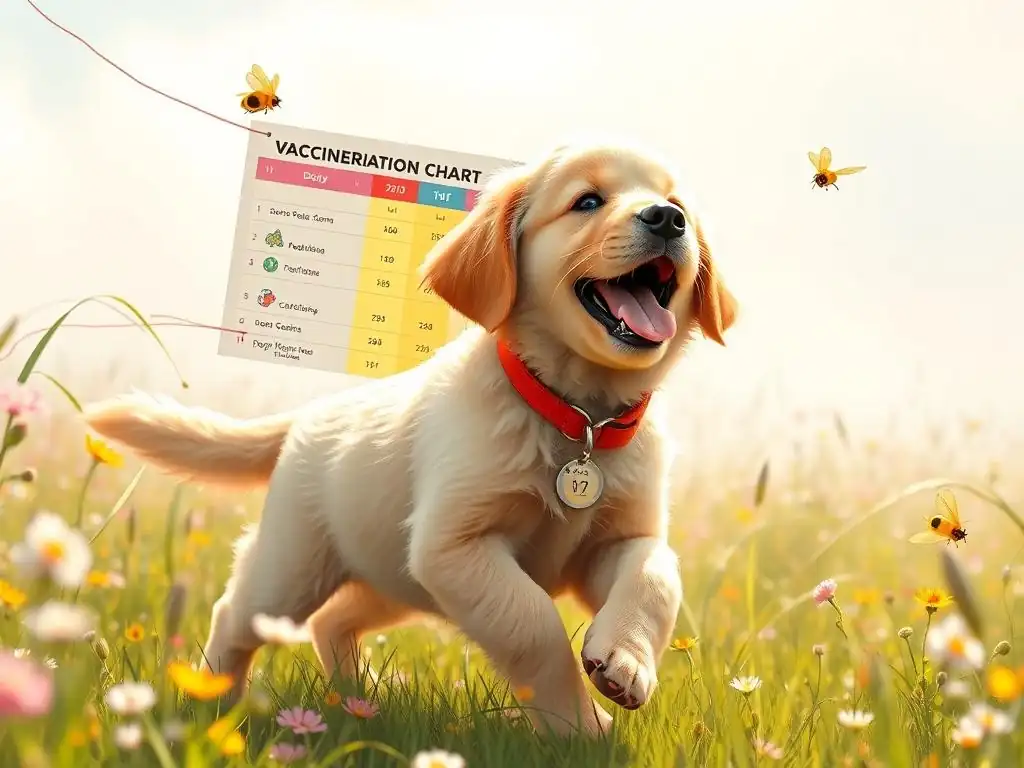
Welcome to PetCareWorld, your ultimate guide to a happier, healthier life for your beloved pet! Are you ready to take the guesswork out of puppy care? We understand the importance of staying on top of your puppy's health, which is why we've created a comprehensive Puppy Vaccination Schedule Tracker to help you navigate this crucial phase. Discover how simple and effective record-keeping can be, ensuring your furry friend receives the protection they deserve. Dive in and explore our expert advice – your journey to confident pet ownership starts here!
- The Importance of a Comprehensive Puppy Vaccination Schedule Tracker
- Creating Your Puppy Vaccination Schedule Tracker: Methods and Tools
- Key Information to Include in Your Puppy Vaccination Record
-
Maintaining Your Puppy's Vaccination Records: Tips and Best Practices
- Regular Updates: Ensuring Information Accuracy
- Secure Storage: Protecting Your Puppy's Vital Health Information
- Sharing Information with Veterinarians: Seamless Transitions in Care
- Transitioning to Adult Vaccination Schedules: A Smooth Process
- When to Seek Veterinary Advice: Recognizing Potential Issues
- Troubleshooting Common Challenges with Puppy Vaccination Records
- Beyond Vaccinations: Essential Puppy Health Records
-
Frequently Asked Questions
- What is the importance of a puppy vaccination schedule tracker?
- How do I create a puppy vaccination schedule tracker?
- What vaccinations are typically included in a puppy's vaccination schedule?
- Where can I find a sample puppy vaccination schedule?
- What should I do if I miss a vaccination appointment?
- Final Reflection: Protecting Our Furry Friends: A Legacy of Health
- Ready to Supercharge Your Puppy's Health Journey?
The Importance of a Comprehensive Puppy Vaccination Schedule Tracker
Keeping your puppy healthy and happy is a top priority for any loving pet owner. A crucial aspect of responsible puppy care is maintaining a meticulous record of their vaccinations. This isn't just about remembering when the next shot is due; it's about proactively safeguarding your furry friend's health and well-being, ensuring they receive the necessary protection against potentially life-threatening diseases.
This article serves as a guide to understanding the significance of a comprehensive puppy vaccination schedule tracker and how to effectively maintain one, helping you navigate the vital process of keeping your puppy protected and healthy. We'll explore the crucial reasons why accurate records are essential, the serious implications of neglecting vaccinations, and the legal and veterinary recommendations surrounding puppy immunizations.
This guide will empower you to become a more informed and proactive pet owner, equipped to make the best choices for your puppy's health. Let's delve into the details of why a dedicated puppy vaccination schedule tracker is an indispensable tool for every puppy parent.
Why Accurate Vaccination Records are Crucial for Your Puppy's Well-being
Accurate vaccination records are paramount for your puppy's health. Think of it as your puppy's medical passport, providing a detailed history of their immunizations. This record is essential for several reasons:
- Early Detection of Issues: A clear record allows for immediate identification of any missed vaccinations or potential issues with the vaccination process. This enables prompt intervention and prevents complications.
- Monitoring Immune Response: Tracking vaccinations helps monitor your puppy's immune response. Some puppies may react differently to certain vaccines, and a well-maintained record helps veterinarians assess this response and adjust accordingly.
- Emergency Situations: In emergencies, having readily available vaccination records is crucial. Veterinarians need this information to make informed decisions about treatment, especially if your puppy needs immediate care and you can't provide a detailed history.
- Future Health Planning: Maintaining accurate records provides a comprehensive overview of your puppy's vaccination history, enabling you to plan for future boosters and assess their overall health trajectory. This data is invaluable for long-term health management.
Consider this scenario: Your puppy suddenly falls ill. Without accurate vaccination records, determining the cause of the illness becomes significantly more challenging and time-consuming for your veterinarian. This delay can impact the effectiveness of treatment and potentially put your puppy at greater risk. A well-maintained tracker helps avoid such situations.
Avoiding Vaccine-Preventable Diseases: A Puppy's Health Depends on It
Puppyhood is a vulnerable period, and many diseases can severely impact a young pup's health. Vaccinations offer crucial protection against these devastating illnesses, including:
- Canine Parvovirus: A highly contagious and often fatal viral disease causing severe vomiting, diarrhea, and dehydration.
- Canine Distemper: Another highly contagious viral disease affecting the respiratory, gastrointestinal, and nervous systems.
- Canine Adenovirus (CAV-1 & CAV-2): These viruses cause infectious hepatitis and kennel cough, respectively.
- Canine Leptospirosis: A bacterial disease spread through contaminated water or urine. It can cause liver and kidney failure.
- Rabies: A deadly viral disease affecting the central nervous system, transmitted through the bite of an infected animal. Vaccination against rabies is often legally mandated.
The table below summarizes some key vaccine-preventable diseases and their potential consequences:
| Disease | Symptoms | Severity |
|---|---|---|
| Canine Parvovirus | Vomiting, diarrhea, dehydration | Often fatal |
| Canine Distemper | Respiratory, gastrointestinal, nervous issues | Very serious, often fatal |
| Canine Adenovirus | Hepatitis, kennel cough | Variable severity |
| Canine Leptospirosis | Liver and kidney failure | Severe, potentially fatal |
| Rabies | Neurological symptoms, paralysis, death | Always fatal |
Failing to vaccinate your puppy leaves them vulnerable to these potentially life-threatening diseases. A dedicated tracker ensures you never miss a crucial vaccination appointment, minimizing this risk.
Legal Requirements and Veterinary Recommendations: Understanding Compliance
In many jurisdictions, certain vaccinations, such as the rabies vaccine, are legally mandated. Failure to comply with these regulations can result in penalties. Beyond legal obligations, your veterinarian will provide a personalized vaccination schedule tailored to your puppy's breed, age, lifestyle, and overall health. This schedule outlines the recommended vaccines and their timing.
Maintaining accurate records helps you demonstrate compliance with both legal requirements and your veterinarian's recommendations. This is especially important if you ever need to move with your puppy, change veterinarians, or participate in dog-related events that may require proof of vaccination. A comprehensive tracker simplifies this process, ensuring you are always prepared and compliant. Regular check-ups with your vet are essential, not just for vaccinations but also for overall health monitoring. This proactive approach ensures your puppy receives the best possible care and remains healthy throughout their life. 🐶
Creating Your Puppy Vaccination Schedule Tracker: Methods and Tools

Keeping accurate records of your puppy's vaccinations is crucial for their health and well-being. A well-maintained vaccination schedule tracker ensures you don't miss crucial appointments, facilitating proactive healthcare and preventing potential health issues. Choosing the right method depends on your personal preferences and technological comfort level. This section explores various options for creating and managing your puppy's vaccination schedule.
Utilizing a Physical Puppy Vaccination Record Book: Pros and Cons
A traditional paper-based puppy vaccination record book offers a tangible and readily accessible method for tracking your pup's vaccination history. Many veterinarians provide these books at your puppy's first visit.
Pros:
- Simplicity and Accessibility: No technology required; information is readily available even without internet access. This is especially valuable during emergencies or travel.
- Tangible Record: A physical copy provides a permanent record, less susceptible to data loss than digital methods. This is important for potential future needs, like transferring care to a new vet.
- Cost-Effective: Often provided free by your vet, or readily available at low cost from pet supply stores.
Cons:
- Limited Features: Lack of reminders, data analysis, or easy sharing capabilities. You are responsible for remembering appointments.
- Prone to Damage or Loss: A physical book can be easily lost, damaged by water or tears, or become illegible over time.
- Difficult to Share: Sharing information with other vets or pet sitters requires physical transfer of the book.
| Feature | Physical Record Book | Digital Tracker/Spreadsheet |
|---|---|---|
| Accessibility | High | High (with internet access) |
| Cost | Low | Varies (free to subscription) |
| Data Loss Risk | High | Low (with backups) |
| Sharing Ease | Low | High |
| Reminder Features | None | Often included |
Digital Puppy Vaccination Schedule Trackers: Apps and Software Options
Numerous smartphone applications and software programs are designed specifically for pet health management, including vaccination tracking. These digital tools often offer features beyond a simple record, enhancing convenience and proactive healthcare.
Many apps offer features like:
- Vaccination reminders via push notifications. Never miss a crucial appointment again! 🗓️
- Ability to store other relevant health information, such as weight, diet, and medications.
- Secure cloud storage, providing backup and access from multiple devices.
- Easy sharing of records with your veterinarian.
Choosing a reputable app is crucial. Look for apps with positive reviews and strong security measures to protect your pet's sensitive information. Consider features like the ability to add notes about your puppy's reaction to each vaccination. This detailed record can be invaluable to your vet.
Spreadsheet Solutions: Building Your Own Customizable Puppy Vaccination Record
For those comfortable with spreadsheets, creating a personalized puppy vaccination record in programs like Microsoft Excel or Google Sheets provides a highly customizable solution. You can design your spreadsheet to include all the necessary information, plus additional fields specific to your puppy's needs.
This approach allows you to:
- Tailor the information: Include columns for specific details like the vaccine type, manufacturer, lot number, and your puppy's reaction.
- Utilize formulas: You can add formulas to calculate dates for booster shots based on the initial vaccination date.
- Create visual aids: Charts or graphs can be added to visually represent your puppy's vaccination progress over time.
However, remember that you are responsible for maintaining and updating the spreadsheet manually. This method requires a certain level of technical proficiency and discipline to maintain its accuracy and usefulness as a “Puppy vaccination schedule tracker”. Regular backups are crucial to prevent data loss. Consider using a cloud-based spreadsheet program for easy access and backup.
Combining Methods: The Best of Both Worlds for Comprehensive Tracking
Many pet owners find that a combination of methods provides the most effective and reliable puppy vaccination schedule tracker. This approach leverages the strengths of different systems to create a truly comprehensive record. For example, a digital spreadsheet, like one created in Google Sheets or Microsoft Excel, can be supplemented with a physical vaccination record card from your veterinarian. The digital record allows for easy searching, data analysis (tracking trends in vaccination costs, for instance), and backup storage. Meanwhile, the physical card provides a readily accessible, offline copy, invaluable in case of emergencies or technology failures. This dual approach ensures redundancy and offers the convenience of both digital and physical access to critical vaccination information.
Consider adding a color-coded system to your spreadsheet or physical record. For example, you could use green to highlight completed vaccinations, yellow for upcoming appointments, and red for any missed or overdue shots. This visual cue makes it instantly clear where your puppy stands in their vaccination schedule. Furthermore, you can utilize the spreadsheet to set reminders for upcoming appointments, linking them to your calendar application for additional notification. This proactive approach minimizes the risk of missed vaccinations, crucial for maintaining your puppy's health and immunity.
Another beneficial aspect of combining methods is the ability to include additional relevant information. Your spreadsheet can easily encompass not only vaccination details (date, vaccine type, administering veterinarian) but also other vital health data such as weight measurements, deworming treatments, and any observed health concerns. This centralized repository transforms your vaccination tracker into a comprehensive health journal for your puppy, providing a complete picture of their well-being over time.
Remember to keep both the digital and physical copies up-to-date, ensuring consistency across all your records. Regularly reviewing this combined record allows for proactive health management, identifying potential issues early on and facilitating timely veterinary intervention. This holistic approach ultimately contributes to a longer, healthier life for your beloved canine companion.
Key Information to Include in Your Puppy Vaccination Record
Keeping meticulous records of your puppy's vaccinations is crucial for their long-term health and well-being. A comprehensive vaccination log acts as a vital health passport, providing essential information to your veterinarian and ensuring your puppy receives the necessary protection against preventable diseases. This detailed record also simplifies future vet visits, making them more efficient and less stressful for both you and your furry friend.
Think of it as your puppy's personal health insurance policy – readily available and easily understood. This section will guide you through the key information you should diligently record to create a robust and reliable vaccination history for your beloved pup. Optimizing your puppy vaccination schedule tracker is key to proactive pet care.
Vaccination Dates: Maintaining Accurate Records
Precisely recording the date of each vaccination is paramount. Don't just jot down the month and year; note the exact date – day, month, and year. This level of detail is critical for tracking the efficacy of the vaccines and ensuring your puppy receives timely booster shots. For example, instead of writing "October 2024," record "October 26, 2024."
Consider using a dedicated puppy vaccination schedule tracker, either a physical notebook or a digital application, to maintain accuracy and prevent errors. Many apps offer reminders for upcoming vaccinations, minimizing the risk of missed appointments. A simple table can also be very effective:
| Date | Vaccine Administered | Veterinarian | Notes |
|---|---|---|---|
| Oct 26, 2024 | Distemper, Adenovirus Type 2, Parvovirus | Dr. Emily Carter, Animal Care Clinic | No adverse reactions observed. |
| Nov 30, 2024 | Leptospirosis, Coronavirus | Dr. Emily Carter, Animal Care Clinic | Slight lethargy for 24 hours post-vaccination. |
| Dec 21, 2024 | Rabies | Dr. Emily Carter, Animal Care Clinic | No adverse reactions observed. |
Remember, consistency is key. Develop a habit of immediately recording the vaccination details after each visit to the veterinarian. This ensures accuracy and prevents relying on memory, which can be unreliable.
Vaccine Type and Manufacturer: Complete Details for Future Reference
Beyond the vaccination date, meticulously documenting the type of vaccine administered and its manufacturer is equally important. Different vaccines offer varying levels of protection and may have different side effect profiles. Knowing the specific vaccine used allows for better monitoring of your puppy's health and facilitates informed decision-making in the future.
For example, a record should indicate "Nobivac Puppy DP" rather than simply "Distemper vaccine". This level of detail is essential for tracking potential adverse reactions and for making informed decisions about future vaccinations. Keeping a detailed log of vaccine brands helps ensure consistency in your puppy's vaccination regimen and allows for effective communication with your veterinarian.
This information is crucial for several reasons:
- Tracking efficacy: Different vaccines have varying degrees of effectiveness. Knowing the specific vaccine allows for better assessment of its performance.
- Identifying adverse reactions: Specific vaccines have unique potential side effects. Knowing the manufacturer and vaccine type helps determine if any reactions are vaccine-related.
- Future veterinary care: This detailed information is invaluable for any future veterinarian who might care for your puppy.
Veterinarian Information: Contact Details for Easy Access
Finally, always include the veterinarian's complete contact information. This includes their name, clinic address, phone number, and email address. This information is essential for follow-up care, especially if you need to contact the veterinarian regarding any post-vaccination issues or to request copies of your puppy's records. Having this readily available prevents unnecessary delays and ensures prompt attention to any concerns. Consider adding a section for any notes regarding your puppy's reaction to the vaccination.
This could include things like mild fever, lethargy, or any other unusual behavior. This information will assist in future veterinary visits and vaccine choices. Maintaining a complete and accurate puppy vaccination schedule tracker is a vital component of responsible pet ownership. 🐶
Reactions to Vaccinations: Documenting Any Adverse Effects

Careful observation of your puppy after each vaccination is crucial. While most puppies tolerate vaccinations without issue, some may experience mild reactions. These can range from temporary lethargy and mild swelling at the injection site to more serious, albeit rare, allergic reactions.
It's vital to meticulously record any observed reactions, no matter how minor they seem. This detailed record will be invaluable to your veterinarian in the future, particularly if your puppy experiences an adverse reaction to a subsequent vaccination. For example, a slight limp following a vaccination might be easily dismissed, but documenting it allows your vet to identify a potential correlation if similar symptoms appear in the future.
Consider recording not only the type and severity of the reaction but also the timing of its onset and duration. For instance, a record might note: "Following the DHPP-L vaccine administered on October 26th, mild swelling at the injection site was observed for approximately 24 hours. Puppy exhibited slight lethargy for 6 hours post-vaccination but resumed normal activity thereafter." This level of detail helps establish a pattern and assists in identifying potential sensitivities or allergies.
Always contact your veterinarian immediately if you observe any concerning symptoms such as excessive swelling, difficulty breathing, or persistent lethargy. Remember, proactive documentation is key to ensuring your puppy's well-being and facilitating effective veterinary care. The more complete your records, the better equipped your veterinarian will be to provide informed and timely treatment.
Booster Schedules: Planning for Future Vaccinations
Your puppy's vaccination schedule doesn't end with the initial series. Booster shots are essential to maintain immunity against various diseases throughout your puppy's life. The frequency of booster shots varies depending on the vaccine and your veterinarian's recommendations, which should be clearly documented in your puppy's vaccination record. These recommendations are often based on factors such as your puppy's breed, age, overall health, and lifestyle (e.g., exposure to other dogs).
It's crucial to note the dates of all booster vaccinations administered. A simple table can be very effective for this purpose, listing the date, vaccine type, and any observed reactions. For instance, a record might show that a Rabies booster is typically given annually, while other core vaccines might require boosters every three years.
Failing to record these dates can lead to lapses in immunity, putting your puppy at risk. Moreover, many vets utilize a vaccination schedule tracker that they can update digitally and share with you. If you use a digital tracker, you still need a hard copy for your records.
Always confirm the recommended booster schedule with your veterinarian and diligently record every booster vaccination to ensure your puppy maintains optimal protection against preventable diseases. A proactive approach to booster vaccinations, coupled with thorough record-keeping, is a vital part of responsible pet ownership. This ensures your puppy remains healthy and protected throughout its life.
Maintaining Your Puppy's Vaccination Records: Tips and Best Practices
This section focuses on practical strategies for effectively managing your puppy's vaccination records, ensuring their health and well-being. A well-maintained vaccination record is crucial for your puppy's health and can be a lifesaver in emergencies. Think of it as your puppy's vital health passport. This section provides actionable tips and best practices to help you create and maintain a comprehensive and readily accessible record. Effective record-keeping simplifies veterinary visits, reduces potential health risks, and contributes to your puppy's overall health journey. Let's explore some key strategies for optimal puppy vaccination schedule tracking.
Regular Updates: Ensuring Information Accuracy
Maintaining accurate and up-to-date vaccination records is paramount. Any lapse in information can lead to missed booster shots or incorrect diagnoses. Consider these strategies to ensure accuracy:
- Dedicated Notebook or File: A physical notebook or dedicated file folder can serve as a central repository for all vaccination information. Include the date of each vaccination, the vaccine administered (brand name and type), the veterinarian's name and contact information, and any reactions observed after the vaccination. This provides a comprehensive and easily accessible offline record.
- Digital Vaccination Tracker: Many smartphone apps and online platforms offer digital puppy vaccination schedule tracker functionalities. These tools often allow for photo uploads of vaccination certificates, automatic reminders for booster shots, and secure data storage. Choose a reputable app with strong privacy features.
- Veterinary Clinic Records: Always confirm that your veterinarian maintains a digital or physical record of your puppy's vaccinations. This serves as a backup in case your personal records are lost or damaged. Regularly check with your vet to verify the accuracy of their records against yours.
- Consistent Record Keeping: Develop a routine. Immediately after each vaccination, record all relevant details. This prevents information loss due to memory lapses or time constraints. Consider using a color-coded system to highlight important information, such as due dates for booster shots.
Secure Storage: Protecting Your Puppy's Vital Health Information
Protecting your puppy's vaccination records is crucial. Loss or damage to these records can significantly hinder their healthcare. Consider the following methods for secure storage:
- Cloud Storage (with Caution): While cloud storage offers convenience, ensure the platform offers robust security features and encryption to protect sensitive health information. Consider a password manager to enhance security.
- Physical File Storage: Keep the physical copy of your records in a safe, dry, and easily accessible location, protected from potential damage or loss. A fireproof safe is a good option.
- Multiple Copies: Create multiple copies of your records, storing them in separate, secure locations. This redundancy minimizes the risk of complete data loss. One copy can be kept at home, while another can be stored with a trusted friend or family member.
- Regular Backups: For digital records, implement regular backup procedures. Utilize cloud services or external hard drives to safeguard your data against unforeseen circumstances like hardware failure.
Efficiently sharing your puppy's vaccination records with veterinarians ensures continuity of care. This is particularly important during emergencies or when switching veterinary clinics. Here are some suggestions:
- Bring Physical Copies: Always bring a physical copy of your puppy's vaccination records to every veterinary appointment. This ensures immediate access to essential information.
- Digital Transfer (Securely): If your veterinarian uses a secure electronic system, consider transferring the digital version of the records. Ensure this transfer method is HIPAA compliant or follows similar data protection regulations.
- Clear Communication: Maintain open and clear communication with your veterinarian regarding your puppy's vaccination history. This includes informing them of any changes in veterinary providers or any discrepancies in records.
- Proactive Approach: Don't wait until an emergency to share your puppy's vaccination records. Proactive sharing ensures your veterinarian has access to complete and accurate information at all times. This proactive approach contributes to better healthcare management for your beloved pup. Remember, accurate and accessible vaccination records are a cornerstone of responsible pet ownership and contribute significantly to your puppy's long-term health and well-being. 🐶
Transitioning to Adult Vaccination Schedules: A Smooth Process

Transitioning your puppy to an adult vaccination schedule is a crucial step in ensuring their long-term health. This process typically begins around 16 weeks of age, although the exact timing might vary slightly depending on your puppy's breed, overall health, and the specific recommendations from your veterinarian.
It's vital to understand that the puppy vaccination schedule, focused on core vaccines protecting against highly contagious diseases like distemper, parvovirus, and adenovirus, differs from the adult schedule. Adult schedules often involve booster shots at longer intervals, sometimes annually or even less frequently depending on the vaccine and your vet's assessment of your dog's risk profile.
The transition shouldn't be abrupt. Discuss the adult vaccination plan with your veterinarian well in advance of your puppy reaching the 16-week mark. They will assess your puppy's health history, including their previous vaccination records, and recommend a suitable schedule tailored to their individual needs. This may include a final puppy booster shot before moving to the adult schedule.
Remember that maintaining accurate and up-to-date records is paramount during this transition. Any changes to the vaccination schedule, including the reasons for those changes, should be clearly documented in your puppy's vaccination record. This diligent record-keeping facilitates seamless veterinary care in the future, preventing any confusion or potential gaps in protection.
Failing to maintain comprehensive records could lead to unnecessary revaccination or, worse, leave your dog vulnerable to preventable diseases. Therefore, meticulous tracking is key to a smooth transition and lifelong health for your canine companion. Consider using a dedicated puppy vaccination schedule tracker to keep everything organized.
When to Seek Veterinary Advice: Recognizing Potential Issues
Even with the most diligent vaccination schedule tracking, unforeseen issues can arise. Recognizing potential problems and seeking veterinary advice promptly is vital to your puppy's well-being. While minor side effects like mild lethargy or soreness at the injection site are common and usually subside within a day or two, more serious symptoms warrant immediate attention.
These serious symptoms can include:
- Fever: A high temperature (above 103°F or 39.4°C) could indicate a severe reaction.
- Persistent Vomiting or Diarrhea: While some mild gastrointestinal upset is possible, persistent or severe vomiting or diarrhea needs immediate veterinary assessment.
- Swelling or Pain at the Injection Site: While some swelling is expected, excessive swelling, redness, or persistent pain requires veterinary examination.
- Lethargy or Weakness: Unusual lethargy or weakness that persists for more than a day or two should be checked by a vet.
- Difficulty Breathing: Any signs of respiratory distress, such as labored breathing or gasping, require immediate veterinary attention.
- Facial Swelling: Facial swelling can be a sign of a serious allergic reaction and needs immediate veterinary care.
Don't hesitate to contact your veterinarian immediately if you notice any of these symptoms after your puppy's vaccination. Early intervention can often prevent serious complications and ensure your puppy's health and well-being. Remember, your veterinarian is your best resource for addressing any concerns related to your puppy's vaccinations. Maintaining open communication with them is crucial for proactive pet care. A reliable puppy vaccination schedule tracker can help you monitor your puppy's health and identify any potential issues promptly. This proactive approach is essential for safeguarding your furry friend's health.
Troubleshooting Common Challenges with Puppy Vaccination Records
Keeping accurate puppy vaccination records is crucial for your pet's health and well-being. Even with the best intentions, challenges can arise. This section addresses common issues and offers practical solutions to maintain a comprehensive and easily accessible vaccination schedule tracker for your furry friend. Effective record-keeping ensures your puppy receives timely boosters and prevents potential health complications. Let's delve into the most frequently encountered problems.
Lost or Missing Records: Recovery Strategies and Solutions
Losing your puppy's vaccination records can be stressful. However, several strategies can help you recover this essential information. First, contact your veterinarian immediately. They maintain digital and/or physical records of your pet's visits, including vaccination details. Many veterinary clinics now use electronic health record (EHR) systems, making retrieval easier. If your vet's records are incomplete, consider contacting previous vets if you've moved or changed providers. They may have records from earlier vaccinations.
If you cannot locate the records through veterinary channels, examine any existing paperwork thoroughly. Look for any stray receipts, appointment reminders, or notes related to your puppy's vaccinations. Check your email inbox and spam folder for any electronic confirmations or vaccination reminders.
Finally, if all else fails, you may need to reconstruct the vaccination schedule based on your memory and any remaining information, but this should be done in consultation with your vet. They can advise on the necessary vaccinations and the appropriate timing for any missed or uncertain shots. Remember, accurate record-keeping is vital, so establishing a new, reliable system moving forward is key.
Inconsistent Information: Identifying and Correcting Errors
Inconsistencies in vaccination records can stem from various sources, including human error or transferring data between different systems. For example, a discrepancy might exist between the dates recorded by your vet and the information you have on hand. This is why regularly verifying your records is crucial. Compare your personal records with your veterinarian's records at every visit. This proactive approach helps catch inconsistencies early, enabling quick correction.
If you discover inconsistencies, don't panic. Contact your vet immediately to clarify the discrepancies. They can review their records and provide the correct information. Once the accurate information is established, update all your records – both physical and digital – accordingly. Consider using a dedicated puppy vaccination schedule tracker app or a digital spreadsheet to maintain consistency and minimize future errors. This will allow for a smoother and more organized approach to tracking your puppy's vaccination progress. The goal is to create a single source of truth for all vaccination data.
Difficulty Accessing Records: Streamlining Information Management
Accessing your puppy's vaccination records shouldn't be a struggle. Many pet owners find themselves juggling multiple physical files, scattered notes, and fragmented digital information. This makes retrieving the necessary information time-consuming and frustrating. To streamline access, consolidate your records into a single, readily accessible location.
Consider using a digital system. Dedicated pet health apps, cloud-based storage services, or even a simple spreadsheet can be used to store all relevant vaccination information. Ensure the system is easily accessible from multiple devices. If you prefer a physical record, utilize a dedicated folder or binder to keep all documents organized.
Consider creating a clear, labeled system for organizing vaccination records chronologically or by vaccine type. No matter the method, regular review and updates are essential to ensure the information remains current and accurate. This proactive approach will save you significant time and stress in the future, ensuring your puppy's health records are always readily available when needed. A well-organized system provides peace of mind, knowing you have a reliable and efficient puppy vaccination schedule tracker at your fingertips.
Understanding Your Puppy's Vaccination Certificate: Deciphering Veterinary Documentation
A puppy's vaccination certificate is more than just a piece of paper; it's a crucial health record detailing your pet's vaccination history. Understanding its contents is vital for maintaining accurate records and ensuring your puppy receives the necessary boosters at the appropriate times. These certificates typically include several key pieces of information, and familiarity with these elements will empower you to proactively manage your puppy's health.
First and foremost, the certificate will clearly identify your puppy. This usually involves your puppy's name, breed, date of birth, and a unique identification number, such as a microchip number. This detailed identification is crucial to prevent any confusion, especially if you have multiple pets or visit different veterinary clinics. Double-checking this information against your own records ensures accuracy and helps prevent potential mix-ups.
Next, the certificate will meticulously list the vaccinations administered. For each vaccination, you'll find the name of the vaccine (e.g., Canine Distemper Virus, Canine Parvovirus, Canine Adenovirus), the date it was given, and often, the name and contact information of the administering veterinarian. Some certificates also include the lot number of the vaccine used, a detail that can be important if there's ever a need to investigate a vaccine-related issue. Keep in mind that different clinics may use slightly different formatting, but the core information remains consistent.
Beyond the specifics of each vaccination, the certificate may also include important notes or recommendations from your veterinarian. These notes might pertain to your puppy's overall health, any reactions to the vaccines, or future vaccination schedules. Paying close attention to these notes is crucial, as they may contain vital information about potential health concerns or specific instructions for your puppy's care. Always keep this certificate in a safe and accessible place, perhaps in a dedicated pet health file.
This proactive approach ensures you have readily available information should you need it for future vet visits or unexpected situations. Regularly reviewing this document allows you to stay informed and prepared for your puppy's ongoing health needs. Remember, a well-maintained vaccination record is an essential element of responsible pet ownership and contributes significantly to your puppy's well-being. Consider keeping a digital backup as well, for added security.
Beyond Vaccinations: Essential Puppy Health Records

Keeping a meticulous puppy vaccination schedule tracker is crucial, but it's only one piece of the puzzle when it comes to your puppy's overall health. A comprehensive health record goes far beyond just vaccination dates. Maintaining a detailed log of all aspects of your puppy's health journey empowers you to proactively address potential issues and ensures your veterinarian has the information they need to provide the best possible care.
This detailed record can be a lifesaver in emergencies and is invaluable as your puppy grows. Think of it as your puppy's personal health journal, a valuable resource for you and your veterinary team.
Comprehensive Health Records: Beyond Vaccinations
Beyond the core puppy vaccination schedule, your puppy's health record should encompass a wide range of information. This includes:
- Weight: Regularly recording your puppy's weight helps monitor growth and identify potential issues like malnutrition or obesity. Aim for weekly weigh-ins, especially during the crucial early months. Note any significant weight fluctuations.
- Food intake: Document the type and amount of food your puppy consumes daily. Changes in appetite can be an early warning sign of illness. Consider noting any food sensitivities or allergies.
- Bowel movements: Regularly observe your puppy's stool consistency, frequency, and color. Changes can indicate digestive problems or parasite infestations.
- Urination: Monitor your puppy's urination habits, noting frequency, volume, and color. Changes can signal urinary tract infections or kidney problems.
- Temperament and behavior: Record any changes in your puppy's behavior, such as lethargy, increased aggression, or unusual vocalizations. These observations can help identify underlying health concerns.
- Exercise: Note the amount and type of exercise your puppy receives daily. This is important for monitoring their physical well-being and preventing issues related to inactivity.
- Grooming: Record your puppy's grooming schedule, including bathing, nail trimming, and brushing. This is especially important for breeds prone to matting or skin conditions.
Maintaining this detailed information allows for early detection of potential problems and a more proactive approach to your puppy's health management. Remember, even seemingly minor changes can be significant indicators.
Parasite Prevention and Treatment Records
Parasite prevention and treatment are crucial components of comprehensive puppy care. Your puppy vaccination schedule tracker should complement a detailed record of parasite control measures. This includes:
- Flea and tick prevention: Note the type of preventative medication used (e.g., topical, oral), the dosage, and the application dates. Include any adverse reactions observed.
- Heartworm prevention: Document the type and schedule of heartworm preventative medication. Remember to record any veterinary recommendations or warnings.
- Deworming: Keep a record of all deworming treatments, specifying the type of medication, dosage, and administration dates. Note any signs of parasitic infestation (e.g., worms in stool).
- Testing: If your puppy undergoes any parasite testing (e.g., fecal exams), record the date, results, and any subsequent treatment.
Regularly reviewing this information will help you stay ahead of potential infestations and ensure timely intervention. A proactive approach to parasite prevention is key to maintaining your puppy's health and well-being. Consider using a dedicated section in your puppy vaccination schedule tracker for this information.
Microchip Information: Ensuring Your Puppy's Safe Return
A microchip is a small electronic device implanted under your puppy's skin that contains a unique identification number linked to your contact information. This is an essential part of your puppy's permanent health record and dramatically increases the chances of a safe return should your puppy ever become lost. Your record should include:
- Microchip number: Record the unique identification number of your puppy's microchip.
- Registration information: Note the name and contact information of the microchip registration company. Ensure your contact information is up-to-date with the registry.
- Date of implantation: Record the date the microchip was implanted.
- Veterinarian's information: Include the name and contact information of the veterinarian who implanted the microchip.
Regularly checking your microchip registration ensures that your contact information is current and accurate, maximizing the chances of your puppy’s safe return should they ever go missing. This is a vital part of responsible pet ownership and should be considered as crucial as your puppy vaccination schedule tracker. Don't forget to update your information if you move or change your phone number! 🐶
Frequently Asked Questions
What is the importance of a puppy vaccination schedule tracker?
A puppy vaccination schedule tracker is crucial for ensuring your puppy receives all necessary vaccinations on time. This helps prevent serious illnesses and protects their long-term health. Missing vaccinations can leave your puppy vulnerable.
How do I create a puppy vaccination schedule tracker?
You can use a physical notebook, a spreadsheet, or a dedicated pet health app. Ensure you record the date of each vaccination, the type of vaccine, and the vet's notes. Keep this information readily available.
What vaccinations are typically included in a puppy's vaccination schedule?
Common puppy vaccinations include those for distemper, parvovirus, adenovirus, parainfluenza, and rabies. The specific schedule and vaccines may vary based on your puppy's breed, location, and vet's recommendations.
Where can I find a sample puppy vaccination schedule?
You can find sample schedules on websites like PetCareWorld or by consulting with your veterinarian. Your vet will create a customized schedule based on your puppy's specific needs and risk factors.
What should I do if I miss a vaccination appointment?
Contact your veterinarian immediately to reschedule the appointment. Do not delay vaccinations, as this can compromise your puppy's immunity and increase their risk of disease.
Final Reflection: Protecting Our Furry Friends: A Legacy of Health
Maintaining accurate puppy vaccination records isn't just about ticking boxes; it's about safeguarding the health and well-being of our beloved companions. The seemingly simple act of tracking vaccinations translates directly into years of happy, healthy life for your puppy, preventing avoidable illnesses and ensuring their longevity. This is a responsibility we, as pet owners, must take seriously.
The impact of responsible pet ownership extends far beyond the individual animal. Our commitment to their health reflects a broader societal concern for animal welfare and a deeper understanding of the interconnectedness of all living things. The bond with a pet is one of the purest and most unconditional forms of love.
This quote speaks to the profound responsibility we bear when we welcome a puppy into our lives, and meticulous record-keeping is a crucial part of fulfilling that responsibility. The ease and accessibility of digital trackers, as discussed in this article, are transforming how we approach this vital aspect of pet care, making it more efficient and less prone to errors.
Now, consider your own puppy's health journey. Think about how a well-maintained vaccination schedule, easily accessible through a tracker, can provide peace of mind and empower you to make informed decisions about your pet's care. Take the time today to choose a system that works for you – whether it's a digital app, a dedicated notebook, or a combination of both – and start building a comprehensive record of your puppy's vaccinations. Your furry friend will thank you for it, with years of playful companionship and unwavering loyalty.
Ready to Supercharge Your Puppy's Health Journey?
Thank you for learning how to keep your puppy's vaccination records organized! You now have the knowledge to protect your furry friend's health. Ready to put it into action?
- Create a dedicated vaccination record: Use a printable template, spreadsheet, or even a simple notebook—whatever works best for you. This will be your central hub for all your puppy's health information.
- Share your knowledge: Tell your friends and fellow pet owners about these simple strategies for managing your puppy's health.
- Choose a record-keeping method that suits your lifestyle and start using it today!
Ready to proactively protect your puppy's health? What's the first step you'll take to organize your puppy's vaccination records?