
Living with a Macaw: The Joys and Challenges of Owning a Large Parrot

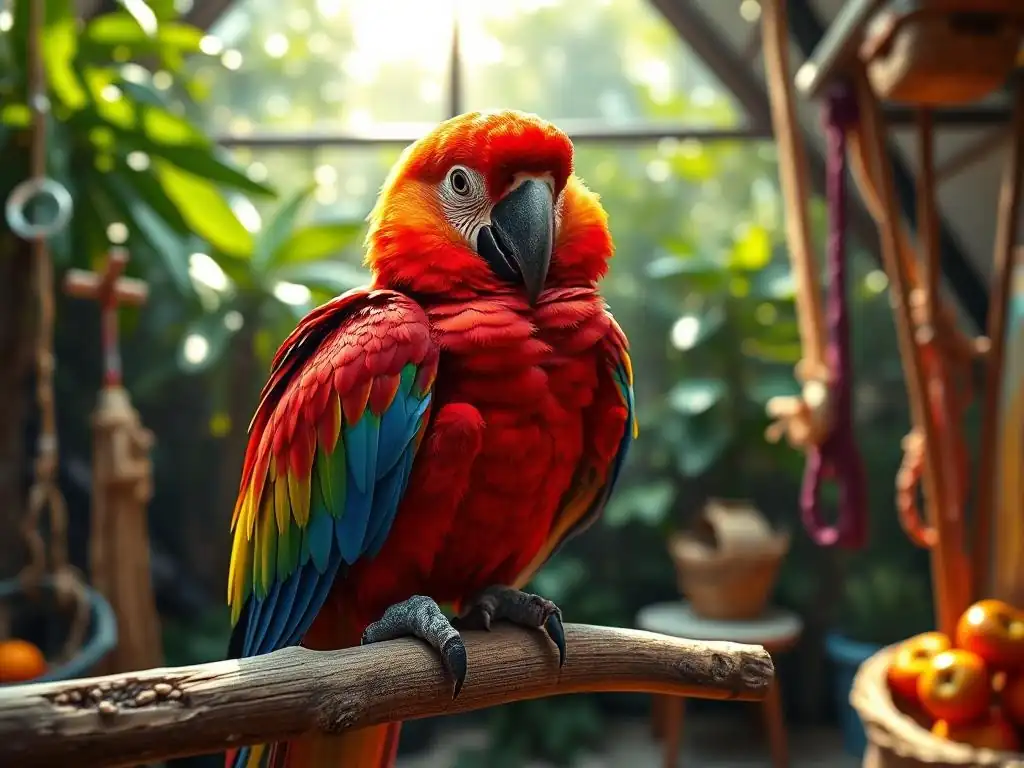
Welcome to PetCareWorld, your ultimate guide to the wonderful world of pet ownership! Are you ready to delve into the vibrant, yet demanding, life of a macaw? Our in-depth article, "Macaw parrot ownership challenges," explores the joys and responsibilities of sharing your life with this magnificent bird. Discover the secrets to successful macaw care and learn how to navigate the unique challenges these intelligent companions present. Prepare to be captivated by the beauty and complexity of these incredible creatures – let's unlock the secrets to a happy and harmonious life together!
- Understanding Macaw Parrot Ownership Challenges
- The Joys of Macaw Ownership: A Rewarding Experience
- Preparing for Macaw Ownership: Essential Considerations
- Macaw Care: Daily Routine and Maintenance
- Addressing Common Macaw Parrot Ownership Challenges
- Macaw-Proofing Your Home: Safety and Security
- Finding Support and Resources for Macaw Owners
- Frequently Asked Questions
- Final Reflection: A Feathered Friend, A Lifelong Commitment
- Unlock the Secrets to a Thriving Macaw Companionship
Understanding Macaw Parrot Ownership Challenges
Owning a macaw is a deeply rewarding experience, bringing immense joy and companionship to the dedicated owner. These magnificent birds, with their vibrant plumage and captivating personalities, are truly remarkable creatures. However, before welcoming a macaw into your home, it's crucial to understand the significant commitment involved.
This article delves into the key challenges of macaw parrot ownership, equipping prospective owners with the knowledge necessary to make an informed decision and ensure a successful and fulfilling life for both themselves and their feathered friend. Ignoring the realities of macaw care can lead to unfortunate situations for both the bird and the owner, resulting in rehoming or, worse, neglect. We'll explore the substantial time investment, long-term financial responsibilities, and the emotional dedication required to provide these intelligent and sensitive birds with a thriving and enriching life.
Successfully navigating these challenges will pave the way for a harmonious and deeply rewarding relationship with your macaw companion. Let's explore the realities of "Macaw parrot ownership challenges" in detail.
The Commitment of Macaw Ownership: Time and Resources
Owning a macaw is not a casual undertaking; it's a significant long-term commitment demanding considerable time and resources. These highly intelligent birds require daily interaction, mental stimulation, and social engagement. Think of it like raising a demanding toddler, but for 50+ years! Ignoring their social needs can lead to behavioral problems, such as feather plucking, screaming, and aggression. A minimum of several hours per day should be dedicated to interacting with your macaw, including playtime, training sessions, and simply spending quality time together. This includes:
- Daily interaction: Providing playtime, talking, and engaging in activities that stimulate their minds.
- Cage cleaning: Regular cleaning of the cage is essential to maintain hygiene and prevent disease.
- Feeding: Preparing a balanced diet requires time and attention to detail.
- Training: Consistent training is crucial for a well-adjusted and happy macaw.
- Environmental enrichment: Providing toys and opportunities for exploration prevents boredom and destructive behaviors.
Failing to dedicate sufficient time can lead to unhappy birds and frustrated owners. Remember, a macaw is not a pet you can simply leave in a cage for long periods without interaction. They need you, and your time is an investment in their well-being. Think carefully about your lifestyle and available time before bringing a macaw home.
Macaw's Lifespan and Long-Term Planning
Macaws boast incredibly long lifespans, often living for 50 to 80 years, or even longer! This longevity demands careful consideration of your own life trajectory and long-term plans. Will you still be able to care for your macaw in 20, 40, or even 60 years? What happens if unforeseen circumstances arise, such as illness or relocation? A macaw is a lifelong commitment, and planning for their care well into the future is essential. This involves:
- Succession planning: Identifying a reliable caregiver or sanctuary to take responsibility for your macaw should you become unable to care for them.
- Financial security: Ensuring you have the financial resources to cover their care for their entire lifespan.
- Adaptability: Being prepared to adapt your lifestyle to accommodate the needs of your macaw as they age.
Planning for the long term is not just responsible; it’s crucial to the macaw's well-being. Failing to do so could result in the bird being surrendered to a shelter or, worse, neglected. Consider the implications carefully before adopting a macaw. This isn't just about today; it's about the next few decades.
Financial Considerations: Food, Veterinary Care, and Housing
Macaw ownership comes with substantial financial responsibilities. These magnificent birds have specific dietary needs, requiring high-quality food, fresh fruits, and vegetables. Veterinary care is also a significant expense. Macaws are prone to specific health issues, and visits to an avian veterinarian can be costly. Additionally, providing appropriate housing—a large, well-equipped cage and stimulating environment—is an ongoing expense. These costs include:
| Expense Category | Approximate Annual Cost (USD) 1 | Notes |
|---|---|---|
| High-quality food | $500 - $1000 | Varies based on diet and brand |
| Veterinary care | $500 - $2000+ | Emergency care can be significantly more expensive |
| Cage and accessories | $300 - $1000 (initial), $100 - $500 (annual) | Initial cost can be high; ongoing costs include toy replacements |
| Toys and enrichment items | $100 - $500 | Regular replacement is necessary to prevent boredom and destructive behaviors |
1 These are estimates and can vary widely depending on location and specific needs.
These are just the basics. Unforeseen medical expenses can quickly escalate the costs. Before bringing a macaw home, assess your financial capacity to meet these ongoing expenses for their entire life. This is a significant investment that should not be taken lightly. The commitment is both emotional and financial; both must be considered carefully. 🐦
The Joys of Macaw Ownership: A Rewarding Experience
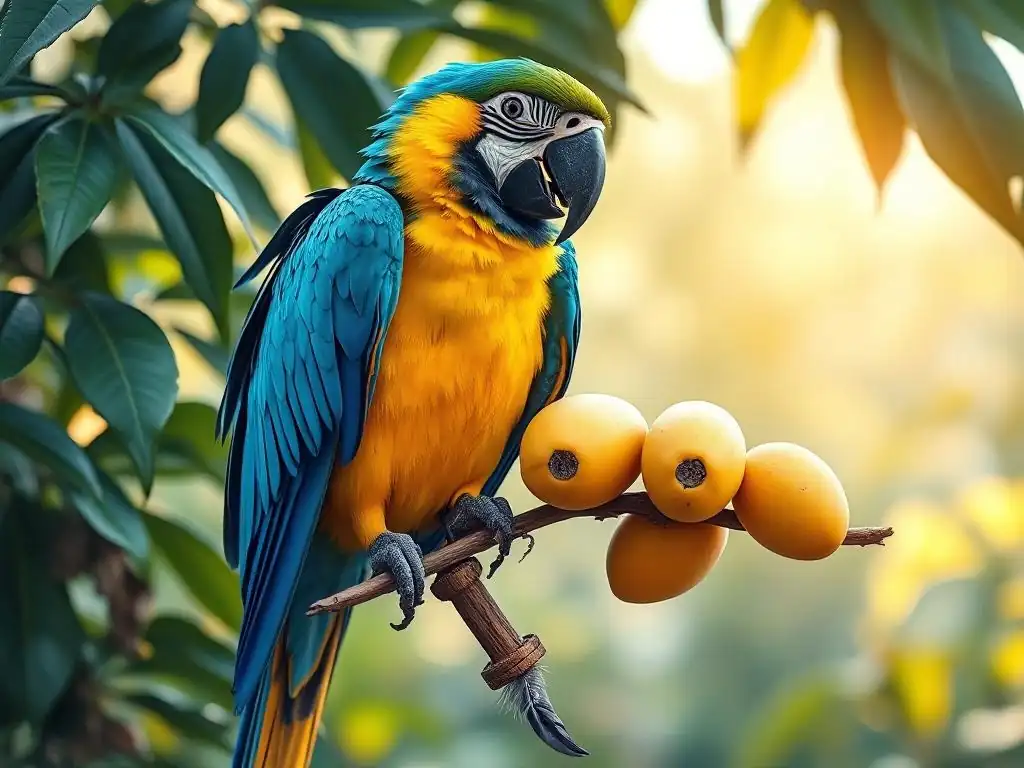
Owning a macaw is undoubtedly a significant commitment, but the rewards are immense for those prepared for the journey. The sheer beauty of these magnificent birds, their vibrant plumage shimmering in the light, is captivating. Beyond their aesthetic appeal lies a deep well of intelligence, personality, and affection waiting to be unlocked. Many owners describe the experience as transformative, forging a unique bond unlike any other pet relationship.
The playful antics, the gentle nuzzles, and the sheer joy expressed through their expressive eyes create an enriching and deeply fulfilling experience. The years spent with a macaw are filled with countless heartwarming moments that solidify their place as cherished members of the family. This section will delve into the specific joys associated with macaw ownership, focusing on the unique aspects that make this relationship so special.
Building a Bond with Your Macaw: Training and Interaction
Building a strong bond with your macaw requires patience, consistency, and a deep understanding of their unique needs. Positive reinforcement training is crucial. Avoid punishment-based methods; they can severely damage trust and lead to fear-based behaviors. Instead, reward desired behaviors with treats, praise, and affection. This fosters a positive learning environment where your macaw learns to associate positive interactions with you.
Spend dedicated time each day interacting with your macaw. Talk to them, read to them, and engage in playful activities. This consistent interaction helps build trust and strengthens the bond. Consider incorporating target training, using a stick or finger as a target to guide their movements.
This can be used for various tasks, from stepping up to performing tricks, further strengthening your connection and providing mental stimulation. Remember, every macaw is an individual, and the pace of training will vary. Celebrate small victories and remain patient throughout the process. The rewards of a strong bond are immeasurable, resulting in a more confident, well-adjusted, and loving companion.
The Unique Personality of Macaws: Individuality and Charm
Macaws aren't just beautiful birds; they possess distinct and captivating personalities. Each macaw has its own unique quirks, preferences, and ways of expressing itself. Some are boisterous and outgoing, while others are more reserved and cautious. Some might be cuddly and affectionate, constantly seeking attention, while others might prefer independent playtime. Understanding your macaw's individual personality is key to providing appropriate care and enrichment.
Observing their behavior, paying attention to their body language, and learning their communication styles are crucial aspects of responsible macaw ownership. This involves recognizing subtle cues, such as changes in vocalizations, posture, or feather ruffling, which can signal their mood or needs. Embrace their individuality; don't try to force them to conform to a pre-conceived notion of what a "good" macaw should be. Their unique traits are part of what makes them so special and endearing.
Macaw's Intelligence and Playfulness: Enrichment Activities
Macaws are highly intelligent birds, possessing problem-solving skills and a remarkable capacity for learning. Without sufficient mental stimulation, they can become bored, frustrated, and even develop destructive behaviors. Providing a stimulating environment is paramount to their well-being. Enrichment activities should challenge their intelligence and provide opportunities for exploration and play. This might include:
- Puzzle feeders that require problem-solving to access food.
- Interactive toys that encourage exploration and manipulation.
- Opportunities for foraging, mimicking their natural behavior.
- Providing a variety of safe chew toys to prevent destructive chewing on furniture.
- Training sessions that challenge their cognitive abilities.
Providing a variety of toys and rotating them regularly keeps your macaw engaged and prevents boredom. Observe your macaw's interactions with their toys to identify their preferences and tailor enrichment accordingly. Remember, a stimulated macaw is a happy macaw, and a happy macaw is a well-adjusted and loving companion. Investing time and effort in providing appropriate enrichment is an essential part of responsible macaw ownership. The rewards are a healthier, happier, and more fulfilled bird, strengthening the bond you share.
Preparing for Macaw Ownership: Essential Considerations
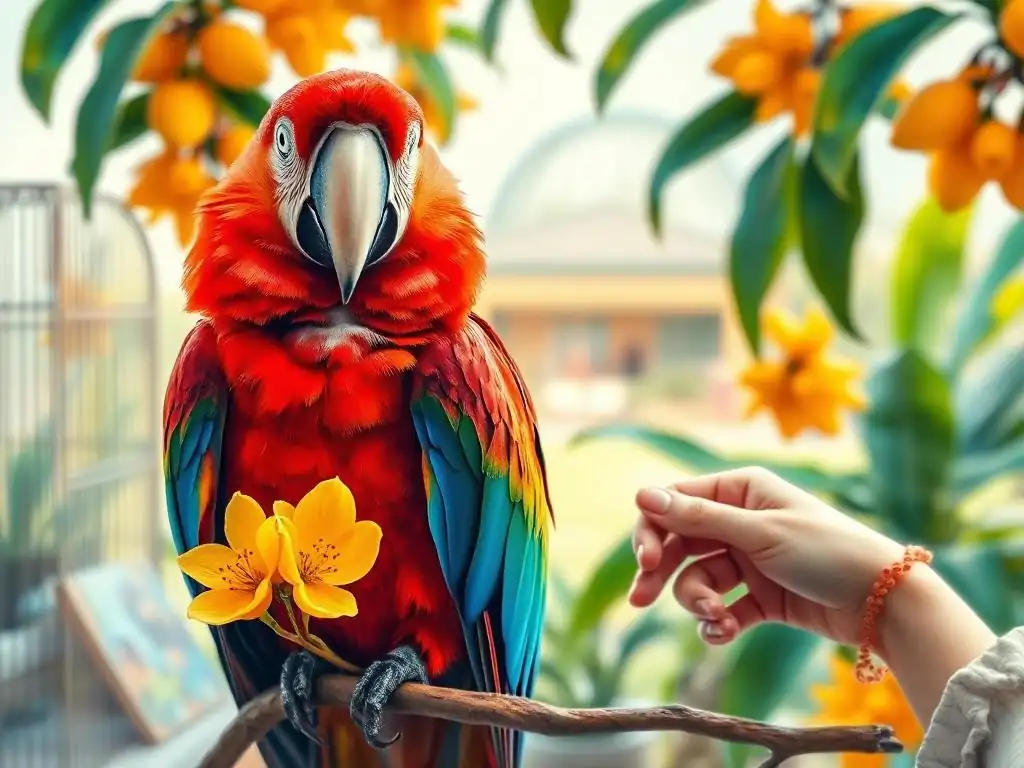
Owning a macaw is a significant commitment, demanding considerable time, resources, and dedication. Before bringing a macaw into your home, thorough preparation is crucial to ensure both your well-being and the bird's. Failing to adequately prepare can lead to stress for you and potentially jeopardize the macaw's health and happiness. This section will delve into the key aspects of preparing for macaw parrot ownership, addressing common challenges and highlighting essential considerations for a successful and fulfilling relationship. Understanding these challenges upfront is paramount for responsible macaw ownership.
Choosing the Right Macaw Species: Temperament and Size
Macaws come in various species, each with unique temperaments, sizes, and needs. Choosing the right species is the first crucial step. Larger species like the Hyacinth Macaw require significantly more space and resources than smaller species such as the Hahn's Macaw. Consider your lifestyle, living space, and experience level when making your decision.
For example, a busy professional might find it difficult to meet the demanding social and enrichment needs of a large, highly intelligent macaw like the Scarlet Macaw. Smaller species might be a more suitable choice for first-time owners or those with limited space. Researching different species thoroughly, understanding their individual temperaments (some are known to be more docile, while others are more boisterous), and assessing their specific needs is vital to avoid potential challenges down the line.
Consider factors like noise levels, potential for feather destruction, and the bird's overall energy level. Don't underestimate the impact of a macaw's size on your living arrangements.
Setting up an Ideal Habitat: Cage Size and Enrichment
Providing a suitable habitat is essential for a macaw's physical and psychological well-being. The cage should be spacious enough to allow the bird to fully extend its wings without touching the sides. A cramped cage can lead to stress, feather plucking, and other behavioral problems. Remember, bigger is always better! The minimum cage size should be carefully researched based on the specific macaw species, but even then, aim for something larger than the minimum recommendation.
Beyond size, cage design and enrichment are equally important. The cage should be constructed from strong, non-toxic materials. Provide a variety of perches of different sizes and textures to stimulate the bird's feet and prevent joint problems. Incorporate toys that encourage chewing, climbing, and problem-solving. A lack of enrichment can lead to boredom, destructive behaviors, and even depression.
Think of it like this: a macaw's environment should be a stimulating playground, not just a place to sleep. Regularly rotate toys to keep your macaw engaged and prevent boredom. Consider adding natural branches, foraging toys, and puzzle feeders to increase stimulation. This proactive approach can significantly reduce potential behavioral challenges associated with macaw parrot ownership.
Macaw Diet and Nutrition: A Balanced and Healthy Approach
A balanced and nutritious diet is fundamental to a macaw's health and longevity. Macaws require a diet rich in fruits, vegetables, nuts, and seeds. However, simply providing a variety of these foods isn't enough. The nutritional content needs to be carefully considered. A diet lacking essential nutrients can lead to various health problems, including vitamin deficiencies, obesity, and organ damage.
A high-quality commercial macaw pellet should form the base of their diet. These pellets are formulated to provide a complete and balanced nutritional profile. Supplement the pellets with fresh fruits and vegetables daily. Offer a variety of options to ensure a wide range of vitamins and minerals. Avoid foods high in fat, sugar, or salt, as these can contribute to health problems.
Clean water should be available at all times. Remember, a healthy diet is a crucial element in preventing many of the health challenges associated with macaw ownership. Regular veterinary check-ups are essential to monitor your macaw's health and address any potential dietary concerns. A proactive approach to nutrition greatly contributes to a long and healthy life for your feathered companion.
Macaw Care: Daily Routine and Maintenance
Owning a macaw is a significant commitment, demanding consistent effort in daily care to ensure their well-being and longevity. A structured daily routine is crucial for both your macaw's physical and mental health. Neglecting even seemingly minor aspects of their care can lead to health problems and behavioral issues. This section details the essential elements of a successful daily macaw care routine, focusing on minimizing the challenges associated with macaw parrot ownership.
Macaw Training: Essential Commands and Behavioral Management
Training your macaw is not just about teaching tricks; it's about establishing clear communication and building a strong bond. This reduces many challenges associated with macaw ownership, particularly those related to behavior. Start early, using positive reinforcement methods. Essential commands include "step up," "step down," "come," and "stay." Consistency is key. Reward desired behaviors immediately with treats, praise, or affection.
Avoid punishment, as it can damage trust and lead to fear-based aggression. A well-trained macaw is a happier macaw, and a happier macaw is a more manageable one for the owner. Consider enrolling in a parrot-specific training class for expert guidance and to network with other macaw owners, sharing experiences and minimizing potential challenges. Remember, patience and persistence are vital components of successful macaw training. Expect setbacks; it’s a process.
Macaw Health: Recognizing Signs of Illness and Seeking Veterinary Care
Proactive health management is paramount in mitigating the challenges of macaw parrot ownership. Regular veterinary checkups are essential, even if your macaw appears healthy. Early detection of illnesses can significantly improve treatment outcomes. Learn to recognize common signs of illness, such as lethargy, changes in appetite, feather plucking, respiratory issues (coughing, sneezing), diarrhea, or unusual droppings. Maintain a detailed record of your macaw's diet, behavior, and any observed changes.
This information is invaluable to your avian veterinarian. Prompt veterinary care is crucial; delaying treatment can exacerbate health problems and lead to serious complications. Finding an avian vet specializing in parrots is essential; they possess the expertise to diagnose and treat macaw-specific health issues effectively. Establishing a relationship with a qualified avian veterinarian before any issues arise is a proactive approach to minimizing potential challenges down the line.
Grooming Your Macaw: Feather Care and Hygiene
Proper grooming is crucial for maintaining your macaw's health and preventing potential problems. Regularly inspect your macaw's feathers for parasites, broken feathers, or any signs of injury. Use a soft-bristled brush to gently remove loose feathers and debris. Provide a shallow dish of water for bathing; many macaws enjoy misting. Regularly clean your macaw's food and water dishes to prevent bacterial growth.
Trim your macaw's nails regularly using appropriate clippers to prevent overgrowth. If you are uncomfortable with nail trimming, consult an avian veterinarian or experienced avian groomer. Consistent grooming not only improves your macaw's appearance but also contributes significantly to their overall health and well-being, reducing the challenges associated with maintaining a healthy and happy macaw. Remember, a well-groomed macaw is a happy macaw, and a happy macaw is a less challenging companion.
Addressing Common Macaw Parrot Ownership Challenges
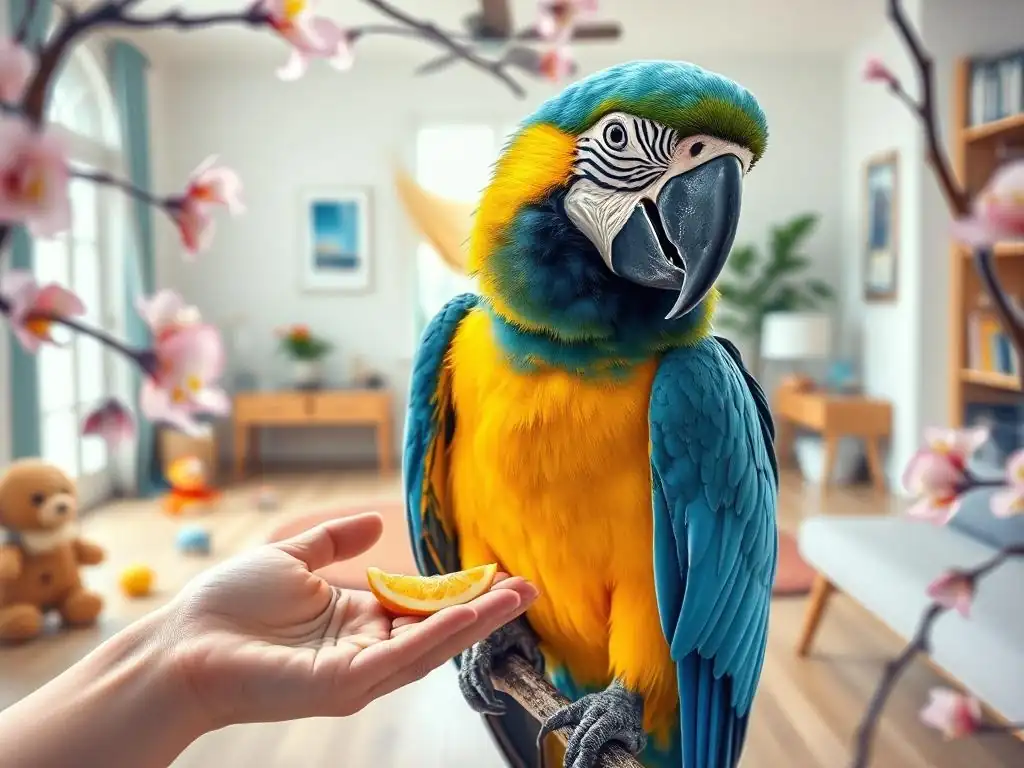
Owning a macaw is a deeply rewarding experience, but it's crucial to understand the significant challenges involved before bringing one home. These magnificent birds require a substantial commitment of time, resources, and patience. This section delves into some of the most frequently encountered difficulties associated with macaw parrot ownership, offering practical advice and solutions to help you navigate these potential hurdles. Successfully managing these challenges is key to ensuring a happy and healthy life for both you and your feathered companion. Understanding these challenges upfront is crucial for responsible macaw ownership.
Dealing with Biting and Aggression in Macaws: Prevention and Solutions
Macaws, particularly young or improperly socialized ones, can exhibit biting and aggressive behavior. This isn't inherently malicious; it often stems from fear, frustration, or a lack of proper training. Prevention is paramount. Early socialization, starting from a young age, is crucial. This involves gentle handling, positive reinforcement training, and consistent interaction with humans.
Creating a predictable and safe environment minimizes stress, a major trigger for aggression. This includes providing ample space, enrichment activities (toys, foraging opportunities), and a consistent daily routine. Avoid sudden movements or loud noises near your macaw, as these can startle them.
If biting occurs, never punish your macaw physically. This will only worsen the problem. Instead, calmly remove yourself from the situation, ignoring the bird for a short period. Positive reinforcement training focuses on rewarding desired behaviors, such as gentle interaction, with treats or praise. A qualified avian veterinarian or certified avian behaviorist can provide personalized guidance and address underlying medical or behavioral issues contributing to aggression. Remember, patience and consistency are key to resolving biting and aggression issues.
Noise Levels and Noise Management Strategies for Macaw Owners
Macaws are renowned for their loud vocalizations. Their calls, whistles, and screams can be incredibly intense, especially during the day. This is a natural part of their communication, but it's a significant consideration for prospective owners. Living in an apartment or close proximity to neighbors might prove challenging.
Effective noise management strategies are essential. This includes selecting a suitable living environment – a house with a dedicated room or a quieter neighborhood is ideal. Providing your macaw with plenty of mental and physical stimulation can reduce vocalization driven by boredom or frustration. Enrichment activities, interaction, and training can all help to keep your macaw occupied and less prone to excessive vocalization.
Soundproofing measures can also help mitigate noise levels. Thick curtains, rugs, and specialized soundproofing materials can absorb sound, reducing the noise that travels outside the room. Consider using white noise machines or fans to mask some of your macaw's vocalizations. Open communication with neighbors is also important; informing them about your macaw and your efforts to manage noise levels can foster understanding and prevent potential conflicts. Remember to consult with a veterinarian or avian behaviorist if you suspect underlying medical issues causing excessive vocalization.
Macaw Feather Plucking: Causes, Prevention, and Treatment
Feather plucking, or self-mutilation, is a serious problem that can affect macaws. It's a complex issue with multiple potential causes, including stress, boredom, medical conditions, nutritional deficiencies, and underlying psychological issues. Observing your macaw's behavior and environment is crucial in identifying potential triggers.
Prevention involves creating a stimulating and enriching environment. Providing ample opportunities for foraging, play, and social interaction can significantly reduce stress. A balanced diet rich in essential nutrients is also crucial for maintaining healthy plumage. Regular veterinary check-ups can help rule out any underlying medical conditions that may contribute to feather plucking.
Treatment often involves a multi-faceted approach. This may include addressing underlying medical conditions, providing behavioral modification techniques, and creating a more enriching environment. In some cases, medication may be necessary to manage underlying psychological issues. A qualified avian veterinarian or certified avian behaviorist can develop a tailored treatment plan to address the specific causes and severity of the feather plucking in your macaw. Early intervention is key to preventing long-term damage and improving your macaw's overall well-being. Remember, patience and consistent effort are vital in addressing this complex behavioral issue.
Macaw-Proofing Your Home: Safety and Security
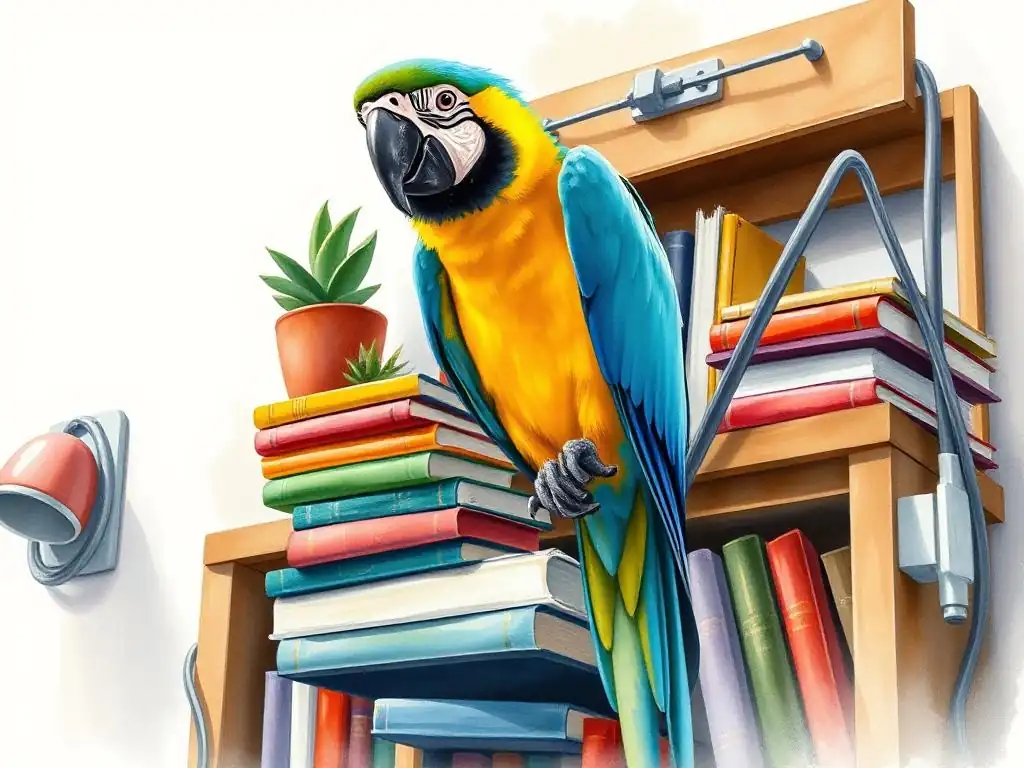
Owning a macaw is a rewarding experience, but it requires significant preparation to ensure the safety and well-being of your feathered friend. Macaws are intelligent, curious, and powerful birds. Their strong beaks and claws can cause considerable damage if not properly managed. Thorough macaw-proofing is crucial to prevent accidents and injuries, both to your bird and your home.
This involves identifying and eliminating potential hazards, providing safe toys, and creating a stimulating environment. Failing to adequately macaw-proof your home can lead to costly repairs, vet bills, and, most importantly, harm to your beloved pet. Let's delve into the essential steps to create a safe haven for your macaw.
Identifying Potential Hazards in Your Home for Macaws
Macaws are notorious for their destructive potential. Their powerful beaks can chew through wood, plastic, and even metal in some cases. Therefore, a comprehensive assessment of your home is paramount. This involves identifying potential hazards and removing or securing them.
Here's a checklist of common household items that pose significant risks to macaws:
- Electrical cords: These are incredibly tempting for macaws to chew on, leading to electrocution. Secure all cords using cord protectors or by routing them out of reach.
- Toxic plants: Many common houseplants are toxic to birds. Research thoroughly to identify and remove any potentially harmful plants from your home. Examples include lilies, azaleas, and tulips.
- Small objects: Buttons, coins, beads, and other small items can be easily swallowed, causing choking hazards. Keep all small objects out of reach.
- Cleaning products: Household cleaners, disinfectants, and air fresheners contain chemicals toxic to birds. Store all cleaning supplies securely in cabinets with childproof locks.
- Cookware: Non-stick cookware can release toxic fumes when heated, posing a serious health risk. Use alternative cookware made of stainless steel or cast iron.
- Unsecured furniture: Macaws can easily climb and damage furniture. Secure any items that could easily topple over.
Think like a macaw: Get down on your hands and knees and examine your home from their perspective. What looks interesting and potentially chewable? Remove or secure these items immediately. Regular inspections are crucial, especially as your macaw grows and develops new behaviors. The goal is to minimize access to anything that could be harmful.
Safe Toys and Enrichment Items for Macaws
Providing a variety of safe and stimulating toys is essential for your macaw's physical and mental well-being. Boredom can lead to destructive behavior, so offering a range of options keeps your bird entertained and prevents them from focusing their attention on unsuitable items.
Here are some examples of safe toys for macaws:
- Wooden toys: Choose untreated, hardwood toys that are free of paints, stains, and varnishes.
- Natural foraging toys: Toys that encourage natural foraging behaviors, such as puzzle feeders filled with nuts and seeds.
- Rope toys: Strong, natural fiber ropes are safe and enjoyable for chewing.
- Metal bells and chains: These provide auditory stimulation and are generally safe for macaws to play with.
- Large, soft toys: These can provide comfort and a different texture for interaction.
Remember to supervise your macaw with new toys, ensuring they are not easily destroyed and that no small pieces can break off and pose a choking hazard. Rotate toys regularly to maintain interest and prevent boredom. Consider offering a variety of textures, shapes, and sounds to keep your macaw engaged. A lack of appropriate toys can result in increased stress, leading to behavioral problems such as feather plucking and self-mutilation.
Creating a Safe and Stimulating Environment for Your Macaw
Beyond simply removing hazards, creating a safe and enriching environment for your macaw involves thoughtful consideration of their needs. This encompasses their physical and mental well-being, ensuring they have the space and opportunities to thrive.
Several key factors contribute to a stimulating environment:
- Spacious cage: A large cage is crucial for a macaw to comfortably move around, spread its wings, and engage in natural behaviors such as climbing and preening.
- Perches of varying sizes and textures: This allows your macaw to exercise its feet and maintain healthy foot muscles.
- Designated play area: A safe, supervised area outside the cage allows your macaw to interact with you and explore.
- Daily interaction: Macaws are social creatures and require significant daily interaction with their owners. This can include training sessions, playtime, and simply spending time talking and bonding.
- Sunlight (filtered): Macaws need exposure to natural sunlight, but it should be filtered to prevent UV damage.
Providing a stimulating environment reduces the likelihood of destructive behavior by keeping your macaw entertained, engaged, and happy. Remember, a happy macaw is a safe macaw. Investing time and effort in creating a secure and stimulating home for your macaw is an investment in their long-term health and happiness. This comprehensive approach to macaw ownership shows your commitment to responsible pet care and ensures a fulfilling life for both you and your magnificent companion.
Finding Support and Resources for Macaw Owners
Owning a macaw is a deeply rewarding but undeniably demanding commitment. Successfully navigating the joys and challenges requires a strong support network and access to reliable information. This section will guide you towards vital resources to help you thrive as a macaw owner. Understanding the unique needs of these intelligent and long-lived birds is paramount, and the right support can make all the difference in ensuring a happy and healthy life for both you and your feathered companion. Successfully managing the considerable demands of macaw parrot ownership often hinges on proactively seeking out and utilizing available resources.
Connecting with Other Macaw Owners: Online Communities and Local Groups
Connecting with other macaw owners is invaluable. Sharing experiences, advice, and even just commiserating over the occasional challenging moment can significantly ease the burden of responsibility. Online communities offer a wealth of readily accessible support. Forums dedicated to parrot care often have sections specifically for macaw owners, allowing for quick access to a large pool of knowledge and shared experiences.
These online spaces provide opportunities to ask questions, receive guidance, and learn from others' successes and mistakes. The collective wisdom of experienced macaw owners can be a powerful tool in preventing problems and handling unexpected situations. Remember to always critically evaluate advice received online, verifying information with reputable sources.
Beyond online interactions, consider seeking out local parrot clubs or avian-focused organizations. These groups often host meetings, workshops, and events providing opportunities for in-person networking and learning. Meeting fellow macaw owners in your area allows for direct interaction, the opportunity to observe different training techniques, and the chance to build personal relationships with people who understand the unique commitment of macaw ownership.
The social aspect can be incredibly beneficial, reducing feelings of isolation that can sometimes accompany owning such a unique and demanding pet. This type of support network can be especially valuable when dealing with unexpected behavioral issues or health concerns.
Reputable Avian Veterinarians: Locating Experts in Macaw Care
Finding a veterinarian experienced in avian care, particularly with macaws, is crucial. Macaws have specific dietary and medical needs that a general practitioner may not be equipped to handle. A specialized avian vet will be familiar with the common health problems affecting macaws, including potential dietary deficiencies, feather plucking issues, and respiratory ailments.
They can provide preventative care, offer early diagnosis of illnesses, and administer appropriate treatment. The importance of preventative care cannot be overstated; regular check-ups can help identify potential problems early, increasing the chances of successful treatment and improving your macaw's overall health and longevity. Remember that early intervention is key to managing many health issues in macaws.
Locating a qualified avian veterinarian might require some research. Start by asking for recommendations from other macaw owners within your local community or online groups. Contacting local animal hospitals and veterinary clinics directly to inquire about their avian expertise is also advisable.
Don't hesitate to ask about the veterinarian's experience with macaws specifically; you want an expert who understands the unique needs of this large parrot species. A good avian veterinarian will be happy to answer your questions and address any concerns you may have about your macaw's health. Choosing the right veterinarian is an investment in your macaw's well-being and can significantly impact their quality of life.
Educational Resources for Macaw Care and Training
Continuous learning is essential for responsible macaw ownership. Macaws are highly intelligent birds with complex needs. Understanding their behavior, communication styles, and training requirements is vital for building a strong bond and preventing behavioral problems. Several reputable resources offer comprehensive information on macaw care and training. These resources can range from books and online courses to workshops and seminars conducted by experienced avian specialists. Investing time in education will empower you to provide the best possible care for your macaw, enriching both your lives.
📚 Books: Numerous books provide detailed information on macaw care, covering topics such as nutrition, housing, health, and behavior. Look for books written by experienced avian veterinarians or certified parrot behaviorists. These resources offer a wealth of knowledge that can be invaluable throughout your macaw's life.
💻 Online Courses: Many online platforms offer courses on parrot care and training. These courses can be a convenient and flexible way to learn about macaw-specific needs, and often include interactive elements and expert guidance.
🦜 Workshops and Seminars: Attending workshops and seminars hosted by avian professionals provides opportunities for hands-on learning and interaction with experienced macaw owners. This immersive experience can offer valuable insights and practical advice.
Remember that responsible macaw ownership is a continuous learning process. By actively seeking out and utilizing these educational resources, you will be well-equipped to provide your macaw with a fulfilling and healthy life. The investment in knowledge will pay dividends in your relationship with your magnificent feathered friend.
Frequently Asked Questions
What are the biggest challenges of owning a Macaw?
Macaw ownership presents significant challenges, including their high maintenance needs, long lifespan (50-80 years!), and demanding social requirements. They need substantial time, attention, and financial commitment.
How much space does a Macaw need?
Macaws require a large cage with ample space for climbing and playing, plus time outside the cage for exercise and interaction. Consider a minimum of 4-6 feet tall cage, and plan for significant daily out-of-cage time.
What is the average cost of owning a Macaw?
The costs are substantial, including the initial purchase price, high-quality food, veterinary care, toys, and a large, well-equipped cage. Budget for several hundred dollars monthly.
Are Macaws suitable for first-time bird owners?
Generally, no. Macaws are not recommended for first-time bird owners due to their complex needs, demanding personalities, and high maintenance requirements. Experienced bird owners are better equipped to handle them.
Daily interaction is crucial. Spend significant time interacting with your Macaw, providing mental stimulation through toys and training, and social interaction to prevent behavioral problems. Consider a companion bird if you can't dedicate enough time.
Final Reflection: A Feathered Friend, A Lifelong Commitment
The vibrant plumage and captivating intelligence of macaws mask a profound responsibility; owning one is not a fleeting fancy, but a decades-long commitment demanding unwavering dedication. The challenges, as detailed throughout this article, are significant, ranging from the substantial financial investment to the immense emotional and time commitment required to provide a fulfilling life for these magnificent birds. Ignoring these realities can lead to heartbreak for both bird and owner.
The enduring impact of responsible macaw ownership extends far beyond the individual bird and owner. It shapes our understanding of animal welfare, highlighting the crucial need for informed decisions and lifelong commitment. The greatness of a nation and its moral progress can be judged by the way its animals are treated.
- Mahatma Gandhi. This quote, while broad in scope, perfectly encapsulates the ethical responsibility we bear towards these intelligent and sensitive creatures. My own experiences, both joyous and challenging, have profoundly shaped my perspective on the importance of thorough research and responsible pet ownership, regardless of the species.
Now, consider your own relationship with the animal kingdom. Are you ready to embrace the unique joys and significant challenges of sharing your life with a macaw? Do your lifestyle, resources, and commitment align with the needs of this extraordinary creature? Take the time to reflect on these questions, and if you find yourself drawn to the captivating world of macaws, commit to providing a life of enrichment, love, and respect that this magnificent bird deserves. The reward, a bond of unparalleled depth and connection, will be worth every ounce of effort.
Unlock the Secrets to a Thriving Macaw Companionship
Thank you for exploring the wonderful, and sometimes challenging, world of macaw ownership. We hope you've gained valuable insights into what it truly means to share your life with one of these magnificent birds. Now, let's put that knowledge into practice!
- Create a stimulating and secure environment for your macaw: A well-designed habitat is crucial for your bird's well-being. Focus on providing enrichment and a safe, secure space.
- Join our vibrant Macaw Owner's Forum: Connect with fellow enthusiasts, share your experiences, and ask questions. It's a fantastic way to learn from others and build a supportive community.
- Share this article: Help spread the word about responsible macaw ownership and introduce others to the joys of these incredible creatures.
Ready to deepen your bond with your feathered friend? What enrichment activity are you most excited to try?