
Preventing Cat Emergencies: Safety Measures at Home

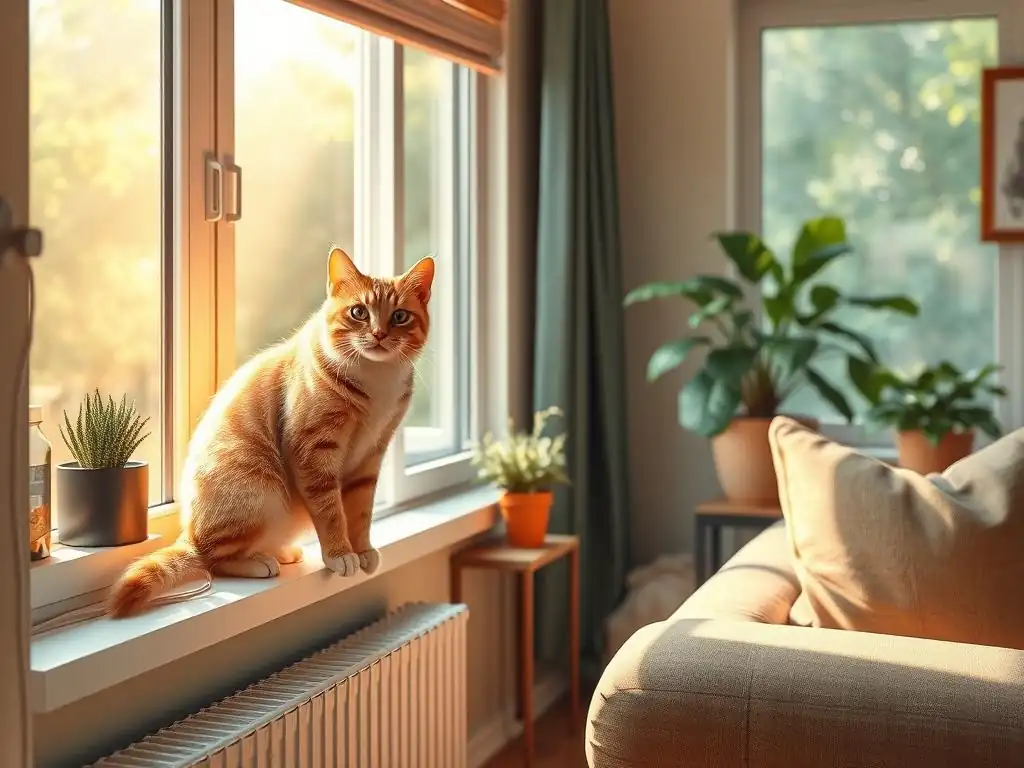
Welcome to PetCareWorld, your ultimate guide to a happier, healthier life for your beloved pets! Are you ready to transform your home into a haven of safety for your feline friend? Discover essential strategies to prevent cat home emergencies and ensure your cat's well-being with our expert advice on proactive safety measures. Dive in and learn how to safeguard your furry companion from common household hazards – your peace of mind starts here!
- Securing Your Home Environment for Cat Safety
- Preventing Cat Injuries: Minimizing Physical Risks
- Cat-Proofing Your Garden and Outdoor Spaces
- Emergency Preparedness: What to Do in Case of an Accident
- Regular Cat Check-ups: Proactive Health Management
- Creating a Safe and Stimulating Indoor Environment for Cats
- Frequently Asked Questions
- Final Reflection: Securing a Purrfectly Safe Home for Your Feline Friend
- Unlock Your Cat's Safest Home Yet!
Securing Your Home Environment for Cat Safety
Cats, with their innate curiosity and agile nature, can often find themselves in precarious situations within the seemingly safe confines of their homes. Preventing cat emergencies isn't about restricting your feline friend's freedom, but rather about proactively identifying and mitigating potential hazards. This comprehensive guide focuses on practical steps you can take to create a safer home environment for your beloved cat, significantly reducing the risk of accidents and ensuring their well-being.
We'll explore key areas of concern, providing actionable advice and highlighting common household dangers that often lead to preventable cat emergencies. By implementing these safety measures, you'll contribute to a happier, healthier, and longer life for your feline companion. Remember, a proactive approach to cat safety is the best way to "Prevent cat home emergencies."
Eliminating Toxic Substances: Preventing Cat Poisoning
Cat poisoning is a serious and unfortunately common emergency. Many everyday household items, seemingly innocuous to humans, can be highly toxic to cats. Understanding these dangers is the first step in preventing a potentially fatal situation.
Several common household toxins include cleaning products (bleach, ammonia, disinfectants), medications (both human and pet medications if not properly stored), certain plants (lilies are particularly dangerous! ), pesticides, antifreeze, and even chocolate. Even small amounts of these substances can cause severe illness or death.
To prevent poisoning:
- Store all potentially toxic substances securely out of reach: High shelves, locked cabinets, or even dedicated storage areas are ideal.
- Keep medications in their original containers: This prevents accidental ingestion and ensures proper dosage information is readily available.
- Identify and remove toxic plants from your home: Research which plants are toxic to cats and replace them with cat-friendly alternatives.
- Immediately clean up any spills of potentially toxic substances: Thoroughly clean the affected area to remove any residue.
- Consider using pet-safe cleaning products: These are formulated to be less harmful to animals.
Remember, prevention is key! A quick check of your home for potential toxins can save your cat's life.
Further Tips for Preventing Cat Poisoning
- Keep a list of emergency veterinary contacts readily available.
- Educate all household members about the dangers of household toxins to cats.
- If you suspect your cat has ingested a toxic substance, contact your veterinarian or an animal poison control center immediately.
Preventing Falls from Heights: Cat-Proofing Windows and Balconies
Cats are renowned for their climbing abilities, and this natural instinct can lead to dangerous falls from windows, balconies, or even high furniture. Falls can result in serious injuries, including broken bones, internal bleeding, and head trauma.
To prevent falls:
- Install window screens: Ensure that window screens are securely attached and strong enough to withstand a cat's weight. Consider using specialized pet-resistant screens.
- Keep windows closed or use window guards: Window guards are specifically designed to prevent cats from opening windows and falling out.
- Provide alternative high vantage points: Cat trees, shelves, or perches offer safe places for your cat to climb and observe their surroundings without the risk of falling.
- Secure balconies and railings: Ensure that balconies and railings are cat-proof and cannot be easily climbed or scaled.
- Never leave windows open unsupervised: Even a moment's inattention can be enough for a curious cat to escape.
Safeguarding Electrical Cords and Wires: Preventing Electrocution
Chewing on electrical cords and wires is a common behavior in cats, leading to potential electrocution, burns, and internal injuries. This seemingly minor hazard can have severe consequences.
To prevent electrocution:
- Cover or conceal electrical cords: Use cord covers, zip ties, or tuck cords away to prevent access.
- Secure cords and wires: Tape down cords to prevent them from dangling within reach.
- Use surge protectors: Surge protectors can help prevent electrical shocks and damage to electronics.
- Regularly inspect cords and wires for damage: Replace any frayed or damaged cords immediately.
- Provide alternative chewing toys: Offer your cat a variety of safe and engaging chew toys to redirect their chewing instincts away from electrical hazards. This will help satisfy their natural urge to chew.
By diligently addressing these potential hazards, you can significantly reduce the risk of cat emergencies in your home. Remember, a safe home environment is a happy and healthy home for your feline companion! 😻
Blocking Access to Dangerous Areas: Keeping Cats Away from Hazardous Zones
Cats, with their innate curiosity and agility, can easily access areas of the home that pose significant dangers. Preventing access to these hazardous zones is crucial for preventing cat emergencies. This involves a multifaceted approach combining physical barriers, deterrents, and training.
One of the most common dangers is access to cleaning supplies. Many household cleaners contain chemicals toxic to cats, even in small amounts. Ingestion can lead to severe health problems, including organ damage and even death. To prevent this, store all cleaning products in securely locked cabinets or high, out-of-reach places. Consider using childproof locks for added security, as these are often effective against determined felines. Always thoroughly rinse and clean any surfaces where cleaning products have been used before allowing your cat access.
Another significant hazard lies in the kitchen. Countertops often hold tempting treats – food items that can be toxic to cats, such as onions, garlic, chocolate, grapes, and raisins. Additionally, hot cooking surfaces and sharp knives represent physical dangers. Keeping countertops clear of food and using safety gates or barriers to restrict access to the kitchen can significantly reduce the risk. Training your cat to stay off counters using positive reinforcement techniques can also be effective in the long run. Remember, consistency is key when training your cat.
Electrical cords present another common threat. Chewing on electrical cords can lead to electrocution or internal injuries from swallowing cord fragments. Covering cords with cord protectors or strategically placing furniture to obscure them can prevent access. Consider using zip ties to bundle and secure cords against walls or under furniture, making them less appealing to curious cats. Regularly check cords for any signs of damage or chewing.
Finally, medications, both human and veterinary, pose a significant risk if ingested by cats. Store all medications securely in locked cabinets, ideally in a location inaccessible to your cat. This includes over-the-counter medications, prescription drugs, and even vitamins. Even seemingly harmless medications can have severe consequences if consumed by a cat. Always double-check the medication storage area and keep a close eye on your cat's behavior, looking for any signs of illness.
Remember, preventing access is the best way to prevent a cat emergency. By proactively securing your home environment, you're significantly reducing the likelihood of an accident and ensuring your feline friend's safety and well-being. Regularly reassess your home for potential hazards and adjust your safety measures as needed. A safe home environment is a happy home environment for your cat.
Preventing Cat Injuries: Minimizing Physical Risks

Preventing cat home emergencies starts with minimizing physical risks within your living space. Cats are naturally curious and agile, often leading them into precarious situations. A proactive approach to home safety significantly reduces the chance of injuries. This involves a comprehensive assessment of your home environment, identifying potential hazards, and taking steps to mitigate them. The goal is to create a safe haven for your feline friend, reducing the likelihood of trips, falls, and other accidents that could necessitate emergency veterinary care.
Preventing Cat Fights: Managing Interactions with Other Animals
Cat fights can result in serious injuries, ranging from minor scratches and bites to severe lacerations and infections. If you have multiple cats, understanding their individual personalities and establishing a hierarchy can help prevent aggression. Providing ample resources – food bowls, water fountains, litter boxes, scratching posts, and resting areas – reduces competition and territorial disputes. Ideally, there should be one more resource than the number of cats.
For example, if you have three cats, you should have at least four litter boxes strategically placed throughout your home. Observe your cats' interactions closely. Signs of stress, such as hissing, flattened ears, or puffed-up fur, indicate potential conflict and warrant intervention.
Consider using Feliway diffusers or sprays to help calm your cats and reduce territorial tension. Early intervention and careful management of feline social dynamics are key to preventing cat fights and the associated injuries. Remember, a proactive approach to managing inter-cat relationships is crucial for preventing cat home emergencies.
Protecting Cats from Sharp Objects: Removing Potential Hazards
Sharp objects represent a significant threat to cats. Broken glass, exposed wires, and even the sharp edges of furniture can cause lacerations, requiring veterinary attention. Regularly inspect your home for potential hazards, removing or securing any sharp items that could injure your cat. Keep broken glass cleaned up immediately, and cover exposed wires with protective tubing. Consider using corner protectors on furniture to prevent cuts and scratches.
Be mindful of plants, as some contain thorns or sharp leaves that can cause injury. Regularly check for any damaged furniture or household items with sharp edges that need repair or replacement. Protecting your cat from sharp objects is a simple yet effective way to prevent many potential home emergencies. A safe environment is a crucial aspect of responsible cat ownership.
Preventing Ingestion of Foreign Bodies: Safeguarding Toys and Objects
Cats are notorious for ingesting foreign bodies, from small toys and string to potentially toxic substances. This can lead to serious complications, such as intestinal blockages or poisoning, requiring immediate veterinary care. Choose cat toys carefully, avoiding those with small parts that can easily be swallowed. Supervise your cat's playtime, and promptly remove any broken or damaged toys. Secure potentially hazardous items, such as medications, cleaning supplies, and small household objects, out of your cat's reach. Keep strings, ribbons, and elastic bands away from your cat, as these can cause fatal intestinal obstructions. Regularly check your home for potential hazards and regularly clean up any debris or small items that your cat might be tempted to ingest. Preventing ingestion of foreign bodies is a vital step in preventing cat home emergencies and ensuring your cat's well-being. Remember, prevention is always better than cure when it comes to your cat's health.
Cat-Proofing Your Garden and Outdoor Spaces

Cats, with their innate curiosity and agile nature, can easily find themselves in precarious situations in gardens and outdoor spaces. Preventing cat home emergencies requires proactive cat-proofing to minimize risks and ensure their safety. This section focuses on practical steps to transform your outdoor area into a haven for your feline friend, reducing the chances of accidents and escapes. Remember, even seemingly harmless elements can pose a danger to curious cats.
Securing Fencing and Gates: Preventing Escapes and Accidents
Secure fencing is paramount in preventing escapes and accidental injuries. Cats are surprisingly adept at squeezing through small gaps or climbing over low fences. Assess your existing fencing for weaknesses. Look for gaps larger than 4 inches, loose boards, or areas where a cat could easily climb over. Repair or replace damaged sections immediately. Consider adding chicken wire to the bottom of fences to prevent digging, and ensure gates are securely latched at all times.
A sturdy, self-closing gate is ideal, preventing accidental openings. Regular inspections are key; a weekly check of your fencing and gates can prevent many potential problems. Investing in higher, more secure fencing might be necessary depending on your cat's agility and the layout of your garden. For example, a six-foot fence is generally recommended for especially active cats. Remember, preventing a cat escape is crucial for preventing many potential emergencies.
Removing Toxic Plants: Creating a Safe Outdoor Environment for Cats
Many common garden plants are toxic to cats, posing a significant threat if ingested. Lily ingestion, for example, can be fatal. Thorough research is vital to identify and remove potentially harmful plants from your garden. Consult a comprehensive list of toxic plants for cats – readily available online – to ensure a safe environment. This includes both common garden plants and potentially toxic weeds.
Replacing toxic plants with cat-friendly alternatives is an excellent way to create a beautiful and safe garden. Catnip, cat grass, and lavender are just a few examples of plants that are safe and even beneficial for cats. Creating a dedicated "cat zone" within the garden, where safe plants are concentrated, can further minimize the risk of your cat encountering dangerous foliage. A well-maintained garden, free from debris and potential hazards, is a safer garden for your feline companion.
Protecting Cats from Predators: Minimizing Risks from Wildlife
Outdoor cats face various predators, depending on your location. Coyotes, foxes, hawks, and even larger neighborhood dogs can pose a serious threat. Minimizing these risks requires a multi-pronged approach. Ensure your cat is microchipped and wears a collar with current identification tags.
Consider keeping your cat indoors, particularly during dawn and dusk, when predators are most active. If outdoor access is essential, provide a secure, enclosed area like a catio or screened porch where your cat can enjoy the outdoors without the risk of predation. Installing motion-activated lights or sprinklers can deter predators. Maintaining a tidy garden, free of overgrown vegetation that might provide cover for predators, can also reduce the risk.
Regularly checking your garden for any signs of predator activity, such as tracks or droppings, is crucial for proactive prevention. Monitoring your cat's behavior for any signs of stress or injury is equally important. A vigilant approach, combining environmental modifications with responsible pet ownership, is crucial for safeguarding your cat from potential predators.
Emergency Preparedness: What to Do in Case of an Accident

Accidents happen, even to the most careful cat owners. Being prepared is key to minimizing the impact of a cat emergency and potentially saving your feline friend's life. This section focuses on proactive steps you can take before an emergency occurs to ensure a swift and effective response. Preventing cat home emergencies requires foresight and planning.
Assembling a Cat First-Aid Kit: Essential Supplies for Emergencies
A well-stocked cat first-aid kit is your first line of defense in a crisis. Don't wait until an emergency arises; assemble your kit now. Here's a list of essential supplies:
- Gauze pads: For cleaning wounds and applying pressure.
- Adhesive tape (non-stick): To secure bandages.
- Scissors: For cutting bandages or removing obstructions.
- Tweezers: For removing splinters or foreign objects.
- Thermometer (rectal): To monitor your cat's temperature.
- Hydrogen peroxide (3%): For cleaning minor wounds (use cautiously and sparingly).
- Antiseptic wipes: For cleaning minor scrapes and cuts.
- Soft clean cloths: For cleaning and applying medication.
- Pet-safe lubricant: For lubricating thermometers or assisting with the removal of foreign bodies.
- Emergency contact list: Including your veterinarian's number, an emergency animal hospital, and a trusted friend or family member.
Remember to store your first-aid kit in a safe, easily accessible location. Consider adding a small flashlight and a pair of gloves. Regularly check the expiration dates on all medications and supplies and replace them as needed. This proactive approach is crucial for preventing cat home emergencies. The right supplies, readily available, can make all the difference.
Identifying Signs of Cat Emergencies: Recognizing Urgent Situations
Recognizing the signs of a cat emergency is paramount. A delay in treatment can have serious consequences. While every cat is different, some common signs indicating an urgent situation include:
- Difficulty breathing: Labored breathing, open-mouth breathing, or bluish gums are serious signs requiring immediate veterinary attention.
- Severe bleeding: Any significant bleeding warrants immediate action. Apply pressure to the wound with a clean cloth until veterinary help arrives.
- Seizures: Seizures can be caused by various factors, and immediate veterinary evaluation is essential.
- Sudden collapse or weakness: A cat suddenly unable to stand or walk requires immediate veterinary care.
- Trauma: Obvious injuries like broken bones, deep wounds, or head injuries are life-threatening emergencies.
- Ingestion of toxins: If you suspect your cat has ingested something poisonous, contact your veterinarian or an animal poison control center immediately. Keep the packaging of the suspected toxin available for the vet.
- Urinary or defecation problems: Straining to urinate or defecate, blood in the urine or stool, or complete inability to urinate or defecate are serious concerns.
Knowing these signs can help you assess the severity of the situation and make informed decisions about seeking immediate veterinary care. Remember, when in doubt, always err on the side of caution.
Knowing When to Contact a Veterinarian: Emergency vs. Non-Emergency Situations
Distinguishing between an emergency and a non-emergency situation can be challenging. While some situations require immediate veterinary attention, others can wait for a scheduled appointment. Use your best judgment, and if you are unsure, contact your veterinarian. They can provide guidance and advice.
Here's a table summarizing some common scenarios:
| Situation | Emergency? | Action |
|---|---|---|
| Severe bleeding | Yes | Apply pressure, contact vet immediately. |
| Difficulty breathing | Yes | Contact vet immediately. |
| Seizure | Yes | Observe duration, contact vet immediately. |
| Sudden collapse/weakness | Yes | Contact vet immediately. |
| Trauma (broken bones, etc.) | Yes | Stabilize if possible, contact vet immediately. |
| Ingestion of toxins | Yes | Contact vet or animal poison control immediately. |
| Vomiting (once or twice) | No | Monitor, contact vet if persistent or severe. |
| Diarrhea (mild) | No | Monitor, contact vet if persistent or severe. |
| Minor cuts/scrapes | No | Clean and monitor, contact vet if infected or deep. |
| Limping (mild, no swelling) | No | Monitor, contact vet if worsening or persistent. |
This table provides a general guideline. Always prioritize your cat's safety and well-being. Preventing cat home emergencies involves both preparation and the ability to recognize when professional help is needed. Remember, your veterinarian is your best resource for any questions or concerns you may have.
Regular Cat Check-ups: Proactive Health Management
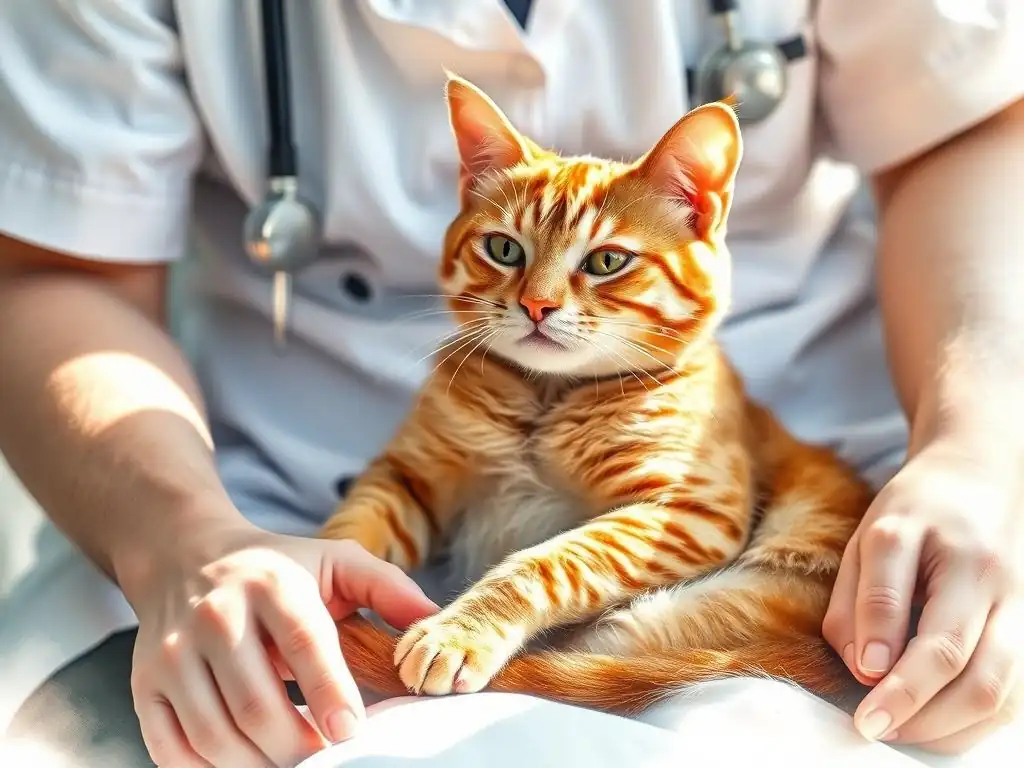
Regular veterinary check-ups are crucial for preventing cat emergencies. These preventative visits allow for early detection of potential health problems, significantly improving the chances of successful treatment and preventing serious complications. Think of it as investing in your cat's long-term well-being. By catching issues early, you can often address them with less invasive and more cost-effective solutions. Ignoring subtle changes in your cat's health can lead to far more serious—and expensive—problems down the line. Proactive health management is key to preventing cat home emergencies.
Scheduling Routine Veterinary Visits: Early Detection of Health Issues
Establishing a regular schedule for veterinary visits is paramount. Most vets recommend annual check-ups for healthy adult cats, but kittens and senior cats often require more frequent visits. Kittens need vaccinations and regular monitoring of their development, while senior cats are more susceptible to age-related illnesses. During these visits, your vet will conduct a thorough physical examination, checking your cat's weight, listening to their heart and lungs, feeling their abdomen, and examining their teeth and gums.
Blood and urine tests may also be recommended, providing a comprehensive picture of your cat's internal health. Early detection of conditions like kidney disease, diabetes, or hyperthyroidism through these routine blood tests can significantly impact your cat's quality of life and prevent future emergencies. Don't underestimate the importance of these seemingly routine procedures; they are a cornerstone of preventative cat care. Remember, early detection is the best way to prevent cat home emergencies.
Monitoring Cat Behavior and Health: Identifying Potential Problems Early
Between veterinary visits, diligent observation of your cat's behavior and physical condition is essential. Pay close attention to changes in appetite, litter box habits, grooming habits, energy levels, and overall demeanor. Sudden changes in any of these areas could indicate an underlying health problem. For instance, a sudden decrease in appetite, increased thirst, or frequent urination could be signs of diabetes.
Lethargy, weight loss, or changes in coat condition might indicate kidney disease or other serious illnesses. Keeping a detailed record of your cat's daily activities and noting any deviations from their normal routine can be invaluable in helping your veterinarian diagnose problems quickly. This proactive monitoring is a vital component in preventing cat home emergencies. Even small changes warrant a call to your veterinarian for advice.
Maintaining a Healthy Diet and Lifestyle: Reducing Health Risks
A balanced diet and a healthy lifestyle are fundamental to preventing cat emergencies. Provide your cat with high-quality cat food that meets their nutritional needs, avoiding cheap brands that often lack essential nutrients. Obesity is a significant risk factor for many health problems in cats, including diabetes, arthritis, and heart disease. Maintain a healthy weight for your cat through portion control and regular exercise, such as interactive play sessions. Ensure access to fresh water at all times.
Providing enrichment, such as scratching posts, toys, and climbing structures, also helps prevent behavioral issues that might lead to injuries. A cat that is well-fed, appropriately exercised, and mentally stimulated is far less likely to experience health problems or injuries that could necessitate emergency veterinary care. This holistic approach to cat care is a significant step towards preventing cat home emergencies. Remember, a healthy cat is a happy cat—and a safer cat!
Creating a Safe and Stimulating Indoor Environment for Cats
Creating a safe home environment for your feline friend is paramount to preventing cat home emergencies. A well-designed space minimizes risks and promotes your cat's physical and mental well-being, significantly reducing the likelihood of accidents or injuries. This involves proactively identifying and eliminating potential hazards, while simultaneously providing enriching opportunities that keep your cat happy and engaged. Preventing boredom is just as important as preventing physical harm; a bored cat is more likely to engage in destructive behaviors that could lead to injury. Let's delve into specific strategies for achieving this.
Boredom is a significant contributor to destructive behaviors in cats, which can lead to injuries. Providing ample opportunities for play and mental stimulation is crucial for preventing cat home emergencies. This means dedicating time each day to interactive play sessions using toys like feather wands, laser pointers (used responsibly, avoiding direct eye contact), and puzzle feeders.
Puzzle feeders, in particular, stimulate hunting instincts and provide mental enrichment, keeping cats engaged and less likely to resort to destructive behaviors out of boredom. Consider rotating toys regularly to maintain novelty and prevent your cat from becoming disinterested. A variety of textures and types of toys will also prevent monotony.
Remember, the goal is to mimic natural hunting behaviors. A cat's natural instincts drive them to stalk, chase, and pounce. Providing toys that allow them to express these instincts in a safe and controlled manner is key to preventing accidents. For example, a scratching post provides a suitable outlet for their natural scratching behavior, preventing them from damaging furniture. The lack of suitable outlets for natural behaviors is a common cause of cat emergencies, as cats may resort to destructive behaviors to relieve stress or boredom.
Furthermore, incorporating vertical space into your cat's environment is essential. Cats are natural climbers, and providing cat trees or shelves allows them to explore and observe their surroundings from different vantage points. This vertical territory provides a sense of security and control, reducing stress and the likelihood of problematic behaviors. Think of it as providing a safe haven and a stimulating playground all in one. This simple addition can significantly impact your cat's overall well-being and reduce the risk of emergencies stemming from stress or frustration. Consider the placement of these vertical spaces carefully, ensuring they're accessible and stable.
Ensuring Access to Fresh Water and Food: Maintaining Hydration and Nutrition
Maintaining your cat's hydration and nutrition is fundamental to their overall health and well-being. Dehydration and malnutrition can significantly weaken your cat's immune system, making them more susceptible to illness and increasing the risk of emergencies. Always ensure a constant supply of fresh, clean water. Multiple water bowls placed in different locations can encourage your cat to drink more, especially during hot weather. Consider using a pet water fountain, as the moving water often attracts cats more than still water. Regularly check and clean water bowls to remove any debris or algae. 💧
Food should be provided in appropriate quantities based on your cat's age, breed, and activity level. Consult your veterinarian for guidance on proper nutrition. Avoid leaving large quantities of food out at once, as this can lead to weight gain and other health problems. Providing food in puzzle feeders can also encourage natural foraging behavior and prevent overeating. Regular veterinary checkups are crucial for monitoring your cat's weight and overall health. A healthy cat is less prone to emergencies. Remember, a well-nourished and hydrated cat is a healthier, happier, and safer cat.
Regularly inspect your cat's food and water bowls for any potential contaminants. This is especially important if you use bowls made of materials that can easily chip or crack. Any sharp edges or fragments could pose a potential hazard to your cat. Keep the area around the food and water bowls clean and free of debris to prevent accidental ingestion of harmful substances. Preventing even minor ingestion issues can help avoid more serious emergencies down the line.
Designing a Safe and Comfortable Sleeping Area for your Cat: Providing a Secure Space
A safe and comfortable sleeping area is crucial for your cat's well-being and helps prevent emergencies. Cats naturally seek secure, quiet places to rest. Providing a dedicated sleeping area, such as a cat bed, a comfortable box, or a quiet corner, gives your cat a sense of security and control. This is particularly important for cats who are prone to anxiety or stress. The sleeping area should be away from loud noises and high-traffic areas. Consider the placement of the sleeping area carefully, taking into account your cat's preferences and the overall layout of your home. 🐈⬛
The bedding should be soft, clean, and comfortable. Regularly wash the bedding to remove dirt, dander, and allergens. Make sure the bedding is appropriately sized for your cat and that it is free of any potential hazards, such as loose threads or small objects that your cat could ingest. Regularly check the sleeping area for any signs of damage or wear and tear. Repair or replace any damaged items promptly to prevent accidents. A comfortable and secure sleeping area is an essential component of a safe home environment for your cat.
Consider providing multiple sleeping options in different locations throughout your home. This offers your cat the flexibility to choose a location that best suits its needs at any given time. Think of it as providing a variety of "safe havens" where your cat can retreat when feeling stressed or tired. Observing your cat's behavior can help you determine the ideal locations and types of sleeping spaces to provide. A happy, well-rested cat is less likely to engage in risky behaviors or experience stress-related health issues.
Frequently Asked Questions
What are the most common cat home emergencies?
Cat home emergencies often involve ingestion of toxic substances, severe injuries from falls or fights, or sudden illnesses like urinary tract blockages. Being prepared for these possibilities is crucial.
How can I cat-proof my home to prevent accidents?
Secure hazardous materials like cleaning products and medications out of reach. Cover electrical cords, remove small objects that could be swallowed, and ensure windows and balconies are securely screened.
What should I do if my cat is choking?
Remain calm and try to dislodge the obstruction gently. If unsuccessful, immediately seek veterinary attention. Time is critical in choking emergencies.
My cat has ingested something poisonous. What's the next step?
Contact your veterinarian or an animal poison control center immediately. Describe what your cat ingested and follow their instructions carefully. Do not induce vomiting unless specifically instructed.
How can I prepare for unexpected cat illnesses or injuries?
Having a preparedness kit with essential supplies like a carrier, first-aid items, and your vet's contact information is vital. Knowing the nearest 24/7 veterinary clinic is also important.
Final Reflection: Securing a Purrfectly Safe Home for Your Feline Friend
The safety and well-being of our feline companions are paramount, and proactive measures are crucial in preventing costly and heartbreaking cat emergencies. A seemingly minor oversight in our homes can have devastating consequences for our beloved pets, highlighting the urgent need for constant vigilance and preventative care.
The impact of cat-related emergencies extends far beyond the immediate crisis; it touches the emotional fabric of our lives. The bond we share with our cats is profound, and witnessing them suffer is incredibly distressing. The love of a cat is a pure gift; it asks nothing, demands nothing, and gives everything.
This quote perfectly encapsulates the unconditional love we receive from our feline friends, making their safety a responsibility we must wholeheartedly embrace. Understanding and implementing the safety measures discussed in this article isn't just about preventing vet bills; it's about safeguarding the precious relationship we share.
Now, consider your own home. Take a moment to walk through each room, viewing it through the eyes of your curious cat. Are there potential hazards lurking unseen? Are there escape routes that need to be sealed? By actively engaging in preventative measures, you're not just protecting your cat from immediate danger; you're investing in a longer, happier, and healthier life together. Let's work together to create a safer environment for our feline companions, ensuring their well-being and strengthening the unbreakable bond we share.
Unlock Your Cat's Safest Home Yet!
Thank you for learning how to keep your feline friend safe and sound. We hope you feel empowered to create a truly secure environment for your beloved cat. Ready to put your knowledge into action?
- Prioritize one key safety upgrade today: Is there a precarious window, a tempting electrical cord, or a potentially toxic plant you can secure or remove immediately? Even one small change makes a big difference!
- Share this essential safety guide with other cat owners – help create safer homes for all cats.
- Join the PetCareWorld community by leaving a comment below! What's your top tip for cat safety at home?
What simple step will you take today to create a more secure and loving home for your cat?