
Snake Shedding Issues: Recognizing Problems and Potential Health Concerns

Welcome to PetCareWorld, your ultimate guide to a happier, healthier life for your beloved animal companions! Are you facing unexpected challenges with your reptile friend's shedding process? Our expert advice on snake shedding problems and solutions will equip you with the knowledge to address any concerns and ensure your snake thrives. Discover the secrets to a smooth shedding cycle and learn how to identify potential health issues early on – delve into our comprehensive guide now and unlock the key to your snake's well-being.
- Understanding Normal Snake Shedding: A Baseline for Identification
- Identifying Problems with Snake Shedding: Common Issues and Their Symptoms
- Diagnosing Shedding Problems: When to Seek Veterinary Care
-
Solutions and Treatment for Snake Shedding Problems: A Guide for Pet Owners
- Environmental Factors Affecting Shedding: Humidity, Temperature, and Substrate
- Dietary Considerations for Healthy Shedding: Nutritional Deficiencies and Supplements
- Manual Assistance with Shedding: Techniques and Precautions (only when necessary)
- Medication and Treatments for Infections: Antibacterial and Antifungal Options
- Preventative Measures for Future Shedding Issues: Maintaining Optimal Conditions
- Long-Term Care and Monitoring After Shedding Issues
- Case Study: A Snake with Severe Shedding Difficulties (Example Case Study)
- Frequently Asked Questions
- Final Reflection: The Silent Struggle of a Snake's Renewal
- Unlock Your Snake's Healthy Shedding Secrets
Understanding Normal Snake Shedding: A Baseline for Identification
Snakes, unlike mammals, shed their skin periodically throughout their lives. This process, known as ecdysis, is a crucial aspect of their health and well-being. A successful shed indicates a healthy snake, while difficulties with shedding can signal underlying health problems.
This article will serve as a guide for pet owners to understand normal snake shedding, allowing you to quickly identify potential issues and seek veterinary care when necessary. We'll explore the process of healthy shedding, the signs of a successful shed, and common problems that may arise, equipping you with the knowledge to provide optimal care for your scaly companion. Understanding the nuances of snake shedding is essential for responsible reptile ownership and contributes significantly to your snake's overall health and longevity.
Early detection of shedding problems can prevent more serious health complications, making regular observation a vital part of your reptile care routine. This guide aims to empower you to become a more effective advocate for your snake's well-being.
The Shedding Process in Healthy Snakes: Frequency and Appearance
The frequency of shedding varies depending on the snake's species, age, and health. Younger snakes, growing rapidly, shed more frequently than adults. A healthy adult snake might shed every 4-6 weeks, while a juvenile might shed every 2-4 weeks. Before shedding, you might observe changes in your snake's appearance.
The eyes may become cloudy or opaque (a sign called “blue-eye”), indicating the shedding process is about to begin. The snake's skin might appear dull and lose its vibrancy, and the scales may look slightly loose or raised. The snake may also become less active and have a reduced appetite in the days leading up to the shed. The shed itself typically takes place over several hours or days.
The snake will rub against rough surfaces like rocks or branches to aid in the removal of its old skin. A healthy shed will result in one complete piece of shed skin, resembling a perfect “ghost” of the snake. The shed skin should be intact, without any stuck or embedded scales.
Recognizing Signs of a Successful Shed: Smooth Skin and Bright Eyes
Following a successful shed, your snake's skin should be smooth, bright, and vibrant. The eyes will be clear and bright, no longer displaying the cloudy appearance seen before shedding. The snake should exhibit normal behavior, showing a return to its typical appetite and activity levels. There should be no remaining pieces of old skin stuck to the body, particularly around the tail tip, eyes, and mouth. The scales should lie flat and even, without any signs of dryness, cracking, or discoloration.
A successful shed is an excellent indicator of a healthy and well-cared-for snake. Regularly observing your snake's skin and behavior during and after shedding will help you quickly identify any potential problems. Remember to always consult a veterinarian specializing in reptiles if you notice any abnormalities during the shedding process. Early intervention is key to preventing more serious health complications.
Identifying Problems with Snake Shedding: Common Issues and Their Symptoms
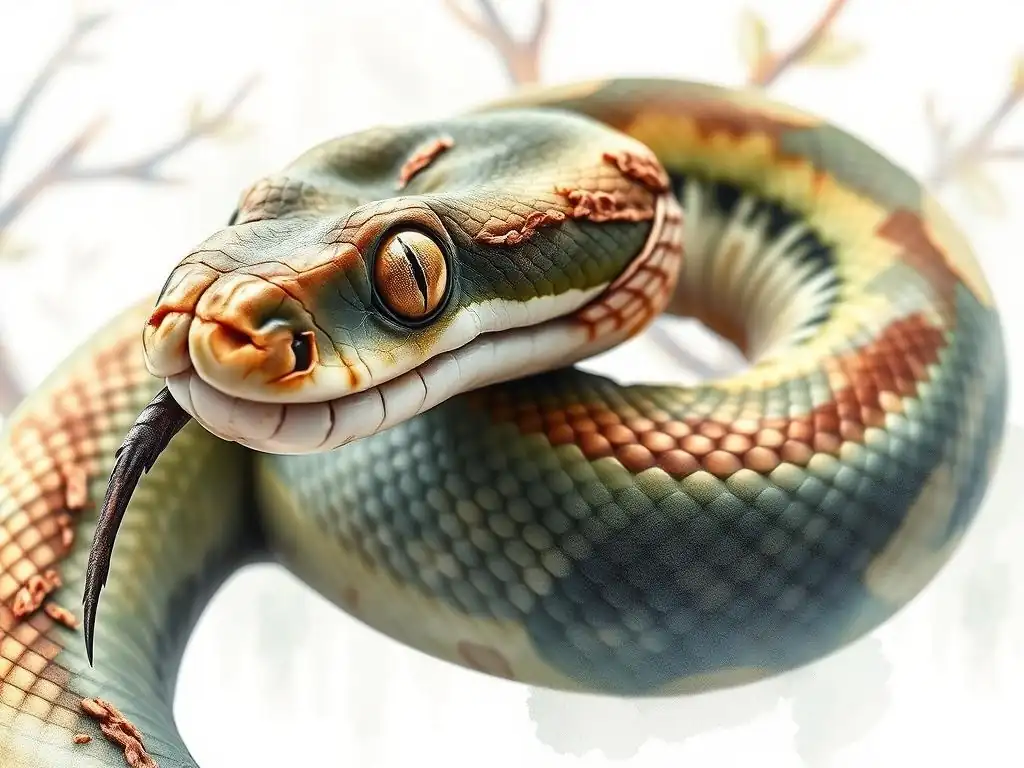
Snake shedding, or ecdysis, is a crucial process for a snake's health. A successful shed indicates a healthy reptile, while difficulties can signal underlying medical problems. Understanding the common issues surrounding snake shedding is vital for proactive pet care and early intervention. This section will delve into the most frequent problems, their symptoms, and potential implications for your snake's well-being. Addressing snake shedding problems promptly is crucial for preventing more serious health complications. This guide will help you identify and address common snake shedding problems, providing solutions for a healthier and happier reptile companion.
Difficulty Shedding (Dysecdysis): Causes and Visual Indicators
Dysecdysis, or difficulty shedding, is a common snake shedding problem. It manifests in various ways, from partially shed skin to completely retained skin. Several factors contribute to this issue. Dehydration is a major culprit; snakes need appropriate humidity levels to ensure proper skin hydration and facilitate shedding. Improper husbandry, including inadequate temperature gradients or insufficient basking sites, can also hinder the shedding process. Underlying health conditions, such as metabolic bone disease (MBD) or parasitic infestations, can significantly impact a snake's ability to shed its skin properly.
Visual indicators of dysecdysis include:
- Cloudy or dull eyes: This often precedes a shed and indicates that the old skin is not separating properly from the underlying skin, including the eye caps (spectacles).
- Uneven shedding: Patches of old skin remaining on the body, especially around the tail and head, are clear signs of difficulty shedding.
- Skin sticking to the body: The old skin adheres tightly to the underlying scales, restricting movement and potentially causing discomfort.
- Skin discoloration: The retained skin may appear darker or have a yellowish tinge compared to the healthy, newly shed skin.
- Lethargy and anorexia: In severe cases, difficulty shedding can lead to secondary complications, causing your snake to become less active and refuse food.
Addressing dysecdysis requires careful attention to husbandry. Increasing humidity through misting or a humid hide is crucial. Ensuring a proper thermal gradient and basking opportunities is equally important. If the problem persists, veterinary examination is necessary to rule out underlying health issues. Early intervention is key to preventing more serious health problems associated with retained shed.
Retained Eye Caps (Spectacles): Recognizing and Addressing the Problem
Retained eye caps, also known as spectacles, are a specific type of dysecdysis where the transparent skin covering the eyes fails to shed. This can significantly impair vision and lead to eye infections or even blindness if left untreated. The problem is often associated with dehydration and low humidity. However, other factors, such as vitamin A deficiency, can also contribute.
Recognizing retained eye caps is relatively straightforward. You'll notice a cloudy or opaque film over the eyes, obscuring the pupil. The snake may exhibit signs of visual impairment, such as bumping into objects or having difficulty locating food.
Treatment typically involves soaking the snake in lukewarm water to soften the retained eye caps. A gentle removal with a clean, damp cotton swab may be necessary. However, attempting this without proper knowledge could damage the eyes, so veterinary advice is crucial. Improving humidity levels and ensuring adequate hydration are essential preventative measures. Severe cases might require veterinary intervention, possibly including medication to treat any secondary infections.
Stuck or Incomplete Sheds: Identifying and Assessing Severity
Stuck or incomplete sheds represent a more severe form of dysecdysis. This occurs when large portions of the old skin remain attached, causing significant discomfort and potential health risks. This can severely restrict movement and may lead to infections or even limb loss if the shed constricts blood flow. Severe cases can lead to the snake being unable to eat or drink.
Assessing the severity depends on the extent and location of the retained skin. Minor instances might involve small patches of skin, while severe cases might entail large sections of skin tightly wrapped around the body or limbs. The snake’s behavior is also a key indicator; lethargy, anorexia, and unusual posture are all warning signs.
Treatment strategies vary according to the severity. For minor issues, soaking in lukewarm water might suffice. However, more significant problems require veterinary assistance. The vet might recommend a medicated soak, manual removal of the shed (under sedation), or address underlying medical issues contributing to the problem. Prevention focuses on maintaining optimal humidity, temperature, and providing a suitable environment for successful shedding. Regular monitoring of your snake is crucial for early detection and timely intervention.
Skin Infections Associated with Shedding Problems: Bacterial and Fungal Infections
Skin infections are a significant complication that can arise during or after a snake's shedding cycle. These infections can hinder the shedding process, causing retained scutes, stuck shed, or even serious damage to the underlying skin. The most common culprits are bacterial and fungal pathogens, often thriving in the moist environment created by a difficult shed. These infections manifest in various ways, making early detection crucial for effective treatment.
Bacterial infections can present as localized redness, swelling, and pus formation around the areas where the shed is stuck. The affected skin may feel warm to the touch, and in severe cases, the snake may exhibit lethargy, loss of appetite, and even systemic illness. Specific bacteria implicated in these infections can vary depending on the snake species and its environment, but common genera include Pseudomonas and Staphylococcus.
The severity of the infection depends on several factors, including the virulence of the bacteria, the snake's immune status, and the extent of the skin damage. Early intervention with appropriate antibiotics, prescribed by a veterinarian experienced in reptile care, is essential to prevent the infection from spreading and causing life-threatening complications. Careful hygiene practices, including regular cleaning and disinfection of the enclosure, are vital in preventing bacterial infections.
Fungal infections, often caused by dermatophytes such as Trichophyton or Microsporum, present differently. These infections typically manifest as discoloration of the skin, often appearing as patches of white, yellow, or brown discoloration. The affected areas may be scaly, crusty, or even have a powdery appearance. Unlike bacterial infections, fungal infections usually aren't accompanied by significant swelling or pus formation.
However, they can still cause significant discomfort and hinder shedding, potentially leading to retained scutes and secondary bacterial infections. Diagnosis of fungal infections often requires a microscopic examination of skin scrapings or cultures, and treatment usually involves antifungal medications, also prescribed by a veterinarian specializing in reptiles. Maintaining a clean and dry environment for the snake is crucial in preventing fungal infections, as these pathogens thrive in humid conditions.
Regular monitoring of the snake's skin during and after shedding is key to early detection and successful treatment of both bacterial and fungal infections. Ignoring these infections can lead to severe complications, including sepsis, systemic illness, and even death. Prompt veterinary care is paramount in resolving these issues and ensuring the snake's well-being.
Diagnosing Shedding Problems: When to Seek Veterinary Care
Successfully navigating snake shedding is crucial for their overall health. While minor irregularities are often manageable at home, certain signs indicate the need for professional veterinary intervention. Understanding when to seek veterinary care is paramount in preventing serious complications and ensuring your snake's well-being. Early detection and prompt treatment are key to resolving snake shedding problems and preventing long-term health issues. This section will guide you through the process of identifying when a simple shedding issue escalates into a veterinary emergency.
Assessing the Severity of Shedding Issues: Major vs. Minor Problems
Differentiating between minor and major shedding problems is the first step in determining the appropriate course of action. Minor issues might include slightly retained scales on the tail or a few stuck scutes, typically resolving with a warm bath and gentle assistance. However, major problems require immediate veterinary attention. These include:
- Complete inability to shed: If your snake hasn't shed at all within the expected timeframe (this varies depending on species and age, but generally every 4-8 weeks for adult snakes), this is a serious concern. This could indicate underlying health problems such as metabolic bone disease (MBD), dehydration, or parasites.
- Dysecdysis: This term describes difficult or incomplete shedding. It's more than just a few stuck scales; it involves significant portions of skin remaining attached, often causing constriction, discomfort, and potential infection. This is a critical snake shedding problem requiring urgent veterinary care.
- Hemorrhaging or bleeding under the shed: Blood present beneath the shed skin indicates a serious underlying issue, possibly indicating a severe infection or injury.
- Significant eye problems: If your snake struggles to shed the spectacle (the transparent scale covering the eye), it can lead to blindness. This requires immediate veterinary intervention.
- Infection: Signs of infection such as swelling, redness, pus, or open sores around areas where shedding is difficult are serious and need prompt professional care.
The following table summarizes the key differences:
| Shedding Issue Severity | Description | Veterinary Intervention |
|---|---|---|
| Minor | A few stuck scales, easily removed with a warm bath and gentle assistance. | Usually not required |
| Major | Complete inability to shed, dysecdysis, hemorrhaging, severe eye problems, infection. | Immediately required |
Remember, it's always better to err on the side of caution. If you're unsure about the severity of your snake's shedding problem, consulting a reptile veterinarian is the safest course of action.
Distinguishing between Shedding Problems and Other Underlying Health Conditions
Shedding difficulties are often symptoms of other, more serious underlying health problems. Therefore, it's crucial to understand that treating the shedding problem itself might not address the root cause. For example, difficulty shedding can be a sign of:
- Metabolic Bone Disease (MBD): Caused by nutritional deficiencies (especially calcium and vitamin D3), MBD weakens bones, making it difficult for the snake to shed its skin properly.
- Parasites: Internal or external parasites can weaken your snake, leading to dehydration and impacting its ability to shed.
- Dehydration: Dehydrated snakes often have difficulty shedding because the skin becomes dry and brittle.
- Skin infections: Bacterial or fungal infections can make shedding extremely difficult and painful.
- Nutritional deficiencies: Beyond MBD, other nutritional deficiencies can compromise the snake's overall health and impact its shedding cycle.
Proper diagnosis requires a thorough veterinary examination. Don't attempt to self-diagnose and treat, as this could worsen the situation and delay appropriate care. A reptile veterinarian will conduct tests to identify the root cause of the shedding problem and provide the necessary treatment.
Preparing for a Veterinary Visit: Gathering Information and Samples
Before your visit, gather as much information as possible to help the veterinarian diagnose and treat your snake efficiently. This includes:
-
Detailed history: Note the frequency of shedding, when the problem started, any changes in diet or environment, and any other observable symptoms.
-
Species and age: Knowing your snake's species and age is essential for accurate diagnosis.
-
Recent diet: Provide details about the type, frequency, and quantity of food your snake has been consuming.
-
Environmental conditions: Record the temperature gradient, humidity levels, and substrate type in your snake's enclosure. This information is crucial for determining if environmental factors might be contributing to the problem.
-
Fecal sample (if possible): A fecal sample can help detect internal parasites.
[Specific information pending: Guidance on collecting and storing a fecal sample safely]
Careful preparation ensures the veterinarian has all the necessary information to provide the best possible care for your snake and effectively address your snake shedding problems. Remember, proactive measures and prompt veterinary attention are vital for resolving snake shedding issues and maintaining your reptile's overall health and well-being.
Solutions and Treatment for Snake Shedding Problems: A Guide for Pet Owners
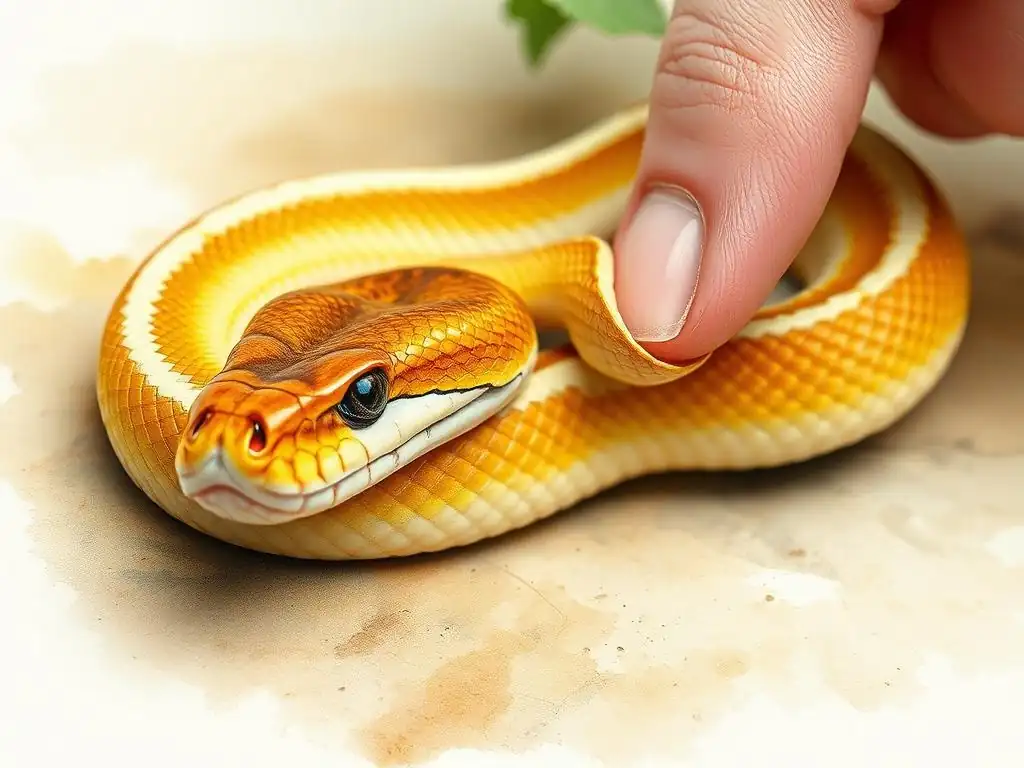
This section delves into practical solutions and treatments for addressing snake shedding problems, focusing on preventative measures and addressing underlying health concerns. Remember, always consult a veterinarian specializing in reptiles for diagnosis and treatment of any suspected illness. Early intervention is key to successful management of shedding difficulties in snakes. This guide offers insights into addressing common issues related to the keyword "snake shedding problems solutions".
Environmental Factors Affecting Shedding: Humidity, Temperature, and Substrate
Maintaining the correct environmental conditions is paramount for successful snake shedding. Improper humidity, temperature, or substrate can significantly hinder the shedding process, leading to dysecdysis (difficult or incomplete shedding).
Humidity: Snakes require specific humidity levels depending on their species. Insufficient humidity is a common cause of retained shed, particularly on the tail and around the eyes. A hygrometer is essential for monitoring humidity levels. For example, a ball python might require 60-70% humidity, while a corn snake might need slightly less. Failure to maintain the correct humidity can result in stuck shed, leading to infection and other health complications. Misting the enclosure regularly or using a humid hide can help increase humidity.
Temperature: Temperature gradients are crucial for a snake's overall health and influence shedding. A proper temperature gradient allows the snake to thermoregulate, aiding in metabolic processes, including shedding. Insufficient heat can slow down metabolism and impair shedding. Conversely, excessively high temperatures can dehydrate the snake and make shedding more difficult. Using accurate thermometers and heat sources, such as heat mats or ceramic heat emitters, is vital for maintaining the appropriate temperature range for your specific snake species.
Substrate: The substrate plays a role in maintaining humidity and providing a suitable environment for shedding. Certain substrates, such as aspen shavings or cypress mulch, retain moisture better than others, like newspaper or paper towels. However, excessively wet substrate can lead to bacterial or fungal infections. Choosing an appropriate substrate is crucial for both hygiene and facilitating smooth shedding. Using a substrate that’s too abrasive can also damage the snake's skin during shedding.
Dietary Considerations for Healthy Shedding: Nutritional Deficiencies and Supplements
A balanced diet plays a crucial role in supporting healthy shedding. Nutritional deficiencies, particularly in vitamins A and E, can significantly impair the shedding process. Symptoms of vitamin A deficiency can include poor shedding, eye problems, and respiratory infections. Vitamin E deficiency can also contribute to skin and shedding issues.
Here's a table summarizing the importance of key nutrients for healthy snake shedding:
| Nutrient | Importance in Shedding | Deficiency Symptoms | Food Sources |
|---|---|---|---|
| Vitamin A | Essential for skin health and proper cell turnover. | Retained shed, eye problems, respiratory infections | Liver, insects, commercially prepared reptile diets |
| Vitamin E | Supports skin health and immune function. | Poor shedding, muscle weakness, impaired immune function | Insects, commercially prepared reptile diets |
| Calcium | Crucial for bone health and muscle function. | Weak bones, muscle spasms, difficulty shedding | Insects, commercially prepared reptile diets, calcium dust |
| Protein | Essential for tissue repair and growth. | Poor growth, weak muscles, delayed or incomplete shedding | Insects, rodents (depending on species) |
Supplementing your snake's diet with appropriate vitamin and mineral supplements, especially during periods of rapid growth or shedding, can help prevent deficiencies and promote healthy shedding. However, always consult your reptile veterinarian before introducing any supplements to ensure the correct dosage and type for your specific snake species. Over-supplementation can be just as harmful as deficiencies.
Manual Assistance with Shedding: Techniques and Precautions (only when necessary)
Manual assistance with shedding should be a last resort and only undertaken by experienced individuals or with the guidance of a reptile veterinarian. Improper handling can cause significant injury to your snake. Attempting to remove shed prematurely can damage the underlying skin and increase the risk of infection.
When to Intervene: Only intervene if the snake is experiencing significant difficulty shedding, such as retained eye caps that are causing visual impairment, or large areas of stuck shed that are causing constriction or infection.
Techniques: If manual assistance is necessary, carefully soak the snake in lukewarm water for 15-20 minutes to soften the shed. Then, gently attempt to peel away the shed skin using soft, damp cotton swabs or your fingers, always working in the direction of the shed. Never forcefully pull on the shed skin. If the shed is stubbornly stuck, seek veterinary assistance.
Precautions: Always wash your hands thoroughly before and after handling your snake. Observe the snake closely for any signs of infection or injury after manual assistance. Any signs of bleeding or open wounds require immediate veterinary attention. Remember, prevention is always better than cure. Maintaining the proper environmental conditions and providing a balanced diet are the best ways to prevent shedding problems in your snake. 🐍
Medication and Treatments for Infections: Antibacterial and Antifungal Options
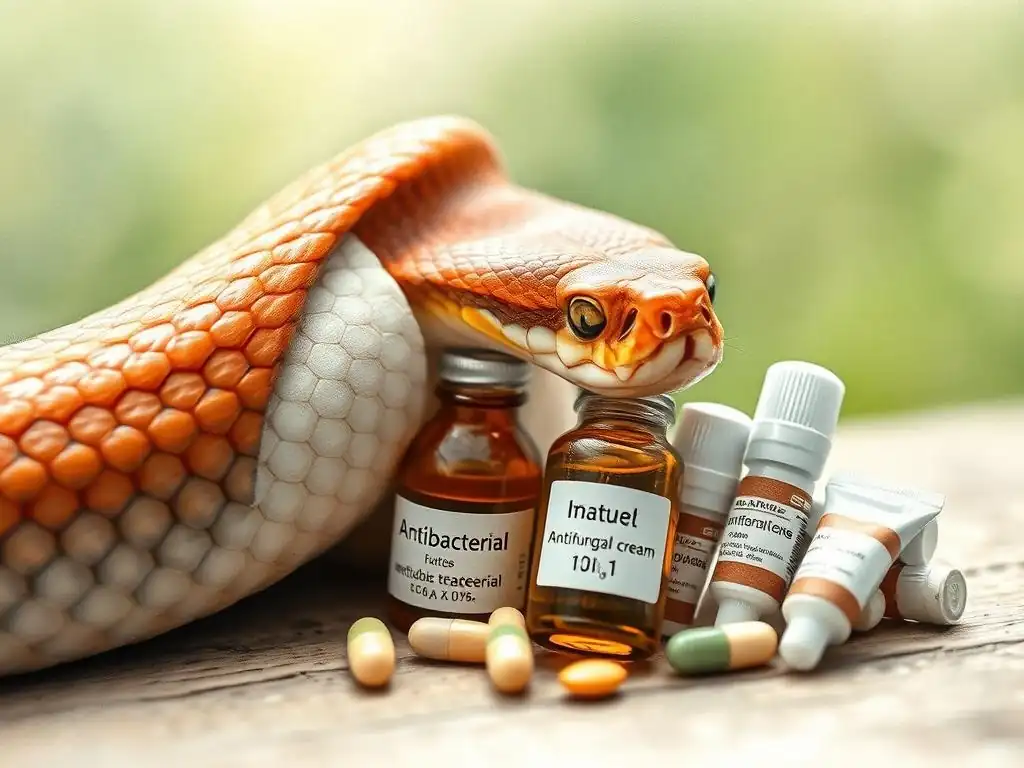
Addressing infections during or after a problematic shed is crucial for your snake's health. Bacterial and fungal infections can easily take hold in compromised skin, leading to serious complications. The type of medication required will depend entirely on the specific infection identified by a veterinarian. Never attempt to treat a suspected infection without professional veterinary guidance. Self-treating can delay proper treatment and potentially worsen the condition.
Veterinarians may prescribe topical or injectable antibiotics for bacterial infections. Topical applications are often preferred for localized infections, minimizing systemic effects. Injectable antibiotics are reserved for more severe or systemic infections. The choice of antibiotic will depend on the identified bacteria and its sensitivity profile. Broad-spectrum antibiotics might be used initially, followed by a targeted antibiotic once the specific pathogen is known. This process often involves bacterial cultures and sensitivity testing.
Similarly, antifungal medications are available for fungal infections. These can range from topical ointments to oral or injectable medications, again depending on the severity and location of the infection. Common fungal infections in snakes can be particularly stubborn, requiring prolonged treatment. Your veterinarian will monitor your snake's progress closely and adjust the treatment plan as needed.
Complete adherence to the prescribed course of medication is essential, even if the infection seems to clear up early. Stopping treatment prematurely can lead to recurrence or the development of antibiotic-resistant strains. Remember, early intervention is key to successful treatment, so don't delay seeking professional veterinary care if you suspect an infection.
Preventative Measures for Future Shedding Issues: Maintaining Optimal Conditions
Preventing future shedding problems centers around providing your snake with optimal environmental conditions and a healthy diet. This proactive approach significantly reduces the risk of dysecdysis (difficulty shedding). Maintaining the correct temperature and humidity gradients within the enclosure is paramount. These gradients allow your snake to regulate its body temperature and facilitate proper hydration, both essential for successful shedding. Insufficient humidity is a very common cause of retained shed, so accurate monitoring is critical. Use a reliable hygrometer to regularly check humidity levels and adjust accordingly using methods like misting, substrate changes, or humid hides.
The substrate you use also plays a role. Avoid substrates that can stick to the snake's skin and hinder shedding, such as sharp sand or wood shavings. Paper towels or reptile-specific carpet are safer alternatives. Providing your snake with appropriate climbing structures and hiding places allows it to rub against surfaces to aid shedding.
These structures should be smooth and free of sharp edges to avoid causing injuries. A consistent and appropriate diet is also crucial. A well-nourished snake is better equipped to shed its skin properly. Consult a reptile specialist or veterinarian to determine the appropriate diet for your snake's species and age.
Providing fresh water daily is also critical for maintaining optimal hydration levels. Regularly inspect your snake for any signs of shedding difficulties, such as retained eye caps or skin, and consult a veterinarian immediately if you observe any problems. Proactive care is the best way to ensure your snake sheds smoothly and healthily.
Long-Term Care and Monitoring After Shedding Issues
Successfully navigating a snake's shedding difficulties requires more than just addressing the immediate problem; it necessitates a shift towards proactive, long-term care. This involves meticulous monitoring and, potentially, adjustments to the snake's husbandry. The goal is to prevent future shedding issues and maintain the snake's overall health and well-being. Ignoring potential recurring problems can lead to severe complications, impacting the snake's quality of life and potentially shortening its lifespan. Therefore, a vigilant approach is crucial.
Post-Shedding Observation: Monitoring for Recurrences and Complications
Following a successful shed, diligent observation is paramount. This isn't just about visually confirming a complete shed; it's about assessing the snake's overall condition and identifying any lingering issues that might indicate underlying problems. For example, even after a seemingly successful shed, retained eye caps (dysecdysis) can occur. This can lead to blindness if not addressed promptly. Similarly, retained scutes on the tail or body can cause discomfort and infection.
Careful examination should include:
- Visual inspection: Check for any remaining skin fragments, especially around the eyes, tail, and toes. Note any redness, swelling, or signs of infection (pus, discharge).
- Behavioral assessment: Observe the snake's activity levels, feeding habits, and overall demeanor. Lethargy, anorexia, or unusual behavior can indicate underlying health problems.
- Regular weighing: Tracking weight fluctuations can help detect subtle changes that might signal issues with digestion or overall health. A consistent, healthy weight gain between sheds is a positive indicator.
- Documentation: Maintaining detailed records of shedding cycles, including dates, duration, any difficulties encountered, and post-shedding observations, is essential for long-term monitoring and identifying patterns. This detailed log helps you and your veterinarian track the snake's health over time and provides valuable data for future care. This is especially crucial for diagnosing recurring snake shedding problems.
Example of a Shed Record Keeping Table
| Date | Shed Duration (days) | Difficulties Experienced | Post-Shed Observation | Weight (grams) | Notes |
|---|---|---|---|---|---|
| 2024-03-15 | 10 | None | Normal | 250 | Smooth, complete shed |
| 2024-04-28 | 12 | Partial eye cap retention | Treated with warm soak | 265 | Eye cap removed, slight swelling |
| 2024-06-10 | 14 | Retained tail scales | Applied antiseptic cream | 280 | Scales shed after 2 days, no infection |
Remember, early detection is key to effective treatment. Any anomalies should prompt a consultation with a veterinarian experienced in reptile care. Proactive monitoring significantly enhances the chances of identifying and addressing potential complications before they escalate into serious health problems. The proactive approach is crucial for preventing future snake shedding problems.
Adjusting Husbandry Practices Based on Past Experiences
If your snake has experienced repeated shedding difficulties, it's essential to critically evaluate its husbandry. The environment plays a significant role in successful shedding. Analyze the following aspects:
- Humidity: Insufficient humidity is a common cause of dysecdysis. Consider increasing humidity levels using a humidifier, moist substrate, or regular misting. Use a reliable hygrometer to monitor humidity levels accurately. Aim for the species-specific optimal range.
- Temperature: Incorrect temperature gradients can also impact shedding. Ensure appropriate basking and ambient temperatures are maintained. Utilize accurate thermometers to monitor temperature gradients.
- Substrate: The substrate type can affect humidity and the snake's ability to shed. Some substrates can stick to the shed skin, making it difficult to remove. Experiment with different substrates to find one that is suitable for your snake and aids in a clean shed.
- Enclosure Size: A cramped enclosure can restrict movement, making shedding more challenging. Ensure your snake has ample space to stretch and move freely.
- Diet: Nutritional deficiencies can also contribute to shedding problems. A balanced diet is vital for overall health and proper shedding. Consult with a reptile veterinarian to ensure your snake's dietary needs are being met.
By carefully reviewing and modifying these husbandry aspects based on past experiences, you can significantly reduce the likelihood of future shedding problems. Remember, prevention is always better than cure, and a proactive approach to snake care is crucial for their long-term health and well-being. Addressing snake shedding problems requires a commitment to comprehensive care.
Case Study: A Snake with Severe Shedding Difficulties (Example Case Study)
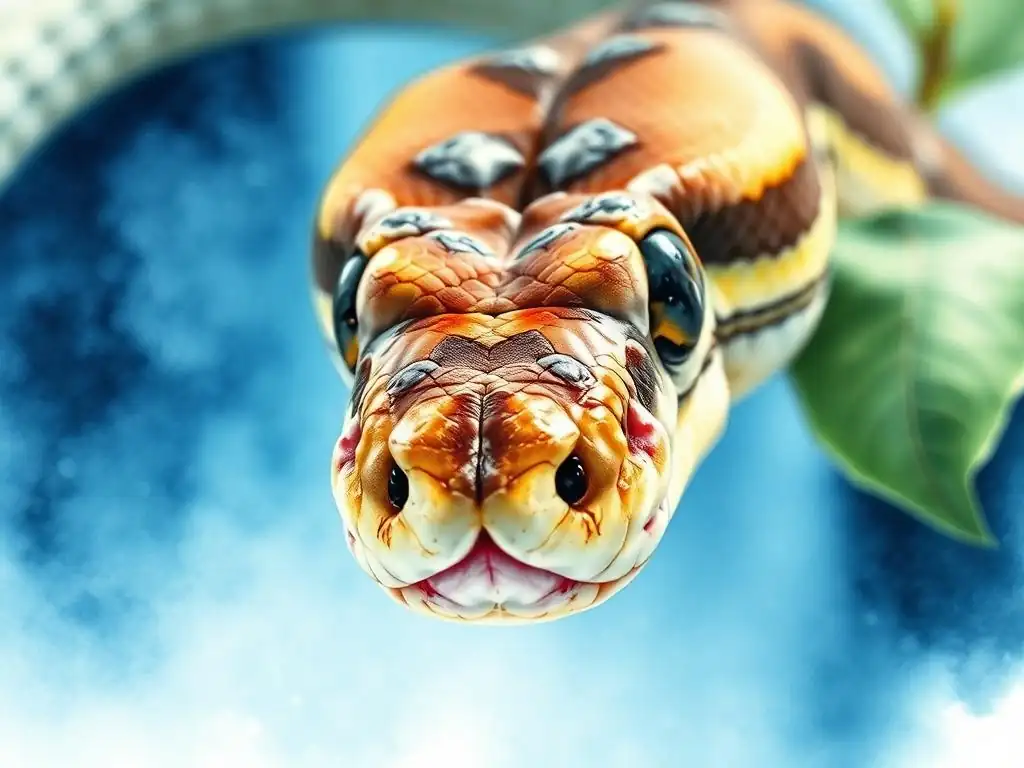
This case study illustrates a scenario where a snake experienced significant difficulties with shedding, highlighting the importance of recognizing subtle signs and implementing prompt veterinary intervention. Understanding the nuances of shedding problems in snakes is crucial for responsible pet ownership and can significantly impact the snake's long-term health and well-being. This example focuses on a corn snake, a popular pet reptile, but the principles apply more broadly to various snake species. The successful management of snake shedding problems relies heavily on early detection and proactive care.
Initial Presentation: Symptoms and Observations
A 3-year-old female corn snake ( Pantherophis guttatus) was presented to a reptile veterinary specialist with a history of incomplete shedding for the past two months. The owner reported that the snake had previously shed its skin without issue. However, this time, large sections of the old skin remained stubbornly adhered, particularly around the tail and head. The retained skin appeared dry, dull, and opaque, contrasting sharply with the underlying healthy scales.
The snake exhibited mild lethargy, reduced appetite, and occasional rubbing against the enclosure substrate, behaviors consistent with discomfort. There was no obvious evidence of trauma or external parasites. The owner described the snake's enclosure as maintaining appropriate humidity and temperature levels, as per standard corn snake husbandry guidelines. However, a detailed review of the husbandry practices revealed inconsistent humidity levels, sometimes falling short of the optimal range.
This inconsistency likely contributed to the shedding difficulties. The owner also mentioned noticing some slight opacity in the snake's eyes a few weeks prior, a common symptom associated with dysecdysis (difficulty shedding). This subtle sign, often overlooked, is crucial in early diagnosis of shedding problems.
Diagnostic Procedures and Findings
A thorough physical examination was performed, focusing on the retained skin, the eyes, and the overall body condition. The veterinarian noted the aforementioned stuck skin, paying close attention to its adherence and the presence of any underlying inflammation or infection. The eyes showed mild corneal opacity, suggesting dehydration and possibly impeding proper vision.
A fecal examination ruled out internal parasites, and a blood panel revealed no significant abnormalities in blood chemistry, indicating the problem was primarily localized to the integumentary system. The absence of other systemic issues focused the diagnostic efforts on addressing the dysecdysis itself. The veterinarian emphasized the importance of a consistent, controlled environment for preventing future shedding problems.
The precise humidity levels were reviewed, and the owner was given clear instructions on maintaining optimal humidity with the use of a reliable hygrometer and appropriate misting techniques. A detailed assessment of the snake's substrate, which was found to be slightly dry, was also undertaken.
Treatment Plan and Outcomes
The treatment plan focused on facilitating the removal of the retained skin and preventing recurrence. The veterinarian recommended a series of warm, shallow baths to soften the stuck skin, followed by gentle manual removal of any loosened scales. This process was carried out carefully to avoid injury to the snake. The owner was instructed to monitor the snake closely for any signs of infection or further complications.
Additionally, the veterinarian prescribed a course of topical antibiotic ointment to prevent secondary bacterial infections, often a complication of prolonged dysecdysis. The owner was given detailed instructions on maintaining optimal humidity and temperature within the enclosure, along with guidance on providing appropriate substrate. Subsequent check-ups revealed a gradual improvement in the snake's condition. The retained skin was successfully removed, and the snake's appetite and activity levels returned to normal.
Regular monitoring and adherence to the recommended husbandry practices ensured that subsequent sheds were completed without any further difficulty. This case highlights the importance of proactive veterinary care in managing snake shedding problems and preventing potential health complications associated with dysecdysis. Early intervention is key to a successful outcome, ensuring the snake's health and well-being.
Lessons Learned and Preventative Strategies
The case study of the corn snake with severe shedding difficulties highlighted several crucial lessons regarding snake husbandry and the importance of proactive preventative care. Firstly, humidity is paramount. Maintaining the correct humidity levels within the enclosure is not merely a suggestion; it's a fundamental requirement for successful shedding.
Failure to do so, as demonstrated in this case, can lead to dysecdysis, resulting in significant discomfort and potential health complications for the snake. Regular monitoring of humidity levels using accurate gauges is essential, and adjustments should be made promptly if deviations are detected. Simply misting the enclosure might not suffice; a more robust humidification system, such as a humid hide or substrate that retains moisture effectively, might be necessary depending on the species and environmental conditions.
Secondly, the case emphasized the importance of regular observation. Daily visual checks for signs of impending shed, such as dulling of colors, cloudy eyes, and behavioral changes like increased hiding, are crucial for early intervention. Early detection allows for prompt adjustments to husbandry, potentially preventing severe dysecdysis. Furthermore, any abnormalities in the shedding process, such as retained shed, should be addressed immediately. Waiting for the problem to resolve itself can exacerbate the issue, leading to infections or other complications. Proactive monitoring allows for early intervention and potentially avoids more extensive veterinary care.
Finally, this case study underscores the value of proactive preventative strategies. These strategies include providing a suitable substrate that facilitates shedding (e.g., aspen shavings, cypress mulch), ensuring appropriate temperature gradients within the enclosure, and offering a humid hide to provide a safe and moist environment for the snake to shed. A balanced diet, rich in the necessary nutrients, is also crucial for supporting healthy skin and shedding. By implementing these preventative measures, pet owners can significantly reduce the risk of encountering shedding problems in their snakes.
Regular vet checkups, especially for young or newly acquired snakes, are also recommended to establish a baseline and proactively identify any potential issues. Remember, prevention is always better than cure when it comes to reptile health. The cost of preventative measures is significantly less than the cost of treating severe dysecdysis. A proactive approach ensures the well-being and longevity of your snake companion.
Frequently Asked Questions
What are the signs of a problem during snake shedding?
Difficulty shedding can manifest as stuck shed, especially around the eyes or tail, resulting in blindness or infection. Other signs include lethargy, poor appetite, and skin discoloration.
My snake's shed is incomplete. What should I do?
First, assess the situation. Is it just a small piece, or a significant portion? For minor issues, a warm soak may help. For larger issues, consult a veterinarian immediately.
How can I help my snake shed properly?
Maintain the correct humidity and temperature in the enclosure. Provide a suitable substrate that allows for easy shedding. Regularly monitor your snake for any signs of difficulty.
What are the underlying health issues that can cause shedding problems?
Shedding problems can stem from metabolic bone disease (MBD), parasites, dehydration, or skin infections. Proper diet and husbandry are crucial for healthy shedding.
My snake has retained eye caps after shedding. Is this serious?
Retained eye caps are a serious issue that can lead to blindness and infection. Seek immediate veterinary attention to prevent further complications and ensure proper treatment.
Final Reflection: The Silent Struggle of a Snake's Renewal
Understanding snake shedding problems is not merely a niche interest; it's a crucial aspect of responsible reptile ownership, directly impacting the health and well-being of these fascinating creatures. A seemingly simple process, shedding reveals a deeper story of a snake's overall health, highlighting the interconnectedness of nutrition, environment, and overall vitality. Ignoring the subtle signs of difficulty can lead to serious, even fatal, consequences.
The impact of proper shedding care extends beyond the individual snake. It speaks to our broader responsibility as keepers to understand the complex needs of our animal companions. As we learn to recognize the subtle cues of a struggling snake, we deepen our connection with them, fostering a more empathetic and informed approach to animal care. The greatness of a nation and its moral progress can be judged by the way its animals are treated.
- Mahatma Gandhi. This quote, while broad in scope, underscores the ethical imperative to provide the best possible care for the creatures under our stewardship, including the often overlooked nuances of snake shedding.
Consider the lessons learned within these pages. Are you equipped to identify the warning signs of dysecdysis? Do you understand the crucial role of humidity and temperature in successful shedding? Take a moment to reflect on your own practices, and if necessary, make the necessary adjustments to ensure the well-being of your scaly companions. The silent struggle of a snake shedding can be easily addressed with knowledge and care, transforming a potential crisis into a testament to your commitment to responsible reptile keeping.
Unlock Your Snake's Healthy Shedding Secrets
Thank you for learning about snake shedding! We hope you feel confident identifying healthy shedding and recognizing potential problems. Ready to apply this knowledge?
- Schedule a veterinary checkup: This is crucial for ensuring your snake's health and addressing any underlying issues affecting their shedding cycle.
- Share this article: Help other reptile keepers learn how to provide optimal care for their snakes! We welcome your experiences in the comments section.
- Explore more resources: Discover additional informative articles about snake health and husbandry on our website.
What adjustments will you make to your snake's care routine based on today's information?