
The Importance of Regular AtHome Pet Health Checks: A MustRead


Welcome to PetCareWorld, your ultimate guide to a happier, healthier life for your beloved companion! Are you ready to become your pet's best advocate? We've created a comprehensive resource filled with expert advice, and we're starting with a crucial topic: our guide on at-home pet health checks. Discover how simple observations can make a world of difference in preventing serious health issues and ensuring your furry, feathered, or scaled friend thrives. Dive in and learn how to perform these vital checks – your pet will thank you for it!
- Understanding the Benefits of Regular At-Home Pet Health Checks
- Essential Elements of a Comprehensive At-Home Pet Health Check Guide
- Specific At-Home Pet Health Checks by Pet Type
- When to Seek Professional Veterinary Care: Recognizing Warning Signs
- Creating a Routine for At-Home Pet Health Checks
- Resources and Further Information on At-Home Pet Health Checks
-
Frequently Asked Questions
- What are the key components of an at-home pet health check?
- How often should I perform at-home pet health checks?
- What should I do if I notice something unusual during a check?
- Are there specific tools needed for at-home pet health checks?
- Can at-home pet health checks replace professional veterinary care?
- Final Reflection: The Pawsitive Impact of Proactive Pet Care
- Unlock Your Pet's Healthiest Life: Start Now!
Understanding the Benefits of Regular At-Home Pet Health Checks
Regular at-home pet health checks are an essential part of responsible pet ownership. This guide will equip you with the knowledge and tools to perform these crucial checks, enabling early detection of potential health problems and fostering a stronger bond with your beloved companion. Failing to conduct regular at-home assessments can lead to delayed diagnoses, escalating veterinary bills, and potentially, compromised pet well-being.
This comprehensive guide will cover key areas to examine, providing you with the confidence to monitor your pet's health proactively and contribute significantly to their longevity and happiness. By mastering these at-home techniques, you'll become a more informed and proactive pet owner, significantly improving your pet's quality of life and potentially saving considerable time and money in the long run. This guide is specifically designed to help you understand the importance of regular at-home pet health checks and provide you with the knowledge to perform them effectively.
Think of it as your essential handbook for proactive pet care. 🐾
Early Detection of Potential Health Issues: Saving Time and Money
Early detection is crucial in managing pet health issues. Many health problems, if caught early, are much easier and less expensive to treat. Regular at-home checks allow you to identify subtle changes in your pet's behavior or physical condition, such as lethargy, changes in appetite, unusual bowel movements, or skin irritations.
These seemingly minor changes can be early warning signs of underlying health problems, such as infections, parasites, or even more serious conditions. For example, a persistent cough might indicate a respiratory infection, while changes in urination habits could signal a urinary tract issue. Early intervention through prompt veterinary care dramatically increases the chances of a successful outcome and minimizes the potential for complications and costly treatments down the line.
Consider this scenario: a small lump detected early during an at-home check might be easily treated, whereas the same lump, discovered much later, could require extensive and expensive surgery. The time and money saved through proactive monitoring are invaluable.
Strengthening the Bond Between Pet and Owner Through Daily Interaction
Regular at-home pet health checks are not just about identifying potential problems; they also provide a valuable opportunity to strengthen the bond between you and your pet. The daily interaction involved in these checks allows for increased physical affection and quality time. This routine fosters trust and familiarity, allowing you to detect subtle changes in your pet's demeanor that might otherwise go unnoticed. Gentle handling, careful examination, and positive reinforcement during these checks create a positive association, making your pet more comfortable and receptive to future examinations.
This increased interaction can significantly improve your understanding of your pet's individual needs and preferences, leading to a deeper and more meaningful relationship. Think of it as a daily ritual of love and care, strengthening the emotional connection between you and your furry friend. ❤️
Reducing Veterinary Costs Through Preventative Care
Proactive at-home pet health checks contribute significantly to reducing overall veterinary costs. By detecting potential issues early, you can prevent them from escalating into more serious and expensive problems. Early diagnosis often means less invasive and less costly treatment options. Moreover, regular at-home checks can help identify potential problems before they manifest into full-blown illnesses, potentially avoiding costly emergency visits.
For instance, regularly checking your pet's teeth can help detect early signs of dental disease, allowing for preventative cleaning and reducing the need for more extensive (and expensive) dental procedures later on. Similarly, monitoring your pet's weight and diet can help prevent obesity-related health problems, saving you money on treatments associated with weight-related conditions. In essence, preventative care through regular at-home checks is a cost-effective strategy for responsible pet ownership, ensuring both your pet's well-being and your financial stability. 💰
Ensuring Your Pet's Overall Well-being and Longevity
Regular at-home pet health checks are fundamental to ensuring your furry, feathered, or scaled friend enjoys a long and healthy life. Early detection of potential health problems is crucial. Many illnesses, if caught in their early stages, are far more treatable and have a much higher chance of a positive outcome. By performing these checks, you become a proactive participant in your pet's healthcare, significantly improving their quality of life and extending their lifespan. Think of it as preventative maintenance—just like regular car check-ups prevent major breakdowns, regular pet health checks prevent major health crises.
This proactive approach not only benefits your pet physically but also mentally. A healthy pet is a happy pet. Knowing that you are actively monitoring their health can reduce stress for both you and your animal companion.
Early detection of issues, such as dental problems or skin irritations, allows for timely intervention, preventing discomfort and pain that could otherwise accumulate and negatively impact their overall mood and behavior. This vigilance translates to a stronger bond between you and your pet, built on mutual trust and care. The peace of mind derived from knowing you're doing everything possible to maintain your pet's well-being is invaluable.
Furthermore, regular at-home pet health checks can save you money in the long run. While veterinary visits are unavoidable, early detection through home checks can prevent the need for extensive and costly treatments later on. A small issue noticed early, like a minor skin irritation, might require only a simple topical treatment, whereas the same issue left untreated could develop into a severe infection requiring expensive medication and prolonged veterinary care.
The investment of a few minutes each week in at-home checks can translate into significant savings on veterinary bills over your pet's lifetime. It’s a cost-effective approach to responsible pet ownership.
Essential Elements of a Comprehensive At-Home Pet Health Check Guide
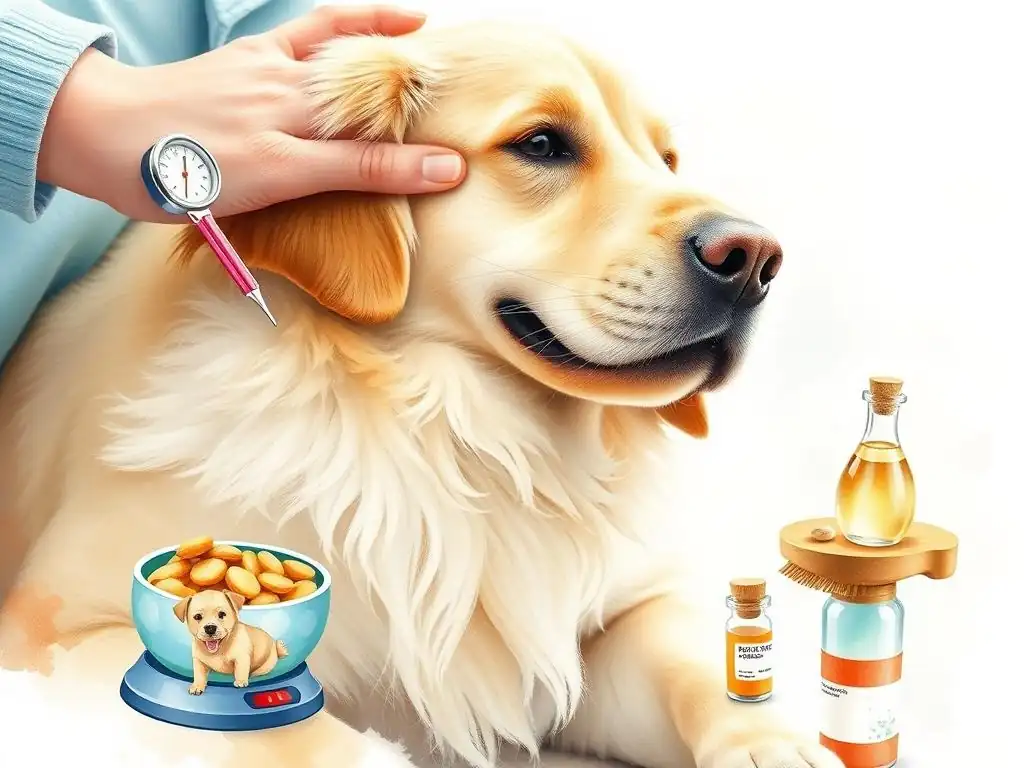
This section details the crucial components of a regular at-home pet health check, empowering you to proactively monitor your pet's well-being. Regular at-home pet health checks are a cornerstone of preventative care, allowing early detection of potential problems and promoting a longer, healthier life for your beloved companion. This guide provides a structured approach to ensure you don't miss any vital signs. Remember, while these checks are valuable, they are not a replacement for professional veterinary care. Always consult your veterinarian for any concerns or if you notice anything unusual.
Assessing Your Pet's Physical Appearance: Coat, Skin, and Eyes
Regularly assessing your pet's physical appearance is a simple yet effective way to detect early signs of illness or discomfort. Pay close attention to their coat, skin, and eyes.
- Coat: Examine your pet's fur for any changes in texture, color, or luster. A dull, dry coat could indicate underlying health issues like malnutrition or parasite infestations. Excessive shedding, matting, or bald patches warrant attention. For example, a sudden increase in shedding in a short-haired cat could signal a thyroid problem, while patchy hair loss might suggest allergies or skin infections. Regular brushing helps maintain coat health and aids in early detection of abnormalities.
- Skin: Check for any redness, irritation, lesions, or parasites (fleas, ticks, mites). Feel for any lumps or bumps. Healthy skin should be smooth, supple, and free from lesions. Pay particular attention to areas prone to irritation, such as the paws, armpits, and groin. For instance, persistent scratching could indicate an allergic reaction or infestation.
- Eyes: Examine your pet's eyes for any discharge, redness, cloudiness, or swelling. The eyes should be bright and clear. Look for any abnormalities in pupil size or response to light. For example, excessive tearing or a cloudy appearance could indicate an eye infection or injury. Note any changes in behavior, such as squinting or rubbing the eyes excessively.
Checking Your Pet's Weight and Body Condition Score
Monitoring your pet's weight is crucial for maintaining their overall health. Sudden weight loss or gain can be a significant indicator of underlying medical conditions. Beyond simply weighing your pet, assessing their body condition score (BCS) provides a more comprehensive picture of their health.
The BCS is a numerical scale (typically 1-9) that evaluates the amount of body fat on your pet. A score of 5 is typically considered ideal. A lower score indicates underweight, while a higher score indicates overweight or obese. You can find BCS charts specific to your pet's breed and size online or from your veterinarian.
| BCS Score | Description | Visual Assessment |
|---|---|---|
| 1-3 | Emaciated, severely underweight | Prominent bones, ribs easily visible, lack of body fat |
| 4 | Underweight | Ribs easily palpable, minimal body fat |
| 5 | Ideal weight | Ribs palpable with slight fat covering |
| 6 | Slightly overweight | Ribs palpable with moderate fat covering |
| 7-9 | Obese, severely overweight | Ribs difficult to palpate, excessive body fat |
Regularly weighing and assessing your pet's BCS allows for early intervention if weight changes occur, preventing potential health problems associated with obesity or malnutrition. Keep a record of your pet's weight and BCS over time to track any trends. 📈
Examining Your Pet's Ears, Nose, and Mouth
Regularly examining your pet's ears, nose, and mouth is essential for identifying potential problems early on. These areas are prone to infections and injuries.
- Ears: Inspect the ears for any redness, swelling, discharge, unpleasant odor, or excessive wax buildup. Gently lift the ear flaps and examine the inner ear. Check for any signs of mites or other parasites. Excessive scratching or head shaking could indicate ear infections.
- Nose: Check for any discharge, dryness, or crusting. A healthy nose is typically moist and cool. Excessive sneezing or nasal discharge could signify an upper respiratory infection. Note any changes in breathing patterns.
- Mouth: Inspect your pet's teeth and gums for any signs of dental disease, such as plaque, tartar buildup, gingivitis, or loose teeth. Bad breath can be a sign of dental problems. Examine the tongue and inside of the mouth for any sores, lesions, or masses. Regular dental care, including brushing and professional cleanings, is crucial for maintaining oral health. 🐕🦺
Remember, consistent at-home pet health checks are a vital part of responsible pet ownership, allowing for early identification of potential health concerns and fostering a strong bond between you and your pet. This guide provides a framework; always consult with your veterinarian for personalized advice and professional care.
Observing Your Pet's Behavior and Activity Levels
Changes in your pet's behavior can be subtle at first, but they often signal underlying health issues. A comprehensive at-home pet health check must include careful observation of your pet's typical routines and any deviations from them. This is particularly crucial for detecting early signs of illness or discomfort, allowing for prompt veterinary intervention. Regular monitoring allows you to establish a baseline for your pet's normal behavior, making it easier to identify significant changes.
For example, a usually playful dog suddenly becoming lethargic and less interested in walks or playtime could indicate pain, illness, or even depression. Similarly, a cat that is normally affectionate and interactive might withdraw and become less responsive if experiencing discomfort or illness. These behavioral shifts are vital clues that shouldn't be ignored. Pay attention to seemingly minor changes, such as changes in appetite, sleeping patterns, or toileting habits. A reduction in food intake, increased thirst, or changes in bowel movements can all be indicators of an underlying health problem.
Detailed record-keeping can significantly aid in identifying patterns and changes over time. Consider creating a simple log to note daily observations, including your pet's energy levels, appetite, bowel movements, and any unusual behaviors. This data becomes invaluable when discussing your pet's health with your veterinarian.
The more comprehensive your records, the better equipped your vet will be to diagnose and treat any potential health concerns. Remember, consistent observation and detailed documentation are key components of proactive pet healthcare. Early detection significantly improves the chances of successful treatment and a better prognosis for your beloved companion.
Don't underestimate the power of simply observing your pet's daily routines; it's often the most effective early warning system for potential health issues. Even subtle shifts can be meaningful indicators, highlighting the importance of attentive, regular observation as a cornerstone of responsible pet ownership. This proactive approach can significantly improve your pet's quality of life and longevity.
Specific At-Home Pet Health Checks by Pet Type

Regular at-home pet health checks are crucial for early detection of potential health issues, allowing for timely intervention and improved pet well-being. This section details specific checks tailored to different pet types, emphasizing breed and species-specific considerations. Remember, these checks are supplementary to professional veterinary care and should not replace regular vet visits.
Dog At-Home Health Checks: Breed-Specific Considerations
Performing at-home health checks on your canine companion is vital for maintaining their health and longevity. The frequency and specifics of these checks should be adjusted based on your dog's breed, age, and overall health. Certain breeds are predisposed to specific health problems, requiring extra vigilance. For example, brachycephalic breeds like Bulldogs and Pugs are more prone to respiratory issues, requiring careful monitoring of their breathing. Giant breeds, such as Great Danes, are at higher risk of hip and elbow dysplasia, necessitating regular checks for lameness or stiffness.
Checking for Common Canine Health Problems
A comprehensive at-home check should include:
- Visual inspection: Look for any abnormalities in their coat, skin (rashes, lumps, bumps), eyes (discharge, cloudiness), ears (redness, swelling, odor), and mouth (gum color, teeth). Note any unusual behavior changes, such as lethargy, loss of appetite, or changes in urination or defecation.
- Palpation: Gently feel your dog's body for any lumps, bumps, or areas of pain. Pay close attention to their lymph nodes (located under the jaw, behind the knees, and in the armpits). Enlarged lymph nodes can indicate infection or illness.
- Weight monitoring: Regularly weigh your dog to ensure they maintain a healthy weight. Sudden weight loss or gain can signal underlying health problems. Keep a record of their weight to track changes over time.
| Symptom | Potential Cause(s) | Action |
|---|---|---|
| Lethargy, loss of appetite | Illness, pain, depression | Consult a veterinarian immediately. |
| Persistent coughing | Kennel cough, bronchitis, heart disease | Veterinary examination is necessary. |
| Difficulty breathing | Respiratory infection, heart failure, obesity | Immediate veterinary attention is crucial. |
| Skin rashes, excessive itching | Allergies, parasites, skin infections | Veterinary assessment and treatment are required. |
| Lumps, bumps | Cysts, tumors, abscesses | Veterinary examination to determine the cause. |
Dental Care for Dogs: A Key Component of At-Home Checks
Dental health is often overlooked, but it's a critical aspect of overall canine well-being. Regular at-home dental care can significantly reduce the risk of periodontal disease, a painful and potentially life-threatening condition. Brushing your dog's teeth daily or at least several times a week with a pet-specific toothpaste is essential. You can also provide dental chews and toys designed to help clean their teeth. Observe their teeth and gums for any signs of redness, swelling, bleeding, or loose teeth. Bad breath can also be an indicator of dental problems. Early detection and intervention can prevent more serious complications.
Cat At-Home Health Checks: Feline-Specific Considerations
Cats are masters at masking illness, making regular at-home health checks even more important. Subtle changes in behavior or appearance can indicate underlying health problems. Regularly observing your cat's behavior and physical condition is key to detecting these subtle signs early on.
Recognizing Subtle Signs of Illness in Cats
Cats are experts at hiding illness. Pay close attention to even small changes in their routine. These can include:
- Changes in appetite or water intake: A significant decrease or increase in food or water consumption can be a sign of various health issues.
- Changes in litter box habits: Changes in urination or defecation frequency, straining to urinate or defecate, or changes in stool consistency can indicate urinary tract infections, constipation, or other problems.
- Grooming changes: Excessive grooming or a decrease in grooming can be a sign of stress, pain, or underlying medical conditions.
- Behavioral changes: Lethargy, hiding, aggression, or increased vocalization can all be signs of illness.
Remember to monitor your cat's overall demeanor. A typically playful cat suddenly becoming lethargic is a significant warning sign.
Nail Trimming and Ear Cleaning for Cats
Regular nail trimming and ear cleaning are essential parts of feline at-home care. Overgrown nails can cause discomfort and hinder their ability to walk properly. Clean their ears regularly with a pet-safe ear cleaner to prevent infections. However, if you notice excessive ear wax, redness, or discharge, consult your veterinarian immediately. These seemingly simple tasks can prevent significant health problems later on. Always use caution and be gentle during these processes. If you are unsure how to perform these tasks correctly, seek guidance from your veterinarian or a professional groomer.
At-Home Health Checks for Reptiles, Birds, and Other Exotic Pets
Regular at-home health checks for reptiles, birds, and other exotic pets are crucial for early disease detection and preventative care. Unlike dogs and cats, whose needs are relatively standardized, exotic pets present unique challenges due to their diverse physiological needs and susceptibility to specific illnesses. A thorough examination should be conducted at least once a week, but daily observation is ideal for noticing subtle changes in behavior or appearance.
The frequency and specifics of these checks will vary dramatically depending on the species. For example, a bearded dragon will require different monitoring than a corn snake, and a cockatoo will require different attention than a finch.
Consistent observation is key to building a baseline understanding of your pet's normal behavior and physical condition, making it easier to identify deviations that might indicate a health problem. Early intervention is often the key to successful treatment in exotic pets, as many diseases can progress rapidly.
Species-Specific Considerations for Exotic Pet Health Checks
The specifics of at-home health checks vary greatly depending on the species. For example, with reptiles, you should carefully examine their skin for any signs of injury, parasites, or infections. Look for changes in shedding patterns, as irregular shedding can indicate underlying health issues. Monitor their appetite and bowel movements, noting any changes in frequency or consistency. Dehydration is a significant concern in reptiles, so regularly check their hydration levels by gently probing their skin for elasticity.
For birds, pay close attention to their feathers, beak, and claws. Feather plucking, dull plumage, or abnormal beak or claw growth can signal underlying health problems. Respiratory issues are common in birds, so listen carefully for any unusual sounds like wheezing or clicking. Amphibians require careful monitoring of their skin for any signs of dryness, lesions, or redness. Their environment must maintain appropriate humidity levels to prevent dehydration and skin problems.
Remember, the specific requirements for each species are extensive; thorough research tailored to your specific pet is essential. Consulting with a veterinarian specializing in exotic animals is highly recommended to establish a species-appropriate health check routine. This ensures you're addressing the unique needs of your pet and detecting potential problems early on. Failing to understand these species-specific needs may lead to significant health problems for your pet.
Creating a Safe and Healthy Environment for Exotic Pets
Providing a safe and healthy environment is paramount for maintaining the well-being of exotic pets and facilitates more accurate at-home health checks. A clean and appropriately sized enclosure is essential. The substrate, temperature, humidity, and lighting must be carefully controlled and monitored to mimic the pet's natural habitat as closely as possible. For example, reptiles require specific temperature gradients within their enclosures to regulate their body temperature effectively.
Improper temperature control can lead to metabolic bone disease and other serious health complications. Similarly, birds need spacious cages to allow for adequate exercise and prevent stress. Providing appropriate enrichment, such as toys, climbing structures, and hiding places, is crucial for both physical and mental well-being. Regular cleaning of the enclosure and the replacement of soiled substrates are vital to prevent the buildup of bacteria and parasites.
Maintaining a clean environment not only reduces the risk of infection but also makes it easier to detect any abnormalities during at-home health checks. A clean enclosure allows for clearer observation of your pet's condition and behavior, making it simpler to identify any potential health issues. Neglecting environmental factors can mask underlying health issues, making early detection significantly more difficult. Therefore, creating a species-appropriate environment is an integral part of responsible exotic pet ownership and an essential component of effective at-home health monitoring.
When to Seek Professional Veterinary Care: Recognizing Warning Signs

Regular at-home pet health checks are crucial for early detection of potential problems, but they are not a replacement for professional veterinary care. Knowing when to seek professional help is paramount to ensuring your pet's well-being. This section will highlight key warning signs that necessitate immediate or prompt veterinary attention. Ignoring these signs can lead to serious complications and potentially endanger your pet's life. Proactive pet care involves both diligent at-home monitoring and timely veterinary intervention.
Emergency Situations Requiring Immediate Veterinary Attention
Certain symptoms require immediate veterinary attention. Delaying treatment in these cases can be life-threatening. These emergency situations include, but are not limited to:
- Severe bleeding: Uncontrolled bleeding from any wound requires immediate veterinary intervention. Apply pressure to the wound while transporting your pet to the vet.
- Difficulty breathing: Labored breathing, gasping, or blue-tinged gums are critical signs indicating a respiratory emergency. Get your pet to a vet immediately.
- Seizures: Repeated or prolonged seizures are a serious medical emergency and require immediate veterinary care to determine the underlying cause and provide appropriate treatment. Note the duration and frequency of the seizure for the veterinarian.
- Sudden collapse or weakness: If your pet suddenly collapses or exhibits extreme weakness, this could indicate a variety of serious problems, including heart failure or stroke. Immediate veterinary attention is crucial.
- Ingestion of toxins: If you suspect your pet has ingested a toxic substance (cleaning products, medications, poisonous plants), contact your vet or an animal poison control center immediately. Time is of the essence in these situations.
- Severe trauma: Any significant injury, such as a broken bone, deep wound, or head injury, requires immediate veterinary care. Handle your pet carefully to avoid further injury during transport.
Symptoms Indicating the Need for a Veterinary Check-up
While not always emergencies, certain symptoms warrant a prompt veterinary check-up. Early detection can often lead to more effective and less invasive treatment. These include:
- Persistent vomiting or diarrhea: If your pet experiences vomiting or diarrhea for more than 24 hours, or if it's accompanied by lethargy or dehydration, it's essential to seek veterinary care. Dehydration can be particularly dangerous, so monitor your pet's hydration status closely.
- Changes in appetite or thirst: Significant increases or decreases in appetite or thirst can indicate underlying health issues. Keep a record of your pet's food and water intake to help your vet assess the situation.
- Lethargy or unusual behavior: Changes in your pet's behavior, such as excessive sleeping, unusual aggression, or hiding, can be indicative of illness or pain. Observe your pet's behavior carefully and report any significant changes to your veterinarian.
- Urinary or fecal changes: Changes in urination frequency, color, or consistency, as well as changes in bowel movements (constipation, diarrhea, straining), should be reported to your vet.
- Skin problems: Persistent itching, redness, hair loss, or skin lesions require veterinary attention to rule out allergies, infections, or other dermatological issues.
- Persistent coughing or sneezing: If your pet is coughing or sneezing excessively or for an extended period, it's important to have it checked by a vet to rule out respiratory infections or other problems.
The Importance of Regular Veterinary Check-ups Alongside At-Home Care
Even with diligent at-home pet health checks, regular veterinary check-ups remain essential. These professional examinations allow for early detection of subtle health problems that may not be apparent during at-home assessments. Preventive care, such as vaccinations and parasite prevention, is best managed through veterinary visits. Regular check-ups also allow for monitoring of your pet's overall health and provide an opportunity to discuss any concerns you may have.
Think of at-home checks as your first line of defense, and veterinary check-ups as the crucial second line, ensuring comprehensive and proactive pet care. This combined approach is the best way to maintain your pet's health and well-being throughout its life. Remember, proactive care is cheaper and less stressful than reactive care. 🐾
Creating a Routine for At-Home Pet Health Checks
Regular at-home pet health checks are crucial for early detection of potential health issues, allowing for prompt veterinary intervention and improved pet well-being. Creating a consistent routine is key to making these checks a natural part of your daily interaction with your pet, rather than a daunting task. This proactive approach can significantly impact your pet's lifespan and quality of life.
Think of it as preventative medicine – catching problems early is always better than dealing with advanced stages of illness. This section provides a detailed guide on establishing a practical and effective routine for at-home pet health checks, tailored to fit your busy lifestyle.
Developing a Consistent Schedule for Daily and Weekly Checks
A well-structured schedule ensures thoroughness and consistency. Daily checks should focus on readily observable aspects, while weekly checks delve deeper into specific areas.
Here's a sample schedule you can adapt to your pet's specific needs:
Daily Checks:
- Visual Inspection: Look for any visible signs of injury, such as cuts, swelling, or limping. Observe their gait – is it normal? Check their eyes and ears for any discharge or redness. Note any changes in behavior, such as lethargy or increased aggression.
- Oral Cavity: Briefly check their mouth for any unusual odors, redness, or bleeding gums.
- Waste Elimination: Observe the frequency and consistency of bowel movements and urination. Changes can indicate digestive issues or other problems.
- Appetite and Hydration: Observe food and water intake. Significant changes can signal illness.
Weekly Checks:
- Coat and Skin: Brush your pet's coat thoroughly, checking for any lumps, bumps, fleas, or ticks. Examine their skin for redness, dryness, or other irritations.
- Weight: Weigh your pet weekly to monitor any significant weight gain or loss. Keep a record of their weight to track trends.
- Temperature: Learn how to safely take your pet's temperature rectally (consult your vet for guidance). This is crucial for identifying fever, a common symptom of illness.
- Nails: Trim your pet's nails regularly to prevent overgrowth and discomfort.
- Teeth: More thorough examination of their teeth and gums. Look for plaque buildup, tartar, or signs of gum disease.
Remember, consistency is key. Setting reminders on your phone or creating a visual checklist can help you stay on track.
Utilizing a Pet Health Journal to Track Observations
Maintaining a detailed pet health journal is invaluable. It allows you to track changes over time, providing crucial information for your veterinarian. This journal shouldn't just be a list of symptoms; it should be a comprehensive record of your pet's health.
Consider including the following information in your journal:
- Date and Time of Observation: Precision is crucial for effective tracking.
- Specific Observations: Detailed descriptions of any abnormal findings, including location, size, and appearance.
- Changes in Behavior: Note any changes in appetite, activity level, sleep patterns, or elimination habits.
- Treatment Administered (if any): Record any medications, supplements, or home remedies given to your pet, along with the dosage and frequency.
- Veterinary Visits: Include dates, diagnoses, and treatments received from your veterinarian.
This detailed record allows you to identify patterns and trends that might indicate underlying health concerns. It also provides your vet with a comprehensive history, allowing for faster and more accurate diagnoses. Consider using a dedicated pet health app or a simple notebook—the important thing is to maintain consistent records.
Incorporating At-Home Health Checks into Your Daily Pet Care Routine
Integrating at-home pet health checks into your existing daily routine ensures consistency and minimizes disruption. Instead of viewing it as an extra task, incorporate these checks into your pet's regular feeding, grooming, or playtime.
Here are some tips for seamless integration:
- Combine with Feeding: Check your pet's overall condition while preparing and serving their food.
- Incorporate During Playtime: Observe your pet's movements and energy levels during play.
- Make it a Bonding Experience: Turn the health check into a positive interaction, using treats and praise to make it enjoyable for your pet.
- Use a Checklist: A simple checklist can guide you through the process, ensuring you don't miss any crucial steps.
By making at-home pet health checks a routine part of your daily interaction, you'll not only enhance your pet's well-being but also strengthen your bond. Remember, early detection is key to preventing serious health issues and ensuring your furry friend lives a long and happy life. The small amount of time invested in daily and weekly checks is a worthwhile investment in your pet's health and happiness.
Resources and Further Information on At-Home Pet Health Checks
This section provides valuable resources to enhance your at-home pet health check capabilities, empowering you to become a more informed and proactive pet owner. Regular at-home pet health checks are crucial for early disease detection, contributing significantly to your pet's overall well-being and longevity. Remember, early intervention is key in addressing potential health issues.
Recommended Tools and Supplies for At-Home Pet Health Checks
Performing thorough at-home pet health checks requires the right tools. While a veterinary visit remains indispensable, having these supplies at hand allows for consistent monitoring and early detection of potential problems. This proactive approach can save time, money, and potentially your pet's life.
Here's a list of recommended tools and supplies:
- Digital Thermometer: Essential for accurately checking your pet's temperature. Opt for a rectal thermometer for the most accurate reading, especially for smaller animals. Knowing your pet's normal temperature range is crucial for recognizing fever.
- Pet Scale: Regular weight monitoring helps detect weight gain or loss, which can signal underlying health issues. A simple, reliable pet scale is a valuable investment.
- Magnifying Glass: Useful for examining your pet's skin and coat for parasites like fleas or ticks, or for detecting minor injuries or skin abnormalities.
- Good Lighting: Adequate lighting is crucial for a thorough examination. A strong desk lamp or even a head lamp can significantly improve visibility.
- Soft Cloth or Towel: Helpful for gently cleaning your pet's eyes, ears, and paws.
- Pet Grooming Brush: Regular brushing helps detect skin irritations, lumps, or bumps, and removes mats and loose fur. Choose a brush appropriate for your pet's coat type.
- Small Notebook and Pen: Keep a record of your pet's weight, temperature, and any observations you make during your at-home checks. This is invaluable for your vet.
- First-Aid Kit for Pets: A well-stocked pet first-aid kit should be readily available, containing items such as antiseptic wipes, gauze pads, and non-stick bandages. Consult your veterinarian for recommendations on kit contents.
Remember to always handle your pet gently and calmly during these checks. If you encounter anything concerning, don't hesitate to contact your veterinarian immediately.
Useful Websites and Organizations Offering Pet Health Information
Reliable information is crucial for responsible pet ownership. These online resources provide valuable insights into pet health, supplementing your at-home checks. However, always remember that online information should never replace professional veterinary advice.
- [Specific Website 1 Name Pending]: [Description of Website 1 Pending]
- [Specific Website 2 Name Pending]: [Description of Website 2 Pending]
- [Specific Organization 1 Name Pending]: [Description of Organization 1 Pending]
- [Specific Organization 2 Name Pending]: [Description of Organization 2 Pending]
These resources offer a wealth of information on various pet health topics, from preventative care to recognizing symptoms of common illnesses. Use them wisely, but always consult your vet for personalized advice.
Books and Publications on Pet Health and Wellness
Supplementing online resources with reputable books and publications can provide a deeper understanding of pet health. These resources offer detailed information and practical guidance, helping you become a more informed pet owner.
- [Specific Book Title 1 Pending]: [Author Pending] - [Brief Description Pending]
- [Specific Book Title 2 Pending]: [Author Pending] - [Brief Description Pending]
- [Specific Publication Title Pending]: [Publisher Pending] - [Brief Description Pending]
Remember to choose resources authored by veterinarians or other qualified professionals in the field of animal health. These publications can provide comprehensive information to enhance your at-home pet health checks and overall pet care. 📚 Always consult your veterinarian for personalized advice tailored to your pet's specific needs and breed.
Frequently Asked Questions
What are the key components of an at-home pet health check?
An at-home pet health check should include visual inspections for any abnormalities in your pet's appearance, such as skin lesions, unusual discharge, or limping. You should also check their vital signs, including temperature, heart rate, and respiration.
How often should I perform at-home pet health checks?
The frequency depends on your pet's age and health status. For adult pets in good health, a weekly check is usually sufficient. Senior pets or those with pre-existing conditions may require more frequent checks.
What should I do if I notice something unusual during a check?
If you observe any concerning symptoms during your at-home check, such as lethargy, loss of appetite, or difficulty breathing, contact your veterinarian immediately. Don't delay seeking professional help.
Are there specific tools needed for at-home pet health checks?
While not always necessary, having a thermometer, a stethoscope, and a good light source can be beneficial for a more thorough check. A weight scale can also help you monitor your pet's weight.
Can at-home pet health checks replace professional veterinary care?
No, at-home checks are supplemental to professional veterinary care, not a replacement. Regular vet visits are crucial for preventative care, vaccinations, and diagnosis of any health issues. At-home checks simply help you monitor your pet's health between professional appointments.
Final Reflection: The Pawsitive Impact of Proactive Pet Care
The simple act of regularly checking your pet's health at home is not just a routine; it's a lifeline. Early detection of potential health issues can mean the difference between a swift recovery and a prolonged, more costly, and potentially heartbreaking illness. This proactive approach empowers pet owners to become active participants in their furry friends' well-being.
The impact of consistent at-home pet health checks extends far beyond the individual pet; it fosters a deeper bond between owner and animal. It's in these quiet moments of observation – feeling for lumps, checking ears and teeth, noticing changes in behavior – that we truly connect with our companions. This connection strengthens our understanding of their needs and allows us to respond more effectively to their subtle cues. The best mirror is an old friend.
This adage holds true for our pets; their health reflects our attentiveness and care.
Now, consider the power you hold. You have the ability to significantly improve your pet's quality of life, simply by dedicating a few minutes each week to a thorough examination. Take the knowledge gained from this guide, integrate it into your routine, and become your pet's best advocate. Embrace the opportunity to build a stronger, healthier relationship, one paw-sitive check-up at a time.
Unlock Your Pet's Healthiest Life: Start Now!
Thank you for learning about the importance of regular at-home pet health checks! You've gained valuable knowledge to help your furry friend thrive. Ready to put this knowledge into action?
- Prioritize your pet's well-being today: Schedule a brief 15-minute check-up this week, using the guidelines from this article. Note any changes in your pet's behavior, appetite, or appearance.
- Download our free Pet Health Tracker to easily monitor your pet's health over time and identify potential problems early. This will help you be even more proactive about their care.
- Share your pet health check experiences and tips with other pet owners in the comments below—let's build a supportive community!
What's one small step you can take today to improve your pet's health and happiness?