
Common Stick Insect Health Issues: Prevention and Treatment

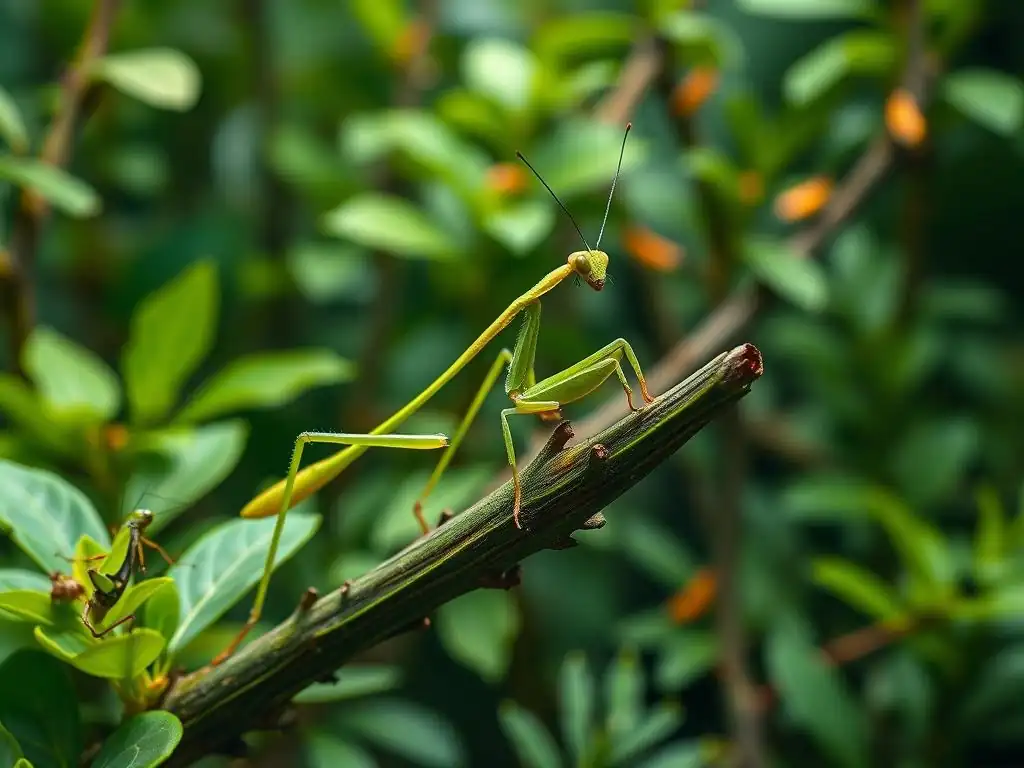
Welcome to PetCareWorld, your ultimate guide to a happier, healthier life for your beloved companions! Are you ready to delve into the fascinating world of stick insect care? Discover the most common health problems plaguing these captivating creatures and learn how to prevent and treat them effectively in our comprehensive guide, " Stick Insect Common Health Problems: Prevention and Treatment". Prepare to unlock the secrets to ensuring your stick insect thrives – explore now and become the ultimate stick insect expert!
- Understanding Stick Insect Health: Recognizing Early Warning Signs
-
Common Stick Insect Health Problems and Their Causes
- Dehydration in Stick Insects: Symptoms and Prevention
- Nutritional Deficiencies: Ensuring a Balanced Diet for Your Stick Insect
- Parasite Infestations: Identifying and Treating Common Parasites in Stick Insects
- Bacterial and Fungal Infections: Recognizing and Addressing Infections
- Molting Problems: Difficulties Shedding Exoskeleton
- Physical Injuries: Handling and Preventing Accidents
- Leg Loss and Regeneration in Stick Insects
- Preventing Stick Insect Health Issues: Proactive Care
-
Treating Common Stick Insect Ailments: Practical Solutions
- Treating Dehydration in Stick Insects: Rehydration Techniques
- Addressing Nutritional Deficiencies: Dietary Adjustments
- Managing Parasite Infestations: Treatment Options and Prevention
- Treating Bacterial and Fungal Infections: Medication and Hygiene
- Assisting with Molting Problems: Creating a Supportive Environment
- Treating Physical Injuries: Wound Care and Monitoring
- Supporting Leg Regeneration in Stick Insects
- When to Seek Veterinary Assistance for Your Stick Insect
- Frequently Asked Questions
- Final Reflection: The Enduring Importance of Stick Insect Care
- Unleash Your Inner Insect Expert: Boost Your Stick Insect's Wellbeing!
Understanding Stick Insect Health: Recognizing Early Warning Signs
Stick insects, also known as phasmids, are fascinating and relatively low-maintenance pets, making them a popular choice for both beginner and experienced invertebrate keepers. However, like any pet, stick insects are susceptible to various health issues. Early detection and intervention are crucial for successful treatment and ensuring the longevity of your phasmid companions.
This comprehensive guide will explore common stick insect health problems, focusing on recognizing early warning signs, subtle behavioral changes, and assessing their physical condition to help you provide the best possible care. Understanding these indicators empowers you to address potential issues promptly, contributing to the overall well-being and thriving of your stick insect colony.
We will delve into practical preventative measures and treatment options, equipping you with the knowledge to maintain healthy and happy stick insects. This guide aims to provide a complete resource for anyone looking to understand and address common health problems in their stick insect pets, helping you become a more confident and capable stick insect caregiver.
Common Signs of Illness in Stick Insects
Recognizing illness in stick insects can be challenging due to their naturally camouflaged nature and relatively passive behavior. However, certain signs should raise your concern. These indicators often manifest subtly, requiring attentive observation. Some common signs of illness include:
- Lethargy and Lack of Appetite: A healthy stick insect will exhibit a regular feeding pattern and show some activity. A significant decrease in appetite or a complete loss of interest in food is a major red flag. Similarly, unusual lethargy and a lack of movement beyond the essential feeding and molting activities should prompt investigation.
- Changes in Excretion: Monitor the frequency and consistency of your stick insect's droppings. Changes in color, frequency, or consistency (e.g., watery diarrhea) can indicate underlying digestive or health problems. A sudden cessation of fecal production is also a serious warning sign.
- Dehydration: Dehydration manifests as a shriveled or wrinkled appearance. Their bodies might appear less plump and their movements sluggish. This is often linked to inadequate humidity levels in their enclosure.
- Physical Damage: Examine your stick insects regularly for any physical injuries, such as broken legs or damaged antennae. These injuries can be caused by handling or environmental hazards within the enclosure. While minor injuries often heal, severe wounds can lead to infection or death.
- Unusual Body Posture: Observe the stick insect's posture. A consistently hunched or abnormally positioned body might suggest underlying health problems or discomfort.
- Mould or Parasite Infestation: Carefully inspect your stick insects for any signs of mould or parasites. These can appear as unusual spots or growths on their bodies. Prompt intervention is crucial to prevent the spread of infestation throughout the colony.
Subtle Behavioral Changes Indicating Stick Insect Illness
Beyond the readily apparent physical signs, subtle changes in behavior can also indicate underlying health issues. These subtle changes often precede more obvious symptoms, making early detection particularly crucial. Pay close attention to:
- Changes in Activity Levels: While stick insects are not exceptionally active creatures, a dramatic decrease in their normal activity level, even minimal movement, can be a significant indicator of a health problem.
- Unusual Resting Positions: Stick insects typically adopt specific resting postures. Any significant deviation from their normal resting positions can signal discomfort or illness.
- Changes in Response to Stimuli: Normally, stick insects exhibit a certain degree of responsiveness to external stimuli. A decrease in their response to gentle prodding or changes in their environment can indicate illness or weakness.
- Difficulty Molting: Molting is a critical process for stick insects, and difficulties during this phase can be indicative of nutritional deficiencies, dehydration, or other underlying health problems. Observe the molting process closely. Problems such as incomplete molting or failure to shed their exoskeleton can be life-threatening.
Assessing Your Stick Insect's Physical Condition: Molting Issues and More
Regular physical examination is paramount to early detection of health problems. Focus on:
- Molting Difficulties: As mentioned earlier, molting is a crucial process. Observe the molting process carefully. Problems such as incomplete molting or the inability to shed their exoskeleton can be life-threatening and indicate underlying nutritional deficiencies or environmental issues. A healthy molt should result in a smooth, unblemished new exoskeleton.
- Body Condition Score: Assess the overall body condition of your stick insects. A healthy stick insect will have a plump, well-rounded body. Weight loss, or a noticeably thinner appearance, can indicate a problem.
- Leg and Antennae Condition: Regularly check for any damage to their legs and antennae. Injuries can result from various factors, including handling or environmental hazards within their enclosure. Prompt attention to minor injuries can prevent infections.
- Exoskeleton Integrity: Examine the exoskeleton for any signs of damage, discoloration, or unusual growths. These can indicate injury, infection, or parasitic infestation.
Regular monitoring and careful observation are crucial for maintaining the health and well-being of your stick insect colony. By understanding these common health problems and their associated symptoms, you can take proactive steps to ensure their longevity and enjoyment. Remember that early detection and intervention are key to successful treatment and a thriving colony.
Common Stick Insect Health Problems and Their Causes
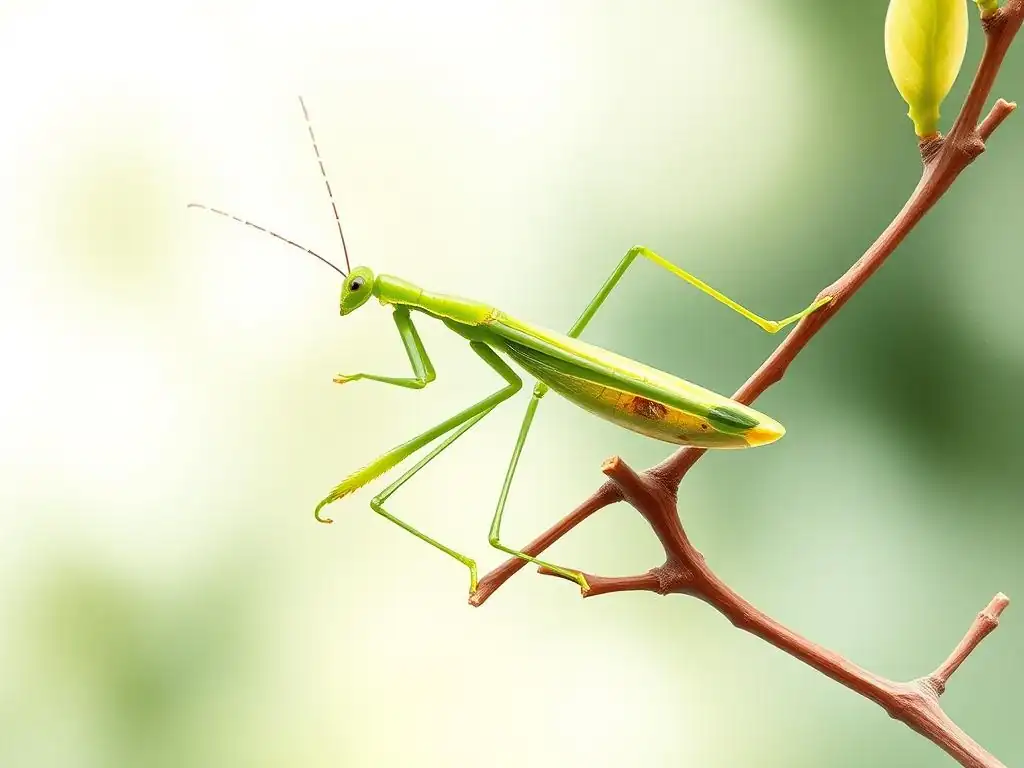
Stick insects, while relatively low-maintenance pets, are still susceptible to various health issues. Understanding these common problems and their underlying causes is crucial for responsible stick insect ownership. Proactive preventative measures, coupled with swift intervention when problems arise, significantly improve the chances of a long and healthy life for your fascinating invertebrate companion. This section will delve into some of the most prevalent health concerns affecting stick insects, providing valuable insights into their causes, symptoms, and effective management strategies.
Proper care, encompassing appropriate humidity, nutrition, and a clean environment, is paramount in preventing many of these issues. Ignoring even seemingly minor symptoms can lead to more serious complications, so vigilance is key. Let's explore some of the most common challenges faced by stick insect keepers.
Dehydration in Stick Insects: Symptoms and Prevention
Dehydration is a surprisingly common problem among stick insects, often stemming from insufficient humidity levels within their enclosure. The delicate exoskeleton of these insects is highly susceptible to water loss. Recognizing the signs of dehydration early is vital for successful treatment. Symptoms can include lethargy, a shrunken abdomen, and a brittle appearance to the body. Severe dehydration can lead to death.
Preventing dehydration is far easier than treating it. Maintaining appropriate humidity levels is paramount. This can be achieved through regular misting of the enclosure using a spray bottle, ensuring the substrate remains slightly damp but not waterlogged. Providing a shallow dish of water (with pebbles or similar to prevent drowning) can also contribute to hydration.
The frequency of misting will depend on factors such as the enclosure size, ventilation, and ambient temperature. A hygrometer is a valuable tool for monitoring humidity levels accurately, helping you maintain the optimal range of 60-75% relative humidity for most stick insect species. Regular observation of your insect's behavior and physical condition is also crucial for early detection of dehydration. A proactive approach to humidity management is the best defense against this common health problem.
Nutritional Deficiencies: Ensuring a Balanced Diet for Your Stick Insect
Nutritional deficiencies can significantly impact the health and vitality of your stick insect. A diet lacking essential nutrients can lead to a weakened immune system, making your insect more vulnerable to disease and parasites. Symptoms might include slow growth, deformities, lethargy, and a generally unhealthy appearance. The severity of the deficiency will depend on the specific nutrient lacking and the duration of the deficiency.
Providing a varied and balanced diet is crucial. Many stick insect species thrive on a diet of fresh leaves, particularly bramble, oak, and ivy. However, relying solely on a single type of leaf can lead to nutritional imbalances. Rotating leaf types and supplementing with occasional, small amounts of other appropriate plant material can help ensure a more complete nutrient profile. Avoid using treated or chemically sprayed leaves, as these can be toxic to your insect. The quality of the leaves is also important; wilted or decaying leaves should be avoided. Regularly checking the condition of your leaves and replenishing them as needed is essential for maintaining optimal nutrition. Supplementing the diet with a commercial insect food mix is also an option, but should be used sparingly and in conjunction with fresh leaves as the primary food source. Remember that a healthy diet is a cornerstone of preventative stick insect care.
Parasite Infestations: Identifying and Treating Common Parasites in Stick Insects
Parasite infestations, while less common than dehydration or nutritional deficiencies, can severely impact the health of your stick insect. Mites and other parasites can weaken your insect, leading to secondary infections and ultimately death. Careful observation is crucial for early detection. Symptoms can include restlessness, unusual behavior, and visible parasites on the insect's body. In severe cases, you may notice weight loss or damage to the insect's exoskeleton.
Treatment of parasite infestations varies depending on the type of parasite. In some cases, you may be able to manually remove mites or other parasites using a soft brush or tweezers. However, for more severe infestations, you may need to use a specialized insecticide specifically designed for invertebrates. It's crucial to use the appropriate product and follow the instructions carefully to avoid harming your stick insect. Maintaining a clean and hygienic enclosure is a vital preventative measure.
Regularly cleaning the enclosure, removing any fecal matter or uneaten food, and replacing the substrate can help reduce the risk of parasite infestations. Quarantine any new stick insects before introducing them to your existing collection to prevent the spread of parasites. Early detection and appropriate treatment are key to successfully managing parasite infestations in your stick insect colony. Prevention, through diligent hygiene practices, is always the best approach.
Bacterial and Fungal Infections: Recognizing and Addressing Infections
Bacterial and fungal infections are unfortunately common ailments in stick insects, often stemming from unsanitary conditions within their enclosure. Recognizing the early signs is crucial for successful treatment. Symptoms can vary depending on the specific bacteria or fungus involved, but common indicators include lethargy, loss of appetite, discoloration of the exoskeleton (often appearing dull or patchy), and unusual deformities in newly molted individuals. You might also observe unusual secretions or a build-up of debris around the insect's body.
A crucial preventative measure is maintaining impeccable hygiene within the insect's habitat. Regular cleaning of the enclosure, including substrate replacement and disinfection of branches and other furnishings, is paramount. This should be done with a solution appropriate for invertebrates, avoiding harsh chemicals that could harm your pet. Overcrowding should also be avoided, as this can exacerbate the spread of infection.
If you suspect an infection, immediate isolation of the affected stick insect is necessary to prevent contagion. While treating bacterial and fungal infections in stick insects can be challenging, some keepers have found success with topical applications of diluted antifungal solutions (always research safe options for invertebrates first! ), however, professional veterinary care for invertebrates may be limited, thus prevention is key. Early detection and swift action are vital for a positive outcome.
Molting Problems: Difficulties Shedding Exoskeleton
Molting, the process of shedding the exoskeleton to allow for growth, is a critical yet stressful period in a stick insect's life. Difficulties during this process, often stemming from insufficient humidity or improper nutrition, can lead to significant health complications. Signs of molting problems include incomplete shedding, resulting in parts of the old exoskeleton remaining attached, causing deformities, restricted movement, and potential death. The insect may also appear unusually lethargic or stressed during and after the molting period. Sometimes, the insect may become stuck within its old exoskeleton, unable to completely shed it.
Maintaining the correct humidity level is crucial for successful molting. This typically involves regularly misting the enclosure to ensure a consistently moist environment. The level of humidity needed will vary depending on the specific species of stick insect, so research your pet’s specific needs. Providing a suitable substrate, such as peat moss or coco coir, helps retain moisture. A crucial aspect often overlooked is proper nutrition.
A balanced diet, rich in essential nutrients, helps ensure the insect has the strength and resources to successfully molt. Insufficient nutrition weakens the insect, increasing the likelihood of molting complications. If a stick insect becomes stuck during molting, gentle assistance may be possible, but this requires extreme caution and expertise to avoid causing further injury. In many cases, unfortunately, intervention is not possible, and the insect may not survive.
Physical Injuries: Handling and Preventing Accidents
Stick insects, despite their delicate appearance, are surprisingly resilient. However, they are still susceptible to physical injuries, often resulting from improper handling or accidents within their enclosure. These injuries can range from minor limb damage to severe trauma. Broken legs or antennae are common, often manifesting as a loss of limb or a noticeably deformed appendage. More serious injuries may involve damage to the body, which may lead to internal bleeding or infection.
Careful and gentle handling is paramount to prevent injuries. Avoid sudden movements or rough handling, and always support the insect's body during handling. Ensure the enclosure is secure, preventing escapes and accidental falls. Sharp objects, such as loose wires or protruding edges, should be removed from the enclosure. Regularly inspect the enclosure for potential hazards.
While minor limb injuries may heal over time, severe injuries can be fatal. Unfortunately, there is often little that can be done to directly treat severe injuries in stick insects; focus should be placed on preventing them in the first place. A clean and well-maintained environment, combined with careful handling, significantly reduces the risk of physical trauma. Remember, prevention is always the best medicine when dealing with stick insect health.
Leg Loss and Regeneration in Stick Insects
Stick insects, with their delicate bodies and long legs, are unfortunately prone to losing limbs. This can occur due to several factors, including accidental injury during handling, predation (even from seemingly harmless household pets like cats), or fights between stick insects within the same enclosure if overcrowding is an issue. The good news is that many species of stick insects possess remarkable regenerative abilities.
This means they can regrow lost limbs, although the new leg will generally be smaller and less developed than the original. The process of regeneration can take several molts, and the newly regenerated leg might not be fully functional.
The severity of leg loss impacts the stick insect's ability to move, feed, and generally thrive. A single lost leg might not significantly affect its quality of life, particularly if it's a less crucial leg. However, the loss of multiple legs can severely impair its mobility and access to food, leading to starvation and ultimately death. Careful observation is crucial; if a stick insect loses several legs, it requires increased attention to ensure it can still reach its food sources. Providing easily accessible food and a stable, clutter-free environment is essential during the recovery period.
The frequency of leg loss can be an indicator of underlying problems within the enclosure. If multiple stick insects are losing legs, it suggests that the environment may be too cramped, leading to increased physical interactions and injuries. Similarly, insufficient humidity can make the insects more brittle and prone to breakage. Regularly checking the enclosure for sharp objects or potential hazards is vital preventative care.
Providing ample climbing space and appropriate substrate will also minimize the risk of accidental injuries. It’s important to remember that while leg regeneration is possible, preventing leg loss in the first place is always the best approach. A well-maintained environment is key to ensuring the health and longevity of your stick insect pets. Careful handling is also crucial, minimizing unnecessary stress and potential for injury.
Preventing Stick Insect Health Issues: Proactive Care
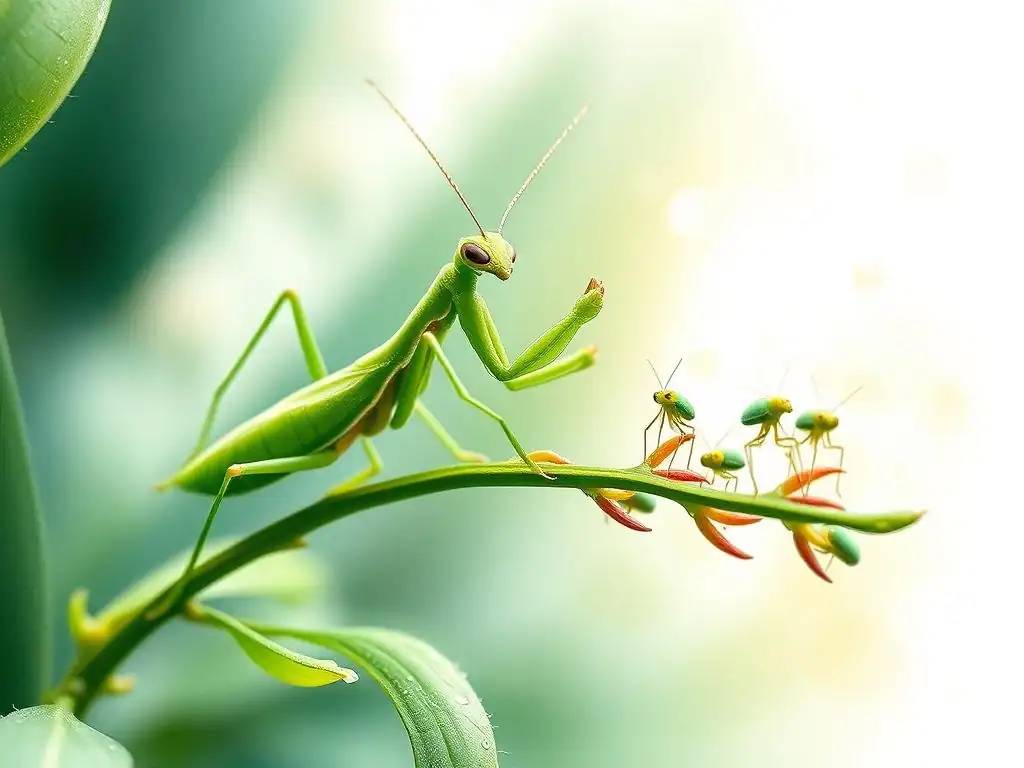
Proactive care is paramount when it comes to maintaining the health of your stick insects. A healthy stick insect is a happy stick insect, and preventing common ailments is far easier than treating them. This section focuses on establishing a preventative care regimen, minimizing the risk of common stick insect health problems and ensuring a long, thriving life for your invertebrate companions.
By focusing on the key areas of humidity and temperature control, habitat cleanliness, and dietary choices, you can significantly reduce the likelihood of encountering health issues. Remember, a healthy environment is the cornerstone of a healthy stick insect.
Maintaining Optimal Humidity and Temperature for Stick Insects
Stick insects are incredibly sensitive to environmental fluctuations. Maintaining the correct humidity and temperature levels is crucial for their overall well-being and preventing many common health problems. Too much or too little humidity can lead to dehydration, fungal infections, or molting difficulties. Similarly, incorrect temperatures can impact their metabolism, making them sluggish, susceptible to disease, or unable to properly shed their exoskeleton.
The ideal humidity range for most stick insect species is between 60-75%, although this can vary depending on the specific species. You can monitor humidity levels using a reliable hygrometer. To maintain optimal humidity, mist the enclosure regularly, using a spray bottle to create a fine mist. The frequency of misting will depend on the environment; you may need to mist daily in drier climates or less frequently in more humid environments. Avoid over-misting, which can lead to mold growth.
Temperature is equally important. Most stick insects thrive in temperatures between 20-28°C (68-82°F). Using a thermometer is essential to accurately monitor the temperature. Heating pads or heat lamps can be used to maintain consistent temperatures, but always ensure they are used safely and don't overheat the enclosure. Avoid placing the enclosure in direct sunlight, as this can lead to extreme temperature fluctuations. Regular monitoring and adjustments are key to maintaining the ideal environment for your stick insects.
Providing a Clean and Safe Habitat for Your Stick Insect
A clean and safe habitat is crucial for preventing many common stick insect health problems. Accumulated waste, uneaten food, and mold can harbor harmful bacteria and parasites, leading to illness. Regular cleaning is, therefore, essential.
The frequency of cleaning depends on the size of the enclosure and the number of stick insects it houses. However, a thorough cleaning should be conducted at least once a week. This involves removing all uneaten food, fecal matter, and any dead leaves or debris. The substrate (e.g., paper towels, coconut fiber) should be replaced entirely every 2-4 weeks, depending on its condition and the amount of waste produced. Thoroughly disinfect the enclosure using a pet-safe disinfectant solution before adding fresh substrate and foliage.
Beyond cleanliness, ensuring a safe environment is also vital. Sharp objects, toxic plants, and escape routes should all be avoided. The enclosure should be well-ventilated to prevent mold growth and maintain good air quality. Overcrowding can also stress stick insects, making them more susceptible to illness, so ensure the enclosure size is appropriate for the number of insects you house. Regular checks for any signs of damage or wear within the enclosure are also important to ensure the continued safety and health of your stick insects.
Selecting High-Quality Food Sources for Stick Insects
Nutrition plays a vital role in the health and well-being of your stick insects. Providing a varied diet of high-quality food sources is crucial for preventing nutritional deficiencies and promoting robust immune systems. Offering only one type of food can lead to nutritional imbalances, increasing susceptibility to disease.
Most stick insects are primarily herbivores, feeding on leaves and twigs from various plants. However, the specific dietary needs vary depending on the species. Research the specific dietary requirements of your stick insect species to ensure you provide appropriate food sources. Always choose fresh, pesticide-free leaves and twigs from safe, non-toxic plants. Avoid using plants that have been treated with pesticides or herbicides, as these can be toxic to stick insects.
A diverse diet is key. Offer a variety of plant species to provide a broader range of nutrients. Regularly inspect food sources for any signs of wilting or decay and remove any spoiled material promptly. Providing a clean water source, such as a shallow dish of water, is also crucial for hydration. Remember, a well-nourished stick insect is a healthy stick insect, less prone to common health problems. Providing a varied and nutritious diet is a crucial component of preventative care.
Implementing a Regular Cleaning Schedule for the Enclosure
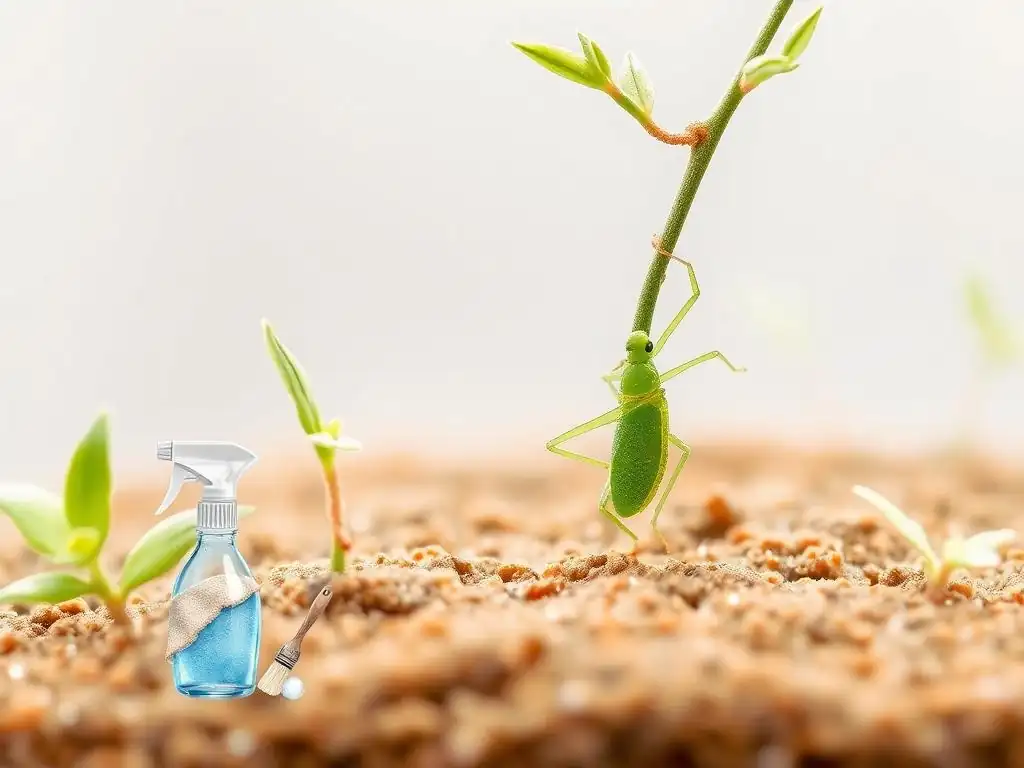
Maintaining a pristine enclosure is paramount in preventing stick insect health problems. A buildup of feces, uneaten food, and decaying leaf litter creates an ideal breeding ground for harmful bacteria, fungi, and parasites. These pathogens can lead to various infections, impacting your stick insect's digestive system, respiratory health, and overall well-being. Regular cleaning not only minimizes the risk of disease but also contributes to a more comfortable and stimulating environment for your pet.
A thorough cleaning schedule should be implemented, aiming for at least a partial cleaning once a week and a complete overhaul every 2-3 weeks. Partial cleaning involves removing any visible debris, uneaten food, and fecal matter. Spot cleaning should be done daily to remove any immediate messes. For a complete cleaning, the entire enclosure should be emptied, disinfected, and thoroughly dried before fresh substrate and foliage are added.
Use a pet-safe disinfectant, such as a diluted solution of white vinegar and water, avoiding harsh chemicals that could harm your stick insects. Always ensure the enclosure is completely dry before reintroducing your insects to prevent moisture-related issues. Remember to carefully examine the substrate and foliage for any signs of mold or mildew before replacing them.
Early detection and removal of such contaminants are crucial in preventing widespread infections. A proactive approach to enclosure hygiene is a cornerstone of preventative care for healthy, thriving stick insects. 🧼
Proper Handling Techniques to Minimize Stress and Injury
Stick insects, despite their delicate appearance, are surprisingly fragile. Improper handling can lead to stress, injury, and even death. Gentle handling is essential to prevent unnecessary harm and ensure the well-being of your pet. Always wash your hands thoroughly before and after handling to avoid transferring harmful bacteria or parasites.
Avoid sudden movements or jarring actions when handling your stick insect. Support its body gently, using both hands if necessary, to prevent falls or accidental crushing. Never grasp your stick insect by its legs or antennae, as these are delicate and easily damaged. Instead, gently cup your hands around its body, providing a secure but comfortable hold. Prolonged handling should be avoided, as excessive stress can weaken the insect's immune system, making it more susceptible to illness.
Limit handling sessions to short periods, only when absolutely necessary, such as for feeding or enclosure maintenance. Observe your stick insect's behavior closely; if it shows signs of distress, such as rapid leg movements or attempts to escape, immediately return it to its enclosure. By following these gentle handling techniques, you can minimize the risk of stress and injury, contributing to a long and healthy life for your fascinating pet. 🐛
Treating Common Stick Insect Ailments: Practical Solutions
This section delves into practical solutions for treating common health problems in stick insects. Remember, early detection and intervention are crucial for successful treatment. Always prioritize a clean, well-maintained habitat to minimize the risk of illness. While this guide provides helpful information, consulting a veterinarian specializing in exotic pets is always recommended for serious or persistent issues. Proper care and preventative measures are your best defense against stick insect common health problems.
Treating Dehydration in Stick Insects: Rehydration Techniques
Dehydration is a prevalent issue among stick insects, often stemming from insufficient humidity levels within their enclosure. Symptoms include lethargy, a shrunken abdomen, and a lack of appetite. Mild dehydration can usually be addressed through simple rehydration techniques. However, severe dehydration requires prompt veterinary attention.
Here's a step-by-step guide to rehydrating a dehydrated stick insect:
- Increase Humidity: Immediately increase the humidity within the enclosure. This can be achieved by misting the enclosure more frequently with lukewarm water, adding a shallow dish of water, or using a humidifier specifically designed for terrariums. Aim for a humidity level between 60-80%, depending on the specific species.
- Gentle Misting: Gently mist the stick insect itself with lukewarm water using a spray bottle. Avoid soaking the insect, as this can cause further stress. Focus on lightly moistening its body.
- Fresh Food: Offer fresh, succulent leaves. Many species thrive on bramble, ivy, or oak leaves. Ensuring readily available, high-quality food sources is essential for rehydration.
- Observation: Closely monitor the stick insect's behavior and physical condition. Look for improvements in activity levels and abdominal fullness. If no improvement is seen within 24 hours, seek veterinary advice immediately.
Addressing Nutritional Deficiencies: Dietary Adjustments
Nutritional deficiencies are another common health problem in stick insects. A monotonous diet lacking essential nutrients can lead to weakened immunity, stunted growth, and even death. Providing a diverse diet is critical to prevent these issues.
This involves offering a variety of suitable plant material, including:
- Leaves: A staple of the stick insect diet, offering a range of leaves from different plants ensures a broader spectrum of nutrients.
- Fruits: In moderation, fruits can supplement the diet, providing additional vitamins and minerals. Offer small pieces of soft fruits like berries.
- Supplements: In extreme cases, a veterinarian might recommend specific nutritional supplements, but these should only be given under professional guidance.
Regularly inspect your stick insects for signs of nutritional deficiency, such as:
- Slow Growth: Young stick insects should show steady growth. Slow growth may indicate insufficient nutrients.
- Pale Coloration: A pale or dull color can be a sign of nutritional deficiency.
- Lethargy: Lack of energy can indicate insufficient nutrient intake.
Managing Parasite Infestations: Treatment Options and Prevention
Parasite infestations, while less common, can significantly impact the health of stick insects. Mites are the most frequent culprits. Early detection is key to effective treatment and preventing widespread infestation within the enclosure.
Signs of a parasitic infestation include:
- Visible Mites: Small, moving specks on the stick insect's body.
- Lethargy and Weakness: Infestations can weaken the insect, leading to reduced activity.
- Abnormal Molting: Difficulty molting can be a sign of parasitic stress.
Treatment options may include:
- Cleaning the Enclosure: Thoroughly clean and disinfect the enclosure to remove any mites or their eggs.
- Spot Treatment: In some cases, a veterinarian might recommend a specific treatment for the mites, applied carefully to avoid harming the stick insect. This is not typically a DIY approach.
- Quarantine: Isolate affected stick insects to prevent spreading the infestation.
Prevention is crucial. Maintaining a clean and well-ventilated enclosure, regularly inspecting stick insects, and regularly replacing substrate are all effective preventative measures. Remember, a healthy environment is the first line of defense against parasitic infestations.
Treating Bacterial and Fungal Infections: Medication and Hygiene
Bacterial and fungal infections are unfortunately common among stick insects, often manifesting as discoloration, lethargy, or unusual growths on their bodies. Early detection is crucial for successful treatment. The most common culprits are bacteria like Pseudomonas and Escherichia coli, and fungi such as Aspergillus and Candida. These infections often stem from unsanitary conditions within the enclosure. Therefore, meticulous hygiene is the first line of defense.
Regular cleaning of the enclosure is paramount. This involves removing old food scraps, frass (insect droppings), and any decaying plant matter. Substrate should be replaced frequently—at least every 2-3 weeks depending on the humidity levels and the amount of frass present. Disinfect the enclosure using a diluted solution of a pet-safe disinfectant, ensuring it’s completely dry before reintroducing your stick insects. Avoid harsh chemicals that could harm your pets.
Treatment of bacterial and fungal infections often involves topical application of antifungal or antibacterial creams specifically formulated for reptiles and invertebrates. Always consult a veterinarian specializing in exotic animals before administering any medication. They can diagnose the specific infection and recommend the appropriate dosage and treatment duration. In severe cases, oral antibiotics might be necessary, but this should only be done under strict veterinary supervision due to the delicate nature of these insects. Careful monitoring of the stick insect's behavior and appearance throughout treatment is essential.
Assisting with Molting Problems: Creating a Supportive Environment
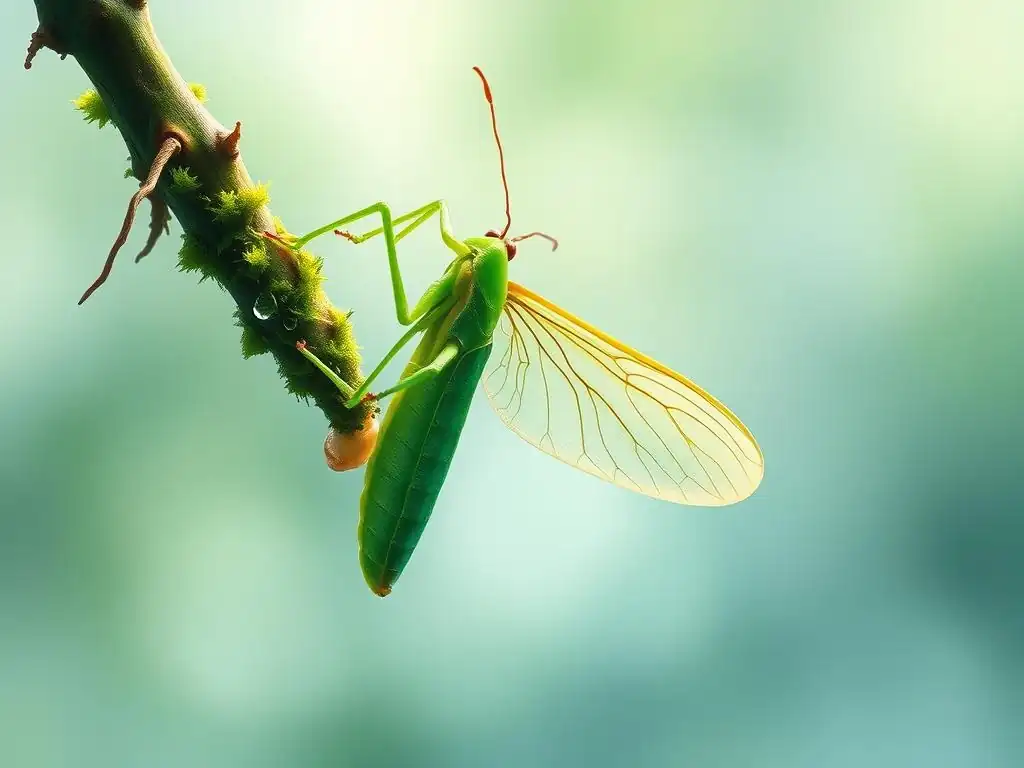
Molting is a critical stage in a stick insect's life cycle, during which they shed their exoskeleton to allow for growth. However, molting problems can be a significant health concern, leading to deformities, injury, or even death. Stick insects require a highly specific environment to molt successfully. Insufficient humidity, improper temperature, or overcrowding can significantly increase the risk of molting complications.
To facilitate a successful molt, maintain a consistently high humidity level within the enclosure—generally above 70%. This can be achieved through regular misting with clean water or by using a humidifier. The temperature should also be carefully regulated, usually within a range of 20-25°C (68-77°F), depending on the species. Ensure the enclosure provides ample space for the stick insect to hang upside down during molting without being disturbed or crowded by its cage-mates. Adding branches or sticks of varying diameters provides crucial support points during this vulnerable period.
A diet rich in nutrients and minerals is also vital for healthy molting. Provide a diverse range of fresh foliage, ensuring that the leaves are free from pesticides or chemicals. If a stick insect struggles during molting, gently assist it by providing additional support with a soft brush or cotton swab, but only if absolutely necessary and with extreme care to avoid causing further damage. Observe the insect closely; if molting problems persist despite providing the correct environment, consulting an exotic animal veterinarian is recommended.
Treating Physical Injuries: Wound Care and Monitoring
Stick insects, despite their seemingly delicate nature, can sustain various physical injuries. These may range from minor abrasions to more serious fractures or limb loss. These injuries can occur due to mishandling, falls, or interactions with cage mates. Prompt and appropriate care is crucial to ensure the insect's survival and recovery.
Minor abrasions can often be left to heal naturally, provided the environment remains clean and humid. However, more significant injuries require careful attention. For example, a broken leg might necessitate immobilization using a tiny splint crafted from a thin piece of wood or a toothpick, secured gently with a small amount of non-toxic adhesive. This should only be attempted if you have experience handling invertebrates, otherwise, veterinary assistance is strongly recommended. Always use sterile materials to minimize the risk of infection.
Regular monitoring of the wound is essential. Look for signs of infection, such as swelling, discoloration, or pus. If an infection develops, consult a veterinarian specializing in exotic animals immediately. They can prescribe appropriate antibiotics or antifungal treatments to prevent the spread of infection and promote healing. In cases of severe injury or limb loss, the prognosis depends on the severity and the species of stick insect. Even with extensive care, some injuries might unfortunately prove fatal. However, with appropriate treatment, many stick insects can make a full recovery.
Supporting Leg Regeneration in Stick Insects
Stick insects, known for their remarkable camouflage and docile nature, possess a fascinating ability: leg regeneration. While they can regrow lost limbs, the process requires optimal conditions and careful support from their owners. The success of regeneration depends heavily on the insect's overall health and the extent of the injury. A cleanly severed leg has a much higher chance of successful regeneration than a leg that has been severely damaged or infected.
Several factors influence the speed and success of leg regeneration. A balanced diet rich in nutrients, particularly calcium and protein, is crucial. A diet deficient in these essential nutrients can significantly impede or even prevent regeneration. Providing a varied diet of fresh leaves, including species like bramble, oak, and ivy (always ensuring the leaves are pesticide-free! ), is key. Supplementing the diet with a commercially available calcium and vitamin powder, lightly dusted on their food, can further enhance the process. However, it’s crucial to avoid over-supplementing, as this can be detrimental to their health.
The environment also plays a significant role. Maintaining appropriate humidity levels is essential for proper molting, a crucial step in leg regeneration. Stick insects shed their exoskeletons periodically as they grow, and this process is vital for the new limb to develop properly. Insufficient humidity can lead to problems during molting, hindering regeneration or even causing injury. Furthermore, a clean and spacious enclosure is essential to prevent secondary infections that could complicate the healing process. Regular cleaning of the enclosure, removal of uneaten food, and ensuring proper ventilation, all contribute to a healthy environment conducive to leg regeneration.
While you can't directly "treat" the regeneration process, providing the optimal conditions described above is the best way to support your stick insect. Patience is key; leg regeneration can take several molts, and the new leg may initially be smaller and less developed than the others. Over time, with proper care, the regenerated limb will typically reach a near-normal size and functionality. Observe your stick insect carefully during and after molting.
Any signs of stress, such as lethargy or refusal to eat, should be addressed promptly by assessing environmental factors and dietary needs. Remember that a healthy stick insect is much more likely to successfully regenerate a lost limb. Careful observation and proactive care are essential for the best possible outcome.
When to Seek Veterinary Assistance for Your Stick Insect
Stick insects, while relatively hardy creatures, aren't immune to health problems. Knowing when to seek professional veterinary care is crucial for their well-being. While many minor issues can be managed at home with careful observation and adjustments to their environment, certain symptoms warrant immediate veterinary attention. Ignoring these signs can lead to unnecessary suffering and potentially fatal outcomes for your pet. Early intervention is key to successful treatment for stick insect common health problems.
Recognizing When Professional Help is Necessary
Several indicators suggest that your stick insect needs professional veterinary care. These aren't always obvious, so attentive observation is paramount. Don't hesitate to seek help if you notice any of the following:
- Significant weight loss: A dramatic decrease in body mass, noticeable by a visibly thinner abdomen, is a serious warning sign. This could indicate a variety of underlying problems, including malnutrition, internal parasites, or a more serious illness. Regularly weighing your stick insect (using a small, accurate scale) can help you detect subtle changes early on.
- Lethargy and inactivity: Stick insects are typically quite active, especially at night. Prolonged periods of inactivity, coupled with a lack of appetite, strongly suggests illness. A healthy stick insect will exhibit normal climbing and feeding behaviors.
- Changes in coloration: Sudden and drastic changes in your stick insect's coloration, such as unusual darkening or paleness, can indicate stress, dehydration, or infection. Note that slight color variations due to molting are normal and expected.
- Abnormal molting: Molting is a natural process, but problems can arise. Difficulty shedding skin (ecdysis), resulting in stuck or incompletely shed exoskeleton, is a serious issue requiring immediate veterinary attention. This can restrict movement and lead to secondary infections.
- Visible injuries: Broken legs, missing limbs, or other visible injuries require assessment by a vet. While minor injuries might heal on their own, serious wounds need professional treatment to prevent infection and promote proper healing.
- Diarrhea or unusual fecal matter: Changes in the consistency, color, or frequency of your stick insect's droppings can be indicative of intestinal problems. Monitor your stick insect's waste regularly to detect any abnormalities.
- Loss of appetite: A complete loss of appetite, lasting more than 24 hours, is a significant cause for concern. This coupled with any of the above symptoms should prompt immediate veterinary intervention. Remember to always provide fresh, appropriate food for your stick insect.
- Respiratory distress: Observe your stick insect for any signs of difficulty breathing, such as rapid breathing or labored movements. This can be an indicator of a respiratory infection or other serious health issue.
Finding a Qualified Exotic Pet Veterinarian
Locating a veterinarian experienced with exotic pets, particularly invertebrates like stick insects, can be challenging. Many general practice vets lack the specialized knowledge to diagnose and treat these delicate creatures. Therefore, proactive research is essential. Start by contacting local veterinary clinics and asking if they have experience with invertebrates or if they can recommend a specialist.
Online searches using keywords like "exotic pet vet near me" or "invertebrate veterinarian" can also be helpful. Consider contacting reptile and invertebrate specialist societies or online forums; fellow stick insect enthusiasts may be able to recommend experienced vets in your area. Remember, choosing a veterinarian experienced with stick insect common health problems is vital for providing the best possible care for your pet. Don't settle for just any vet; find one who understands the unique needs of these fascinating insects.
Frequently Asked Questions
What are the most common health problems in stick insects?
Stick insects are relatively hardy, but common issues include fungal infections, dehydration, and parasite infestations. Proper hygiene and a suitable environment are crucial for prevention.
How can I prevent fungal infections in my stick insect?
Maintaining a clean enclosure with good ventilation is key. Avoid overcrowding and ensure the substrate is dry to prevent the growth of mold and fungi. Regularly inspect your stick insect for any signs of infection.
My stick insect seems dehydrated. What should I do?
Mist the enclosure regularly with clean water to increase humidity. Provide fresh leaves and ensure the water source (if using one) is always clean and accessible. Monitor your insect closely for improvements.
What are the signs of a parasite infestation in a stick insect?
Look for unusual lethargy, weight loss, or visible parasites on the insect's body. Consult a veterinarian specializing in exotic pets for diagnosis and treatment if you suspect an infestation.
What should I do if my stick insect shows signs of illness?
Isolate the affected insect to prevent the spread of disease. Observe its behavior and symptoms carefully, and seek advice from a veterinarian or experienced stick insect keeper. Accurate identification of the problem is crucial for effective treatment.
Final Reflection: The Enduring Importance of Stick Insect Care
The fragility of these fascinating creatures underscores the crucial role we play in their well-being. Understanding and addressing common stick insect health problems isn't merely a hobbyist's concern; it's a responsibility that directly impacts the survival and thriving of these often-overlooked members of the insect world. Their delicate existence highlights the interconnectedness of all life and the impact even seemingly small actions can have.
The journey of learning about stick insect health has been profoundly enriching. It's a constant reminder of the intricate balance required to maintain a healthy environment for these creatures, mirroring the delicate ecosystems they inhabit in the wild. The care of a living creature is a constant education; it teaches patience, responsibility, and the importance of observation.
This quote, while not specifically about stick insects, perfectly encapsulates the experience of caring for these animals and the lessons learned along the way. The ongoing research and sharing of knowledge within the community is vital to their continued survival, both in captivity and in their natural habitats.
Now, consider your own relationship with the natural world. What steps can you take to ensure the well-being of the creatures you encounter, big or small? Perhaps it's researching the needs of local insects, advocating for habitat preservation, or simply being more mindful of your impact on the environment. Let the lessons learned from caring for stick insects inspire you to become a more responsible and compassionate steward of our planet, ensuring that future generations can marvel at the beauty and diversity of life, including the remarkable stick insect.
Unleash Your Inner Insect Expert: Boost Your Stick Insect's Wellbeing!
Congratulations on embarking on the fascinating journey of stick insect care! You've gained valuable knowledge to keep your captivating creatures healthy and happy. Ready to put your new skills to the test?
- Prioritize preventative care: Regularly inspect your stick insects for any signs of illness or parasites, ensuring their enclosure maintains the ideal humidity and temperature. This is the most effective way to keep them thriving.
- Share your knowledge: Discuss your experiences and tips with other stick insect enthusiasts online or in person. Connecting with others who share your passion makes caring for these amazing insects even more rewarding.
- Experiment with enrichment: Try offering a variety of leaves and branches to see which your stick insects prefer. Providing a diverse and stimulating environment is key to their wellbeing.
What small step will you take today to improve your stick insect's life?