
Seasonal Adjustments: Adapting Reptile Heating to Changing Weather

Welcome to PetCareWorld, your ultimate guide to a happier, healthier life for your beloved companions! Are you prepared for the challenges seasonal changes bring to your reptile's delicate thermal needs? Discover expert advice on Reptile heating weather changes and ensure your scaly friend thrives throughout the year. Learn how to adapt their environment and maintain optimal temperatures, preventing stress and illness. Dive in and explore the essential information waiting for you!
- Understanding Reptile Heating Needs and Weather Fluctuations
- Monitoring Ambient Temperatures and Reptile Housing
- Adjusting Reptile Heating Systems for Spring and Fall
- Winter Heating Strategies for Reptiles
- Summer Heat Management for Reptiles
- Choosing the Right Heating Equipment for Your Reptile
- Troubleshooting Reptile Heating Issues Based on Weather
- Long-Term Reptile Heating Strategies for Seasonal Changes
- Resources and Further Reading on Reptile Heating
- Frequently Asked Questions
- Final Reflection: Embracing the Rhythm of Nature in Reptile Care
- Unleash Your Reptile's Inner Sunbather!
Understanding Reptile Heating Needs and Weather Fluctuations
Maintaining the proper temperature for your reptile is crucial for its health and well-being. Reptiles, being ectothermic (cold-blooded) animals, rely on external sources of heat to regulate their body temperature. Unlike mammals and birds, they cannot internally generate enough heat to maintain a constant body temperature.
This makes them highly susceptible to the fluctuations of ambient temperature, particularly during seasonal changes. This article will delve into the specific challenges posed by changing weather patterns and provide practical solutions for adjusting your reptile's heating setup to ensure its optimal health and comfort throughout the year. We'll explore how to identify your reptile's ideal temperature range, recognize signs of improper heating, and implement effective strategies to mitigate the impact of seasonal weather changes on your scaly companion.
Proper reptile heating is not just about providing warmth; it's about creating a thriving environment that mimics their natural habitat and promotes longevity. Understanding the impact of weather changes on your reptile's health is the first step in becoming a responsible and knowledgeable reptile owner. 📈
The Impact of Temperature Changes on Reptile Health
Temperature plays a vital role in all aspects of a reptile's life, from digestion and immune function to reproduction and overall activity levels. Significant drops in ambient temperature can lead to a decrease in metabolic rate, slowing down digestion and making your reptile more susceptible to illness. Conversely, excessively high temperatures can cause dehydration, heat stress, and even death. The severity of these effects varies greatly depending on the species of reptile, its age, and its overall health.
For example, a sudden drop in temperature can cause a significant decrease in appetite and activity in many species, leading to anorexia and weight loss. Furthermore, temperature fluctuations can negatively impact the reptile's immune system, making it more vulnerable to infections and parasites. Maintaining a consistent temperature within your reptile's preferred range is essential for preventing these health issues and ensuring a long, healthy life for your pet. 🌡️
Identifying Your Reptile's Ideal Temperature Range (Species-Specific Guides)
Each reptile species has a specific temperature range it requires to thrive. Failing to provide this optimal temperature range can have serious consequences for your pet's health. It's crucial to research the specific needs of your reptile species before setting up its enclosure.
For example, desert species like Leopard Geckos require a basking spot with significantly higher temperatures than their ambient temperature, while tropical species like Green Anoles need consistently warmer temperatures throughout their enclosure. You should consult reputable sources such as herpetological societies and veterinary websites to determine the ideal temperature gradient (the variation in temperature within the enclosure) and basking spot temperature for your specific reptile. This information is often available in detailed species care sheets which include optimal temperatures for daytime and nighttime.
Failure to provide the correct temperature gradient can lead to serious health problems, including metabolic bone disease (MBD) in many species. Remember, providing the correct temperature is as important as providing the correct substrate, food, and humidity. 🦎
Common Signs of Improper Reptile Heating: Lethargy, Anorexia, and Shell Issues
Recognizing the signs of improper reptile heating is crucial for early intervention and preventing serious health problems. Lethargy, a marked decrease in activity levels, is a common indicator that something is wrong. Anorexic reptiles may refuse food entirely or only eat small amounts. Changes in skin coloration, such as excessive pallor or darkening, can also signify a problem.
In shelled reptiles like tortoises and turtles, shell abnormalities, such as soft spots or pyramiding (irregular growth patterns), can indicate metabolic bone disease (MBD) often resulting from improper calcium metabolism, frequently linked to inadequate heating and UVB lighting. Respiratory infections, manifested by labored breathing or wheezing, can also be a consequence of temperature stress. If you observe any of these signs, it's essential to consult a veterinarian specializing in reptiles immediately.
Early diagnosis and treatment are crucial for improving your reptile's chances of recovery. Remember, proactive monitoring and prompt action can make a significant difference in your reptile's health and well-being. 🐢
Monitoring Ambient Temperatures and Reptile Housing
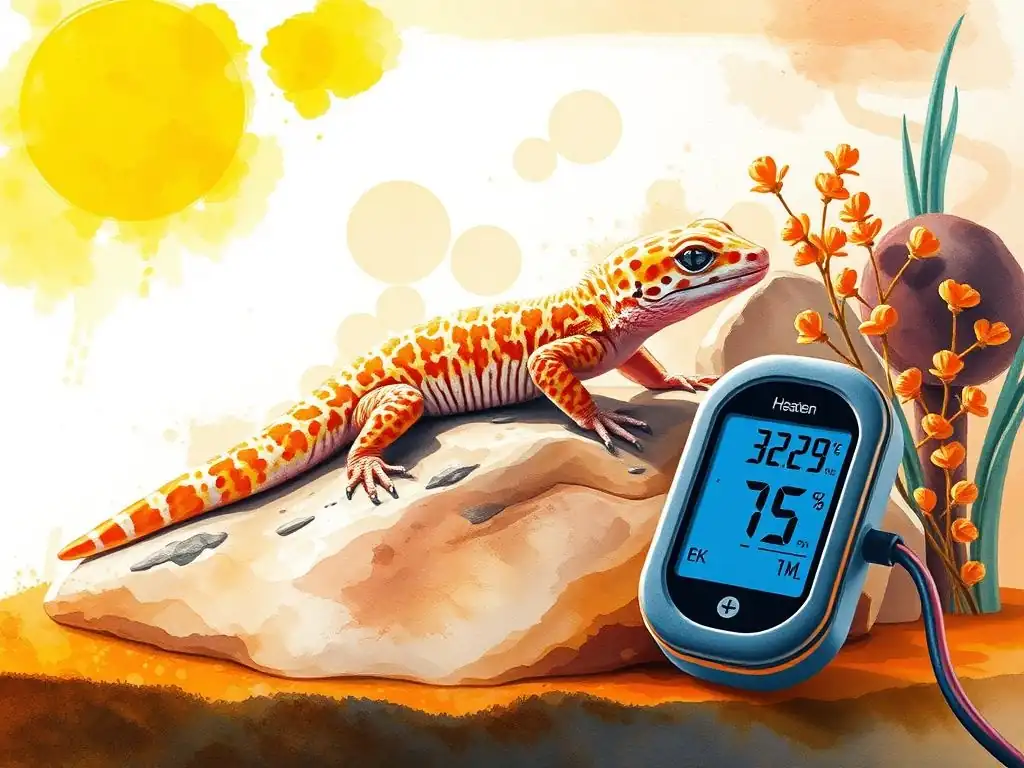
Accurately monitoring ambient temperatures is crucial for the well-being of your reptile, especially when dealing with reptile heating and weather changes. Fluctuations in external temperatures directly impact the internal temperature of your reptile's enclosure, potentially leading to stress, illness, or even death. Therefore, consistent and precise monitoring is paramount. This involves more than just a quick glance at a thermometer; it requires a dedicated approach to ensure your reptile's thermal comfort throughout the year.
Ignoring this aspect can significantly compromise your reptile’s health and longevity. Remember, consistent temperature regulation is a cornerstone of responsible reptile care. Even minor inconsistencies can have long-term effects on your pet's well-being.
Using Accurate Thermometers for Reptile Enclosures
Choosing the right thermometer is the first step in effective temperature monitoring. Digital thermometers with probes are generally preferred for reptile enclosures, offering greater accuracy than analog dial thermometers. These probes can be placed directly into the substrate or on a surface within the enclosure, providing a precise reading of the temperature in the reptile’s immediate environment. It's recommended to use at least two thermometers: one for the basking spot and another for the cooler end of the enclosure.
This allows you to monitor the crucial temperature gradient, essential for your reptile's thermoregulation. Consider using a thermometer with a data logging function to record temperature fluctuations over time. This data can be invaluable in identifying potential problems and adjusting your heating system proactively. Don't underestimate the importance of regular calibration to ensure your thermometers are providing accurate readings.
A faulty thermometer can lead to disastrous consequences for your reptile. Accurate temperature readings are the foundation of successful reptile keeping, especially when adapting to seasonal changes in weather. This is vital for maintaining your reptile's health and preventing stress caused by temperature fluctuations due to reptile heating weather changes.
The Importance of Consistent Temperature Gradients in Reptile Habitats
Maintaining a consistent temperature gradient within your reptile's enclosure is vital for its health and natural behaviors. Reptiles are ectothermic, meaning they rely on external sources of heat to regulate their body temperature. A proper temperature gradient provides your reptile with the ability to choose its preferred temperature throughout the day. This is usually achieved by having a warmer basking area and a cooler area within the enclosure.
For example, a bearded dragon might require a basking spot temperature of 100-110°F (38-43°C) and a cooler end of 80-90°F (27-32°C). The exact temperature range will vary depending on the species. A lack of a proper temperature gradient can lead to several problems, including:
- Difficulty thermoregulating, leading to stress and weakened immune system.
- Inability to digest food properly.
- Increased susceptibility to illness.
- Behavioral changes, such as lethargy or aggression.
Failure to provide a suitable gradient can negatively impact your reptile’s overall health and well-being. The consistent maintenance of a suitable thermal gradient is critical, especially when dealing with reptile heating weather changes. Monitoring both the hot and cool sides of the enclosure ensures your reptile has the choice to maintain its optimal body temperature.
Seasonal Temperature Shifts and Their Effects on Reptile Behavior
Seasonal changes in weather significantly impact ambient temperatures, requiring adjustments to your reptile's heating setup. During colder months, you may need to increase the heating output to maintain the appropriate temperature gradient. Conversely, during warmer months, you may need to reduce the heating, or even temporarily remove supplemental heat sources, to prevent overheating. Observe your reptile's behavior for signs of discomfort.
Lethargy, unusual hiding behavior, or attempts to escape the enclosure could indicate an inappropriate temperature. Remember that reptiles are sensitive creatures and their behavior is a crucial indicator of their well-being. You might also notice changes in appetite and activity levels as the seasons change. These changes are often linked to the reptile’s natural biological rhythms and can be influenced by temperature.
For example, some species may become less active during colder months, while others may exhibit increased activity during warmer periods. Understanding these seasonal behavioral shifts is crucial for providing optimal care. Careful monitoring of both ambient and enclosure temperatures, coupled with keen observation of your reptile's behavior, is essential for successful adaptation to reptile heating weather changes. A proactive approach to managing temperature fluctuations will contribute significantly to your reptile's health and happiness throughout the year.
Adjusting Reptile Heating Systems for Spring and Fall
Spring and fall present unique challenges for reptile keepers. These transitional seasons bring fluctuating temperatures, requiring careful adjustments to maintain your reptile's optimal thermal environment. Successfully navigating these changes is crucial for your reptile's health and well-being. Failure to adapt your heating systems can lead to stress, illness, and even death. This section focuses on practical strategies for managing reptile heating during these periods of fluctuating weather, ensuring your scaly friend thrives throughout the year. Effective management of reptile heating during weather changes is paramount for their health.
Gradually Adjusting Thermostat Settings for Spring and Fall Transitions
Abrupt changes in temperature can be highly stressful for reptiles. Instead of making drastic adjustments to your thermostat settings overnight, implement gradual changes over several days. For example, if you need to lower the temperature by 5°F (approximately 3°C), decrease it by 1°F (approximately 0.5°C) per day. This allows your reptile to acclimate slowly and reduces the risk of thermal shock. Monitor your reptile's behavior closely during this period.
Look for signs of lethargy, unusual basking behavior, or changes in appetite. These could indicate that the temperature adjustment is too rapid or that the new temperature isn't suitable. Remember, every reptile species has unique thermal requirements; consult a reptile veterinarian or reputable herpetological resources for species-specific recommendations. Careful observation and gradual adjustments are key to a successful transition.
Utilizing Supplemental Heat Sources: Ceramic Heat Emitters vs. Heat Lamps
During spring and fall, supplemental heat sources can be invaluable in maintaining a consistent temperature gradient within your reptile's enclosure. Two popular options are ceramic heat emitters (CHEs) and heat lamps. CHEs emit heat without producing light, making them ideal for nighttime heating or for species that are sensitive to light at night.
They are also generally more energy-efficient than heat lamps. Heat lamps, on the other hand, provide both heat and light, which can be beneficial for diurnal (day-active) species. However, they can significantly increase the enclosure's temperature, requiring careful monitoring and precise thermostat control.
The choice between a CHE and a heat lamp depends on your reptile's species, its activity cycle, and your specific environmental control needs. Consider factors like enclosure size, existing heat sources, and your reptile's preferred basking temperature when making your decision. Careful consideration of these factors ensures you provide the optimal heating solution for your reptile.
Choosing the Right Bulbs for Seasonal Changes
The type of heat bulb you use can also influence your reptile's thermal comfort during seasonal transitions. For example, incandescent bulbs produce a wider spectrum of infrared radiation, providing both heat and a basking spot that mimics natural sunlight. However, they are less energy-efficient and have a shorter lifespan compared to other options.
Consider using dimmer switches with incandescent bulbs to fine-tune the heat output and avoid overheating. Other options, such as daytime reptile bulbs, offer a balance between heat and UVB/UVA light output, essential for many reptile species. Always choose bulbs with the appropriate wattage and spectrum for your reptile's needs.
Regularly inspect your bulbs for damage or degradation, replacing them as needed to maintain consistent heating and lighting. The right bulb selection, combined with diligent monitoring, helps maintain your reptile's health and well-being throughout the changing seasons. Remember to consult reliable sources to determine the ideal bulb type and wattage for your specific reptile species.
Optimizing Heat Mat Placement and Usage During Seasonal Changes
Spring and fall bring fluctuating temperatures, presenting unique challenges for maintaining your reptile's ideal thermal gradient. Optimizing heat mat placement and usage is crucial during these transitional seasons to prevent overheating or chilling. The key is to observe your reptile's behavior and adjust accordingly. If your reptile is consistently seeking the coolest part of the enclosure, it's a clear sign the heat mat is too powerful or positioned too close to their basking spot. Conversely, if they're constantly huddled near the heat source, shivering or lethargic, the heat mat isn't providing sufficient warmth.
One effective strategy is to gradually adjust the thermostat settings. Instead of making drastic changes overnight, incrementally alter the temperature by a degree or two every few days. This allows your reptile to adapt to the shifting thermal environment and minimizes stress. Remember to monitor the temperature at multiple points within the enclosure using accurate thermometers – both surface and air temperature readings are essential. Don't rely solely on the thermostat reading; it only reflects the temperature at the sensor's location.
Consider repositioning the heat mat. During warmer periods, moving the heat mat slightly away from the basking area or even using a lower wattage mat can help create a more appropriate temperature gradient. Conversely, in cooler periods, repositioning the heat mat closer to the basking area, or using a higher wattage mat, if necessary, may be required. Always ensure the heat mat is positioned correctly to avoid direct contact with your reptile and to prevent burns. Proper substrate placement and depth also play a critical role in heat distribution and should be adjusted accordingly.
Another valuable technique is the implementation of supplemental heating. In addition to a heat mat, consider incorporating a ceramic heat emitter (CHE) for nighttime heating or during particularly cold spells. CHEs provide radiant heat without emitting light, which is beneficial for nocturnal reptiles or those sensitive to visible light at night. Remember to always use a thermostat with any supplemental heating device to prevent overheating.
The combination of a heat mat and CHE can provide a more stable and controlled thermal environment, especially during the unpredictable weather of spring and fall. Always consult reptile-specific care guides for optimal temperature ranges for your particular species. Careful monitoring and gradual adjustments are key to maintaining a healthy and comfortable environment for your reptile throughout the year.
Winter Heating Strategies for Reptiles
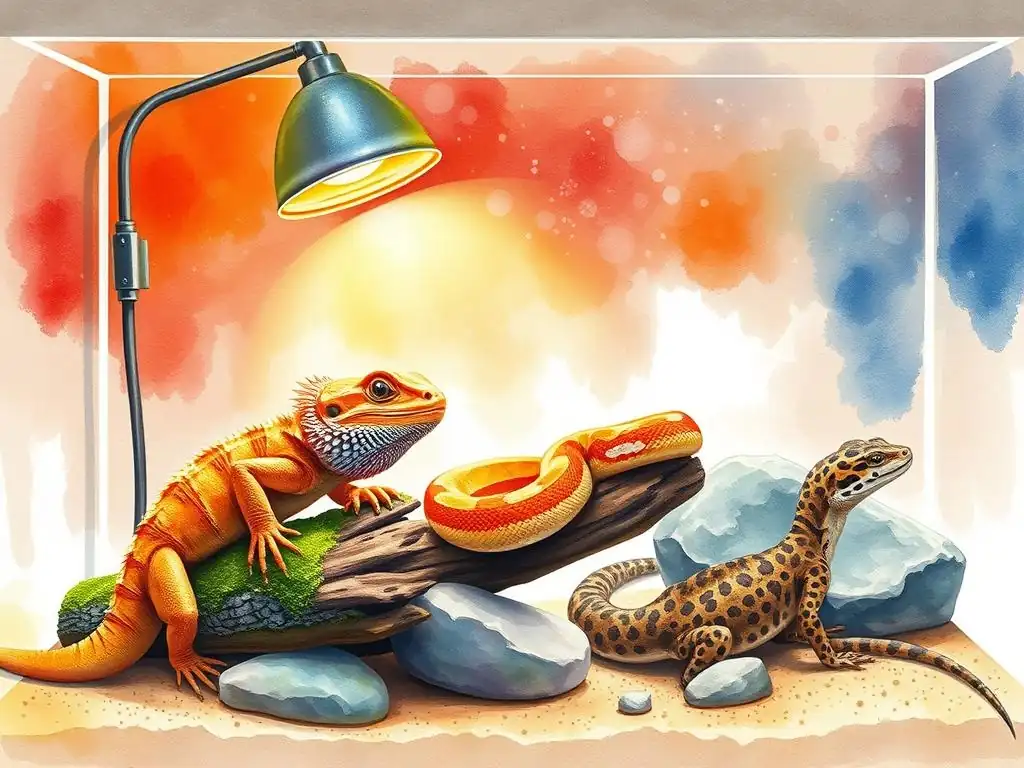
Winter presents unique challenges for reptile keepers, demanding careful adjustments to maintain optimal temperatures for our scaly companions. Fluctuations in ambient temperature due to "reptile heating weather changes" can significantly impact their health and well-being. This section focuses on proactive strategies to ensure your reptile thrives throughout the colder months. Understanding your reptile's specific needs—species, age, and overall health—is crucial before implementing any heating adjustments.
Maintaining Consistent Temperatures During Cold Snaps
Sudden drops in ambient temperature, often associated with unexpected cold snaps, pose a significant risk to reptiles. Maintaining consistent temperatures is paramount during these periods. Simply relying on a thermostatically controlled heat lamp or under-tank heater might not be sufficient during extreme weather events. Consider supplemental heating sources, such as ceramic heat emitters (CHEs), which provide heat without emitting light, potentially disrupting your reptile's natural sleep-wake cycle.
It is crucial to monitor temperatures frequently using multiple accurate thermometers—one near the basking spot, one at the cool end, and one measuring the ambient air temperature. Keep a detailed log of these readings to track any significant fluctuations and adjust your heating strategy accordingly. Remember, even a few degrees of deviation from the ideal temperature range can cause stress and potentially lead to health complications.
For example, a bearded dragon typically needs a basking spot temperature of 95-105°F (35-40°C) and a cool end of 75-85°F (24-29°C). During a cold snap, you might need to increase the output of your existing heat source or add a supplementary CHE to maintain these crucial temperature gradients.
Preventing Hypothermia in Reptiles: Signs and Prevention Strategies
Hypothermia, a dangerously low body temperature, is a serious threat to reptiles during periods of fluctuating "reptile heating weather changes." Recognizing the signs is the first step in effective prevention. Symptoms can range from lethargy and reduced appetite to difficulty moving and respiratory distress. In severe cases, hypothermia can be fatal.
Prevention is key. Here's a checklist to minimize the risk:
- Regular Temperature Monitoring: As mentioned before, consistent monitoring with multiple thermometers is essential.
- Insulation: Improve insulation in your reptile's enclosure to minimize heat loss. Consider using heat-reflective materials or adding extra layers of substrate.
- Backup Heating: Always have a backup heating system ready in case of power outages or equipment failure. This could include a generator, a battery-powered heating pad, or even strategically placed hot water bottles (wrapped securely to avoid burns).
- Observe Your Reptile: Pay close attention to your reptile's behavior. Any changes in activity level, appetite, or posture warrant immediate investigation and potential adjustments to your heating setup.
- Gradual Adjustments: Avoid drastic changes in temperature. Make gradual adjustments to allow your reptile to acclimate slowly. Sudden shifts can be stressful and harmful.
| Sign of Hypothermia | Description | Action |
|---|---|---|
| Lethargy and inactivity | Reduced movement, lack of interest in surroundings | Increase heating, monitor temperature closely. |
| Reduced appetite | Refusal to eat, even favorite foods | Check for other health issues, ensure proper temperature gradient. |
| Difficulty moving | Slow, uncoordinated movements, difficulty righting itself | Provide supplemental heat, seek veterinary attention if severe. |
| Respiratory distress | Labored breathing, gasping | Increase ambient temperature, seek veterinary attention immediately. |
| Muscle tremors or weakness | Visible shaking or weakness in limbs | Provide gentle warmth, seek veterinary attention. |
| Dullness or discoloration of skin | Loss of vibrancy in skin color | Check temperature, hydration, and seek veterinary attention if concerned. |
Utilizing Under-Tank Heaters (UTHs) for Consistent Bottom Heat
Under-tank heaters (UTHs) are a popular choice for providing consistent bottom heat to reptiles, particularly those species that prefer a warmer substrate. However, their effective use requires careful consideration during "reptile heating weather changes." UTHs alone may not be sufficient during extreme cold, requiring supplemental heating sources as discussed earlier.
When using UTHs, remember these key points:
- Appropriate Wattage: Select a UTH with the appropriate wattage for the size of your enclosure and the species of reptile. Too low a wattage might not provide adequate heat, while too high a wattage can lead to overheating.
- Thermostat Control: Always use a thermostat with your UTH to prevent overheating. This is crucial for safety and to maintain consistent temperatures.
- Placement and Coverage: Ensure the UTH is properly placed and covers a significant portion of the enclosure's floor, creating a thermal gradient.
- Substrate: The type of substrate can impact heat distribution. Certain substrates retain heat better than others. Avoid using substrates that could overheat or pose a fire hazard.
- Regular Inspection: Regularly inspect the UTH for any signs of damage, such as fraying wires or overheating. Replace damaged UTHs immediately.
Remember, responsible reptile ownership includes proactive measures to address seasonal temperature fluctuations. By implementing these strategies and remaining vigilant, you can help ensure your reptile's health and well-being throughout the year. 🐢🌡️
Additional Insulation for Reptile Enclosures During Winter Months
Maintaining a stable temperature within your reptile's enclosure is crucial, especially during the colder months. Simply relying on your primary heat source, like a heat lamp or under-tank heater, might not be sufficient when external temperatures plummet. Adding extra insulation to the enclosure helps to minimize heat loss and prevents significant temperature fluctuations, ensuring a consistent thermal gradient for your reptile. This is especially important for species sensitive to even minor temperature drops. Neglecting proper insulation can lead to stress, illness, and even death in your reptile.
Several methods exist to effectively insulate your reptile enclosure. One simple and cost-effective approach is to use insulating materials like foam board or rigid insulation panels. These can be carefully cut to fit around the enclosure, creating an extra layer of protection against heat loss. Remember to ensure proper ventilation is maintained to prevent the buildup of moisture, which can lead to mold and other health issues for your reptile.
Another option is to use thermal blankets or wraps specifically designed for reptile enclosures. These are generally easy to apply and remove, making them convenient for seasonal use. For larger enclosures, you might consider using a combination of these methods for optimal insulation.
Consider the specific needs of your reptile species when choosing your insulation strategy. Some reptiles require more precise temperature control than others. For example, desert species might need a higher degree of insulation compared to those from more temperate climates. Always research your specific reptile’s needs to ensure you’re providing an appropriate thermal environment. Remember that over-insulation can also be detrimental, leading to overheating.
Regularly monitor the enclosure’s temperature with an accurate thermometer to ensure you maintain the ideal range for your reptile. Consistent monitoring is key to preventing both under- and overheating. This proactive approach will contribute significantly to your reptile's health and well-being throughout the winter months. Regularly checking the insulation for any damage or wear and tear is also important, ensuring its continued effectiveness. Replacing worn-out insulation promptly will help maintain a consistent temperature within the enclosure and safeguard your pet's health.
Summer Heat Management for Reptiles
Summer presents unique challenges for reptile keepers, as ambient temperatures can quickly escalate, leading to potentially fatal overheating in our scaly companions. Successfully navigating these warmer months requires proactive measures and a keen understanding of your reptile's specific thermal requirements. This section focuses on strategies to mitigate the risks associated with summer heat and ensure your reptile's well-being. Proper reptile heating management during weather changes is crucial for their health and longevity.
Preventing Overheating in Reptiles: Recognizing the Signs of Heat Stress
Heat stress in reptiles manifests in various ways, often subtly at first. Early detection is crucial for preventing serious complications. Signs of overheating can include lethargy, open-mouth breathing (especially noticeable in species that don't typically breathe with their mouths open), seeking cooler areas of their enclosure excessively, and a change in skin color (often darkening). More severe cases can lead to seizures, organ failure, and ultimately, death.
Regular monitoring of your reptile's behavior and physical condition is paramount, especially during heatwaves. Keep a close eye on their activity levels; a significant decrease in activity could signal a problem. Furthermore, consistently monitoring the temperature gradient within the enclosure is essential – using multiple thermometers placed at various points within the habitat will provide a comprehensive picture of the thermal environment.
Remember, even a slight deviation from the ideal temperature range can contribute to heat stress. Consistent monitoring allows for early intervention and prevents minor issues from escalating into major health concerns. The key is to be proactive and observant.
Utilizing Cooling Systems for Reptile Enclosures: Fans and Misting Systems
While providing appropriate heat sources is vital for reptiles, equally important is the ability to effectively cool their environment during periods of extreme heat. Fans and misting systems are two effective cooling methods. Fans, strategically placed to create air circulation, help to prevent the build-up of stagnant, hot air within the enclosure. Remember to avoid directly blowing the fan on the reptile itself, as this can cause a chilling effect.
Instead, focus on circulating the air within the enclosure. Misting systems offer another cooling mechanism, particularly beneficial for species that thrive in more humid environments. A simple misting system can provide temporary relief from the heat and increase humidity levels. However, remember to monitor humidity levels carefully, as excessive moisture can also be detrimental to your reptile's health.
The choice between fans and misting systems, or a combination of both, will depend on your reptile's species-specific needs and the environmental conditions. Always research the specific requirements of your reptile before implementing any cooling system. Consider the size and type of enclosure when choosing a cooling system; a powerful fan may be needed for a large enclosure, while a smaller, quieter fan might suffice for a smaller one. Proper ventilation is crucial – make sure the enclosure has adequate openings for airflow.
Providing Shade and Ventilation in Reptile Habitats
Even with cooling systems in place, providing ample shade and ventilation within the reptile enclosure remains crucial for effective heat management. Shade prevents direct exposure to sunlight, which can rapidly increase the temperature inside the enclosure. This can be achieved using various methods, including placing plants or rocks strategically within the enclosure to create shaded areas, or by using external shading solutions for the enclosure itself. Adequate ventilation is equally important; it allows for the dissipation of heat and prevents the build-up of stagnant, hot air.
Ensure that the enclosure has appropriate ventilation openings, but also take precautions to prevent drafts. Drafts can lead to chilling, which is just as dangerous as overheating. Finding the balance between adequate ventilation and preventing drafts is key to maintaining a stable and safe thermal environment.
Consider using screen mesh or perforated materials for ventilation to ensure airflow while preventing direct exposure to drafts. Remember, each reptile species has unique thermal requirements, so research your specific reptile's needs to determine the optimal level of shade and ventilation necessary to ensure their well-being during periods of extreme heat. By providing adequate shade and ventilation, you create a more comfortable and safer environment for your reptile during the hottest months.
Adjusting Thermostat Settings During Heat Waves
Summer heat waves present a significant challenge for reptile keepers. The ambient temperature can easily exceed the safe operating range for many reptile species, leading to heat stress and potentially fatal consequences. Therefore, proactive adjustment of your reptile's thermostat is crucial during these periods.
Instead of relying solely on the thermostat's pre-programmed settings, closely monitor the actual temperature inside the enclosure using an accurate thermometer placed within the basking area and in the cool side. Many digital thermometers offer both temperature readings and humidity levels, providing a comprehensive overview of your reptile's environment. Remember that even slight deviations from the ideal temperature range can cause discomfort and stress.
During a heat wave, you'll likely need to make adjustments to your thermostat's settings. This might involve lowering the set temperature slightly, perhaps by a degree or two, to compensate for the already elevated ambient temperature. It's important to remember that the thermostat regulates the heating element, not the overall temperature of the enclosure.
If the ambient temperature is already high, the heating element could still cause overheating even if the thermostat is at its usual setting. A gradual reduction is safer than a drastic change, allowing your reptile to adjust slowly. Continuously monitor the enclosure temperature and adjust as needed, erring on the side of caution and aiming for the lower end of your reptile's preferred temperature range during these extreme conditions.
Consider supplementing your primary heating source with additional cooling methods during heat waves. This could include placing a fan near (but not directly on) the enclosure to improve air circulation, or using a cooling tile or rock to provide a cool spot within the enclosure. These supplementary methods can assist in maintaining a more stable temperature gradient, preventing extreme temperature fluctuations within the enclosure. Remember to never place ice directly into the enclosure, as this can cause rapid temperature drops that are harmful to your reptile.
The goal is to create a comfortable and safe environment, even when external temperatures are soaring. Regularly check the temperature and humidity levels, making small adjustments as needed to maintain optimal conditions for your reptile's well-being. Proper monitoring and proactive adjustments are key to ensuring your reptile's safety and comfort during a heat wave.
Choosing the Right Heating Equipment for Your Reptile
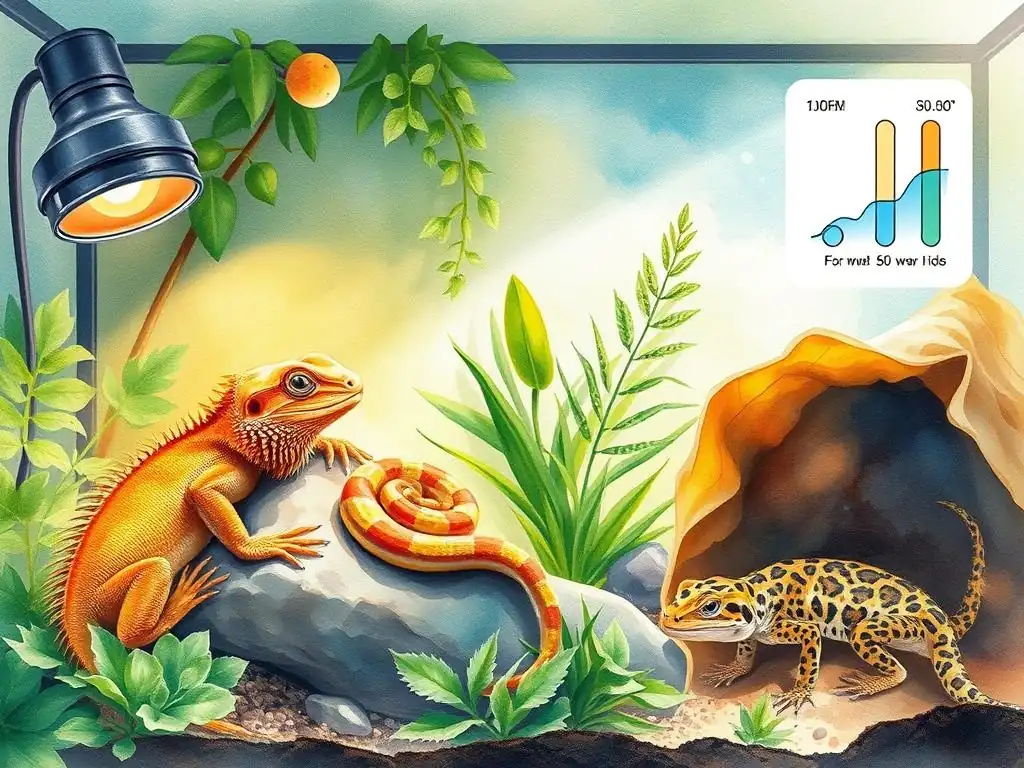
Seasonal changes significantly impact reptile enclosures, necessitating adjustments to maintain optimal temperatures for your scaly friend's health and well-being. Successfully managing reptile heating during weather fluctuations requires careful consideration of several factors, including your reptile's species-specific needs, the ambient temperature of your home, and the type of heating equipment you choose. Understanding these elements is crucial for providing a safe and thriving environment throughout the year.
Ignoring these variations can lead to stress, illness, and even mortality in your reptile. This section will guide you through selecting the appropriate heating equipment and adjusting its use based on the external temperature. Remember, always prioritize the health and comfort of your reptile.
Heat Lamps: Types, Wattage, and Considerations
Heat lamps are a popular choice for providing supplemental heat to reptile enclosures. They come in various types, each with its own advantages and disadvantages. The most common are incandescent, halogen, and infrared heat lamps. The wattage of the lamp is critical and depends on the size of the enclosure and the reptile's thermal requirements. A higher wattage lamp provides more heat but also consumes more energy and generates more heat, potentially leading to overheating if not carefully managed.
- Incandescent Lamps: These are the most affordable option, producing both heat and light. However, they are less efficient than other types, generating more heat than light. They also have a shorter lifespan.
- Halogen Lamps: These lamps are more efficient than incandescent lamps, producing more light and heat for the same wattage. They also have a longer lifespan.
- Infrared Heat Lamps: These lamps emit heat but minimal visible light, making them suitable for nocturnal species or those who prefer a darker environment. They are also often preferred for basking spots, providing focused heat without excessive illumination.
Choosing the right wattage is crucial. A general guideline is to use a wattage that provides a temperature gradient within the enclosure, allowing your reptile to thermoregulate effectively. Using a thermometer with a probe is essential to monitor the basking spot temperature and the overall temperature gradient within the enclosure. Always ensure the lamp is safely secured and out of reach of your reptile to prevent burns or injury. Regularly inspect the lamp and its housing for any signs of damage or wear and tear.
Ceramic Heat Emitters: Benefits and Drawbacks
Ceramic heat emitters (CHEs) are another popular choice for reptile heating, especially for nocturnal species or situations where visible light is undesirable. These emitters produce infrared heat without emitting visible light, allowing for a consistent warm temperature within the enclosure without disturbing the reptile's natural sleep-wake cycle. This makes them ideal for species sensitive to light cycles.
Benefits:
- No visible light: Ideal for nocturnal reptiles or those sensitive to light cycles.
- Consistent heat output: Provides a stable thermal environment.
- Longer lifespan: Compared to incandescent lamps.
- Energy-efficient: Often more energy-efficient than incandescent lamps.
Drawbacks:
- Can be expensive: Initially, the cost can be higher than incandescent lamps.
- Can be hot to the touch: Extreme caution is needed to prevent burns.
- Requires a thermostat: Essential to prevent overheating. A malfunctioning thermostat could lead to dangerously high temperatures.
Under-Tank Heaters (UTHs): Effective Use and Safety Precautions
Under-tank heaters (UTHs) are placed underneath the reptile enclosure and provide heat from below. They are particularly useful for species that prefer a warmer substrate temperature, which aids in digestion and overall well-being. However, UTHs require careful monitoring and safety precautions to prevent burns and overheating.
UTHs are generally safer than other heating methods when used correctly. However, they pose risks if misused. Always use a thermostat with your UTH to regulate the temperature precisely. Never place the UTH directly under the substrate; a protective layer is necessary.
Furthermore, regularly inspect the UTH and its wiring for any signs of damage. Consider using a heat-resistant substrate to prevent overheating and ensure the proper temperature gradient within the enclosure. A malfunctioning thermostat can quickly lead to dangerously high temperatures and severe burns. Regular temperature monitoring with a thermometer is essential.
Regularly inspect the UTH for damage and replace it when necessary. This ensures the safety and well-being of your reptile. Remember, a safe and well-regulated heating system is crucial for the health of your reptile, especially during seasonal weather changes. Proper use of your chosen heating method and regular monitoring will help you maintain a comfortable and safe environment for your pet.
Thermostats for Reptile Enclosures: Choosing the Right Model
Maintaining a consistent temperature within your reptile enclosure is crucial for your pet's health and well-being. Fluctuations in temperature can lead to stress, illness, and even death. This is where a reliable thermostat becomes indispensable. A thermostat acts as a crucial intermediary between your heating element (heat lamp, heat mat, or ceramic heat emitter) and the power source, ensuring the temperature remains within a safe and optimal range for your specific reptile species. Choosing the right model is paramount, and several factors need consideration.
First, consider the type of heating element you're using. Different thermostats are compatible with different heating devices. Some are designed for heat lamps, while others are better suited for under-tank heaters (UTHs) or ceramic heat emitters (CHEs). Check the thermostat's specifications to ensure compatibility. Incorrect pairing can lead to malfunction and potential harm to your reptile. For instance, a thermostat designed for a high-wattage heat lamp might not be suitable for a low-wattage UTH, leading to inconsistent heating or even overheating.
Next, the size and type of your enclosure matters. Larger enclosures generally require thermostats with a higher wattage capacity. The material of the enclosure also plays a role; glass enclosures retain heat differently than wooden or plastic ones, influencing the thermostat's performance.
A thermostat designed for a small glass terrarium might not be sufficient for a large wooden enclosure. Always check the thermostat's specifications to ensure it's appropriate for your enclosure's size and material. Using an underpowered thermostat in a large enclosure could lead to insufficient heating, while an overpowered one in a small enclosure could result in dangerous overheating.
Furthermore, the accuracy and precision of the thermostat are critical. Look for models with a digital display offering precise temperature readings and adjustments. A high-quality thermostat will maintain the set temperature with minimal fluctuation. The accuracy of the temperature control directly impacts your reptile's health. Consider models with an alarm function to alert you to any significant temperature deviations. This proactive measure can prevent potentially harmful temperature fluctuations before they become critical. For example, a sudden drop in temperature can be quickly addressed, preventing stress or illness in your reptile.
Finally, consider additional features. Some thermostats offer programmable settings, allowing you to create a temperature profile that mimics natural diurnal temperature variations. Others have multiple probe options for more precise temperature monitoring in different areas of the enclosure. These advanced features can enhance the accuracy and effectiveness of temperature regulation, promoting a healthier environment for your reptile.
However, these advanced features often come at a higher price point. Weigh the benefits against your budget and the specific needs of your reptile. Investing in a high-quality thermostat, even with added features, is a worthwhile investment in your reptile's health and longevity. The peace of mind knowing your reptile's environment is consistently regulated is invaluable.
Troubleshooting Reptile Heating Issues Based on Weather
Seasonal shifts in temperature significantly impact the thermal requirements of reptiles. Maintaining a stable and appropriate temperature gradient within their enclosure is crucial for their health and well-being. Failure to adapt heating systems to these changes can lead to serious health problems, including hypothermia and hyperthermia. This section will guide you through troubleshooting common reptile heating issues arising from fluctuating weather. Understanding the interplay between external weather conditions and your reptile's heating setup is key to proactive reptile care and preventing potential emergencies. Remember, proactive monitoring and adjustments are far better than reactive crisis management.
Diagnosing and Addressing Uneven Heating in Reptile Enclosures
Uneven heating is a common problem exacerbated by weather changes. A drastic drop in ambient temperature, for example, might cause one side of the enclosure to remain adequately heated while the other becomes dangerously cold. This can be especially problematic for species requiring a significant thermal gradient.
To diagnose this issue, use a reliable digital thermometer to measure temperatures at multiple points within the enclosure. Record these temperatures at various times throughout the day and night. Pay close attention to the basking spot temperature, the cool side temperature, and the overall temperature range. A healthy gradient should exist, but the overall temperature should remain within the species-specific optimal range.
Addressing uneven heating often involves adjusting the placement and intensity of heat sources. Consider these steps:
- Relocate Heat Lamps: If the heat lamp is too close to one side, it will create an uneven distribution of heat. Experiment with repositioning the lamp to achieve a more even spread.
- Adjust Heat Mat Placement: Under-tank heaters (UTHs) should be partially covered to prevent overheating and ensure even heat distribution. Consider using a thermostat to regulate the UTH and prevent overheating.
- Improve Enclosure Insulation: Poorly insulated enclosures lose heat more rapidly during cold snaps. Adding insulation to the walls and base of the enclosure can help maintain a more consistent temperature.
- Add Supplemental Heat Sources: In extreme weather conditions, consider adding supplemental heat sources like ceramic heat emitters (CHEs) or heat rocks, but always use a thermostat to avoid overheating.
Dealing with Malfunctioning Heating Equipment
Malfunctioning heating equipment is a serious threat to your reptile’s health, particularly during adverse weather. A malfunctioning thermostat, a faulty heat lamp, or a broken heating element can lead to dangerous temperature fluctuations.
Regularly inspect all heating equipment for signs of damage or wear and tear. Look for frayed wires, cracked bulbs, or malfunctioning thermostats. Replace any damaged components immediately. Consider using a second, independent thermometer to verify the accuracy of the thermostat. If the thermostat reading differs significantly from the actual enclosure temperature, replace the thermostat immediately. This type of maintenance is crucial, especially during periods of fluctuating weather. For example, a faulty thermostat during a cold snap could lead to hypothermia, while failure during a heatwave could cause hyperthermia. Regular checks are key to preventative maintenance.
Emergency Protocols for Reptile Hypothermia and Hyperthermia
Reptile hypothermia (low body temperature) and hyperthermia (high body temperature) are life-threatening conditions that require immediate intervention. Early detection and swift action are crucial for improving your reptile's chances of survival.
Signs of Hypothermia: Lethargy, slow movement, difficulty breathing, loss of appetite, and a noticeably cold body temperature.
Signs of Hyperthermia: Lethargy, open-mouth breathing, rapid heartbeat, dehydration, and a noticeably hot body temperature.
Emergency Actions:
- Hypothermia: Gradually increase the enclosure temperature using supplemental heat sources, but monitor closely to prevent sudden temperature changes. Provide a warm bath (carefully controlled temperature!) and seek veterinary attention immediately.
- Hyperthermia: Immediately move the reptile to a cooler location. Provide cool water to drink and mist the reptile lightly. Seek veterinary attention immediately.
Remember, prevention is always better than cure. Regular monitoring of your reptile's enclosure temperature, coupled with proactive maintenance of your heating equipment, is crucial for avoiding these emergencies, especially during significant weather changes. Understanding your reptile's specific needs and adapting their heating setup accordingly will ensure their health and well-being throughout the year.
Long-Term Reptile Heating Strategies for Seasonal Changes
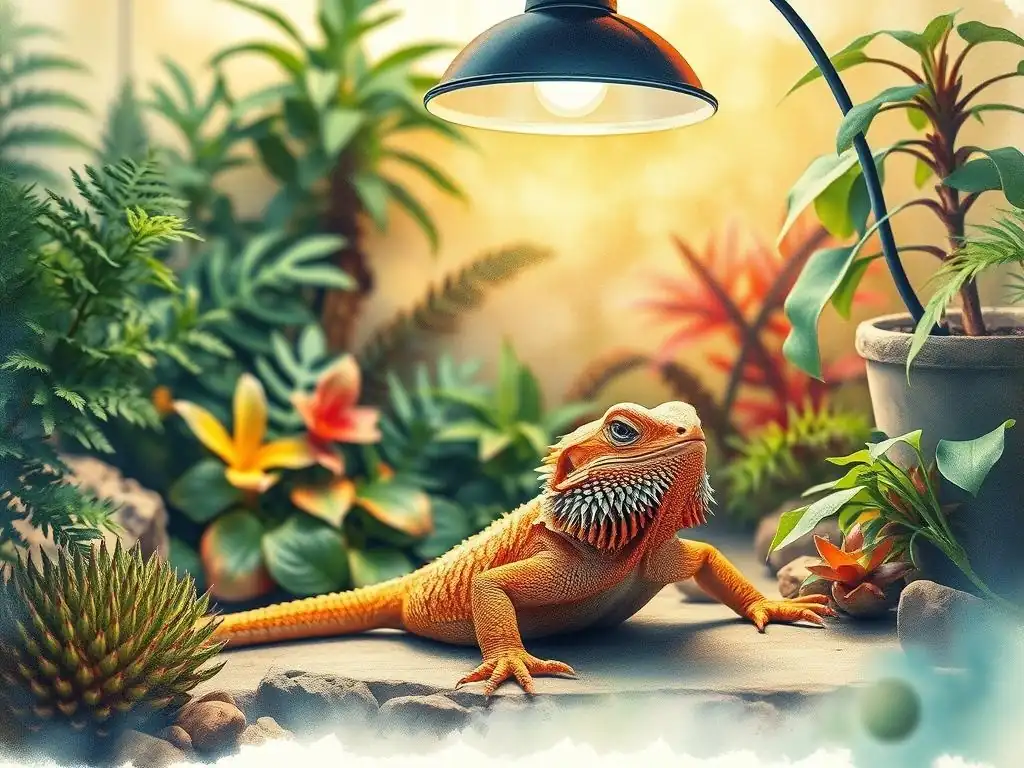
Maintaining a consistent thermal environment for your reptile is crucial year-round, but seasonal weather changes present unique challenges. A proactive, long-term strategy is essential to prevent thermal stress and ensure your reptile's well-being. This involves understanding your reptile's specific needs, anticipating seasonal shifts, and implementing preventative measures. Ignoring these shifts can lead to health issues, impacting your reptile's appetite, activity levels, and overall health. Remember, even small temperature fluctuations can significantly affect ectothermic animals like reptiles.
Creating a Year-Round Reptile Care Plan
A comprehensive reptile care plan should account for seasonal temperature variations. This isn't just about adjusting the thermostat; it's about creating a robust system that anticipates and mitigates potential problems. Consider these key elements:
- Species-Specific Needs: Different reptiles have vastly different thermal requirements. A desert tortoise requires much higher temperatures than a leopard gecko. Research your reptile's ideal temperature range (both basking and ambient) and humidity levels. Note these down and keep them readily accessible.
- Predicting Seasonal Shifts: Monitor your local weather forecasts. Anticipate periods of extreme heat or cold well in advance. This allows you to adjust your heating system gradually, preventing sudden shocks to your reptile's environment.
- Backup Heating Systems: Having a backup heating system is crucial. Power outages can be devastating, especially during harsh weather. Consider a secondary heating source, such as a heat lamp with a battery backup or a generator.
- Gradual Adjustments: Avoid abrupt changes in temperature. Make adjustments gradually over several days to allow your reptile to acclimate. Sudden temperature drops or increases can cause significant stress.
- Temperature Monitoring: Invest in accurate and reliable temperature gauges. Place them strategically throughout the enclosure to ensure consistent temperature distribution. Regularly check these gauges, especially during seasonal transitions.
Regular Maintenance of Heating Equipment
Regular maintenance is vital for the longevity and effectiveness of your reptile's heating system. Neglecting maintenance can lead to malfunctions, potentially endangering your reptile. Here's a maintenance schedule:
| Maintenance Task | Frequency | Importance |
|---|---|---|
| Inspect heating elements | Weekly | Check for cracks, fraying wires, or other signs of damage. |
| Clean heating elements | Monthly | Remove dust and debris to ensure efficient heat distribution. |
| Check thermostat accuracy | Monthly | Verify that the thermostat is accurately maintaining the desired temperature. |
| Replace bulbs/heat emitters | As needed (check manufacturer's recommendations) | Burnt-out bulbs or worn-out emitters can lead to inconsistent heating. |
| Inspect wiring and connections | Annually | Check for any loose connections or damage to the wiring. |
Regular maintenance not only prolongs the life of your equipment but also ensures the consistent and safe heating of your reptile's enclosure. Remember to always unplug the equipment before cleaning or performing maintenance.
Observing Your Reptile's Behavior for Signs of Thermal Distress
Your reptile's behavior is a crucial indicator of its thermal comfort. Learn to recognize signs of thermal distress, which can manifest in various ways:
- Lethargy: Unusual inactivity or sluggishness could indicate that the reptile is too cold or too hot.
- Excessive Basking: If your reptile is spending significantly more time basking than usual, it might suggest that the ambient temperature is too low.
- Seeking Shade: Conversely, if your reptile is constantly seeking shade, it might indicate that the basking temperature is too high.
- Changes in Appetite: A decrease in appetite could be a sign of thermal stress.
- Respiratory Issues: Difficulty breathing could be a sign of overheating.
Remember, early detection is crucial. If you observe any of these signs, immediately check your enclosure's temperature and humidity levels. Adjust as needed, and consult a veterinarian if the problem persists. Regular observation is key to preventing serious health issues caused by incorrect reptile heating in fluctuating weather. 🦎
Resources and Further Reading on Reptile Heating
This section provides supplemental resources to further your understanding of reptile heating and its adjustments based on seasonal weather changes. Proper heating is crucial for reptile health and wellbeing; understanding the nuances of thermoregulation is key to responsible reptile ownership. This information complements the main article and offers avenues for continued learning.
Recommended Books and Websites on Reptile Care
Investing in reputable resources is vital for responsible reptile ownership. While this article provides a solid foundation on adapting reptile heating to weather changes, deeper dives into reptile care are always beneficial. Here are some examples of resources that offer comprehensive information on reptile care, encompassing heating, lighting, nutrition, and overall wellbeing:
- Books: Look for books specifically focusing on the species you own. General reptile care books can be helpful, but species-specific guides often provide more detailed and accurate information on temperature requirements, humidity levels, and other crucial aspects of care. Pay attention to publication dates, ensuring the information is up-to-date with current best practices. Consider searching for titles focusing on "reptile husbandry" or "reptile keeping" for comprehensive guides.
- Websites: Numerous websites offer valuable information, but always verify their credibility. Look for sites backed by reputable herpetological societies, experienced reptile keepers, or veterinary professionals. Beware of information found on less credible sources, as misinformation can be detrimental to your reptile's health. Cross-referencing information across multiple reliable sources is always recommended. Remember to consider the source's expertise and potential biases when evaluating information.
The quality of information varies greatly, so critical evaluation is crucial. Look for resources that cite scientific studies and avoid those relying solely on anecdotal evidence. Remember, your reptile's health is paramount.
Reptile Veterinary Resources and Consultations
While books and websites can provide valuable information, consulting a reptile veterinarian is essential, especially when dealing with health concerns related to temperature fluctuations or other care issues. A qualified reptile veterinarian can provide personalized advice based on your reptile's species, age, and individual needs. They can also diagnose and treat any health problems that may arise from improper heating or other husbandry issues.
Finding a reptile veterinarian might require some research. Not all veterinary practices specialize in reptile care. Herpetological societies or reptile rescue organizations often maintain lists of veterinarians experienced with reptiles. Regular check-ups, even for seemingly healthy reptiles, are highly recommended. These check-ups allow for early detection of potential problems and ensure your reptile receives the best possible care. Proactive veterinary care is significantly more effective and less costly than reactive care following a health crisis. Remember to document all veterinary visits and recommendations for your reptile's health records. This information will prove invaluable in the long run.
Frequently Asked Questions
How do weather changes affect my reptile's heating needs?
Fluctuating temperatures outside directly impact the ambient temperature inside your reptile's enclosure. This can lead to dangerous temperature drops or spikes, requiring adjustments to your heating system. Monitor temperatures closely during seasonal transitions.
What are the signs my reptile is too cold or too hot?
Signs of being too cold include lethargy, loss of appetite, and difficulty moving. Signs of being too hot include open-mouth breathing, excessive thirst, and hiding in unusually cool spots. Immediate action is needed if you observe these symptoms.
How can I adjust my reptile's heating during colder weather?
Increase the duration or intensity of your heating source, such as a heat lamp or under-tank heater. Consider adding a thermostat for precise temperature control. Always monitor temperatures regularly to ensure your reptile remains within its optimal range.
What about adjusting heating during warmer weather?
During warmer months, you may need to reduce the duration or intensity of your heating sources. Ensure proper ventilation to prevent overheating. Monitor temperatures closely and adjust as needed to maintain the ideal temperature range for your specific reptile species.
What types of heating are best for adjusting to weather changes?
Ceramic heat emitters provide consistent heat without emitting light, suitable for nighttime heating. Under-tank heaters provide radiant heat from below, while heat lamps provide both heat and light, simulating natural basking areas. Choose based on your reptile's specific needs and the level of temperature control required.
Final Reflection: Embracing the Rhythm of Nature in Reptile Care
The impact of fluctuating weather patterns on reptile health is undeniable, demanding a proactive and adaptable approach to their care. Ignoring the subtle shifts in temperature and humidity can have severe consequences, impacting their well-being and even survival. This underscores the crucial need for responsible reptile ownership in a world facing increasingly unpredictable climates.
The responsibility of providing a stable and appropriate environment for our reptile companions extends beyond simply meeting basic needs; it's about understanding and responding to the natural rhythms that govern their lives. The greatest danger for most of us is not that our aim is too high and we miss it, but that it is too low and we reach it.
This quote, while not directly about reptiles, speaks to the importance of setting high standards in animal care, ensuring we strive for optimal well-being, not just mere survival. The ongoing challenge lies in continuously learning and adapting our practices to better understand and meet the evolving needs of our scaled friends.
Consider the implications of this knowledge. Are you prepared to adjust your reptile's heating and humidity levels as the seasons change? Do you monitor temperature fluctuations closely and make necessary adjustments? Take the time to observe your reptile's behavior and adjust their environment accordingly. By embracing a proactive and adaptable approach, you can ensure the health and happiness of your reptile companion for years to come. Let's work together to create a future where responsible reptile ownership is the norm, ensuring these fascinating creatures thrive in our care.
Unleash Your Reptile's Inner Sunbather!
Thank you for learning how to keep your scaly friend comfortable throughout the year. We hope you feel confident adjusting their heating setup! Ready to put your new knowledge into practice?
- Prioritize your reptile's thermal needs: Carefully monitor your reptile's basking spot temperature and adjust the heating elements as needed to maintain the ideal temperature range for its species. This is crucial for its well-being.
- Gradually adjust heat lamps: Experiment with different bulb wattages and timer settings to fine-tune the temperature gradient within your reptile's enclosure.
- Share your reptile care tips!: Join our PetCareWorld community and share your successful strategies with other reptile owners. This helps others and expands your knowledge.
What small adjustment are you most excited to make to improve your reptile's comfort this season?