
Beyond the Basics: Advanced Strategies for Wet and Dry Cat Food Selection

Welcome to PetCareWorld, your ultimate guide to a happier, healthier life for your beloved pets! Are you ready to unlock the secrets to providing optimal nutrition for your feline friend? Our in-depth exploration of the Best wet and dry cat food goes beyond simple recommendations, offering advanced strategies to ensure your cat receives the perfect balance of nutrients. Discover how the right food can transform your cat's health and well-being – dive in and learn more!
- Understanding Your Cat's Nutritional Needs: A Foundation for Choosing the Best Wet and Dry Cat Food
- Deciphering Cat Food Labels: Ingredients, Guarantees, and Claims
- Best Wet and Dry Cat Food: A Comparative Analysis of Food Types
-
Choosing the Right Wet and Dry Cat Food Based on Specific Needs
- Best Wet and Dry Cat Food for Kittens: Supporting Growth and Development
- Best Wet and Dry Cat Food for Adult Cats: Maintaining Health and Vitality
- Best Wet and Dry Cat Food for Senior Cats: Addressing Age-Related Changes
- Best Wet and Dry Cat Food for Cats with Sensitive Stomachs: Minimizing Digestive Upset
- Best Wet and Dry Cat Food for Cats with Allergies: Identifying and Avoiding Allergens
- Transitioning Between Wet and Dry Cat Food: A Smooth and Safe Process
- Combining Wet and Dry Food: Optimizing Hydration and Nutrition
- Supplementing Your Cat's Diet: Enhancing Nutritional Intake
- Maintaining Optimal Cat Health Through Proper Nutrition: Long-Term Strategies
-
Frequently Asked Questions
- What are the key differences between wet and dry cat food?
- How do I choose the best wet and dry cat food for my cat's age and health condition?
- What ingredients should I look for (and avoid) in high-quality wet and dry cat food?
- Can I mix wet and dry cat food? Is it beneficial?
- How can I determine if my cat is getting the right amount of wet and dry cat food?
- Final Reflection: Nourishing the Purrfect Life: A Deeper Dive into Feline Nutrition
- Unlock Your Cat's Nutritional Potential!
Understanding Your Cat's Nutritional Needs: A Foundation for Choosing the Best Wet and Dry Cat Food
Choosing the best wet and dry cat food isn't just about picking a brand name off the shelf; it's about understanding your feline companion's unique nutritional requirements and tailoring their diet to support their overall health and well-being. This in-depth guide will move beyond basic recommendations, delving into advanced strategies to help you select the optimal wet and dry food combinations for your cat, maximizing their nutrition and minimizing potential health risks. We'll explore factors like age, activity levels, pre-existing health conditions, and individual sensitivities to guide you toward making informed decisions that truly benefit your cat.
Finding the best wet and dry cat food is a journey of understanding, and this article serves as your comprehensive roadmap. Ultimately, providing your cat with the right nutrition contributes significantly to their longevity, happiness, and vibrant life. Let's embark on this journey together!
Assessing Your Cat's Age and Life Stage: Kitten, Adult, or Senior?
A cat's nutritional needs change dramatically throughout its life. Kittens, for example, require significantly higher caloric intake and different nutrient ratios than adult cats to support their rapid growth and development. Their food should be specifically formulated for kittens, with higher levels of protein, fat, and essential vitamins and minerals.
Adult cats, on the other hand, need a balanced diet that maintains their muscle mass and supports their overall health. Senior cats often require food with lower calorie density, easier digestibility, and added support for their age-related health concerns, such as joint health or kidney function.
Understanding these differences is crucial for selecting the appropriate wet and dry food combination. For example, a kitten might thrive on a high-protein wet food supplemented with a kitten-specific dry kibble, whereas a senior cat might benefit from a combination of easily digestible wet food and a senior-formula dry food, potentially with added glucosamine and chondroitin for joint support.
Identifying Specific Dietary Requirements: Allergies, Sensitivities, and Health Conditions
Many cats suffer from food allergies or sensitivities, which can manifest as skin problems, digestive upset, or other health issues. Common allergens include certain proteins (like chicken or beef), grains, and dairy products. If your cat has known allergies or sensitivities, selecting a hypoallergenic or limited-ingredient diet is essential. Similarly, cats with pre-existing health conditions, such as diabetes, kidney disease, or urinary tract issues, often require specialized diets formulated to address their specific needs.
These diets might be lower in phosphorus, sodium, or magnesium, or they might contain added nutrients to support organ function. Consulting with your veterinarian is crucial in identifying any specific dietary requirements your cat might have and choosing a wet and dry food combination that addresses these needs. Ignoring these specific needs can significantly impact their health and well-being. Careful selection, informed by veterinary advice, is paramount.
Considering Activity Levels and Caloric Needs: Tailoring Food to Your Cat's Lifestyle
A highly active cat will require a higher caloric intake than a less active indoor cat. Indoor cats, especially those that are overweight or obese, may need a lower-calorie diet to maintain a healthy weight. Observing your cat's activity level and body condition score is crucial in determining the appropriate calorie intake. Consider factors like playtime, exercise, and overall energy levels when selecting food. You might need to adjust the portion sizes of both wet and dry food accordingly.
Monitoring your cat's weight regularly and adjusting their food intake as needed will prevent obesity, a significant health risk for cats. Finding the right balance between wet and dry food, and adjusting portions based on activity levels, is critical for maintaining your cat's ideal weight and overall health. A healthy, active cat is a happy cat! 😻
Deciphering Cat Food Labels: Ingredients, Guarantees, and Claims
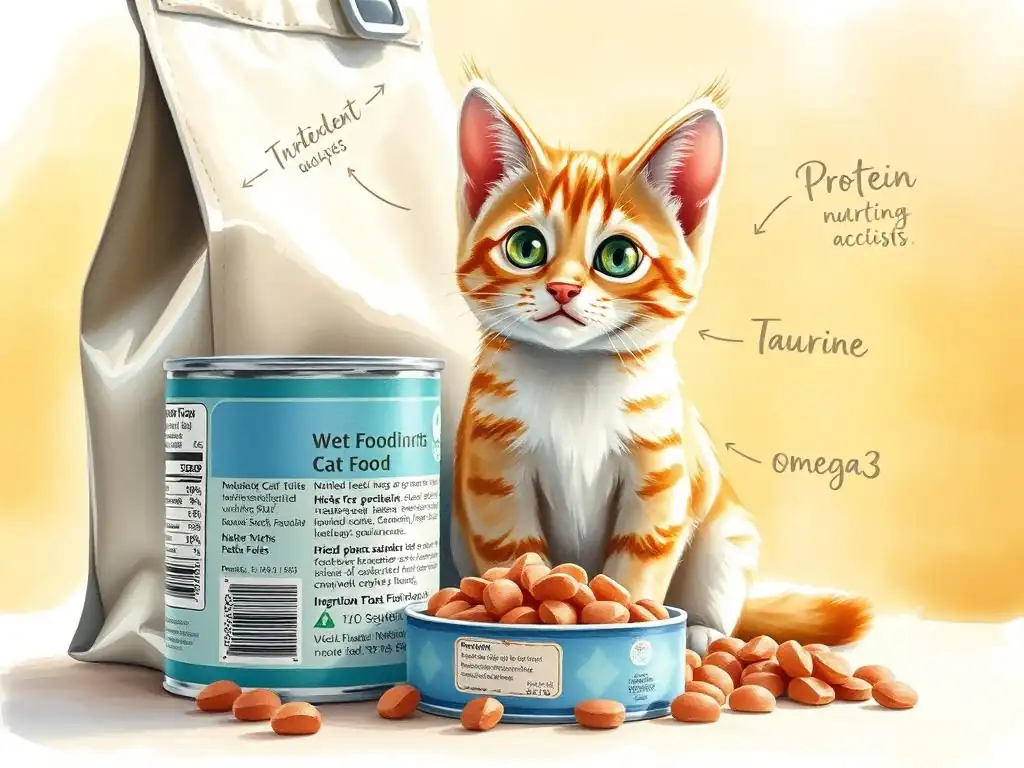
Choosing the best wet and dry cat food requires more than just looking at the pretty pictures on the packaging. Understanding what's actually in the food is crucial for your cat's health and well-being. This section dives deep into interpreting cat food labels, empowering you to make informed decisions about your feline companion's diet. We'll explore the guaranteed analysis, ingredient lists, and often misleading marketing claims, arming you with the knowledge to select the best wet and dry cat food for your individual cat's needs.
Understanding Guaranteed Analysis: Protein, Fat, Fiber, and Moisture Content
The "Guaranteed Analysis" section on a cat food label provides minimum and maximum percentages of crucial nutrients. While not a complete picture, it offers a valuable snapshot of the food's composition. Let's break down the key components:
- Protein: This is essential for muscle growth, repair, and overall health. Look for a minimum protein percentage appropriate for your cat's life stage (kittens need higher protein than adult cats). A higher percentage doesn't automatically mean better quality, but it indicates a more protein-rich formula. For example, a high-quality kitten food might boast a minimum of 30% crude protein.
- Fat: Fat provides energy and helps with the absorption of fat-soluble vitamins. A balance is key; too little fat can lead to deficiencies, while excessive fat contributes to obesity. The ideal fat percentage varies based on your cat's age, activity level, and health condition.
- Fiber: Fiber aids in digestion and can help prevent constipation. While some fiber is beneficial, excessive fiber can interfere with nutrient absorption. The ideal amount depends on individual cat needs.
- Moisture Content: This indicates the percentage of water in the food. Wet food typically has a much higher moisture content than dry food, contributing to better hydration. This is particularly important for cats prone to urinary tract issues.
Here's a sample Guaranteed Analysis for comparison:
| Nutrient | Minimum (%) | Maximum (%) |
|---|---|---|
| Crude Protein | 32 | 36 |
| Crude Fat | 18 | 22 |
| Crude Fiber | 4 | 6 |
| Moisture | 70 | 75 |
Remember, comparing guaranteed analyses across different brands requires careful consideration, as methodologies can vary slightly.
Decoding Ingredient Lists: Identifying Key Ingredients and Potential Allergens
The ingredient list, ordered by weight from highest to lowest, is crucial for assessing the quality and suitability of the food. Pay close attention to the first few ingredients, as they represent the largest portion of the food. Look for:
- Named meat sources: "Chicken," "Turkey," or "Salmon" are preferable to vague terms like "meat by-products."
- Whole grains (in moderation): Whole grains like brown rice or oats can provide fiber, but should not dominate the ingredient list.
- Avoidance of fillers: Artificial colors, flavors, and preservatives should be minimized or avoided altogether.
- Identification of potential allergens: Common allergens include beef, dairy, wheat, soy, and chicken. If your cat has known allergies, carefully scrutinize the ingredient list to ensure these are absent.
For example, a high-quality ingredient list might begin with: "Chicken, chicken liver, brown rice, peas, chicken fat..." This clearly indicates a chicken-based formula with recognizable ingredients. Conversely, a list starting with "meat by-products, corn, wheat..." should raise concerns.
Separating Fact from Fiction: Evaluating Marketing Claims and Promises
Cat food manufacturers often use marketing claims to attract buyers. However, many of these claims are vague or unsubstantiated. Be a discerning consumer and look beyond catchy phrases:
- "Holistic" or "Natural": These terms are not regulated and lack precise definitions.
- "Grain-free": While grain-free diets are suitable for some cats, they aren't necessarily superior for all cats.
- "Complete and Balanced": This is a legally required statement for foods meeting Association of American Feed Control Officials (AAFCO) standards, but it doesn't guarantee superior quality.
- Specific health claims: Claims about improving coat shine, boosting energy, or supporting joint health should be viewed with skepticism unless backed by scientific evidence.
Always prioritize ingredient lists and guaranteed analysis over marketing buzzwords when choosing the best wet and dry cat food. Remember, the best food for your cat is one that meets their individual nutritional needs and preferences, while also aligning with your budget and values. 😻
Best Wet and Dry Cat Food: A Comparative Analysis of Food Types
This section delves into a detailed comparison of wet and dry cat food, analyzing their respective advantages and disadvantages to help you make an informed decision about the best food for your feline companion. Choosing the best wet and dry cat food depends heavily on your cat's individual needs and your lifestyle. We'll explore the nuances of each type to guide you towards a choice that optimizes your cat's health and happiness.
Wet Food Advantages: Higher Moisture Content, Palatability, and Digestive Benefits
Wet cat food boasts a significantly higher moisture content compared to its dry counterpart. This is crucial for feline hydration, as cats are naturally predisposed to dehydration. Many cats simply don't drink enough water, and wet food helps compensate for this deficiency, reducing the risk of urinary tract issues – a common problem in cats. The increased moisture content also makes wet food easier to digest, potentially benefiting cats with sensitive stomachs or digestive problems.
Furthermore, the texture and aroma of wet food are often more appealing to cats. Many find the strong, savory scent and soft, palatable consistency more enticing than dry kibble. This is especially beneficial for picky eaters or senior cats with dental issues that make chewing dry food difficult. The added moisture also contributes to a smoother, more palatable texture. The higher protein content in many wet food formulations also contributes to a healthier, shinier coat.
Finally, some high-quality wet foods contain added taurine, an essential amino acid crucial for feline heart and eye health. Always check the ingredient list to ensure your chosen wet food meets these nutritional requirements. While not all wet foods offer this benefit, it's a significant advantage to consider when comparing options.
Wet Food Disadvantages: Cost, Storage, and Potential for Spoilage
While offering significant health benefits, wet food also presents some drawbacks. The most prominent is cost. Wet food generally costs considerably more per calorie than dry food, making it a more expensive option for long-term feeding. This price difference can be substantial, particularly for owners with multiple cats.
Storage is another concern. Wet food needs refrigeration after opening, limiting its shelf life and requiring more careful management. Unlike dry food, which can be stored at room temperature for extended periods, opened cans or pouches of wet food must be discarded after a few days to prevent bacterial growth and spoilage. This can lead to food waste if your cat doesn't consume the entire portion.
The potential for spoilage is directly related to storage. Improper refrigeration or leaving opened cans at room temperature can lead to bacterial contamination, posing a health risk to your cat. Meticulous attention to storage guidelines is therefore essential when feeding wet food.
Dry Food Advantages: Convenience, Cost-Effectiveness, and Dental Benefits
Dry cat food offers several advantages, primarily its convenience and cost-effectiveness. It has a much longer shelf life than wet food, both unopened and after opening (though it's recommended to store it in an airtight container). This eliminates the need for refrigeration and reduces the risk of spoilage. Dry kibble is also generally much cheaper per calorie than wet food, making it a more budget-friendly option for many pet owners.
The crunchy texture of dry kibble contributes to improved dental hygiene. The act of chewing helps scrape away plaque and tartar buildup on your cat's teeth, potentially reducing the risk of periodontal disease. This is a significant advantage, as dental problems are common in cats. Many dry food formulations also contain added ingredients designed to further support dental health.
Finally, dry food is incredibly convenient. It requires minimal preparation and can be left out in a bowl for your cat to graze on throughout the day. This is particularly useful for busy owners or those who may not be home to provide fresh food at specific times. The extended shelf-life also makes it ideal for travel or emergency situations. The ease of dispensing and storing also makes it a practical choice for multiple cats.
Dry Food Disadvantages: Lower Moisture Content, Potential for Dehydration
Dry cat food, while convenient and often more affordable than wet food, presents some drawbacks concerning hydration. The lower moisture content is a significant concern. Cats, unlike humans, don't inherently drink a lot of water, relying instead on their food for a considerable portion of their daily fluid intake. Dry kibble typically contains only around 10% moisture, compared to the 70-80% found in wet food. This significant difference can lead to dehydration, particularly in cats who are already predisposed to urinary tract issues or those who simply don't drink enough water.
Dehydration can manifest in various ways, from lethargy and decreased appetite to more serious health problems like urinary tract infections (UTIs) and kidney disease. These conditions can be incredibly painful and expensive to treat, highlighting the importance of considering hydration when choosing a cat food. Many owners mistakenly believe that simply providing a water bowl is sufficient, but for cats reliant on food for hydration, dry food alone may not be enough to maintain optimal fluid balance. Therefore, supplementing dry food with extra water or choosing a higher-moisture dry food option can be beneficial, though it's crucial to remember that even the highest-moisture dry foods still fall short of wet food in this regard. Careful monitoring of your cat's hydration level is essential, particularly if you primarily feed them dry kibble.
Signs of dehydration include sunken eyes, dry gums, and lethargy. If you observe these symptoms, consult your veterinarian immediately. The long-term health consequences of chronic dehydration can be severe, emphasizing the need for a balanced and informed approach to feline nutrition that prioritizes optimal hydration. The best wet and dry cat food choices should therefore take this critical aspect of feline health into account.
Choosing the Right Wet and Dry Cat Food Based on Specific Needs

Selecting the best wet and dry cat food isn't a one-size-fits-all affair. The ideal diet significantly depends on your cat's life stage, health conditions, and individual preferences. Ignoring these factors can lead to nutritional deficiencies, weight problems, and even long-term health issues.
This section dives deep into tailoring your cat's diet based on their specific needs, helping you make informed choices for a happier, healthier feline companion. We'll explore the nutritional nuances of different life stages and how to find the best wet and dry food options to support them. Remember, consulting with your veterinarian is always recommended before making significant dietary changes.
Best Wet and Dry Cat Food for Kittens: Supporting Growth and Development
Kittens are in a period of rapid growth and development, requiring a diet packed with essential nutrients to support their burgeoning bodies. The best wet and dry food for kittens should be highly digestible and rich in protein, crucial for muscle development and overall growth. Look for formulas specifically labelled "kitten" or "growth," which are typically higher in calories and essential fatty acids like ARA and DHA, vital for brain development.
These formulas often include higher levels of taurine, an amino acid essential for feline heart health and vision. A deficiency in taurine can lead to serious health complications. Consider the following when choosing kitten food:
- Protein Source: High-quality animal protein sources, such as chicken, turkey, or fish, should be listed prominently on the ingredient list. Avoid fillers like corn, wheat, or soy.
- Fat Content: Adequate fat is necessary for energy and healthy skin and coat. However, excessive fat can lead to obesity, so choose a balanced formula.
- Calorie Density: Kittens need more calories per unit of food than adult cats to fuel their growth. The calorie content should be clearly stated on the packaging.
- Digestibility: Look for easily digestible ingredients to ensure optimal nutrient absorption. Ingredients like prebiotics and probiotics can aid digestion.
Choosing between wet and dry food for kittens often comes down to preference. Wet food is often more palatable and hydrating, while dry food can help with dental health. A combination of both is often ideal. For example, you could feed primarily wet food for the majority of their daily intake and then offer a small amount of dry food as a treat or for dental cleaning.
Remember to monitor your kitten's weight and adjust food portions as needed. A healthy, growing kitten will have a sleek body, easily felt ribs, and a playful demeanor.
Best Wet and Dry Cat Food for Adult Cats: Maintaining Health and Vitality
Adult cats (generally aged 1-7 years) require a balanced diet to maintain their health and vitality. The best wet and dry cat food for adult cats should provide sufficient protein for muscle mass, essential fatty acids for a healthy coat, and adequate fiber for digestive health. While the calorie density is generally lower than kitten food, the nutritional balance remains crucial.
Unlike kittens, adult cats have different nutritional needs. They require a balanced mix of protein, carbohydrates, and fats to maintain their weight and energy levels. Here are some key considerations:
| Nutrient | Importance | Food Source Examples |
|---|---|---|
| High-Quality Protein | Muscle maintenance, energy production | Chicken, turkey, fish, lamb |
| Essential Fatty Acids | Healthy skin and coat, immune function | Salmon oil, flaxseed oil |
| Fiber | Digestive health, prevents constipation | Beet pulp, oat fiber, psyllium husk |
| Taurine | Heart health, vision | Fish, poultry, some plant-based sources |
| Vitamins & Minerals | Overall health, bone strength, immune function | Various sources, check the ingredient list |
The choice between wet and dry food for adult cats often boils down to individual preferences and lifestyle. Many adult cats enjoy a mix of both textures. Dry food provides a convenient option for maintaining dental health and preventing boredom, while wet food offers increased hydration.
Senior cats (generally over 7 years old) experience physiological changes that necessitate adjustments to their diet. As cats age, they may become less active, their metabolism slows down, and they may develop age-related health issues like kidney disease or arthritis. The best wet and dry cat food for senior cats should address these changes.
Senior cat food typically features lower calorie density than adult cat food to prevent weight gain, which can exacerbate joint problems. It often includes higher levels of easily digestible protein to support muscle mass and maintain energy levels. Formulas designed for senior cats often include added supplements to support kidney function and joint health. Consider these points:
- Lower Calorie Density: Prevent weight gain and obesity.
- High-Quality, Easily Digestible Protein: Maintain muscle mass and energy.
- Joint Support Supplements: Glucosamine and chondroitin can help with arthritis.
- Kidney Support: Formulas with reduced phosphorus are often beneficial for cats with kidney issues.
- Increased Moisture Content: Wet food can help with hydration, which is crucial for older cats.
Offering a combination of wet and dry food can be beneficial for senior cats, especially if they struggle with dehydration or have dental issues. Regular veterinary checkups are crucial to monitor your senior cat's health and adjust their diet accordingly. Remember that each cat is unique, and the best food for your senior cat may depend on their individual health status and preferences. Don't hesitate to consult your veterinarian for personalized dietary recommendations.
Best Wet and Dry Cat Food for Cats with Sensitive Stomachs: Minimizing Digestive Upset
Cats with sensitive stomachs can experience frequent vomiting, diarrhea, or other gastrointestinal distress. Selecting the right food is crucial for managing these issues and ensuring your feline friend's comfort. For cats prone to digestive upset, look for wet and dry food options that prioritize easily digestible ingredients. This often means opting for high-quality protein sources like chicken, turkey, or fish, avoiding common allergens like beef and dairy. Furthermore, the food should have limited fillers and artificial additives, which can exacerbate digestive problems. Look for labels that specifically mention "sensitive stomach," "gentle digestion," or similar phrases.
Grain-free options are often beneficial, as grains can be difficult for some cats to digest. However, always check the ingredient list to ensure the grain substitute isn't another potential allergen for your cat. Consider foods with added prebiotics and probiotics, which can support a healthy gut microbiome and improve digestion. Prebiotics act as food for beneficial bacteria, while probiotics introduce beneficial bacteria directly. These additions can significantly reduce the frequency and severity of digestive issues.
Remember, introducing a new food should be done gradually to avoid further upsetting your cat's stomach. Start by mixing a small amount of the new food with their current food, slowly increasing the proportion of the new food over several days. Monitor your cat's bowel movements closely during this transition period.
If symptoms persist or worsen, consult your veterinarian immediately. They can perform tests to identify underlying issues and recommend a suitable dietary plan. Choosing the best wet and dry cat food for a sensitive stomach involves careful ingredient examination and a gradual transition, ultimately prioritizing your cat's comfort and well-being.
Best Wet and Dry Cat Food for Cats with Allergies: Identifying and Avoiding Allergens
Feline allergies, much like human allergies, can manifest in various ways, from skin irritation and itching to digestive problems and respiratory distress. Identifying the allergen is the first step in managing your cat's allergies. Common allergens include proteins from beef, poultry, dairy, fish, and even certain grains like wheat and corn. Once you've identified the culprit—often through veterinary testing or a process of elimination with different food trials—you can select appropriate wet and dry cat foods that exclude the allergen.
When choosing the best wet and dry cat food for a cat with allergies, look for limited-ingredient diets. These formulas typically contain a single, easily identifiable protein source and a limited number of other ingredients, minimizing the risk of exposure to potential allergens. Hydrolyzed protein diets are another option. In these foods, proteins are broken down into smaller fragments, making them less likely to trigger an allergic reaction. However, these options often come at a higher price point.
Novel protein sources, such as venison, rabbit, or duck, can also be beneficial for cats with allergies. These proteins are less common in commercial cat food and therefore less likely to cause a reaction if your cat hasn't been exposed to them before. Always read the ingredient label carefully, paying close attention to any potential cross-contamination warnings. Even if the main protein source is hypoallergenic, other ingredients might trigger a reaction.
Furthermore, ensure the manufacturing facility takes precautions to avoid cross-contamination with other allergens. Consulting with your veterinarian is crucial for creating a tailored dietary plan that addresses your cat's specific allergies and ensures optimal health and well-being. Finding the right food might require some trial and error, but the rewards of a happy, healthy cat are well worth the effort.
Transitioning Between Wet and Dry Cat Food: A Smooth and Safe Process

Switching your cat's food, whether from wet to dry or vice versa, requires a gradual approach to avoid digestive upset. A sudden change can lead to vomiting, diarrhea, and decreased appetite – all undesirable outcomes for both you and your feline companion. The key is patience and a methodical transition plan. Finding the best wet and dry cat food for your cat often involves experimentation and careful observation.
Gradually Introducing New Foods: Preventing Digestive Issues
The most effective method is a slow, incremental transition. Start by mixing a small amount (approximately 25%) of the new food with the old food. Over the course of 7-10 days, gradually increase the proportion of the new food while decreasing the amount of the old food. This allows your cat's digestive system to adjust to the new ingredients and textures. For example:
- Day 1-3: 25% new food, 75% old food
- Day 4-6: 50% new food, 50% old food
- Day 7-10: 75% new food, 25% old food
- Day 11 onwards: 100% new food
Remember to monitor your cat's bowel movements and overall behavior throughout this process. Any signs of digestive distress should prompt a slower transition or a return to the previous food. Consistency is key; sticking to a schedule helps minimize stress for your cat. This careful approach is crucial when searching for the best wet and dry cat food for your pet's specific needs.
Monitoring Your Cat's Response: Identifying Potential Problems
During the transition period, keep a close eye on your cat for any signs of digestive upset. This includes:
- Changes in stool consistency: Look for diarrhea, constipation, or unusual stool color.
- Vomiting: Frequent or forceful vomiting is a clear indication of a problem.
- Changes in appetite: A sudden decrease or increase in food intake warrants attention.
- Lethargy or unusual behavior: Is your cat less playful or more withdrawn than usual?
If you notice any of these symptoms, immediately slow down the transition or revert to the previous food. Consulting your veterinarian is crucial if the issues persist. They can help determine the underlying cause and recommend the best wet and dry cat food options for your cat's specific sensitivities. Remember, a healthy digestive system is fundamental to your cat's overall well-being. Careful monitoring is a vital part of responsible pet ownership.
Combining Wet and Dry Food: Optimizing Hydration and Nutrition
Many cat owners find that combining wet and dry food offers several advantages. Wet food provides essential moisture, crucial for maintaining proper hydration, especially in cats prone to urinary tract issues. Dry food, on the other hand, offers dental benefits by helping to scrape away plaque and tartar, and it can also be a more convenient and cost-effective option for long-term feeding.
The ideal ratio of wet to dry food depends on your cat's individual needs and preferences. Some cats may thrive on a predominantly wet food diet, while others prefer a balance. You can experiment with different ratios to find what works best for your cat. For instance, you might start with a 50/50 ratio and adjust based on your observations.
Always ensure that fresh water is readily available, regardless of the food combination you choose. This approach can help you find the perfect balance to ensure your cat receives optimal nutrition and hydration, contributing to a healthier and happier life. This is a key aspect to consider when deciding on the best wet and dry cat food combination for your pet.
Supplementing Your Cat's Diet: Enhancing Nutritional Intake
Choosing the best wet and dry cat food is a crucial step in providing optimal nutrition, but sometimes a well-balanced diet requires additional support. Supplementing your cat's food can address specific nutritional gaps and enhance their overall health and well-being. This isn't about replacing a complete and balanced diet, but rather about strategically adding components to maximize your feline friend's health. Remember to always consult your veterinarian before introducing any new supplements to your cat's diet, particularly if they have pre-existing health conditions.
Essential Vitamins and Minerals: Addressing Potential Deficiencies
Cats, unlike dogs, have specific nutritional needs that can be challenging to meet solely through commercial cat food, even the "best wet and dry cat food" brands. Certain vitamins and minerals are crucial for various bodily functions, and deficiencies can lead to a range of health problems. For example, a deficiency in taurine, an essential amino acid, can cause heart problems and blindness. While many high-quality cat foods contain adequate taurine, supplementing may be beneficial for certain cats, especially those with specific dietary restrictions or pre-existing health issues.
Similarly, deficiencies in vitamins like vitamin A (crucial for vision and immune function) and vitamin D (essential for calcium absorption and bone health) can occur. These deficiencies are less common in commercially produced foods but can still arise depending on the brand and formulation. It's essential to carefully review the nutritional information on your chosen cat food to ensure it meets the Association of American Feed Control Officials (AAFCO) standards. If you have concerns about potential deficiencies, a blood test conducted by your veterinarian can provide valuable insights.
Here's a table summarizing some essential vitamins and minerals and their roles in feline health:
| Vitamin/Mineral | Role in Feline Health | Potential Deficiency Symptoms |
|---|---|---|
| Taurine | Heart function, vision | Heart problems, blindness |
| Vitamin A | Vision, immune function, reproduction | Night blindness, impaired immune function |
| Vitamin D | Calcium absorption, bone health | Weak bones, muscle weakness |
| Vitamin E | Antioxidant, immune function | Muscle weakness, impaired immune function |
| Iron | Red blood cell production | Anemia |
| Omega-3 Fatty Acids | Coat and skin health, reducing inflammation | Dry, dull coat, skin problems |
Probiotics and Digestive Enzymes: Supporting Gut Health
A healthy gut microbiome is fundamental to a cat's overall health. Probiotics, which are live microorganisms (like bacteria and yeasts), can help maintain a balanced gut flora, improving digestion and nutrient absorption. This is particularly beneficial for cats with sensitive stomachs or those who experience digestive upset from time to time. The "best wet and dry cat food" might not always provide sufficient probiotic support.
Digestive enzymes, on the other hand, aid in the breakdown of food, making nutrients more readily available for absorption. This can be particularly helpful for cats with pancreatitis or other digestive disorders. Choosing a supplement containing enzymes like protease, amylase, and lipase can improve digestion and nutrient utilization. Remember that introducing probiotics or digestive enzymes should be done gradually to avoid upsetting your cat's digestive system.
Always check with your vet before introducing these supplements, especially if your cat is on medication. They can help you determine the appropriate dosage and ensure there are no potential interactions.
Additional Considerations: Treats and Supplemental Foods
While treats should only comprise a small percentage of your cat's daily caloric intake, they can be used to supplement their diet with additional nutrients or to provide enrichment. Opt for treats that are specifically formulated for cats and are low in sugar and fat. Look for treats that contain added vitamins or minerals to further enhance their nutritional profile.
Supplemental foods, such as cat milk or broth (provided it is specifically formulated for cats and low in lactose), can be offered in moderation to provide additional hydration and flavor. However, they should not replace a complete and balanced diet. Always monitor your cat's weight and adjust their food intake accordingly to prevent obesity.
The best approach is a balanced diet of high-quality wet and dry food, supplemented only when necessary and under veterinary guidance. Remember, a holistic approach that considers both the main food source and appropriate supplements is key to providing your cat with the best possible nutrition.
Maintaining Optimal Cat Health Through Proper Nutrition: Long-Term Strategies
Choosing the best wet and dry cat food is a crucial step in ensuring your feline companion thrives. While selecting a high-quality product is essential, long-term health relies on more than just the initial food choice. A holistic approach to nutrition involves consistent monitoring, adjustments, and proactive care.
This section will delve into advanced strategies to maintain your cat's optimal health through proper nutrition, going beyond simply choosing the best wet and dry cat food brands. This includes understanding the importance of regular veterinary checkups, carefully observing your cat's eating habits, and adapting food choices to meet their evolving needs. Remember, providing the best wet and dry cat food is only part of the equation for a truly healthy and happy cat.
Regular Veterinary Checkups: Monitoring Overall Health and Nutrition
Regular veterinary visits are paramount in maintaining your cat's well-being. These checkups aren't just for addressing illnesses; they're crucial for preventative care and nutritional monitoring. Your veterinarian can assess your cat's weight, body condition score (BCS), and overall health, providing valuable insights into their nutritional status. They can also detect subtle signs of nutritional deficiencies or imbalances that might not be immediately apparent.
For example, a yearly blood panel can reveal underlying kidney issues, often impacting dietary needs and indicating the necessity for specific renal diets – a crucial aspect of selecting the best wet and dry cat food for their specific condition. Don't underestimate the power of these routine visits; they are an invaluable tool in optimizing your cat's long-term health and nutritional well-being. Consistent monitoring allows for early detection and intervention, leading to improved outcomes and a longer, healthier life for your beloved pet.
Observing Your Cat's Eating Habits and Bowel Movements: Identifying Potential Problems
Beyond the type of best wet and dry cat food you choose, paying close attention to your cat's eating habits and bowel movements is vital. Changes in appetite, food preferences, or stool consistency can be early warning signs of underlying health problems. For instance, a sudden decrease in appetite could indicate illness, dental issues, or even stress.
Similarly, changes in stool frequency, consistency (diarrhea or constipation), or color can signal digestive problems or other health concerns. Keeping a detailed record of your cat's eating habits and bowel movements—a simple food diary and stool chart can be incredibly helpful—allows you to quickly identify any deviations from the norm and seek veterinary attention promptly. This proactive approach is essential for maintaining your cat's health and well-being.
Early detection significantly improves the chances of successful treatment and prevents more serious complications. Remember, even small changes in your cat's routine can be significant indicators of their overall health.
Adjusting Food Portions and Types: Adapting to Changing Needs
Cats, like humans, have changing nutritional needs throughout their lives. Kittenhood, adulthood, and senior years all require different dietary considerations. What constitutes the best wet and dry cat food for a playful kitten differs significantly from what's optimal for a senior cat with age-related health concerns. Adjusting food portions is also crucial.
Obesity is a common problem in cats, leading to various health issues. Regularly monitoring your cat's weight and adjusting portion sizes accordingly is essential to prevent weight gain. Furthermore, life changes, such as illness, surgery, or increased activity levels, may also necessitate adjustments in both the quantity and type of food.
Consider consulting your veterinarian for personalized recommendations on portion sizes and food types, especially when dealing with specific health conditions. Remember, providing the right amount of the best wet and dry cat food is key to maintaining a healthy weight and preventing related health problems. This adaptability ensures your cat receives the precise nutrition it needs throughout its life stages.
Frequently Asked Questions
What are the key differences between wet and dry cat food?
Wet food generally has a higher moisture content, which can be beneficial for urinary tract health. Dry food is typically more convenient and affordable, offering longer shelf life. The best choice depends on your cat's individual needs and preferences.
How do I choose the best wet and dry cat food for my cat's age and health condition?
Consider your cat's age, activity level, and any existing health problems (e.g., kidney disease, allergies). Kittens need food formulated for growth, while senior cats may require food with joint support. Consult your veterinarian for personalized recommendations.
What ingredients should I look for (and avoid) in high-quality wet and dry cat food?
Look for real meat as the primary ingredient, and avoid artificial colors, flavors, and preservatives. Check for added taurine (essential for cats), and be mindful of potential allergens. Read ingredient lists carefully!
Can I mix wet and dry cat food? Is it beneficial?
Yes, many cat owners successfully mix wet and dry food. This can help increase water intake (by adding wet food) and provide a variety of textures and flavors. It's generally safe, but monitor your cat's consumption and adjust accordingly.
How can I determine if my cat is getting the right amount of wet and dry cat food?
Follow the feeding guidelines on the packaging, adjusting based on your cat's weight, age, and activity level. Monitor your cat's body condition – they should have a clearly defined waist and ribs easily palpable under a thin layer of fat. Consult your vet if unsure.
Final Reflection: Nourishing the Purrfect Life: A Deeper Dive into Feline Nutrition
The choices we make regarding our feline companions' diets directly impact their health, happiness, and longevity. Understanding the nuances of wet and dry cat food selection, beyond simply choosing a brand name, is crucial for responsible pet ownership. This isn't just about feeding a cat; it's about building a strong, healthy partnership based on informed decisions.
The journey into advanced cat food selection reveals a fascinating world of nutritional science and ingredient analysis, far beyond the marketing claims on the packaging. It's a world where understanding protein sources, fat content, and the crucial role of taurine becomes paramount. This understanding has profoundly shaped my own approach to caring for my cats, leading to a deeper appreciation for their unique dietary needs. The best way to find yourself is to lose yourself in the service of others.
– Mahatma Gandhi – While not directly about cats, this quote highlights the rewarding nature of dedicating oneself to the well-being of another being, a sentiment deeply connected to the responsibility of providing optimal nutrition for our pets.
Now, consider your own cat. What have you learned about their individual preferences and dietary requirements? Are you ready to move beyond the basics and delve into the world of ingredient lists and nutritional analysis? Take the time to research, to compare, and to choose the food that truly nourishes your feline friend, not just fills their bowl. Your cat's health, and the joy of their companionship, depend on it.
Unlock Your Cat's Nutritional Potential!
Thank you for learning about advanced wet and dry food selection for your cat! You've gained valuable insights into optimizing your feline companion's diet. Now, let's put that knowledge into action:
- Create a customized feeding plan: Consider your cat's age, activity level, and any specific health needs when developing a feeding schedule that maximizes their nutritional intake and overall well-being. This is the most crucial step!
- Share your experiences: Join our PetCareWorld community forum and share your successes and challenges with selecting and managing your cat's food. Help other cat owners, and learn from their experiences!
- Explore our comprehensive food ingredient guide: Deepen your understanding of pet nutrition and learn to identify the benefits and potential drawbacks of different cat food brands.
Ready to nourish your cat to their peak potential? What's the first step you'll take to improve their diet today?