
Leopard Gecko Health Problems: Identifying and Treating Common Ailments

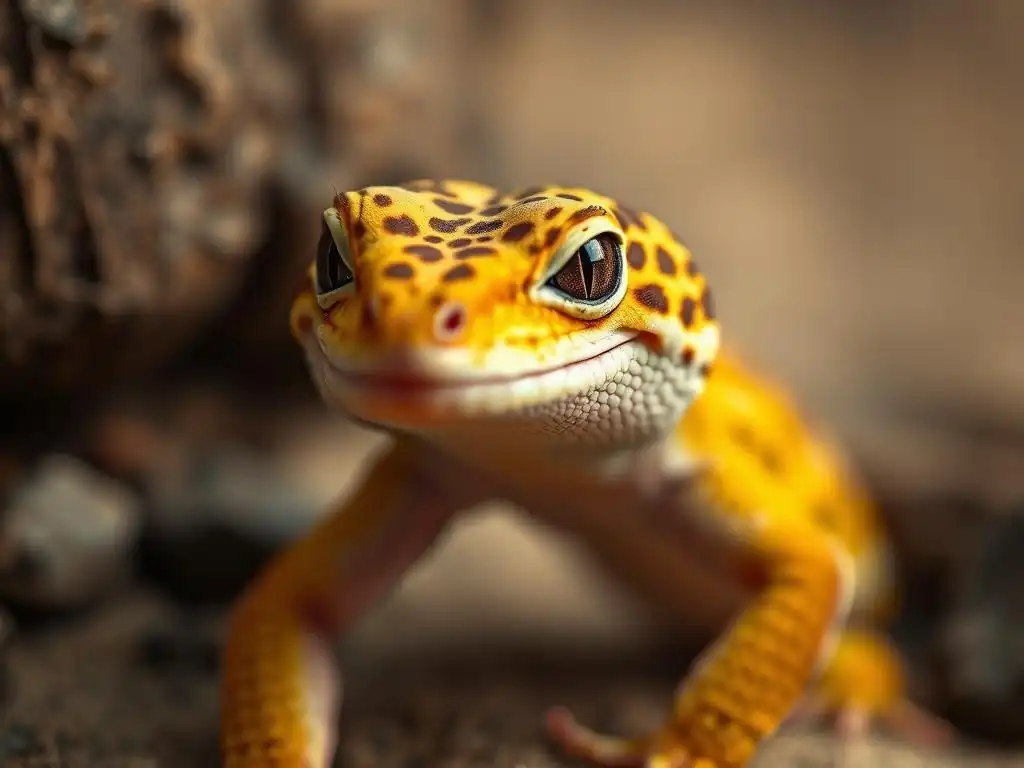
Welcome to PetCareWorld, your ultimate guide to a happier, healthier life for your beloved companion animals! Are you ready to unlock the secrets to thriving pet ownership? Then dive into our expert advice, starting with our in-depth exploration of Leopard Gecko common health issues. Discover how to identify and address potential ailments, ensuring your scaled friend enjoys a long and vibrant life. Let's embark on this enriching journey together!
- Understanding Common Leopard Gecko Health Issues
- Metabolic Bone Disease (MBD) in Leopard Geckos
- Impaction in Leopard Geckos: A Digestive Distress
- Parasite Infections in Leopard Geckos
- Respiratory Infections in Leopard Geckos
- Eye Problems in Leopard Geckos
- Shedding Problems in Leopard Geckos
- Nutritional Deficiencies in Leopard Geckos
- When to Seek Veterinary Care for Your Leopard Gecko
- Preventing Leopard Gecko Health Problems: Proactive Care
-
Frequently Asked Questions
- What are some common health problems in leopard geckos?
- How can I prevent metabolic bone disease (MBD) in my leopard gecko?
- My leopard gecko is shedding poorly. What could be wrong?
- What should I do if my leopard gecko is refusing food?
- How often should I take my leopard gecko to the vet for a check-up?
- Final Reflection: Guardians of the Geckos: A Call to Responsible Ownership
- Unleash Your Inner Gecko Guru!
Understanding Common Leopard Gecko Health Issues
Leopard geckos, with their captivating patterns and docile nature, are popular pets for reptile enthusiasts. However, like all animals, they are susceptible to various health problems. This comprehensive guide will equip you with the knowledge to recognize, understand, and address common health issues affecting your leopard gecko, helping you ensure a long and healthy life for your scaled companion.
We'll delve into the most prevalent ailments, exploring their symptoms, causes, and effective treatment strategies. Understanding these common health issues is crucial for responsible leopard gecko ownership, allowing for early intervention and ultimately, a happier and healthier pet. Early detection is key to successful treatment, and this guide will help you become a more proactive and informed caregiver for your leopard gecko.
We will cover everything from subtle behavioral changes to more obvious physical symptoms, empowering you to provide the best possible care for your beloved reptile. Understanding the nuances of leopard gecko health is a journey, and this article serves as your comprehensive roadmap.
Recognizing Signs of Illness in Your Leopard Gecko
Identifying illness in your leopard gecko can be challenging, as they are masters of masking their discomfort. Subtle changes in behavior and appearance can indicate underlying health problems. A healthy leopard gecko is active, alert, and has a good appetite. Any deviation from this norm warrants close observation and, if necessary, veterinary attention.
Here are some key signs to watch out for:
- Lethargy and Lack of Appetite: A significant decrease in activity levels and refusal to eat are common indicators of illness. This can be caused by a variety of factors, including parasites, infections, or metabolic bone disease (MBD).
- Dehydration: Sunken eyes, dry skin, and loss of body weight can signal dehydration. This is often linked to inadequate hydration and improper husbandry.
- Respiratory Issues: Gaping mouth breathing, wheezing, or nasal discharge could indicate respiratory infections. These infections can be bacterial, viral, or fungal in origin.
- Skin Problems: Shedding difficulties, skin discoloration, or sores can point to various issues, including parasitic infestations, burns, or metabolic bone disease.
- Eye Problems: Cloudy eyes, swelling, or discharge can indicate eye infections or injuries.
- Changes in Feces: Changes in frequency, consistency, or color of feces can be indicative of digestive problems or parasitic infections. For instance, diarrhea can be a symptom of several underlying issues.
- Abnormal Posture: Unusual posture, such as a hunched back or limp limbs, may suggest pain, injury, or neurological problems.
It's crucial to remember that these are just some of the possible indicators of illness. If you observe any unusual behavior or physical changes in your leopard gecko, consult a veterinarian specializing in reptiles as soon as possible. Early diagnosis and treatment significantly improve the chances of a full recovery.
Early Detection: Key to Successful Treatment of Leopard Gecko Diseases
Early detection is paramount in treating leopard gecko diseases successfully. Many conditions, if left untreated, can quickly worsen, leading to severe complications or even death. Regular observation of your gecko's behavior and physical condition is essential for identifying potential problems early on. This proactive approach significantly improves the prognosis and simplifies treatment.
Consider implementing a regular health check routine:
- Weekly Visual Inspection: Check for any abnormalities in your gecko's skin, eyes, and overall appearance. Note any changes in behavior, appetite, or defecation.
- Weighing: Regularly weighing your gecko allows you to monitor weight changes, an important indicator of dehydration or other health problems. Keep a record of these weigh-ins to track any trends.
- Fecal Examination: Periodically collect a fecal sample for examination to detect the presence of parasites. This is a crucial preventative measure.
- Maintaining Proper Husbandry: Providing a suitable environment with appropriate temperature, humidity, and substrate is critical for preventing many health issues. This includes maintaining a clean and hygienic enclosure.
By implementing these preventative measures and closely monitoring your leopard gecko's health, you significantly increase the chances of early detection and successful treatment of any potential health problems. Remember, a healthy leopard gecko is a happy leopard gecko, and proactive care is the cornerstone of responsible reptile ownership.
Metabolic Bone Disease (MBD) in Leopard Geckos
Metabolic Bone Disease (MBD) is a severe and potentially fatal condition commonly affecting leopard geckos, particularly those kept in improper environments. Understanding the causes, symptoms, and treatment of MBD is crucial for responsible leopard gecko ownership. This section will delve into the specifics of MBD in leopard geckos, providing you with the knowledge to prevent and address this debilitating disease. Proper husbandry is key to preventing MBD, a common health issue among captive leopard geckos.
Causes and Prevention of Metabolic Bone Disease
MBD in leopard geckos stems primarily from nutritional deficiencies, specifically a lack of calcium and/or an imbalance of calcium and phosphorus in their diet. Insufficient ultraviolet B (UVB) lighting further exacerbates the problem, as UVB radiation is essential for the proper metabolism of calcium. Without sufficient UVB, even a diet rich in calcium may not be effectively utilized by the gecko's body.
Several factors contribute to the development of MBD:
- Inadequate Calcium Supplementation: Many owners mistakenly believe that simply providing a calcium-rich diet is sufficient. However, proper supplementation with a high-quality calcium powder (without phosphorus) is crucial, especially for growing geckos and gravid females.
- Lack of UVB Lighting: UVB lighting is not just about producing vitamin D3; it aids in the absorption and utilization of calcium. Without proper UVB, calcium will not be properly absorbed, regardless of dietary intake.
- Incorrect Diet: A diet lacking in appropriate insects (like crickets, mealworms, and dubia roaches) or relying heavily on one type of insect can lead to nutritional imbalances, contributing to MBD.
- Genetic Predisposition: While less common, some geckos may have a genetic predisposition to developing MBD.
- Improper Substrate: Some substrates, like sand, can be ingested accidentally and cause impaction, hindering calcium absorption. Paper towels or reptile carpet are safer choices.
Prevention is key. By ensuring your leopard gecko receives a balanced diet, proper calcium supplementation, and adequate UVB lighting, you can significantly reduce the risk of MBD. Regular vet checkups are also recommended for early detection. Always provide a variety of insects dusted with calcium and vitamin D3 supplements.
Symptoms and Diagnosis of MBD in Leopard Geckos
Early detection of MBD is vital for successful treatment. Unfortunately, early symptoms can be subtle and easily overlooked. As the disease progresses, however, the signs become more pronounced.
Common symptoms of MBD in leopard geckos include:
- Lethargy and Weakness: The gecko may show reduced activity levels and appear weak or sluggish.
- Loss of Appetite: A significant decrease in food intake is a common indicator.
- Tremors and Muscle Spasms: These can range from mild tremors to severe shaking.
- Skeletal Deformities: This is a more advanced symptom, often manifesting as bowed legs, a wobbly gait, or a deformed jaw. Severe cases may show spinal curvature.
- Fractures: Bones become brittle and prone to fractures, even from minor impacts.
- Soft Shells: The gecko's bones may feel soft or pliable to the touch.
- Egg-binding in Females: Gravid females with MBD are at increased risk of egg-binding due to weakened muscles.
Diagnosis usually involves a thorough physical examination by a veterinarian specializing in reptiles. Radiographs (X-rays) are often used to assess bone density and identify skeletal deformities. Blood tests may also be performed to check calcium and phosphorus levels.
Treatment and Management of Metabolic Bone Disease
Treatment for MBD in leopard geckos requires a multi-pronged approach focused on correcting the underlying nutritional deficiencies and providing supportive care. Unfortunately, severe cases may not be fully reversible.
Treatment typically includes:
- Dietary Changes: A diet supplemented with calcium and phosphorus in the correct ratio is essential. The veterinarian will recommend the appropriate supplementation schedule.
- UVB Lighting: Providing appropriate UVB lighting is crucial for calcium absorption. The veterinarian can advise on the appropriate type and placement of UVB bulbs.
- Calcium and Vitamin D3 Supplementation: Oral or injectable calcium and vitamin D3 supplements may be administered.
- Pain Management: Analgesics may be prescribed to alleviate pain and discomfort, especially in cases of fractures.
- Supportive Care: Providing a warm, comfortable environment and ensuring proper hydration is crucial for recovery.
The prognosis for MBD depends on the severity of the disease at the time of diagnosis. Early detection and prompt treatment significantly improve the chances of recovery. However, some skeletal deformities may be permanent. Regular veterinary check-ups and ongoing monitoring of the gecko's diet and environment are vital for long-term health. Remember, prevention is always better than cure when it comes to MBD in leopard geckos.
Impaction in Leopard Geckos: A Digestive Distress
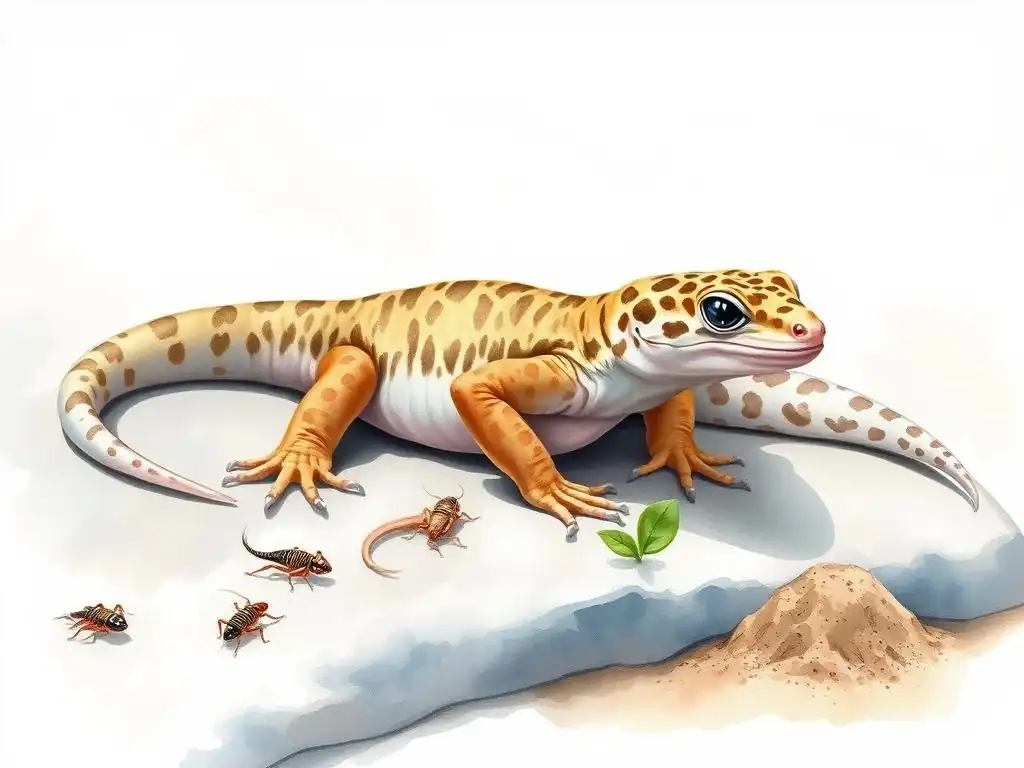
Impaction, a common and serious health issue among leopard geckos, occurs when undigested material becomes lodged in the digestive tract, obstructing the passage of waste. This can lead to significant discomfort, dehydration, and even death if left untreated. Understanding the causes, symptoms, and treatment options is crucial for responsible leopard gecko ownership.
This section focuses on providing detailed information to help you identify and address impaction in your pet. Effective prevention strategies are also key to maintaining your gecko's digestive health and overall well-being. This is a frequent concern among leopard gecko owners, making it a vital topic for discussion within the context of "leopard gecko common health issues".
Causes of Impaction in Leopard Geckos
Several factors contribute to impaction in leopard geckos. The most frequent causes include:
- Insufficient hydration: Dehydration is a major culprit. Leopard geckos require access to fresh water at all times, and inadequate hydration can make stool passage difficult, leading to impaction. This is especially true in geckos kept in environments with low humidity.
- Improper diet: A diet lacking in appropriate fiber can result in hard, difficult-to-pass stool. Overfeeding, especially with insects that are too large or too many at once, can also contribute to impaction. A diet consisting primarily of soft insects such as mealworms, without sufficient variety or supplementation, is a common cause.
- Substrate ingestion: Certain substrates, particularly those that are loose or sandy, can be ingested by leopard geckos, leading to impaction. Paper towels, reptile carpet, or other non-ingestible substrates are safer options.
- Underlying medical conditions: Conditions such as metabolic bone disease (MBD) or infections can weaken the digestive system and increase the risk of impaction. These underlying conditions should always be investigated by a veterinarian.
Recognizing the Symptoms of Impaction
Early detection is key to successful treatment. Symptoms of impaction in leopard geckos may include:
- Lethargy and lack of appetite: A significant decrease in activity levels and food intake are early warning signs. Your gecko may appear less interested in its usual activities and food.
- Swollen abdomen: A visibly distended abdomen indicates a blockage in the digestive tract. Gentle palpation (feeling) of the abdomen may reveal a hard mass.
- Straining to defecate: You may observe your gecko attempting to defecate without success, often exhibiting straining behavior.
- Vomiting or regurgitation: Though less common with impaction, this can occur if the blockage is severe. This can be a sign of a more serious condition requiring immediate veterinary attention.
- Dehydration: Signs of dehydration include sunken eyes, dry skin, and lethargy. Dehydration often accompanies impaction as the body struggles to process waste.
Treatment Options for Impacted Leopard Geckos
Treatment for impaction varies depending on the severity of the condition. For mild cases, supportive care at home may be sufficient, but always consult a reptile veterinarian as soon as you suspect impaction. Home treatment should only be attempted under the guidance of a veterinarian. Never attempt to self-treat.
- Hydration: Increasing hydration is crucial. Submerging your gecko in a lukewarm bath for a short period can help rehydrate it. You may also need to provide fluids via subcutaneous injections (administered by a veterinarian).
- Dietary changes: Switching to a diet that is higher in fiber can help soften the stool and facilitate passage. Consult a veterinarian for recommendations on appropriate dietary adjustments.
- Enemas: In some cases, a veterinarian may administer an enema to help clear the blockage. This procedure requires expertise and should only be performed by a qualified professional.
- Surgery: In severe cases, surgery may be necessary to remove the impaction. This is a last resort, but it's crucial to remember that surgery carries its own risks.
Remember, prevention is always better than cure. Providing a balanced diet, clean water, appropriate substrate, and regular veterinary checkups are crucial for preventing impaction and maintaining your leopard gecko's health. Addressing “leopard gecko common health issues” proactively is vital for responsible pet ownership.
Parasite Infections in Leopard Geckos
Leopard geckos, while relatively hardy, are susceptible to various parasite infestations, impacting their overall health and well-being. Understanding the common types of parasites, diagnosing infestations, and implementing preventative measures are crucial for responsible leopard gecko ownership. Ignoring parasite problems can lead to significant health complications and even death for your pet. This section focuses on the identification, treatment, and prevention of parasite infections in leopard geckos, helping you to maintain a healthy and thriving reptile companion. This information is vital for addressing the common health issues frequently encountered by leopard gecko owners.
Identifying Common Internal and External Parasites
Leopard geckos can be afflicted by both internal and external parasites. Internal parasites, often microscopic, are harder to detect without veterinary assistance. External parasites, however, are frequently visible upon close inspection.
Internal Parasites: The most common internal parasites are nematodes (roundworms) and coccidians. Nematodes can cause weight loss, diarrhea, lethargy, and even intestinal blockage. Coccidians, a type of protozoa, can lead to similar symptoms, including bloody diarrhea and dehydration. Identifying these parasites requires fecal examination by a veterinarian specializing in reptiles. Symptoms can be subtle initially, often manifesting as decreased appetite or slightly loose stools. Early detection is key to successful treatment.
External Parasites: External parasites are more readily observable. Mites are a frequent problem, particularly Cheyletiella mites, which cause scaling and intense itching. These mites are visible to the naked eye as tiny, moving specks on the gecko's skin. Infestations can lead to excessive scratching, hair loss (in areas where scales are less prominent), and secondary bacterial infections. Ticks, while less common, can also attach to leopard geckos, causing irritation and potential blood loss. Regular visual checks are essential for early detection of external parasites.
Diagnosing and Treating Parasite Infections
Diagnosing parasite infections requires professional veterinary intervention. A fecal examination is crucial for identifying internal parasites. The vet will analyze a sample of your gecko's feces under a microscope to detect the presence of eggs or parasites themselves. For external parasites, a thorough physical examination is usually sufficient for diagnosis. The vet may also use a magnifying glass or other tools to get a better view.
Treatment varies depending on the type and severity of the infection. Internal parasites often require medication prescribed by the veterinarian. This medication is usually administered orally, either directly or mixed with food. Treatment for external parasites may involve topical applications of specialized antiparasitic medications. The vet will provide specific instructions on dosage and administration, and regular follow-up fecal exams are often necessary to monitor the effectiveness of the treatment and ensure complete parasite eradication. Remember, self-treating can be dangerous and may delay proper care, potentially worsening the condition.
Preventing Parasite Infestations in Leopard Geckos
Prevention is always better than cure. Several steps can significantly reduce the risk of parasite infestations in your leopard gecko:
- Maintain a Clean Enclosure: Regular cleaning of the enclosure is paramount. Remove fecal matter daily, and thoroughly disinfect the substrate and enclosure furnishings at least once a week. Use reptile-safe disinfectants to avoid harming your gecko.
- Quarantine New Geckos: Always quarantine any new geckos for at least 30 days before introducing them to your existing collection. This helps prevent the introduction of parasites or diseases.
- Proper Hygiene: Wash your hands thoroughly before and after handling your gecko. Avoid handling other reptiles or pets before handling your leopard gecko to minimize cross-contamination.
- Provide a Balanced Diet: A healthy diet strengthens your gecko's immune system, making it more resistant to parasitic infections. Ensure your gecko receives a varied diet appropriate for its age and size.
- Regular Veterinary Check-ups: Schedule annual check-ups with a reptile veterinarian for preventative care and early detection of potential health problems, including parasites. This proactive approach is crucial for maintaining your gecko's health and well-being.
This comprehensive approach to parasite management ensures your leopard gecko thrives and minimizes the risk of encountering these common health issues. Remember, early detection and professional veterinary care are essential components of responsible leopard gecko ownership.
Respiratory Infections in Leopard Geckos
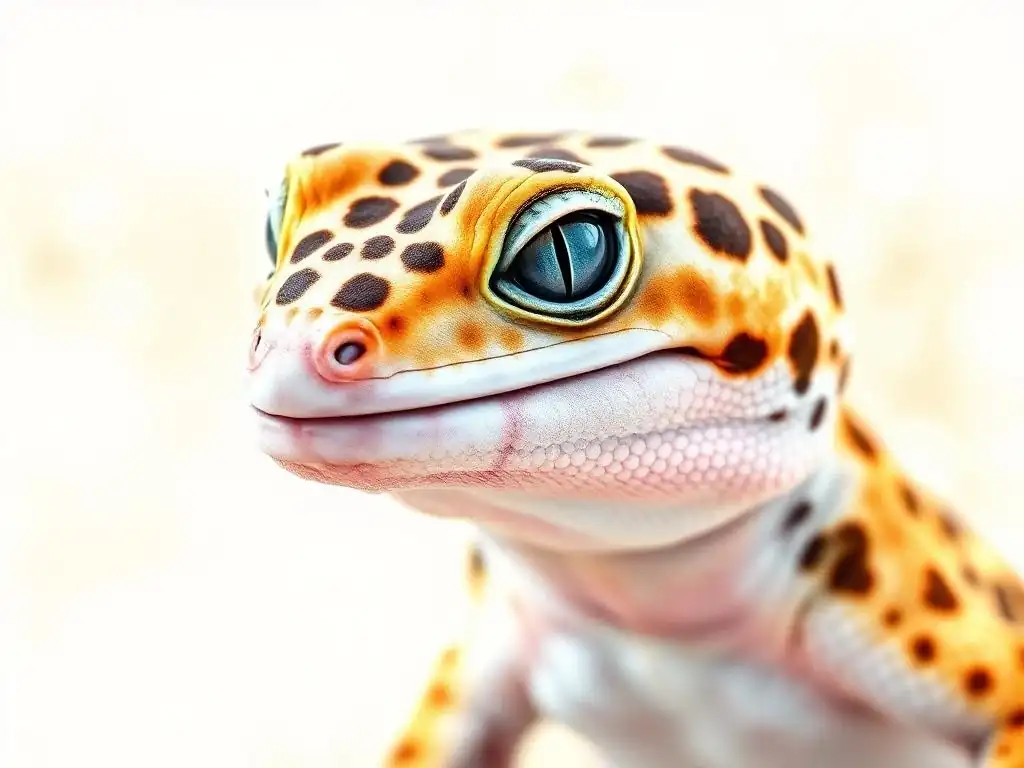
Respiratory infections are a significant concern for leopard geckos, often stemming from poor husbandry practices. These infections can range in severity from mild to life-threatening, emphasizing the importance of early detection and intervention. Understanding the common causes, symptoms, and treatment options is crucial for responsible leopard gecko ownership. This section delves into the specifics of respiratory infections in these popular pets, providing actionable information to help pet owners identify and manage these health issues.
The prevalence of respiratory disease in leopard geckos highlights the need for diligent hygiene and environmental control within their enclosures. Early intervention is key to successful treatment and preventing further complications. Ignoring symptoms can lead to secondary infections and potentially fatal outcomes.
Recognizing Symptoms of Respiratory Problems
Identifying respiratory issues in leopard geckos requires keen observation. Subtle changes in behavior and physical condition can signal an underlying problem. Early detection significantly improves the chances of successful treatment. Here's a breakdown of common symptoms:
- Gaping Mouth: A leopard gecko constantly gaping its mouth is a major red flag. This indicates difficulty breathing and is a clear sign of respiratory distress. Often, the gecko will also exhibit labored breathing, with visible effort in each inhalation and exhalation.
- Wheezing or clicking sounds: Listen closely to your gecko. You may hear wheezing or clicking sounds during breathing, especially when the gecko is at rest or active. These noises are indicative of inflammation or congestion within the respiratory tract.
- Lethargy and Anorexia: A significant change in behavior, such as lethargy, reduced activity levels, and loss of appetite, can accompany respiratory infections. A normally active gecko becoming unusually still and uninterested in food should be investigated immediately.
- Nasal discharge: While less common, a nasal discharge (clear, white, or yellowish) can be observed in some cases. This discharge usually indicates a more advanced stage of infection. The consistency and color of the discharge can provide additional clues about the nature of the infection.
- Runny nose and sneezing: These are less commonly reported but nonetheless indicative symptoms that should not be ignored.
The severity of these symptoms can vary greatly depending on the underlying cause and the individual gecko's immune system. It's crucial to monitor your gecko closely and seek veterinary attention if any of these symptoms are observed. Don't delay seeking professional help, as early intervention is crucial for a positive outcome. Remember, even seemingly minor symptoms can quickly escalate if left untreated. Proactive monitoring and prompt veterinary care are essential components of responsible leopard gecko care.
Treatment and Prevention of Respiratory Infections
Treatment for respiratory infections in leopard geckos often involves a combination of supportive care and medication prescribed by a veterinarian specializing in reptiles. The specific treatment plan will depend on the severity of the infection and the underlying cause. Self-treating can be detrimental and should be avoided.
- Veterinary Examination: A thorough examination by a reptile veterinarian is the first and most crucial step. The vet will assess the gecko's overall health, conduct a physical examination, and may order diagnostic tests such as radiographs (X-rays) or blood work to determine the extent of the infection and rule out other underlying conditions.
- Medication: Depending on the diagnosis, the veterinarian may prescribe antibiotics, anti-fungal medications, or other treatments to combat the infection. The medication and dosage will be tailored to the specific needs of your gecko. Strict adherence to the prescribed medication regimen is crucial for successful treatment.
- Supportive Care: In addition to medication, supportive care plays a vital role in recovery. This may include maintaining a warm and humid environment, providing easily digestible food, and ensuring proper hydration. A warm, humid environment can help to alleviate respiratory discomfort.
- Environmental Management: Preventing respiratory infections is paramount. This involves maintaining a clean and properly ventilated enclosure, ensuring appropriate temperature and humidity levels, and avoiding sudden temperature fluctuations. Regular cleaning and disinfection of the enclosure are essential to prevent the buildup of bacteria and fungi. Proper substrate selection also plays a role, avoiding substrates that can harbor bacteria or fungi.
Prevention is always better than cure. By adhering to best practices in leopard gecko husbandry, you can significantly reduce the risk of respiratory infections and contribute to your pet's overall health and well-being. Regular monitoring of your gecko’s behavior and environment is crucial for early detection and prevention of these potentially serious health issues. Remember, a healthy environment translates to a healthy gecko.
Eye Problems in Leopard Geckos
Eye issues are a relatively common concern amongst leopard geckos, often stemming from husbandry problems or underlying health conditions. A vigilant owner should regularly inspect their gecko's eyes for any signs of abnormality, acting swiftly to address any potential problems. Early detection and intervention significantly improve the chances of successful treatment and prevent more serious complications. Understanding the common causes and effective treatment strategies is crucial for responsible leopard gecko ownership. This section will delve into the most frequently encountered eye problems and provide practical guidance on their management.
Common Eye Issues and Their Causes
Several factors can contribute to eye problems in leopard geckos. Improper husbandry practices are frequently implicated. For instance, inadequate hygiene within the enclosure can lead to bacterial or fungal infections affecting the eyes. A dirty substrate, unclean water bowls, and infrequent cleaning of the enclosure can create a breeding ground for pathogens. This can manifest as swelling, discharge (often cloudy or purulent), and even corneal ulceration.
Another significant cause is vitamin A deficiency. Vitamin A plays a crucial role in maintaining the health of epithelial tissues, including those in the eyes. A diet lacking sufficient vitamin A-rich foods can result in various ocular problems, including a condition called conjunctivitis, characterized by inflammation of the conjunctiva (the membrane lining the eyelid and covering the white of the eye). Symptoms often include redness, swelling, and excessive tearing. Severe deficiency can lead to more serious complications.
Parasites can also affect the eyes. Internal parasites, such as certain types of worms, can weaken the gecko's immune system, making it more susceptible to eye infections. External parasites, like mites, can directly irritate the eyes, causing inflammation and discomfort.
Finally, trauma can result in eye injuries. Accidental injuries from handling, cage mates, or environmental factors can lead to corneal abrasions, lacerations, or even loss of an eye. Careful handling and a safe enclosure are crucial to minimize the risk of trauma. Here's a table summarizing common causes:
| Eye Problem | Common Causes | Symptoms |
|---|---|---|
| Bacterial/Fungal Infection | Poor hygiene, contaminated substrate | Cloudy discharge, swelling, redness |
| Vitamin A Deficiency | Diet lacking vitamin A-rich foods | Conjunctivitis, dry eyes, corneal opacity |
| Parasites | Internal or external parasites | Inflammation, discharge, general weakness |
| Trauma | Accidental injury, cage mate aggression | Corneal abrasions, lacerations, eye loss |
Treatment and Management of Eye Problems
Treatment for eye problems in leopard geckos depends heavily on the underlying cause. For bacterial or fungal infections, veterinary intervention is usually necessary. Your veterinarian may prescribe antibiotic or antifungal eye drops or ointments. Maintaining impeccable hygiene within the enclosure is also paramount to prevent recurrence. Regular cleaning and disinfection are crucial.
Addressing vitamin A deficiency involves dietary changes. Supplementing the gecko's diet with foods rich in vitamin A, such as mealworms dusted with a vitamin supplement, is essential. Your veterinarian can advise on appropriate supplementation strategies and monitor the gecko's progress.
Treatment for parasites requires veterinary diagnosis and appropriate medication. This might involve deworming medication for internal parasites or topical treatments for external parasites. Regular parasite checks are recommended as a preventative measure.
In cases of trauma, veterinary care is critical to assess the extent of the damage and provide necessary treatment. This could range from cleaning and disinfecting minor abrasions to surgical intervention for more severe injuries.
Remember, early intervention is key. If you observe any abnormalities in your leopard gecko's eyes, such as redness, swelling, discharge, or changes in behavior, consult a reptile veterinarian immediately. Early diagnosis and treatment significantly improve the chances of a full recovery and prevent potential long-term complications. Prompt action can often make all the difference in maintaining your leopard gecko's ocular health and overall well-being. 🦎
Shedding Problems in Leopard Geckos
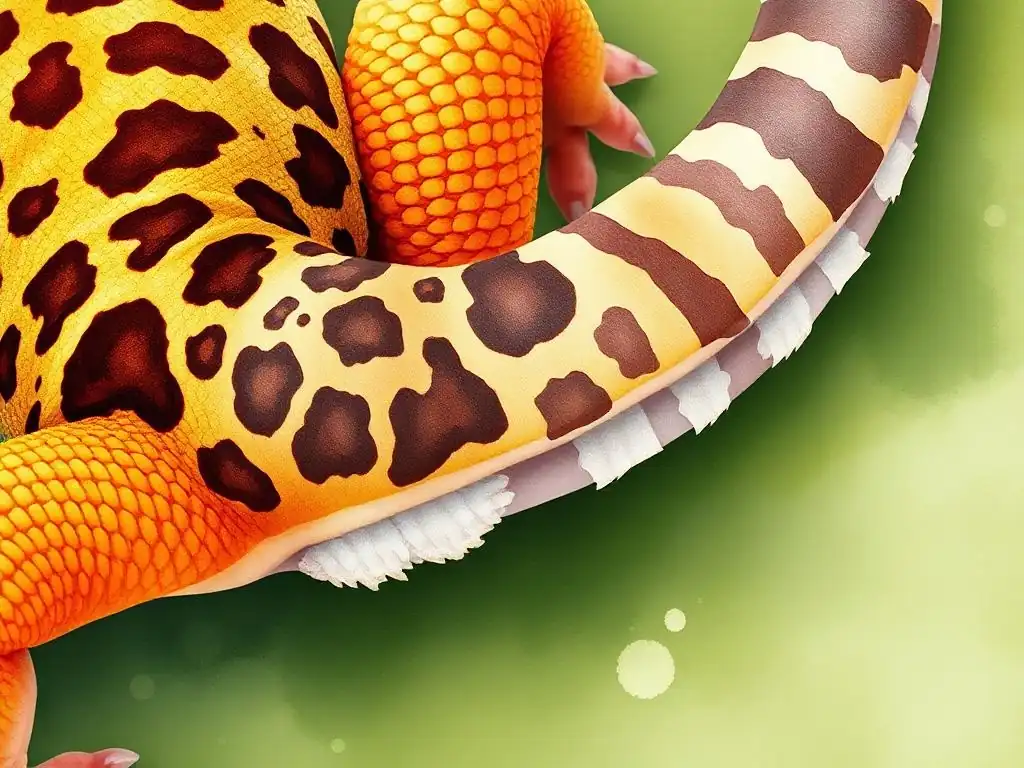
Leopard geckos, while generally hardy, can experience shedding difficulties. These issues, if left untreated, can lead to serious health complications for your pet. Understanding the normal shedding process and recognizing the signs of trouble is crucial for responsible leopard gecko ownership. This section will delve into common shedding problems, providing practical advice for identification and treatment. Proper husbandry, including appropriate temperature and humidity, plays a significant role in preventing these issues. Let's examine this critical aspect of leopard gecko care.
Understanding Normal Shedding and Identifying Problems
Leopard geckos shed their skin regularly, typically every 2-4 weeks depending on age and health. A healthy shed should be complete, with the old skin coming off in one piece. You might find small pieces of shed skin around the enclosure, which is perfectly normal. However, several signs indicate potential problems:
- Stuck shed: This is the most common issue. Sections of old skin remain clinging to the gecko, particularly on the toes, tail, and around the eyes. This can restrict movement, impair vision, and even lead to digit loss or infection.
- Uneven shedding: The skin may shed in patches, leaving some areas still covered while others are bare. This often indicates underlying health problems.
- Dry, brittle skin: This suggests insufficient humidity in the enclosure. Dry skin is more prone to sticking during shedding.
- Lethargy and lack of appetite: These can accompany shedding problems and may indicate a more serious underlying condition.
Identifying these problems early is key. Regularly inspect your gecko for signs of stuck shed, paying close attention to the delicate areas mentioned above. Proactive monitoring is crucial for preventing more serious complications associated with leopard gecko common health issues.
Treating Difficulty Shedding in Leopard Geckos
Treatment for stuck shed depends on the severity. For minor issues, increasing humidity in the enclosure is often sufficient. This can be achieved by adding more substrate, providing a humid hide (a small container with damp paper towels), or misting the enclosure regularly. Always ensure proper ventilation to prevent mold and bacterial growth.
For more significant stuck shed, a lukewarm bath can help soften the skin. Gently soak your gecko in shallow lukewarm water for 10-15 minutes. After the bath, carefully try to peel away the remaining skin using a soft, damp cotton swab or a piece of damp paper towel. Never pull forcefully, as this can damage your gecko's skin.
If you are unable to remove the stuck shed yourself, or if the problem persists, consult a veterinarian specializing in reptiles. They can provide appropriate treatment and rule out any underlying medical conditions contributing to the shedding difficulties. Remember, timely intervention is crucial for the well-being of your leopard gecko. Ignoring shedding problems can lead to serious complications, emphasizing the importance of proactive care and seeking professional help when needed. This proactive approach is vital in managing common leopard gecko health issues effectively.
Nutritional Deficiencies in Leopard Geckos
Nutritional deficiencies are a significant concern for leopard gecko health, often stemming from improper diet and husbandry. These deficiencies can manifest in various ways, impacting their growth, bone structure, and overall well-being. Understanding the common deficiencies and how to prevent them is crucial for responsible leopard gecko ownership. Ignoring these issues can lead to serious, sometimes irreversible, health problems for your pet. This section focuses on recognizing and correcting nutritional deficiencies, a key aspect of addressing "leopard gecko common health issues".
Recognizing Signs of Nutritional Deficiencies
Recognizing the subtle signs of nutritional deficiencies in leopard geckos can be challenging, as symptoms often overlap with other health problems. However, careful observation and a proactive approach are essential. Early detection significantly improves the chances of successful treatment.
Several factors contribute to nutritional deficiencies. A diet consisting solely of insects lacking sufficient calcium and vitamin D3 is a primary culprit. Insufficient ultraviolet (UVB) lighting, crucial for vitamin D3 synthesis, further exacerbates the problem. Furthermore, improper gut loading of feeder insects before feeding them to the gecko can also lead to deficiencies.
Here's a table summarizing common signs:
| Deficiency | Symptoms |
|---|---|
| Calcium Deficiency | Metabolic bone disease (MBD), weak bones, tremors, lethargy, paralysis |
| Vitamin D3 Deficiency | MBD, poor growth, muscle weakness, deformed bones |
| Vitamin A Deficiency | Eye problems (including swollen eyelids), respiratory infections, skin issues |
| Vitamin B Complex Deficiency | Reduced appetite, lethargy, neurological problems |
It's important to note that these symptoms are not always exclusive to nutritional deficiencies. A comprehensive veterinary examination is crucial for accurate diagnosis and appropriate treatment. Don't hesitate to seek professional help if you suspect your leopard gecko might be suffering from a nutritional deficiency. Early intervention is key in preventing long-term health complications. Remember, a healthy diet is fundamental to addressing "leopard gecko common health issues".
Correcting Nutritional Deficiencies Through Diet
Addressing nutritional deficiencies requires a multifaceted approach that prioritizes dietary changes and supplemental support. Simply put, providing a balanced and varied diet is the cornerstone of preventative care. This involves careful selection of feeder insects and appropriate supplementation.
- Insect Variety: Offer a diverse range of feeder insects, including crickets, dubia roaches, and mealworms. Avoid relying on a single insect type.
- Gut Loading: Proper gut loading is paramount. Before feeding insects to your gecko, feed the insects a nutritious diet rich in calcium and vitamins. This ensures the gecko receives essential nutrients indirectly. Consider commercial gut-loading diets specifically formulated for reptile feeder insects.
- Supplementation: Dust feeder insects with a high-quality calcium and vitamin D3 powder before feeding. The frequency of dusting should be adjusted based on your gecko's age and condition, and always follow the instructions on the supplement packaging. Consider consulting a veterinarian or experienced reptile keeper for specific recommendations.
- UVB Lighting: Ensure your leopard gecko has access to a UVB light source of appropriate strength and wavelength (5.0 UVB is generally recommended). This helps in the synthesis of vitamin D3, which is crucial for calcium absorption. UVB bulbs need to be replaced regularly, as their effectiveness diminishes over time.
By implementing these dietary changes and providing appropriate supplementation, you can effectively correct existing nutritional deficiencies and prevent future problems. Consistent monitoring of your gecko's health and regular veterinary check-ups remain crucial aspects of responsible pet ownership. Remember, proactive care significantly contributes to preventing and managing "leopard gecko common health issues". A well-nourished leopard gecko is a healthy leopard gecko.
When to Seek Veterinary Care for Your Leopard Gecko
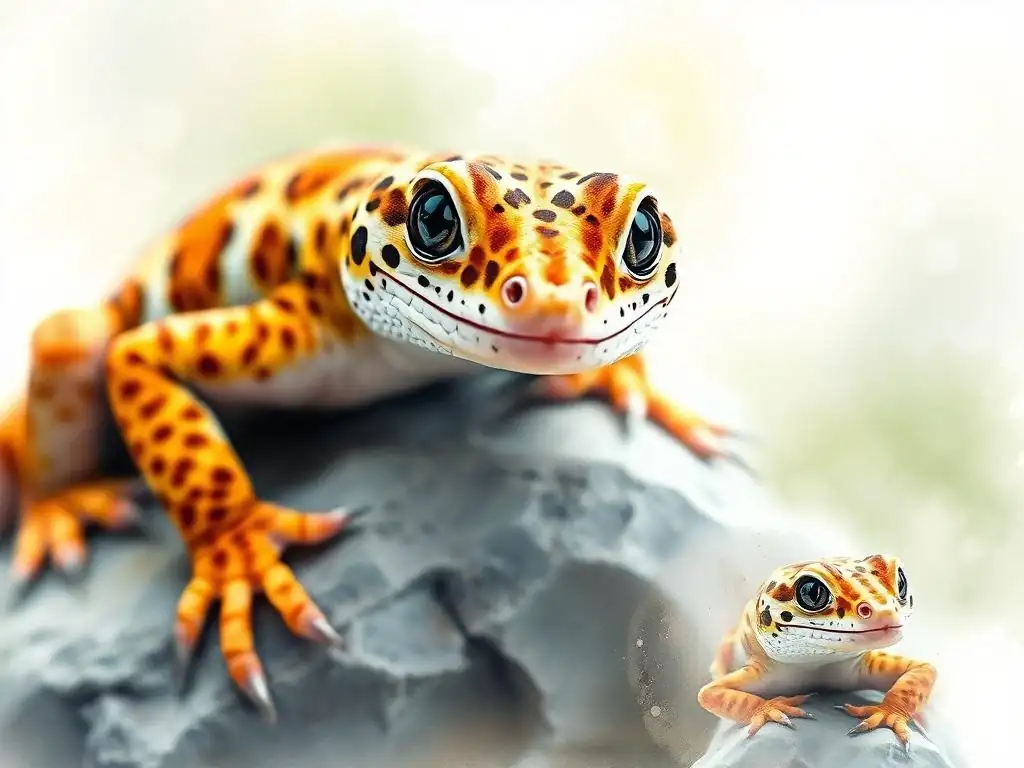
Leopard geckos are relatively hardy reptiles, but like all living creatures, they can experience health problems. Knowing when to seek veterinary care is crucial for ensuring your gecko's well-being and preventing minor issues from escalating into major health crises. Early intervention significantly improves the chances of a successful outcome when dealing with leopard gecko common health issues. This section will help you identify situations requiring immediate attention and guide you towards finding appropriate veterinary care.
Emergency Situations Requiring Immediate Veterinary Attention
Several signs indicate an urgent need for veterinary attention. Delaying treatment in these cases can be life-threatening for your leopard gecko. These emergency situations include, but are not limited to:
- Lethargy and Anorexia: A significant and sudden loss of appetite combined with unusual lethargy (lack of activity) is a serious red flag. This could signal a range of problems, from severe infections to metabolic bone disease (MBD). Don't wait to see if it improves; seek immediate veterinary care.
- Severe Dehydration: Dehydration, characterized by sunken eyes, loss of skin elasticity (skin doesn't snap back when gently pinched), and lethargy, requires immediate veterinary intervention. Dehydration can quickly become fatal.
- Respiratory Distress: Difficulty breathing, open-mouth breathing, wheezing, or clicking sounds while breathing are all critical signs needing immediate attention. Respiratory infections can rapidly progress and become life-threatening.
- Trauma: Any visible injury, such as a broken bone, deep wound, or severe burns, requires immediate veterinary care. Prompt treatment can minimize complications and improve the chances of recovery.
- Severe Diarrhea or Vomiting: Persistent and severe diarrhea or vomiting can lead to rapid dehydration and electrolyte imbalance. This warrants immediate veterinary assessment to identify the underlying cause.
- Paralysis or Neurological Signs: Sudden paralysis, tremors, or unusual neurological symptoms, such as head tilting or circling, require immediate veterinary attention. These signs can indicate a serious underlying condition.
- Sudden Weight Loss: A dramatic and unexplained drop in weight is a serious concern and needs immediate investigation by a vet. This could indicate a variety of underlying issues.
Finding a Reptilian Veterinarian
Finding a veterinarian experienced with reptiles, specifically geckos, is critical for providing your leopard gecko with the best possible care. Not all veterinarians are equally equipped to handle reptile-specific health problems. A general practitioner may lack the knowledge and specialized equipment necessary for proper diagnosis and treatment.
To find a qualified reptilian veterinarian, you can:
- Contact local reptile breeders or rescue organizations: These groups often have a network of recommended veterinarians experienced in treating reptiles.
- Search online directories: Several online directories specialize in listing veterinarians who treat exotic animals. Look for veterinarians specializing in herpetology or who specifically list experience with leopard geckos.
- Check with your local animal hospital: Even if your local animal hospital doesn't specialize in reptiles, they may be able to provide referrals to specialists in the area.
Remember to always confirm the veterinarian's experience with leopard geckos before scheduling an appointment. Ask about their experience with common leopard gecko health issues and their diagnostic capabilities. Choosing a knowledgeable and experienced veterinarian is crucial for ensuring your gecko receives the appropriate care.
Preventing Leopard Gecko Health Problems: Proactive Care
Leopard geckos, while relatively hardy, are still susceptible to various health issues. Proactive care is paramount in preventing many common ailments and ensuring a long, healthy life for your pet. A proactive approach focuses on minimizing risk factors rather than reacting to existing problems. This section details crucial preventative measures to safeguard your leopard gecko's well-being. Understanding these steps is key to successfully addressing the keyword "Leopard gecko common health issues" and keeping your gecko thriving.
Maintaining a Healthy Environment for Your Leopard Gecko
A clean and appropriately maintained terrarium is the cornerstone of leopard gecko health. Neglecting this aspect can quickly lead to various problems, including bacterial infections, parasitic infestations, and metabolic bone disease (MBD). Here's a breakdown of essential environmental factors:
- Substrate: Avoid loose substrates like sand or small gravel, as these can be ingested accidentally and cause impaction, a life-threatening condition. Paper towels, reptile carpet, or tile are safer alternatives. Regularly replace the substrate to maintain hygiene.
- Temperature Gradient: Leopard geckos require a temperature gradient within their enclosure, allowing them to thermoregulate effectively. A warm side (around 88-92°F) and a cooler side (around 75-80°F) are crucial. Use reliable thermometers to monitor temperatures accurately. Inconsistent temperatures can weaken their immune systems making them susceptible to illness.
- Humidity: Maintaining appropriate humidity levels (around 30-40%) is vital. Too high humidity can promote fungal and bacterial growth, while too low humidity can lead to shedding problems. A hygrometer is essential for monitoring humidity. Misting the enclosure occasionally, or using a humid hide, might be necessary depending on your environment.
- Enclosure Size: Ensure your gecko has adequate space to move around freely. Cramped living conditions can lead to stress, which can compromise their immune system. The size of the enclosure should be appropriate for the gecko's size and age.
- Cleaning and Hygiene: Regular cleaning is non-negotiable. Spot clean the enclosure daily, removing fecal matter and uneaten food. Complete disinfection of the enclosure should be performed at least once a month using a reptile-safe disinfectant. Thorough cleaning prevents the buildup of harmful bacteria and parasites.
Providing a Balanced and Nutritious Diet
Nutritional deficiencies are a significant contributor to various health problems in leopard geckos. A well-balanced diet is crucial for strong bones, healthy skin, and a robust immune system. Avoid feeding exclusively insects of one type.
- Insects: Crickets, mealworms, and dubia roaches are common feeder insects. However, it's crucial to vary the diet and gut-load the insects with nutritious foods like fruits and vegetables before feeding them to your gecko. This ensures your gecko receives a wider range of essential nutrients.
- Calcium and Vitamin D3 Supplementation: Leopard geckos require supplemental calcium and Vitamin D3, especially growing juveniles. Dusting insects with a high-quality calcium and Vitamin D3 powder is essential, following the manufacturer's instructions carefully. Over-supplementation can be just as harmful as under-supplementation.
- Frequency of Feeding: Feeding frequency depends on the age and size of your gecko. Juveniles require more frequent feeding than adults. Observe your gecko's appetite and adjust feeding accordingly. Obesity is a concern, so avoid overfeeding.
- Water: Always provide fresh, clean water in a shallow dish. Dehydration can lead to various health complications.
Regular Handling and Observation of Your Leopard Gecko
Regular handling allows for early detection of potential health problems. Gentle handling allows for a bond to be created with your gecko, while also allowing for routine observation.
- Visual Inspection: Regularly inspect your gecko for any signs of illness, such as lethargy, changes in appetite, skin abnormalities, or unusual droppings. Early detection greatly improves the chances of successful treatment.
- Weight Monitoring: Regularly weigh your gecko to monitor weight changes. Unexplained weight loss or gain can indicate underlying health issues.
- Shedding: Observe the shedding process. Difficulty shedding can be a sign of dehydration or metabolic bone disease. Ensure proper humidity levels to facilitate healthy shedding.
- Veterinary Care: If you notice any unusual signs or symptoms, consult a veterinarian specializing in reptiles immediately. Early intervention is crucial for optimal treatment outcomes. Don't hesitate to seek professional help; prevention is always better than cure, but sometimes professional intervention is necessary. Remember, regular observation is key to addressing potential "Leopard gecko common health issues" before they escalate.
Frequently Asked Questions
What are some common health problems in leopard geckos?
Leopard geckos are prone to issues like metabolic bone disease (MBD) due to improper calcium and vitamin D3 intake, impaction from improper diet or substrate, and parasites. Regular vet check-ups are crucial.
How can I prevent metabolic bone disease (MBD) in my leopard gecko?
Proper diet is key! Ensure your gecko receives a balanced diet with sufficient calcium and vitamin D3 supplementation. Use a UVB light to aid in vitamin D3 absorption.
My leopard gecko is shedding poorly. What could be wrong?
Poor shedding can indicate dehydration, vitamin A deficiency, or parasites. Ensure proper humidity levels and consult a vet for diagnosis and treatment. Examine the shed closely for any stuck skin.
What should I do if my leopard gecko is refusing food?
Loss of appetite can signal illness, stress, or improper temperature. Check for signs of illness, adjust the temperature gradient, and consult a veterinarian if the issue persists.
How often should I take my leopard gecko to the vet for a check-up?
Annual check-ups are recommended for adult leopard geckos. Younger geckos may need more frequent visits, especially if there are any concerns about their health or growth. Early detection is key to preventing serious health problems.
Final Reflection: Guardians of the Geckos: A Call to Responsible Ownership
Understanding and addressing common leopard gecko health issues is not merely a hobbyist concern; it's a crucial element of responsible pet ownership that directly impacts the well-being of these fascinating creatures. The prevalence of misinformation online underscores the urgent need for accurate, accessible information to ensure the health and happiness of captive leopard geckos.
The journey of learning about leopard gecko health has been a profound one, highlighting the intricate connection between a pet's environment, diet, and overall well-being. It's a responsibility that extends beyond simply providing food and shelter; it demands a deep understanding of their delicate physiology and susceptibility to specific ailments. The greatness of a nation and its moral progress can be judged by the way its animals are treated.
- Mahatma Gandhi. This quote, while broad, speaks to the ethical responsibility we bear towards all creatures under our care, and leopard geckos are no exception. Their silent suffering, if left unaddressed, speaks volumes about our commitment to their welfare.
Now, consider your own leopard gecko, or even the potential future companion you may welcome into your life. What steps will you take to ensure their health and longevity? Will you proactively research potential health problems, diligently monitor their behavior for subtle signs of illness, and seek veterinary care promptly when needed? The knowledge gained from this article is a powerful tool; use it wisely, and become a true guardian of your gecko's well-being. Their vibrant health and long lives are a testament to your dedication and care.
Unleash Your Inner Gecko Guru!
Congratulations on taking the plunge into the world of leopard gecko care! You've gained valuable knowledge to keep your scaly companion healthy and happy. Ready to put your new expertise into practice?
- Schedule a veterinary check-up: This is crucial for your gecko's long-term health. Early detection of any problems is key to successful treatment.
- Share your gecko's unique personality and experiences with other owners on our PetCareWorld forum – it's a great way to connect with a supportive community!
- Introduce a new enrichment activity: Does your gecko enjoy exploring different hides? Experiment with varying textures and environments to keep them stimulated and engaged.
What exciting new health practice will you implement first to help your gecko thrive?