
Understanding the Impact of Environmental Toxins on Salamanders and Newts


Welcome to PetCareWorld, your ultimate guide to a happier, healthier life for your beloved pets! We're passionate about providing the most accurate and engaging pet care information available. But did you know that even seemingly harmless environmental factors can have a devastating impact on some of our more delicate companions?
Learn about the critical link between environmental toxins and the well-being of salamanders and newts in our insightful article, "Understanding the Impact of Environmental Toxins on Salamanders and Newts." Discover the surprising threats facing these fascinating creatures and how you can contribute to their protection. Dive in and explore the world of responsible pet ownership with us!
- Salamander and Newt Sensitivity to Environmental Pollutants
- Identifying Symptoms of Toxin Exposure in Salamanders and Newts
- Mitigating Environmental Toxin Risks for Salamanders and Newts
- Long-Term Effects of Toxin Exposure on Salamander and Newt Populations
- Resources for Salamander and Newt Owners Concerned About Toxins
-
Frequently Asked Questions
- What are the main environmental toxins affecting salamanders and newts?
- How do environmental toxins impact salamander and newt reproduction?
- Can I help protect salamanders and newts from environmental toxins?
- What are the symptoms of toxin exposure in salamanders and newts?
- Where can I find more information on salamander and newt conservation?
- Final Reflection: A Silent Spring for Salamanders?
- Unveil the Secrets of Salamander Health: Take Action Now!
Salamander and Newt Sensitivity to Environmental Pollutants
Salamanders and newts, captivating amphibians often kept as pets, are surprisingly vulnerable to environmental toxins. Their permeable skin, a key feature allowing for respiration and water absorption, unfortunately makes them highly susceptible to pollutants present in their habitats. This article delves into the significant impact of environmental toxins on these fascinating creatures, exploring common pollutants, their effects on amphibian health, and the vital role of responsible pet ownership and habitat preservation in mitigating these risks.
Understanding the specific threats faced by salamanders and newts is crucial for ensuring their well-being, both in captivity and in the wild. We will examine the detrimental effects of various toxins, highlighting the urgent need for conservation efforts and responsible pet keeping practices to protect these sensitive amphibians.
The information presented will empower readers to make informed decisions regarding their pet’s health and contribute to the broader effort of safeguarding these remarkable animals. This detailed exploration of “Salamander newt environmental toxins” will provide a comprehensive understanding of the challenges facing these amphibians and potential solutions for their protection.
Common Environmental Toxins Affecting Salamanders and Newts
Salamanders and newts are exposed to a range of environmental toxins that can severely impact their health and survival. These toxins originate from various sources, including agricultural runoff, industrial discharge, and even everyday household products. Some of the most common culprits include:
- Pesticides: Insecticides, herbicides, and fungicides are widely used in agriculture and gardening, but their runoff contaminates water sources crucial for amphibian habitats.
- Herbicides: These chemicals, designed to kill plants, can also harm amphibians, disrupting their endocrine systems and causing developmental abnormalities.
- Heavy Metals: Metals such as lead, mercury, cadmium, and copper accumulate in the environment and biomagnify up the food chain, reaching high concentrations in salamanders and newts.
- Pharmaceuticals: Traces of pharmaceuticals, including antibiotics and hormones, are frequently found in water bodies, potentially disrupting amphibian physiology.
- Industrial Pollutants: Industrial discharges often contain a cocktail of harmful chemicals that can have devastating effects on amphibian populations.
The specific effects of these toxins vary depending on the type of pollutant, concentration, and the species of salamander or newt. However, common consequences include impaired growth, developmental deformities, reduced reproductive success, and increased susceptibility to diseases. Even low concentrations of certain toxins can have significant long-term effects on amphibian populations.
Pesticide Exposure and its Effects on Amphibian Health
Pesticide exposure poses a significant threat to salamanders and newts. Studies have shown a strong correlation between pesticide use and declines in amphibian populations. The effects can range from subtle physiological changes to outright mortality. For example, exposure to certain insecticides can disrupt the amphibian’s endocrine system, leading to:
- Developmental abnormalities: Malformations in limbs, eyes, and other organs are commonly observed in amphibians exposed to pesticides.
- Reduced reproductive success: Pesticides can affect reproductive hormones, leading to decreased fertility and fewer offspring.
- Immune suppression: Exposure to pesticides can weaken the immune system, making amphibians more vulnerable to diseases.
- Behavioral changes: Pesticides can alter amphibian behavior, impacting foraging, mating, and predator avoidance.
The severity of the effects depends on several factors, including the type and concentration of the pesticide, the duration of exposure, and the species of amphibian. Some pesticides are more toxic to amphibians than others, and some species are more sensitive than others. The cumulative effect of multiple pesticide exposures can also be significant, leading to synergistic toxicity. 😭
Heavy Metal Contamination and Amphibian Development
Heavy metal contamination is another major concern for salamander and newt health. Heavy metals like lead, mercury, and cadmium are persistent environmental pollutants that accumulate in tissues and can cause a range of adverse effects. These metals can interfere with various physiological processes, including:
- Growth and development: Heavy metal exposure can stunt growth and lead to developmental deformities in salamanders and newts.
- Reproduction: Heavy metals can impair reproductive function, reducing fertility and the number of offspring.
- Enzyme activity: Heavy metals can inhibit the activity of essential enzymes, disrupting metabolic processes.
- Immune function: Exposure to heavy metals can suppress the immune system, making amphibians more susceptible to infections.
The effects of heavy metal contamination can be particularly severe during early developmental stages, as developing embryos and larvae are highly sensitive to these toxins. Bioaccumulation of heavy metals in the food chain means that even low levels of contamination in the environment can lead to high concentrations in top predators like larger salamanders and newts. This poses a significant threat to the long-term survival of these species. Careful monitoring of heavy metal levels in amphibian habitats is therefore crucial for conservation efforts.
The Role of Water Quality in Salamander and Newt Toxicity
Salamanders and newts, being amphibians with permeable skin, are exceptionally vulnerable to waterborne toxins. Their cutaneous respiration—breathing through their skin—means they directly absorb substances dissolved in the water. Poor water quality, therefore, acts as a primary vector for environmental toxins to impact these creatures. Factors like pH imbalances, high levels of ammonia, and the presence of heavy metals directly influence their health and survival. For instance, acidic water (low pH) can cause skin irritation and disrupt their osmoregulation, leading to dehydration and electrolyte imbalances. Conversely, highly alkaline water can also be detrimental.
High ammonia concentrations, often resulting from inadequate filtration in captive environments or agricultural runoff in the wild, are particularly toxic. Ammonia interferes with their respiratory function and can cause severe gill damage in aquatic salamander and newt larvae. This can lead to respiratory distress, reduced growth rates, and ultimately, death. The effects are often more pronounced in younger individuals, due to their less-developed immune systems and higher metabolic rates. Furthermore, the accumulation of ammonia in their tissues can lead to a range of systemic problems, impacting various organ systems.
Heavy metals like lead, mercury, and cadmium are particularly insidious. These persistent pollutants bioaccumulate in the aquatic environment, gradually building up in the tissues of salamanders and newts. Even low concentrations can cause developmental abnormalities, reproductive problems, and neurological damage. For example, lead exposure can lead to impaired locomotion and reduced foraging efficiency, making them more susceptible to predation and starvation.
Mercury, a potent neurotoxin, can cause behavioral changes, impacting their ability to navigate their environment and find food. These effects can cascade through the ecosystem, impacting the entire food web. Monitoring water quality parameters, such as pH, ammonia levels, and heavy metal concentrations, is crucial for maintaining healthy salamander and newt populations, both in captivity and in the wild. Regular water testing and appropriate filtration systems are essential for responsible salamander and newt care.
Identifying Symptoms of Toxin Exposure in Salamanders and Newts
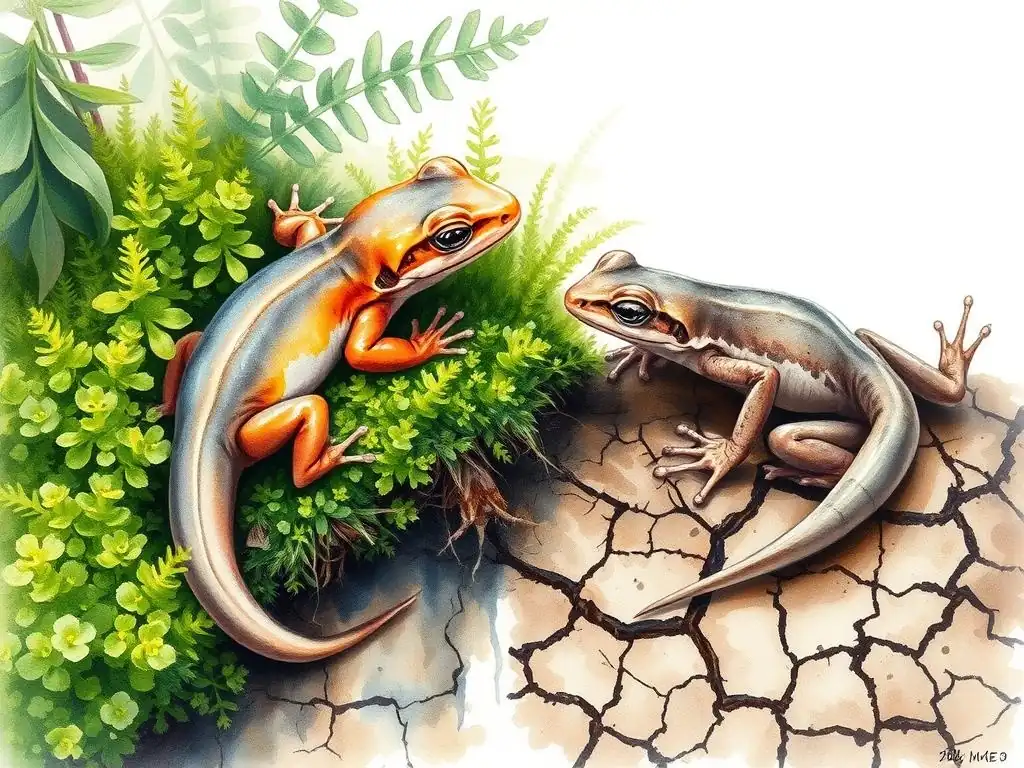
This section details the observable signs of environmental toxin exposure in salamanders and newts, crucial for early intervention and improved care. Recognizing these symptoms is paramount for responsible amphibian ownership and contributes to the overall well-being of these fascinating creatures. Early detection significantly improves the chances of successful treatment and prevents further complications. Remember, prompt action is key when dealing with potential toxin exposure in your salamanders and newts.
Behavioral Changes Indicative of Toxin Exposure
Behavioral changes can be subtle initially, often overlooked until the condition worsens. These shifts in behavior serve as early warning signs that something is amiss, potentially pointing towards toxin exposure. Careful observation is key to identifying these subtle cues.
Several behavioral changes might suggest toxin exposure in your salamanders and newts. These include:
- Lethargy and reduced activity: A significant decrease in normal activity levels, including less exploration of their enclosure and a general lack of interest in their surroundings. A healthy salamander or newt will typically be active and curious. A noticeable reduction in this activity warrants investigation.
- Loss of appetite: A sudden refusal to eat is a serious indicator, potentially suggesting illness or toxin exposure. Monitor feeding behavior closely, noting any changes in appetite or feeding habits. This is especially concerning if coupled with other symptoms.
- Abnormal posture: Unusual postures, such as hunching, abnormal limb positioning, or difficulty righting themselves, might indicate neurological effects of toxin exposure. Note any deviations from their typical posture and movement patterns.
- Increased aggression or unusual avoidance behavior: Changes in social interaction, such as increased aggression towards tank mates or unusual avoidance of interaction, are atypical and could point towards toxin exposure affecting their neurological function.
- Difficulty breathing: Observe the frequency and ease of breathing. Increased respiratory rate or visible difficulty breathing could indicate respiratory system compromise due to toxin effects.
Physical Manifestations of Environmental Toxin Poisoning
Physical symptoms are often more readily apparent than behavioral changes, providing more tangible evidence of toxin exposure. These outward signs can vary depending on the specific toxin and the level of exposure. However, several common physical manifestations should raise concern.
Several physical symptoms can indicate environmental toxin poisoning in salamanders and newts. These include:
- Skin lesions and discoloration: Changes in skin color, unusual markings, or the presence of sores, lesions, or unusual swelling can signal toxicity. Regularly inspect your amphibian's skin for any abnormalities. Note any changes in skin texture or coloration.
- Swelling: Noticeable swelling in any part of the body, particularly around the limbs or head, can be a symptom. This could indicate an inflammatory response to a toxin.
- Eye irritation and discharge: Redness, swelling, or discharge from the eyes are clear signs that something is wrong. This could be due to direct toxin exposure or an indirect effect on the immune system.
- Muscle weakness and tremors: Loss of muscle coordination, tremors, or weakness in the limbs are also possible indicators. This suggests potential neurological damage from toxin exposure.
- Dehydration: Assess the skin's turgor (elasticity). Dehydrated salamanders and newts will exhibit loose, less elastic skin. This is a critical finding as dehydration can exacerbate the effects of toxins.
| Symptom Category | Specific Symptoms | Severity Level | Potential Toxin Source(s) |
|---|---|---|---|
| Behavioral Changes | Lethargy, loss of appetite, abnormal posture | Low to High | Pesticides, herbicides, heavy metals |
| Physical Manifestations | Skin lesions, discoloration, swelling, eye irritation | Low to High | Insecticides, fungicides, industrial pollutants |
| Respiratory Issues | Difficulty breathing, increased respiratory rate | Medium to High | Ammonia, chlorine, volatile organic compounds (VOCs) |
Diagnosing Toxin Exposure in Captive Salamanders and Newts
Diagnosing toxin exposure in captive salamanders and newts requires a multi-pronged approach, combining careful observation of symptoms with environmental investigation. While a definitive diagnosis often necessitates laboratory testing, careful observation and a thorough assessment of the captive environment are crucial first steps.
The diagnostic process involves:
- Thorough environmental assessment: Analyze the water parameters (ammonia, nitrite, nitrate levels, pH) and substrate composition. Identify potential sources of toxins in the enclosure, such as contaminated water, substrate, or decorations. Consider the origin of the water source.
- Detailed history taking: Record the history of the animal, including its diet, recent environmental changes, and any potential exposure to chemicals. This information is crucial for determining the potential source of toxin exposure.
- Physical examination: Perform a comprehensive physical examination, noting any physical symptoms as outlined above.
- Veterinary consultation: Contact an experienced herpetologist or veterinarian specializing in amphibians. They may recommend laboratory tests to identify specific toxins and determine the appropriate treatment plan. Testing can include blood work and tissue analysis.
Remember, prevention is key. Maintaining a clean and toxin-free environment is crucial for the health and well-being of your salamanders and newts. Regular water changes, appropriate substrate selection, and careful selection of enclosure materials will minimize the risk of toxin exposure. Early detection and swift action are crucial for successful treatment and a positive outcome.
Mitigating Environmental Toxin Risks for Salamanders and Newts

Protecting salamanders and newts from environmental toxins requires a multifaceted approach encompassing habitat creation, substrate and water selection, and dietary management. The delicate nature of these amphibians makes them particularly vulnerable to pollutants, impacting their health, development, and reproductive success. Understanding and addressing these risks is crucial for responsible amphibian ownership. The term "Salamander newt environmental toxins" encapsulates the core challenge faced by keepers. This section delves into practical steps to minimize exposure and promote amphibian well-being.
Creating a Safe Habitat for Salamanders and Newts
Creating a safe and toxin-free environment for your salamanders and newts is paramount. This involves careful consideration of all materials used in their enclosure. Avoid using treated wood, as the preservatives can leach harmful chemicals. Untreated, smooth river rocks or slate are better alternatives for substrate. Similarly, avoid using plastic plants or decorations that may contain harmful chemicals.
Opt for live, non-toxic plants, such as java moss or anubias, which also help maintain water quality. Regular cleaning and disinfection of the enclosure are essential. Use only pet-safe disinfectants, following the manufacturer’s instructions carefully. Thoroughly rinse the enclosure after cleaning to eliminate any residue.
Maintaining proper ventilation is also crucial, as it helps to reduce the buildup of ammonia and other harmful gases. Regular water changes, using dechlorinated water, are key to preventing the accumulation of toxins. Aim for partial water changes (25-50%) at least once a week, depending on the size of the enclosure and the number of animals. Remember, a healthy environment is the first line of defense against environmental toxins for your salamanders and newts.
Selecting Safe Substrate and Water Sources
The substrate and water sources you choose significantly impact your salamanders' and newts' exposure to toxins. Avoid using peat moss, as it can contain pesticides and herbicides. Similarly, avoid using sand or soil from your garden, as these may contain heavy metals, pesticides, or other contaminants. Opt for inert substrates such as washed gravel, smooth river stones, or reptile carpet.
Always ensure that any substrate you select is thoroughly cleaned and rinsed before use. For water sources, tap water should never be used directly. Tap water often contains chlorine and chloramine, which are highly toxic to amphibians. Use dechlorinated water, either by using a water conditioner specifically designed for amphibians or by letting tap water sit out for at least 24 hours to allow chlorine to dissipate.
Consider using rainwater or spring water as an alternative, but ensure it is free from contaminants. Regular testing of your water parameters (pH, ammonia, nitrite, nitrate) is crucial to ensure the water remains safe and healthy for your amphibians. A consistently monitored and maintained environment drastically reduces their exposure to harmful substances. Remember, the quality of your substrate and water is directly related to the health and longevity of your salamanders and newts.
Proper Diet and Nutrition to Combat Toxin Effects
A balanced and nutritious diet plays a vital role in helping your salamanders and newts withstand the effects of environmental toxins. A diet deficient in essential nutrients can weaken their immune systems, making them more susceptible to the negative impacts of toxins. Offer a varied diet consisting of appropriate live foods, such as appropriately sized crickets, mealworms, and earthworms.
Ensure that the live food itself is free from pesticides or other contaminants by purchasing from reputable suppliers or by gut-loading your insects with high-quality, pesticide-free vegetables and fruits. Supplementing their diet with vitamins and minerals specifically formulated for amphibians can further enhance their resilience to environmental toxins and improve their overall health. However, oversupplementation can be harmful, so follow the manufacturer’s instructions carefully.
A healthy, well-nourished salamander or newt is better equipped to cope with low-level exposure to environmental toxins. Providing a varied and nutritious diet is a crucial element in mitigating the risks associated with environmental toxins. Remember, a robust immune system is the best defense against disease and the negative effects of environmental toxins.
Regular Monitoring of Water Parameters for Salamander and Newt Health
Maintaining optimal water quality is paramount for the health and well-being of salamanders and newts. These amphibians are highly sensitive to changes in their aquatic environment, and even slight variations in water parameters can significantly impact their health. Regular monitoring is therefore crucial in mitigating the risks associated with environmental toxins. Neglecting this aspect can lead to a range of health problems, including skin irritations, compromised immune systems, and ultimately, death.
The key water parameters to monitor include:
- pH: The ideal pH range for most salamander and newt species is slightly acidic to neutral, typically between 6.0 and 7.5. Deviations from this range can indicate the presence of pollutants or imbalances in the water chemistry. Regular pH testing using a reliable testing kit is essential. Significant deviations require immediate attention and investigation into potential sources of contamination, such as decaying organic matter or chemical runoff.
- Ammonia, Nitrite, and Nitrate Levels: These nitrogenous compounds are byproducts of the decomposition of organic waste, including uneaten food and feces. High levels of ammonia and nitrite are particularly toxic to salamanders and newts, causing severe gill damage and impacting their respiratory function. Regular testing using a liquid test kit is recommended, aiming for zero ammonia and nitrite levels, while nitrate levels should be kept below 20 ppm. Regular partial water changes are crucial in maintaining these levels.
- Temperature: Maintaining a consistent and appropriate temperature is vital. Fluctuations can stress the animals and weaken their immune systems, making them more susceptible to diseases and the effects of environmental toxins. Use a reliable thermometer to monitor the temperature consistently. Sudden temperature spikes or drops should be investigated and corrected immediately.
- Dissolved Oxygen: Salamanders and newts require sufficient dissolved oxygen in the water for respiration. Low oxygen levels can lead to respiratory distress and death. Regular testing, particularly in densely populated tanks, is crucial. Adequate aeration and filtration are essential to maintain healthy oxygen levels.
Ignoring these crucial parameters can significantly increase the risk of exposure to harmful toxins. For instance, high ammonia levels can be a sign of bacterial contamination, and contaminated water can contain heavy metals or pesticides, further compromising the health of your salamanders and newts. Therefore, establishing a routine of regular water testing and maintenance is an essential preventative measure in mitigating the risks associated with environmental toxins and ensuring the long-term health of these fascinating amphibians. Regular partial water changes, using dechlorinated water, are a vital part of this process.
Long-Term Effects of Toxin Exposure on Salamander and Newt Populations
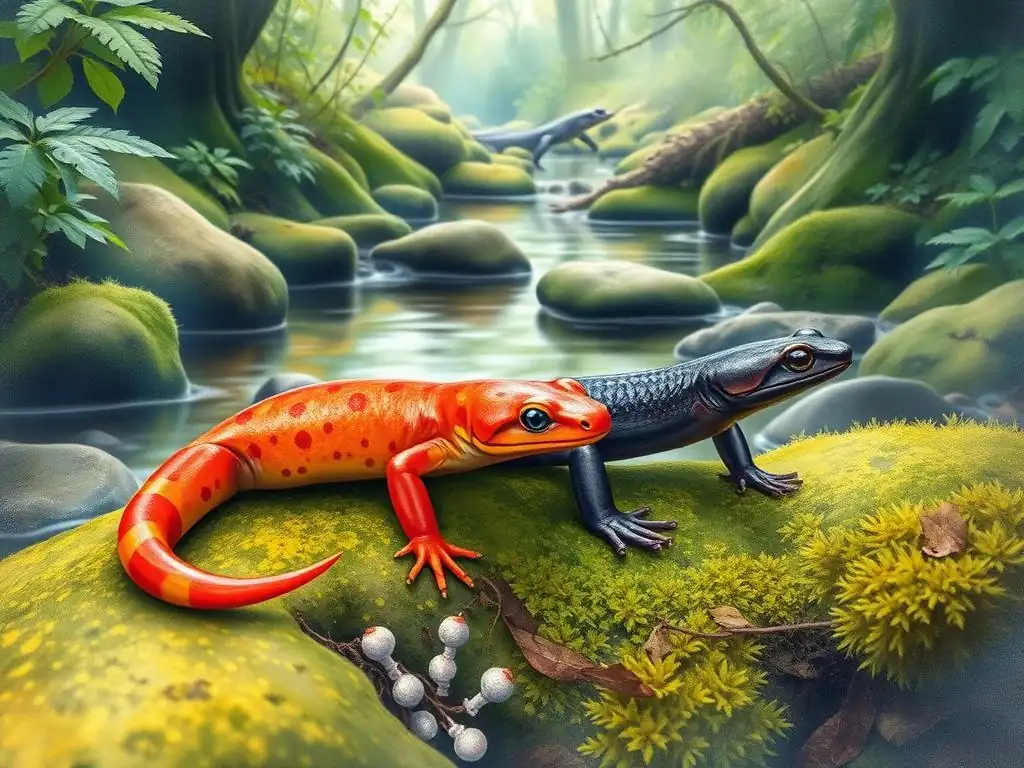
Exposure to environmental toxins poses a significant threat to salamander and newt populations, impacting their health and survival in various ways. The long-term consequences extend far beyond immediate mortality, affecting their reproductive capabilities, genetic diversity, and ultimately, their ability to thrive in the wild. Understanding these long-term effects is crucial for implementing effective conservation strategies for these fascinating amphibians. Many toxins, such as pesticides and heavy metals, bioaccumulate in the environment, leading to chronic, low-level exposure for these amphibians. This chronic exposure can have subtle but devastating effects over time.
Impact on Reproduction and Breeding Success
One of the most significant long-term effects of toxin exposure is the disruption of reproductive processes in salamanders and newts. Studies have shown a correlation between exposure to certain pesticides and a decrease in reproductive success. This manifests in several ways:
- Reduced fertility: Toxins can impair the development and function of reproductive organs, leading to reduced sperm count in males and a decrease in egg production and viability in females. For example, research indicates that exposure to certain herbicides can significantly reduce the number of viable eggs produced by female newts.
- Developmental abnormalities: Exposure during embryonic development can lead to severe deformities in offspring, reducing their survival rate. These deformities can range from skeletal abnormalities to impaired organ function. The impact of these developmental issues can ripple through generations, affecting population growth significantly.
- Behavioral changes: Toxins can also affect the mating behaviors of salamanders and newts. Disrupted hormonal balance can lead to decreased courtship displays, reduced mating success, and ultimately, lower reproductive output. This can be particularly devastating for already vulnerable populations.
The cumulative impact of these reproductive issues can lead to a dramatic decline in population numbers over time, even without significant immediate mortality. Further research is needed to fully understand the complex interplay between specific toxins and their impact on different salamander and newt species. [Specific data on reproductive success rates in various toxin exposure scenarios pending].
Genetic Consequences of Environmental Contamination
Chronic exposure to environmental toxins can have profound genetic consequences for salamander and newt populations. These effects are often subtle and may not be immediately apparent, but they can significantly compromise the long-term viability of these species.
- Reduced genetic diversity: Toxins can act as selective pressures, favoring individuals with certain genetic traits that provide some level of resistance. This can lead to a reduction in overall genetic diversity within a population. Reduced genetic diversity makes populations more vulnerable to diseases, environmental changes, and other threats. A less diverse gene pool limits the population's ability to adapt and evolve in response to future challenges.
- Increased mutation rates: Some toxins are known to be mutagenic, meaning they increase the rate of genetic mutations. While some mutations might be beneficial, many are harmful, leading to reduced fitness and increased mortality. The accumulation of harmful mutations over generations can severely weaken a population's ability to survive and reproduce.
- Epigenetic effects: Toxins can also induce epigenetic changes, which are alterations in gene expression that are not caused by changes in the DNA sequence itself. These epigenetic changes can be heritable, meaning they can be passed down to subsequent generations. Epigenetic alterations can have significant impacts on development, health, and reproductive success, contributing to the long-term decline of salamander and newt populations.
The long-term genetic consequences of toxin exposure highlight the importance of protecting these amphibians from environmental contamination. Preserving genetic diversity is essential for the long-term survival and resilience of these species. [Further research is needed to fully quantify the genetic impact of various toxins on specific salamander and newt species].
Conservation Implications for Wild Salamander and Newt Populations
The long-term effects of environmental toxins on salamanders and newts have significant conservation implications. Protecting these amphibians requires a multi-pronged approach that addresses both the immediate and long-term impacts of toxin exposure.
- Habitat protection and restoration: Protecting and restoring habitats that are free from significant toxin contamination is crucial. This includes reducing pesticide use in agricultural areas, mitigating heavy metal pollution from industrial sources, and preventing habitat degradation. Clean water sources are essential for the survival of many salamander and newt species.
- Monitoring and research: Ongoing monitoring of salamander and newt populations is essential to track the effects of toxin exposure and assess the effectiveness of conservation efforts. Further research is needed to identify the specific toxins that pose the greatest threat and to develop effective mitigation strategies. Understanding the population dynamics and the specific threats to each species is vital.
- Public awareness and education: Raising public awareness about the threats facing salamanders and newts and the importance of protecting their habitats is crucial. Educating the public about responsible pesticide use and the importance of reducing pollution can contribute significantly to conservation efforts. Citizen science initiatives can also play a valuable role in monitoring and protecting these amphibians.
The conservation of salamander and newt populations requires a holistic approach that considers the long-term effects of environmental toxins. By understanding these effects and implementing effective conservation measures, we can help ensure the survival of these fascinating and ecologically important amphibians for generations to come. The continued monitoring and research of these delicate ecosystems are imperative to the success of these conservation efforts.
Resources for Salamander and Newt Owners Concerned About Toxins
This section provides crucial resources for responsible salamander and newt owners worried about the impact of environmental toxins on their amphibian companions. Exposure to harmful substances can significantly affect their health and longevity, so proactive measures are essential. We'll explore reliable methods for water treatment, safe food sourcing, and access to credible scientific information. Remember, even seemingly minor exposures to toxins can accumulate over time, leading to serious health problems in your salamanders and newts. Therefore, understanding and mitigating these risks is paramount for their well-being.
Recommended Water Treatment Methods for Amphibians
Maintaining pristine water quality is arguably the most critical aspect of preventing toxin exposure in salamanders and newts. Chlorine and chloramine, commonly found in tap water, are highly toxic to amphibians. Therefore, using untreated tap water is strictly discouraged. Several methods ensure safe hydration for your pets:
- Dechlorination: Use a water conditioner specifically designed for amphibians. These products neutralize chlorine and chloramine, removing other harmful chemicals frequently present in tap water. Always follow the manufacturer's instructions carefully for accurate dosage. Regular water changes are crucial, even with treated water, to prevent the buildup of ammonia and other waste products.
- Reverse Osmosis (RO) Filtration: RO systems effectively remove a broad spectrum of contaminants, including heavy metals, pesticides, and other toxins. While more expensive than dechlorination, RO filtration offers superior water purity and is a worthwhile investment for the health of your sensitive amphibians. Remember to add back essential minerals after filtration, as RO water can be devoid of vital electrolytes.
- Distilled Water: Distilled water is another option, offering freedom from most contaminants. However, like RO water, it lacks essential minerals and needs supplementation. Always check the mineral content of your water source, and adjust accordingly using appropriate mineral supplements designed for aquatic life. This ensures your salamanders and newts receive a balanced and healthy environment.
Additional Tips for Water Management
Regularly test your water parameters using a reliable test kit to monitor ammonia, nitrite, nitrate, and pH levels. Maintaining optimal water conditions is crucial for preventing disease and ensuring the well-being of your salamanders and newts. Aim for a pH level between 6.0 and 7.5, depending on the specific species.
Reliable Sources for Safe Amphibian Food and Supplies
The food you provide and the substrate you use also play a vital role in minimizing toxin exposure. Choosing high-quality, reputable sources for food and supplies is non-negotiable.
- Live Food Sources: If feeding live insects, ensure they are sourced from reputable breeders or suppliers who avoid the use of pesticides and insecticides. Wild-caught insects pose a significant risk of contamination. Consider culturing your own insect food to guarantee purity and safety.
- Commercial Food: Opt for commercial amphibian food from established brands with a proven track record of quality and safety. Avoid products with questionable ingredients or those lacking transparency in their manufacturing processes.
- Substrate Selection: The substrate you use in your salamander and newt enclosure can also introduce toxins. Avoid using treated wood, which might contain preservatives. Opt for natural, inert substrates like coconut fiber or peat moss, ensuring they are pesticide-free. Regular cleaning and replacement of the substrate are essential to prevent the buildup of waste and potential toxins.
Relevant Scientific Articles and Organizations
Staying informed about the latest research on environmental toxins and their impact on amphibians is crucial for responsible pet ownership.
- Scientific Journals: Numerous scientific journals publish research on amphibian toxicology and conservation. Searching databases such as PubMed or Google Scholar using keywords like "salamander toxicity," "newt environmental contaminants," or "amphibian pollutant effects" will yield valuable results. Look for peer-reviewed articles from reputable sources.
- Conservation Organizations: Organizations dedicated to amphibian conservation often publish educational materials and research findings on the impacts of environmental toxins. These organizations often provide valuable resources and insights into maintaining healthy habitats for amphibians, both in captivity and in the wild. Their information can help you make informed choices to protect your pets.
| Resource Type | Example | Benefits |
|---|---|---|
| Scientific Journal | Journal of Herpetology, Amphibia-Reptilia | Access to peer-reviewed research on amphibian health and toxicology. |
| Conservation Org. | [Organization Name Pending] | Access to educational materials, conservation news, and expert advice. |
| Online Databases | PubMed, Google Scholar | Comprehensive search capabilities for scientific literature on various topics. |
Remember, proactive measures and continuous learning are key to ensuring the health and well-being of your salamanders and newts. By utilizing these resources and staying informed, you can significantly minimize their exposure to environmental toxins and contribute to their long and happy lives. 🐸
Frequently Asked Questions
What are the main environmental toxins affecting salamanders and newts?
Salamanders and newts are particularly vulnerable to pesticides, heavy metals (like lead and mercury), and herbicides. These toxins can disrupt their development and immune systems.
How do environmental toxins impact salamander and newt reproduction?
Exposure to toxins can lead to reduced fertility, developmental abnormalities in offspring, and even death of embryos. This significantly impacts population numbers.
Can I help protect salamanders and newts from environmental toxins?
Yes! You can help by reducing pesticide use in your garden, supporting responsible waste disposal, and advocating for stronger environmental regulations.
What are the symptoms of toxin exposure in salamanders and newts?
Symptoms can include skin lesions, deformities, slow growth, and unusual behavior. If you observe these, contact a wildlife rehabilitator.
Where can I find more information on salamander and newt conservation?
PetCareWorld offers in-depth articles and resources on salamander and newt care and conservation. You can also explore resources from organizations like the Amphibian Ark and the IUCN.
Final Reflection: A Silent Spring for Salamanders?
The alarming decline of salamander and newt populations worldwide is not just an ecological tragedy; it's a stark warning about the pervasive impact of environmental toxins on our planet's biodiversity. These seemingly small amphibians are acting as powerful canaries in the coal mine, signaling the insidious effects of pollution on ecosystems and, ultimately, on human health. Their vulnerability highlights the urgent need for comprehensive action to protect our shared environment.
The insidious nature of these toxins, often invisible and undetectable without rigorous scientific investigation, underscores the fragility of even seemingly robust ecosystems. Their impact extends far beyond the immediate mortality of these creatures; it disrupts entire food webs and compromises the health of the environments they inhabit.
As Rachel Carson so eloquently stated, >“The more clearly we can focus our attention on the wonders and realities of the universe about us, the less taste we shall have for destruction.” Her words resonate deeply when considering the silent suffering of these amphibians, a suffering that reflects our own potential future if we fail to act.
Consider the implications of this research. What steps can you take to reduce your environmental footprint? From supporting sustainable practices to advocating for stronger environmental regulations, your individual actions, combined with collective efforts, can make a tangible difference. Let the plight of the salamanders and newts inspire you to become a steward of the environment, ensuring a future where these fascinating creatures, and countless others, can thrive.
Unveil the Secrets of Salamander Health: Take Action Now!
Thank you for exploring the fascinating world of salamander and newt health! You've learned about the significant threats posed by environmental toxins. Now, let's put that knowledge into action to protect these incredible amphibians.
- Prioritize clean water: Providing your salamanders with filtered or spring water, free from chlorine and other harmful chemicals, is crucial for their health and well-being. This simple change can dramatically improve their lives.
- Support amphibian conservation: Connect with local amphibian rescue organizations and explore ways to contribute to their vital work, whether through volunteering or donations. Your support can make a real difference.
- Spread the word: Share this information with friends, family, and fellow amphibian enthusiasts to raise awareness about the dangers of environmental toxins and their impact on salamanders.
Ready to make a positive impact on a salamander's life? What steps will you take today to ensure cleaner, healthier living conditions for your amphibian companions?