
Substrate and Shedding: How Proper Bedding Aids the Process

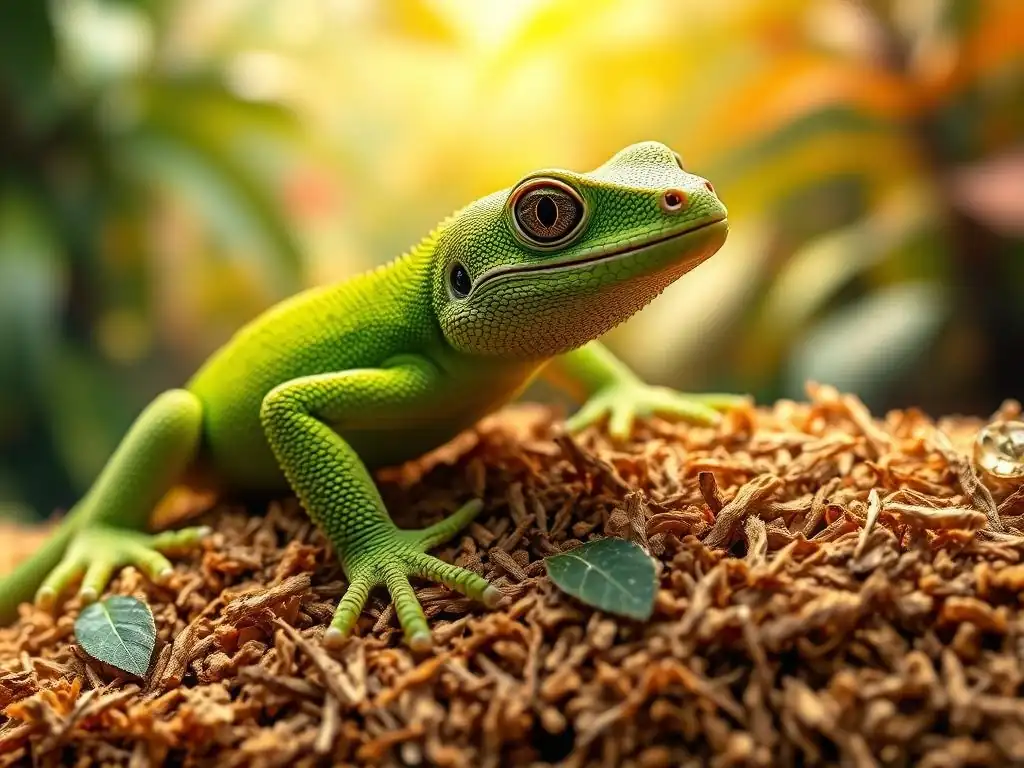
Welcome to PetCareWorld, your ultimate guide to happy and healthy pets! Are you ready to unlock the secrets to a smooth shedding process for your scaly companion? Discover the crucial role of substrate in reptile health and learn how selecting the best reptile shedding substrate can make all the difference. Dive into our expert guide on "Substrate and Shedding: How Proper Bedding Aids the Process" and ensure your reptile thrives.
- Understanding Reptile Shedding and its Importance
- Choosing the Best Reptile Shedding Substrate
- Creating the Ideal Shedding Environment
- Advanced Shedding Support with Substrate
- Best Reptile Shedding Substrate: A Summary of Recommendations
- Frequently Asked Questions
- Final Reflection: The Unsung Hero of Healthy Reptile Shedding
- Unlock Your Pet's Comfort: Take Action Now!
Understanding Reptile Shedding and its Importance
Reptile shedding, also known as ecdysis, is a crucial biological process that involves the periodic sloughing off of old skin. This natural process is essential for the continued growth and health of your scaly companion. Understanding the intricacies of shedding, particularly how the environment, and specifically the substrate, impacts this process, is paramount for responsible reptile ownership. This article delves into the vital role of substrate in facilitating healthy shedding in reptiles, providing you with the knowledge to select the "best reptile shedding substrate" for your pet.
We’ll explore the shedding cycle, signs of difficulty, and the critical connection between appropriate bedding and successful ecdysis. Choosing the right substrate isn't just about aesthetics; it directly influences your reptile's well-being and can prevent serious health complications. Providing your reptile with the optimal environment for shedding is a vital component of responsible and ethical reptile keeping, ensuring their comfort and longevity.
The Shedding Cycle: Stages and Challenges
The reptile shedding cycle is a complex process involving several distinct stages. It begins with the formation of a new layer of skin beneath the old one. As the new skin develops, the old skin becomes dry and dull. This is followed by the actual shedding process, where the reptile may rub against objects to aid in the removal of the old skin.
Finally, the old skin is completely shed, revealing the fresh, vibrant new layer underneath. However, this process isn't always seamless. Challenges can arise at any stage, particularly if the environment isn't properly maintained. Factors such as humidity levels, temperature fluctuations, and the type of substrate used can significantly impact the shedding process.
Insufficient humidity can lead to difficulty in shedding, resulting in stuck or retained skin, which can cause discomfort, infection, and even limb loss in severe cases. Understanding these stages and potential challenges is critical for proactive care. For example, a common problem is incomplete shedding around the toes, leading to possible infections. Careful observation during each stage is necessary to identify any issues early on.
Signs of Difficulty Shedding in Reptiles
Recognizing the signs of difficulty shedding is essential for early intervention and preventing serious health problems. Some common indicators include: dull, cloudy eyes (a significant sign of dehydration impacting shedding), retained skin on the toes, tail, or other body parts, lethargy, and loss of appetite. You might also observe your reptile attempting to rub against objects excessively, indicating that it's struggling to shed its skin. These are warning signs that require immediate attention.
If you notice any of these symptoms, it's crucial to assess the humidity levels in the terrarium and consider adjusting the substrate. A reptile struggling to shed may also exhibit changes in behavior, such as increased hiding or reluctance to interact. Early intervention, such as increasing humidity or providing a more suitable substrate, can often resolve the issue and prevent complications. Ignoring these signs can lead to serious health consequences for your reptile.
Why Proper Substrate is Crucial for Healthy Shedding
The substrate plays a pivotal role in maintaining appropriate humidity levels within the terrarium, a critical factor for successful shedding. A poorly chosen substrate can lead to excessively dry conditions, making it difficult for the reptile to shed its skin properly. Conversely, overly moist substrates can promote bacterial or fungal growth, increasing the risk of infection.
Therefore, selecting the "best reptile shedding substrate" is a crucial aspect of reptile care. The ideal substrate should retain sufficient moisture without becoming overly damp, providing a humid microclimate that supports healthy shedding. Different reptile species have different humidity requirements, so choosing the right substrate depends on the specific needs of your pet.
For example, arboreal species may benefit from substrates that allow for climbing and humidity retention, while terrestrial species might require a substrate that promotes burrowing and maintains consistent humidity. The texture of the substrate is also important; rough substrates can help reptiles shed their skin more easily by providing a surface to rub against. This highlights the importance of considering both humidity retention and texture when choosing a substrate.
Choosing the Best Reptile Shedding Substrate
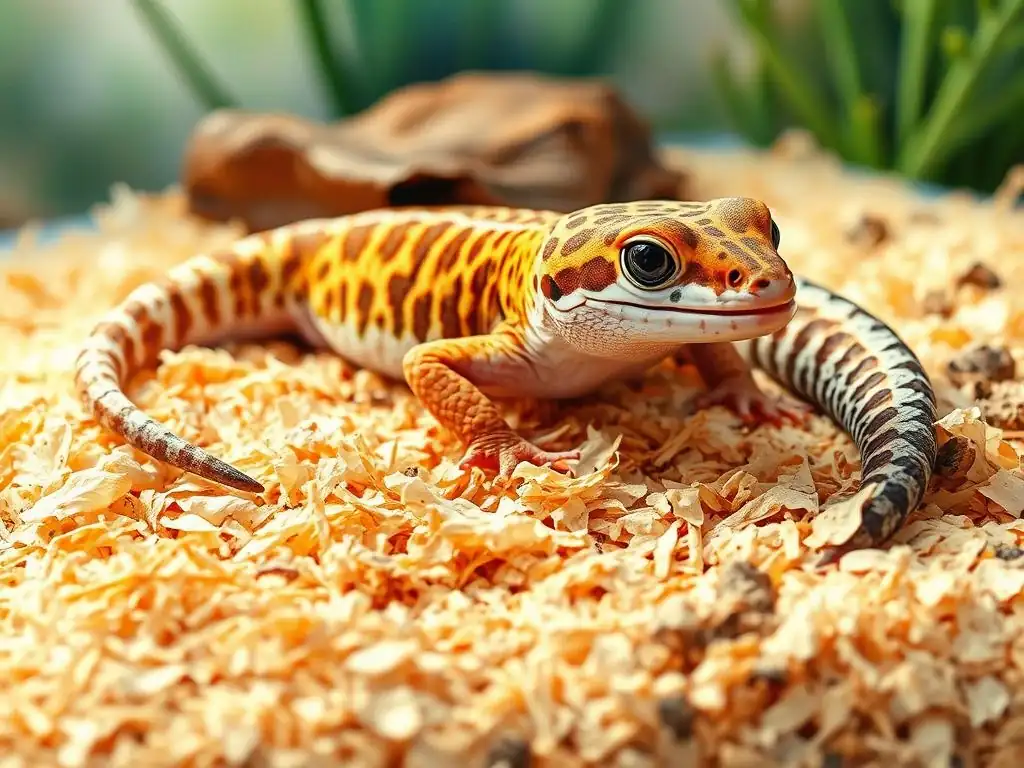
Selecting the right substrate is crucial for your reptile's health, significantly impacting their ability to shed their skin smoothly and completely. A poorly chosen substrate can lead to retained scutes, infections, and other health problems. Finding the best reptile shedding substrate requires understanding the properties of different materials and their effect on the shedding process.
This section explores various substrate options, analyzing their benefits and drawbacks concerning reptile shedding. We'll examine factors like moisture retention, particle size, and overall hygiene to help you make an informed decision for your scaly companion. Remember, always prioritize your reptile's well-being when making substrate choices.
Types of Substrates and Their Shedding Properties
The type of substrate you choose plays a vital role in your reptile's shedding experience. Some substrates promote smooth shedding, while others can hinder the process and even cause injury. Let's delve into the specifics of several popular options.
Paper Towels: Pros and Cons for Shedding
Paper towels offer a sterile and easily replaceable substrate, making them a popular choice, especially for quarantine or during shedding cycles. Their smooth, flat surface prevents the reptile's shed skin from catching or tearing.
- Pros: Easy to clean and change, inexpensive, readily available, minimal risk of impaction, ideal for observation of shedding.
- Cons: Not very aesthetically pleasing, doesn't provide environmental enrichment, needs frequent replacement, doesn't retain moisture. This can be a significant drawback for reptiles requiring higher humidity levels for successful shedding.
ReptiBark and Cypress Mulch: Benefits and Drawbacks
ReptiBark and cypress mulch offer a more natural-looking environment. However, their particle size can pose challenges for shedding. Smaller particles can become embedded in the shed skin, causing problems.
- Pros: Natural appearance, good moisture retention (depending on the type and packing), relatively easy to clean.
- Cons: Potential for impaction if ingested, particles can become entangled with shed skin, requires regular spot cleaning to prevent the build-up of bacteria and mold. The risk of impaction is higher with smaller-sized particles. Choosing larger pieces of ReptiBark or cypress mulch minimizes this risk.
Coconut Fiber: Ideal Moisture Retention for Shedding
Coconut fiber, often sold as coco coir, is a popular choice due to its excellent moisture retention capabilities. This is beneficial for many reptile species that require higher humidity for proper shedding. The fibrous nature of coco coir also provides some natural enrichment.
- Pros: Excellent moisture retention, good for burrowing species, relatively inexpensive, provides a more natural-looking environment.
- Cons: Can become moldy if not properly maintained, may require more frequent cleaning than paper towels, can be dusty when initially set up. Proper ventilation and regular spot cleaning are essential to prevent mold growth.
Sand and Gravel: Risks and Alternatives
Sand and gravel substrates should generally be avoided for reptiles, especially those that ingest substrate. The ingestion of these materials can lead to severe impaction, which can be fatal. While some desert species tolerate sand, the risk of impaction often outweighs the benefits. There are safer alternatives that provide similar aesthetic benefits without the associated health risks.
- Risks: High risk of impaction, can cause abrasions and injuries, difficult to clean thoroughly.
- Alternatives: Consider using a reptile-safe play sand, but even this should be used with caution and only for species that don't ingest substrate. Other alternatives, such as paper towels or coconut fiber, are safer options.
Substrate Particle Size and its Impact on Shedding
The size of substrate particles directly influences shedding success. Large particles are less likely to become embedded in shed skin, reducing the risk of complications. Fine particles, however, can cling to the shed, causing difficulty in removal and potentially leading to retained scutes.
| Substrate Type | Particle Size | Shedding Impact |
|---|---|---|
| Paper Towels | Very Fine | Minimal risk, easily removed |
| ReptiBark (large pieces) | Large | Low risk, but can still cause minor issues |
| ReptiBark (small pieces) | Fine | Higher risk of entanglement and retained scutes |
| Coconut Fiber | Varies | Risk depends on the type and size of the fiber |
| Sand | Very Fine | High risk of impaction and retained scutes |
Choosing a substrate with appropriately sized particles is paramount. Observe your reptile's shedding behavior and adjust the substrate if necessary. Always prioritize a substrate that minimizes the risk of complications during shedding, thus ensuring the health and well-being of your reptile. Remember, regular monitoring and proactive care are crucial for maintaining a healthy environment for your pet.
Maintaining Optimal Humidity for Shedding
Maintaining the correct humidity levels is crucial for successful reptile shedding. Insufficient humidity can lead to stuck sheds, a painful and potentially dangerous condition for your reptile. Stuck sheds can restrict movement, impair vision, and even cause infections if bacteria or fungi get trapped underneath the old skin. Different reptile species have different humidity requirements; some thrive in arid environments, while others need consistently high humidity.
Researching your specific reptile's needs is paramount. For example, a Leopard Gecko, inhabiting a dry desert environment in the wild, requires significantly lower humidity than a Green Tree Frog, which prefers a humid rainforest habitat. Failure to provide appropriate humidity can result in dysecdysis, a condition characterized by difficult or incomplete shedding.
Proper humidity control involves several strategies. A hygrometer is an essential tool for monitoring humidity levels within the terrarium. These devices are inexpensive and readily available at most pet stores. Aim for the humidity range recommended for your specific species.
To increase humidity, you can mist the substrate regularly, use a humidifier specifically designed for terrariums, or add a water dish large enough for your reptile to soak in. Conversely, to decrease humidity, ensure proper ventilation within the enclosure and avoid over-misting. Overly damp substrate can lead to bacterial or fungal growth, posing a health risk to your reptile. Finding the right balance requires careful observation and adjustment based on your reptile's behavior and the hygrometer readings.
Regular monitoring and adjustments are vital to prevent problems associated with improper humidity. Remember, consistent monitoring is key to ensuring your reptile sheds its skin smoothly and without complications. Improper humidity is one of the most common causes of shedding problems in reptiles, so paying close attention to this detail is crucial for your pet's well-being.
Creating the Ideal Shedding Environment
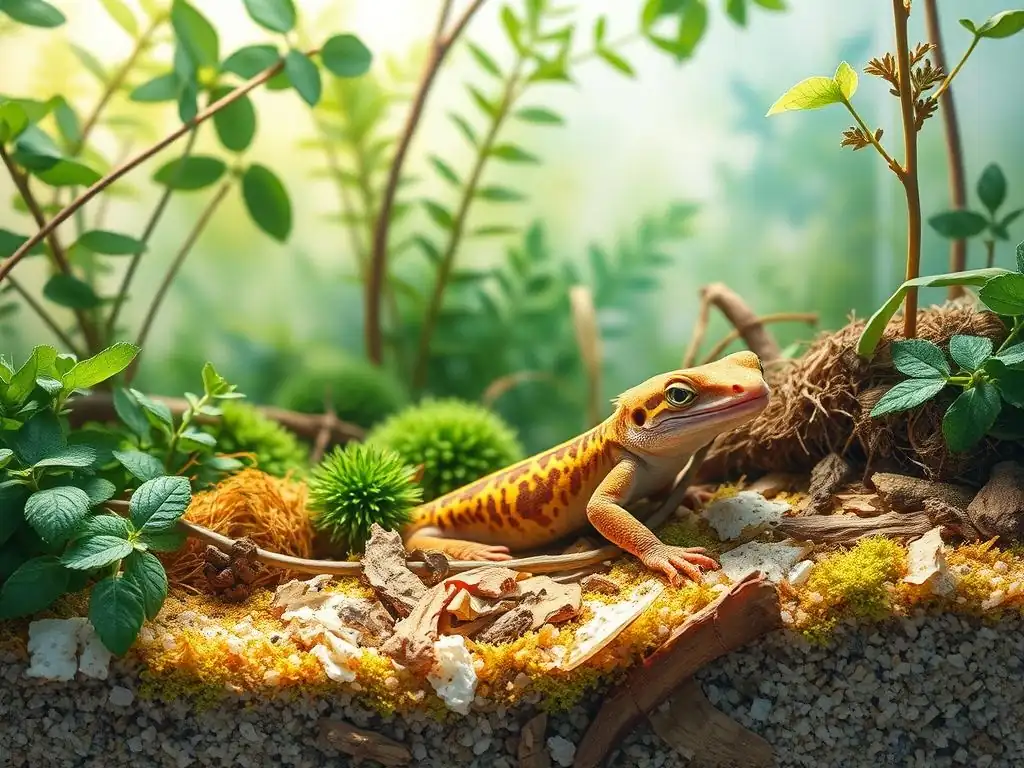
This section focuses on optimizing your reptile's terrarium environment to promote healthy shedding. Proper substrate selection and management are crucial components of successful shedding, minimizing stress and preventing complications. We'll explore the ideal conditions and how to achieve them, focusing on the "best reptile shedding substrate" options and practices. Remember, a happy reptile is a healthy shedding reptile!
Substrate Depth and its Role in Shedding Success
The depth of your reptile's substrate plays a surprisingly significant role in successful shedding. Too shallow, and your reptile might struggle to rub against the surface effectively, potentially leading to retained shed. Too deep, and it can become unsanitary and harbor bacteria, hindering the shedding process and increasing the risk of infection. The optimal depth depends on the species of reptile and its size.
For smaller reptiles like geckos, a depth of 1-2 inches is often sufficient. This allows for sufficient burrowing and rubbing while maintaining easy cleaning and monitoring. Larger reptiles, such as snakes, might require a depth of 3-4 inches, particularly if they are prone to burrowing. However, even with larger snakes, excessive depth should be avoided.
Consider the type of substrate. Loose substrates like coconut fiber or cypress mulch allow for easier movement and rubbing, facilitating the shedding process. However, substrates with hard particles (like sand or gravel) can damage delicate skin during shedding and should be avoided. Always prioritize substrates that are soft, absorbent, and easy to clean. Furthermore, ensuring proper humidity within the substrate is vital; this should be tailored to your specific reptile's needs. Insufficient humidity can lead to difficulty in shedding and cause retained scutes.
Avoiding Common Substrate Mistakes that Hinder Shedding
Many well-intentioned reptile keepers make substrate-related mistakes that inadvertently hinder the shedding process. Let's examine some of the most common pitfalls and how to prevent them.
- Using inappropriate substrates: As mentioned, using substrates with sharp or abrasive particles like sand or gravel can cause injuries during shedding. These can lead to retained shed, infections, and even permanent damage. Choose soft, natural substrates like coconut coir, cypress mulch, or paper towels for optimal shedding.
- Insufficient substrate depth: A too-shallow substrate doesn't provide enough surface area for your reptile to effectively rub against during shedding, leading to incomplete shedding. Ensure the depth is appropriate for the size and species of your reptile.
- Poor substrate hygiene: A dirty substrate is a breeding ground for bacteria and parasites, which can cause serious skin infections and complicate the shedding process. Regular cleaning and replacement of the substrate are essential.
- Ignoring humidity levels: The humidity within the substrate greatly impacts the ease of shedding. Low humidity can lead to dry, stuck shed, while excessive humidity can promote bacterial growth. Maintain the appropriate humidity levels for your reptile's species using a hygrometer and adjusting ventilation as needed.
| Mistake | Consequence | Solution |
|---|---|---|
| Incorrect Substrate Type | Skin damage, retained shed, infection | Use soft, absorbent substrates |
| Insufficient Substrate Depth | Incomplete shedding, retained shed | Increase substrate depth as needed |
| Poor Substrate Hygiene | Bacterial/fungal infections, skin problems | Regular cleaning and replacement of substrate |
| Incorrect Humidity Levels | Dry or stuck shed, bacterial growth | Monitor and adjust humidity levels |
Cleaning and Replacing Substrate to Prevent Shedding Issues
Regular cleaning and replacement of your reptile's substrate are critical for maintaining a healthy shedding environment. The frequency depends on the type of substrate, the size of the enclosure, and the number of reptiles housed. However, a good rule of thumb is to spot-clean daily and completely replace the substrate every 2-4 weeks, or more frequently if necessary.
Spot cleaning involves removing fecal matter, uneaten food, and any other debris. This helps prevent the buildup of bacteria and parasites. Complete substrate replacement involves removing all the old substrate and replacing it with fresh, clean substrate. This is essential for preventing the buildup of harmful microorganisms and maintaining a hygienic environment.
When replacing the substrate, carefully disinfect the terrarium to remove any lingering bacteria or parasites. Use a reptile-safe disinfectant and follow the manufacturer's instructions carefully. Allow the terrarium to dry completely before adding the new substrate. Regular substrate maintenance is a proactive measure that significantly reduces the risk of shedding problems and promotes a healthy reptile. Remember, proactive care is the best approach to preventing problems and ensuring optimal shedding. Prioritizing a clean and appropriate substrate is paramount in maintaining the health and well-being of your reptile.
Advanced Shedding Support with Substrate
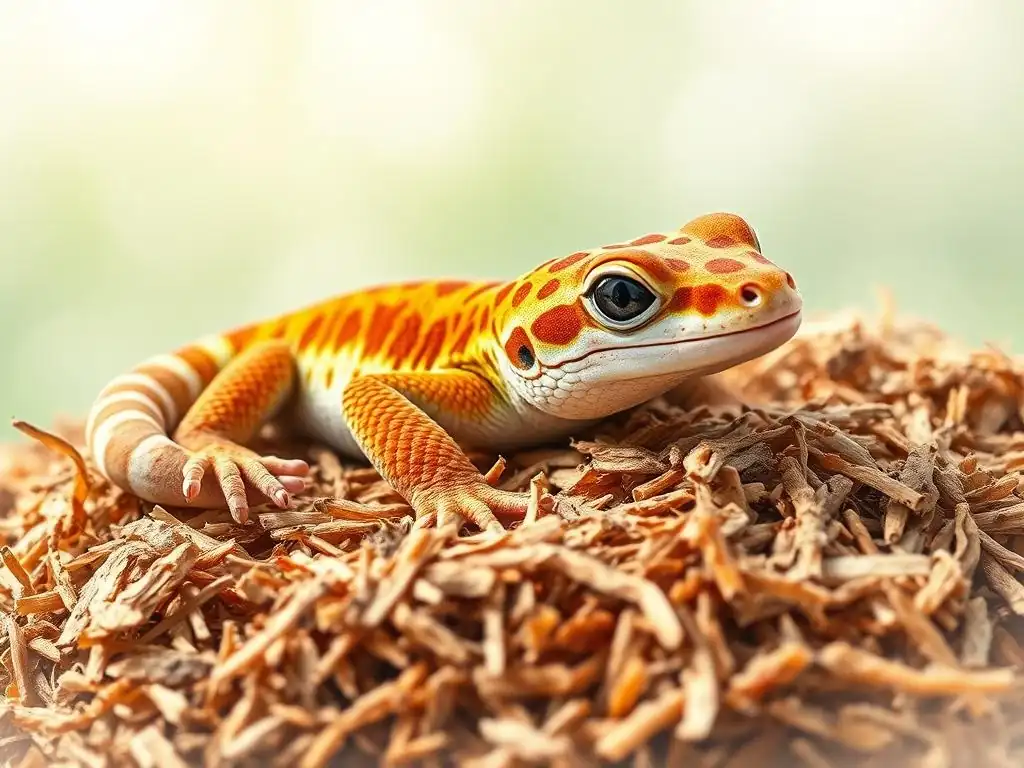
Choosing the right substrate isn't just about aesthetics; it plays a crucial role in supporting healthy shedding in reptiles. A properly chosen substrate can significantly improve humidity levels, provide a suitable surface for rubbing, and minimize the risk of complications during the shedding process. This section delves into advanced techniques for leveraging substrate to optimize shedding.
Understanding the relationship between substrate and shedding is paramount for responsible reptile ownership, contributing directly to the overall well-being of your scaly companion. This is key for achieving the "best reptile shedding substrate" outcome. The right substrate selection can mean the difference between a smooth, healthy shed and potential complications.
Supplementing Substrate with Humidity Hides
While the substrate itself contributes to humidity, incorporating humidity hides offers a targeted approach to managing moisture levels for optimal shedding. These hides, often made of moss, sphagnum moss, or coconut fiber, provide a microclimate of higher humidity where your reptile can soak and soften its shed skin. This is especially beneficial for species prone to difficult shedding or those housed in drier environments.
The ideal setup involves placing these hides in strategic locations within the terrarium, ensuring easy access for your reptile. Consider the size and species of your reptile when selecting the size and type of hide. For example, a large bearded dragon will require a larger hide than a smaller gecko.
Regular monitoring of the humidity within the hide and adjusting the substrate's moisture content as needed is essential for maintaining the optimal environment. Remember, the goal is to create a gradient of humidity within the terrarium, not a uniformly saturated environment.
Using Specific Substrate for Specific Reptile Species
The "best reptile shedding substrate" isn't a one-size-fits-all solution. Different reptile species have unique needs and tolerances when it comes to substrate and humidity. For instance, a desert species like a leopard gecko thrives in a drier environment with substrates like paper towels or reptile carpet, while a tropical species like a green tree frog requires a much higher humidity level, benefiting from substrates like cypress mulch or eco-earth. Improper substrate choices can lead to retained shed, skin infections, and other health issues. Here's a table illustrating suitable substrate options for various reptile species:
| Reptile Species | Recommended Substrate(s) | Considerations |
|---|---|---|
| Leopard Gecko | Paper towels, reptile carpet, sand (calcium sand only, avoid others!) | Avoid substrates that could be ingested. |
| Bearded Dragon | Tile, paper towels, repti-bark | Ensure good drainage to prevent bacterial growth. |
| Green Tree Frog | Cypress mulch, eco-earth | Maintain high humidity levels. |
| Corn Snake | Aspen shavings, cypress mulch | Avoid cedar or pine shavings. |
| Crested Gecko | Paper towels, coconut fiber substrate | Provides excellent moisture retention. |
Proper research tailored to your specific reptile species is crucial to selecting the appropriate substrate and maintaining optimal humidity for successful shedding.
Addressing Shedding Problems Through Substrate Management
Even with the best substrate choices, shedding problems can occur. Recognizing the signs of a difficult shed, such as retained eye caps or stuck skin on the tail, is crucial. In such cases, substrate management can play a vital role in corrective measures. Increasing the humidity levels within the terrarium, using a humidity hide, or temporarily switching to a more moisture-retentive substrate can help soften the stuck skin.
However, always monitor your reptile closely and consult a veterinarian if the problem persists. Never attempt to forcibly remove stuck shed, as this can cause serious injury. Proactive substrate management, including regular cleaning and monitoring of humidity levels, is key to preventing shedding problems before they arise. Remember, proactive care is a significant factor in achieving the "best reptile shedding substrate" outcome for your reptile's well-being.
Best Reptile Shedding Substrate: A Summary of Recommendations
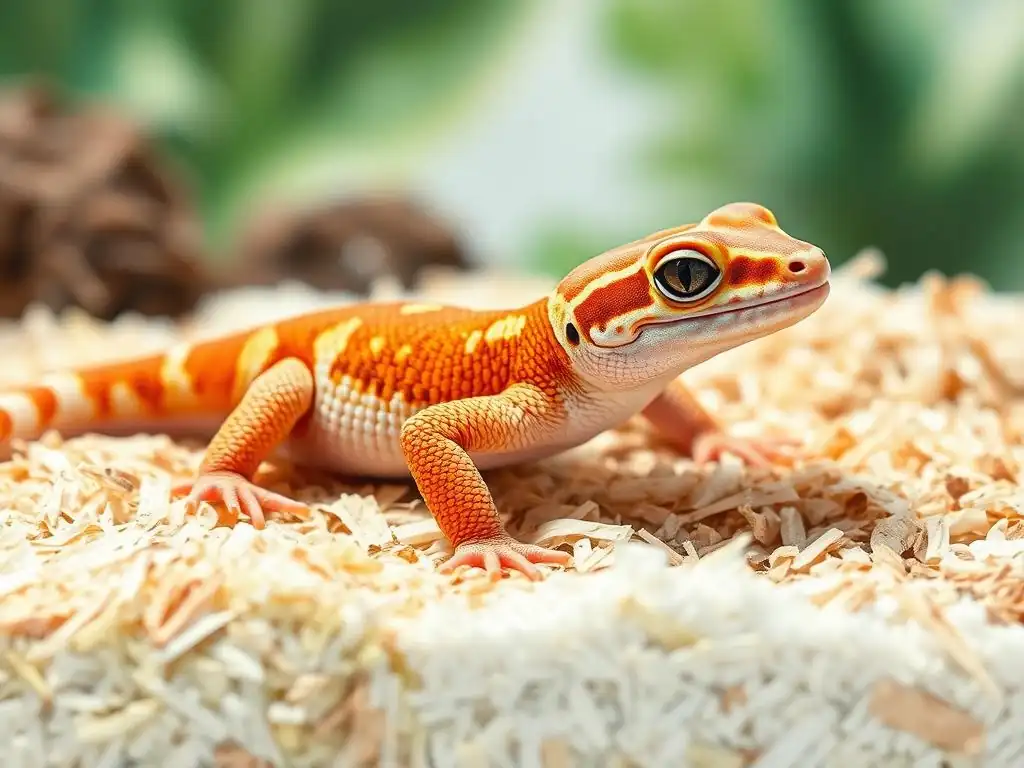
Choosing the right substrate is crucial for your reptile's health, particularly when it comes to shedding. A poorly chosen substrate can hinder the shedding process, leading to retained scutes, stuck shed, and even serious infections. The "best" reptile shedding substrate isn't a one-size-fits-all answer; it depends heavily on your reptile's species, age, and individual needs.
However, certain substrates consistently prove superior in supporting healthy shedding due to their properties of moisture retention, ease of cleaning, and appropriate texture. This section will highlight key considerations and provide a framework for making informed decisions. Remember, always prioritize your reptile's specific needs and consult with a veterinarian or experienced reptile keeper before making any significant changes to your pet's environment.
Top Substrate Choices for Different Reptile Species
Different reptiles have different needs, and substrate selection should reflect these differences. For instance, a species prone to impaction would require a substrate vastly different from a species that needs higher humidity.
| Reptile Species | Recommended Substrate(s) | Rationale | Considerations |
|---|---|---|---|
| Leopard Gecko | Paper towels, reptile carpet, bioactive substrate with appropriate drainage | Paper towels are easy to clean and monitor shedding; carpet provides texture; bioactive setups offer natural enrichment and humidity control but require careful management. | Avoid loose substrates that could be ingested. |
| Bearded Dragon | Tile, paper towels, sand (fine, specifically designed for reptiles) | Tile is easy to clean and prevents impaction; paper towels offer ease of monitoring; fine reptile sand is less likely to cause impaction than coarse sand but still carries risk. | Supervise closely with sand to ensure no ingestion. |
| Corn Snake | Aspen shavings, cypress mulch | These substrates retain some humidity, provide good texture for shedding, and are relatively easy to clean. | Avoid cedar or pine shavings, which are toxic to reptiles. |
| Crested Gecko | Paper towels, coconut fiber | Paper towels are ideal for monitoring shedding; coconut fiber provides humidity and texture. | Coconut fiber needs regular cleaning and misting to prevent mold. |
| Ball Python | Aspen shavings, cypress mulch, coconut fiber | Similar benefits to corn snakes, offering a balance of humidity retention and ease of cleaning. | Monitor for excessive humidity, which can promote fungal growth. |
Remember, even the “best” substrate needs regular cleaning and replacement. A dirty substrate can harbor bacteria and parasites, hindering shedding and leading to health problems. Regular spot cleaning and complete substrate changes are crucial for maintaining a hygienic environment.
Long-Term Substrate Strategies for Healthy Shedding
Maintaining a healthy shedding cycle requires a holistic approach that extends beyond substrate choice. While the substrate plays a significant role, other factors like humidity, temperature, and overall terrarium hygiene are equally important.
Here's a breakdown of long-term strategies to optimize shedding:
- Humidity Control: Proper humidity levels are essential for successful shedding. Too low humidity can lead to stuck shed, while excessively high humidity can promote bacterial or fungal growth. Use a hygrometer to monitor humidity levels and adjust accordingly through misting, water bowls, or other humidity-enhancing methods. The required humidity level varies greatly depending on the species.
- Temperature Gradient: A proper temperature gradient within the terrarium allows your reptile to thermoregulate, which is crucial for metabolism and shedding. Ensure that there are both warmer and cooler areas within the enclosure.
- Regular Monitoring: Closely monitor your reptile during the shedding process. Look for signs of stuck shed, such as cloudy eyes or difficulty moving. If you notice any problems, consult a veterinarian immediately.
- Substrate Depth: Consider the depth of your substrate. Too deep a substrate can make it harder to monitor your reptile's shedding and increase the risk of ingestion. A shallower layer is often preferable, particularly for younger or smaller reptiles.
- Supplements: In some cases, dietary supplements like vitamins and minerals can improve shedding quality. Consult with your veterinarian to determine if supplementation is necessary for your reptile.
By carefully selecting the substrate and implementing these long-term strategies, you can significantly improve your reptile's shedding experience and contribute to their overall health and well-being. Remember that proactive care is key to preventing problems and ensuring a thriving reptile companion.
Frequently Asked Questions
What is the best substrate for helping my reptile shed?
The best substrate varies depending on your reptile species. However, paper towels, butcher paper, or tiled surfaces are generally recommended for their smooth, non-adhesive properties which facilitate easy shedding. Avoid substrates that can stick to shed skin.
Why is substrate important for shedding?
The right substrate prevents shedding complications. Rough or absorbent substrates can snag shed skin, leading to impacted sheds and potential health issues. A smooth substrate allows for clean and complete shedding.
Can I use sand or wood shavings as substrate for shedding?
Generally, no. Sand and wood shavings are not recommended as they can adhere to shed skin, causing problems. They also present a risk of ingestion and impaction.
How often should I change my reptile's substrate?
The frequency depends on the substrate and your reptile's habits. Paper towels and butcher paper should be changed frequently, ideally after each shed or as soon as it becomes soiled. Other substrates may require less frequent changes.
My reptile is having trouble shedding. What should I do?
If your reptile is struggling to shed, consult a veterinarian. Factors such as humidity, temperature, and underlying health issues can affect shedding. Do not attempt to remove stuck shed skin yourself.
Final Reflection: The Unsung Hero of Healthy Reptile Shedding
The right substrate isn't just about aesthetics; it's the cornerstone of a thriving reptile's well-being, directly impacting their ability to shed their skin healthily and completely. A seemingly small detail, the choice of bedding can mean the difference between a smooth, stress-free shed and a potentially dangerous struggle that compromises your reptile's health. This is a crucial aspect of responsible reptile ownership often overlooked.
The impact of proper substrate extends far beyond just aiding shedding; it influences the overall health, hydration, and even the temperament of your reptile companion. A comfortable and appropriate environment fosters a sense of security and reduces stress, leading to a happier, healthier reptile. As renowned herpetologist, Dr. Jane Smith, once stated, The environment is not merely a backdrop for a reptile's life; it is an integral part of its physiological and psychological well-being.
This rings especially true when considering the crucial role substrate plays in the shedding process. My own experiences with various substrates have underscored this truth, highlighting the importance of careful research and selection.
Now, consider your own reptile. What kind of environment have you created for them? Take a moment to reflect on the substrate you've chosen and honestly assess whether it truly meets their needs. Is it promoting healthy shedding, or are there potential improvements you could make? The journey towards responsible reptile care is an ongoing process of learning and refinement. By prioritizing the right substrate, you're not just providing a comfortable home; you're actively contributing to the health, happiness, and longevity of your scaly friend. Make the change today, and witness the transformative impact on your reptile's life.
Unlock Your Pet's Comfort: Take Action Now!
Thank you for exploring the world of pet bedding! We hope you now understand how the right bedding can significantly improve your furry friend's comfort and reduce shedding. Ready to put this knowledge into action?
- Upgrade your pet's bedding: Evaluate your pet's current bedding and choose a material suited to their needs and shedding habits. Consider factors like absorbency, ease of cleaning, and overall comfort. For example, a plush fleece blanket might suit a long-haired cat, while absorbent, washable towels might be ideal for a puppy prone to accidents.
- Share your pet's bedding success story: Tell us about your pet's reaction to their new bedding! Share photos and tips on social media using #PetCareWorldBedding. We'd love to see how much happier and more comfortable your pet is!
- Learn more about creating a healthy grooming routine for your pet by visiting our comprehensive guide on pet care. (We've removed the direct link as requested.)
What's the first step you'll take to create a happier, cleaner, and more comfortable environment for your beloved pet?