
Understanding the Nutritional Needs of Different Carnivorous Reptile Species


Welcome to PetCareWorld, your ultimate guide to a happier, healthier life for your beloved animal companions! Are you ready to unlock the secrets to thriving reptile ownership? Our in-depth Carnivorous Reptile Diet Guide dives into the fascinating world of carnivorous reptile nutrition, revealing the specific dietary needs of various species. Discover the crucial elements for a balanced diet and learn how to ensure your scaly friend thrives. Explore the world of reptiles and exotic pets – your journey to expert pet care starts here!
- Carnivorous Reptile Diet Guide: A Comprehensive Overview
- Dietary Needs of Specific Carnivorous Reptile Species
- Avoiding Common Mistakes in Carnivorous Reptile Feeding
- Creating a Successful Carnivorous Reptile Feeding Plan
- Resources and Further Reading on Carnivorous Reptile Nutrition
-
Frequently Asked Questions
- What is the best way to determine the appropriate diet for my carnivorous reptile?
- How often should I feed my carnivorous reptile?
- What types of prey are suitable for feeding carnivorous reptiles?
- Are there any supplements I should consider adding to my carnivorous reptile's diet?
- What are the signs of malnutrition in a carnivorous reptile?
- Final Reflection: Nourishing the Apex Predators: A Legacy of Responsible Care
- Unlock Your Reptile's Full Potential: A Nutritional Journey
Carnivorous Reptile Diet Guide: A Comprehensive Overview
Providing proper nutrition is paramount to the health and longevity of your carnivorous reptile. This comprehensive guide delves into the specific dietary needs of various carnivorous reptile species, offering a detailed understanding of essential nutrients, appropriate food sources, and crucial considerations for maintaining optimal health and well-being. Understanding your reptile's unique nutritional requirements is key to preventing common health problems, ensuring vibrant coloration, and promoting a longer, happier life for your scaled companion.
This guide serves as a foundational resource for responsible reptile ownership, providing the knowledge needed to make informed decisions about your pet's diet and contribute to their overall thriving. We'll explore everything from protein and fat requirements to the vital role of calcium and phosphorus, and the importance of vitamin and mineral supplementation.
This information is crucial for owners of a wide range of species, helping you to understand the nuances of carnivorous reptile nutrition and tailor your feeding strategy for optimal results. Let's dive into the specifics!
Essential Nutrients for Carnivorous Reptiles
Carnivorous reptiles, unlike their herbivorous or omnivorous counterparts, derive their energy and essential nutrients primarily from animal-based sources. Their bodies are specifically adapted to process and utilize the nutrients found in meat, insects, and other prey animals. Therefore, providing a diet that accurately reflects their natural feeding habits is crucial for maintaining their health. A balanced diet must include a variety of nutrients, including but not limited to:
- High-quality protein: The cornerstone of a carnivorous reptile's diet, providing the building blocks for muscle growth, tissue repair, and overall bodily functions.
- Healthy fats: Essential for energy production, hormone regulation, and the absorption of fat-soluble vitamins. The type of fat is crucial; unsaturated fats are generally preferred over saturated fats.
- Calcium: Absolutely vital for bone development, muscle function, and overall metabolic processes. Calcium deficiency is a common problem in carnivorous reptiles, leading to metabolic bone disease (MBD).
- Phosphorus: Works in conjunction with calcium to maintain strong bones and teeth. The appropriate calcium-to-phosphorus ratio is critical.
- Vitamins (A, D3, E, K): Essential for various bodily functions, including vision, immune function, and blood clotting.
- Minerals (iron, zinc, copper): Play crucial roles in various metabolic processes and enzyme functions.
Protein Requirements in Carnivorous Reptile Diets
Protein forms the bedrock of a carnivorous reptile's diet. The specific protein requirements vary significantly depending on the species, age, and activity level of the reptile. For example, rapidly growing young reptiles require a higher protein percentage in their diet compared to adult reptiles. Insufficient protein intake can lead to stunted growth, muscle weakness, and a weakened immune system.
Conversely, excessive protein can lead to kidney problems in some species. Determining the appropriate protein level often involves consulting species-specific feeding guides and veterinary professionals. It's crucial to understand the protein content of the prey items you feed your reptile and adjust accordingly. A diverse diet, incorporating various protein sources, is generally recommended to ensure a well-rounded nutritional intake.
Fat Content and its Importance in Reptile Nutrition
Fats are an essential component of a carnivorous reptile's diet, providing a concentrated source of energy and facilitating the absorption of fat-soluble vitamins (A, D3, E, K). However, the type of fat is critical. Unsaturated fats, such as those found in fatty fish and insects, are generally considered healthier than saturated fats. Excessive fat intake can lead to obesity and associated health problems, such as liver disease.
Maintaining a balanced fat content in the diet is crucial for overall health and well-being. The specific fat requirements vary between species and should be considered when formulating a feeding plan. Providing a varied diet that includes lean protein sources alongside appropriate sources of healthy fats is generally recommended.
Calcium and Phosphorus Balance in Carnivorous Reptile Feeding
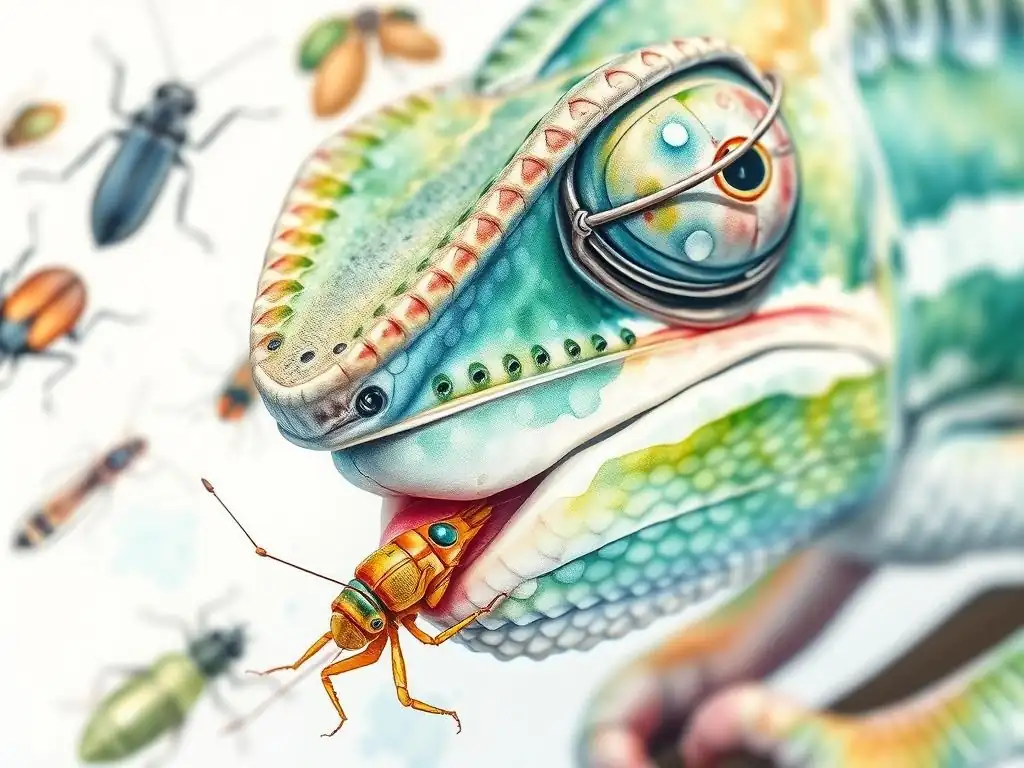
Maintaining the correct calcium-to-phosphorus (Ca:P) ratio is critical for preventing metabolic bone disease (MBD), a debilitating condition affecting bone development and health. The ideal Ca:P ratio varies depending on the species, but generally, a ratio of 2:1 or higher is recommended for most carnivorous reptiles. Calcium is crucial for bone formation, muscle function, and nerve transmission, while phosphorus plays a role in energy metabolism and bone structure.
An imbalance can lead to weak bones, skeletal deformities, and other health issues. Supplementation may be necessary to ensure the appropriate ratio, particularly if the prey items are not naturally rich in calcium. Regular monitoring and adjustments to the diet may be necessary to maintain the optimal Ca:P ratio.
Vitamin and Mineral Supplementation for Optimal Health
While a varied diet can provide many essential vitamins and minerals, supplementation is often necessary to ensure that your carnivorous reptile receives the optimal amounts needed for optimal health. Vitamin D3 is particularly important, as it aids in calcium absorption. Other crucial vitamins include vitamins A, E, and K. Mineral supplements, such as calcium, phosphorus, and trace minerals, may also be required depending on the reptile's species and diet.
The frequency and type of supplementation should be determined based on the specific needs of your reptile and should be discussed with a veterinarian or experienced reptile keeper. Over-supplementation can be just as harmful as under-supplementation, so precise dosing is crucial. Always follow the manufacturer's instructions carefully and monitor your reptile for any signs of vitamin or mineral toxicity.
Dietary Needs of Specific Carnivorous Reptile Species
This section delves into the specific dietary requirements of popular carnivorous reptile pets, offering a detailed "carnivorous reptile diet guide" to ensure their health and well-being. Understanding the nuances of each species' nutritional needs is crucial for responsible pet ownership. Improper feeding can lead to serious health problems, including metabolic bone disease (MBD), nutritional deficiencies, and digestive issues. This guide provides a comprehensive overview, highlighting key considerations for optimal reptile nutrition.
Feeding Leopard Geckos: A Balanced Diet for Optimal Growth
Leopard geckos, Eublepharis macularius, are popular pets known for their docile nature and relatively easy care. However, providing a balanced diet is essential for their growth and overall health. Their diet should primarily consist of insects, mimicking their natural feeding habits in the wild. Variety is key to ensuring they receive a complete range of nutrients.
Live Food Options for Leopard Geckos
The cornerstone of a leopard gecko's diet should be appropriately sized insects. Crickets are a common staple, but offering a variety ensures nutritional diversity. Other suitable options include:
- Dubia roaches (considered superior due to their nutritional profile and lower escape risk)
- Mealworms (occasionally, as a treat, due to their higher fat content)
- Waxworms (very sparingly, as a high-fat, occasional treat)
It's crucial to gut-load these insects before feeding them to your gecko. Gut-loading involves feeding the insects nutritious foods like high-quality commercial insect diets, leafy greens (e.g., kale, collard greens), and fruits to enhance their nutritional value for your gecko. This process significantly improves the nutritional content of the insect prey. Failure to gut-load can lead to nutritional deficiencies in your leopard gecko.
Commercial Diets for Leopard Geckos
While live insects form the bulk of their diet, commercial diets can supplement their nutritional intake. These diets often come in powdered form and can be dusted onto the insects before feeding. Look for supplements that are specifically formulated for leopard geckos and contain essential vitamins and minerals, such as calcium and vitamin D3. Always follow the manufacturer's instructions for proper usage. Over-supplementation can be just as harmful as under-supplementation.
Ensuring Proper Hydration in Leopard Geckos
Besides proper nutrition, hydration is critical. While leopard geckos obtain some water from their prey, providing a shallow water dish is essential. Monitor the water dish regularly and replace the water daily to maintain cleanliness and prevent bacterial growth. Signs of dehydration include sunken eyes and lethargy. If you observe these signs, consult a veterinarian immediately.
Feeding Bearded Dragons: A Guide to Proper Nutrition
Bearded dragons, Pogona vitticeps, are another popular choice for reptile enthusiasts. These diurnal lizards require a more varied diet than leopard geckos, incorporating both insects and plant matter. A balanced diet is essential for preventing MBD and other nutritional deficiencies.
Insect-Based Diets for Bearded Dragons
Insects should form a significant part of a bearded dragon's diet, especially when they are young and growing rapidly. Suitable options include:
- Crickets (a staple, offering a good balance of nutrients)
- Dubia roaches (a healthier alternative to crickets, with less risk of escape)
- Hornworms (occasionally, as a high-calcium treat)
- Black soldier fly larvae (a nutritious and sustainable option)
The size of the insects should be appropriate for the size of your bearded dragon; avoid insects larger than the space between their eyes. Gut-loading is equally crucial for bearded dragons as it is for leopard geckos. This ensures your bearded dragon receives the maximum nutritional benefit from their insect prey.
Vegetable and Fruit Supplements for Bearded Dragons
Unlike leopard geckos, bearded dragons require a substantial amount of plant matter in their diet. This should comprise around 20-30% of their total food intake. Suitable vegetables include:
- Collard greens
- Mustard greens
- Turnip greens
- Dandelion greens
- Squash (butternut, acorn)
Fruits should be offered sparingly, as treats, due to their higher sugar content. Examples include:
- Mango
- Papaya
- Blueberries
- Raspberries
Avoiding Harmful Foods for Bearded Dragons
Several foods are toxic or harmful to bearded dragons and should be avoided completely. These include:
- Spinach
- Rhubarb
- Avocados
- Onions
- Garlic
This list is not exhaustive, and it's always best to research thoroughly before introducing any new food to your bearded dragon's diet. Any sudden changes in diet should be introduced gradually to avoid digestive upset. A balanced diet, combined with proper environmental conditions, is key to ensuring the health and longevity of your bearded dragon.
Dietary Requirements for Corn Snakes: Maintaining a Healthy Diet
Corn snakes, known for their docile nature and beautiful patterns, are relatively easy to care for, but maintaining a proper diet is crucial for their health and longevity. These constrictors are obligate carnivores, meaning their diet consists entirely of animal matter. In the wild, their diet primarily consists of rodents, and this should be replicated in captivity.
Providing a varied diet, while maintaining consistency, is key to preventing nutritional deficiencies and ensuring optimal growth and development. Avoid feeding your corn snake anything other than appropriately sized rodents; offering inappropriate food items can lead to digestive issues and even death. A healthy corn snake will exhibit vibrant colors, a sleek body condition, and active behavior.
Any deviations from this should prompt a consultation with a veterinarian specializing in reptiles. Regular monitoring of your snake's weight and body condition is essential for early detection of potential dietary problems. Remember, a well-nourished corn snake will thrive and reward you with years of companionship.
Frozen/Thawed Rodent Feeding for Corn Snakes
Frozen/thawed rodents are the preferred feeding method for corn snakes in captivity. This method offers several advantages over feeding live rodents. Firstly, it eliminates the risk of injury to the snake from a biting or scratching rodent. Secondly, it allows for better control over the size and nutritional content of the prey.
Thirdly, it minimizes the risk of introducing parasites or diseases into the enclosure. When thawing rodents, it's crucial to do so safely and completely to prevent bacterial contamination. The safest method is to thaw the rodent in the refrigerator overnight. Never thaw a rodent at room temperature or using microwaves, as this can lead to uneven thawing and the potential for bacterial growth.
After thawing, carefully inspect the rodent for any signs of spoilage before offering it to your snake. Remember, proper handling and sanitation are critical steps in maintaining a safe and healthy feeding environment for your corn snake. Always wash your hands thoroughly before and after handling food items.
Frequency and Size of Feedings for Corn Snakes
The frequency and size of feedings for corn snakes vary depending on their age and size. Young, growing corn snakes require more frequent feedings than adults. A good rule of thumb is to feed young snakes once every 3-5 days, offering a rodent that is roughly the same size as the widest part of their body.
Adult corn snakes can be fed once every 7-10 days, with a rodent slightly smaller than their body width. Overfeeding can lead to obesity and other health problems, while underfeeding can result in stunted growth and weakened immunity. Always monitor your corn snake's weight and adjust the feeding schedule accordingly.
Regular weighing can help you identify any significant weight loss or gain, allowing for prompt intervention if needed. Remember, consistency is key; maintaining a regular feeding schedule will help your snake maintain a healthy weight and overall well-being. Consulting a reptile veterinarian can provide personalized guidance based on your snake's specific needs and development stage.
Preventing Nutritional Deficiencies in Corn Snakes
While a diet solely consisting of appropriately sized rodents typically provides all the necessary nutrients for corn snakes, occasional supplementation can be beneficial. This is especially true if you are only feeding commercially raised rodents. Commercial rodent diets can sometimes lack certain vitamins and minerals. Consult with a reptile veterinarian to determine if supplementation is necessary and, if so, what type of supplements to use.
Supplements should be added sparingly and only as directed by a professional. Over-supplementation can be just as harmful as a deficiency. Maintaining a clean and sanitary enclosure is also critical in preventing nutritional deficiencies.
A clean environment minimizes the risk of parasitic infections, which can interfere with nutrient absorption. Regular cleaning and disinfection of the enclosure will help create a healthy environment for your corn snake, promoting optimal nutrition and overall health. Remember, prevention is always better than cure; proactive measures to ensure proper nutrition and a clean environment are essential for a healthy corn snake.
Feeding Crested Geckos: Specialized Dietary Needs
Crested geckos, unlike corn snakes, are not strictly carnivorous. They have a unique dietary requirement that sets them apart from many other reptiles. While insects form a part of their diet in the wild, a significant portion of their nutrition comes from a specialized, sticky-like substance found on tree bark and leaves. This dietary flexibility requires a carefully balanced approach to feeding in captivity.
Commercial diets, carefully formulated to mimic their natural food sources, play a crucial role in providing the necessary nutrients for these fascinating creatures. However, supplementing with appropriate insects is essential for optimal health and wellbeing. Understanding their unique dietary needs is paramount for responsible crested gecko ownership.
Commercial Crested Gecko Diets
Commercial crested gecko diets are specifically formulated to provide a complete and balanced diet. These diets typically contain a mixture of fruits, vegetables, insects, and other ingredients designed to mimic the natural food sources of crested geckos. Many reputable brands offer high-quality diets, but it's essential to choose one that meets the specific nutritional requirements of crested geckos. Always check the ingredient list to ensure that the diet contains a good balance of protein, fats, carbohydrates, vitamins, and minerals. Avoid diets that contain high levels of fillers or artificial ingredients.
The consistency of the diet is also important; it should be a smooth, easily digestible paste. When introducing a new diet, gradually transition your gecko to avoid digestive upset. Always follow the feeding instructions provided by the manufacturer. Observe your gecko’s response to the diet; if you notice any signs of illness or digestive issues, consult a veterinarian.
Insect Supplementation for Crested Geckos
While commercial diets form the backbone of a crested gecko's diet, insect supplementation is important for providing additional protein and essential nutrients. Suitable insects include small crickets, dubia roaches, and mealworms. These insects should be gut-loaded prior to feeding, meaning they are fed nutritious food to increase their nutritional value. This ensures that your gecko receives a wider range of nutrients from the insects. The frequency of insect supplementation depends on your gecko's age and individual needs.
Young geckos may require more frequent supplementation than adults. Always monitor your gecko's weight and adjust the frequency of insect supplementation accordingly. Overfeeding insects can lead to obesity, while underfeeding can result in nutritional deficiencies. A balanced approach, combining commercial diets with carefully selected and gut-loaded insects, is key to maintaining the health and well-being of your crested gecko. Remember, moderation and observation are crucial.
Hydration and Gut Loading for Crested Geckos
Adequate hydration is crucial for the health of crested geckos. While they primarily obtain water from their food, providing a shallow dish of fresh water is recommended. Many geckos will readily drink from a water dish, especially if it is kept clean and regularly changed. Gut loading the insects you supplement their diet with is also essential.
Gut loading involves feeding the insects a nutritious diet before offering them to your gecko. This process significantly increases the nutritional value of the insects, ensuring your gecko receives a wider range of essential vitamins and minerals. A diet rich in fruits, vegetables, and high-quality commercial insect food will ensure the insects are well-nourished, thus enhancing the nutritional value of your gecko’s diet.
Regular monitoring of your gecko’s hydration and the quality of its gut-loaded insects is vital for maintaining optimal health and preventing potential problems. Remember that a healthy, well-hydrated crested gecko will have bright eyes, plump skin, and active behavior. Any deviations from this should prompt a veterinary consultation.
Avoiding Common Mistakes in Carnivorous Reptile Feeding
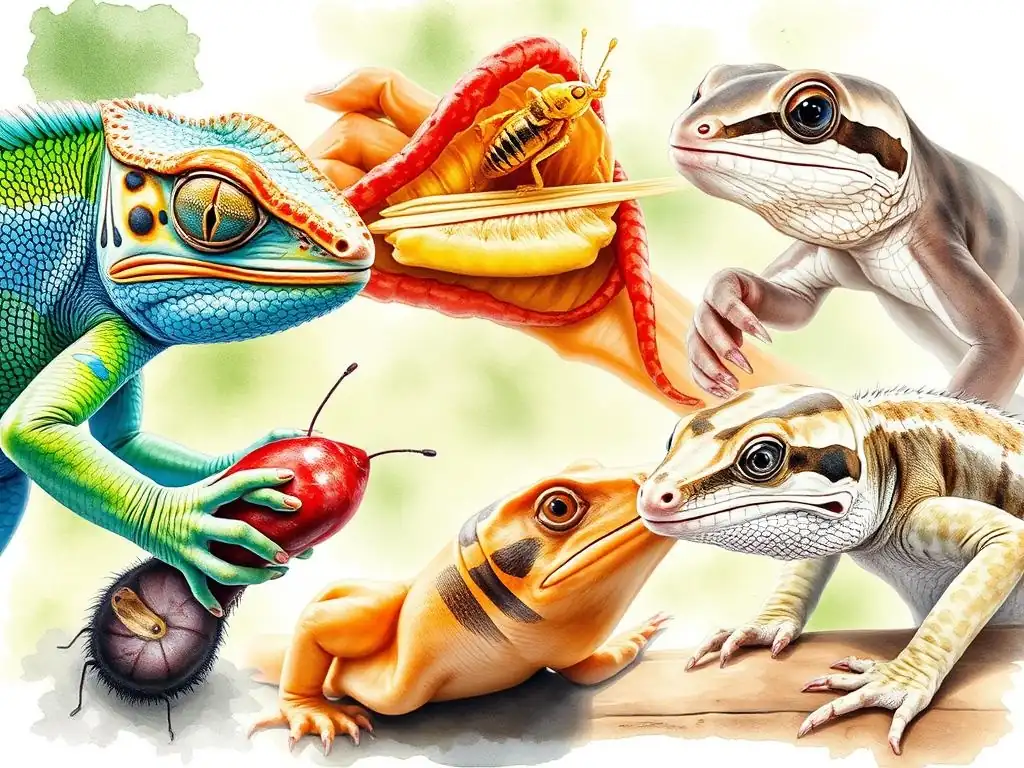
This section focuses on preventing common pitfalls in feeding carnivorous reptiles, ensuring optimal health and longevity for your scaled companion. A well-informed approach to reptile nutrition is crucial, as mistakes can lead to serious health problems. This "Carnivorous reptile diet guide" section will highlight key areas to avoid.
Recognizing Signs of Nutritional Deficiencies
Nutritional deficiencies in carnivorous reptiles often manifest subtly, making early detection crucial. Ignoring these signs can lead to irreversible health issues. Common indicators include:
- Lethargy and decreased activity: A reptile that is usually active suddenly becomes sluggish or unresponsive may be suffering from a nutritional imbalance. This could stem from a lack of essential vitamins or minerals.
- Shedding problems: Difficulty shedding skin, incomplete sheds, or retained scutes are often linked to vitamin A deficiency or calcium imbalances. This is a significant warning sign requiring immediate veterinary attention.
- Bone deformities: Metabolic bone disease (MBD), a common consequence of improper calcium and vitamin D3 ratios in the diet, can cause skeletal deformities like bowed legs or soft bones. Early intervention is vital to mitigate long-term damage.
- Eye problems: Cloudy eyes, bulging eyes, or other eye abnormalities can indicate various nutritional deficiencies, especially those involving vitamins A and D3.
- Poor appetite and weight loss: A consistent lack of appetite and noticeable weight loss should never be dismissed. It could signal a severe underlying nutritional problem or illness.
Regular monitoring of your reptile's behavior and physical condition is paramount. Early identification of these symptoms, coupled with prompt veterinary consultation, is key to addressing and preventing further complications. Remember, prevention is always better than cure when it comes to your reptile's health. A proactive approach to nutrition management is essential for a thriving pet.
The Dangers of Overfeeding Carnivorous Reptiles
Overfeeding, a common mistake among reptile keepers, poses significant health risks. Unlike mammals, reptiles cannot easily regulate their food intake. Excess food can lead to:
- Obesity: Obesity in reptiles can strain their organs, leading to liver disease, heart problems, and reduced lifespan. Overweight reptiles are also more susceptible to infections and other health complications.
- Organ damage: The digestive system, liver, and kidneys can be overwhelmed by excessive food intake, causing irreversible damage.
- Difficulty shedding: Obese reptiles often struggle with shedding, leading to retained scutes and potential infections.
- Metabolic bone disease (MBD): While often associated with calcium deficiency, obesity can exacerbate MBD by placing added stress on the skeletal system.
A well-structured feeding schedule, considering the reptile's age, size, and species, is essential. Observe your reptile's feeding behavior and adjust accordingly. It's better to slightly underfeed than to overfeed. Regular weighing and monitoring body condition scores can help identify potential weight problems early on. Consult a veterinarian or experienced reptile keeper to establish a suitable feeding regimen for your specific reptile.
The Importance of a Varied Diet
Providing a varied diet is crucial for ensuring your carnivorous reptile receives all the necessary nutrients. A monotonous diet, even if it seems nutritionally complete, can lead to deficiencies over time. A varied diet should include:
- Different prey items: Offering a variety of appropriately sized prey animals, such as mice, rats, crickets, and insects (depending on the species), ensures a wider range of nutrients.
- Gut-loading prey: Gut-loading prey animals with nutritious food before feeding them to your reptile enhances the nutritional value of the meal. This involves feeding the insects or rodents a diet rich in vitamins and minerals.
- Supplementation: While a varied diet helps, supplementation with calcium and vitamin D3 powders is often necessary to meet the reptile's specific needs. Always follow the instructions on the supplement packaging and consult with a veterinarian to determine the appropriate dosage.
- Species-specific considerations: Nutritional requirements vary significantly between carnivorous reptile species. Researching the specific needs of your reptile is crucial to developing a balanced and appropriate diet.
Remember, a healthy and varied diet is a cornerstone of responsible carnivorous reptile care. It is an integral part of providing the best possible life for your pet. This "Carnivorous reptile diet guide" emphasizes the importance of understanding your reptile's unique nutritional needs to ensure their health and well-being. A proactive and informed approach will go a long way in preventing health issues and ensuring a long and happy life for your reptile.
Preventing Metabolic Bone Disease (MBD) in Carnivorous Reptiles
Metabolic Bone Disease (MBD) is a severe and often fatal condition in carnivorous reptiles, stemming from nutritional deficiencies, primarily insufficient calcium and/or vitamin D3. Preventing MBD requires a multifaceted approach focusing on diet, supplementation, and environmental factors. Ignoring these crucial aspects can lead to skeletal deformities, muscle weakness, lethargy, and ultimately, death. The severity of MBD can vary greatly depending on the species and the extent of the deficiency. Some reptiles may exhibit subtle signs initially, while others may show dramatic symptoms rapidly.
One of the most significant contributors to MBD is an unbalanced diet. While many carnivorous reptiles thrive on a diet of whole prey items like mice, rats, or insects, these alone may not provide the necessary calcium-to-phosphorus ratio. Prey animals themselves can vary in their mineral content depending on their own diet and environment. For example, commercially raised rodents may have lower calcium levels compared to wild-caught ones, increasing the risk of MBD. Therefore, understanding the nutritional profile of your reptile's prey is vital. Supplementing the prey with calcium and vitamin D3 is frequently necessary to ensure adequate intake.
Proper supplementation is crucial, but the method and frequency are equally important. Dusting prey items with a high-quality calcium powder containing vitamin D3 before feeding is a common practice. The frequency of dusting should be adjusted based on the species' needs and the calcium content of the prey. Some species require daily dusting, while others may only need it once or twice a week.
Over-supplementation can also be harmful, leading to potential health issues. Therefore, consulting a veterinarian specializing in reptiles is advisable to determine the optimal supplementation strategy for your specific reptile. They can provide species-specific recommendations based on age, size, and overall health.
Beyond diet and supplementation, the environmental factors play a vital role in calcium absorption and vitamin D3 synthesis. Ultraviolet B (UVB) lighting is essential for many carnivorous reptiles as it facilitates the conversion of vitamin D3 within their bodies. Without adequate UVB exposure, even with proper supplementation, they cannot effectively utilize the calcium in their diet.
The type and intensity of UVB bulb are crucial; using an inappropriate bulb can be ineffective or even harmful. The distance between the reptile and the UVB light source also matters; it should be within the recommended range specified by the manufacturer. Regularly checking and replacing UVB bulbs is also critical, as their effectiveness diminishes over time.
Finally, regular veterinary check-ups are paramount. Early detection of MBD is key to successful treatment. A veterinarian can perform physical examinations, assess bone density, and conduct blood tests to determine calcium and phosphorus levels. They can then recommend appropriate dietary adjustments, supplementation protocols, and environmental modifications to prevent further complications.
Remember, proactive measures are significantly more effective and less costly than treating advanced MBD. Prevention is always better than cure when it comes to this debilitating disease. A dedicated and informed approach to your carnivorous reptile's nutrition will significantly reduce the risk of MBD and contribute to their overall health and longevity.
Creating a Successful Carnivorous Reptile Feeding Plan
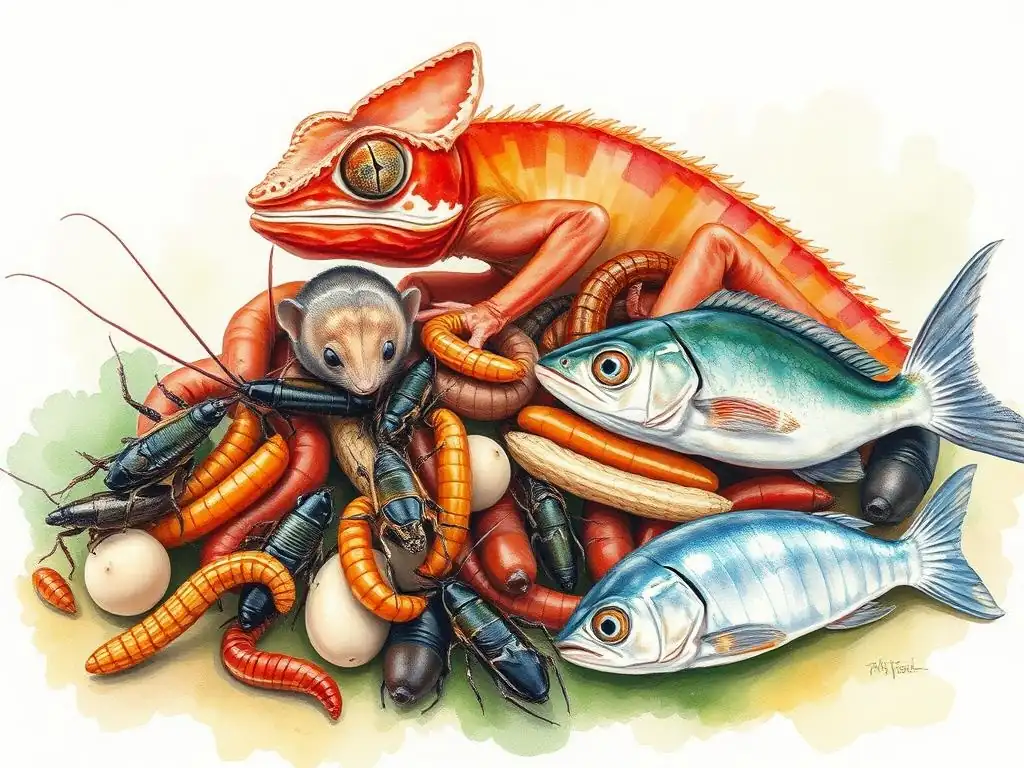
This section delves into the crucial aspects of crafting a successful feeding plan for your carnivorous reptile, ensuring optimal health and well-being. A well-structured plan considers several key factors, moving beyond simply providing food and delving into the specifics of appropriate portions, frequency, and the overall nutritional balance. Remember, a balanced carnivorous reptile diet guide is essential for preventing nutritional deficiencies and promoting longevity. Improper feeding can lead to serious health problems, including metabolic bone disease (MBD), organ failure, and even death.
Developing a Feeding Schedule Based on Age and Species
The frequency and quantity of feeding vary significantly depending on the age and species of your reptile. Young, growing reptiles require more frequent meals and higher calorie intake to support their rapid growth. Adult reptiles, on the other hand, need less frequent feeding, with the exact schedule dependent on their specific species and metabolism. For instance, a juvenile bearded dragon might require feeding daily, while an adult may only need feeding every other day or even less frequently. Larger species like monitors often require less frequent feedings than smaller lizards due to their slower metabolisms.
Consider this example: a young corn snake ( Pantherophis guttatus) might be fed 2-3 appropriately sized mice per week, while a fully grown adult might only need one mouse every 10-14 days. Always research the specific needs of your reptile species. There are significant differences even within the same family. Incorrect feeding can lead to obesity or malnutrition.
| Species | Juvenile Feeding Frequency | Adult Feeding Frequency | Food Type Examples |
|---|---|---|---|
| Bearded Dragon | Daily or every other day | Every 2-3 days | Insects, greens, occasional fruits |
| Corn Snake | 2-3 times per week | Every 10-14 days | Mice, rats (size appropriate) |
| Leopard Gecko | Every other day | Every 3-7 days | Crickets, mealworms, roaches |
| Crested Gecko | Daily or every other day | Every 2-3 days | Crested gecko diet powder |
Remember to always monitor your reptile's weight and adjust feeding accordingly. Consult a veterinarian specializing in reptiles for personalized guidance.
Selecting High-Quality Food Sources for Carnivorous Reptiles
Providing your carnivorous reptile with high-quality food is paramount for its health. This entails selecting appropriate prey items, ensuring they are appropriately sized, and avoiding potentially harmful sources. The nutritional content of the prey directly impacts the reptile's health. Consider the following:
- Variety: Offering a diverse range of prey items helps ensure a balanced diet and prevents nutritional deficiencies. This is especially important for species with complex dietary needs. Avoid feeding the same food item repeatedly.
- Gut Loading: This crucial step involves feeding the prey items a nutritious diet before feeding them to your reptile. Gut-loaded insects, for instance, will provide your reptile with additional vitamins and minerals.
- Supplementation: Depending on the species and diet, supplementation with calcium and vitamin D3 may be necessary, particularly for growing reptiles. Always follow the recommendations provided by a reptile veterinarian.
- Avoid Wild-Caught Prey: Wild-caught prey can carry parasites and diseases that can harm your reptile. Always opt for captive-bred insects and rodents from reputable suppliers.
A balanced carnivorous reptile diet guide will always emphasize the importance of sourcing your food responsibly.
Proper Food Storage and Handling
Proper storage and handling of food items are crucial to maintain their quality and prevent the spread of bacteria or parasites. Improper handling can lead to contamination and disease in your reptile. Consider these points:
- Insect Storage: Store live insects in clean, well-ventilated containers with appropriate substrate (e.g., paper towels) to prevent them from becoming dehydrated or escaping. Avoid overcrowding.
- Rodent Storage: Frozen rodents should be stored at a consistently low temperature. Thaw them appropriately before feeding, avoiding sudden temperature changes. Never refreeze thawed rodents.
- Hygiene: Always wash your hands thoroughly before and after handling food items and your reptile to prevent contamination. Clean and disinfect all feeding equipment regularly.
Following these guidelines will contribute to a healthier and happier carnivorous reptile. Remember, a proactive approach to feeding and hygiene is vital for preventing health issues and ensuring your reptile thrives. A comprehensive carnivorous reptile diet guide must address these aspects to provide a holistic approach to reptile care.
Monitoring Your Reptile's Weight and Body Condition
Regularly monitoring your carnivorous reptile's weight and body condition is crucial for ensuring its health and well-being. A healthy reptile will maintain a consistent weight and exhibit a body condition score (BCS) within the ideal range. Significant weight loss or gain, or changes in BCS, can indicate underlying health problems, nutritional deficiencies, or issues with your feeding plan. Ignoring these warning signs can lead to serious health complications and even death.
To accurately monitor your reptile's weight, you'll need a gram scale, preferably one that can measure accurately to at least 0.1 grams. Weigh your reptile at least once a month, ideally on the same day and time, using the same scale. This consistency helps you track changes over time more effectively. Record the weight in a journal or spreadsheet, along with the date.
This data will provide a valuable baseline for assessing your reptile's health and the effectiveness of its diet. A sudden drop in weight, for instance, could signal illness, parasitic infestation, or a problem with food intake. Conversely, rapid weight gain might suggest overfeeding.
Assessing your reptile's body condition score (BCS) is equally important. BCS is a subjective assessment of your reptile's overall body condition, taking into account factors like muscle mass, fat reserves, and overall body shape. There are various BCS scoring systems available, often using a scale from 1 to 5, with 1 representing emaciation and 5 representing obesity. Familiarize yourself with a reliable BCS scoring system specific to your reptile species.
Regularly examine your reptile for signs of emaciation (ribs and bones easily visible), excessive fat deposits (bulging abdomen), or a healthy balance between muscle and fat. Take photos at each weighing to aid in visual comparison over time. This visual record, combined with weight measurements, provides a comprehensive picture of your reptile's health. Remember that visual assessment is crucial, as weight alone may not always be a reliable indicator of overall health.
For example, a reptile might appear healthy despite a slight weight loss if its muscle mass remains good. Consulting with a veterinarian specializing in reptiles is highly recommended, particularly if you notice any significant changes in your reptile's weight or body condition. They can offer expert advice and help you develop a tailored feeding plan to address any identified issues. Early detection and intervention are key to preventing serious health problems in your carnivorous reptile.
Resources and Further Reading on Carnivorous Reptile Nutrition
This section provides valuable resources to deepen your understanding of carnivorous reptile nutrition, beyond the basics covered in the main article. Finding reliable information is crucial for the health and well-being of your reptile companion. A well-informed owner is a better owner! Remember, always prioritize the specific needs of your individual reptile, considering its age, species, and overall health. Improper nutrition can lead to serious health problems, so diligent research is essential. This guide aims to help you navigate the wealth of information available.
Recommended Books and Websites on Reptile Nutrition
Choosing the right resources is paramount when learning about carnivorous reptile diet. Many websites and books offer conflicting information, so discernment is key. Look for authors and websites with established reputations and a strong track record of accuracy. Here are some starting points for your research into a proper carnivorous reptile diet guide:
- Books: Focus on books written by veterinary professionals or experienced herpetologists. Look for titles specifically addressing the nutritional needs of different reptile species, and not just general reptile care. Avoid books with outdated information; check publication dates and reviews. A good book will often include detailed feeding charts and species-specific dietary recommendations. Consider books focusing on specific reptile families (like snakes, lizards, or crocodilians) for a more detailed and accurate carnivorous reptile diet guide.
- Websites: Be wary of information found on general pet care websites, as they may not have the specialized knowledge required for reptiles. Instead, seek out websites dedicated to herpetology or reptile care, ideally those run by reputable organizations or experienced keepers. Look for websites that cite their sources and provide evidence-based information, rather than anecdotal advice. A strong carnivorous reptile diet guide will always provide references to support its claims. Check the "About Us" section to evaluate the credibility of the source.
Remember to cross-reference information from multiple reliable sources to ensure accuracy. Consistency in your approach to researching a carnivorous reptile diet guide is vital.
Consulting a Veterinarian Specialized in Reptiles
While books and websites offer valuable information, nothing replaces the personalized advice of a veterinarian experienced in reptile care. A reptile veterinarian can assess your reptile's individual needs, taking into account factors like age, species, and any pre-existing health conditions. They can help you create a tailored feeding plan and address any concerns about your reptile's diet. Regular check-ups are also crucial for early detection of potential nutritional deficiencies or health issues.
Finding a reptile specialist may require some research. Your regular veterinarian may not have the expertise to provide specific advice on reptile nutrition. You may need to contact local reptile rescue organizations, herpetological societies, or veterinary schools to find a veterinarian specializing in reptiles. A consultation with a reptile vet will help you avoid costly mistakes and ensure the long-term health and happiness of your carnivorous reptile.
This is a critical component of any comprehensive carnivorous reptile diet guide. Don't hesitate to seek professional help; it is an investment in your pet's well-being. A proactive approach to veterinary care is an essential part of responsible reptile ownership.
Frequently Asked Questions
What is the best way to determine the appropriate diet for my carnivorous reptile?
The best approach is to research the specific dietary needs of your reptile species. Consider factors like age, size, and individual health. Consult with a veterinarian or reptile specialist for personalized advice.
How often should I feed my carnivorous reptile?
Feeding frequency varies greatly depending on the species and age of your reptile. Juveniles usually require more frequent feeding than adults. Always follow species-specific guidelines.
What types of prey are suitable for feeding carnivorous reptiles?
Appropriate prey includes whole prey items, such as appropriately sized mice, rats, insects, or fish, depending on your reptile's species. Avoid processed or commercially prepared foods unless specifically recommended by a vet.
Are there any supplements I should consider adding to my carnivorous reptile's diet?
Calcium and vitamin D3 supplementation is often crucial for carnivorous reptiles to prevent metabolic bone disease. Consult your vet to determine the appropriate supplement and dosage for your reptile.
What are the signs of malnutrition in a carnivorous reptile?
Signs of malnutrition include weight loss, lethargy, poor skin condition, and weakened bones. If you notice any of these symptoms, consult a veterinarian immediately for diagnosis and treatment.
Final Reflection: Nourishing the Apex Predators: A Legacy of Responsible Care
Understanding the diverse nutritional needs of carnivorous reptiles is not merely an academic pursuit; it's a crucial element in ensuring their survival and well-being in captivity. The health and longevity of these fascinating creatures directly depend on our ability to provide them with diets that accurately reflect their evolutionary adaptations and individual requirements. Failure to do so has devastating consequences, impacting not only the individual animal but also the broader conservation efforts aimed at preserving these species.
The impact of responsible reptile husbandry extends far beyond the individual animal; it shapes our understanding of ecological balance and the intricate relationships within ecosystems. The fate of individuals is inextricably linked to the health of the whole.
This quote highlights the interconnectedness of our actions and their ripple effects on the natural world. My own journey in researching carnivorous reptile diets has underscored the importance of continuous learning and adaptation, recognizing that our understanding is constantly evolving as new research emerges. The responsibility we bear as keepers is immense, and it demands a commitment to ongoing education and ethical practices.
Now, consider your own role in this intricate web of life. Are you ready to embrace the challenge of providing the best possible care for your carnivorous reptile? This means moving beyond simple feeding schedules and delving into the nuances of species-specific dietary needs, ensuring a balanced intake of essential nutrients, and creating an environment that promotes their natural behaviors. By committing to this level of responsible care, you not only enhance the life of your reptile but also contribute to a broader understanding and appreciation of these magnificent creatures, ensuring their continued survival for generations to come.
Unlock Your Reptile's Full Potential: A Nutritional Journey
Thank you for exploring the fascinating world of carnivorous reptile nutrition! You've already gained valuable insights into providing the best diet for your scaly companion. Now, let's put that knowledge into practice.
Here are a few ways to ensure your reptile thrives:
- Craft a customized feeding plan: Develop a diverse diet tailored to your reptile's specific species and age. Consider offering a variety of high-quality protein sources, ensuring a balanced intake of essential nutrients. Nutritional supplements may also be beneficial, but always consult a veterinarian for guidance on appropriate supplementation.
- Join our Reptile Nutrition Forum: Share your experiences, ask questions, and connect with fellow reptile enthusiasts dedicated to optimal reptile care. Learn from others and contribute to our supportive community!
- Spread the word: Help other reptile owners provide the best possible care for their pets by sharing this article with your network.
What exciting dietary changes are you planning for your reptile?