
Boosting Your Bird's Immunity to Combat Respiratory Ailments

Welcome to PetCareWorld, your ultimate guide to a happier, healthier life for your beloved pets! Are you concerned about your feathered friend's well-being? Discover how to significantly boost your bird's respiratory immunity and protect them from common ailments. Our expert advice on "Boosting Your Bird's Immunity to Combat Respiratory Ailments" will provide you with the knowledge and tools to ensure your bird thrives. Dive in and unlock the secrets to a stronger, healthier companion!
- Understanding Avian Respiratory Systems and Common Illnesses
- Boost Bird Respiratory Immunity: Nutritional Strategies
- Environmental Factors Affecting Bird Respiratory Health
- Boost Bird Respiratory Immunity: Lifestyle and Enrichment
- Natural Remedies to Support Bird Respiratory Health (Consult your vet before using)
- When to Seek Veterinary Care for Respiratory Problems in Birds
- Preventing Respiratory Diseases in Birds: A Proactive Approach
-
Frequently Asked Questions
- What are the most common respiratory ailments in birds?
- How can I boost my bird's respiratory immunity naturally?
- What role does nutrition play in boosting respiratory immunity?
- Are there any supplements to support my bird's respiratory health?
- When should I take my bird to the vet for respiratory issues?
- Final Reflection: Nurturing Avian Resilience: A Path to Healthier Birds
- Unlock Your Feathered Friend's Full Potential!
Understanding Avian Respiratory Systems and Common Illnesses
Avian respiratory systems, while seemingly simple, are remarkably complex and highly susceptible to various illnesses. Understanding the intricacies of a bird's respiratory anatomy is crucial for pet owners seeking to proactively boost their feathered friend's immunity and prevent potentially devastating respiratory ailments. This article delves into the common respiratory issues affecting birds, explores the key symptoms to watch out for, and provides a detailed overview of the crucial role immunity plays in fighting off infections.
We will equip you with the knowledge to better understand and address your bird's respiratory health, empowering you to provide the best possible care and significantly improve their quality of life. Successfully boosting your bird's respiratory immunity is a proactive approach to ensuring a long and healthy life for your beloved companion.
This guide focuses on practical strategies and preventative measures, offering valuable insights for every bird owner, regardless of experience. Remember, early detection and proactive care are paramount in managing avian respiratory diseases.
Identifying Symptoms of Respiratory Diseases in Birds
Recognizing the early warning signs of respiratory illness in your bird is paramount for timely intervention and improved treatment outcomes. While symptoms can vary depending on the specific ailment and the bird's overall health, several common indicators warrant immediate attention. These include:
- Changes in breathing: Increased respiratory rate (breathing faster than normal), labored breathing (visible effort in breathing), gasping, or open-mouthed breathing are all significant red flags. Note the frequency and rhythm of your bird's breathing – any deviation from its usual pattern should be investigated.
- Unusual sounds: Rales (wet, crackling sounds), wheezes (whistling sounds), or clicking noises during respiration often indicate underlying respiratory issues. Listen carefully to your bird's breathing; even subtle changes can be indicative of a problem.
- Discharge from the nostrils or eyes: Any discharge, whether clear, watery, or thick and colored, should be considered a potential symptom of a respiratory infection. Observe the consistency, color, and amount of discharge to provide valuable information to your avian veterinarian.
- Sneezing or coughing: While occasional sneezing might not be cause for alarm, persistent sneezing or coughing suggests a potential respiratory problem. Pay attention to the frequency and severity of these symptoms.
- Lethargy and decreased appetite: Respiratory illnesses often lead to a noticeable decrease in your bird's energy levels and appetite. A sudden loss of interest in food and play is a critical indicator that requires immediate attention.
- Ruffled feathers: Birds often fluff their feathers when they are unwell or experiencing discomfort. Observe your bird's plumage; ruffled feathers can be a sign of illness.
- Weight loss: A significant drop in weight, often accompanied by other symptoms, is a clear indicator of a serious underlying condition, potentially a chronic respiratory illness.
Further Considerations
It's crucial to remember that these symptoms can also be associated with other conditions. Therefore, a thorough veterinary examination is essential to determine the precise cause and initiate appropriate treatment. Don't hesitate to consult an avian veterinarian at the first sign of respiratory distress.
Common Respiratory Illnesses in Birds: A Comprehensive Overview
Several respiratory diseases can affect birds, each with its own unique characteristics and treatment requirements. Some of the most common include:
- Avian Pox: A viral disease characterized by skin lesions and respiratory symptoms. The severity can range from mild to severe, depending on the strain and the bird's overall health.
- Chlamydiosis (Psittacosis): A bacterial infection that can affect both birds and humans. It often presents with respiratory symptoms, such as sneezing, coughing, and nasal discharge. Early diagnosis and treatment are crucial to prevent complications.
- Aspergillosis: A fungal infection that primarily affects the respiratory system. It can cause severe respiratory distress and even death if left untreated. The prognosis often depends on the severity of the infection and the bird's overall health.
- Pneumonia: Inflammation of the lungs, often caused by bacterial, viral, or fungal infections. It can manifest with various symptoms, including labored breathing, lethargy, and decreased appetite. Pneumonia can be life-threatening if not treated promptly.
- Respiratory Mycoplasmosis: A bacterial infection that can cause chronic respiratory problems. It often leads to persistent coughing, sneezing, and nasal discharge.
The severity and progression of these diseases can be influenced by factors such as the bird's age, overall health, and the specific pathogen involved. Regular veterinary check-ups and proactive preventative measures are essential for minimizing the risk of these conditions.
The Role of Immunity in Preventing Respiratory Infections
A strong immune system is the bird's first line of defense against respiratory infections. Several factors contribute to a robust immune response:
- Nutrition: A balanced and nutritious diet is fundamental to maintaining a healthy immune system. Ensure your bird receives a diet rich in essential vitamins, minerals, and antioxidants. [Specific dietary recommendations pending]
- Hygiene: Maintaining a clean environment is crucial in preventing the spread of respiratory pathogens. Regular cleaning and disinfection of the cage and surrounding areas are essential. [Specific cleaning protocols pending]
- Stress Reduction: Stress weakens the immune system, making birds more susceptible to illness. Providing a safe, stimulating, and enriching environment can significantly reduce stress levels.
- Genetic Predisposition: Some bird breeds may be genetically predisposed to certain respiratory conditions. Understanding your bird's breed-specific vulnerabilities can help you implement targeted preventative measures.
- Environmental Factors: Exposure to extreme temperatures, poor air quality, and drafts can weaken the immune system, increasing susceptibility to respiratory infections.
By focusing on these crucial aspects of avian health, bird owners can significantly enhance their pet's immune response and reduce the risk of developing respiratory ailments. Remember, preventative care is key to ensuring a long and healthy life for your feathered companion.
Boost Bird Respiratory Immunity: Nutritional Strategies
Boosting your bird's respiratory immunity is crucial for preventing and managing common ailments. A strong immune system is the first line of defense against respiratory infections, and nutrition plays a pivotal role in achieving this. By focusing on a balanced and enriched diet, you can significantly improve your feathered friend's resistance to illness. This section will delve into specific nutritional strategies to fortify your bird's defenses against respiratory problems. Remember to always consult with an avian veterinarian before making significant changes to your bird's diet, especially if they have pre-existing health conditions.
Dietary Essentials for a Strong Immune System in Birds
Avian diets require a careful balance of nutrients to support optimal immune function. Essential components include:
- High-quality protein: Provides the building blocks for antibodies and other immune components. Good sources include seeds (sunflower, safflower, etc. ), nuts (in moderation), and commercially available bird pellets formulated for your specific species. The protein percentage should be tailored to your bird’s age and activity level. For example, a young, rapidly growing bird will need a higher protein percentage than an older, less active bird.
- Healthy fats: Essential fatty acids (EFAs), like omega-3 and omega-6, are crucial for immune cell function and reducing inflammation. Sources include flaxseed, hemp seeds, and certain nuts (again, in moderation). The ratio of omega-3 to omega-6 is important; an imbalance can negatively impact immune function.
- Vitamins and minerals: A wide array of vitamins and minerals are essential for immune function. Vitamin A, Vitamin C, Vitamin E, and various B vitamins are particularly important. Minerals like zinc, selenium, and iron also contribute to a robust immune system. A balanced commercial pellet diet often provides these, but supplementation may be necessary depending on your bird's individual needs and diet.
- Prebiotics and probiotics: These support the gut microbiome, which plays a vital role in overall health and immunity. Prebiotics act as food for beneficial bacteria, while probiotics introduce beneficial bacteria directly into the gut. Many commercially available bird foods now contain prebiotics and probiotics.
The Importance of Fresh Fruits and Vegetables in Avian Diets
While pellets form the foundation of a healthy bird diet, fresh fruits and vegetables are essential for providing a wider range of vitamins, minerals, and antioxidants. These offer additional support for the immune system and contribute to overall well-being. A variety of colorful options is key to ensure a diverse nutrient intake.
Consider offering:
- Dark leafy greens: Kale, spinach, and collard greens are packed with vitamins and minerals.
- Berries: Blueberries, raspberries, and strawberries are rich in antioxidants.
- Carrots and sweet potatoes: Provide beta-carotene, a precursor to Vitamin A.
- Peppers: Excellent sources of Vitamin C.
Remember to introduce new foods gradually to avoid digestive upset. Always wash fruits and vegetables thoroughly before offering them to your bird. Avoid offering avocados, chocolate, caffeine, and alcohol, as these are toxic to birds. The quantity of fruits and vegetables should be balanced with the pellet diet to avoid nutritional imbalances. A good rule of thumb is to offer a small portion of fruits and vegetables alongside the bird's main pellet diet.
Supplements to Boost Bird Immunity: A Vet's Perspective
While a balanced diet is paramount, some bird owners may consider supplements to further enhance their bird's immune system. However, it's crucial to consult with an avian veterinarian before administering any supplements. Improper supplementation can be harmful and even lead to toxicity.
A veterinarian can assess your bird's individual needs and recommend appropriate supplements, if necessary. They may suggest supplements containing specific vitamins, minerals, or probiotics based on your bird's health status, age, and diet. Never self-medicate your bird; always seek professional guidance. The vet will also be able to monitor for any potential side effects and adjust the supplementation strategy accordingly.
The goal is to support, not replace, a healthy and balanced diet with supplements. Remember, prevention is always better than cure when it comes to bird health. A healthy diet forms the cornerstone of a strong immune system, and should always be the primary focus.
Avoiding Harmful Foods That Weaken Bird Immunity
Many seemingly harmless foods can significantly compromise your bird's immune system, leaving them vulnerable to respiratory infections. Understanding which foods to avoid is crucial for bolstering their natural defenses. A diet rich in processed foods, sugary treats, and certain fruits and vegetables can lead to a weakened immune response, making your feathered friend more susceptible to illness.
For example, avocado contains persin, a toxin that can cause vomiting, diarrhea, and even respiratory distress in birds. Similarly, chocolate, a common human treat, is highly toxic to birds and can lead to serious health problems, including cardiac issues that can indirectly weaken their respiratory system. Even seemingly healthy foods like caffeine and alcohol, present in some human beverages, can have devastating effects on a bird's delicate system, impacting overall health and immunity. These substances are potent toxins for birds and should be kept completely out of reach.
Beyond these specific examples, it's important to be mindful of the overall nutritional balance. A diet excessively high in fat or sugar can lead to obesity, which is a significant risk factor for various health problems, including respiratory issues. Obesity can restrict proper lung function and compromise the immune system's ability to fight off infections effectively.
Therefore, providing a balanced diet rich in essential nutrients is vital for maintaining a strong immune system and overall respiratory health. This includes ensuring a diverse range of fresh fruits, vegetables, and high-quality birdseed, tailored to your specific bird species' needs. A veterinarian specializing in avian care can provide tailored dietary recommendations based on your bird's breed, age, and health status.
Remember, a healthy diet is the cornerstone of a strong immune system, and this directly impacts your bird's ability to resist respiratory infections. Always prioritize fresh, whole foods and avoid processed options whenever possible. The small effort will pay off in big ways for your bird's health and longevity.
Environmental Factors Affecting Bird Respiratory Health
Maintaining a healthy environment is crucial for bolstering your bird's respiratory immunity and preventing illnesses. Numerous environmental factors can significantly impact your feathered friend's respiratory health, making proactive management essential. Neglecting these aspects can increase susceptibility to infections and exacerbate existing conditions. This section will explore key environmental considerations that directly influence your bird's respiratory well-being. Understanding and addressing these factors will contribute significantly to your bird's overall health and longevity, helping you effectively boost bird respiratory immunity.
Maintaining Optimal Bird Cage Hygiene
Maintaining impeccable hygiene within your bird's cage is paramount in preventing respiratory infections. Bacteria, fungi, and other pathogens thrive in unclean environments, readily infecting a bird's sensitive respiratory system. Regular and thorough cleaning is not merely about aesthetics; it's a vital component of preventative healthcare.
This involves more than just a weekly spot-clean. A comprehensive cleaning should be undertaken at least once a month, involving the following steps:
- Complete Cage Disassembly: Disassemble the entire cage, removing all perches, toys, food and water dishes.
- Thorough Cleaning: Wash all components with warm, soapy water. Avoid harsh chemicals which can be toxic to birds. A mild, pet-safe disinfectant is acceptable after washing with soap and water.
- Rinsing and Drying: Rinse all parts thoroughly to remove all traces of soap and disinfectant. Allow everything to air dry completely before reassembling.
- Substrate Replacement: Replace the cage's substrate (e.g., paper, wood shavings) completely with fresh, clean material. Avoid dusty substrates that can irritate your bird's lungs.
- Toy Rotation: Regularly rotate toys to prevent the build-up of bacteria and to keep your bird mentally stimulated. Discard any damaged or heavily soiled toys.
Regular cleaning minimizes the risk of airborne pathogens, significantly contributing to boosting bird respiratory immunity. Failing to maintain a clean environment increases the likelihood of respiratory infections, potentially leading to more serious health complications. Remember, prevention is far more effective than cure.
The Impact of Temperature and Humidity on Bird Respiratory Health
Temperature and humidity levels play a significant role in a bird's respiratory health. Extremes in either can weaken the immune system, making your bird more vulnerable to respiratory infections. Maintaining an optimal range is crucial for boosting bird respiratory immunity.
Birds are sensitive to temperature fluctuations. Sudden drops or increases can stress their systems, increasing their susceptibility to illness. Ideally, the temperature should remain consistent within a range suitable for the specific species of bird you own. [Specific temperature ranges pending species-specific data]. Avoid placing the cage in drafty areas or near heating/cooling vents.
Humidity also plays a crucial role. Low humidity can dry out the mucous membranes in the respiratory tract, making it easier for pathogens to invade. Conversely, excessively high humidity can promote the growth of mold and mildew, which are respiratory irritants. A humidity level of [specific humidity range pending] is generally considered ideal, although this can vary depending on the species.
A hygrometer can help monitor humidity levels accurately. Providing a shallow dish of water in the cage can help increase humidity in dry environments. Regularly misting your bird’s environment can also be helpful, but avoid over-misting which can lead to dampness and mold growth.
Careful monitoring and adjustment of temperature and humidity are essential for maintaining your bird's respiratory health.
Air Quality and its Influence on Avian Respiratory Systems
Air quality significantly impacts avian respiratory systems. Poor air quality, whether from household cleaners, smoke, dust, or other pollutants, can irritate the delicate respiratory passages and compromise immune function. This can lead to increased susceptibility to respiratory infections and exacerbate existing conditions. Improving air quality is a critical step in boosting bird respiratory immunity.
Several measures can improve air quality around your bird:
- Ventilation: Ensure proper ventilation in the room where the bird's cage is located. This helps to dilute airborne pollutants and prevent the build-up of stale air.
- Avoid Smoke and Fumes: Keep the area free from smoke (cigarettes, candles, incense), cooking fumes, and strong chemical odors from cleaning products, air fresheners, or other sources.
- Dust Control: Regularly dust and clean the room to minimize dust particles in the air. Consider using a HEPA filter vacuum cleaner to remove fine dust particles more effectively.
- Air Purifier: A HEPA air purifier can help remove airborne particles and improve air quality. This is particularly beneficial in homes with allergies, pets, or other sources of indoor air pollution.
By proactively addressing air quality, you can create a healthier environment for your bird, fostering a stronger immune system and reducing the risk of respiratory problems. Remember, clean air is a fundamental building block of good respiratory health for your feathered companion.
Preventing Exposure to Airborne Pathogens
Airborne pathogens are a significant threat to a bird's respiratory health. These microscopic organisms, including bacteria, viruses, and fungi, can easily spread through the air, infecting susceptible birds. Minimizing exposure is crucial for boosting your bird's respiratory immunity. This involves a multi-pronged approach focusing on cleanliness, ventilation, and quarantine procedures.
One of the most effective strategies is maintaining impeccable hygiene within your bird's environment. Regular and thorough cleaning of the cage, including food and water dishes, perches, and toys, is essential. Use a bird-safe disinfectant, following the manufacturer's instructions carefully. Avoid harsh chemicals that could harm your bird. Remember to thoroughly rinse all surfaces after cleaning to eliminate any residual disinfectant. This diligent cleaning process significantly reduces the load of airborne pathogens present in the bird's immediate surroundings. Failing to clean adequately can lead to the build-up of harmful bacteria and fungi, increasing the risk of respiratory infections.
Proper ventilation is another key element in preventing airborne pathogen exposure. A well-ventilated cage or aviary ensures a constant flow of fresh air, diluting the concentration of airborne pathogens and preventing their accumulation. However, it's crucial to avoid drafts, as these can chill your bird and compromise its immune system, making it more vulnerable to illness.
Finding the right balance between adequate ventilation and protection from drafts is key. Consider using a filter to remove larger particles from the air, further reducing the risk of airborne infections. Regularly checking the ventilation system and ensuring its proper functioning is crucial for maintaining a healthy environment for your bird.
Quarantine is a vital step when introducing a new bird to your existing flock. New birds may carry latent infections, even if they appear healthy. By quarantining a new bird for a minimum of 30 days, you can observe it for any signs of illness and prevent the spread of potential pathogens to your established birds. During quarantine, maintain strict hygiene protocols and minimize contact between the new bird and your existing birds.
This isolation period significantly reduces the risk of introducing airborne pathogens that could compromise the respiratory health of your entire flock. This preventative measure is particularly crucial when dealing with respiratory ailments, as these can spread rapidly within a bird community. A dedicated quarantine cage, away from the main bird area, helps enforce this vital separation.
Preventing exposure to airborne pathogens requires a combination of meticulous cleaning, appropriate ventilation, and diligent quarantine procedures. By implementing these measures, you significantly enhance your bird's ability to resist respiratory infections and maintain optimal respiratory health. Remember, a proactive approach is far more effective than reactive treatment. Investing time in these preventative measures will ultimately safeguard your bird’s well-being and contribute to its longevity.
Boost Bird Respiratory Immunity: Lifestyle and Enrichment
This section focuses on practical, lifestyle-based strategies to bolster your bird's respiratory immunity, acting as a preventative measure against common respiratory illnesses. A strong immune system is the first line of defense against infections, and proactive measures are key to keeping your feathered friend healthy. We'll explore several crucial aspects of avian well-being that directly impact respiratory health. Remember, a healthy bird is a happy bird, and a happy bird is less susceptible to illness. Optimizing your bird's environment and daily routine is paramount for achieving optimal respiratory health.
Stress Reduction Techniques for Birds
Stress significantly weakens a bird's immune system, making them more vulnerable to respiratory infections. Identifying and mitigating stressors is crucial for boosting their immunity. Common stressors include loud noises, sudden movements, cage changes, and interactions with unfamiliar people or animals.
Several techniques can help reduce stress in birds:
- Creating a predictable routine: Birds thrive on routine. Maintaining a consistent feeding schedule, playtime, and sleep cycle provides a sense of security and reduces anxiety.
- Providing a safe and enriching environment: A spacious cage with ample perching opportunities, toys, and hiding places allows your bird to express natural behaviors and reduces feelings of confinement. Consider placing the cage in a quiet area of your home, away from high-traffic areas.
- Gentle handling: Handle your bird gently and only when necessary. Avoid sudden movements or loud noises that might startle them. Always approach your bird calmly and speak softly.
- Minimizing exposure to stressful situations: Avoid taking your bird to crowded places or exposing them to loud noises or sudden changes in their environment.
- Providing appropriate social interaction: If your bird is a social species, ensure it has appropriate companionship, either from another bird or from you. Lack of social interaction can lead to stress and a weakened immune system.
Data suggests that birds experiencing chronic stress exhibit a suppressed immune response, leading to increased susceptibility to disease. Studies have shown a correlation between elevated corticosterone levels (a stress hormone) and decreased immune cell activity in birds. Therefore, implementing stress-reduction techniques is not merely about improving your bird's mood; it's a critical component of proactive respiratory health management.
The Importance of Regular Veterinary Checkups for Birds
Regular veterinary checkups are essential for early detection of respiratory issues and for maintaining overall health. Even seemingly healthy birds can harbor latent infections or have underlying conditions that compromise their respiratory system.
Preventative care includes:
- Annual wellness exams: These exams allow your veterinarian to assess your bird's overall health, including their respiratory system. Early detection of problems often leads to more successful treatment.
- Prompt attention to symptoms: If you notice any signs of respiratory illness, such as sneezing, coughing, wheezing, or nasal discharge, seek veterinary attention immediately. Early intervention can significantly improve the prognosis.
- Vaccinations (if applicable): Some avian species benefit from vaccinations against specific respiratory diseases. Discuss vaccination options with your avian veterinarian.
- Diagnostic testing: If respiratory problems are suspected, your veterinarian may recommend diagnostic tests, such as blood work, radiographs (X-rays), or cultures, to identify the cause of the illness.
Regular veterinary visits are not just about treating illness; they are a proactive approach to maintaining your bird's respiratory health and preventing serious complications. The cost of preventative care is significantly less than the cost of treating a serious respiratory infection. Think of it as an investment in your bird's long-term well-being.
Providing Adequate Exercise and Mental Stimulation for Birds
Physical activity and mental enrichment are crucial for boosting your bird's overall health, including their respiratory system. A sedentary lifestyle can lead to a weakened immune system and make them more susceptible to illness.
Strategies for providing adequate exercise and mental stimulation include:
- Providing ample space: Ensure your bird has a spacious cage that allows for flight and movement.
- Out-of-cage time: Allow your bird supervised time outside of their cage daily to exercise and explore. Bird-proofing your home is essential before allowing out-of-cage time.
- Interactive toys: Provide a variety of toys to stimulate your bird mentally and physically. Rotate toys regularly to prevent boredom. Consider puzzle feeders, foraging toys, and toys that encourage climbing and chewing.
- Social interaction: If your bird is a social species, provide opportunities for interaction with other birds or with you.
- Environmental enrichment: Change the cage arrangement periodically to provide novelty and stimulation. Add new branches, toys, or other items to keep things interesting.
Studies have demonstrated a positive correlation between physical activity and immune function in birds. Regular exercise strengthens the cardiovascular system, improves circulation, and helps the body fight off infection more effectively. Mental stimulation reduces stress and promotes overall well-being, further strengthening the immune system. A healthy, active bird is less likely to succumb to respiratory ailments. Remember that a well-rounded approach to bird care is crucial for boosting "boost bird respiratory immunity".
Creating a Safe and Stimulating Environment for Your Bird
A bird's environment plays a crucial role in its overall health and immune function. A safe and stimulating environment reduces stress, a major factor weakening a bird's immune system and making it more susceptible to respiratory infections. Think of it this way: a stressed bird is a sick bird. Minimizing stressors is paramount to boosting your feathered friend's natural defenses against respiratory ailments.
One key aspect is ensuring a clean and spacious cage. A cramped cage limits movement and can lead to increased stress and poor air quality, both detrimental to respiratory health. Regular cleaning, including removing droppings and soiled bedding daily, is essential. The cage should be large enough to allow your bird to spread its wings fully and comfortably move around. Consider the size of your bird species; a smaller bird will require a smaller cage, but it still needs ample space. Think of it like a human apartment - you wouldn't want to live in a cramped closet!
Beyond cage size and cleanliness, providing appropriate enrichment is vital. Boredom and lack of stimulation can significantly impact a bird's mental and physical well-being, indirectly weakening its immune system. Offer a variety of toys, perches of different textures and sizes, and opportunities for foraging. Rotating toys regularly prevents boredom and keeps your bird mentally engaged.
Foraging toys, which require your bird to work for its food, mimic natural behaviors and provide both mental and physical exercise. This mimics their natural environment and keeps them active and engaged, reducing stress and boosting their overall health. Remember, a happy bird is a healthy bird!
Consider the placement of the cage as well. Avoid placing the cage in drafty areas or near sources of fumes, such as cooking areas or cleaning supplies. These environmental factors can irritate your bird’s respiratory system and weaken its immunity. Direct sunlight can also be harmful, leading to overheating and stress.
A well-ventilated area, away from drafts and extreme temperatures, is ideal. Think about the location carefully; a quiet corner away from household chaos is often best. The goal is to create a haven for your bird where it feels safe, secure, and stimulated, thereby supporting its immune system and overall well-being. A well-designed environment is a cornerstone of preventative bird care.
Natural Remedies to Support Bird Respiratory Health (Consult your vet before using)
Boosting your bird's respiratory immunity naturally requires a holistic approach, focusing on diet, environment, and supportive therapies. Remember, these remedies should always be used in conjunction with, and never as a replacement for, veterinary care. A veterinarian can diagnose the underlying cause of respiratory issues and recommend the most appropriate treatment plan. Ignoring professional veterinary advice can have serious consequences for your feathered friend.
Herbal Remedies for Respiratory Support in Birds
Several herbs possess properties that may help support respiratory health in birds. However, it's crucial to understand that scientific evidence supporting their efficacy in avian respiratory ailments is often limited and anecdotal. Always consult your avian veterinarian before introducing any herbal remedies into your bird's diet. Incorrect dosage or interaction with other medications can be harmful.
Some commonly discussed herbs include:
- Echinacea: Known for its immune-boosting properties in mammals, some bird owners report positive experiences using echinacea to support their birds' immune systems. However, more research is needed to confirm its effectiveness in birds. The method of administration and dosage are crucial and require veterinary guidance.
- Licorice Root: This herb has expectorant properties which may help to loosen mucus in the respiratory tract. Again, the application in birds requires careful consideration and veterinary supervision to avoid potential adverse effects. Incorrect usage can lead to complications.
- Eucalyptus: The essential oil of eucalyptus is often used in diffusers to help clear the air of pollutants. However, direct contact with eucalyptus oil can be toxic to birds. If considering using eucalyptus, it's essential to only use it in a well-ventilated room, far away from your bird's cage, and never directly on the bird.
The use of herbal remedies for birds requires extreme caution. Dosage, preparation, and potential interactions with other medications are critical factors that must be assessed by a qualified avian veterinarian. Improper use can be harmful, even fatal. Never self-medicate your bird.
Homeopathic Options for Avian Respiratory Issues (Always consult your vet)
Homeopathy is a system of alternative medicine that uses highly diluted substances to stimulate the body's healing response. While some bird owners explore homeopathic options for respiratory issues, it's crucial to understand that scientific evidence supporting the effectiveness of homeopathy is lacking. Many studies have shown that homeopathic remedies are no more effective than placebos.
Despite the lack of scientific evidence, some commonly mentioned homeopathic remedies for avian respiratory problems include:
| Remedy | Potential Use | Caution |
|---|---|---|
| Phosphorus | Respiratory infections, weakness | Extremely low doses are used; improper dilution can be harmful. |
| Antimonium Tart | Thick mucus, difficult breathing | Requires professional homeopathic guidance; not a substitute for veterinary care. |
| Bryonia | Dry, hacking cough, aversion to movement | Must be administered under strict veterinary or homeopathic practitioner guidance. |
It is vital to reiterate that homeopathic remedies should never replace veterinary care. A proper diagnosis and treatment plan from an avian veterinarian are essential for managing respiratory ailments in birds. Homeopathic treatments should only be considered as a complementary therapy, used in conjunction with, and under the strict supervision of, a qualified veterinarian. Improper use can lead to delayed treatment and potentially worsen the bird's condition. Always prioritize professional veterinary care for your bird's health.
When to Seek Veterinary Care for Respiratory Problems in Birds
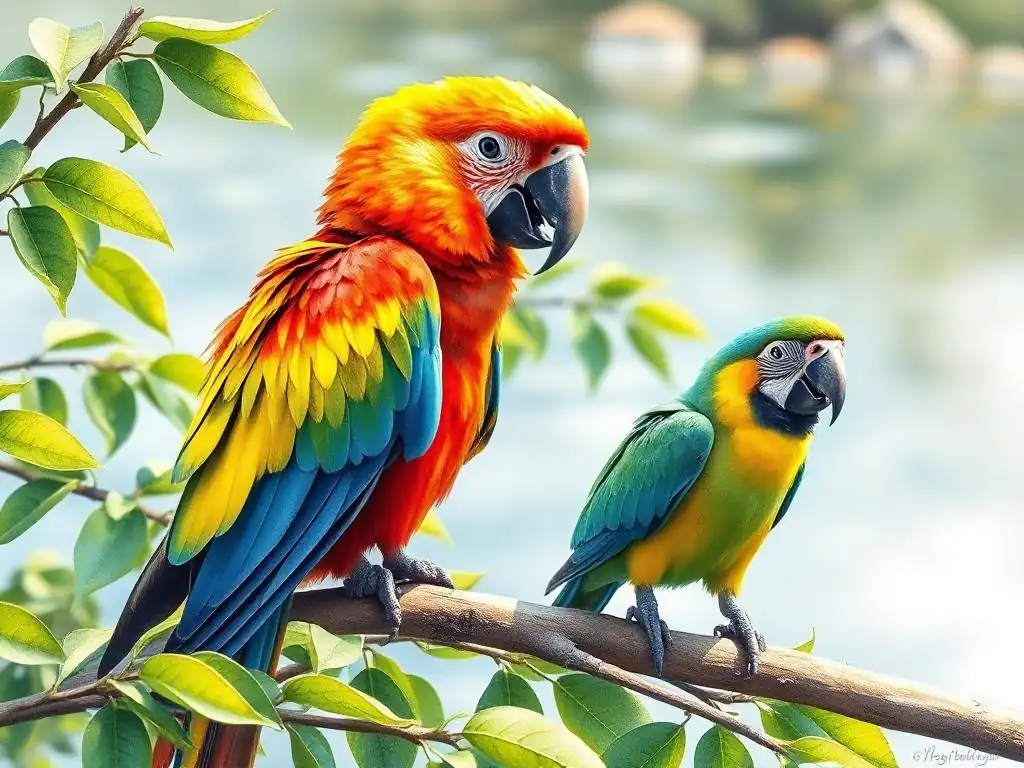
Recognizing when your feathered friend needs professional help is crucial for managing respiratory ailments effectively. While some minor respiratory issues might resolve on their own with supportive care (like providing a humidified environment), many require immediate veterinary attention to prevent serious complications and potentially save your bird's life. Ignoring symptoms can lead to irreversible damage and even death. Therefore, understanding the signs that warrant a visit to an avian veterinarian is paramount.
This section will equip you with the knowledge to make informed decisions regarding your bird's health. Remember, early intervention significantly improves the chances of a successful outcome. Prompt action is key to boosting bird respiratory immunity and overall health.
Recognizing Emergency Symptoms in Birds with Respiratory Issues
Several symptoms indicate an urgent need for veterinary care. These are not just minor inconveniences; they're red flags signaling a potentially life-threatening situation. These emergency symptoms include:
- Open-mouth breathing: This is a significant sign of respiratory distress. Birds typically breathe through their nostrils; open-mouth breathing suggests they are struggling to get enough oxygen.
- Cyanosis (bluish discoloration of the beak, feet, or wattles): This indicates a severe lack of oxygen in the blood, a critical emergency.
- Lethargy and weakness: A sudden and dramatic decrease in energy levels, coupled with inactivity and difficulty perching, is a serious concern.
- Severe dyspnea (difficulty breathing): This can manifest as labored breathing, wheezing, or gasping for air. It's a clear indication of respiratory compromise.
- Significant weight loss: A rapid and unexplained drop in weight can be a symptom of underlying respiratory illness and requires immediate veterinary attention.
- Discharge from the nostrils or eyes: Thick, discolored discharge (green, yellow, or bloody) is a strong indicator of infection.
- Loss of appetite and dehydration: Refusal to eat and drink, leading to dehydration, is a serious warning sign.
- Neurological signs: Such as tremors, seizures, or paralysis, can indicate severe illness and require immediate veterinary intervention.
Remember, even if your bird exhibits only one of these symptoms, it's best to err on the side of caution and seek veterinary advice immediately. Delaying treatment can severely compromise your bird's chances of recovery. Early detection and prompt treatment are essential for boosting bird respiratory immunity and ensuring the best possible outcome.
The Importance of Prompt Veterinary Intervention for Avian Respiratory Diseases
Prompt veterinary intervention is critical for several reasons. Avian respiratory diseases can progress rapidly, and early treatment can significantly impact the prognosis. Delaying treatment can lead to:
- Increased severity of illness: Untreated respiratory infections can worsen, leading to pneumonia, secondary infections, and organ damage.
- Reduced treatment effectiveness: Some medications are more effective when administered early in the course of the disease.
- Increased risk of complications: Delayed treatment can increase the risk of complications such as heart failure, kidney failure, and even death.
- Higher veterinary costs: While preventative care is always cost-effective, treating advanced stages of respiratory disease can be significantly more expensive.
- Reduced quality of life: Birds suffering from untreated respiratory problems often experience reduced quality of life due to discomfort, pain, and decreased ability to participate in normal activities.
Avian veterinarians possess specialized knowledge and equipment to diagnose and treat bird respiratory diseases effectively. They can perform thorough examinations, run diagnostic tests (such as blood tests, radiographs, and cultures), and prescribe appropriate medications. Their expertise is crucial for ensuring the best possible outcome for your bird. Don't hesitate; prompt action is crucial for boosting bird respiratory immunity and ensuring your bird's well-being. The earlier the intervention, the better the chances of a full recovery.
Preventing Respiratory Diseases in Birds: A Proactive Approach
Preventing respiratory illnesses in your feathered friend is far more effective—and less stressful—than treating them. A proactive approach to bird health significantly reduces the risk of contracting diseases like avian influenza, psittacosis (Chlamydiosis), and aspergillosis. Boosting bird respiratory immunity is key, and this involves a multi-pronged strategy focused on environmental control, nutritional support, and careful management of your bird's social interactions. Neglecting these preventative measures can lead to costly veterinary bills and, sadly, potentially fatal outcomes for your beloved pet.
Quarantine Procedures for New Birds
Introducing a new bird to your existing flock requires meticulous quarantine procedures to prevent the spread of infectious diseases. This is crucial for boosting bird respiratory immunity within your entire aviary. A minimum quarantine period of 30 days is recommended, ideally in a separate room with its own ventilation system, to minimize contact with other birds. During this period, carefully monitor the new bird for any signs of illness, such as lethargy, sneezing, coughing, nasal discharge, or changes in droppings.
Even seemingly healthy birds can be carriers of pathogens. A comprehensive veterinary examination, including respiratory testing, should be performed before integrating the new bird into your existing flock. Failure to follow a strict quarantine protocol can jeopardize the respiratory health of your entire bird collection, potentially leading to widespread illness and significant losses.
Regular Cleaning and Disinfection Protocols for Bird Cages and Accessories
Maintaining a clean and hygienic environment is paramount for boosting bird respiratory immunity and preventing respiratory infections. Regular cleaning and disinfection of bird cages, perches, toys, food and water bowls are essential. This involves more than just a quick wipe-down; it requires a thorough cleaning process using appropriate disinfectants. A weekly deep cleaning is recommended, removing all perches, toys, and accessories and scrubbing the cage thoroughly with warm water and a pet-safe disinfectant.
Ensure the disinfectant is specifically designed for use with birds and that it is properly diluted according to the manufacturer's instructions. Failure to follow these guidelines can lead to the build-up of harmful bacteria and fungi, increasing the risk of respiratory infections. Pay close attention to the details; even seemingly insignificant items like food and water bowls can harbor pathogens if not properly sanitized.
Remember, a clean environment is a healthy environment, contributing significantly to your bird's overall well-being and resilience against respiratory diseases. Think of it as investing in a strong foundation for your bird's respiratory health. 🐦 Regular cleaning is a crucial part of a proactive approach to bird health management.
Frequently Asked Questions
What are the most common respiratory ailments in birds?
Birds are susceptible to various respiratory issues, including pneumonia, aspergillosis, and bacterial infections. These can manifest as sneezing, wheezing, or difficulty breathing. Early detection is crucial for effective treatment.
How can I boost my bird's respiratory immunity naturally?
A balanced diet rich in fruits, vegetables, and high-quality birdseed is essential. Providing a clean and spacious cage, minimizing stress, and ensuring proper ventilation are also vital for a strong immune system.
What role does nutrition play in boosting respiratory immunity?
A diet rich in vitamins A, C, and E, along with antioxidants, is key to supporting a bird's immune system. These nutrients help fight off infections and strengthen the respiratory system. Consult your avian veterinarian for specific dietary recommendations.
Are there any supplements to support my bird's respiratory health?
Some supplements, like probiotics and certain vitamins, may support respiratory health. However, always consult your avian veterinarian before introducing any supplements to your bird's diet to avoid potential adverse effects.
When should I take my bird to the vet for respiratory issues?
Seek immediate veterinary attention if you notice any signs of respiratory distress, such as labored breathing, wheezing, sneezing, or discharge from the nostrils. Early intervention is key to improving your bird's chances of a full recovery.
Final Reflection: Nurturing Avian Resilience: A Path to Healthier Birds
The health of our feathered companions is intrinsically linked to their immune strength, and understanding how to bolster this is crucial in preventing devastating respiratory illnesses. A proactive approach to avian wellness, focusing on nutrition, environment, and preventative care, is not merely a trend but a necessity for responsible bird ownership. The devastating impact of respiratory diseases on our beloved birds underscores the urgency of this knowledge.
The journey towards understanding and improving avian respiratory immunity is a continuous one, deeply impacting both the birds themselves and the bond we share with them. The subtle shifts in behavior, the quiet struggle for breath – these are heartbreaking reminders of the fragility of life and the profound responsibility we bear. The greatness of a nation and its moral progress can be judged by the way its animals are treated.
– Mahatma Gandhi. This quote, while broad, speaks to the ethical imperative of caring for our animals, and birds, with their unique vulnerabilities, deserve our utmost attention.
Now, consider the practical application of what you've learned. Reflect on your bird's current environment, diet, and routine. Are there adjustments you can make to create a healthier, more resilient life for your feathered friend? Take the steps needed to empower your bird's natural defenses; it's an investment in a stronger, healthier, and happier relationship. Your proactive care will not only safeguard your bird's health but will also enrich the bond you share, creating a lasting legacy of responsible and loving companionship.
Unlock Your Feathered Friend's Full Potential!
Thank you for learning how to support your bird's respiratory health! We hope you found the information helpful. Now, let's put that knowledge into practice. Ready to give your bird the best possible care?
- Prioritize a Clean Environment: Regularly inspect your bird's cage for cleanliness and establish a thorough cleaning schedule to minimize airborne irritants. This is crucial for your bird's health.
- Enrich Their Diet: Supplement your bird's diet with nutrient-rich foods like fresh fruits and vegetables to boost their natural defenses. An avian veterinarian can provide personalized dietary recommendations.
- Share Your Success (Optional): Share your experiences, tips, and any questions you may have with our PetCareWorld community in the comments below. Let's build a supportive network dedicated to happy, healthy birds!
What small step will you take today to improve your bird's health?