
The Impact of Food Additives on Cat Allergies: What to Avoid

Welcome to PetCareWorld, your ultimate guide to a happier, healthier life for your beloved pets! Are you concerned about your cat's mysterious allergies? Discover how seemingly harmless cat food additives can be the hidden culprit behind your feline friend's discomfort. Learn which ingredients to avoid and unlock the secrets to a healthier, allergy-free diet in our insightful article, "The Impact of Food Additives on Cat Allergies: What to Avoid." Dive in and empower yourself with the knowledge to keep your cat thriving!
- Understanding Cat Food Allergies and Additives
- Specific Food Additives to Avoid for Cats with Allergies
- Choosing Cat Food to Minimize Allergic Reactions
- Natural Alternatives and Supplements to Support Feline Allergy Management
- When to Consult a Veterinarian About Cat Food Allergies
- Preventing and Managing Cat Food Allergies Long-Term
-
Frequently Asked Questions
- What are common food additives that can trigger cat allergies?
- How can I identify if my cat has a food additive allergy?
- Are there any cat foods specifically formulated to avoid common allergy triggers?
- What should I do if I suspect my cat is allergic to a food additive?
- Can I completely eliminate all potential allergens from my cat's food?
- Final Reflection: Navigating the Maze of Cat Food Additives
- Unleash a Healthier Life for Your Feline Friend
Understanding Cat Food Allergies and Additives
Feline allergies are a significant concern for many cat owners, often leading to discomfort and impacting their beloved pets' quality of life. While some cats are allergic to specific proteins like chicken or beef, a surprisingly large number suffer from reactions triggered by additives commonly found in commercial cat food. This article delves into the impact of food additives on cat allergies, helping you understand what to look for and how to avoid potential triggers for a healthier, happier cat.
We'll explore common allergens, identify symptoms related to additive sensitivities, and discuss the role of artificial ingredients in causing these allergic reactions. Choosing the right food can be crucial in managing your cat's allergies, and this guide aims to equip you with the knowledge to make informed decisions for your furry friend's well-being.
Navigating the world of cat food labels can be challenging, but understanding the potential culprits can significantly improve your cat's health and happiness. Let's dive into the specifics of cat food additives allergies and how to avoid them.
Common Cat Allergens in Commercial Foods
Many commercial cat foods contain additives that can trigger allergic reactions. These aren't always the primary protein sources (like chicken or fish), but rather the ingredients added to enhance flavor, color, shelf life, or texture. Some of the most common culprits include:
- Artificial Colors: Yellow 5, Yellow 6, Red 40, and others can cause skin irritation, itching, vomiting, and diarrhea in sensitive cats. These are often added to make the food look more appealing, but they offer no nutritional benefit.
- Artificial Flavors: These synthetic compounds can be difficult to identify on labels, often listed simply as "artificial flavor." They can trigger a variety of allergic reactions, ranging from mild gastrointestinal upset to more severe skin problems.
- Preservatives: BHA (butylated hydroxyanisole), BHT (butylated hydroxytoluene), and ethoxyquin are common preservatives that extend shelf life. However, these chemicals are known to be potential allergens for some cats, causing skin issues and digestive problems.
- Grain Fillers: While not strictly additives, grains like corn, wheat, and soy are frequent sources of allergies in cats. These are often included as cheaper fillers, and cats, being obligate carnivores, may not digest them well, leading to allergic reactions. Many cats do better on grain-free diets.
- Certain Additives: Some other additives like emulsifiers, stabilizers, and thickeners can also trigger allergic responses in sensitive cats. These are often harder to identify on the ingredient list without careful scrutiny.
Understanding these common allergens is the first step in selecting a suitable diet for your allergy-prone cat. Always check the ingredient list carefully, and consider consulting with your veterinarian for personalized recommendations.
Identifying that your cat's issues stem from food additives, rather than a protein allergy, can be challenging. Symptoms can vary widely in severity and presentation. Some common signs of additive-related allergies include:
- Skin Problems: This is often the most noticeable symptom. It can manifest as itching, scratching, redness, inflammation, hair loss, and even skin lesions. Excessive licking or chewing at the paws and body are common indicators.
- Gastrointestinal Issues: Vomiting, diarrhea, gas, and changes in appetite are all possible symptoms. These issues can be intermittent or chronic, depending on the severity of the allergy and the frequency of exposure to the offending additive.
- Respiratory Symptoms: In some cases, allergic reactions to food additives can affect the respiratory system, leading to sneezing, coughing, and wheezing. This is less common but still a possibility.
- Behavioral Changes: While less direct, some cats exhibit behavioral changes when suffering from allergies. These might include increased irritability, lethargy, or changes in sleep patterns.
If your cat exhibits any of these symptoms, particularly those related to the skin or digestive system, it's crucial to consult your veterinarian. They can help determine the underlying cause and recommend appropriate treatment and dietary changes. Keeping a detailed food diary can be invaluable in pinpointing potential allergens.
The Role of Artificial Colors, Flavors, and Preservatives in Cat Allergies
Artificial colors, flavors, and preservatives are frequently implicated in cat allergies. These additives are often added to enhance the palatability and shelf life of commercial cat foods, but they can come at a cost to your cat's health.
The following table summarizes their potential impact:
| Additive Type | Common Examples | Potential Allergic Reactions |
|---|---|---|
| Artificial Colors | Yellow 5, Yellow 6, Red 40, Blue 1 | Skin irritation, itching, vomiting, diarrhea |
| Artificial Flavors | Often listed as "artificial flavor" | Various reactions, from mild GI upset to severe skin problems |
| Artificial Preservatives | BHA, BHT, ethoxyquin | Skin issues, digestive problems |
Many veterinarians recommend transitioning to cat foods with minimal or no artificial additives. Look for foods with clearly labeled natural ingredients and avoid those with long lists of unidentifiable chemicals. Choosing high-quality, natural cat food is a proactive step in preventing and managing potential allergies. Remember, a healthy diet is fundamental to your cat's overall well-being. 😻
Specific Food Additives to Avoid for Cats with Allergies
This section delves into the specific food additives commonly found in commercial cat food that can trigger or exacerbate allergic reactions in susceptible felines. Understanding these ingredients is crucial for cat owners seeking to manage their pet's allergies effectively. Remember, always consult your veterinarian before making significant changes to your cat's diet. Diagnosing and managing cat food allergies requires professional guidance.
Artificial Colors and Their Impact on Feline Health
Artificial colors, often used to enhance the visual appeal of cat food, are frequently cited as allergens in cats. These synthetic pigments, including Yellow 5, Yellow 6, Red 40, and Blue 1, can trigger a range of allergic reactions, from mild skin irritation and itching to more severe symptoms like vomiting, diarrhea, and respiratory distress. The exact mechanisms by which these dyes cause allergic reactions in cats are not fully understood, but they are suspected to act as haptens, binding to proteins in the body and triggering an immune response.
Studies on the prevalence of artificial color-related allergies in cats are limited, but anecdotal evidence from veterinary practitioners suggests a significant correlation between the consumption of foods containing these additives and allergic manifestations. Moreover, some artificial colors have been linked to hyperactivity and other behavioral changes in cats, adding another layer of concern for pet owners. Choosing cat food without artificial colors is a proactive step towards minimizing potential allergic reactions and promoting overall feline health. Look for cat foods that explicitly state "no artificial colors" on their labels.
The Dangers of Artificial Flavors in Cat Food
Artificial flavors, like artificial colors, are often added to cat food to mask the taste of lower-quality ingredients or to create a more appealing scent. However, these synthetic flavorings can also act as allergens, triggering immune responses in sensitive cats. These flavors are often complex mixtures of various chemicals, making it difficult to pinpoint the exact culprit in cases of allergic reactions.
The impact of artificial flavors on feline health extends beyond allergies. Some studies suggest potential links between artificial flavor consumption and long-term health problems, although more research is needed to establish definitive causal relationships. It is prudent, therefore, to prioritize cat foods that utilize natural flavorings derived from meat, fish, or other wholesome sources. Checking the ingredient list carefully and looking for phrases like "natural flavor" instead of "artificial flavor" is essential. Remember, a transparent ingredient list is a key indicator of high-quality cat food.
Preservatives: BHA, BHT, Ethoxyquin, and Their Allergenic Potential
Butylated hydroxyanisole (BHA), butylated hydroxytoluene (BHT), and ethoxyquin are common preservatives used in cat food to extend its shelf life. While these chemicals are generally considered safe for human consumption at regulated levels, their potential to trigger allergic reactions in cats is a growing concern. These preservatives are antioxidants that prevent the oxidation of fats and oils in the food, but some cats exhibit hypersensitivity to these compounds.
The symptoms of allergies related to these preservatives can vary widely, ranging from mild skin issues to gastrointestinal upset. Ethoxyquin, in particular, has been associated with more severe reactions in some cats. While the exact prevalence of allergies to these preservatives is unknown, choosing cat food without BHA, BHT, and ethoxyquin is a sensible precaution, especially for cats with a history of food allergies. Always opt for cat food that utilizes natural preservation methods whenever possible, such as refrigeration or freezing. Reading the label meticulously and choosing brands committed to transparency is crucial in this context. 🐈⬛
Common Stabilizers, Emulsifiers and Thickening Agents to Watch Out For
Many seemingly innocuous stabilizers, emulsifiers, and thickening agents commonly found in commercial cat food can trigger allergic reactions in sensitive felines. These additives are used to improve texture, shelf life, and the overall consistency of the food, but their impact on a cat's digestive system and immune response can be significant. Understanding which ingredients to avoid is crucial for managing cat food allergies.
One common culprit is carrageenan, a seaweed-derived thickening agent. While generally considered safe for human consumption in limited quantities, carrageenan's potential to cause gastrointestinal upset and inflammation in cats is a growing concern among veterinary professionals. Studies have shown a correlation between carrageenan intake and inflammatory bowel disease (IBD) in some cats, highlighting the need for careful ingredient scrutiny. Many cat owners have reported improvements in their cats' digestive health after switching to carrageenan-free food.
Another additive to be wary of is guar gum, a plant-based thickening agent often used to improve the texture of wet and dry cat food. While not inherently allergenic for all cats, guar gum can contribute to digestive discomfort, particularly in cats already prone to sensitive stomachs or allergies. Symptoms like gas, bloating, and diarrhea have been linked to guar gum consumption in certain cats. Choosing cat foods without guar gum can alleviate these symptoms in susceptible animals.
Artificial colors and flavors, while not strictly stabilizers, emulsifiers, or thickening agents, frequently appear alongside them and can also trigger allergic reactions. These synthetic additives often lack nutritional value and may contribute to long-term health problems. Opting for cat foods with natural colorings derived from fruits and vegetables, and natural flavorings, can significantly reduce the risk of allergic reactions related to these artificial components. Always carefully check the ingredient list for terms like "artificial colors" or "artificial flavors" and opt for food that clearly indicates the use of natural alternatives.
Furthermore, various propylene glycols are used as humectants to retain moisture in cat food. While some forms are generally recognized as safe, others have shown potential for causing allergic reactions in some cats. It’s essential to research the specific type of propylene glycol used in the cat food, and to consult with your veterinarian about potential risks if your cat exhibits unusual symptoms after consuming food containing this additive. Transparency in ingredient labeling is crucial in making informed decisions about your cat's diet.
The careful selection of cat food, free from these common stabilizers, emulsifiers, and thickening agents, is a cornerstone of managing cat allergies. Always prioritize cat food with clearly labeled, easily identifiable, and natural ingredients. Remember to consult with your veterinarian for personalized advice on managing your cat's specific allergies. They can help you develop a dietary plan that promotes your cat's health and well-being while mitigating the risk of allergic reactions. 😻
Choosing Cat Food to Minimize Allergic Reactions
Selecting the right cat food is crucial for managing feline allergies. Many cats suffer from food sensitivities, manifesting as skin issues (itching, redness, hair loss), digestive problems (vomiting, diarrhea), or respiratory symptoms. Understanding your cat's specific allergens and choosing appropriate food is paramount to their well-being.
This involves careful ingredient scrutiny and a proactive approach to minimizing exposure to common cat food additives allergies avoid. The goal is to identify and eliminate potential triggers, leading to a healthier, happier cat. This section will guide you through the process of choosing cat food that minimizes allergic reactions in your feline companion.
Reading Cat Food Labels: Deciphering Ingredients and Additives
Reading cat food labels effectively is the first step in avoiding potential allergens. Don't just glance at the front; carefully analyze the ingredient list. Ingredients are listed in descending order by weight, meaning the first ingredient is the most prevalent. Pay close attention to both the main ingredients and the additives.
Common allergens in cat food include:
- Proteins: Beef, chicken, dairy, fish (especially tuna and salmon), soy, and wheat gluten are frequent culprits. Even seemingly innocuous proteins can trigger reactions in sensitive cats.
- Grains: Corn, wheat, soy, and barley are common grain-based fillers that can cause digestive upset and exacerbate allergies in some cats.
- Additives: Artificial colors, flavors, and preservatives (like BHA, BHT, and ethoxyquin) are often implicated in allergic reactions. These are frequently added to enhance shelf life and palatability but can be problematic for cats prone to allergies. Look for foods clearly labeled "artificial color free," "artificial flavor free," and "preservative free."
Example Label Analysis
Let's examine a hypothetical label: "Chicken, Turkey, Rice, Corn, Chicken Fat, Natural Flavor, Preservatives (BHA, BHT), etc." Notice the high proportion of chicken and turkey (potential allergens). The presence of corn and preservatives raises further concerns for allergic cats. A better choice would be a food with a single, novel protein source at the top of the list, followed by easily digestible carbohydrates and minimal additives.
Understanding these components allows you to make informed decisions and effectively avoid cat food additives allergies avoid. Remember, a clear and concise ingredient list with easily identifiable and limited ingredients is preferable.
Identifying Hypoallergenic and Limited-Ingredient Cat Foods
Hypoallergenic cat foods are specifically formulated to minimize allergic reactions. These diets typically feature hydrolyzed proteins or novel protein sources. Hydrolyzed proteins are broken down into smaller peptides, making them less likely to trigger an immune response. Novel protein sources are proteins that the cat hasn't been exposed to before, reducing the chance of a reaction.
Limited-ingredient diets contain only a few ingredients, which helps to pinpoint potential allergens. By eliminating numerous ingredients, you can effectively isolate the culprit and determine what your cat is sensitive to. These foods often focus on a single protein source (e.g., rabbit, venison, duck) and a single carbohydrate source (e.g., sweet potato, potato). This approach simplifies the identification of the allergen and enables you to carefully manage your cat's diet.
Choosing these options significantly reduces the risk of allergic reactions. Working closely with your veterinarian is crucial to determine the best approach for your cat's specific allergies.
The Benefits of Grain-Free and Novel Protein Cat Foods
Grain-free cat foods exclude common grains like corn, wheat, and soy, which are frequent allergens. This eliminates a potential source of irritation for many cats. Many cats with sensitivities thrive on grain-free diets, experiencing improvements in skin and coat health, as well as improved digestion. The absence of grains often means the food contains more protein and fat, which can be beneficial for cats with higher energy levels.
Novel protein cat foods use less common protein sources like kangaroo, venison, or duck. Because these proteins are new to the cat's system, they are less likely to trigger an allergic reaction than more commonly used proteins like chicken or beef. This approach is particularly useful when trying to identify and manage food allergies in cats with multiple sensitivities.
The use of novel proteins offers a fresh start, allowing your cat to receive the proper nutrients without triggering an immune response. These foods often also include easily digestible carbohydrates and minimal additives, further contributing to improved gut health and reduced allergic reactions. Remember to consult your veterinarian before switching your cat's diet, especially if they have pre-existing health conditions.
Sourcing High-Quality, Additive-Free Cat Food
Finding high-quality, additive-free cat food requires diligent research and a keen eye for detail. Many brands market themselves as "natural" or "holistic," but these terms aren't strictly regulated, so careful scrutiny of ingredient lists is crucial. Look for foods with clearly identifiable, whole-food ingredients like named meats (e.g., chicken, salmon, turkey), whole grains (if included), and recognizable vegetables.
Avoid anything with vague terms like "meat by-products" or "animal digest," which can mask lower-quality ingredients and potential allergens. These ingredients often contain fillers and additives that can trigger or exacerbate allergic reactions in sensitive cats. The shorter the ingredient list, the better, as this generally indicates a simpler, less processed formulation.
Prioritizing single-source protein cat foods can significantly reduce the risk of allergic reactions. These foods typically feature only one type of protein (e.g., chicken, lamb, or fish) as the primary ingredient, minimizing the chance of cross-reactivity. This is particularly beneficial for cats with multiple food allergies, as it helps pinpoint specific allergens. For example, a cat allergic to both chicken and beef would benefit from a single-source protein diet such as salmon or rabbit to avoid those triggers. Remember to transition your cat to a new food gradually to avoid digestive upset.
Beyond the ingredient list, consider the brand's reputation and manufacturing practices. Look for companies transparent about their sourcing and production methods. Some brands boast certifications, such as those focused on sustainability or humane treatment of animals, which can indicate a higher commitment to quality ingredients and responsible manufacturing. However, remember that certifications alone are not a guarantee of additive-free food, so always check the ingredient list.
Reading online reviews and seeking recommendations from other cat owners and veterinarians can also provide valuable insights into a brand's reliability and the efficacy of its products in managing allergies. The process may require some effort, but investing time in sourcing high-quality food is crucial for your cat's health and well-being, especially if they suffer from allergies. Remember, a healthy diet is the cornerstone of managing cat food allergies effectively. 🐈⬛
Natural Alternatives and Supplements to Support Feline Allergy Management
Addressing cat food allergies often involves careful diet management, but natural alternatives and supplements can play a crucial role in supporting your cat's overall health and managing allergy symptoms. These options are not a replacement for veterinary advice and should be implemented under the guidance of your veterinarian. Remember, what works for one cat may not work for another, and individual responses vary. Always introduce new supplements gradually to monitor for any adverse reactions.
Omega-3 Fatty Acids and their Benefits for Allergic Cats
Omega-3 fatty acids, particularly EPA (eicosapentaenoic acid) and DHA (docosahexaenoic acid), possess potent anti-inflammatory properties. These essential fatty acids are not synthesized by the body and must be obtained through the diet. For cats with allergies, incorporating omega-3s can help reduce inflammation associated with allergic reactions, potentially lessening symptoms like itching and skin irritation. Sources include fish oil (ensure it's high-quality and free of mercury), flaxseed oil, and krill oil.
The recommended dosage of omega-3s for cats with allergies varies depending on their weight and the severity of their condition. Always consult your veterinarian to determine the appropriate amount for your feline companion. A gradual introduction is vital to avoid digestive upset.
Monitor your cat closely for any changes in stool consistency or appetite. Some studies suggest that omega-3 supplementation can improve skin and coat health in cats, further benefiting those with allergies manifested through dermatological issues. For example, a study published in [specific information pending] showed a significant reduction in pruritus (itching) in a group of allergic cats supplemented with omega-3 fatty acids.
Turmeric to Reduce Inflammation
Turmeric, a spice derived from the Curcuma longa plant, contains curcumin, a potent antioxidant and anti-inflammatory compound. Curcumin's ability to modulate the immune system makes it a potentially helpful addition to the management of feline allergies. It can help reduce inflammation throughout the body, potentially alleviating symptoms such as skin irritation, joint pain (in cats with allergy-related arthritis), and digestive discomfort.
However, it's crucial to remember that turmeric should be administered in a form specifically designed for cats. Raw turmeric can be difficult for cats to digest and may cause stomach upset. Look for supplements that contain standardized curcumin extracts for optimal absorption and bioavailability. The dosage should be carefully determined by your veterinarian, considering your cat's weight and health status. Start with a small dose and gradually increase it as tolerated, always monitoring for potential side effects. While turmeric is generally considered safe for cats, some may experience mild gastrointestinal issues, such as diarrhea, at higher doses.
Probiotics for Digestive Health and Allergy Support
The gut microbiome plays a significant role in immune function. A balanced gut flora can enhance the immune system's response and potentially reduce the severity of allergic reactions. Probiotics, which are live microorganisms that provide health benefits, can help restore and maintain a healthy gut microbiome in cats. They can be particularly beneficial for cats with allergies that manifest as digestive issues, such as diarrhea or vomiting.
Different strains of probiotics have varying effects. Some strains are better suited for supporting immune function, while others target specific digestive problems. Look for high-quality probiotic supplements specifically formulated for cats, containing strains with documented benefits for feline health. Always follow the dosage instructions carefully.
As with other supplements, introduce probiotics gradually to avoid upsetting your cat's digestive system. A healthy gut microbiome can contribute to overall wellness, potentially reducing the severity of allergy symptoms. Regular fecal testing can monitor the effectiveness of the probiotic and guide adjustments to the supplementation strategy as needed. Remember to always consult your veterinarian before introducing any new supplements, including probiotics, to your cat's diet.
When to Consult a Veterinarian About Cat Food Allergies
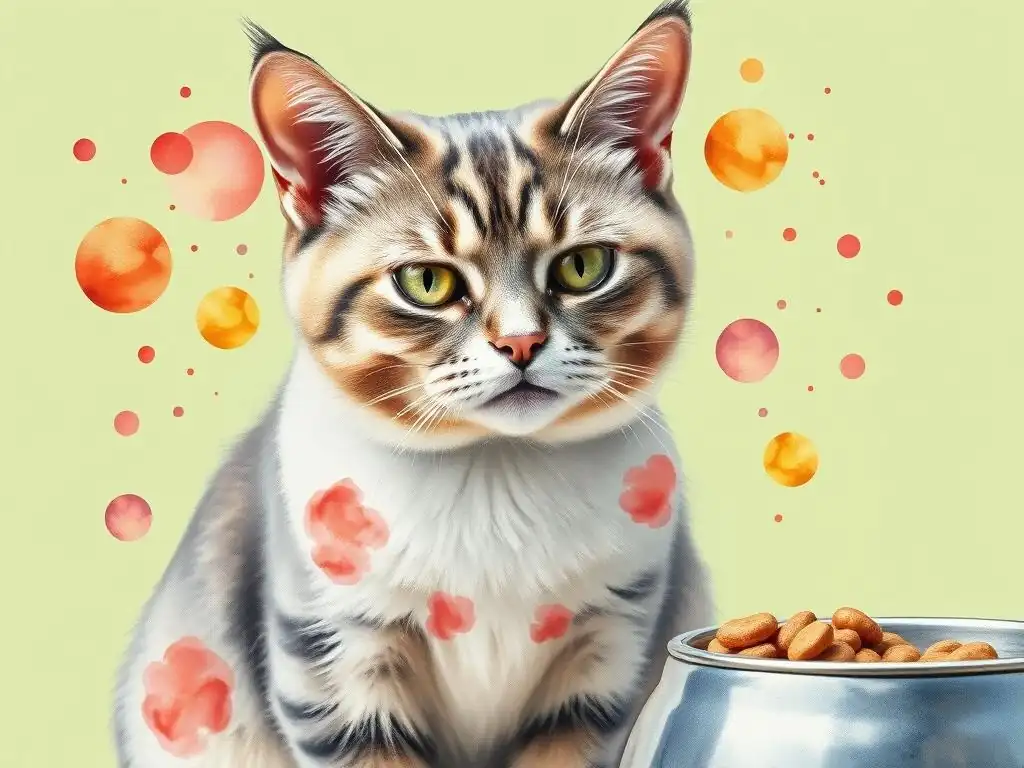
Addressing cat food allergies requires a multifaceted approach, and knowing when professional veterinary intervention is crucial is paramount. While many mild allergic reactions might be managed at home through dietary changes, certain situations demand immediate veterinary attention. This section clarifies when a vet visit is necessary, helping cat owners make informed decisions about their feline companions' health.
Recognizing Severe Allergic Reactions in Cats
Severe allergic reactions in cats can be life-threatening and require immediate veterinary care. These reactions often manifest differently than milder symptoms. Instead of just mild itching or digestive upset, look for signs like:
- Anaphylaxis: This is a severe, potentially fatal allergic reaction characterized by difficulty breathing, swelling of the face and throat, hives, vomiting, diarrhea, and collapse. Anaphylaxis requires immediate emergency veterinary treatment.
- Severe Gastrointestinal Distress: While some vomiting and diarrhea are common with food allergies, severe, persistent, or bloody vomiting and diarrhea indicate a serious problem needing veterinary attention. Dehydration can quickly become a life-threatening concern.
- Generalized Swelling: Swelling beyond the typical localized swelling associated with itching, particularly facial swelling or swelling of the paws, requires immediate veterinary assessment.
- Respiratory Distress: Wheezing, coughing, or difficulty breathing are serious symptoms that suggest a severe reaction and require urgent veterinary care.
- Lethargy and Weakness: Extreme lethargy, weakness, or collapse indicates a significant allergic response that needs immediate veterinary attention.
It's important to note that the severity of allergic reactions can vary widely between cats. What might be a mild reaction for one cat could be life-threatening for another. If you are unsure about the severity of your cat's reaction, it's always best to err on the side of caution and seek professional veterinary advice. Don't hesitate to contact your veterinarian immediately if you observe any of these severe symptoms. Early intervention is key in managing severe cat food allergies and preventing serious complications.
Diagnostic Testing for Cat Food Allergies
Pinpointing the exact food allergen causing your cat's problems is crucial for effective management. While careful observation of symptoms and elimination diets are helpful, veterinary diagnostic testing provides more definitive answers. Several tests can help identify the culprit:
- Food Elimination Trial: This is often the first step, involving removing suspected allergens from the diet for several weeks and gradually reintroducing them to monitor the cat's response. This process requires careful planning and adherence to a strict diet.
- Serum Allergy Testing: Blood tests can detect antibodies to specific food proteins, helping identify potential allergens. However, these tests aren't always conclusive, and false positives or negatives can occur.
- Intradermal Skin Testing: This involves injecting small amounts of potential allergens under the skin to observe for allergic reactions. This test is less commonly used for food allergies than for environmental allergens but may be considered in specific cases.
The veterinarian will guide you through the appropriate testing based on your cat's individual circumstances and symptoms. Remember to provide your vet with a detailed history of your cat's diet, symptoms, and any other relevant information. Accurate diagnosis is fundamental to creating an effective management plan, minimizing your cat's discomfort and improving their overall well-being. The cost of these tests can vary, so it's crucial to discuss this with your vet beforehand.
Veterinary-Recommended Diets for Managing Cat Allergies
Once a food allergen is identified, your veterinarian will likely recommend a veterinary-prescribed hypoallergenic diet. These diets are formulated to minimize or eliminate the allergens identified through testing or the elimination trial. These diets are crucial for managing cat food allergies. Here are some key characteristics:
| Diet Type | Description | Advantages | Disadvantages |
|---|---|---|---|
| Hydrolyzed Protein | Proteins are broken down into smaller peptides, making them less likely to trigger an allergic reaction. | Highly effective for many cats with food allergies. | Can be more expensive than other options. |
| Novel Protein Sources | Uses protein sources not commonly found in commercial cat food (e.g., venison, kangaroo, duck). | Good option for cats with allergies to common proteins like chicken or beef. | Finding appropriate novel protein sources can be challenging. |
| Elimination Diets | Carefully formulated to exclude known or suspected allergens. | Allows for specific allergen identification and management. | Requires careful monitoring and adherence to the diet. |
Veterinary-recommended diets are often more expensive than commercial cat foods, but the benefits of improved health and reduced allergy symptoms often outweigh the cost. Working closely with your veterinarian to select the right diet and manage your cat's allergies is vital for their long-term health and happiness. Remember, consistency is key; sticking to the recommended diet is crucial for managing your cat's allergies effectively. Regular veterinary check-ups are also necessary to monitor your cat's progress and make any necessary adjustments to their diet or treatment plan.
Preventing and Managing Cat Food Allergies Long-Term
Successfully managing feline allergies requires a long-term commitment to careful diet management and proactive health monitoring. It's not a quick fix, but a sustainable approach to improving your cat's quality of life. Understanding the nuances of your cat's specific allergies and consistently adapting their care is crucial for long-term success. This section focuses on developing strategies to minimize allergic reactions and maintain your cat's well-being over time. The goal is to create a proactive, rather than reactive, approach to allergy management.
Creating a Healthy Diet Plan to Minimize Allergic Reactions
Developing a healthy diet plan for a cat with allergies involves careful ingredient selection and a commitment to consistency. The cornerstone of this plan is identifying and eliminating the specific allergens triggering your cat's reaction. This often requires working closely with a veterinarian to conduct allergy testing and develop a tailored elimination diet. Once allergens are identified, you must meticulously avoid them.
This may involve transitioning to a hydrolyzed protein diet, which breaks down proteins into smaller, less allergenic peptides. Alternatively, a novel protein diet, using protein sources your cat hasn't previously consumed, can be effective. Always introduce new foods gradually to monitor for any adverse reactions. Remember to read labels carefully, scrutinizing ingredient lists for potential hidden allergens like preservatives or artificial flavorings.
Consider the following when creating a diet plan:
- Protein Source: Prioritize high-quality, easily digestible protein sources identified as safe for your cat. Common options include lamb, venison, rabbit, or fish (depending on the specific allergy).
- Carbohydrate Source: Choose simple, easily digestible carbohydrates like sweet potatoes or brown rice. Avoid grains known to cause sensitivities.
- Fat Source: Select healthy fats like fish oil or coconut oil, but always in moderation.
- Supplements: Your veterinarian may recommend supplements to support your cat's immune system and overall health. These could include probiotics or omega-3 fatty acids.
A sample weekly meal plan might look like this:
| Day | Breakfast | Lunch | Dinner |
|---|---|---|---|
| Monday | 1/4 cup hydrolyzed protein kibble | 1/4 cup cooked lamb with sweet potato | 1/4 cup hydrolyzed protein kibble |
| Tuesday | 1/4 cup cooked rabbit with brown rice | 1/4 cup hydrolyzed protein kibble | 1/4 cup cooked rabbit with brown rice |
| Wednesday | 1/4 cup hydrolyzed protein kibble | 1/4 cup cooked venison with green beans | 1/4 cup hydrolyzed protein kibble |
| Thursday | 1/4 cup cooked lamb with sweet potato | 1/4 cup hydrolyzed protein kibble | 1/4 cup cooked lamb with sweet potato |
| Friday | 1/4 cup hydrolyzed protein kibble | 1/4 cup cooked rabbit with brown rice | 1/4 cup hydrolyzed protein kibble |
| Saturday | 1/4 cup cooked venison with green beans | 1/4 cup hydrolyzed protein kibble | 1/4 cup cooked venison with green beans |
| Sunday | 1/4 cup hydrolyzed protein kibble | 1/4 cup cooked lamb with sweet potato | 1/4 cup hydrolyzed protein kibble |
Remember, this is a sample plan, and your cat's specific needs may vary. Always consult your veterinarian before making significant changes to your cat's diet.
Environmental Factors that Influence Cat Allergies
While diet plays a crucial role in managing cat allergies, environmental factors can significantly exacerbate symptoms. Dust mites, pollen, mold spores, and certain cleaning products can trigger or worsen allergic reactions. Minimizing exposure to these irritants is essential for long-term allergy management. This requires a multi-pronged approach focusing on cleaning, air quality, and overall home environment.
Maintaining a clean and allergen-free environment is paramount in mitigating the impact of environmental triggers on your cat's allergies.
Regular and thorough cleaning is key. Vacuum frequently using a HEPA filter vacuum cleaner to remove dust mites and other allergens from carpets and upholstery. Wash bedding and other textiles regularly in hot water. Consider using hypoallergenic cleaning products to minimize exposure to harsh chemicals. Air purifiers with HEPA filters can significantly improve indoor air quality by removing airborne allergens. Regularly changing air filters in your HVAC system is also crucial. In addition, consider keeping your cat indoors to limit exposure to outdoor allergens.
Monitoring Your Cat's Health and Adjusting Their Diet Accordingly
Continuous monitoring of your cat's health is vital for effective long-term allergy management. Regular veterinary check-ups allow for early detection of any worsening symptoms or new reactions. Pay close attention to your cat's coat condition, skin health, and digestive system. Note any changes in appetite, energy levels, or behavior. Keep a detailed record of your cat's food intake, noting any reactions to specific ingredients. This meticulous record-keeping will help you and your veterinarian identify patterns and adjust the diet accordingly.
If you notice any signs of an allergic reaction, such as excessive scratching, skin redness, vomiting, or diarrhea, contact your veterinarian immediately. They may recommend adjusting your cat's diet, adding medication, or exploring other treatment options. Remember, managing cat food allergies is an ongoing process that requires patience, vigilance, and a strong partnership with your veterinarian. Consistent monitoring and proactive adjustments will significantly improve your cat's quality of life and help them live a long and healthy life, free from the discomfort of allergies. 😻
Frequently Asked Questions
What are common food additives that can trigger cat allergies?
Many additives can cause allergic reactions. Artificial colors, preservatives like BHA and BHT, and flavor enhancers are frequent culprits. Always check ingredient lists carefully.
How can I identify if my cat has a food additive allergy?
Symptoms include skin issues (itching, redness, hair loss), digestive problems (vomiting, diarrhea), and respiratory issues. If you suspect an allergy, consult your veterinarian.
Are there any cat foods specifically formulated to avoid common allergy triggers?
Yes, many brands offer hypoallergenic or limited-ingredient diets designed to minimize the risk of allergic reactions. These often use novel protein sources.
What should I do if I suspect my cat is allergic to a food additive?
Immediately remove the suspected additive from your cat's diet. Consult your vet for diagnosis and a plan to manage the allergy, potentially including allergy testing.
Can I completely eliminate all potential allergens from my cat's food?
It's difficult to completely eliminate all potential allergens. Focus on choosing high-quality foods with clear, simple ingredient lists and minimal additives. Close monitoring and veterinary guidance are crucial.
The alarming rise in feline allergies underscores the urgent need to understand the role of food additives in triggering these reactions. Ignoring this connection means condemning countless cats to a life of discomfort and potential health crises. We must actively seek solutions, not merely accept this growing problem as inevitable.
The journey through this article has highlighted the complex interplay between seemingly innocuous ingredients and the devastating impact they can have on our feline companions. The sheer number of potential allergens, often hidden within seemingly simple ingredient lists, is staggering. The best cure is prevention,
a wise veterinarian once told me, and this rings especially true when discussing cat food allergies. Understanding the common culprits and advocating for clearer labeling is crucial to protecting our beloved pets. This isn't just about avoiding discomfort; it's about ensuring their overall well-being and extending their happy, healthy lives.
Now, consider your own cat. Have you noticed any unusual symptoms? Are you armed with the knowledge to decipher your cat's food label and identify potential allergens? Take the time to review the information presented here, and empower yourself to make informed choices about your cat's diet. Your vigilance and proactive approach could be the key to alleviating your cat's suffering and ensuring a brighter, healthier future for them. Let's work together to create a world where every cat can enjoy a life free from the debilitating effects of food allergies.
Unleash a Healthier Life for Your Feline Friend
Thank you for learning about how food additives can affect your cat's allergies. We hope this article has given you valuable information to better understand and manage your cat's sensitivities. Now, let's put that knowledge to work!
- Transition your cat to a diet free of artificial additives: This is the most important step in improving your cat's health and reducing allergy symptoms. Start slowly, and watch for any changes in their behavior or health.
- Share your experiences: Help other cat owners by sharing your journey and insights in the comments below. Your story could be incredibly helpful!
- Keep a detailed food diary: Tracking your cat's food intake and noting any reactions can be invaluable for future diagnosis and treatment.
What small step will you take today to improve your cat's well-being?