
Creating the Perfect Habitat for Your Leopard Gecko: A StepbyStep Guide

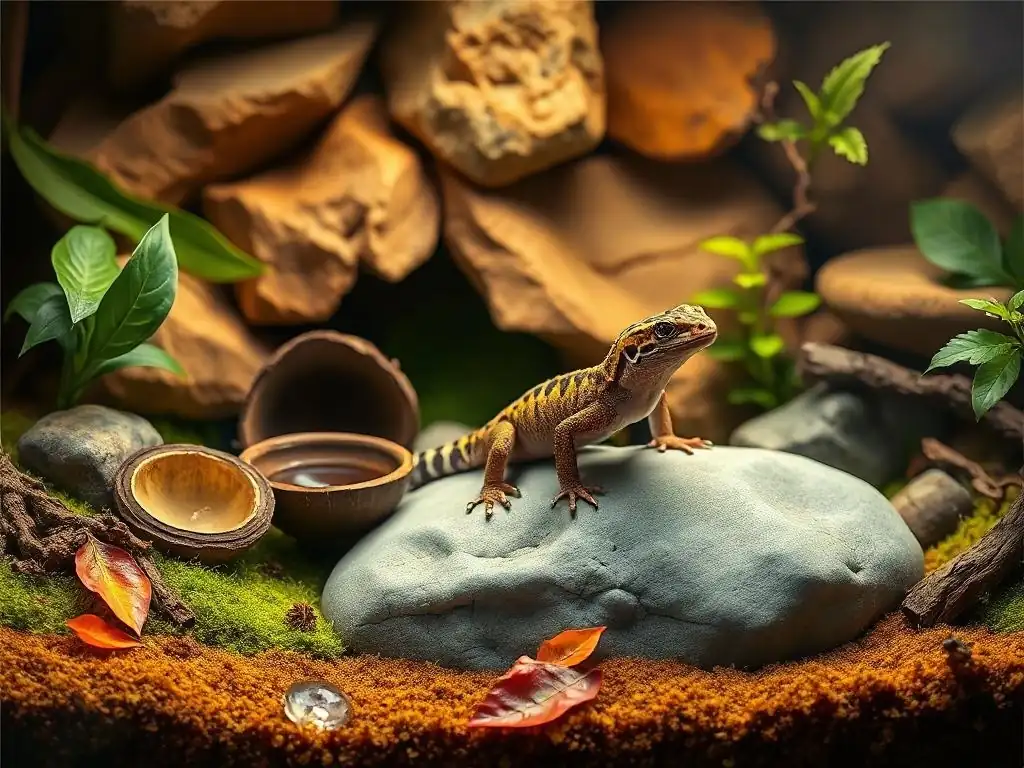
Welcome to PetCareWorld, your ultimate guide to a happier, healthier life for your beloved companions! Are you ready to create a thriving environment for your scaly friend? Our comprehensive leopard gecko habitat setup guide will walk you through every step, ensuring your gecko enjoys a vibrant and enriching home. Discover the secrets to a perfectly balanced habitat and unlock the key to your reptile's well-being – dive in and start building the perfect paradise!
- Setting Up Your Leopard Gecko's Terrarium: A Comprehensive Guide
- Providing Enrichment and Stimulation for Your Leopard Gecko
- Leopard Gecko Feeding and Hydration: A Detailed Guide
- Maintaining a Clean and Healthy Leopard Gecko Habitat
- Troubleshooting Common Leopard Gecko Habitat Problems
- Creating a Thriving Leopard Gecko Habitat: Long-Term Care
- Frequently Asked Questions
- Final Reflection: Cultivating a Thriving Ecosystem for Your Leopard Gecko
- Unleash Your Leopard Gecko's Inner Explorer: Create Their Dream Habitat Today!
Setting Up Your Leopard Gecko's Terrarium: A Comprehensive Guide
Creating the ideal habitat for your leopard gecko is crucial for its health, happiness, and longevity. This comprehensive guide will walk you through every step of setting up a thriving and enriching environment for your scaly companion. We'll cover everything from choosing the right tank size and substrate to providing essential hides, temperature gradients, and appropriate lighting. Following these guidelines will ensure your leopard gecko feels safe, comfortable, and thrives in its artificial environment, mimicking its natural desert habitat as closely as possible.
This guide is specifically designed to help you master the art of leopard gecko habitat setup, providing you with the knowledge and confidence to create a truly perfect home for your pet. We'll address common mistakes and provide practical solutions to ensure your gecko's well-being. Let's dive in and discover the secrets to creating the perfect leopard gecko habitat!
Choosing the Right Tank Size for Your Leopard Gecko
Selecting the appropriate tank size is paramount for your leopard gecko's well-being. A cramped environment can lead to stress, impacting their health and behavior. While a juvenile leopard gecko might thrive in a smaller enclosure, adult geckos require significantly more space to explore, forage, and exhibit natural behaviors. As a general rule:
- Juveniles (under 6 months): A 10-gallon tank is usually sufficient.
- Adults: A 20-gallon long tank is the minimum recommended size, although a larger enclosure (e.g., 40-gallon breeder) is always preferable and provides more space for enrichment.
Remember, bigger is better! A larger enclosure allows for a more significant temperature gradient, providing your gecko with greater control over its thermoregulation. It also allows for a more diverse and stimulating environment, reducing stress and promoting natural behaviors. Avoid overcrowding – one leopard gecko per appropriately sized enclosure is ideal. Providing ample space significantly contributes to a healthy and happy leopard gecko.
Selecting the Perfect Substrate for Your Leopard Gecko's Habitat
The substrate you choose plays a vital role in maintaining a clean and healthy environment for your leopard gecko. The wrong substrate can lead to impaction, a serious and potentially fatal condition. Avoid small particles that your gecko might ingest accidentally. Here's a breakdown of suitable and unsuitable options:
| Substrate Type | Suitability | Pros | Cons |
|---|---|---|---|
| Paper Towels | Excellent (especially for juveniles) | Easy to clean, inexpensive, no impaction risk | Not aesthetically pleasing, lacks enrichment |
| Reptile Carpet | Good | Easy to clean, relatively inexpensive | Can harbor bacteria if not cleaned regularly |
| Tile | Good | Easy to clean, durable, prevents impaction | Can be cold, lacks some natural feel |
| Sand (fine, play sand) | Generally Not Recommended | Natural look | High impaction risk, difficult to clean |
| Gravel | Not Recommended | High impaction risk, difficult to clean |
Choosing the right substrate is a crucial step in creating a healthy and comfortable habitat for your leopard gecko. Prioritize safety and ease of cleaning when making your selection. Remember, regular cleaning is essential regardless of the substrate you choose. A clean environment is crucial for preventing the growth of harmful bacteria and parasites.
Essential Hiding Places: Providing Security and Comfort
Leopard geckos are crepuscular animals, meaning they are most active during dawn and dusk. They are also naturally shy creatures that thrive in environments offering ample security and a sense of seclusion. Providing a variety of hiding places within their terrarium is crucial for their well-being and stress reduction. A stressed gecko is more susceptible to illness and may exhibit undesirable behaviors. Therefore, creating a safe and comfortable environment is paramount.
Think of it like this: you wouldn't want to live in a brightly lit, open space with no place to retreat to when you need some privacy. Your gecko feels the same way!
Ideally, you should offer at least three to four different hiding spots, each varying in size and location within the terrarium. This allows your gecko to choose the perfect hide based on its mood and temperature preferences. Good hiding spots include:
- Commercial hides: These are readily available at pet stores and come in various shapes, sizes, and materials, including ceramic, plastic, and cork bark. Choose hides that are appropriately sized for your gecko—it should be able to comfortably fit inside without feeling cramped.
- Natural hides: These add a more naturalistic touch to the terrarium and can include pieces of cork bark, half-logs, or even carefully arranged rocks. Ensure that any natural hides are thoroughly cleaned and free of any harmful chemicals or pesticides before placing them in the terrarium. Avoid anything that could collapse or pose a risk to your gecko.
- Substrate hides: A deep layer of substrate (like sand or reptile carpet) can also provide hiding places, particularly for burrowing geckos. However, ensure the substrate is appropriate for your gecko and that it doesn't pose a risk of impaction.
Remember to distribute these hides throughout the terrarium, offering options in both warm and cool areas. This allows your gecko to thermoregulate effectively and choose the environment best suited to its needs at any given time. Observing your gecko's behavior will help you determine if you need to adjust the number or placement of its hiding spots.
Temperature and Humidity Control for Leopard Geckos
Maintaining the correct temperature and humidity levels is absolutely critical for the health and longevity of your leopard gecko. These reptiles are ectothermic, meaning they rely on external sources of heat to regulate their body temperature. Improper temperature or humidity can lead to a variety of health problems, including dehydration, metabolic bone disease (MBD), and respiratory infections. Therefore, precise control is essential. The ideal temperature gradient within the terrarium should range from approximately 88-92°F (31-33°C) on the warm side, gradually decreasing to 75-80°F (24-27°C) on the cool side.
This gradient allows your gecko to thermoregulate by moving between warmer and cooler areas. Maintaining this range consistently is key to your gecko's well-being. Fluctuations outside of this range can stress your pet and lead to health issues. Using accurate thermometers is essential to monitor the temperature constantly.
Utilizing Heat Mats for Optimal Temperature Regulation
Heat mats are a popular and effective way to provide supplemental heat for leopard geckos. They are placed underneath the terrarium, generating heat that radiates upwards, creating the warm side of the temperature gradient. It's important to never use heat rocks or incandescent bulbs, as these can cause burns to your gecko. Heat mats should be placed on only one side of the enclosure, leaving the other side cool.
This is crucial for your gecko's ability to thermoregulate. Always use a thermostat with your heat mat. This is essential for preventing overheating, which can be fatal to your leopard gecko. A thermostat allows you to set a target temperature and automatically adjust the heat mat's output to maintain that temperature.
Never leave a heat mat running unattended without a thermostat. Regularly check the temperature with an accurate thermometer to ensure the heat mat is functioning correctly and the temperature remains within the safe range. Consider the size of your terrarium when choosing a heat mat; a larger terrarium will require a larger heat mat to achieve the desired temperature gradient.
Maintaining Proper Humidity Levels for a Healthy Gecko
Leopard geckos require a relatively low humidity level, typically between 30-40%. Too high humidity can lead to respiratory infections and other health problems, while too low humidity can cause dehydration and shedding difficulties. To maintain the correct humidity, you can use a combination of methods:
- Substrate: The type of substrate you choose can influence humidity. Paper towels are a good choice for maintaining low humidity. Other substrates like coconut fiber or cypress mulch may retain more moisture. Regularly monitor the humidity levels with a hygrometer.
- Water bowl: Providing a large, shallow water bowl allows your gecko to drink and helps to increase humidity slightly.
- Misting: Occasional misting of the terrarium can help increase humidity, but be careful not to over-mist. Avoid misting frequently, as this can lead to excessive humidity.
Regular monitoring of both temperature and humidity is crucial. Invest in a reliable thermometer and hygrometer to ensure your leopard gecko's environment remains within the optimal range. Consistent monitoring allows for timely adjustments and prevents potential health problems. Remember, a healthy environment is the foundation for a happy and thriving leopard gecko.
Providing Enrichment and Stimulation for Your Leopard Gecko
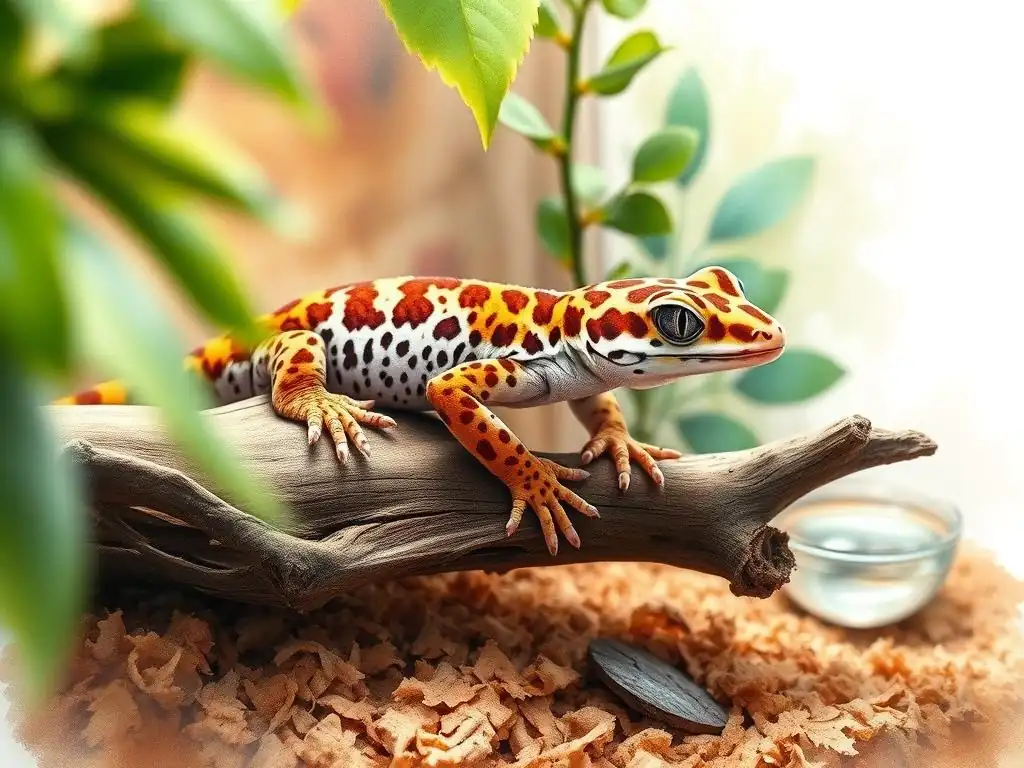
Leopard geckos, while relatively low-maintenance, still require a stimulating environment to prevent boredom and encourage natural behaviors. A barren enclosure can lead to stress, lethargy, and even health problems. Providing enrichment is crucial for your gecko's physical and mental well-being, contributing to a longer, healthier life. This section focuses on creating a vibrant and engaging habitat that mimics their natural environment, promoting natural behaviors such as exploration, foraging, and basking. This is a key component of a successful leopard gecko habitat setup guide.
Creating a Natural and Engaging Environment
Creating a naturalistic habitat goes beyond simply providing the essentials. Think about the leopard gecko's natural environment in the deserts of Southwest Asia. They spend their days hiding in burrows and crevices, emerging at dusk to hunt insects. Mimicking these aspects is key to creating a stimulating environment.
Consider using a substrate that closely resembles their natural habitat. Many keepers opt for a blend of play sand and topsoil, offering a natural digging experience. Avoid substrates that could be ingested and cause impaction. The use of natural-looking hides, such as cork bark pieces, half logs, or even carefully arranged rocks, provides crucial hiding places and security.
These should be placed strategically throughout the enclosure, offering a variety of hiding spots at different temperature gradients. The more diverse and complex the habitat, the more enriched and stimulating it will be for your gecko. Remember, a visually appealing habitat for you often translates to a more stimulating environment for your pet.
Selecting Appropriate Climbing Structures and Decorations
While leopard geckos are primarily terrestrial, they still appreciate some vertical space. Providing climbing structures offers opportunities for exploration and basking in different temperature zones within the enclosure. However, avoid structures that are too high or steep, as leopard geckos are not adept climbers and could risk injury.
Suitable climbing structures include:
- Small, flat rocks carefully arranged to create ledges.
- Pieces of cork bark with flat surfaces.
- Low branches from safe, non-toxic trees (ensure they are thoroughly cleaned and dried).
Avoid using smooth, slippery surfaces, as these offer little grip and increase the risk of falls. The choice of climbing structures should also complement the overall aesthetic of the enclosure, contributing to a visually appealing and enriching space. Remember to ensure stability—a collapsing structure could injure your gecko. Prioritize safety and natural materials over overly elaborate or artificial decorations.
Choosing Safe and Stimulating Toys and Accessories
While not strictly necessary, adding a few safe and stimulating toys and accessories can enhance your leopard gecko's environment. Remember that leopard geckos are not playful in the same way as dogs or cats. Toys should primarily serve to encourage natural behaviors such as foraging or exploration.
- Foraging toys: These can include small, shallow containers with live insects hidden inside, encouraging your gecko to hunt. Always supervise feeding sessions to ensure your gecko consumes the insects safely.
- Environmental enrichment: Consider adding a shallow water dish, not just for drinking but also for humidity regulation. This should be easily accessible and shallow enough to prevent drowning.
- Avoid: Avoid anything that could be ingested and cause harm. This includes small, loose objects that could pose a choking hazard, or anything made from toxic materials.
Remember, the goal is to create a habitat that stimulates natural behaviors without overwhelming or stressing your gecko. Observe your gecko's behavior to determine what it enjoys and adjust the enrichment accordingly. A well-designed and stimulating environment is a significant factor in ensuring the long-term health and happiness of your leopard gecko.
Leopard Gecko Feeding and Hydration: A Detailed Guide
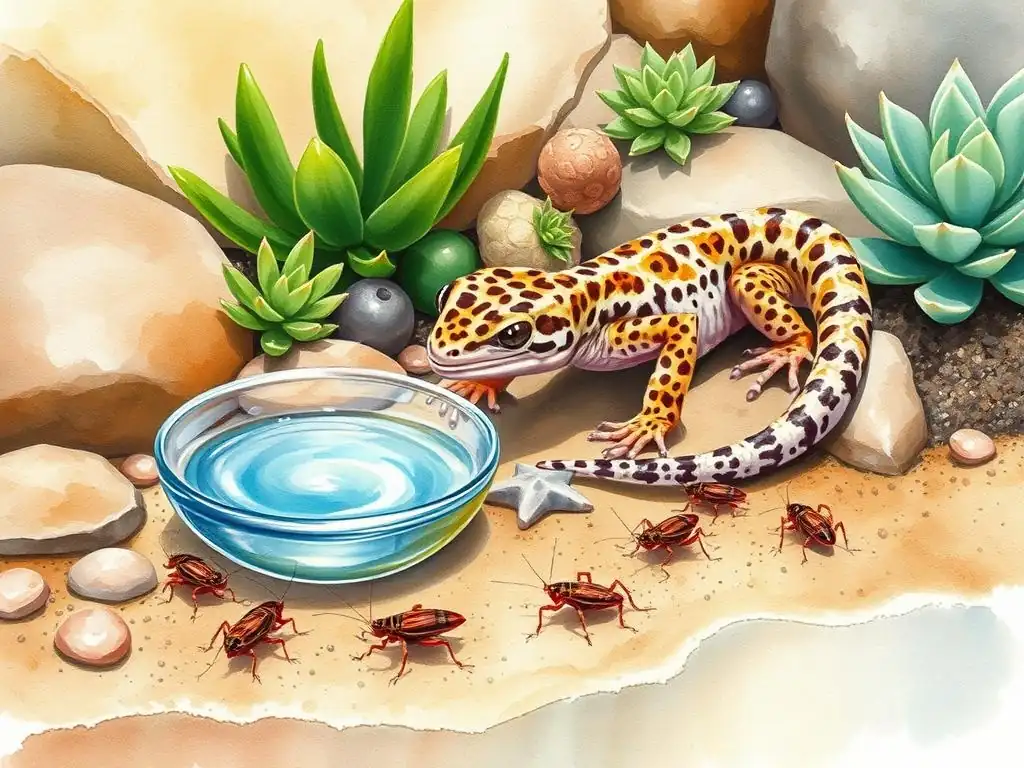
This section delves into the crucial aspects of leopard gecko nutrition and hydration, essential components of a thriving leopard gecko habitat. Proper feeding and hydration directly impact your gecko's health, growth, and overall well-being. Understanding these needs is paramount for responsible leopard gecko ownership. This guide provides detailed information on diet selection, water provision, and establishing a suitable feeding schedule.
Selecting the Right Diet for Your Leopard Gecko
Leopard geckos are insectivores, meaning their diet primarily consists of insects. Providing a varied and nutritious insect diet is key to their health. Avoid feeding wild-caught insects due to the risk of parasites and pesticides. Instead, opt for commercially-raised insects like crickets, mealworms, and dubia roaches.
- Crickets: A staple in the leopard gecko diet, crickets offer a good source of protein. Ensure they are appropriately sized for your gecko; avoid crickets larger than the space between your gecko's eyes.
- Mealworms: These offer a higher fat content compared to crickets and should be fed sparingly, perhaps as an occasional treat, to avoid obesity.
- Dubia Roaches: A popular choice, dubia roaches are relatively easy to care for and offer a good balance of nutrients. They are also less likely to escape than crickets.
Nutritional Supplements: Dusting insects with a calcium and vitamin D3 supplement is crucial. This ensures your gecko receives adequate levels of these essential nutrients for proper bone development and overall health. The frequency of dusting should be adjusted based on your gecko's age and growth stage; consult with a veterinarian for specific recommendations. Insufficient calcium can lead to metabolic bone disease (MBD), a serious condition.
Variety is Key: Offering a diverse range of insects prevents nutritional deficiencies and keeps your gecko engaged with its meals. Remember to always gut-load the insects before feeding them to your gecko to ensure they are nutritionally rich. Gut-loading involves feeding the insects nutritious food for 24-48 hours prior to offering them to your gecko.
Providing Fresh Water and Monitoring Hydration
Access to fresh, clean water is just as important as proper nutrition. A shallow water dish should always be available in your gecko's enclosure. The dish should be easily accessible and easily cleaned. The type of water dish is important; avoid deep dishes to prevent accidental drowning. Ceramic or glass dishes are preferable due to their ease of cleaning and durability.
Monitoring Hydration: Observe your gecko regularly for signs of dehydration. Dehydrated geckos may appear lethargic, have sunken eyes, and show reduced skin elasticity. If you notice any of these signs, increase water intake and consult a veterinarian immediately. Regularly replenish the water dish to ensure it always contains fresh water. Consider misting the enclosure occasionally to increase humidity, which can aid in hydration, particularly in drier environments.
Creating a Feeding Schedule for Your Leopard Gecko
Establishing a consistent feeding schedule contributes to your gecko's well-being. Juvenile leopard geckos (under one year old) require more frequent feeding, generally every day or every other day. Adult leopard geckos can be fed every 2-3 days, or even less frequently depending on their size and activity level. Always monitor your gecko's weight and adjust feeding accordingly. Overfeeding can lead to obesity and related health problems.
Determining the Right Amount: The amount of food to offer depends on the size of your gecko and the size of the insects. A good rule of thumb is to offer a number of insects roughly equivalent to the size of your gecko's head. Observe your gecko's eating habits and adjust the quantity based on their consumption. Remove any uneaten insects after a few hours to prevent the enclosure from becoming unsanitary.
Observation is Key: Pay close attention to your gecko's eating habits and body condition. Regular weighing is recommended to monitor weight gain and identify potential problems early on. A healthy leopard gecko will be active, have bright eyes, and maintain a healthy weight. Any changes in appetite or behavior should warrant consultation with a veterinarian.
Maintaining a Clean and Healthy Leopard Gecko Habitat
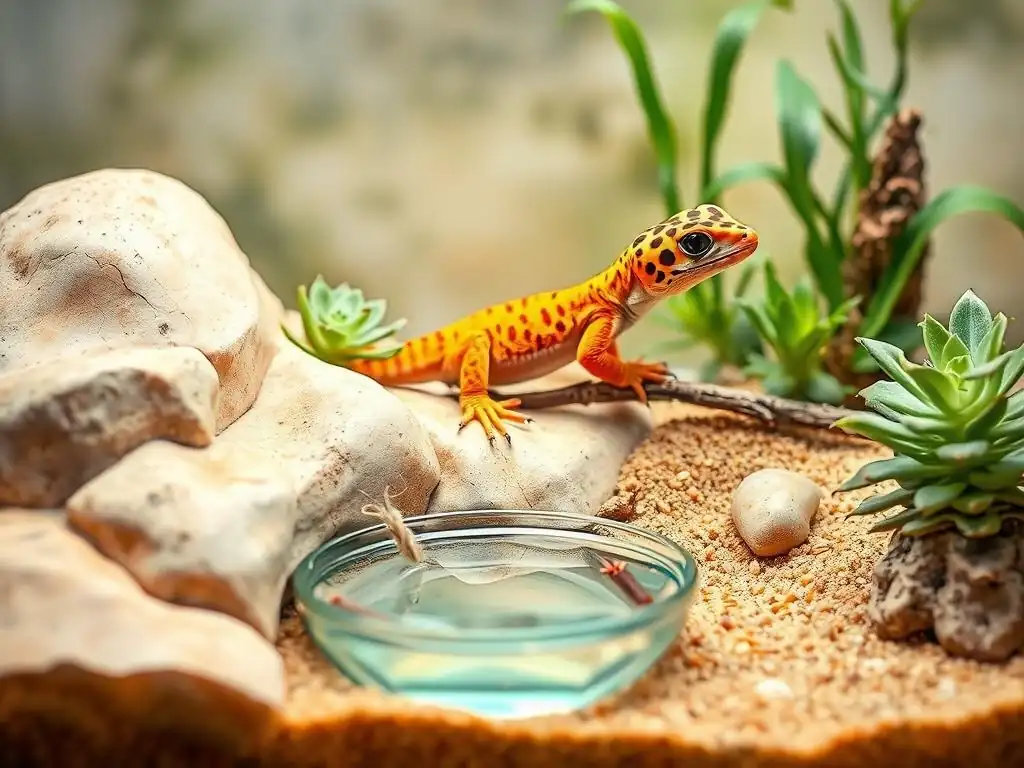
Maintaining a clean and healthy leopard gecko habitat is crucial for your pet's well-being. A neglected enclosure can quickly become a breeding ground for bacteria, parasites, and other harmful organisms, leading to illness and even death. This section focuses on practical steps to ensure your leopard gecko thrives in a hygienic environment. Proper habitat sanitation is a key component of responsible leopard gecko care and contributes significantly to their longevity and overall health. Remember, a proactive approach to cleanliness is far more effective than reactive measures.
Regular Cleaning and Sanitation Procedures
Regular cleaning is paramount to preventing the buildup of waste and harmful bacteria within your leopard gecko's habitat. A schedule of cleaning should be implemented, adjusting frequency based on the size of the enclosure and the number of geckos housed. For a single leopard gecko in a standard-sized enclosure, a weekly partial cleaning and a monthly full cleaning is generally recommended. This involves the following steps:
- Daily Spot Cleaning: Remove any fecal matter or uneaten food immediately. This prevents the rapid spread of bacteria and keeps the environment fresh. Use paper towels and dispose of waste properly.
- Weekly Partial Cleaning: Remove and replace soiled substrate in heavily soiled areas. Gently wipe down the enclosure walls and décor with a reptile-safe disinfectant, ensuring it's thoroughly rinsed before reintroducing your gecko. Avoid using harsh chemicals.
- Monthly Full Cleaning: This involves a complete substrate change. Thoroughly scrub the enclosure, including all décor items, with warm water and reptile-safe disinfectant. Allow everything to dry completely before replacing the substrate and reintroducing your gecko. This process eliminates accumulated waste and minimizes the risk of parasitic infestation.
Important Considerations:
- Always use a reptile-safe disinfectant. Many common household cleaners are toxic to reptiles.
- Allow the enclosure to dry completely before returning your gecko to prevent respiratory issues.
- Regularly check for signs of mold or mildew, addressing them immediately with a suitable treatment. Mold can be extremely harmful to your leopard gecko's respiratory system.
- Consider using paper towels or newspaper as substrate for easier cleaning.
Preventing and Addressing Potential Health Issues
Proactive habitat management significantly reduces the likelihood of health problems in your leopard gecko. Maintaining a clean environment directly impacts their susceptibility to various ailments. Some common issues linked to poor hygiene include:
- Bacterial Infections: These can manifest as skin infections, respiratory problems, or digestive issues. Regular cleaning minimizes the risk of bacterial overgrowth.
- Parasitic Infections: Parasites thrive in unsanitary conditions. Regular cleaning and substrate changes help prevent infestations.
- Metabolic Bone Disease (MBD): While not directly caused by poor hygiene, MBD can be exacerbated by deficiencies linked to improper diet and calcium absorption, which can be influenced by the overall cleanliness of the enclosure. A clean environment ensures proper access to supplements and food.
- Respiratory Infections: Damp or moldy environments significantly increase the risk of respiratory infections. Good ventilation and regular cleaning are vital.
| Health Issue | Prevention Method | Treatment |
|---|---|---|
| Bacterial Infections | Regular cleaning, appropriate disinfectant use | Veterinary care |
| Parasitic Infections | Regular cleaning, substrate changes, preventative meds | Veterinary care |
| MBD | Proper diet, calcium supplementation, UV lighting | Veterinary care, dietary changes |
| Respiratory Infections | Good ventilation, clean environment | Veterinary care |
Understanding Your Leopard Gecko's Behavior and Needs
Observing your leopard gecko's behavior is crucial for identifying potential problems. Changes in activity levels, appetite, or defecation patterns can signal underlying health issues often linked to the habitat's cleanliness. A healthy leopard gecko will exhibit normal activity during the day and night, display a healthy appetite, and produce firm, well-formed feces. Any deviation from this norm warrants a thorough examination of their environment and possibly a veterinary checkup. Understanding your leopard gecko’s natural behaviors helps you create a suitable habitat that promotes their physical and mental well-being.
A stressed gecko, often caused by an unclean or inappropriate habitat, is more susceptible to illness. Providing a clean, stimulating, and species-appropriate environment is key to a happy and healthy leopard gecko. This includes appropriate temperature and humidity gradients, suitable hiding places, and enrichment items to prevent boredom and stress. Remember, a happy gecko is a healthy gecko! 🦎
Troubleshooting Common Leopard Gecko Habitat Problems
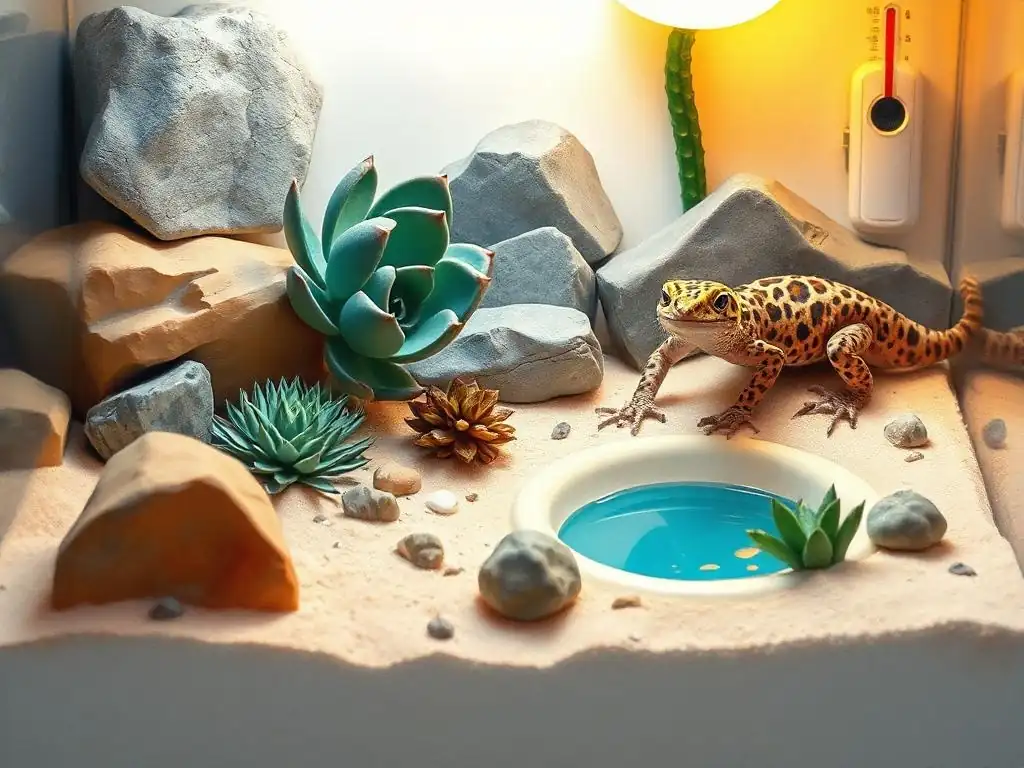
This section addresses common issues encountered when setting up and maintaining a leopard gecko habitat. Addressing these problems proactively ensures your gecko thrives in a healthy and stimulating environment. Remember, a well-maintained habitat is crucial for a happy and long-lived leopard gecko. Proper leopard gecko habitat setup is key to their well-being, and understanding potential problems is vital for responsible ownership.
Dealing with Temperature Fluctuations
Maintaining the correct temperature gradient is paramount for your leopard gecko's health and digestion. Leopard geckos require a basking spot reaching 88-92°F (31-33°C), a warm side around 80-85°F (27-29°C), and a cool side between 70-75°F (21-24°C). Fluctuations outside this range can lead to various health problems, including metabolic bone disease (MBD) and difficulty shedding.
Several factors can cause temperature inconsistencies. Faulty or insufficient heating devices are common culprits. A malfunctioning thermostat, underpowered heat lamps or under-tank heaters (UTHs), or improper placement can all result in temperature swings. The size of the enclosure also plays a role; larger enclosures require more powerful heating elements to maintain a consistent temperature gradient. Poor enclosure insulation can also contribute to temperature loss.
Here's a checklist to troubleshoot temperature fluctuations:
- Check your heating devices: Ensure your heat lamps and/or UTHs are functioning correctly and are the appropriate wattage for your enclosure size. Replace any faulty equipment immediately.
- Calibrate your thermometer: Use multiple accurate thermometers (digital and/or infrared) placed at various points within the enclosure to accurately measure the temperature gradient. Inaccurate readings can lead to incorrect adjustments.
- Improve insulation: Consider adding insulation to the sides and bottom of the enclosure, especially if it's located in a drafty area. This will help retain heat and reduce temperature fluctuations.
- Optimize heating element placement: The heat source should be positioned correctly to create the desired temperature gradient. Experiment with placement to achieve optimal heating.
- Consider the ambient room temperature: Extreme room temperature fluctuations can affect enclosure temperatures. Maintaining a stable room temperature can significantly improve enclosure stability.
Remember, consistent monitoring is key. Regularly check temperatures throughout the day and night to ensure your gecko's comfort and health. A sudden drop or spike in temperature should prompt immediate investigation and corrective action.
Addressing Humidity Issues
Maintaining appropriate humidity levels is another crucial aspect of leopard gecko care. Too much or too little humidity can lead to health issues, such as respiratory infections, difficulty shedding, and dehydration. The ideal humidity level for a leopard gecko is between 20% and 40%.
Several factors can impact humidity levels: The type of substrate used, the frequency of misting, and the enclosure's ventilation all play a role. Poor ventilation can lead to high humidity, while insufficient misting or a highly absorbent substrate can result in low humidity.
Here's how to address humidity problems:
| Problem | Solution |
|---|---|
| High Humidity | Improve ventilation; consider using a less retentive substrate; reduce misting. |
| Low Humidity | Increase misting frequency; use a more retentive substrate; add a humid hide. |
Remember to monitor humidity levels regularly using a reliable hygrometer. Make adjustments as needed to maintain the ideal range. It's crucial to find a balance – sufficient humidity for healthy shedding, but not so much as to encourage bacterial or fungal growth. Always prioritize good ventilation to prevent a buildup of moisture.
Resolving Substrate Problems
The substrate you choose plays a significant role in maintaining appropriate humidity and providing a comfortable environment for your leopard gecko. The wrong substrate can lead to impaction, difficulty shedding, or even injury. Sand, for example, can pose a serious impaction risk if ingested.
Several substrates are suitable for leopard geckos, including paper towels (easy to clean but less aesthetically pleasing), reptile carpet (easy to clean and maintain), and tile (easy to clean and prevent impaction). Avoid substrates that are too fine, dusty, or easily ingested.
Consider these points when selecting a substrate:
- Ease of cleaning: Choose a substrate that is easy to clean and maintain to prevent the buildup of bacteria and parasites.
- Impaction risk: Avoid substrates that are easily ingested and can cause impaction.
- Moisture retention: Consider the substrate's ability to retain moisture, especially if you are struggling with humidity control.
- Aesthetics: Choose a substrate that complements your enclosure's design.
Regular substrate changes are essential for hygiene. The frequency depends on the type of substrate used and the gecko's activity level. Always remove fecal matter and urates promptly to maintain a clean and healthy environment. A clean substrate contributes significantly to the overall health and well-being of your leopard gecko. Remember, a clean habitat is a healthy habitat.
Creating a Thriving Leopard Gecko Habitat: Long-Term Care
This section focuses on the ongoing care required to maintain a healthy and stimulating environment for your leopard gecko, ensuring their long-term well-being. A properly set up leopard gecko habitat isn't a "set it and forget it" proposition; consistent monitoring and maintenance are crucial for a thriving gecko. This includes regular cleaning, environmental adjustments, and proactive health checks. Remember, a happy gecko is a healthy gecko!
Ongoing Monitoring and Maintenance
Maintaining your leopard gecko's habitat requires consistent effort. Think of it as preventative maintenance for your tiny reptile roommate. Regular cleaning prevents the buildup of harmful bacteria and parasites, while monitoring environmental factors ensures your gecko remains comfortable and healthy.
Here's a breakdown of essential ongoing tasks:
- Weekly Cleaning: Spot clean the enclosure daily, removing any uneaten food, fecal matter, and shed skin. A weekly more thorough cleaning involves removing and washing (with a reptile-safe disinfectant) all substrate, water dishes, and hides. Allow everything to dry completely before returning it to the enclosure. This is crucial for a leopard gecko habitat setup guide.
- Monthly Deep Cleaning: Once a month, perform a more thorough deep clean. This includes removing all substrate, thoroughly scrubbing the enclosure itself (including the background and any decorations), and replacing the substrate with fresh material. This helps eliminate any potential buildup of harmful bacteria or parasites.
- Substrate Replacement: The frequency of substrate replacement depends on the type of substrate used. Paper towels require more frequent changes than more absorbent substrates like reptile carpet or bioactive setups. Always opt for a substrate appropriate for leopard geckos, avoiding anything that could be ingested and cause impaction.
- Temperature and Humidity Monitoring: Regularly check the temperature and humidity levels within the enclosure using accurate thermometers and hygrometers. Adjust heating and humidity sources as needed to maintain optimal conditions. Fluctuations outside the ideal range can significantly impact your gecko's health and stress levels. This is a key aspect of any good leopard gecko habitat setup guide.
- Water Dish Maintenance: Ensure the water dish is always filled with fresh, clean water. Change the water daily to prevent bacterial growth and contamination.
Recognizing Signs of Illness or Stress
Early detection of illness or stress is paramount in maintaining your leopard gecko's health. Knowing the signs allows for prompt intervention, potentially preventing serious health issues. A leopard gecko habitat setup guide should emphasize proactive health monitoring.
Here are some key indicators to watch out for:
- Lethargy: A significant decrease in activity level, refusing to move or explore their environment.
- Loss of Appetite: A leopard gecko that consistently refuses food should be examined immediately.
- Shedding Problems: Difficulty shedding skin, retained shed, or unusual skin discoloration can indicate underlying health issues.
- Respiratory Issues: Open-mouth breathing, wheezing, or excessive mucus production.
- Dehydration: Sunken eyes, loose skin, and lethargy are classic signs of dehydration.
- Changes in Behavior: Unusual aggression, hiding excessively, or changes in their typical activity patterns.
- Fecal Changes: Changes in the frequency, consistency, or color of their feces can indicate digestive problems or parasites.
A healthy leopard gecko is typically alert, active, and has a good appetite. Any deviation from this should prompt a consultation with a reptile veterinarian.
Enhancing Your Leopard Gecko's Quality of Life
Beyond the basics of cleanliness and environmental control, enriching your leopard gecko's environment significantly contributes to their overall well-being and reduces stress. A stimulating habitat goes beyond just providing the essentials; it's about creating an environment that caters to their natural instincts and behaviors.
Consider these enrichment strategies:
- Multiple Hiding Places: Provide a variety of hides, both above and below the substrate, to allow your gecko to feel secure and have options for thermoregulation.
- Climbing Structures: Offer branches or rocks for climbing, allowing for exploration and exercise.
- Live Plants (Safe Species): Certain non-toxic plants can add visual appeal and provide additional hiding spots. Always research plant safety before introducing any plants into the enclosure.
- Rotation of Enrichment Items: Regularly rotate the position of hides, climbing structures, and other enrichment items to keep the environment interesting and prevent boredom.
- Substrate Variety (Bioactive Setups): Bioactive setups offer a more natural and stimulating environment, replicating aspects of their natural habitat. This setup often involves live plants, isopods, and other beneficial organisms to help maintain substrate cleanliness. This is a more advanced aspect of a leopard gecko habitat setup guide.
By diligently following these guidelines and paying close attention to your leopard gecko's needs, you can create a thriving habitat that ensures their health, happiness, and longevity. Remember, a well-maintained habitat is the cornerstone of responsible leopard gecko ownership. This is a crucial element in any comprehensive leopard gecko habitat setup guide.
Frequently Asked Questions
What is the ideal temperature gradient for a leopard gecko habitat?
A leopard gecko needs a thermal gradient in its enclosure. Aim for a basking spot of 88-92°F (31-33°C) and a cooler end of 75-80°F (24-27°C). This allows them to thermoregulate effectively.
What type of substrate is best for a leopard gecko?
Avoid anything that could be ingested and cause impaction. Paper towels or tiled flooring are excellent choices for ease of cleaning and safety. Avoid sand or loose substrates.
How large of an enclosure do I need for my leopard gecko?
A single adult leopard gecko needs at least a 20-gallon long tank. Larger is always better, allowing for more space to explore and hide. Avoid overcrowding.
What kind of hides should I include in my leopard gecko's habitat?
Provide multiple hides, including both warm and cool hides, as well as underground hides. This allows for security and stress reduction. Consider using cork bark, half logs, or reptile caves.
What lighting is necessary for a leopard gecko?
Leopard geckos are nocturnal, so they don't require UVB lighting. However, a low-wattage heat lamp or heat mat is essential to maintain the proper temperature gradient. Avoid bright, overhead lighting.
Final Reflection: Cultivating a Thriving Ecosystem for Your Leopard Gecko
Creating the ideal habitat for a leopard gecko isn't just about providing shelter; it's about fostering a thriving ecosystem that mirrors their natural environment and ensures their well-being. This seemingly simple act of habitat creation directly impacts the health, longevity, and overall happiness of these fascinating creatures. A well-designed enclosure isn't merely a cage; it's a miniature world where your gecko can flourish.
The responsibility of providing a suitable habitat extends beyond the practical aspects of temperature and humidity control. It speaks to a deeper understanding of the animal's needs and a commitment to their welfare. This journey of creating the perfect environment has profoundly impacted my own understanding of responsible pet ownership. The greatness of a nation and its moral progress can be judged by the way its animals are treated.
– Mahatma Gandhi. This quote, while broad in scope, perfectly encapsulates the ethical considerations involved in caring for any animal, especially one dependent on our care for its survival.
Now, it's your turn. Take what you've learned from this guide and apply it to your own leopard gecko's habitat. Observe your gecko's behavior, make adjustments as needed, and remember that continuous learning and adaptation are key to providing the best possible care. Embrace the journey of creating a thriving environment for your scaly companion, and witness the joy and satisfaction that comes from nurturing a life entrusted to your care. Your dedication will not only enrich your gecko's life but will also deepen your connection with this remarkable creature.
Unleash Your Leopard Gecko's Inner Explorer: Create Their Dream Habitat Today!
Thanks for learning how to create the perfect home for your leopard gecko! We hope this guide has empowered you to build a thriving environment for your scaly friend. Now it's time to put your knowledge into practice.
- **Prioritize Your Gecko's Needs:** Carefully review the checklist to ensure your gecko's habitat meets all essential requirements. Adjust the setup as needed to suit your gecko's individual personality and preferences. This is crucial for their well-being!
- **Share Your Success (or Ask for Help!):** Snap a picture of your improved gecko habitat and share it on PetCareWorld's social media – let's inspire other gecko owners! If you encounter any challenges, don't hesitate to ask questions in our community forum; our expert community is ready to assist.
- **Explore Enrichment Ideas:** Consider adding a new hide, a different substrate, or a small, safe plant to further enrich your gecko’s environment. Even small changes can significantly improve their happiness and well-being!
Ready to transform your gecko's world? What exciting enrichment will you add next?