
Tarantula Temperament: Understanding Your Spider's Personality

Welcome to PetCareWorld, your ultimate guide to a happier, healthier life for your beloved animal companions! Are you ready to unlock the fascinating world of arachnid behavior? Our comprehensive guide to Tarantula temperament and personality dives deep into the unique characteristics of these often-misunderstood creatures. Discover the secrets behind your spider's actions and learn how to best understand and care for your eight-legged friend. Prepare to be amazed by the surprising intricacies of Tarantula personality – explore the guide now and become a more informed and confident pet owner!
- Deciphering Tarantula Behavior: A Comprehensive Guide to Spider Personalities
- Factors Influencing Tarantula Temperament
- Assessing Your Tarantula's Individual Personality
- Handling Your Tarantula Safely: Minimizing Stress and Aggression
- Common Myths and Realities About Tarantula Temperament
- Resources and Further Reading on Tarantula Care and Behavior
- Frequently Asked Questions
- Final Reflection: Unveiling the Soul of the Tarantula
- Unleash Your Inner Arachnid Expert!
Deciphering Tarantula Behavior: A Comprehensive Guide to Spider Personalities
Tarantulas, those captivating arachnids often kept as exotic pets, are more than just eight-legged creatures; they possess unique personalities and temperaments that greatly influence their interaction with their environment and their human caretakers. This comprehensive guide delves into the fascinating world of tarantula temperament, providing pet owners with the knowledge to understand, appreciate, and safely manage their spider's individual characteristics. Understanding your tarantula's personality is crucial for proper handling, husbandry, and ensuring a harmonious co-existence.
This guide will equip you with the tools to decipher your tarantula's behavior, identify potential signs of aggression or docility, and ultimately foster a healthier and safer relationship with your unique pet. We'll explore the nuances of tarantula behavior, focusing on species-specific differences and the subtle cues that reveal their personality.
Learning to interpret these cues is key to responsible tarantula ownership and contributes to the overall well-being of these fascinating invertebrates. This guide aims to be your definitive resource for understanding your tarantula's temperament, assisting you in becoming a more informed and confident tarantula owner.
Understanding Tarantula Species Variations in Temperament
Not all tarantulas are created equal. Temperament varies significantly between species, influenced by factors such as their natural habitat, hunting strategies, and evolutionary adaptations. For example, some species, like the Costa Rican Zebra Tarantula (Aphonopelma seemanni), are often described as docile and relatively easy to handle, while others, such as the Goliath Birdeater (Theraphosa blondi), are known for being more defensive and potentially more prone to biting.
Understanding the inherent temperament of your specific species is the first step in predicting its behavior. There's a significant range in tarantula temperament. Some are famously docile, displaying minimal defensive behaviors, while others are quick to react with defensive postures or bites.
This variation underscores the importance of researching the specific species before acquiring a tarantula. Detailed research into your chosen species will provide valuable insight into its typical temperament, helping you manage expectations and prepare for potential challenges. Below is a simplified table illustrating the spectrum of temperaments observed in various tarantula species (Note: This is a generalized overview and individual variations within a species are possible):
| Species | Temperament | Notes |
|---|---|---|
| Aphonopelma seemanni | Docile | Generally calm and slow-moving; rarely bites. |
| Grammostola rosea | Docile to Moderately Docile | Relatively calm, but can display defensive postures under stress. |
| Brachypelma smithi | Docile to Moderately Docile | Generally calm, but can be defensive if threatened. |
| Haplopelma lividum | Moderately Aggressive | More prone to defensive behaviors, including biting and urticating hairs. |
| Ceratogyrus darlingi | Aggressive | Known for its aggressive nature and quick defensive response. |
Remember to always approach your tarantula with respect and caution, regardless of its perceived temperament.
Identifying Signs of a Docile Tarantula
A docile tarantula typically exhibits calm and predictable behavior. They might remain relatively still unless disturbed, and their movements are usually slow and deliberate. They are less likely to display defensive postures like raising their legs or exhibiting threat displays. These spiders may even tolerate gentle handling (though this should always be done with appropriate caution and understanding of potential risks).
A docile tarantula will often show minimal reaction to sudden movements or unexpected stimuli, choosing instead to retreat or remain still. Observing their response to gentle probing or even a light tap on their enclosure can provide valuable insight into their temperament. However, even docile tarantulas can bite if they feel threatened, so caution is always warranted. Furthermore, the absence of aggressive behaviors doesn't necessarily imply complete trust – the spider may simply be unbothered or too slow to react.
Recognizing Aggressive Tarantula Behavior and Body Language
Aggressive tarantulas demonstrate a variety of warning signs before resorting to a bite. These include raising their legs (forelegs raised high, often accompanied by a hissing sound in some species), displaying their fangs, and rapidly moving their legs. Some species will also kick urticating hairs (tiny, barbed hairs that cause irritation) toward a perceived threat. These are clear indications that the tarantula feels threatened and is preparing to defend itself.
A rapid change in posture, such as suddenly standing on its hind legs, can also signal aggression. Additionally, some species will exhibit hissing sounds or stridulation (a rubbing sound made by the legs) as a warning. Understanding these subtle cues is paramount to preventing bites and ensuring the safety of both the tarantula and the handler.
Recognizing these signs allows for responsible interaction and prevents unnecessary stress for the spider. Always respect the tarantula's space and avoid sudden movements. Remember, a bite, while usually not medically significant, is still an unpleasant experience for both parties.
Factors Influencing Tarantula Temperament

Understanding tarantula temperament is crucial for responsible ownership. While often perceived as uniformly aggressive, these fascinating arachnids exhibit a surprising range of personalities, influenced by a complex interplay of factors. This section delves into the key elements shaping a tarantula's behavior, providing valuable insights for owners seeking to better understand their eight-legged companions. This guide will help you navigate the nuances of tarantula temperament and personality, contributing to a more harmonious and enriching relationship with your pet. This information is vital for anyone searching for a "Tarantula temperament personality guide."
The Role of Age and Maturity in Tarantula Behavior
A tarantula's age significantly impacts its behavior and temperament. Younger tarantulas, especially slings (spiderlings), are often more reactive and prone to defensive displays like striking or rapid movements. This is largely due to their inherent vulnerability and the need to protect themselves. As they mature, they generally become calmer and less defensive. However, this isn't a universal rule; some species maintain a more reactive disposition throughout their lives.
For example, Grammostola rosea (Chilean rose tarantula), often cited as a docile species, generally exhibits a calmer temperament as it ages. However, even mature Grammostola rosea may display defensive posturing if they feel threatened. Conversely, species known for their more aggressive tendencies, such as Haplopelma lividum (Cobalt Blue Tarantula), may retain a more reactive nature even in adulthood. Regular observation is key to understanding the individual personality of your tarantula, considering its age and species-specific traits. Understanding the developmental stages contributes to a better "Tarantula temperament personality guide."
The transition from juvenile to adult stages can also be marked by hormonal changes that influence temperament. These fluctuations can manifest as increased activity levels, changes in feeding habits, or temporary increases in defensiveness. Careful monitoring during these periods is essential to ensure the wellbeing of both the tarantula and its owner.
Impact of Handling and Environmental Stress on Tarantula Temperament
Handling a tarantula, even gently, can be a stressful experience. While some individuals tolerate occasional handling relatively well, others may react defensively with aggression, which may range from a simple defensive posture to a full-fledged bite. Frequent or rough handling can significantly contribute to a more fearful and aggressive temperament. Therefore, minimizing handling is generally recommended, except for essential tasks like enclosure cleaning or health checks.
Environmental stress also plays a crucial role. Factors such as improper temperature, humidity levels, inadequate substrate, or insufficient hiding places can cause stress, leading to increased defensiveness and irritability. A stressed tarantula is more likely to display aggressive behavior, even towards inanimate objects. Maintaining a stable and enriching environment is paramount in promoting a calm and healthy temperament. Consider the environment carefully when consulting a "Tarantula temperament personality guide."
| Factor | Impact on Temperament | Mitigation Strategy |
|---|---|---|
| Frequent Handling | Increased fear, defensiveness, and potential aggression | Minimize handling; only handle when absolutely necessary |
| Poor Enclosure | Stress, irritability, and increased defensiveness | Ensure proper temperature, humidity, and hiding places |
| Sudden Noise | Startle response, potential for defensive behavior | Provide a quiet and stable environment |
Diet and Nutrition's Effect on Tarantula Personality
While not as directly influential as handling or environment, diet and nutrition can indirectly impact a tarantula's temperament. Nutritional deficiencies can lead to weakness, lethargy, and increased irritability. A well-nourished tarantula is generally more calm and less prone to defensive displays. Conversely, a malnourished tarantula may be more reactive and prone to aggression due to its weakened state.
Providing a varied and nutritious diet, tailored to your tarantula's specific needs, is essential for maintaining optimal health and a balanced temperament. This includes offering appropriate prey items of the correct size and frequency. Overfeeding, as well as underfeeding, can negatively impact the tarantula's health and consequently its behavior.
A balanced diet contributes significantly to a calmer and healthier tarantula, making it an essential aspect of any "Tarantula temperament personality guide." Remember to consult reputable resources for species-specific dietary requirements. A healthy diet helps ensure the overall well-being of your pet and promotes a positive interaction between you and your tarantula.
Assessing Your Tarantula's Individual Personality
Understanding your tarantula's temperament is crucial for responsible ownership. While generalizations can be made about certain species, each tarantula possesses a unique personality shaped by genetics and individual experiences. This section will guide you through observing and interpreting your spider's behavior to gain a better understanding of its individual character. This guide will help you build a stronger bond with your pet and ensure its well-being.
Remember, patience and careful observation are key to unlocking the secrets of your tarantula's personality. This is a vital aspect of responsible tarantula care, contributing significantly to their overall health and happiness. A comprehensive understanding of your tarantula's temperament is an essential part of the "Tarantula temperament personality guide".
Observing Your Tarantula's Daily Activities and Reactions
Every tarantula exhibits a unique behavioral rhythm. Some are more active during the day (diurnal), while others prefer the cover of darkness (nocturnal). Observe your tarantula's activity patterns consistently over several weeks. Note the times of day when it's most active, what triggers its movements (e.g., vibrations, light changes, food presentation), and how it reacts to these stimuli. Does it immediately rush towards food, or does it cautiously approach?
Does it retreat to its burrow at the slightest disturbance, or does it remain relatively calm? Keeping a detailed journal can be invaluable in tracking these subtle nuances. For example, a tarantula consistently hiding after feeding might indicate a stress response, whereas a tarantula actively exploring its enclosure suggests a more confident personality. Detailed observations are crucial for building a comprehensive "Tarantula temperament personality guide".
A helpful approach involves categorizing your observations. Create a simple chart to log your tarantula's activities:
| Date | Time of Day | Activity | Stimulus | Reaction | Notes |
|---|---|---|---|---|---|
| Oct 26, 2023 | 8:00 PM | Exploring enclosure | None | Calm, deliberate movements | Seemed particularly active tonight |
| Oct 27, 2023 | 10:00 PM | Eating | Food presentation | Rapid approach, consumed quickly | No hesitation whatsoever |
| Oct 28, 2023 | 1:00 PM | Hiding in burrow | Slight enclosure movement | Immediate retreat | Possibly sensitive to vibrations |
Remember to note any unusual behaviors, such as excessive lethargy, refusal to eat, or aggressive displays. These could signal underlying health problems or environmental stressors. Consistent monitoring allows for early detection of potential issues.
Identifying Unique Traits and Behavioral Patterns in Your Tarantula
Beyond simple activity levels, look for unique behavioral quirks that distinguish your tarantula from others. Does it have a preferred resting position? Does it exhibit specific defensive postures when threatened? Some tarantulas might display playful behaviors, such as playfully batting at objects with their legs. Others might show distinct personalities through their feeding habits, exhibiting impatience or meticulousness. These subtle differences reveal the nuances of their individual characters. A "Tarantula temperament personality guide" should emphasize the importance of recognizing these unique behavioral fingerprints.
For instance, one tarantula might be known for its bold exploration of its enclosure, while another might be more timid and prefer to remain hidden. One might be a voracious eater, while another is more selective. These variations are not signs of illness or abnormality, but rather expressions of their individual personalities. Understanding these individual differences is key to building a positive and enriching relationship with your pet.
Consider creating a personality profile for your tarantula, detailing its typical behaviors, reactions to stimuli, and any unique quirks you've observed. This profile will serve as a valuable reference as you learn more about your spider's personality over time. This detailed approach is a cornerstone of a comprehensive "Tarantula temperament personality guide".
Creating a Safe and Enriching Environment to Influence Temperament
The environment plays a significant role in shaping your tarantula's temperament and behavior. A safe, stimulating, and appropriately sized enclosure is crucial for fostering a confident and relaxed personality. Conversely, a cramped, poorly maintained enclosure can lead to stress, aggression, and other negative behavioral changes. This is an important aspect of the "Tarantula temperament personality guide". Providing adequate substrate, hiding places, and appropriate temperature and humidity levels are all crucial factors to consider.
Remember, a happy tarantula is usually a calm tarantula. Providing enrichment opportunities, such as varied substrate textures or occasional safe exploration outside its enclosure (under strict supervision), can contribute to a more well-adjusted personality. Avoid sudden movements or loud noises near the enclosure, as these can cause unnecessary stress. A thoughtfully designed environment contributes significantly to a positive tarantula personality. This is an essential part of building a strong and positive relationship with your pet, and a crucial part of any "Tarantula temperament personality guide".
Handling Your Tarantula Safely: Minimizing Stress and Aggression
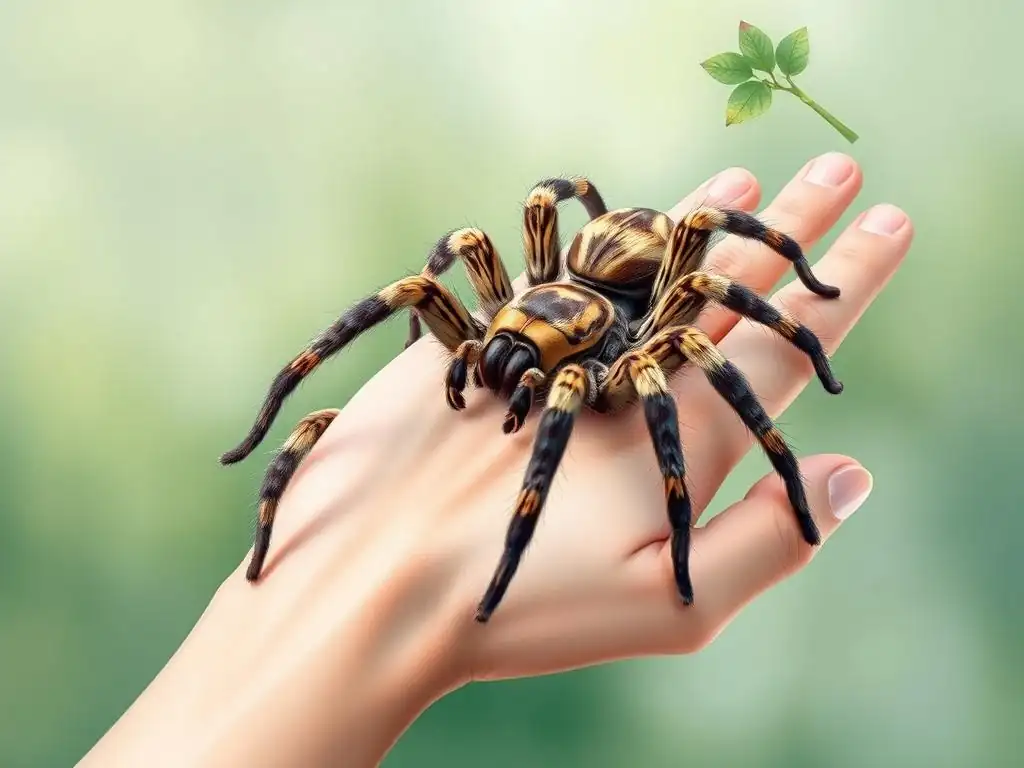
Understanding tarantula temperament is crucial for safe and responsible handling. These fascinating arachnids, while generally docile, can exhibit defensive behaviors if stressed or mishandled. Remember, even the most docile species can bite or defensively flick urticating hairs (tiny barbed hairs that cause irritation). Prioritizing your tarantula's well-being is paramount to a positive handling experience for both you and your pet. Avoid unnecessary handling, especially with more defensive species like Aphonopelma seemanni or Grammostola pulchripes, which are known for their more reactive temperaments.
Best Practices for Handling Different Tarantula Temperaments
Tarantula temperament varies significantly depending on species, individual personality, and even their current mood. Some are naturally more placid, while others are more prone to defensive displays. A gentle, slow approach is always recommended.
- Placid Species: Species like Brachypelma smithi (Mexican Redknee) are often considered beginner-friendly due to their generally calm temperament. Even with these docile species, gentle movements and avoiding sudden actions are still key. Support the tarantula's abdomen during handling to prevent injury.
- More Reactive Species: Species known for more reactive personalities should be handled with extreme caution and only when absolutely necessary, such as during cleaning of the enclosure. Always wear appropriate protective gear, including gloves. Observe your tarantula's behavior before handling; if it's exhibiting signs of stress (see below), postpone handling.
| Species | Temperament | Handling Recommendation |
|---|---|---|
| Brachypelma smithi | Generally Docile | Gentle handling, support abdomen |
| Grammostola pulchripes | Can be Defensive | Minimal handling, protective gear recommended |
| Aphonopelma seemanni | Often Defensive | Only handle when absolutely necessary, wear protective gear |
| Poecilotheria spp. | Potentially Aggressive | Experienced handlers only, high risk of defensive behaviors |
Remember, even within a species, individual personalities vary. Observe your tarantula's behavior and adjust your handling accordingly. Frequent handling, even with a docile species, can lead to increased stress levels over time.
Recognizing Signs of Stress and Anxiety in Your Tarantula
Recognizing signs of stress is crucial for preventing aggressive behavior. A stressed tarantula may display several behavioral cues:
- Defensive Posturing: Raising its forelegs, extending its fangs, and exhibiting a hunched posture are clear signs of feeling threatened.
- Hissing: Some species may produce a hissing sound as a warning.
- Hair Flicking: This is a common defensive mechanism where the tarantula flicks urticating hairs from its abdomen. These hairs can cause skin irritation.
- Rapid Leg Movements: Restlessness and jerky leg movements can indicate anxiety.
- Hiding Behavior: Increased time spent hiding in its burrow or enclosure could be a sign of stress.
If you observe any of these signs, immediately cease handling and allow your tarantula to retreat to its safe space. Give it time to calm down before attempting to interact again. Consider adjusting its environment to reduce stress factors.
Techniques for Calming a Nervous or Aggressive Tarantula
If your tarantula exhibits signs of stress or aggression, patience is key. Forceful handling will only exacerbate the situation. Try these techniques to help calm your arachnid companion:
- Gentle Movements: Approach slowly and avoid sudden movements. Speak in a calm, quiet voice. Some people believe that gentle vibrations can have a calming effect.
- Reduce Stimulation: Turn off bright lights and minimize noise in the room. A quieter, darker environment can help reduce stress.
- Provide Hiding Places: Ensure your tarantula has ample hiding places in its enclosure to feel secure.
- Avoid Handling: If your tarantula is stressed or displaying aggressive behavior, avoid handling altogether. Give it time to regain its composure. Remember, observation is key to understanding your tarantula's temperament and needs. Regularly inspect your tarantula's enclosure for any signs of discomfort or distress. A healthy and comfortable tarantula is a happy tarantula! 🕷️
Common Myths and Realities About Tarantula Temperament

Understanding tarantula temperament is crucial for responsible ownership. Many misconceptions surround these fascinating arachnids, leading to unnecessary fear and, in some cases, mistreatment. This section will address some common myths and present the realities of tarantula behavior, helping you better understand your spider's personality. This guide will equip you with the knowledge to create a safe and enriching environment for your pet tarantula, fostering a positive relationship built on mutual respect and understanding. Learning about tarantula temperament is key to becoming a responsible and informed tarantula owner.
Debunking the Myth of All Tarantulas Being Aggressive
The notion that all tarantulas are inherently aggressive is a pervasive myth. While some species are more defensive than others, the vast majority would rather flee than fight. Aggression in tarantulas is almost always a reaction to perceived threat, not a proactive behavior. Many tarantula owners report years of peaceful co-existence with their arachnid companions, highlighting the misconception that aggression is inherent.
Factors like improper handling, sudden movements, and vibrations can trigger defensive reactions. A calm and respectful approach is paramount in interacting with your tarantula. Remember, a stressed tarantula is more likely to display defensive behaviors. Species like Grammostola rosea (Chilean rose tarantula) are known for their docile nature, frequently cited as beginner-friendly due to their generally calm temperament.
Conversely, species like Haplopelma lividum (Livid cobalt blue tarantula) are known to exhibit more defensive postures. The key takeaway is that aggression is not an inherent trait, but a reaction to stimuli. Understanding your specific species' tendencies is a crucial step in responsible tarantula care.
Understanding the Difference Between Fear-Induced and Defensive Aggression
It's important to distinguish between fear-induced aggression and defensive aggression in tarantulas. Fear-induced aggression is a reactive response to a perceived threat, often manifesting as a quick defensive posture, such as raising their forelegs or displaying urticating hairs. This type of aggression is usually a warning signal, and the tarantula may not necessarily attack. Defensive aggression, on the other hand, is a more forceful reaction, often involving biting or launching urticating hairs.
This usually occurs when the tarantula feels cornered or directly threatened. The difference lies in the intensity and context of the response. A tarantula exhibiting fear-induced aggression may be calmed by gentle, slow movements and a reduction in stimuli.
Defensive aggression, however, requires immediate cessation of interaction and careful observation for any injuries. Careful observation of your tarantula's body language – subtle shifts in posture, leg movements, and the positioning of their fangs – can provide valuable insights into their emotional state and help you anticipate potential aggressive behaviors. Understanding these nuances is key to preventing unwanted interactions and ensuring the safety of both you and your tarantula.
Dispelling Misconceptions About Tarantula Intelligence and Personality
While tarantulas don't exhibit the same level of intelligence as mammals, they possess a surprising degree of complexity in their behavior. The idea that they are simply mindless creatures is inaccurate. Tarantulas display individual personalities, exhibiting different levels of boldness, reactivity, and even curiosity. Some tarantulas may be more active explorers, while others prefer to remain hidden in their burrows.
These variations in behavior are not just random; they reflect individual differences, similar to the personality variations observed in other animals. Careful observation can reveal unique traits, such as preferred foraging times or specific reactions to certain stimuli. This understanding of individual personality can inform your care strategies, allowing you to create an environment that caters to your specific tarantula's needs and preferences.
While we cannot ascribe human emotions to tarantulas, observing their behavior can provide insight into their individual character and helps us to respect their unique nature. Further research into tarantula behavior and cognition is needed to fully understand the complexities of their intelligence and personality. This is an exciting area of ongoing study for arachnologists.
Resources and Further Reading on Tarantula Care and Behavior
This section provides valuable resources to deepen your understanding of tarantula temperament and behavior, supplementing the information presented in this guide. Finding reliable information is crucial for responsible tarantula ownership, ensuring the well-being of your arachnid companion and your own safety. Remember, responsible ownership involves continuous learning and adaptation to your individual tarantula's needs.
Recommended Books and Websites on Tarantula Temperament and Behavior
Choosing the right resources can significantly impact your tarantula care journey. Many books and websites offer conflicting information, so discerning quality sources is paramount. Look for authors and websites with established reputations within the herpetological community. Prioritize information backed by scientific research and practical experience, rather than anecdotal evidence alone.
Here are some criteria to consider when selecting your resources:
- Author Credentials: Is the author a recognized expert in arachnology or herpetology? Do they have practical experience keeping tarantulas?
- Publication Date: Newer publications are generally preferred, as research and understanding of tarantula behavior constantly evolve. Outdated information can be misleading or even harmful.
- Peer Review: For books and articles, check if the work has undergone peer review, a process where experts in the field evaluate the research and accuracy before publication.
- Balanced Perspective: A good resource will present a balanced perspective, acknowledging both the common behaviors and the individual variations that exist within a species. Avoid resources that present overly simplistic or generalized viewpoints.
A well-rounded approach involves consulting multiple sources to gain a comprehensive understanding. Supplementing book knowledge with online forums and expert opinions can provide a richer and more nuanced perspective on tarantula temperament. Remember to always cross-reference information from different sources to ensure its accuracy.
Connecting with Other Tarantula Enthusiasts and Experts
Engaging with the broader tarantula community can be incredibly beneficial. Sharing experiences, asking questions, and learning from others’ successes and mistakes can significantly enhance your understanding and improve your tarantula care practices. This collaborative approach fosters a sense of community and provides invaluable support.
Here are some avenues to explore:
- Online Forums and Communities: Many online forums and social media groups are dedicated to tarantula keeping. These platforms offer opportunities to connect with experienced keepers, ask questions, and share observations about your tarantula's behavior. Remember to be discerning and critical of the information shared online, as not all advice is equally reliable.
- Local Herpetological Societies: Joining a local herpetological society can provide access to experienced keepers in your area. These groups often host meetings, workshops, and breeding events, presenting excellent opportunities for learning and networking.
- Breeders and Suppliers: Reputable breeders and suppliers can be valuable sources of information. They often have extensive experience with specific tarantula species and can offer personalized advice based on their expertise. However, remember to approach them with prepared questions and be mindful that their primary objective is to sell their animals.
Building a network of fellow enthusiasts and experts can provide ongoing support and guidance throughout your tarantula ownership journey. Remember, responsible tarantula keeping is a continuous learning process, and engaging with the community is a crucial part of that process. The shared knowledge and experience within the community can help you navigate challenges, celebrate successes, and ultimately ensure the well-being of your tarantula companion. This proactive approach contributes to responsible and fulfilling tarantula ownership, promoting both the animal's well-being and your own enjoyment of this fascinating hobby.
Frequently Asked Questions
What is the most common temperament of a tarantula?
Most tarantulas are considered docile and relatively shy. While they will bite if threatened, they generally prefer to flee rather than attack. However, individual temperaments vary greatly depending on the species.
Are all tarantulas equally aggressive?
No, different species of tarantulas have different temperaments. Some are known to be more defensive and prone to biting than others. Researching the specific species is crucial before acquiring a tarantula.
How can I tell if my tarantula is happy and healthy?
A healthy and happy tarantula will exhibit normal eating habits, active molting cycles, and alert responsiveness to its environment. Changes in these behaviors could indicate a problem.
What are some signs of aggression in a tarantula?
Signs of aggression include hissing, raising their legs defensively, and quickly moving towards a perceived threat. Avoid sudden movements around your tarantula to prevent these behaviors.
Is it safe to handle a tarantula?
While some tarantulas might tolerate gentle handling, it's generally best to avoid handling them. They are delicate creatures, and handling can stress them, potentially leading to injury or a defensive bite.
Final Reflection: Unveiling the Soul of the Tarantula
Understanding tarantula temperament is not merely a niche hobby; it's a crucial step towards responsible pet ownership and fostering a deeper appreciation for these often-misunderstood creatures. The intricate nuances of their behavior, from the shy recluse to the bold and curious explorer, profoundly impact their well-being and our ability to connect with them. Ignoring these individual personalities can lead to unnecessary stress for the spider and missed opportunities for enriching interactions.
The journey of learning about tarantula personalities has been a deeply rewarding one for me, shifting my perspective from simply observing arachnids to truly appreciating the complexity of their inner lives. The more we learn about the natural world, the more we realize how much we still have to learn.
This quote perfectly encapsulates the ongoing exploration into tarantula behavior and the constant discoveries that await us. The more we understand their individual needs, the better we can advocate for their conservation and ethical treatment, both in captivity and in the wild.
Now, I invite you to consider your own relationship with the natural world, and specifically, with the often-feared tarantula. What preconceived notions have you held? How can you apply the knowledge gained here to improve your understanding and interaction with these fascinating creatures, whether you own one or simply encounter them in nature? Let this exploration be a catalyst for empathy, respect, and a deeper appreciation for the intricate tapestry of life that surrounds us.
Unleash Your Inner Arachnid Expert!
Thanks for exploring the fascinating world of tarantula temperament! We hope you gained valuable insights into understanding your eight-legged friend. Now it's time to apply that knowledge.
- Develop a personalized enrichment plan: Consider your tarantula's unique personality and create an environment that meets its specific needs. This might involve adding new climbing structures, hiding places, or even different substrate types.
- Share your tarantula's personality: Join our PetCareWorld community forum and share your experiences! Let's build a resource where fellow tarantula owners can learn from one another.
- Experiment with enrichment activities: Observe your tarantula's reactions to subtle changes in its feeding routine or environment. What interesting behaviors do you see?
Ready to delve even deeper into the world of tarantula care? What surprising behaviors has your tarantula displayed, and how have you adjusted to its individual needs?