
Litter Box Training: The Importance of Regular Cleaning and Maintenance

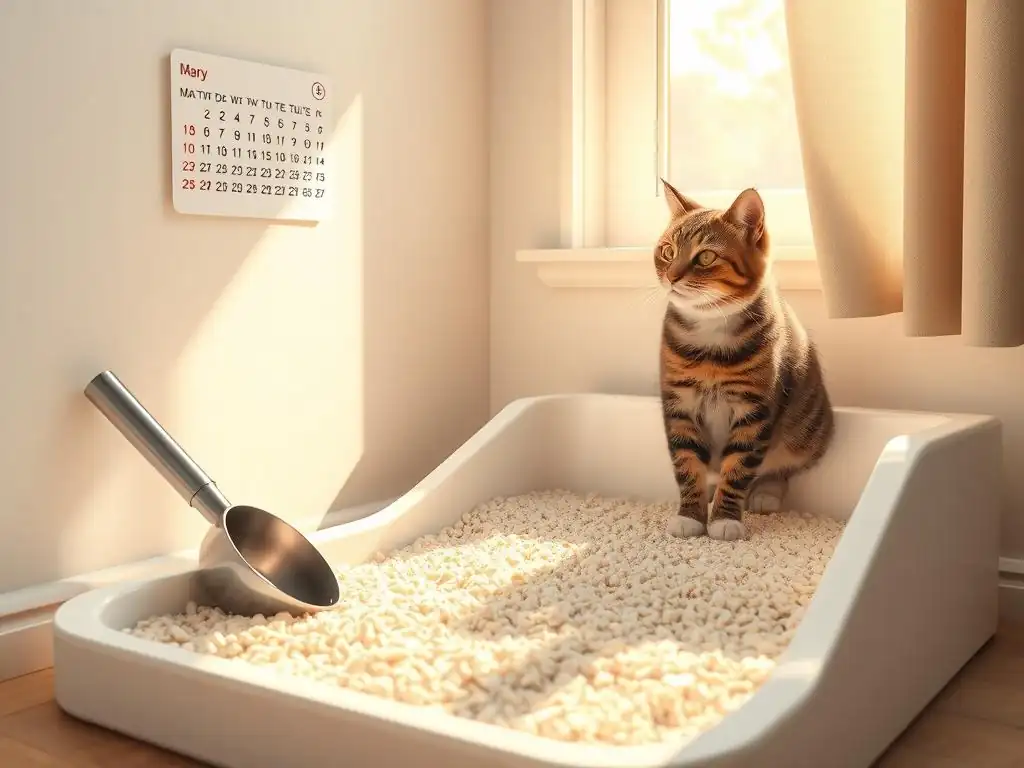
Welcome to PetCareWorld, your ultimate guide to a happier, healthier life for your beloved pets! Are you ready to unlock the secrets to a perfectly content feline companion? We delve into the crucial aspect of cat care with our in-depth article on Litter Box Cleaning Schedule Cats. Discover the essential cleaning routine that ensures a clean, happy, and healthy environment for your kitty, and learn how proper maintenance can prevent common behavioral problems. Dive in and unlock the key to a harmonious relationship with your furry friend!
- Understanding Your Cat's Litter Box Preferences
- Maintaining a Clean Litter Box for Cat Health
- Developing a Consistent Litter Box Cleaning Schedule
- Troubleshooting Litter Box Problems
- Maintaining a Clean Litter Box: Products and Tools
- Long-Term Litter Box Management for Healthy Cats
- Frequently Asked Questions
- Final Reflection: The Unseen Bond: Cleanliness and Cat Wellbeing
- Unlock Your Cat's Happy, Healthy Habits
Understanding Your Cat's Litter Box Preferences
Maintaining a clean litter box is paramount for a happy and healthy cat. A neglected litter box can lead to a variety of behavioral problems, including inappropriate urination or defecation outside the designated area, stress, and even urinary tract infections. This comprehensive guide will delve into the importance of regular litter box cleaning and maintenance, focusing specifically on creating a litter box environment that your feline friend will appreciate.
We'll cover everything from choosing the right location and litter type to establishing a consistent cleaning schedule that keeps your cat content and your home odor-free. This is crucial for establishing a positive association with the litter box, ultimately preventing many common cat-related issues.
Proper litter box management is a cornerstone of responsible cat ownership, contributing significantly to your cat's overall well-being and strengthening the bond you share. Understanding your cat's preferences and implementing a proactive cleaning routine is key to successful litter box training and a harmonious home life.
Ideal Litter Box Location and Type Selection
The location and type of litter box significantly influence your cat's willingness to use it. Cats prefer privacy and a quiet, easily accessible spot away from food and water bowls, and high-traffic areas. Avoid placing the litter box in areas that might scare your cat, such as near loud appliances or in a confined space.
Consider the size and type of litter box. A larger box allows for ample space, especially for larger breeds. Some cats prefer covered litter boxes for privacy, while others prefer open boxes for better ventilation and easier access. Experiment with different types to discover your cat's preference. Observe your cat's behavior around the litter box; is it hesitant to enter?
Does it seem uncomfortable? These subtle cues can help you identify and address any potential issues. Consider providing multiple litter boxes, especially if you have multiple cats, to avoid competition and ensure sufficient access. The general rule of thumb is one litter box per cat, plus one extra.
Choosing the Right Cat Litter
The type of litter you choose can also impact your cat's litter box habits. Different litters have varying levels of dust, absorbency, and scent. Some cats are sensitive to scented litters, while others may prefer a specific texture. Many options exist, including clumping clay litter, non-clumping clay litter, silica gel litter, and even biodegradable options like recycled paper or wood pellets.
Experiment with different types to determine your cat's preference. Start by introducing a small amount of the new litter mixed with the old litter to help your cat adjust gradually. Avoid abrupt changes that may cause stress or reluctance to use the litter box.
Pay close attention to your cat's reaction to each type – does it seem to avoid using the litter box after a change? Consider factors such as dust levels (important for cats with respiratory sensitivities), odor control, and ease of cleaning when making your selection. Remember, finding the right litter can significantly improve your cat's litter box experience.
Establishing a Litter Box Cleaning Routine
Regular cleaning is vital for maintaining a hygienic and appealing litter box environment. The frequency of cleaning depends on the number of cats and the type of litter used. However, a daily scoop of solid waste and a complete litter box change at least once a week is generally recommended. For clumping litter, simply remove clumps and solid waste daily. For non-clumping litter, you may need to change the entire litter more frequently.
A consistent cleaning schedule prevents unpleasant odors and reduces the risk of bacterial growth. The frequency of complete litter box changes will depend on factors such as the number of cats using the box and the type of litter used. Always use a dedicated scoop to remove waste and avoid contaminating other areas. When completely changing the litter, thoroughly wash the litter box with soap and water, ensuring it is completely dry before adding fresh litter.
A clean litter box is not just about hygiene; it's a crucial aspect of maintaining your cat's health and happiness. A neglected litter box can lead to various health problems and behavioral issues, so establishing a routine and sticking to it is essential. Consider using a litter box deodorizer to help control odors between cleanings.
Maintaining a Clean Litter Box for Cat Health
Maintaining a clean litter box is paramount for your cat's health and well-being. A neglected litter box can quickly become a breeding ground for bacteria and parasites, leading to various health problems. Regular cleaning is crucial for preventing these issues and ensuring your feline friend remains happy and healthy. This section will delve into the specifics of maintaining optimal litter box hygiene, focusing on a practical litter box cleaning schedule cats should benefit from. Ignoring proper hygiene can lead to significant health consequences for your beloved pet.
Preventing Cat Health Issues Through Hygiene
Neglecting litter box hygiene directly impacts your cat's health. Bacteria like E. coli and Salmonella, along with parasites like Toxoplasma gondii (responsible for toxoplasmosis), thrive in unclean litter. These pathogens can cause a range of illnesses, from mild gastrointestinal upset to severe infections. Cats, being meticulous groomers, can ingest these pathogens while cleaning themselves after using a dirty litter box.
Regular scooping, ideally once or twice a day, is vital. This removes solid waste and prevents the buildup of ammonia, a noxious gas that can irritate your cat's respiratory system and eyes. The frequency of complete litter box changes depends on the type of litter used and the number of cats using the box. Clumping litter generally requires less frequent complete changes than non-clumping litter.
Here's a sample litter box cleaning schedule cats might benefit from:
| Task | Frequency | Notes |
|---|---|---|
| Scoop solid waste | 1-2 times per day | Removes odor and prevents bacterial growth. |
| Partial Litter Change | Every 3-5 days | Remove soiled litter and add fresh litter. |
| Complete Litter Box Change | Every 1-2 weeks | Completely empty, wash, and dry the litter box before adding fresh litter. |
Failing to adhere to a consistent litter box cleaning schedule cats rely on can lead to urinary tract infections (UTIs), skin infections, and even more serious conditions. Regular cleaning is a simple yet powerful preventative measure. A clean litter box is a happy and healthy cat!
Creating an Inviting Litter Box Environment
Beyond cleanliness, the overall environment of the litter box plays a significant role in your cat's willingness to use it. A cat may avoid a dirty litter box, but they may also avoid one that is inappropriately located, too small, or simply unappealing. Consider these factors for an inviting space:
- Location: Choose a quiet, easily accessible spot away from food and water bowls. Avoid placing the litter box in high-traffic areas or near loud noises.
- Size: Ensure the litter box is large enough for your cat to comfortably turn around and dig without feeling cramped. Multiple cats? Consider multiple litter boxes!
- Litter Type: Experiment with different types of litter to find one your cat prefers. Some cats are sensitive to certain scents or textures.
- Box Type: Open top boxes are generally preferred, but covered boxes can offer more privacy. Choose the style your cat seems to favor.
A comfortable and clean litter box encourages proper elimination habits and reduces the likelihood of litter box avoidance. Remember, a happy cat is a clean cat! 😻
Preventing Litter Box Avoidance
Litter box avoidance is a common problem that can stem from various factors, including underlying medical issues, stress, and, of course, an unclean litter box. Addressing these issues promptly is key to resolving the problem.
Several factors contribute to litter box avoidance:
- Medical Conditions: Urinary tract infections, arthritis, and other health problems can make it painful or difficult for cats to use the litter box. If your cat suddenly starts avoiding the litter box, a veterinary checkup is essential.
- Stress and Anxiety: Changes in the household, such as new pets or moving, can cause stress and lead to inappropriate elimination. Providing a safe and secure environment is crucial.
- Litter Box Preferences: Cats can be picky! Experiment with different litter types, box styles, and locations to find what works best for your cat.
- Insufficient Litter Boxes: Multi-cat households often require multiple litter boxes, with a general guideline of one box per cat plus one extra.
Addressing litter box avoidance requires careful observation and a systematic approach. Rule out medical issues first, then consider environmental factors and the cat's individual preferences. A clean and inviting litter box is a crucial, but not always sufficient, component of successful litter box training. Consistency and patience are key. 🐾
Developing a Consistent Litter Box Cleaning Schedule
Maintaining a clean litter box is crucial for your cat's health and happiness, directly impacting their willingness to use it. A consistent cleaning schedule is key to preventing litter box aversion, a common problem leading to inappropriate urination outside the box. This section details a practical approach to litter box maintenance, focusing on frequency and best practices for a happy and healthy feline companion.
Finding the right balance between daily upkeep and thorough deep cleans is essential for preventing odor build-up and maintaining a hygienic environment. This optimal "litter box cleaning schedule cats" will significantly reduce the risk of urinary tract infections and other health issues.
Daily Litter Box Maintenance
Daily maintenance is the cornerstone of a successful litter box cleaning strategy. Think of it as preventative care; addressing small issues daily prevents them from becoming larger, more difficult problems. This daily routine involves removing solid waste and clumps immediately. Delaying this can lead to unpleasant odors and potentially attract pests. The goal is to keep the litter box relatively free of solid waste at all times. Here's a breakdown of daily tasks:
- Scoop solid waste: Use a dedicated litter scoop to remove all solid waste and urine clumps. Dispose of waste in a sealed bag immediately. 😼
- Check for unusual substances: Look for anything unusual in the litter, such as blood, undigested food, or other signs of illness. Consult your veterinarian if you notice anything concerning.
- Assess litter depth: Ensure the litter remains at the recommended depth. If it's too low, add more litter to maintain the appropriate level.
- Observe your cat's behavior: Pay attention to how your cat uses the litter box. Any hesitation or unusual behavior could indicate a problem with the litter, box, or your cat's health.
Weekly Deep Cleaning of the Litter Box
Once a week, you should perform a more thorough cleaning of the litter box. This involves emptying the entire box and giving it a good scrub. This prevents the buildup of bacteria and unpleasant odors that can accumulate even with daily scooping. Consistent weekly cleaning significantly reduces the risk of bacterial infections for your cat. Neglecting this step can lead to a build-up of ammonia and other harmful substances. Here's a detailed weekly cleaning routine:
- Empty the litter box completely: Remove all the old litter and dispose of it properly. Use a sealed bag to prevent odors from escaping.
- Wash the litter box thoroughly: Use warm, soapy water and a non-toxic cleaning agent to wash the inside and outside of the litter box. Rinse it well to remove any soap residue. Avoid harsh chemicals that could harm your cat.
- Dry completely: Make sure the litter box is completely dry before adding fresh litter. A damp litter box can encourage bacterial growth.
- Add fresh litter: Fill the litter box with fresh, clean litter to the recommended depth.
Monthly Litter Box Sanitation
Monthly, you should go the extra mile and thoroughly sanitize the litter box. This is about more than just cleaning; it's about eliminating potential pathogens and ensuring a truly hygienic environment for your beloved feline friend. This step is crucial for preventing the spread of harmful bacteria and parasites. While weekly cleaning maintains cleanliness, monthly sanitation offers a deeper level of hygiene. Here's how to conduct monthly sanitation:
- Empty and wash: Follow the same procedure as the weekly deep cleaning, ensuring thorough washing and rinsing.
- Sanitize: After washing, use a pet-safe disinfectant to sanitize the litter box. Allow it to air dry completely before adding new litter. Always follow the product instructions carefully. Ensure the disinfectant is completely rinsed before adding litter.
- Inspect for damage: Check the litter box for cracks or damage. Replace the box if necessary.
- Consider replacement: Consider replacing the litter box every 6-12 months, depending on its material and condition, for optimal hygiene.
Remember, consistency is key! Sticking to this schedule will contribute to a happy, healthy, and odor-free home for both you and your cat. By following these steps, you'll be well on your way to mastering the art of litter box management, ensuring your feline companion remains content and healthy. This comprehensive "litter box cleaning schedule cats" will help maintain a clean and safe environment for your pet.
Troubleshooting Litter Box Problems
This section focuses on common issues pet owners face when litter box training their cats and offers practical solutions to ensure a clean and hygienic environment for both the cat and the owner. Maintaining a consistent litter box cleaning schedule is crucial for successful litter box training and overall feline well-being. A neglected litter box can lead to a variety of problems, impacting your cat's health and your home's cleanliness. Let's delve into some common challenges and their solutions.
Addressing Accidents Outside the Litter Box
Accidents outside the litter box are a frustrating, but common, problem. Before assuming your cat is simply being defiant, consider several factors that could be contributing to the issue. A clean litter box is paramount; cats are fastidious creatures and will avoid a soiled box.
The frequency of cleaning directly impacts your cat's willingness to use the box. A good rule of thumb is to scoop solid waste daily and completely change the litter at least once a week, or more frequently depending on the number of cats and the type of litter used. For multi-cat households, multiple litter boxes are essential—generally, one box per cat plus one extra.
Beyond cleanliness, consider these factors:
- Litter type: Some cats are sensitive to certain litter textures or fragrances. Experiment with different litters (clay, clumping, silica gel, etc.) to find one your cat prefers. Avoid scented litters, as the strong fragrances can be off-putting.
- Litter box location: The litter box should be easily accessible and located in a quiet, private area away from high-traffic zones, food bowls, and water sources. Cats prefer privacy when eliminating.
- Litter box size and type: Ensure the litter box is large enough for your cat to comfortably turn around and dig. Open-top boxes are generally preferred, but covered boxes might suit some cats better. Consider offering a variety of box types to see which your cat prefers.
- Underlying medical issues: Urinary tract infections, kidney disease, and other health problems can cause increased frequency or accidents outside the box. A veterinary check-up is crucial if you suspect a medical issue.
- Stress and anxiety: Changes in the household, new pets, or even moving furniture can stress a cat, leading to inappropriate urination or defecation. Addressing underlying stress is crucial for resolving these issues.
Remember, patience and observation are key. Keeping a detailed log of accidents (location, time, etc.) can help identify patterns and potential causes.
Eliminating Unpleasant Litter Box Odors
Even with regular cleaning, litter box odor can become a problem. The key to eliminating unpleasant smells is consistent and thorough cleaning. This goes beyond simply scooping; it involves regular complete litter changes and cleaning the box itself. Here's a step-by-step process:
- Daily scooping: Remove solid waste and clumps daily to prevent ammonia buildup.
- Weekly complete change: Empty the litter box completely, wash it thoroughly with warm water and a pet-safe detergent (avoid harsh chemicals), rinse well, and allow it to dry completely before adding fresh litter.
- Odor absorbers: Consider using baking soda or enzymatic cleaners to neutralize odors. These products break down odor-causing molecules, rather than just masking the smell.
- Air circulation: Ensure good air circulation in the area where the litter box is located to help prevent odor buildup. An open window or a fan can help.
- Litter box liners: While not a replacement for thorough cleaning, disposable litter box liners can make cleanup easier and help contain odors.
Regularly assessing and addressing potential odor sources is crucial for maintaining a pleasant environment for both you and your cat. A consistently clean litter box is much more likely to be used by your cat, preventing accidents and unpleasant smells.
Identifying Medical Issues Affecting Litter Box Use
Changes in your cat's litter box habits, such as increased frequency, straining, or accidents outside the box, can be indicative of underlying medical problems. While behavioral issues are common, it's crucial to rule out any potential health concerns. These changes in behavior can be subtle, and a quick visit to the vet is always advised. Some common medical conditions that can affect litter box use include:
- Urinary Tract Infections (UTIs): UTIs are painful and can cause increased urination frequency and straining. Symptoms can include blood in the urine, increased thirst, and changes in urination habits.
- Kidney Disease: Kidney disease can lead to increased thirst and urination, resulting in more frequent litter box use. Other symptoms may include lethargy, weight loss, and poor appetite.
- Diabetes: Diabetes can also cause increased thirst and urination. Other symptoms may include weight loss, increased hunger, and lethargy.
- Arthritis: Pain and stiffness from arthritis can make it difficult for older cats to access or use the litter box. This might lead to accidents outside the box.
- Cognitive Dysfunction: Similar to dementia in humans, cognitive dysfunction in cats can cause changes in behavior, including inappropriate elimination.
If you notice any changes in your cat's litter box habits, schedule a veterinary appointment immediately. Early diagnosis and treatment are crucial for managing these medical conditions and improving your cat's quality of life. Don't hesitate to seek professional veterinary care; it's always better to err on the side of caution when it comes to your cat's health. 🐈⬛
Maintaining a Clean Litter Box: Products and Tools
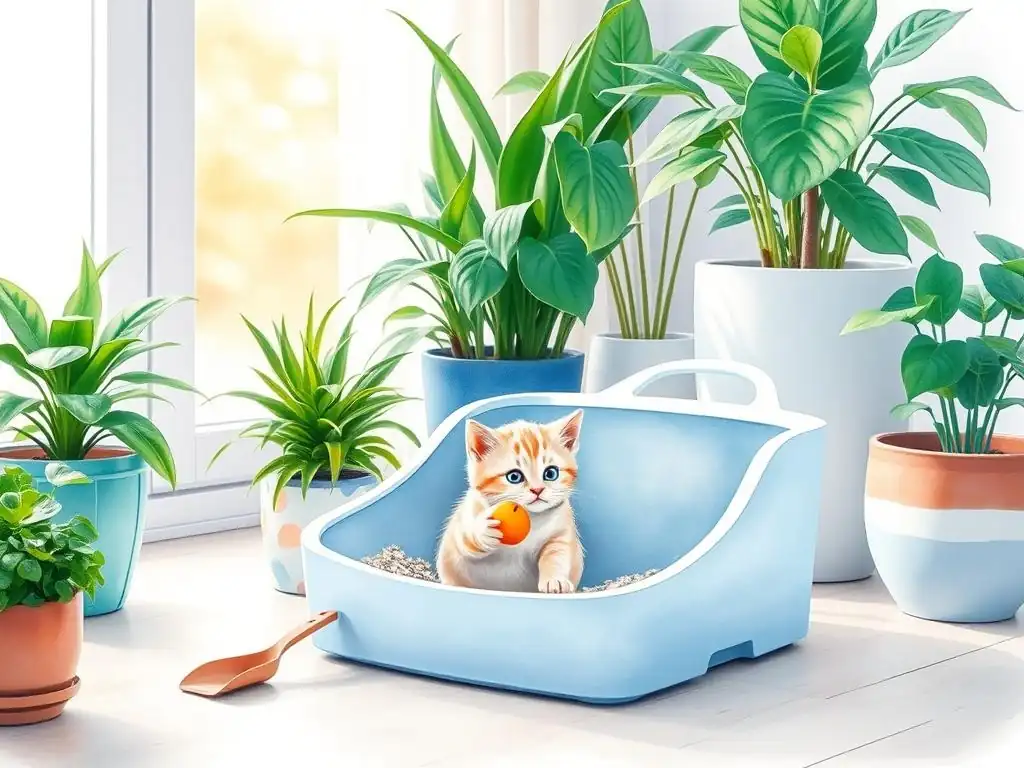
Maintaining a pristine litter box is crucial for your cat's health and happiness, directly impacting their willingness to use it. A neglected litter box can lead to urinary tract infections, behavioral problems like urinating outside the box, and even a decline in overall well-being. Therefore, understanding the necessary products and tools is paramount for effective litter box cleaning and maintenance. A consistent litter box cleaning schedule cats should be a priority for every cat owner.
Essential Cleaning Supplies
Regular cleaning requires specific supplies to ensure thorough sanitation and prevent the spread of bacteria and parasites. Here's a list of essentials:
- Biodegradable Cleaning Solution: Avoid harsh chemicals that can irritate your cat's sensitive paws and respiratory system. Opt for enzymatic cleaners specifically designed for pet waste; these break down odor-causing bacteria more effectively.
- Litter Scoop: A sturdy, well-designed scoop is vital for efficient daily waste removal. Consider a scoop with a large capacity and a comfortable grip to minimize effort. Different scoop designs cater to varying litter types; some are better suited for clumping litter, while others work better with non-clumping varieties.
- Paper Towels or Cleaning Cloths: These are essential for wiping down the litter box sides and any spilled litter. Choose absorbent and disposable options for easy cleanup.
- Gloves: Protecting your hands from bacteria and unpleasant odors is important. Disposable gloves are ideal, but reusable rubber gloves are a cost-effective alternative if properly washed and sanitized after each use.
- Deodorizer (Optional): While enzymatic cleaners neutralize odors, some pet owners prefer additional deodorizing agents. Choose pet-safe options, avoiding those with strong, artificial fragrances that might bother your cat.
Recommended Litter Box Types and Materials
The type of litter box you choose can significantly impact the ease of cleaning and maintenance. Some designs are inherently easier to clean than others.
- Covered vs. Uncovered Litter Boxes: Covered litter boxes can help contain odor, but they can also trap ammonia and make cleaning more challenging. Uncovered litter boxes are easier to clean, offering better ventilation and reducing the risk of ammonia buildup. The choice depends on your cat's preferences and your cleaning priorities.
- Litter Box Material: Plastic litter boxes are readily available and relatively inexpensive. However, they can be more difficult to thoroughly clean and may harbor bacteria more easily than other materials. Consider stainless steel or other easily sanitized materials for greater hygiene.
- Size and Shape: Choose a litter box that's appropriately sized for your cat. A box that's too small can make it difficult for your cat to comfortably eliminate and can lead to messy accidents outside the box. Consider the shape as well; some cats prefer the security of enclosed boxes, while others prefer open spaces.
Helpful Tools for Litter Box Maintenance
Beyond the basic cleaning supplies, certain tools can simplify and improve the litter box cleaning process:
- Litter Box Liners: Disposable liners make cleaning much faster and easier. They can be replaced regularly, reducing the frequency of deep cleaning the litter box itself. Ensure the liners are made from biodegradable and non-toxic materials.
- Automatic Litter Box (Optional): For busy pet owners, an automatic litter box can significantly reduce the workload. These self-cleaning litter boxes automate the scooping process, although they are a considerable investment. Consider the size and your cat's preferences before investing in this technology.
- Spray Bottle (for stubborn stains): A spray bottle filled with your chosen cleaning solution can help pre-treat stubborn stains and odors before scrubbing. This can make cleaning more efficient and effective.
Remember, consistency is key. Sticking to a regular litter box cleaning schedule cats will ensure your feline friend remains happy, healthy, and using their litter box appropriately. Regular maintenance not only prevents health issues but also strengthens the bond between you and your beloved pet. 😻
Long-Term Litter Box Management for Healthy Cats
Maintaining a clean litter box is crucial for your cat's health and happiness. A neglected litter box can lead to a variety of problems, from urinary tract infections to behavioral issues like spraying or eliminating outside the designated area. This section focuses on establishing a long-term litter box management strategy that prioritizes your cat's well-being and minimizes potential problems. We'll explore how regular monitoring, adaptable cleaning routines, and prompt attention to potential issues contribute to a harmonious coexistence with your feline friend. Remember, consistent effort in litter box maintenance is an investment in a healthier, happier cat.
Monitoring Cat Litter Box Habits
Regularly observing your cat's litter box habits is the cornerstone of effective litter box management. This involves more than just scooping; it's about understanding your cat's individual patterns and identifying any potential deviations. Pay close attention to the following:
- Frequency of urination and defecation: Note how often your cat uses the litter box. Changes in frequency could indicate a health problem or stress. Keep a simple log for a week or two to establish a baseline. For example, you might note "2 urinations, 1 defecation" each day. Significant changes from this baseline warrant veterinary attention.
- Urine and stool consistency: Observe the color, texture, and odor of your cat's waste. Changes in these aspects can signal underlying health issues. For instance, dark urine might suggest dehydration, while diarrhea could be a symptom of various digestive problems.
- Litter box usage: Does your cat consistently use the litter box, or are there instances of accidents outside the box? Note the location of any accidents, as this might provide clues about underlying causes. Consider if there's a lack of accessible boxes, particularly in multi-cat households. The ideal scenario is one box per cat, plus one extra.
- Post-elimination behavior: Does your cat seem satisfied after using the litter box, or is there any sign of discomfort or straining? Straining could indicate constipation or urinary tract issues.
By diligently monitoring these aspects, you can proactively identify and address potential litter box problems before they escalate. Early detection is key to maintaining your cat's health and preventing behavioral problems.
Adapting the Cleaning Routine to Cat Needs
The optimal "litter box cleaning schedule cats" isn't a one-size-fits-all solution. It needs to be tailored to your cat's individual needs and preferences. Factors to consider include:
- Number of cats: Multiple cats require more frequent cleaning. A single cat might tolerate a daily scoop, but with multiple cats, twice-daily scooping is often necessary to prevent ammonia buildup and maintain hygiene.
- Type of litter: Some litters clump better than others, influencing the cleaning frequency. Clumping litters generally require less frequent full changes, while non-clumping litters need more frequent complete replacements.
- Cat's sensitivity: Some cats are more sensitive to smells than others. More sensitive cats might benefit from more frequent cleaning to avoid aversion to the litter box.
- Environmental factors: Hot and humid environments can accelerate the breakdown of litter and increase odor, necessitating more frequent cleaning.
Consider this example: A household with two cats using a high-quality clumping litter might require a daily full scoop and a complete litter change once a week, whereas a single cat using a non-clumping litter might need a full litter change every 3-4 days. Regularly assess your cat's response to your cleaning schedule and adjust accordingly. Observe any signs of hesitation or avoidance of the litter box.
Recognizing Signs of Litter Box Problems
Ignoring signs of litter box issues can lead to more significant problems down the line. Be vigilant for the following red flags:
- Urinating or defecating outside the litter box: This is a clear indicator that something is wrong. Possible causes include medical issues (urinary tract infections, kidney disease, constipation), stress, or a dislike of the litter box itself (type of litter, cleanliness, location).
- Straining during urination or defecation: This can suggest pain or discomfort related to urinary or digestive problems.
- Changes in urination or defecation frequency: A sudden increase or decrease in how often your cat uses the litter box should prompt a veterinary check-up.
- Excessive licking of the genital area: This could indicate urinary tract discomfort or infection.
- Changes in appetite or water intake: These changes can sometimes accompany underlying medical conditions that affect litter box habits.
If you observe any of these signs, consult your veterinarian immediately. Early intervention is crucial to prevent the development of more serious health problems and behavioral issues. Remember, a happy and healthy cat starts with a well-maintained litter box. 😻
Frequently Asked Questions
How often should I clean my cat's litter box?
Ideally, you should scoop solid waste and clumps daily. A complete litter box change with fresh litter should occur at least once a week, or more frequently depending on the number of cats and litter type.
What happens if I don't clean the litter box regularly?
Failing to maintain a clean litter box can lead to serious health problems for your cat, including urinary tract infections and behavioral issues like accidental urination outside the box. It also creates an unpleasant environment for both you and your pet.
What's the best way to clean a cat litter box?
First, remove all solid waste and clumps. Then, empty the remaining litter and wash the box thoroughly with warm, soapy water. Rinse well and allow it to dry completely before adding fresh litter.
What type of litter is best for minimizing odor?
Many options exist, but clumping litters generally do a better job of containing odor. Consider litters with added odor control features, or experiment to find what works best for your cat and your home.
My cat is avoiding the litter box, what could be wrong?
Several factors can cause this, including illness, painful urination, or simply a dirty litter box. If your cat suddenly starts avoiding the litter box, consult your veterinarian to rule out medical issues and ensure the litter box is clean and appealing.
Final Reflection: The Unseen Bond: Cleanliness and Cat Wellbeing
The state of your cat's litter box is not merely a matter of household hygiene; it's a direct reflection of your cat's health and happiness. A consistently clean litter box is crucial for preventing urinary tract infections, stress-related behaviors, and even fostering a stronger bond between you and your feline companion. Neglecting this essential aspect of cat care can have far-reaching consequences.
The impact of proper litter box maintenance extends beyond the immediate physical well-being of our cats. It speaks to a deeper understanding of their needs and sensitivities. A clean litter box is a testament to our commitment to their comfort and overall quality of life. As the renowned animal behaviorist, Jackson Galaxy, wisely stated: Cats communicate through their behavior, and a dirty litter box is a clear sign that something is wrong.
This quote underscores the importance of observing our cats' reactions to their environment and adjusting our care accordingly. Ignoring these subtle cues can lead to behavioral problems that are far more difficult to address than simply maintaining a clean litter box.
Consider the impact of your daily actions. Are you providing your feline friend with the clean, comfortable space they deserve? Take a moment to reflect on your current litter box routine. Is it sufficient? Could you improve it? By committing to a consistent cleaning schedule, you are not merely fulfilling a chore; you are investing in a healthier, happier relationship with your beloved cat. This small act of care can significantly improve their quality of life and strengthen the bond you share. Start today, and witness the positive transformation in your cat's behavior and your relationship.
Unlock Your Cat's Happy, Healthy Habits
Thank you for learning about the importance of litter box cleanliness! We hope this article helped you understand how crucial regular maintenance is to your cat's well-being. Now let's put that knowledge into action!
- Scoop the litter box daily. This simple task significantly improves freshness and prevents unpleasant odors.
- Completely change the litter at least once a week. This ensures a clean and sanitary environment for your cat.
- Share your litter box cleaning tips with other pet owners! What are your best strategies?
Ready to improve your cat's litter box experience? What small change will you make today to ensure a happier, healthier cat?