
DIY Dog Toys for Large Breeds: Durable and Sturdy from Recycled Materials

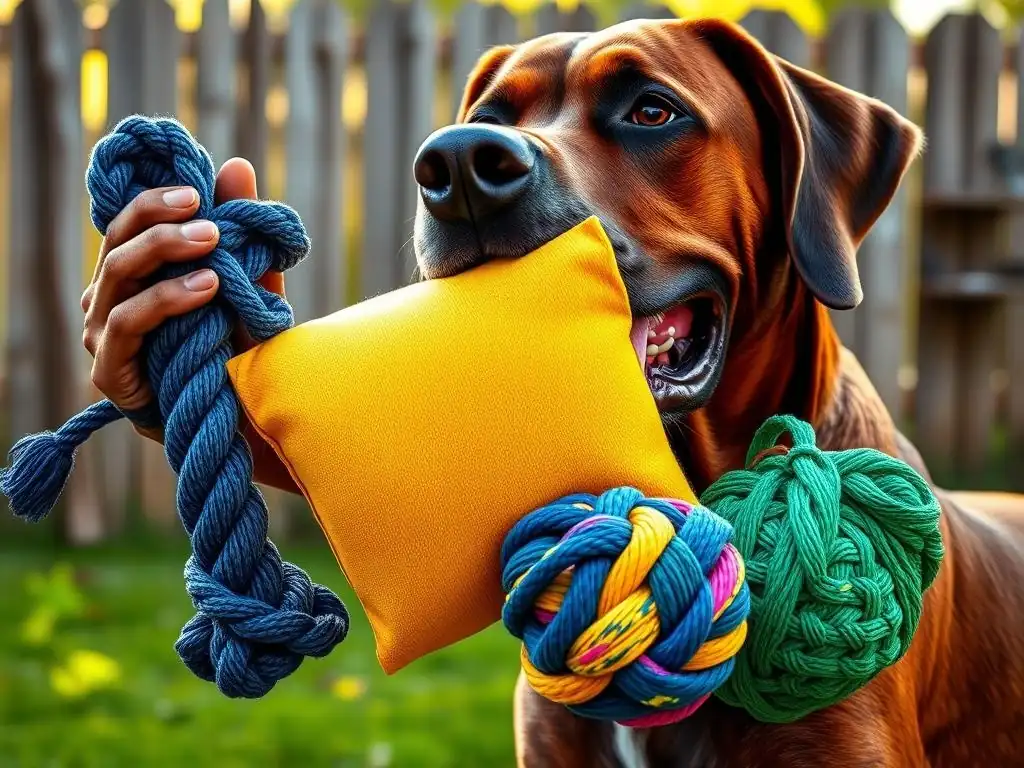
Welcome to PetCareWorld, your ultimate guide to a happier, healthier life for your beloved companion! Are you looking for ways to keep your large breed entertained and save money? Discover the exciting world of DIY large dog toys recycled from everyday materials—durable, stimulating, and surprisingly easy to make. Unleash your creativity and learn how to craft amazing toys that will keep your furry friend engaged for hours. Dive in and explore the possibilities!
- Understanding the Needs of Large Breed Dogs and Toy Durability
-
DIY Dog Toy Projects Using Recycled Materials: A Step-by-Step Guide
- Durable Rope Toys from Old Jeans: A Simple DIY Project for Large Dogs
- Recycled Fire Hose Dog Toys: A Chew-Resistant Challenge for Powerful Jaws
- Plush Toys from Old T-shirts: A Softer Option for Gentle Play (with added durability tips)
- Cardboard Tube Toys: A Fun and Engaging Option for Large Breeds (with safety considerations)
- Advanced Techniques for Extra Durability in DIY Large Dog Toys
- Where to Source Recycled Materials for Your DIY Projects
- Safety Considerations When Making DIY Dog Toys
- Enhancing Your DIY Dog Toys: Adding Features for Extra Engagement
-
Frequently Asked Questions
- What materials are best for DIY large dog toys?
- How can I make sure my DIY toy is safe for my large dog?
- Are recycled materials always suitable for making dog toys?
- What are some easy DIY toy ideas using recycled materials for large dogs?
- How do I know if my large dog is playing safely with their DIY toy?
- Final Reflection: The Enduring Joy of Recycled Play
- Unleash Your Inner Dog Toy Designer!
Understanding the Needs of Large Breed Dogs and Toy Durability
Large breed dogs, with their powerful jaws and energetic play styles, present unique challenges when it comes to toy selection. Unlike smaller breeds, their toys need to withstand significant force and rigorous chewing. A flimsy toy will not only be destroyed quickly, leading to wasted resources and potential frustration for both the dog and owner, but also poses a significant choking hazard.
This article focuses on creating durable, engaging DIY dog toys for large breeds using recycled materials, a sustainable and cost-effective alternative to commercially produced toys. We'll explore safe material choices, construction techniques, and crucial considerations to ensure your large breed companion has stimulating and safe playtime. The goal is to provide you with the knowledge and steps to create toys that are not only fun but also withstand the demands of a powerful canine companion, minimizing the risk of injury and maximizing the enjoyment of playtime.
This approach aligns perfectly with responsible pet ownership and environmentally conscious practices, making it a win-win for your dog and the planet. 🐶♻️
Choosing Safe and Durable Recycled Materials for Large Dog Toys
Selecting the right recycled materials is crucial for creating safe and long-lasting toys for large breeds. Not all recycled materials are created equal; some pose potential hazards if ingested. Prioritize materials that are non-toxic, strong, and difficult to tear or break apart. Here are some excellent options:
- Denim: Old jeans or denim jackets provide a tough, durable material. Multiple layers sewn together can create exceptional strength.
- Fire hoses: (If you can source them ethically and safely) These are incredibly durable and can be cut and shaped into various toy designs.
- Cardboard: While not as durable as other options, thick cardboard, particularly corrugated cardboard, can be used for puzzle toys or simple chew toys when reinforced. Avoid using cardboard that has been treated with chemicals.
- Old T-shirts: Multiple layers of tightly woven cotton t-shirts can be sewn together to create a durable, soft chew toy. Avoid using t-shirts with embellishments that could detach and become choking hazards.
- Plastic bottles: (Use cautiously and always supervise your dog). Rigid plastic bottles, thoroughly cleaned and with all sharp edges removed, can be used to create puzzle feeders or interactive toys. Never use bottles that contained harmful chemicals.
Remember to always thoroughly inspect and clean any recycled materials before using them to create a toy. Remove any loose threads, buttons, zippers, or other small parts that could pose a choking hazard.
Identifying Potential Hazards in Recycled Materials for DIY Dog Toys
Even with careful selection, some recycled materials present potential hazards. It's crucial to be aware of these risks and take preventative measures:
- Sharp edges: Always thoroughly smooth out any sharp edges or points on recycled materials before assembling the toy.
- Small parts: Avoid using materials with small, detachable parts that your dog could swallow.
- Toxic materials: Never use materials that have been treated with pesticides, herbicides, or other toxic chemicals. This includes materials from treated wood or materials that may have absorbed chemicals from previous use.
- Stuffing: If you're using stuffing, opt for non-toxic options like recycled cotton or polyester fiberfill. Avoid using anything that could be easily ingested and cause a blockage.
- Weakened materials: Inspect the recycled materials carefully for signs of wear and tear. A material that is already weakened before being used to make a toy is more likely to break down quickly during play.
The Importance of Size and Strength in Toys for Large Breeds
Size and strength are paramount when making toys for large breeds. A toy that's too small will be destroyed quickly, and worse, could be swallowed. A toy that's too weak will be easily torn apart, presenting the same risks. Consider these factors:
- Jaw strength: Large breeds have incredibly powerful jaws. The toy must be able to withstand significant chewing force without easily breaking apart. Multiple layers of durable material are usually necessary.
- Size appropriateness: The toy should be large enough that it cannot be swallowed whole, yet not so large that it becomes unwieldy for your dog to play with. Aim for a size that is proportionally appropriate for your dog's breed and size.
- Material thickness: The thicker the material, the more durable the toy will be. Use multiple layers of fabric or thicker materials like fire hose where possible.
- Construction: Use strong stitching and durable knots to secure the toy. Reinforce seams and stress points to prevent tearing.
Remember, responsible toy selection and construction are vital for the safety and well-being of your large breed dog. By carefully selecting materials and following safe construction techniques, you can provide your canine companion with enjoyable and safe playtime, promoting their physical and mental health.
DIY Dog Toy Projects Using Recycled Materials: A Step-by-Step Guide
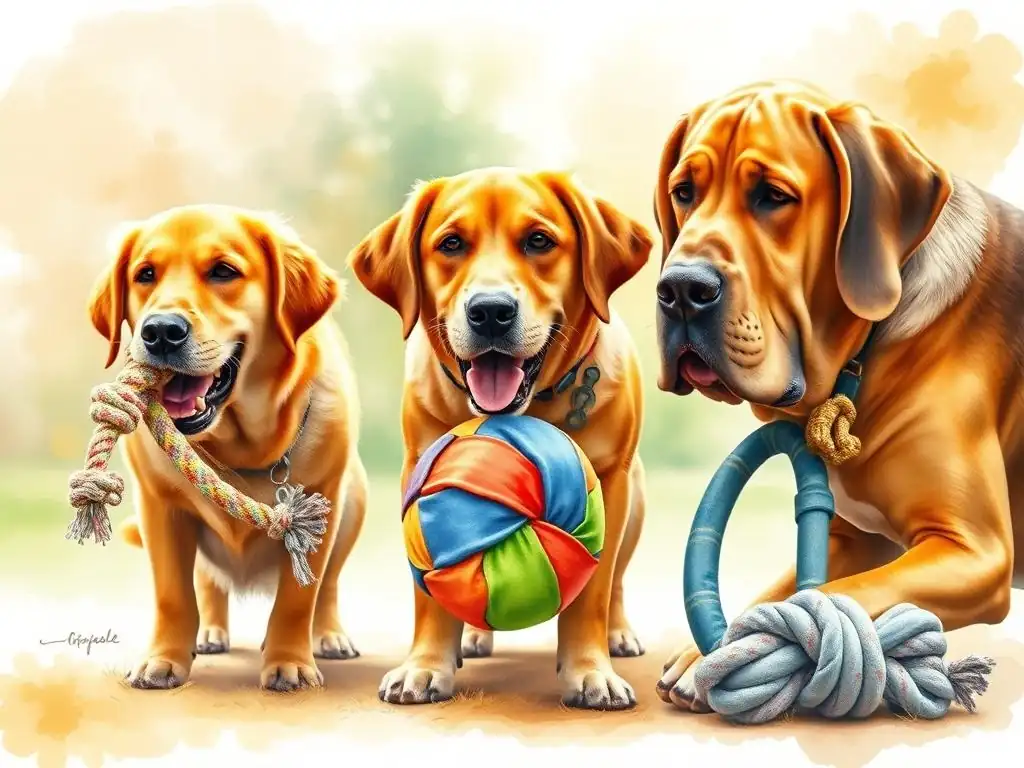
This section details several DIY dog toy projects specifically designed for large breeds, utilizing recycled materials for both durability and sustainability. We'll focus on creating toys that can withstand the powerful jaws and enthusiastic play of larger dogs, while minimizing waste and promoting eco-friendly pet ownership. Remember to always supervise your dog during playtime with any new toy.
Durable Rope Toys from Old Jeans: A Simple DIY Project for Large Dogs
Creating durable rope toys from old jeans is a fantastic way to repurpose unwanted clothing and provide your large breed dog with a stimulating and long-lasting chew toy. The denim's strength makes it ideal for resisting even the most determined chewers.
Sourcing Old Jeans and Preparing the Materials
Begin by gathering several pairs of old jeans. The more pairs you have, the thicker and more durable your rope toy will be. Choose jeans made from heavier denim for optimal strength. Before starting, thoroughly wash and dry the jeans to remove any lingering dirt, detergent residue, or harmful chemicals. Cut the legs of the jeans into long strips, approximately 2-3 inches wide. The length will depend on the desired length of your final rope toy. Aim for strips at least 3 feet long for a sizable toy for a large breed.
Braiding Techniques for Extra Strength and Durability
Once you have your denim strips, you can begin braiding. A three-strand braid is a simple and effective method. Start by overlapping the ends of three strips and securing them with a strong knot. Then, begin braiding, keeping the tension consistent throughout.
Regularly check the tightness of the braid to ensure a strong and durable final product. For extra strength, consider using a thicker braid, incorporating more strips, or using a combination of braiding and knotting techniques. A tightly woven braid will significantly increase the toy's longevity. Remember, the tighter the braid, the better it will hold up to vigorous chewing.
Finishing Touches and Safety Checks
Once the braid reaches your desired length, secure the end with a strong knot, and trim any excess denim. Consider adding a loop at one end for easier picking up or attaching a carabiner for interactive games. Before giving the toy to your dog, carefully inspect it for any loose threads or potential choking hazards. Ensure all knots are secure and there are no dangling pieces that could pose a risk. A well-made denim rope toy should be both durable and safe for your canine companion. 🐶
Recycled Fire Hose Dog Toys: A Chew-Resistant Challenge for Powerful Jaws
Fire hoses are incredibly durable and can withstand significant wear and tear, making them ideal for creating chew toys for powerful chewers. This project requires a bit more effort, but the result is a truly indestructible toy.
Sourcing Fire Hose and Necessary Tools
Sourcing a used fire hose may require some searching. Check with local fire departments, recycling centers, or online marketplaces. Ensure the hose is clean and free of any harmful chemicals before use. You will also need strong scissors or a utility knife capable of cutting through thick rubber, and potentially a heavy-duty sewing machine or strong thread and a needle for added durability.
Cutting and Shaping the Fire Hose for Optimal Durability
Once you have your fire hose, measure and cut it to your desired length. Consider the size of your dog and create a toy that is appropriately sized for their chewing habits. The length should be manageable for your dog to carry and play with comfortably. You can create a simple loop by joining the ends, or create a more complex shape, such as a dumbbell shape, for added interest. Ensure all cut ends are smooth to prevent any sharp edges that could injure your dog. Consider using a sealant or heat to prevent fraying.
Adding Handles and Finishing Touches for Enhanced Play
To enhance playability, consider adding handles to the fire hose toy. This can be done by cutting smaller loops from scrap fire hose material or using strong webbing. Securely attach the handles to the main body of the toy using strong stitching or heavy-duty glue. Finally, inspect the toy meticulously to ensure there are no loose threads, sharp edges, or potential choking hazards. Remember, safety is paramount when creating DIY dog toys. A well-constructed fire hose toy provides a challenging and safe chewing experience for your large breed dog. 🔥
Plush Toys from Old T-shirts: A Softer Option for Gentle Play (with added durability tips)
Creating plush toys from old t-shirts offers a softer alternative to tougher DIY dog toys, ideal for gentler play sessions. However, even soft toys need to withstand enthusiastic chewing from large breeds. This section details how to make durable, cuddly toys using readily available materials. Remember, even the softest toy should be supervised during playtime to prevent accidental ingestion of small parts.
Selecting Suitable T-shirts and Fabric Scraps
The key to a durable t-shirt toy lies in the fabric selection. Avoid thin, flimsy materials that will tear easily. Look for heavier cotton t-shirts, ideally those with a tighter weave. The thicker the fabric, the more resistant it will be to your dog's teeth. Consider using multiple layers of fabric for extra strength, particularly in high-stress areas like seams. Old jeans or sturdy canvas scraps can also be incorporated to reinforce vulnerable parts of the toy. Pre-wash the fabrics to remove any shrinking or potential irritants for your furry friend.
Sewing Techniques for Strength and Preventing Tears
Using a strong, durable thread is paramount. Avoid flimsy threads that might break under strain. A double-stitched seam is crucial for added strength. Backstitching at the beginning and end of each seam further reinforces the stitching, preventing unraveling. Consider using a zig-zag stitch along the seam allowances for added reinforcement, especially on curved sections. Reinforce stress points, such as corners and the edges of the toy, with extra layers of fabric or a strong stitch like a blanket stitch. For extra durability, consider using a sewing machine instead of hand-sewing, allowing for more consistent and stronger stitches.
Stuffing Options for Enhanced Durability and Safety
The stuffing material is equally important for longevity and safety. Avoid using materials that could easily be ripped open and ingested, such as cotton balls or loose fibers. Instead, opt for tightly-woven fabrics like old towels or fleece scraps, which are less likely to unravel and present a choking hazard.
Stuff the toy firmly but not too tightly to prevent bursting seams. You could also consider using recycled plastic bottles, cut into small pieces and enclosed in a fabric bag as stuffing, ensuring they are securely sealed to prevent leakage. Always check the toy regularly for any signs of wear and tear, and replace it if necessary.
Cardboard Tube Toys: A Fun and Engaging Option for Large Breeds (with safety considerations)
Cardboard tubes, such as those from toilet paper or paper towels, can be transformed into stimulating and engaging toys for large breeds. While seemingly simple, careful preparation and reinforcement are essential to ensure safety and durability.
Preparing Cardboard Tubes
Begin by selecting sturdy cardboard tubes. Avoid tubes that are excessively flimsy or damaged. Clean the tubes thoroughly, removing any remaining paper or adhesive residue. If using tubes that have been previously used, ensure they are free from any harmful chemicals or residues that could be ingested by your pet. For extra durability, consider coating the tubes with a pet-safe sealant or multiple layers of strong glue.
Decorating and Strengthening Cardboard Toys
Once the tubes are prepared, you can decorate them to make them more appealing to your dog. Use pet-safe paints or markers to create fun designs. You could also wrap them with durable fabric scraps, securing them with strong glue or stitches. To prevent the tubes from collapsing or breaking easily, consider reinforcing them with additional layers of cardboard or strong tape. Avoid using small, detachable decorations that your dog could easily chew off and swallow.
Supervision and Safety Precautions
Even with careful preparation, cardboard toys are not indestructible. Always supervise your dog while they play with these toys. Inspect the toy regularly for any signs of damage, such as cracks or fraying, and discard it immediately if any damage is found. Never leave your dog unsupervised with a cardboard toy, as they could ingest pieces that could cause intestinal blockages. Consider using smaller, less durable cardboard tubes for shorter play sessions, allowing you to monitor their condition more effectively. Remember, responsible playtime is key to ensuring both your dog's safety and enjoyment.
Advanced Techniques for Extra Durability in DIY Large Dog Toys
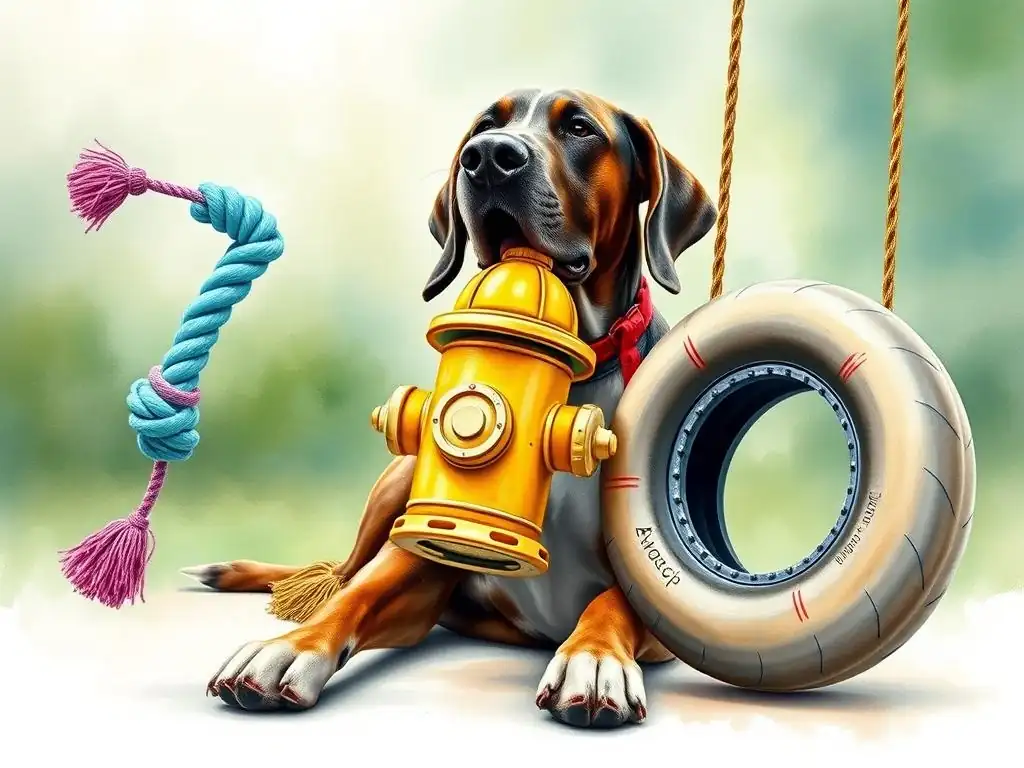
Creating durable DIY toys for large breeds requires going beyond basic construction. These powerful chewers need toys that can withstand significant force, and using recycled materials necessitates extra attention to detail to ensure longevity. This section delves into advanced techniques that significantly enhance the durability of your homemade canine creations, maximizing playtime and minimizing replacements. We'll focus on techniques specifically geared towards improving the longevity of toys made from recycled materials, addressing the common challenges presented by repurposed fabrics and materials. The goal is to create truly durable DIY large dog toys recycled from readily available resources.
Reinforcing Seams and Preventing Tears in Recycled Fabric Toys
Recycled fabrics, while environmentally friendly, can sometimes be thinner or more prone to tearing than new materials. Reinforcing seams is crucial for extending the life of your DIY large dog toys. Here's how to achieve superior seam strength:
- Double Seams: Instead of a single seam, sew the seam twice, using a slightly offset stitch line for each pass. This creates a thicker, stronger seam capable of withstanding considerable tugging and chewing.
- Zigzag Stitching: Use a zigzag stitch along the seam allowance after your main stitch. This creates a secure barrier that prevents fraying and tearing, particularly useful with loosely woven recycled fabrics.
- Seam Binding: Apply seam binding (bias tape) to the raw edges of the seams before stitching. This adds extra reinforcement and prevents the fabric from fraying, enhancing the overall durability. This is especially effective for toys with many seams or those made from thicker, less pliable recycled materials.
- Strategic Seam Placement: Consider the stress points on the toy. Seams in areas that experience the most chewing (like handles or corners) should receive extra reinforcement, perhaps with multiple layers of fabric and extra stitching.
Using Heavy-Duty Thread and Sewing Machines for Strength
The thread you choose dramatically impacts the strength of your DIY large dog toys. Using standard thread on a robust toy intended for a powerful chewer is a recipe for disaster. Here's what to consider:
- Heavy-Duty Thread: Opt for heavy-duty, high-tenacity thread designed for tough applications. This thread is thicker and stronger than standard sewing thread, significantly improving seam strength and resistance to tearing. Look for descriptions such as "heavy-duty," "all-purpose," or "strong."
- Appropriate Needle Size: Using the correct needle size for your chosen thread is also essential. Too small a needle can damage the thread, while too large a needle can create weak points in the seam. Consult your sewing machine's manual for guidance on appropriate needle size for your chosen thread.
- Sewing Machine Selection: If possible, use a heavy-duty sewing machine designed to handle thicker fabrics and tougher threads. These machines provide greater power and control, resulting in stronger, more consistent stitches. A domestic machine can work, but may struggle with multiple layers of thick fabric.
Adding Extra Layers for Enhanced Chew Resistance
Adding extra layers of fabric to high-stress areas significantly increases the toy's chew resistance. This is particularly important when working with recycled materials that might not have the inherent strength of new fabrics.
- Inner Lining: Consider adding an inner lining to the toy, especially for toys with a hollow interior. This creates a protective layer that adds durability and prevents the outer layer from tearing easily. Use a sturdy recycled fabric or even a layer of old denim for added protection.
- Reinforcement Patches: For areas prone to significant wear and tear (like corners or handles), add reinforcement patches made from durable fabrics such as denim, canvas, or even multiple layers of your recycled material. These patches should be sewn securely using heavy-duty thread and multiple layers of stitching.
- Strategic Padding: Adding padding, such as old towels or stuffing, can also enhance chew resistance by distributing the force of a chew across a larger area. This is especially effective for toys with a softer outer layer. This helps to prevent concentrated chewing in one spot, leading to premature failure.
By implementing these advanced techniques, you can significantly increase the durability of your DIY large dog toys recycled from readily available materials, ensuring your canine companion enjoys safe and long-lasting playtime. Remember, the key is to prioritize strong seams, appropriate materials, and clever reinforcement strategies to create truly resilient toys.
Where to Source Recycled Materials for Your DIY Projects
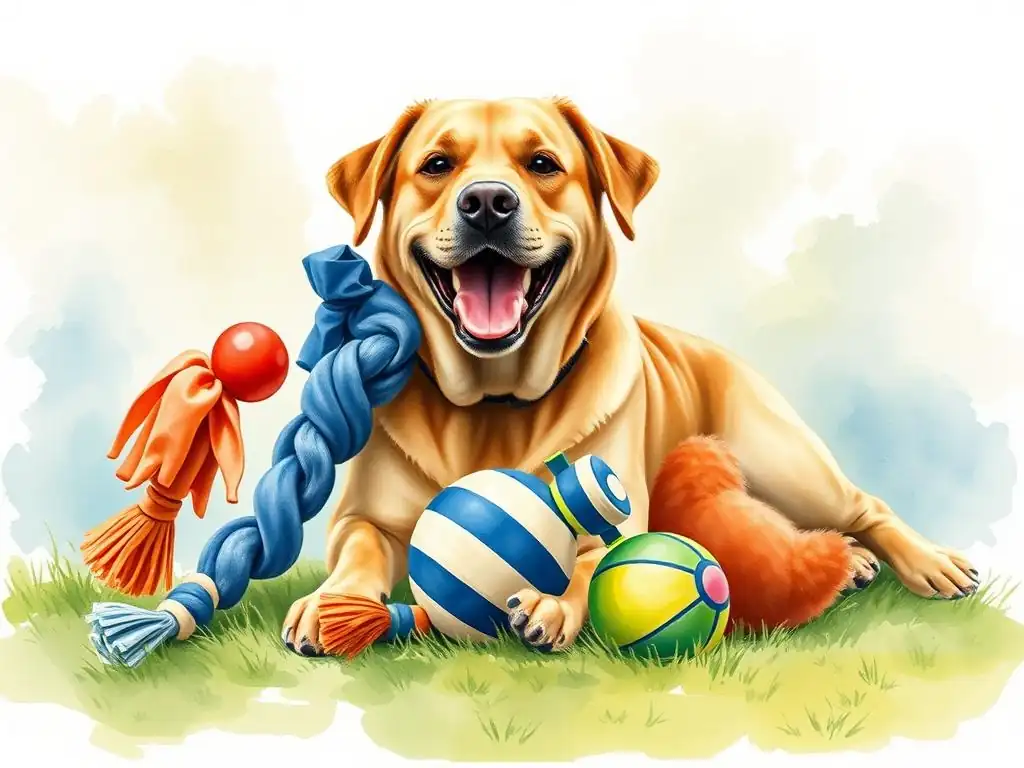
Finding the right materials is crucial for creating durable and engaging DIY large dog toys from recycled resources. This section details where you can source these materials, emphasizing sustainability and cost-effectiveness. Remember, the strength and safety of your dog toy are paramount, so always inspect materials carefully before use. Prioritize materials that are non-toxic and won't easily unravel or present a choking hazard for your large breed companion. The goal is to find robust, recycled materials suitable for creating long-lasting, stimulating toys.
Finding Suitable Recycled Materials Locally: Thrift Stores, Recycling Centers
Thrift stores and recycling centers are goldmines for DIY large dog toy enthusiasts. These locations offer a surprising array of materials perfect for repurposing. Thrift stores often have discarded clothing items—old jeans, sturdy towels, and even t-shirts—ideal for creating tough, chew-resistant toys. Look for thicker fabrics like denim or canvas, which are less likely to tear under vigorous play. Check the condition carefully; avoid anything with loose threads or sharp objects.
Recycling centers, while not always directly providing materials for crafting, can sometimes offer discarded cardboard tubes (from paper towel or wrapping paper rolls), which can be incorporated into more complex toy designs. Always ensure they're clean and free from any harmful chemicals before use. Remember to check local regulations regarding recycling center access and what materials are acceptable for personal collection. Some centers may even have designated areas for discarded textiles, a treasure trove for DIY projects.
| Material Source | Material Type | Advantages | Disadvantages | Safety Considerations |
|---|---|---|---|---|
| Thrift Store | Old clothes (jeans, towels) | Durable, readily available, cost-effective | May require cleaning, check for sharp objects | Inspect for loose threads, buttons, or zippers. |
| Recycling Center | Cardboard tubes, plastic bottles | Easily accessible, readily available | Limited variety, may require cleaning | Ensure clean, free from chemicals; avoid sharp edges. |
Online Resources for Recycled Materials
While local sourcing is ideal for many materials, online platforms can offer access to unique and specialized items. Online marketplaces and crafting communities often have individuals selling or giving away materials suitable for DIY projects. This can include things like industrial-strength fabrics (often discarded remnants), rope scraps, or even repurposed rubber materials.
However, proceed with caution when sourcing materials online. Thoroughly research the seller’s reputation and ensure the materials are safe for your dog. Verify that any used materials are clean and free from harmful chemicals or toxins. Always check for potential hazards, including sharp edges, small parts, or loose threads that could pose a choking risk.
Repurposing Old Clothes and Household Items
Transforming old clothes and household items into engaging dog toys is a highly sustainable and cost-effective approach. Old socks, for example, can be easily knotted and stuffed to create simple tug toys. Larger items like old t-shirts can be cut and sewn into durable chew toys, incorporating various stuffing materials for added interest. Remember to secure all seams tightly to prevent your dog from ingesting loose threads or stuffing.
Examples of Repurposing Household Items:
• **Cardboard boxes:** (Avoid those with staples or sharp edges) can be turned into hide-and-seek puzzle boxes by creating small openings for treats. Larger boxes can be turned into tunnels.
• **Plastic bottles:** (Ensure they are thoroughly cleaned and free of any labels or sharp edges) can be filled with treats and used as puzzle toys.
• **Old towels:** Can be braided into sturdy tug ropes.
• **Denim scraps:** Can be sewn together to create durable chew toys.
Remember, safety is paramount. Always supervise your dog while playing with any DIY toy, and replace or discard any toy showing signs of significant wear and tear to prevent potential hazards. By carefully selecting and repurposing materials, you can create fun, durable, and sustainable DIY large dog toys that will keep your furry friend entertained for hours. This approach not only benefits your pet but also minimizes waste and promotes eco-friendly practices.
Safety Considerations When Making DIY Dog Toys
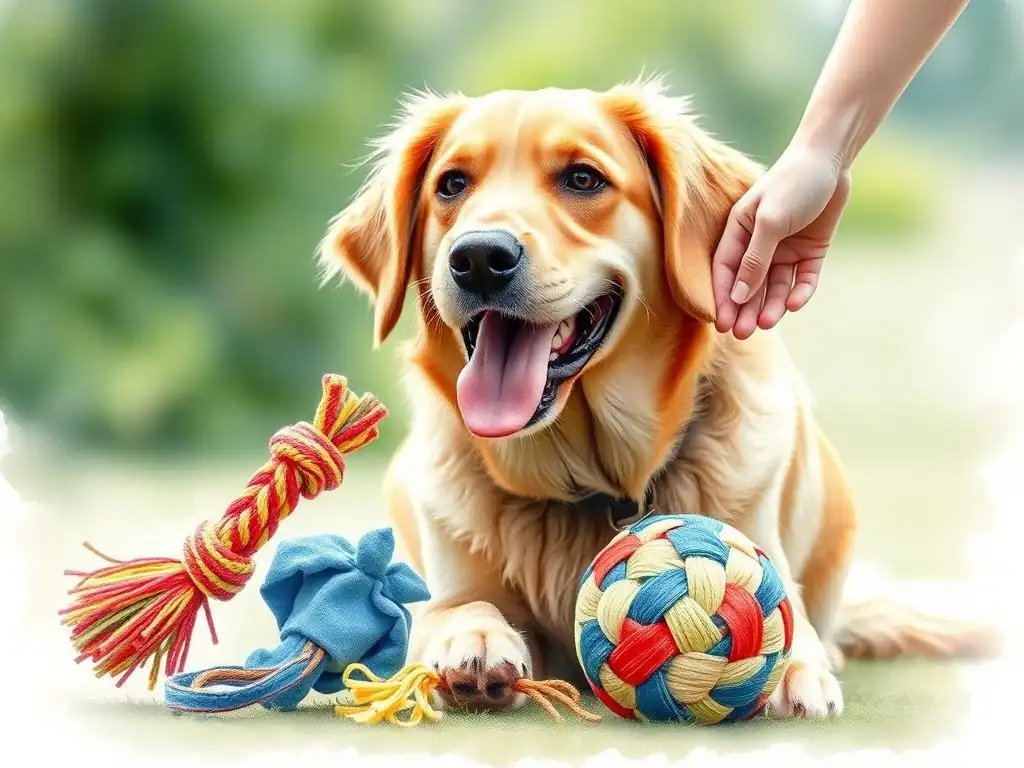
Creating durable and engaging DIY large dog toys from recycled materials is a fantastic way to save money and reduce waste. However, prioritizing your dog's safety is paramount. Using the wrong materials or overlooking potential hazards can lead to serious consequences. This section focuses on crucial safety aspects to ensure your canine companion enjoys their new toys without risk. Remember, a little extra care in the crafting process translates to a lot of happy, safe playtime.
Avoiding Toxic Materials: A Guide to Safe Recycled Materials
Choosing the right recycled materials is the cornerstone of safe DIY dog toy construction. Many materials commonly found around the house are unsuitable and potentially toxic if ingested. Avoid using:
- Foam: Many foams contain chemicals that can be harmful if chewed and swallowed. This includes packing peanuts, foam scraps from furniture, and even some types of mattress foam.
- Painted or varnished wood: Paints and varnishes often contain lead or other toxins dangerous to dogs. Even if the paint appears old and weathered, it can still pose a risk.
- Rubber bands and elastic: These can easily become tangled around a dog's mouth or limbs, causing injury or strangulation.
- Plastic bags and films: These are notorious choking hazards and can cause intestinal blockages if swallowed.
- Metal scraps: Sharp edges or small pieces can cause internal injuries. Thoroughly inspect any metal before use and ensure it's completely smooth and rounded.
Instead, opt for these safer alternatives:
- Cardboard: Thick cardboard from boxes (ensure no staples or tape are present) is a great, readily available material. Consider using corrugated cardboard for extra durability.
- Denim: Old jeans or other sturdy denim fabrics can be sewn into durable toys. Make sure all seams are securely stitched to prevent unraveling.
- Old towels and t-shirts: These soft fabrics can be used to create plush toys or stuffing for other designs. Choose fabrics without embellishments that could be easily detached and swallowed.
- Natural fibers like cotton rope: These are generally safe and strong, but always supervise your dog during playtime.
Remember to always thoroughly wash and clean any recycled materials before using them in your DIY dog toy projects. This helps remove any lingering dirt, grime, or harmful chemicals. Prioritizing safe materials significantly reduces the risk of injury or illness for your beloved pet.
Regularly Inspecting and Replacing Damaged Toys
Even the most durable DIY dog toys will eventually show signs of wear and tear. Regular inspection is vital to prevent accidents. Check your dog's toys daily for:
- Loose threads or seams: These can easily be pulled apart and swallowed, posing a choking hazard.
- Small pieces breaking off: Any small pieces that could be ingested should be removed immediately.
- Excessive wear: If the toy is significantly damaged or showing signs of excessive wear, it's time to replace it.
- Tears or holes: These can expose stuffing and potentially allow your dog to ingest harmful materials.
A quick daily check can prevent serious issues. Think of it as a small investment in your dog’s safety. Replace damaged toys promptly, rather than risking the possibility of an accident. Remember, a happy dog is a healthy dog, and that includes safe toys!
Supervision During Playtime: Preventing Choking Hazards
Even with the safest materials and construction, constant supervision during playtime is crucial, especially with large breeds known for their powerful jaws and enthusiastic play style. Never leave your dog unattended with any toy, especially a DIY one.
Large breed dogs can easily tear apart even sturdy toys, creating smaller pieces that pose a choking hazard. Always monitor their play and intervene if they start to aggressively chew or swallow pieces of the toy.
Consider these additional safety measures:
- Choose appropriately sized toys: Select toys that are large enough to avoid being swallowed whole.
- Avoid toys with small parts: Avoid using any materials that could easily break off into small pieces.
- Rotate toys regularly: Giving your dog a variety of toys helps prevent them from focusing on one toy to the point of destruction.
- Introduce new toys gradually: Allow your dog to get used to a new toy before leaving them unsupervised with it.
By following these guidelines, you can ensure that your DIY large dog toys provide hours of safe and enjoyable play for your furry friend. Remember, a proactive approach to safety is the best way to keep your dog happy and healthy. 🐶
Enhancing Your DIY Dog Toys: Adding Features for Extra Engagement
This section focuses on elevating your recycled DIY dog toys from simple chewables to engaging enrichment items for your large breed companion. Remember, even the most durable toy will lose its appeal if it doesn't stimulate your dog's mind and senses. We'll explore ways to boost playtime and keep your furry friend entertained for longer periods. The key is to think about what makes a toy fun for a large dog, considering their powerful jaws and playful nature. Using recycled materials adds a sustainable angle to this enriching process, making it both fun and responsible.
Adding Squeakers and other Sounds to Recycled Toys
Adding sound elements to your DIY large dog toys is a fantastic way to increase their appeal. Large breeds often enjoy toys that make noise, triggering their natural prey drive and adding an extra layer of excitement to playtime. However, the choice of sound-making components is crucial. Avoid small, easily detachable parts that could pose a choking hazard. Instead, consider these options:
- Recycled Plastic Bottles: Clean, empty plastic bottles (like soda bottles) can be incorporated into toys. The sound they make when squeezed or bitten can be surprisingly engaging for dogs. Make sure to thoroughly clean and remove all labels before use. Consider sealing the openings securely to prevent the bottle from being easily accessed and potentially ingested.
- Durable Fabric Scraps: Sewing squeakers into sturdy fabric toys is another viable approach. Choose squeakers specifically designed for durable dog toys. Ensure all seams are securely stitched to prevent the squeaker from being easily accessed and removed.
- Sealed Cardboard Tubes: Larger cardboard tubes (from paper towel rolls or wrapping paper) can be used creatively. You can fill them with dried beans or rice for a rattling sound, sealing the ends tightly with strong tape or glue. This method is best suited for less aggressive chewers.
Remember to always supervise your dog during playtime with any toy that contains small parts. Regularly inspect the toy for any signs of damage and replace it immediately if necessary. The goal is enrichment, not risk. The best recycled DIY toys are durable and safe.
Incorporating Treats and Puzzle Elements into DIY Designs
Turning your DIY dog toys into interactive puzzle feeders adds a significant layer of mental stimulation, especially beneficial for large breeds with high energy levels. This not only keeps them entertained but also helps to prevent boredom and destructive behaviors.
Here are some ideas for integrating treat-dispensing elements into your recycled creations:
- Old Tennis Balls with Treats: Cut a small hole in an old tennis ball (ensure it's clean and free of fuzz) and stuff it with kibble or small treats. The dog will have to work to get the treats out.
- Cardboard Boxes and Tubes: Construct a simple maze using cardboard boxes and tubes, hiding treats inside. This encourages problem-solving skills and provides a fun challenge.
- Fabric Toys with Hidden Pockets: Sew small pockets into fabric toys, hiding treats inside. This offers a rewarding experience for your dog as they discover the hidden treasures.
By combining durable recycled materials with clever treat-hiding techniques, you can create engaging and enriching toys that keep your large breed dog happily occupied for extended periods. Remember to adjust the difficulty of the puzzle to your dog’s skill level.
Personalizing Your DIY Dog Toys: Adding Names or Designs
Adding a personal touch to your DIY dog toys transforms them from simple objects into cherished possessions. Personalization strengthens the bond between you and your pet, making playtime even more special. Here are some ways to personalize your creations:
- Fabric Markers: For fabric toys, use permanent fabric markers to add your dog's name, a fun design, or even a simple heart.
- Embroidery: If you're skilled with embroidery, you can add intricate designs or your dog's name to fabric toys, creating a truly unique and lasting piece.
- Paint (for durable materials): For durable recycled materials like wood or hard plastic (ensure it's non-toxic paint! ), you can add designs or your dog's name using pet-safe paint. Allow the paint to dry completely before giving the toy to your dog.
Personalization adds a special element of love and care to your DIY projects, making them even more meaningful for you and your canine companion. Remember to always use materials that are safe for your dog and avoid small, detachable parts. The focus should always be on creating a fun and safe enrichment experience for your furry friend.
Frequently Asked Questions
What materials are best for DIY large dog toys?
For durable DIY toys for large dogs, prioritize tough materials like old fire hoses, heavy-duty canvas, or even recycled car tires (ensure all sharp edges are removed). Avoid anything easily chewed or swallowed.
How can I make sure my DIY toy is safe for my large dog?
Always thoroughly inspect the toy for loose parts or sharp edges before giving it to your dog. Choose non-toxic materials, and supervise play to prevent accidental ingestion of small pieces.
Are recycled materials always suitable for making dog toys?
While many recycled materials are great, be cautious. Avoid materials that may contain toxic chemicals or small parts that could become choking hazards. Always thoroughly clean recycled items before use.
What are some easy DIY toy ideas using recycled materials for large dogs?
Consider making a rope toy from old t-shirts or jeans, a stuffed toy from sturdy fabric scraps, or a tug-of-war toy from an old fire hose. Focus on simple designs with minimal small parts.
How do I know if my large dog is playing safely with their DIY toy?
Monitor your dog's play. If they are chewing aggressively and parts are breaking off, it's time to replace the toy. Look for signs of stress or discomfort and always provide a variety of toys to prevent boredom and over-reliance on one item.
Final Reflection: The Enduring Joy of Recycled Play
The simple act of crafting durable, engaging toys from recycled materials isn't just a cost-effective solution for large breed dog owners; it's a powerful statement about responsible pet ownership and environmental stewardship. We've explored creative ways to repurpose everyday items, transforming discarded materials into sources of endless fun and enrichment for our canine companions. This isn't just about saving money; it's about minimizing our environmental footprint while strengthening the bond with our beloved pets.
The impact of our consumption habits extends far beyond our own homes, influencing the health of our planet and the well-being of animals. The best things in life are free. The second best are very, very cheap.
– This adage, while not directly about recycling, speaks to the inherent value in finding joy in simple, resourceful solutions. Creating DIY toys fosters a deeper connection with our dogs, allowing us to understand their needs and preferences on a more intimate level. It's a mindful practice that encourages us to think critically about our waste and its impact on the world around us.
Consider the possibilities: What discarded materials could you transform into a treasured toy for your furry friend? What creative solutions can you devise to meet their specific needs and play styles? This isn't just about building toys; it's about building a more sustainable and compassionate future, one recycled rope toy at a time. Embrace the challenge, unleash your creativity, and experience the profound joy of crafting a world where responsible pet ownership and environmental consciousness go hand in paw.
Unleash Your Inner Dog Toy Designer!
Thanks for exploring the world of DIY dog toys! We hope you're feeling inspired to create durable, fun, and affordable toys for your canine companion. Now it's time to put your skills to the test.
- Craft your first amazing toy: Gather your recycled materials and start creating! Remember to adjust the size and materials to suit your dog's chewing habits and strength. A strong chewer will need a tougher toy than a gentler one.
- Share your creations: Post pictures of your finished dog toys on PetCareWorld's social media using #DIYDogToys – let's inspire other pet owners!
- Explore more upcycled projects: Check out our other articles on creating pet accessories from recycled items – you might be surprised at your creativity!
What ingenious recycled material will you use for your next DIY dog toy?