
Natural vs. Chemical: Choosing the Right Parasite Control for Your Cat


Welcome to PetCareWorld, your ultimate guide to a happier, healthier life for your beloved pets! Are you seeking the most effective way to protect your feline friend from parasites? Then dive into our in-depth exploration of "Best cat parasite control method," comparing natural and chemical approaches to help you make the best decision for your cat's well-being. Discover the secrets to keeping your furry companion parasite-free and thriving!
- Understanding Cat Parasites and Their Impact
- Chemical Parasite Control for Cats: Effectiveness and Risks
- Natural Parasite Control Methods for Cats: Exploring Alternatives
- Comparing Natural and Chemical Parasite Control for Cats: A Balanced Approach
- Best Cat Parasite Control Method: A Holistic Approach
- Frequently Asked Questions
- Final Reflection: The Purrfect Balance: Natural vs. Chemical Parasite Control
- Unleash Your Cat's Healthiest Self: Take Action Now!
Understanding Cat Parasites and Their Impact
Choosing the right parasite control method for your cat is crucial for their health and well-being. Parasites, both internal and external, can significantly impact a cat's life, leading to a range of health problems, from mild discomfort to life-threatening illnesses. This article will delve into the differences between natural and chemical parasite control options, helping you make an informed decision about the best approach for your feline companion.
We'll explore common parasites affecting cats, the signs of infestation, and the various treatment methods available, ultimately guiding you towards the best cat parasite control method for your specific situation. Understanding the nuances of parasite control is key to ensuring your cat lives a long, happy, and healthy life, free from the burden of these unwelcome guests. Finding the best cat parasite control method requires careful consideration of your cat's individual needs and lifestyle.
Common Internal Parasites in Cats: Roundworms, Hookworms, Tapeworms
Internal parasites, residing within your cat's body, can cause significant health issues if left untreated. Some of the most prevalent internal parasites in cats include:
- Roundworms (Toxocara cati): These are common, particularly in kittens. Roundworm infestations can lead to stunted growth, diarrhea, vomiting, and a pot-bellied appearance. Transmission often occurs through the mother's milk or ingestion of infected prey.
- Hookworms (Ancylostoma tubaeforme): Hookworms attach to the intestinal wall, causing blood loss and anemia. Symptoms can include pale gums, lethargy, and bloody diarrhea. Kittens are especially vulnerable to severe hookworm infestations.
- Tapeworms (Dipylidium caninum): These segmented worms can reach several inches in length. Cats typically contract tapeworms by ingesting infected fleas. Symptoms may include weight loss, vomiting, and scooting (dragging their rear end on the floor).
The severity of an internal parasite infestation depends on several factors, including the type of parasite, the number of parasites present, and the cat's overall health. Early detection and treatment are essential to prevent serious complications. Treatment typically involves deworming medication prescribed by a veterinarian.
Common External Parasites in Cats: Fleas, Ticks, Mites
External parasites, living on the cat's skin and fur, cause irritation, discomfort, and can transmit diseases. The most common external parasites include:
- Fleas (Ctenocephalides felis): Fleas are tiny, wingless insects that feed on blood. A heavy flea infestation can lead to anemia, intense itching, and skin inflammation (flea allergy dermatitis). Fleas can also transmit diseases.
- Ticks (Ixodes spp., Amblyomma spp.): Ticks are arachnids that attach themselves to the skin and feed on blood. They can transmit various diseases, including Lyme disease and ehrlichiosis. Regular tick checks are crucial, especially after outdoor excursions.
- Mites (Otodectes cynotis, Demodex cati, Sarcoptes scabiei): Mites are microscopic arachnids that burrow into the skin, causing intense itching, hair loss, and skin lesions. Ear mites (Otodectes cynotis) are particularly common and cause significant ear infections.
Effective external parasite control requires a multi-pronged approach, often involving topical treatments, shampoos, and environmental control measures to eliminate parasites and prevent re-infestation.
Recognizing the Signs of Parasite Infestation in Cats
Early detection of parasites is vital for effective treatment and preventing serious health complications. While some infestations may be asymptomatic, others exhibit clear signs. Watch out for these potential indicators:
- Weight loss: Unexplained weight loss can be a sign of internal parasites, particularly tapeworms and hookworms.
- Diarrhea or vomiting: These gastrointestinal issues are common symptoms of internal parasites.
- Lethargy and weakness: Anemia, often caused by hookworms or severe flea infestations, can lead to lethargy and weakness.
- Itching and scratching: Excessive scratching and biting can indicate fleas, mites, or other external parasites.
- Changes in coat: Hair loss, dull coat, or scaly skin can be signs of various parasitic infestations.
- Scooting: Dragging their rear end on the floor suggests possible tapeworm infestation.
- Visible parasites: In some cases, you might be able to see fleas, ticks, or segments of tapeworms in your cat's fur or feces.
If you suspect your cat has parasites, it's crucial to consult a veterinarian immediately for proper diagnosis and treatment. They can perform tests to identify the specific parasite and recommend the most appropriate course of action. Remember, early intervention is key to ensuring your cat's health and happiness.
The Importance of Early Detection and Treatment for Optimal Cat Health
Early detection and prompt treatment of parasites in cats are crucial for their overall health and well-being. Many parasitic infestations, if left unchecked, can lead to significant health complications, impacting everything from a cat's energy levels and appetite to its immune system and longevity. A seemingly minor infestation can quickly escalate, causing severe discomfort and potentially life-threatening conditions.
For instance, untreated flea infestations can lead to anemia, particularly in kittens or cats with pre-existing health issues. The constant irritation from flea bites can also cause intense itching, leading to self-trauma and secondary skin infections. Similarly, intestinal parasites like roundworms and hookworms can cause malnutrition, diarrhea, vomiting, and stunted growth, especially in young cats. These parasites compete with the cat for essential nutrients, hindering their ability to thrive.
The impact extends beyond physical symptoms. Chronic parasitic infections can weaken a cat's immune system, making them more susceptible to other illnesses and infections. This increased vulnerability can lead to a vicious cycle, where the cat's already compromised health is further burdened by additional complications. Furthermore, some parasites can be zoonotic, meaning they can be transmitted from cats to humans. Early detection and treatment not only protect the cat but also safeguard the health of the family.
Therefore, regular veterinary check-ups, including fecal examinations, are essential for proactive parasite control. These check-ups allow for early detection, even before clinical signs manifest. Early intervention with appropriate treatment significantly improves the chances of a full recovery and minimizes the long-term health consequences associated with parasitic infestations.
This proactive approach is a cornerstone of responsible cat ownership, ensuring a happy, healthy, and long life for your feline companion. A healthy cat is a happy cat, and preventing parasitic infestations is a key component of achieving that goal. The best cat parasite control method includes regular veterinary visits and attentive observation of your cat's health.
Chemical Parasite Control for Cats: Effectiveness and Risks

Chemical parasite control methods for cats offer a potent and often rapid solution to infestations. Their effectiveness stems from their targeted action against specific parasites, leading to a quicker reduction in parasite populations compared to some natural methods. However, this effectiveness comes with potential drawbacks that pet owners must carefully consider before choosing this route. Finding the best cat parasite control method requires weighing these benefits and risks. The "best" method will always depend on the individual cat, the specific parasite, and the severity of the infestation.
Prescription Medications for Feline Parasite Control
Veterinarians prescribe a range of medications to combat various feline parasites. These medications are typically more potent and targeted than over-the-counter options. For example, praziquantel is a common prescription drug effective against tapeworms and flukes. Other prescription medications address heartworm, fleas, and ticks, often in combination therapies. The dosage and treatment duration are tailored by the vet to the specific needs of the cat and the identified parasite.
A thorough veterinary examination is crucial to determine the most appropriate prescription medication and to rule out underlying health conditions that might influence treatment. This personalized approach makes prescription medications a powerful tool in the fight against parasites but requires professional guidance. It's vital to follow the vet's instructions precisely, including the administration schedule and any necessary precautions. Improper usage can lead to reduced effectiveness or even adverse reactions.
Over-the-Counter Options for Cat Parasite Treatment
Over-the-counter (OTC) options for cat parasite control are readily available at pet stores. These typically include topical treatments for fleas and ticks, and oral medications for intestinal parasites (though the efficacy of OTC treatments for internal parasites is often debated). While convenient, OTC medications may lack the potency and targeted action of prescription drugs. For instance, some OTC flea treatments might not be effective against all flea life stages, potentially leading to incomplete eradication.
Furthermore, the lack of veterinary oversight increases the risk of incorrect dosage or application, leading to ineffectiveness or potential harm to the cat. Always carefully read and follow the instructions on OTC products. If you have any doubts or concerns, consult your veterinarian before using any OTC parasite control for your cat. They can advise on the suitability of the product for your cat's individual needs and health status.
Potential Side Effects of Chemical Parasite Treatments in Cats
While chemical parasite treatments are highly effective, they can present potential side effects. These can range from mild to severe, depending on the medication, the dosage, and the individual cat's sensitivity. Common side effects might include vomiting, diarrhea, lethargy, or loss of appetite.
More serious side effects, though less frequent, could involve neurological symptoms, allergic reactions, or even organ damage. These serious reactions are rare but necessitate immediate veterinary attention. To minimize risks, always inform your veterinarian about your cat's complete medical history and any existing health conditions before starting any chemical parasite treatment.
Regular monitoring for any adverse reactions is also crucial, and you should contact your veterinarian immediately if you notice any unusual symptoms. Choosing the best cat parasite control method involves carefully considering the potential side effects and weighing them against the benefits of parasite eradication. A proactive approach to parasite prevention, including regular grooming and environmental hygiene, can also help reduce the need for frequent or intensive chemical treatments.
Choosing the Right Chemical Treatment Based on Your Cat's Needs and Lifestyle
Selecting the optimal chemical parasite control for your feline companion necessitates a careful consideration of several factors. Your cat's individual needs and lifestyle play a crucial role in determining the most effective and safest treatment. A thorough understanding of these aspects is paramount to ensuring your cat receives the best possible protection against parasites while minimizing potential risks.
Firstly, your cat's age and health status are vital considerations. Kittens, senior cats, and those with pre-existing medical conditions may have different sensitivities to certain chemical treatments. For example, some medications might be contraindicated for cats with liver or kidney problems. Consulting your veterinarian before initiating any chemical parasite control is absolutely essential, especially for cats in these vulnerable categories. They can assess your cat's overall health and recommend an appropriate and safe treatment strategy. Failing to do so could lead to unforeseen complications.
Secondly, your cat's lifestyle significantly impacts the type of parasite control needed. Indoor cats, with limited exposure to the outdoors, may require a less intensive treatment regimen compared to outdoor cats. Outdoor cats face a higher risk of exposure to a wider variety of parasites, necessitating stronger and potentially more frequent applications of preventative medication.
Similarly, cats that frequently interact with other animals, such as at a cattery or dog park, may also require a more robust parasite control strategy. The frequency of application, the type of medication, and even the specific brand can be influenced by these lifestyle factors.
Thirdly, the prevalence of specific parasites in your geographical area is another important factor. Your veterinarian can provide valuable insights into the common parasites affecting cats in your region. This information will help in selecting a treatment that effectively targets the prevalent parasites in your area. For instance, flea infestations might be more common in certain regions than others, impacting the choice of preventative medication. Understanding this local context ensures that your cat's treatment is both effective and targeted.
Finally, consider the convenience and ease of administration of the chosen treatment. Some medications are administered orally, while others are topical applications. Your cat's temperament and your ability to administer the medication should be taken into account. If your cat is particularly resistant to oral medication, a topical solution might be a better option.
Conversely, if you find topical applications challenging, an oral medication might be more suitable. The goal is to choose a method that is both effective and manageable within your lifestyle and your cat's temperament. Remember, consistent application is key to effective parasite control. Choose a method that you can realistically maintain long-term.
Natural Parasite Control Methods for Cats: Exploring Alternatives

Choosing the best cat parasite control method often involves weighing the benefits of natural approaches against chemical treatments. While chemical treatments offer swift and potent results, many pet owners are increasingly seeking safer, more holistic alternatives. This section explores several natural parasite control methods for cats, focusing on their efficacy, safety, and potential limitations. Remember, always consult your veterinarian before implementing any new treatment plan for your feline companion. A comprehensive approach, combining preventative measures with appropriate interventions, is often the most effective strategy for managing parasites.
Natural Remedies for Fleas and Ticks: Diatomaceous Earth, Essential Oils
Diatomaceous earth (DE) is a naturally occurring sedimentary rock consisting of fossilized diatoms. Food-grade DE, specifically, is often touted as a safe and effective flea and tick control for cats. Its microscopic particles are believed to dehydrate and kill parasites by abrading their exoskeletons. However, it's crucial to use food-grade DE only, as industrial-grade DE can be harmful if inhaled.
Application involves dusting the cat's fur (avoiding the face and eyes) and allowing it to settle before brushing out excess. Efficacy varies, and some cats may be more sensitive than others. Always monitor your cat for any adverse reactions, such as skin irritation.
Essential oils, like cedarwood, lavender, peppermint, and tea tree oil, possess insecticidal properties. However, their use on cats requires extreme caution. Many essential oils are toxic to cats, even in diluted forms. Ingestion can be particularly dangerous. While some diluted sprays might offer limited repellent effects, it's strongly advised to consult a veterinarian before using any essential oils on your cat. The potential risks significantly outweigh the uncertain benefits in most cases. A safer approach would focus on creating a less attractive environment for fleas and ticks through thorough cleaning and environmental control.
Herbal Treatments for Internal Parasites: Specific Herbs and Their Applications
Certain herbs have traditionally been used to combat internal parasites in cats, such as worms and coccidia. However, scientific evidence supporting their efficacy is often limited and anecdotal. Furthermore, the dosage and preparation methods for these herbs can be complex and require careful consideration. Improper usage can lead to digestive upset or other health issues. Some herbs with purported antiparasitic properties include:
- Wormwood: Known for its potential to disrupt the life cycle of certain intestinal parasites.
- Black Walnut: Sometimes used as a natural wormer, but its safety and effectiveness in cats are questionable.
- Garlic: While possessing some antiparasitic properties, garlic can be toxic to cats in large quantities.
It's crucial to emphasize that these herbs should never replace veterinary-prescribed deworming medications. If you suspect your cat has internal parasites, a fecal examination by a veterinarian is essential for accurate diagnosis and appropriate treatment. Self-treating with herbal remedies can delay effective treatment and potentially worsen the condition.
Dietary Changes to Support a Healthy Immune System and Parasite Resistance
A balanced and nutritious diet plays a vital role in supporting your cat's immune system, making it more resilient to parasitic infestations. High-quality cat food, rich in protein and essential nutrients, is crucial. Including foods rich in antioxidants, such as blueberries and cranberries, can also bolster immune function. However, it's important to note that dietary changes alone are unlikely to completely eliminate existing parasites. They should be considered a complementary strategy to other preventative measures and treatments, not a replacement.
Consider the following dietary adjustments:
| Nutrient | Benefit | Food Sources |
|---|---|---|
| Protein | Supports immune function and tissue repair | High-quality cat food, meat, fish |
| Essential Fatty Acids | Reduces inflammation, supports skin health | Fish oil, flaxseed oil |
| Antioxidants | Protects cells from damage, boosts immunity | Blueberries, cranberries, pumpkin |
| Vitamins & Minerals | Overall health and immune support | Balanced commercial cat food, supplements (consult vet) |
Remember, a holistic approach to parasite control is best achieved through a combination of preventative measures, environmental control, and, when necessary, veterinary-guided treatment. While natural remedies can play a supporting role, they should never replace professional veterinary care. Always prioritize your cat's health and safety by seeking professional guidance before making any significant changes to their parasite control strategy. This will help you find the best cat parasite control method for your individual pet's needs.
Maintaining a Clean Environment to Prevent Parasite Infestation
Maintaining a meticulously clean environment is paramount in preventing parasite infestations in cats. This isn't just about a quick sweep; it's about a proactive, multi-pronged approach that targets various parasite life cycles. Regular and thorough cleaning significantly reduces the risk of fleas, ticks, and intestinal parasites.
One crucial aspect is frequent vacuuming. Fleas, for instance, spend a significant portion of their life cycle in the environment, with larvae thriving in carpets, rugs, and bedding. Vacuuming at least twice a week, particularly in areas where your cat spends the most time, helps to remove adult fleas and their immature stages. Remember to empty the vacuum cleaner bag or canister immediately afterwards outside to prevent re-infestation. A high-efficiency particulate air (HEPA) filter vacuum is particularly effective in capturing microscopic flea eggs and larvae.
Beyond vacuuming, regular washing of bedding, blankets, and other cat-related items is essential. Use hot water (at least 130°F or 54°C) and detergent to kill any parasites present. Drying the items in a hot dryer for at least 30 minutes further ensures elimination. Soft furnishings like cushions and throws that cannot be machine-washed should be professionally cleaned or, at a minimum, thoroughly aired in direct sunlight, which is naturally dehydrating to parasites.
Cleaning your cat's litter box daily is also critical. Fecal matter can harbor parasite eggs and larvae, especially those of intestinal parasites like roundworms and hookworms. Scooping regularly prevents the build-up of these contaminants and greatly minimizes the risk of re-infection. The entire litter box should be thoroughly cleaned and disinfected at least once a week. Use a pet-safe disinfectant to ensure both hygiene and your cat's safety.
Finally, regular grooming plays a crucial role. Brushing your cat's coat helps remove fleas and ticks directly from their fur, preventing infestation and allowing you to monitor their skin for any signs of parasites. This simple act, combined with environmental cleanliness, forms a powerful preventative strategy in the fight against parasites. The best cat parasite control method often involves a combination of approaches, with environmental hygiene being a cornerstone of success.
Comparing Natural and Chemical Parasite Control for Cats: A Balanced Approach
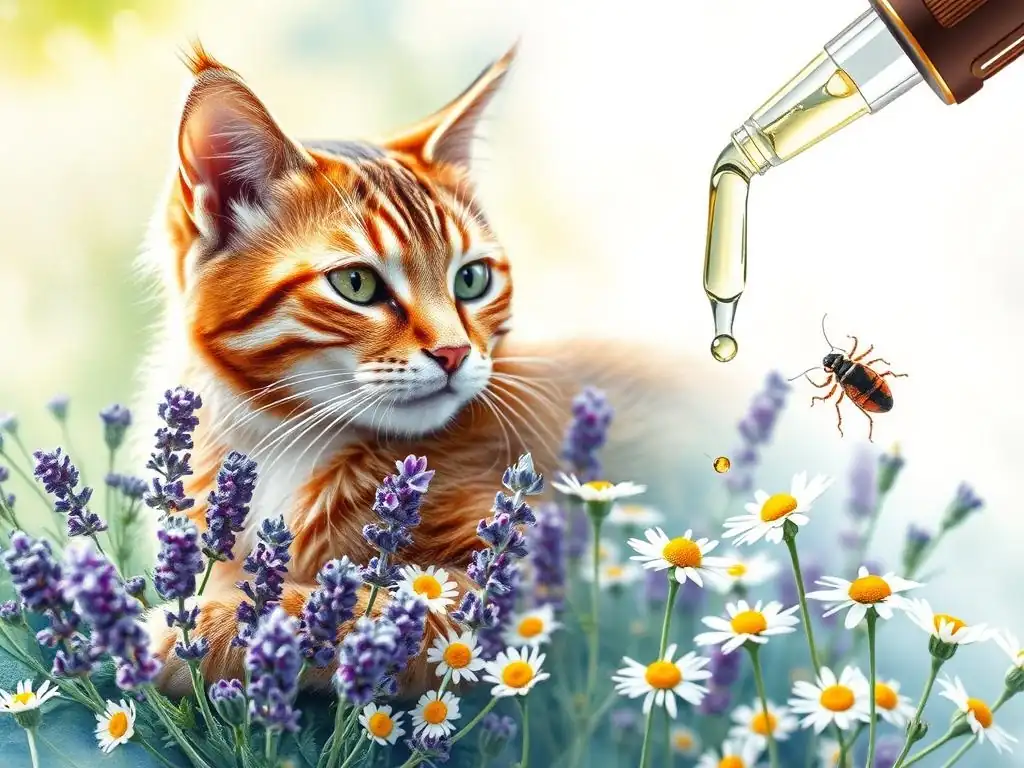
This section delves into the crucial decision of choosing between natural and chemical parasite control methods for your feline companion. Finding the best cat parasite control method requires a careful consideration of several factors, and we'll explore those in detail. The optimal approach often depends on your cat's individual needs, your lifestyle, and your budget. Remember, always consult your veterinarian before starting any new parasite control regimen.
Effectiveness: A Side-by-Side Comparison of Natural and Chemical Methods
The effectiveness of parasite control methods varies significantly depending on the specific parasite, the product used, and your cat's environment. Chemical treatments, such as broad-spectrum flea and tick medications, generally boast higher efficacy rates against a wider range of parasites. These products are formulated to kill or repel parasites quickly and efficiently. Studies have shown that many chemical treatments achieve over 90% efficacy against common parasites like fleas and ticks when administered correctly.
Natural methods, such as herbal remedies and essential oil applications, often have a more targeted effect and may not be as effective against all parasites. Their efficacy can also vary greatly depending on the quality of the product and the specific parasite. While some natural ingredients possess insecticidal properties, their effectiveness is generally less potent and requires consistent and careful application. Furthermore, the success of natural methods often depends on addressing environmental factors that contribute to parasite infestations.
| Method | Effectiveness Against Fleas | Effectiveness Against Ticks | Effectiveness Against Internal Parasites |
|---|---|---|---|
| Chemical Treatments (e.g., Fipronil, Imidacloprid) | High | High | Moderate to High |
| Natural Methods (e.g., Diatomaceous Earth, Neem Oil) | Moderate to Low | Low | Low to Moderate |
It's crucial to understand that "natural" doesn't automatically equate to "safe" or "effective." Some natural products can be toxic to cats if ingested or applied improperly. Always research thoroughly and consult your vet before using any natural method.
Safety and Side Effects: Weighing the Risks and Benefits for Your Cat
Chemical parasite control products, while highly effective, can carry potential side effects. These can range from mild skin irritations and allergic reactions to more serious neurological issues in rare cases. Always follow the manufacturer's instructions carefully and monitor your cat for any adverse reactions after application. 🐱 Regular veterinary check-ups are crucial to detect and manage any potential health problems linked to chemical treatments.
Natural methods generally pose a lower risk of severe side effects, but this doesn't eliminate the possibility of allergic reactions or other adverse responses. Some essential oils, for instance, can be toxic to cats if ingested or applied improperly. The concentration and application method of natural products are particularly important considerations. Overuse or improper application can lead to skin irritation or other problems.
Cost Comparison: Evaluating the Financial Implications of Each Approach
The cost of parasite control varies significantly between chemical and natural options. Chemical treatments, particularly prescription medications, tend to be more expensive upfront. However, their higher efficacy can potentially lead to long-term cost savings by preventing infestations and reducing the need for repeated treatments.
Natural methods are often less expensive in the short term, but may require more frequent applications or a combined approach to achieve comparable effectiveness. The cost of natural products can also vary depending on the brand and quality. Consider the total cost of ownership, factoring in the frequency of application and the potential need for additional treatments if a natural method proves insufficient. Remember to include the cost of veterinary visits for monitoring and treatment of any potential issues, regardless of the chosen method.
Choosing the Best Parasite Control Method for Your Cat: A Personalized Strategy
Selecting the optimal parasite control method for your feline companion necessitates a holistic approach, considering several crucial factors. A "one-size-fits-all" solution rarely exists, and what works wonders for one cat might prove ineffective or even harmful for another. The best approach involves careful consideration of your cat's individual needs, lifestyle, and overall health.
Firstly, your cat's age plays a significant role. Kittens, for example, possess developing immune systems and might be more susceptible to adverse reactions from certain chemical treatments. Older cats, on the other hand, may have pre-existing health conditions that could be exacerbated by strong chemicals. Therefore, a veterinarian's consultation is paramount to determine the safest and most effective treatment for your cat's specific age group. This consultation should also include a discussion of any potential underlying health conditions that could influence your choice.
Secondly, your cat's lifestyle significantly impacts parasite exposure. Indoor cats, for instance, generally have a lower risk of infestation compared to their outdoor counterparts who are more exposed to fleas, ticks, and other parasites. The frequency and intensity of parasite control should reflect this lifestyle difference. A strictly indoor cat might only require preventative measures every few months, while a cat with regular outdoor access might benefit from more frequent treatments. Regular grooming can also help reduce the risk of parasites, acting as a supplementary preventative measure.
Thirdly, your cat's overall health is a critical consideration. Cats with compromised immune systems or pre-existing conditions might react poorly to certain parasite control products. A pre-treatment veterinary check-up is crucial to identify any potential risks and to tailor the treatment plan to your cat's specific needs. This includes a thorough discussion about potential allergies or sensitivities to different active ingredients found in both natural and chemical treatments. Remember, your veterinarian is your best resource in determining the safest and most effective strategy for your individual cat.
Finally, environmental factors also play a significant role. If you live in an area with a high prevalence of fleas or ticks, you might need a more robust parasite control strategy. Consulting with your veterinarian can help you determine the most appropriate approach for your specific geographic location and environmental conditions.
They can advise on the most effective products and strategies to combat the prevalent parasites in your area. This might involve a combination of preventative measures and targeted treatments depending on the severity of the infestation. Understanding the local parasite landscape is key to effective and responsible parasite control.
Choosing the best parasite control method for your cat requires a personalized strategy. By considering your cat's age, lifestyle, overall health, and environmental factors, you can work with your veterinarian to develop a comprehensive plan that keeps your feline companion healthy and happy, minimizing the risk of harmful side effects and maximizing the effectiveness of the treatment. Remember, prevention is key, and regular veterinary check-ups are crucial for maintaining your cat's well-being.
Best Cat Parasite Control Method: A Holistic Approach

Integrating Natural and Chemical Methods for Comprehensive Protection
Finding the best cat parasite control method often involves a balanced approach combining natural preventative measures with targeted chemical treatments when necessary. A purely natural approach might not always offer complete protection against all parasites, while relying solely on chemicals can carry potential long-term health risks for your feline companion. The ideal strategy is a proactive, integrated system.
For example, consider using a natural flea repellent like cedarwood oil or diatomaceous earth in conjunction with a veterinarian-recommended topical flea and tick medication. The natural repellent can help deter infestations, reducing the reliance on chemical treatments and potentially minimizing exposure to harsh chemicals. This combined approach offers broader protection and addresses the issue from multiple angles. Remember to always research the safety of any natural remedy before applying it to your cat, ensuring it's non-toxic and appropriate for their age and health condition. Always consult your veterinarian before making any changes to your cat's parasite control regimen.
We can illustrate this with a simple table comparing the pros and cons of different approaches:
| Method | Pros | Cons |
|---|---|---|
| Chemical-only | Highly effective against a wide range of parasites | Potential side effects, risk of resistance development, environmental impact |
| Natural-only | Fewer side effects, environmentally friendly | May not be as effective against all parasites, requires diligent application |
| Integrated (Natural & Chem) | Combines effectiveness and safety, reduces reliance on chemicals | Requires more effort in monitoring and application |
This integrated approach is often the most effective way to achieve the best cat parasite control. The key is careful monitoring and a flexible strategy adapting to your cat's specific needs and the prevalence of parasites in your environment.
Regular Veterinary Check-ups for Parasite Prevention and Early Detection
Regular veterinary check-ups are crucial for effective parasite prevention and early detection. During these visits, your veterinarian can perform fecal examinations to detect intestinal parasites like roundworms, hookworms, and tapeworms. They can also assess your cat's overall health, identifying any underlying conditions that might make them more susceptible to parasites. Furthermore, your veterinarian can advise on the most appropriate parasite prevention strategies based on your cat's individual needs and your local parasite prevalence.
Early detection is vital because many parasites can cause serious health problems if left untreated. For example, heartworm, a parasite transmitted by mosquitoes, can cause severe heart and lung damage if not detected and treated promptly. Regular check-ups, including blood tests for heartworm and other parasites, allow for early intervention, significantly improving the chances of a successful outcome and preventing long-term health complications. The frequency of these check-ups should be determined in consultation with your veterinarian; generally, annual check-ups are recommended, but more frequent visits may be necessary for kittens or cats with pre-existing conditions.
Beyond parasite testing, your vet can discuss preventative measures like flea and tick medications, and offer advice on optimizing your cat's diet and lifestyle to reduce parasite risk. This proactive approach is a critical component of achieving the best cat parasite control.
Lifestyle Choices to Minimize Parasite Risk: Grooming, Diet, and Environment
Proactive lifestyle modifications can significantly reduce your cat's risk of parasite infestation. Regular grooming is essential. Thorough brushing removes loose fur, which can harbor fleas and other parasites. This simple practice can help prevent infestations before they become a major problem. Consider using a flea comb to remove any parasites you find during grooming.
A balanced and nutritious diet plays a crucial role in supporting your cat's immune system, making them more resilient to parasite infestations. Consult your veterinarian about the best diet for your cat's age, breed, and health status. A healthy immune system is your cat's first line of defense against parasites.
Finally, maintaining a clean and parasite-free environment is critical. Regular cleaning of your cat's bedding, litter box, and living spaces reduces the likelihood of parasite survival and reproduction. Vacuuming frequently and washing bedding in hot water can effectively eliminate many parasites and their eggs. Controlling fleas in your home is crucial, as it prevents re-infestation from the environment. Consider using pet-safe cleaning products and avoiding the use of harsh chemicals that could harm your cat. This holistic approach contributes significantly to achieving the best cat parasite control method.
Long-Term Strategies for Maintaining Optimal Cat Health and Parasite Prevention
Maintaining a healthy cat significantly reduces the risk of parasite infestations. A holistic approach to parasite prevention goes beyond simply administering medication; it focuses on building a strong immune system and creating an environment less conducive to parasites. This involves several key strategies, all working synergistically for optimal protection.
One crucial aspect is nutrition. A diet rich in high-quality protein, essential fatty acids, and antioxidants supports a robust immune response. Avoid processed foods filled with fillers and artificial ingredients, opting instead for cat food formulated to meet the specific nutritional needs of your feline companion, considering age, breed, and activity level. Consulting with a veterinarian or a veterinary nutritionist can help you tailor a diet that optimizes your cat's health and resilience against parasites. They can also advise on appropriate supplemental nutrients if needed. Remember, a well-nourished cat is better equipped to fight off infections and infestations.
Regular veterinary check-ups are paramount. These visits allow for early detection of any health problems, including potential parasite infestations. Preventive care, such as fecal examinations and parasite screenings, can identify issues before they become severe. Early intervention is crucial for effective treatment and minimizes the risk of complications. Your veterinarian can also provide personalized advice on parasite prevention tailored to your cat's specific needs and your living environment. Don't underestimate the value of these routine check-ups – they are an investment in your cat's long-term health and well-being.
Maintaining a clean and hygienic environment is another critical element. Regularly cleaning your cat's litter box, vacuuming carpets and upholstery, and washing bedding helps minimize parasite exposure. Fleas, for example, thrive in dirty environments. By keeping your home clean, you significantly reduce the chances of infestation. Additionally, consider using flea combs regularly to check for and remove any fleas or ticks that might have found their way onto your cat. This proactive approach helps prevent a larger infestation from developing.
Finally, consider environmental controls. If your cat spends time outdoors, take precautions to minimize its exposure to parasites. Using topical or oral preventatives as recommended by your veterinarian is essential. Regularly inspect your cat for ticks and fleas, especially after outdoor excursions. Furthermore, maintaining a well-groomed cat helps minimize parasite breeding grounds. Regular brushing removes dead hair and debris, reducing the attractiveness of your cat's coat to parasites. The best cat parasite control method involves a multifaceted strategy, combining preventative measures with regular veterinary care.
Frequently Asked Questions
What is the best way to control parasites in my cat?
The "best" method depends on your cat's individual needs and your preferences. Both natural and chemical options exist, each with pros and cons. Consult your veterinarian to determine the most suitable approach for your pet.
Are natural parasite control methods effective?
Natural methods like diatomaceous earth or herbal remedies can offer some level of control, but their effectiveness can be variable. They may not be sufficient for heavy infestations or certain parasite types. Always consult your vet.
What are the risks associated with chemical parasite control?
Chemical treatments, while highly effective, can have potential side effects. These can range from mild skin irritation to more serious reactions. Carefully follow your veterinarian's instructions and monitor your cat for any adverse effects.
How often should I treat my cat for parasites?
The frequency of treatment depends on the type of parasite and your cat's risk factors. Your vet will recommend a schedule based on your cat's individual needs and the prevalence of parasites in your area. Regular preventative measures are crucial.
Where can I find more information on cat parasite control?
PetCareWorld offers in-depth guides and expert advice on various parasite control methods. You can also consult with your veterinarian, who can provide personalized recommendations based on your cat's specific situation and health history.
Final Reflection: The Purrfect Balance: Natural vs. Chemical Parasite Control
The health and well-being of our feline companions depend on our informed choices, and the ongoing debate surrounding natural versus chemical parasite control remains critically important. Choosing the right method isn't just about convenience; it's about ensuring a long, happy, and healthy life for our beloved cats. The impact of our decisions extends far beyond the individual animal, influencing the broader ecosystem and our understanding of responsible pet ownership.
The journey through natural and chemical parasite control options reveals a complex interplay between efficacy, safety, and environmental impact. This exploration has underscored the importance of understanding the specific needs of your cat, considering factors like age, breed, and overall health. The best treatment is the one that is most effective and least harmful,
a principle that applies equally to humans and our animal companions. This article aims to empower cat owners to make informed decisions, fostering a deeper understanding of the available options and their consequences.
Now, consider your own cat. What are their unique needs? What are your priorities – convenience, cost, environmental impact, or a specific approach to health and wellness? Take the time to research further, consult with your veterinarian, and choose a parasite control method that aligns with both your cat's well-being and your own values. By making conscious choices, we can contribute to a healthier future for our cats and the planet we share.
Unleash Your Cat's Healthiest Self: Take Action Now!
Thank you for learning about natural and chemical parasite control options for your cat! We hope you feel confident in choosing the best approach for their well-being. Ready to put this knowledge into action?
- Prioritize your cat's individual needs: Carefully consider your cat's health and lifestyle when selecting a parasite control method. This is crucial for a healthier, happier cat.
- Consult your veterinarian: Discuss your options with your veterinarian. They can provide personalized recommendations and address any concerns.
- Explore natural options: Research natural parasite control methods, such as specific herbal remedies or dietary changes, to find what suits your cat and your preferences.
What's your first step to keep your cat healthy and parasite-free?