
Leash Training for Working Dogs: Mastering Control and Focus

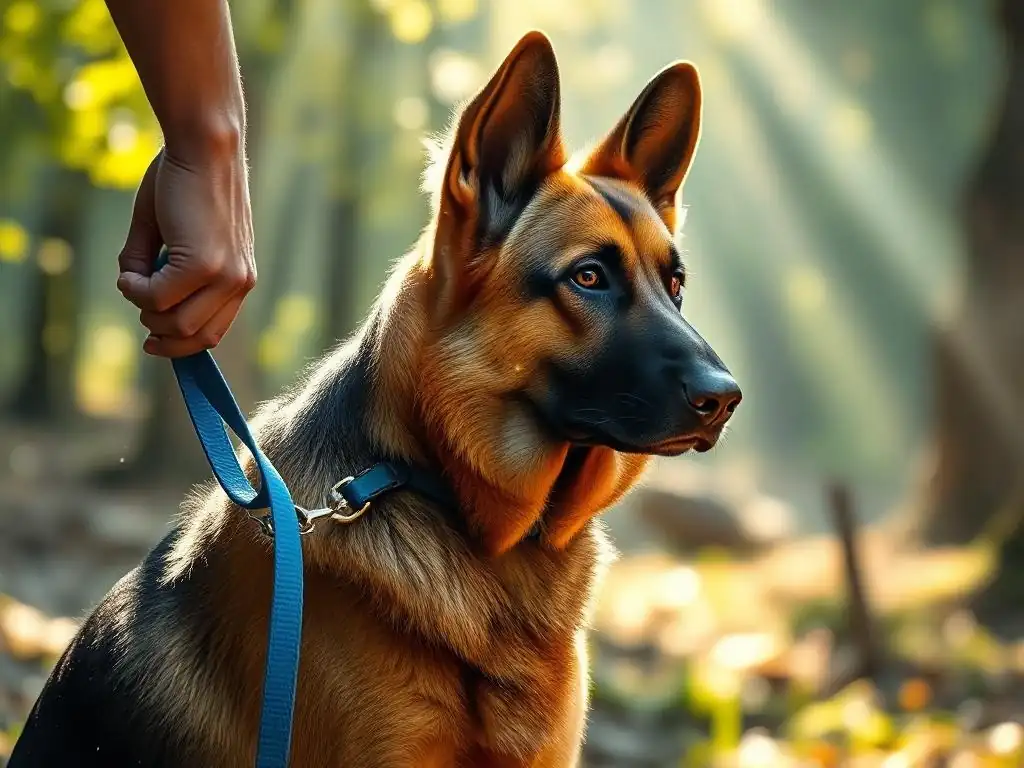
Welcome to PetCareWorld, your ultimate guide to a happier, healthier life for your beloved companion! Are you ready to unlock the secrets to seamless control and unwavering focus with your working dog? Our in-depth guide on Working Dog Leash Training Techniques will equip you with the essential skills and knowledge to build a strong bond and navigate any situation with confidence. Discover proven methods that transform walks from struggles into joyful adventures. Dive in and start your journey towards mastering leash training today!
- Understanding Your Working Dog's Unique Needs in Leash Training
- Essential Equipment for Effective Working Dog Leash Training
- Step-by-Step Guide to Working Dog Leash Training Techniques
- Addressing Common Challenges in Working Dog Leash Training
- Maintaining Control and Focus During Walks with Your Working Dog
- Advanced Leash Training for Working Dogs: Specialized Skills
- Resources and Further Learning: Working Dog Leash Training
-
Frequently Asked Questions
- What are the key differences between leash training a working dog and a pet dog?
- How can I start leash training my working dog from a young age?
- What are some common mistakes to avoid during working dog leash training?
- What type of leash and collar are best suited for working dog leash training?
- How do I maintain my working dog's leash training once it's established?
- Final Reflection: The Unbreakable Bond: Control, Focus, and the Working Dog
- Unlock Your Dog's Potential: Take Control of Your Training Today!
Understanding Your Working Dog's Unique Needs in Leash Training
Leash training a working dog presents a unique set of challenges and rewards compared to training companion dogs. These breeds, often bred for specific tasks requiring independence and drive, need a training approach that acknowledges their inherent traits while fostering the crucial skill of controlled leash walking. This article delves into effective leash training techniques specifically tailored for working dogs, emphasizing building a strong bond based on mutual respect and understanding.
We will explore how to assess your dog's breed and temperament, identify potential training hurdles, and set realistic goals for success. Mastering leash training for your working dog is not just about control; it's about building a reliable partnership, enhancing communication, and ensuring both your safety and your dog's well-being in various environments. This guide provides practical strategies to achieve this, focusing on positive reinforcement and clear communication, ultimately enhancing your working relationship and making walks enjoyable for both of you.
Remember, patience and consistency are key to success. Let's begin!
Assessing Your Working Dog's Breed and Temperament
Understanding your working dog's breed-specific traits is paramount to effective leash training. Different breeds possess varying levels of energy, independence, and prey drive. For example, a Border Collie, known for its herding instincts, might exhibit a strong pull on the leash due to its innate tendency to chase and control movement. Conversely, a Great Pyrenees, bred for guarding, might be more independent and less responsive to immediate commands. Before starting training, carefully consider your dog's breed characteristics:
- Energy Levels: High-energy breeds require more structured training sessions and opportunities for physical and mental stimulation to prevent frustration and excessive pulling.
- Prey Drive: Breeds with high prey drive need specific training to manage their instinct to chase smaller animals. This might involve counter-conditioning and desensitization exercises.
- Independence: Some working breeds are naturally more independent, requiring a training approach that builds trust and positive reinforcement to encourage responsiveness.
- Sensitivity: Certain breeds are more sensitive to harsh corrections, necessitating a gentle, positive reinforcement-based approach.
Observing your dog's behavior during walks and in various situations will provide valuable insights into their temperament and individual needs. 📝 Keep a training journal to track their progress and note any recurring challenges. This personalized approach ensures that your training plan is tailored to your dog's unique personality and breed characteristics. Remember, no two dogs are exactly alike!
Identifying Potential Challenges Specific to Working Breeds
Working dogs often present unique challenges during leash training due to their inherent traits. These challenges require a nuanced approach that addresses the root causes rather than simply suppressing unwanted behaviors. Some common issues include:
- Strong Pulling: Many working breeds possess a strong prey drive or a natural inclination to lead, resulting in significant pulling on the leash.
- Distractibility: Their focus can be easily diverted by external stimuli such as other dogs, animals, or interesting scents.
- Independence: Their independent nature may make them less responsive to immediate commands, requiring patience and consistent training.
- High Energy Levels: Untapped energy often manifests as excessive pulling and difficulty focusing on the handler.
- Resistance to Commands: Working dogs, accustomed to independent decision-making, may initially resist commands.
Addressing these challenges requires a combination of strategies. For example, using a front-clip harness can discourage pulling, while positive reinforcement techniques can build a strong bond and encourage compliance. Introducing distractions gradually and rewarding calm behavior can help manage distractibility. Remember, consistency and patience are key to overcoming these potential hurdles. 🎉
Setting Realistic Goals for Leash Training Success
Setting achievable goals is crucial for successful leash training. Avoid overwhelming your dog with overly ambitious expectations. Start with small, manageable steps and gradually increase the difficulty as your dog progresses. Consider the following:
| Goal | Description | Measurable Outcome |
|---|---|---|
| Loose-Leash Walking | Walking calmly beside you with a slack leash. | Dog walks consistently with a loose leash for 15 minutes. |
| Recall Training | Responding reliably to your recall command, even with distractions. | Dog returns reliably to you within 5 seconds, 9/10 times. |
| Focus and Attention | Maintaining focus on you, even in distracting environments. | Dog maintains eye contact for 10 seconds, 8/10 times. |
| Handling Distractions | Remaining calm and focused despite encountering other dogs, people, or stimuli. | Dog remains calm and under control when encountering a dog. |
Celebrate each milestone achieved. Positive reinforcement, such as praise, treats, or playtime, reinforces desired behaviors and keeps your dog motivated. Remember, the journey is as important as the destination. By breaking down the training process into smaller, manageable steps, you can build your dog's confidence and create a positive and rewarding training experience for both of you. 🐕🦺
Essential Equipment for Effective Working Dog Leash Training
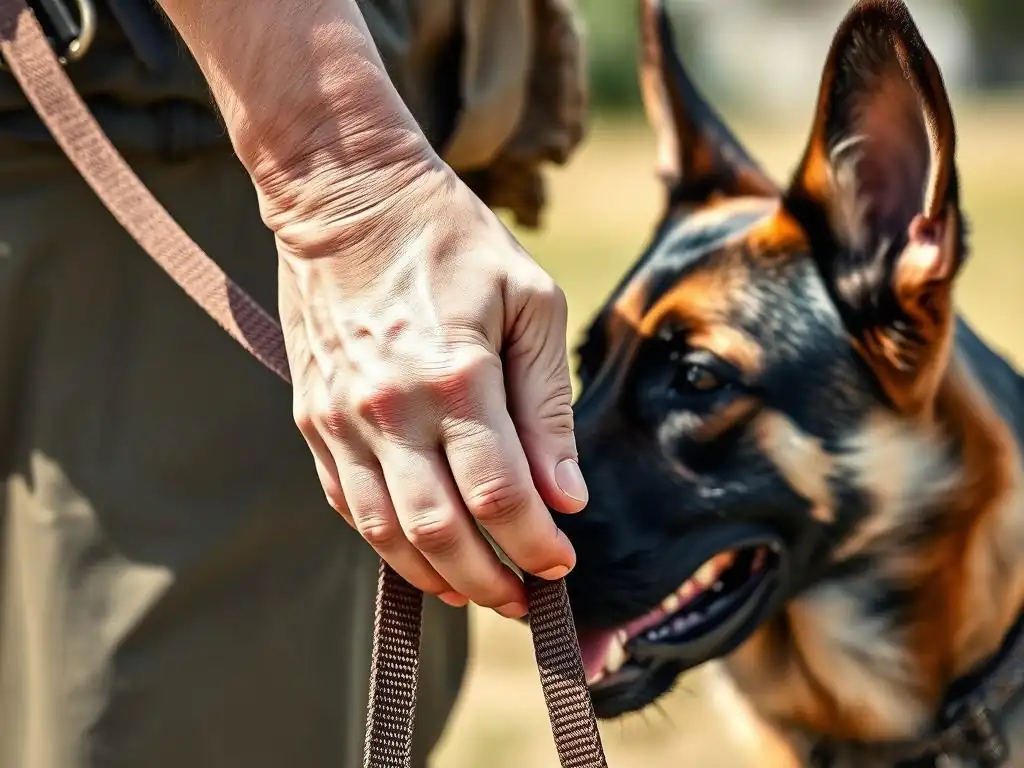
Effective leash training for working dogs hinges on using the right tools. Investing in high-quality, durable equipment is crucial, not only for safety but also for establishing clear communication and control during training sessions. The wrong equipment can lead to frustration for both you and your dog, hindering progress and potentially causing injury. This section will guide you through selecting the appropriate leash, harness, or collar, ensuring you have the foundation for successful working dog leash training. Remember, the goal is to build a strong, positive relationship with your canine companion while developing reliable obedience and control.
Choosing the Right Leash for Your Working Dog
The type of leash you choose significantly impacts your training sessions. Working dogs often require more robust leashes than typical pet dogs. Consider these factors:
- Length: For initial training, a shorter leash (4-6 feet) provides better control and prevents your dog from pulling excessively. Longer leashes (up to 15 feet) can be useful later for practicing loose-leash walking at a distance. However, always prioritize safe control, especially with powerful working breeds.
- Material: Nylon and leather are popular choices. Nylon leashes are durable, lightweight, and easy to clean. Leather leashes offer a more traditional feel and can be quite strong but require more maintenance. Avoid flimsy or easily broken materials.
- Features: Some leashes incorporate features like padded handles for comfort during prolonged training sessions, or a traffic handle for added control in busy areas. Consider your dog's size and strength when choosing a leash with appropriate thickness and strength.
Harness vs. Collar: Making the Right Choice for Your Breed
The decision between a harness and a collar depends largely on your dog's breed, temperament, and the specific training goals. Both have their advantages and disadvantages:
| Feature | Harness | Collar |
|---|---|---|
| Pulling | Minimizes neck strain; distributes pressure across the chest and shoulders. | Can put significant strain on the neck, especially with strong pullers. |
| Control | Can be less precise for directional control, especially with some designs. | Offers more direct control of the dog's head and direction. |
| Suitable Breeds | Strong pullers, dogs prone to tracheal collapse. | Well-trained dogs, dogs with no neck issues. |
| Training Focus | Loose-leash walking, reducing pulling. | Precise commands, obedience exercises. |
For many working breeds, a well-fitted harness can be preferable, especially during initial training phases, to minimize the risk of neck injuries. However, a properly fitted flat collar remains suitable for well-trained dogs and those already proficient in loose-leash walking. Consult with a professional dog trainer for personalized advice based on your dog's specific needs.
Importance of High-Quality, Durable Equipment
Investing in high-quality equipment is paramount for both your safety and your dog's well-being. Cheap or poorly made leashes and harnesses can easily break, potentially leading to dangerous situations. Look for equipment from reputable manufacturers that are designed to withstand the strength and energy of a working dog. This includes:
- Strong stitching: Check for reinforced stitching, especially at stress points like the leash handle and harness attachments. Loose or weak stitching can lead to failure under pressure.
- Robust materials: Opt for durable materials like heavy-duty nylon or high-quality leather. Avoid materials that are easily frayed or torn.
- Secure hardware: Ensure that all buckles, clips, and rings are strong and securely attached. These components should be made of high-quality metal that can withstand significant force.
Remember, your equipment is an investment in the success of your training program. Choosing the right tools sets you and your working dog up for a safe and effective learning experience, fostering a strong bond and building a reliable working partnership. 🐕🦺
Step-by-Step Guide to Working Dog Leash Training Techniques
This section details effective working dog leash training techniques, focusing on building a strong foundation of obedience and achieving reliable loose-leash walking. Remember, patience and positive reinforcement are key to success with any working breed. Consistent training, tailored to the individual dog's learning style and temperament, is crucial for optimal results. These techniques aim to establish clear communication and build a strong bond between you and your canine partner. The goal is not just obedience, but a harmonious partnership based on mutual respect and understanding.
Building a Foundation: Basic Obedience Commands
Before introducing a leash, your working dog needs a solid understanding of fundamental obedience commands. This forms the bedrock of successful leash training. Start with the following, practicing in a distraction-free environment initially, gradually increasing the level of stimulation:
- Sit: Use a clear hand signal and verbal cue ("Sit"). Reward immediate compliance with high-value treats and enthusiastic praise. Repeat frequently, gradually fading the lure as the dog learns the command. Consistency is key; always use the same cue and reward system.
- Down: Similarly, teach "Down" using a lure and clear hand signal. Again, reward immediate obedience and gradually wean off the lure. Some working breeds may find this command more challenging than others; be patient and break it down into smaller steps if needed.
- Stay: Once "Sit" and "Down" are reliable, introduce "Stay". Start with short durations, gradually increasing the time. Use a hand signal and verbal cue, and reward the dog for remaining in position. Introduce distractions slowly, such as other people or animals, to build duration and distraction proofing.
- Come: This is arguably the most critical command for safety and control. Use a joyful tone and high-value reward to make this command highly rewarding. Practice recalls in a variety of settings, always ending the session with a successful recall.
The effectiveness of these basic commands will significantly impact your success with leash training. A dog who readily obeys these commands on-cue will be much easier to manage on a leash. Remember to keep training sessions short, fun, and rewarding to maintain your dog's motivation and engagement. Consider using a clicker for more precise marking of desired behaviors. The clicker provides immediate feedback, associating the sound with the reward.
Introducing the Leash: Positive Reinforcement Techniques
Once your working dog understands basic commands, you can begin introducing the leash. Avoid using harsh corrections; positive reinforcement methods are far more effective in building a strong, positive working relationship.
Start by letting your dog sniff and investigate the leash. Make it a positive experience by associating the leash with treats and praise. Attach the leash, but allow your dog to move freely, rewarding calm behavior. Gradually increase the duration of time the leash is attached, always maintaining a positive and relaxed atmosphere.
Begin with short, controlled walks in a quiet area. If your dog pulls, stop immediately and wait for them to return to your side. Once they do, reward them generously. Don't pull back on the leash; this can create a negative association and increase pulling. The goal is to teach your dog that loose-leash walking is rewarded. Use a variety of rewards - treats, praise, and even a favorite toy – to keep your dog engaged and motivated.
Remember to keep training sessions short and frequent. Multiple short sessions are more effective than one long, tiring session. Monitor your dog’s body language for signs of stress or frustration, and adjust your training accordingly. Always end the session on a positive note, with a successful interaction. This positive reinforcement builds confidence and encourages your dog to cooperate.
Loose-Leash Walking: Gradual Introduction and Practice
Mastering loose-leash walking is the ultimate goal of leash training for working dogs. It requires patience, consistency, and a clear understanding of your dog's behavior.
Continue practicing short walks, rewarding your dog for walking calmly beside you. If your dog pulls, stop immediately and wait for them to slacken the leash. Use a verbal cue like "Let's go" or "Easy" to guide them. When they walk calmly, praise and reward.
Gradually increase the distance and complexity of your walks, introducing mild distractions as your dog progresses. Focus on maintaining a loose leash throughout the walk, rewarding any instances of loose-leash walking. Avoid punishment; it can damage your relationship and hinder progress.
Consider using a front-clip harness or head halter to help discourage pulling, but remember to use these tools in conjunction with positive reinforcement techniques. These tools can help guide your dog, but they are not a replacement for proper training. Focus on rewarding loose-leash walking, and gradually phase out the harness or halter as your dog improves.
Remember, consistent training is key. Regular practice, even in short bursts, will yield significant results. Celebrate successes, and address challenges with patience and understanding. Building a strong bond with your working dog is essential for a successful and enjoyable partnership.
Handling Distractions: Building Focus and Control
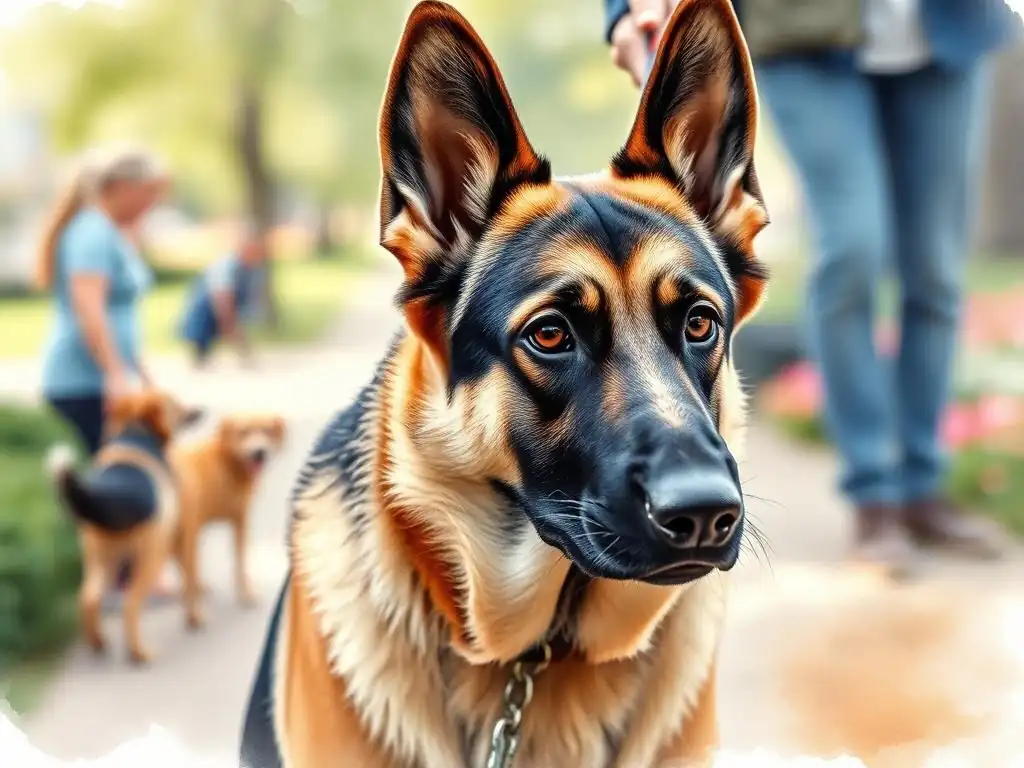
Effective leash training for working dogs necessitates addressing distractions head-on. A dog easily distracted by squirrels, other dogs, or interesting smells will struggle with obedience and focus during crucial work tasks. The key is to gradually introduce distractions, rewarding calm behavior and redirecting attention when necessary. Start in low-distraction environments, such as your backyard, and slowly increase the intensity of the distractions. This might involve walking near a park with few people initially, then progressing to busier areas.
Remember, positive reinforcement is crucial. When your dog remains focused on you despite a distraction, immediately reward them with praise and a small treat. This positive association strengthens their desire to pay attention to you, even in challenging situations. If your dog becomes overly excited or fixated on a distraction, gently redirect their attention back to you using a calm, firm voice and a slight tug on the leash – avoiding harsh corrections.
The goal is to teach your dog that ignoring distractions leads to rewards, while engaging with them interrupts the positive reinforcement cycle. Consistent practice is key; build up your dog's tolerance for distractions incrementally, celebrating even small successes. It's a process that requires patience and understanding of your dog's individual learning pace.
For instance, a young, high-energy Border Collie might require more frequent, shorter training sessions than a more mature, less excitable German Shepherd. Tailoring your approach to your dog's breed and personality is essential for success. Remember to always end training sessions on a positive note, leaving your dog feeling confident and successful.
Advanced Techniques: Heelwork and Recall
Once your working dog has mastered basic leash manners and focus, you can progress to more advanced techniques like heelwork and reliable recall. Heelwork involves your dog walking calmly by your side, maintaining a specific distance and position. This requires precise control and consistent practice. Start with short sessions in a quiet area, rewarding your dog for staying close.
Gradually increase the distance and introduce distractions as your dog's heelwork improves. Use clear verbal cues, such as "heel," and maintain consistent body language to guide your dog. Consider using a short leash initially to help maintain close proximity and control. Remember to vary your pace and direction to prevent boredom and maintain your dog’s engagement.
Reliable recall is equally important for a working dog, ensuring you can quickly and safely bring your dog back to you in any situation. This involves pairing a consistent verbal cue, such as "come," with a positive reward. Start training recall in a safe, enclosed area, gradually increasing the distance and introducing distractions. Make the recall experience consistently rewarding for your dog. Avoid punishing your dog for not immediately returning; instead, focus on rewarding prompt responses.
For example, a game of fetch or a favorite toy can be used to incentivize a quick return. A well-trained working dog should respond reliably to recall, even amidst distractions, demonstrating a strong bond and trust between handler and dog. This level of training is vital for ensuring safety and effective work performance in various environments. Regular practice is paramount to maintain and improve the reliability of both heelwork and recall commands.
Addressing Common Challenges in Working Dog Leash Training
Working dog leash training requires patience, consistency, and a deep understanding of your canine companion's unique needs and temperament. While the goal is to achieve reliable control and focus, several common challenges can hinder progress. This section delves into some of the most frequently encountered obstacles and provides practical strategies for overcoming them, focusing on positive reinforcement techniques that build a strong bond between you and your working dog.
Effective leash training is crucial for safe and efficient handling in various working contexts, from search and rescue to service roles. Mastering these techniques is paramount for both the dog's well-being and successful task completion. This section will equip you with the knowledge and tools to navigate these challenges effectively, ultimately enhancing your working dog's performance and your partnership.
Pulling on the Leash: Identifying and Correcting the Problem
Pulling on the leash is a prevalent issue in working dog training, often stemming from excitement, anticipation, or a lack of understanding of loose-leash walking. It's crucial to address this early to prevent it from becoming a deeply ingrained habit. Ignoring the pulling will only reinforce the behavior. Instead, focus on rewarding the desired behavior – a loose leash walk.
Several techniques can be employed to effectively counter pulling. The most common is the "stop-and-go" method. When your dog pulls, immediately halt your movement. This creates a moment of pause and confusion for the dog, disrupting the pulling. As soon as the leash slackens, even slightly, praise your dog enthusiastically and resume walking. Consistency is key; repeat this process every time your dog pulls.
Another effective approach involves using a front-clip harness. These harnesses gently redirect the dog's pull, making it more difficult for them to pull ahead. Combining the harness with the stop-and-go method can yield significant results. Remember, the goal is not to punish the dog, but to teach them that walking with a loose leash leads to positive reinforcement—treats, praise, and continued movement.
- Positive Reinforcement: Focus on rewarding loose-leash walking with high-value treats and praise.
- Consistency: Apply the chosen method consistently during every walk.
- Patience: It takes time and repetition for your dog to learn.
- Harness Selection: Choose a comfortable and well-fitting harness.
- Professional Guidance: Consider consulting a certified professional dog trainer for personalized guidance.
Reactivity to Other Dogs and People: Strategies for Management
Reactivity, manifesting as barking, lunging, or pulling towards other dogs or people, is a significant challenge in working dog training. This behavior is often rooted in fear, anxiety, or excitement. Ignoring the reactivity is counterproductive; instead, proactive management and desensitization are crucial.
One effective approach is to increase the distance between your dog and the trigger (other dogs or people) before reactivity sets in. This creates a safe zone where your dog can remain calm. Gradually decrease the distance as your dog maintains composure. Reward calm behavior with treats and praise. This process, known as desensitization and counter-conditioning, gradually helps your dog associate the trigger with positive experiences.
Another key strategy is to teach your dog alternative behaviors. For example, training a "look at me" command can redirect their attention away from the trigger. This command should be practiced in a controlled environment before introducing it in situations with potential triggers. Combining this with the desensitization technique creates a comprehensive approach to managing reactivity. Remember to always prioritize your dog's safety and comfort.
| Technique | Description | Effectiveness |
|---|---|---|
| Distance Management | Increasing the distance from triggers before reactivity occurs. | High |
| Desensitization | Gradually exposing the dog to triggers while maintaining calm behavior. | High |
| Counter-Conditioning | Pairing triggers with positive experiences (treats, praise). | High |
| Alternative Behaviors | Teaching commands that redirect attention away from triggers (e.g., "look at me"). | High |
Fear-Based Behaviors: Building Confidence and Control
Fear-based behaviors in working dogs can severely impact their ability to perform tasks efficiently and safely. These behaviors often manifest as avoidance, hiding, trembling, or aggression. Addressing these anxieties requires a careful and patient approach, prioritizing building your dog's confidence and trust.
Positive reinforcement plays a vital role in building confidence. Start by creating a safe and predictable environment where your dog feels secure. Introduce new situations gradually, ensuring that your dog experiences success and positive reinforcement at each stage. Avoid forcing your dog into situations that trigger fear; instead, allow them to approach at their own pace. Use high-value rewards to associate positive feelings with previously feared situations.
Desensitization and counter-conditioning are also highly effective techniques for overcoming fear-based behaviors. Start by exposing your dog to the feared stimulus at a distance and intensity that doesn't elicit a fear response. Gradually increase the intensity as your dog remains calm and confident. Reward calm behavior consistently.
Remember, the process is slow and requires patience, but the rewards of a confident and well-adjusted working dog are immeasurable. If severe fear or anxiety persists, seeking professional help from a certified veterinary behaviorist or a qualified dog trainer specializing in fear-based behaviors is crucial. They can provide tailored guidance and support to help your dog overcome their anxieties.
Over Excitement and Hyperactivity: Managing Energy Levels
Working dogs, bred for demanding tasks, often possess high energy levels. This enthusiasm, while admirable, can easily translate into pulling, lunging, and general lack of control on the leash during training. Managing this exuberant energy is crucial for effective leash training. Ignoring the problem will only reinforce unwanted behaviors. Instead, a proactive approach focusing on controlled energy release and redirection is key.
One effective strategy is to incorporate regular, vigorous exercise into your dog's routine before training sessions. A tired dog is a more focused dog. This pre-training exercise might involve a brisk walk, a fetch session, or even a structured agility course, depending on your dog's breed and fitness level. The goal is to burn off some of that excess energy, leaving your canine companion more receptive to commands during the training itself. Remember to adjust the intensity and duration of the exercise to suit your individual dog's needs; overexertion can be counterproductive.
Beyond physical exertion, mental stimulation plays a vital role in managing hyperactivity. Puzzle toys, scent work, and interactive games can all help to channel your dog's energy into productive activities. These activities challenge your dog mentally, reducing the likelihood of behavioral outbursts during leash training. For instance, hiding treats around the yard and letting your dog use their nose to find them provides both physical and mental stimulation. This approach taps into their natural instincts, providing a satisfying outlet for their energy.
Another crucial aspect is teaching your dog to settle and relax. This involves creating calm, controlled environments during training sessions and rewarding calm behavior. Start with short, focused training sessions to avoid overwhelming your dog. Gradually increase the duration as your dog demonstrates improved focus and control. Introducing "down-stay" exercises during training breaks can help them learn to relax and focus their energy.
Consistent positive reinforcement, such as praise and treats, strengthens this calm behavior. Remember, patience is paramount; building a calm demeanor takes time and consistent effort. The payoff, however, is a more manageable and responsive dog during leash training and beyond. 🎉
Maintaining Control and Focus During Walks with Your Working Dog
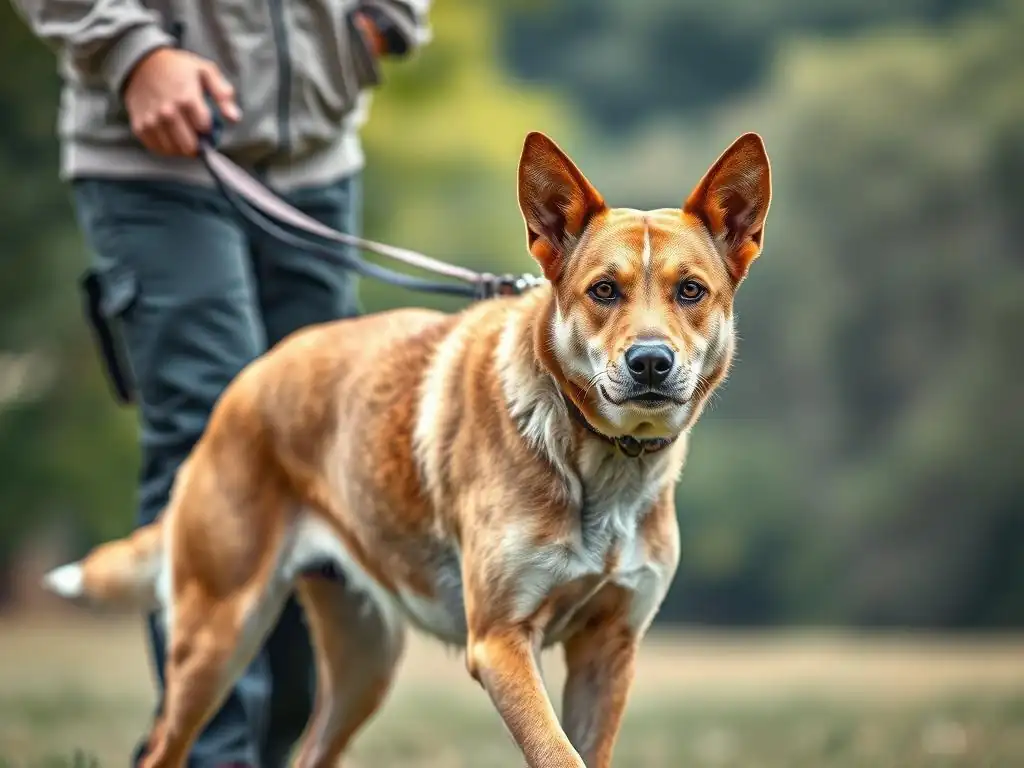
This section focuses on practical strategies for maintaining control and focus during walks with your working dog, crucial aspects of effective working dog leash training techniques. Working breeds, known for their intelligence and energy, require consistent and structured leash training to prevent unwanted behaviors and ensure safe outings. Ignoring this can lead to challenges ranging from pulling and lunging to ignoring commands in distracting environments.
Maintaining Consistency in Training
Consistency is paramount in working dog leash training techniques. Dogs thrive on routine and predictability; inconsistent training only confuses them. This means employing the same commands, cues, and reward systems every time you walk your dog. For example, if "heel" means walking calmly by your side, always use that command and always reward the desired behavior.
Avoid using different words or hand signals. Inconsistency creates ambiguity, hindering your dog's understanding and making training far less effective. Consider creating a training schedule and sticking to it as much as possible. Even short, consistent training sessions are more beneficial than infrequent, lengthy ones.
A structured approach also includes managing distractions proactively. Instead of letting your dog react to stimuli (e.g., other dogs, squirrels), use preemptive commands like "leave it" or "focus" before approaching potential distractions. This shifts the dog's attention to you, preventing unwanted behaviors before they start. Regularly practicing these commands in low-distraction environments before gradually increasing the difficulty level is essential.
Data suggests that dogs trained with consistent positive reinforcement methods show significantly higher levels of obedience and improved leash manners compared to those trained with punishment-based methods. This positive reinforcement approach builds a strong bond and fosters a more willing and cooperative dog.
Integrating Leash Training into Daily Routine
Seamlessly integrating leash training into your working dog's daily routine is key to success. This doesn't mean formal training sessions all the time; rather, it involves incorporating training elements into everyday walks and activities. For instance, practicing "heel" during short walks around your neighborhood reinforces the command in a natural setting. Similarly, incorporating "leave it" exercises when encountering other dogs or interesting smells turns ordinary walks into valuable training opportunities.
Consider using different locations and environments to challenge your dog and prevent boredom. A walk in a busy park offers more distractions than a quiet residential street, allowing you to refine your dog's focus and impulse control in progressively challenging situations. The goal is to make leash training a natural extension of your dog's everyday life, not a separate chore.
Remember to adjust the intensity and duration of your training sessions based on your dog's age, breed, and energy levels. Puppies require shorter, more frequent sessions, while adult working dogs might benefit from longer, more challenging walks. Always prioritize your dog's well-being and avoid overexertion.
Rewarding Desired Behaviors
Positive reinforcement is the cornerstone of effective working dog leash training techniques. Rewarding desired behaviors immediately and consistently strengthens the association between the behavior and the reward, making the dog more likely to repeat it. The type of reward can vary depending on your dog's preferences; some dogs respond well to treats, while others prefer praise or toys. The key is to find what motivates your dog and use it consistently.
However, simply giving rewards isn't enough. Timing is crucial. Rewards should be given immediately after the desired behavior is performed. Delaying the reward weakens the association and reduces its effectiveness. For example, when your dog walks calmly by your side, immediately offer praise or a treat. This immediate positive reinforcement strengthens the desired behavior.
Furthermore, consider varying your rewards to prevent your dog from becoming bored or less responsive. Mix treats, praise, and playtime to keep the training engaging and exciting. Avoid over-rewarding, which can lead to your dog becoming overly focused on the reward rather than the behavior itself. The goal is to build a strong association between good behavior and positive reinforcement, which will gradually lead to your dog exhibiting the desired behavior without the constant need for a reward. This is a testament to successful working dog leash training techniques.
Recognizing and Addressing Setbacks
Even with the best-laid plans, setbacks are inevitable in working dog leash training. Understanding these setbacks and how to address them proactively is crucial for maintaining a positive training experience and achieving your goals. Frustration is a common pitfall for both dog and handler, so patience and a flexible approach are key. A sudden burst of energy, a distraction like a squirrel or another dog, or even a change in environment can trigger unwanted behaviors, such as pulling, lunging, or barking. It's important to acknowledge that these are normal occurrences, not failures.
One common setback is the dog's sudden fixation on a particularly enticing scent or sight. This can lead to a complete disregard for the leash and your commands. In these instances, rather than pulling back forcefully, try to redirect the dog's attention with a high-value reward like a favorite treat or toy. A simple verbal cue, such as "Leave it" or "Focus," paired with the reward, can help re-establish your dog's focus on you. Remember to gradually increase the distance and duration of exposure to distractions as your dog progresses.
Another potential challenge is inconsistent behavior. Your dog might perform flawlessly one day and struggle the next. This inconsistency is often due to factors outside of your control, such as the dog's overall energy levels, the weather, or even the handler's own mood. Maintaining a consistent training routine, providing adequate exercise and rest, and ensuring you are calm and patient are vital in mitigating these inconsistencies. Keep training sessions short and focused, rewarding even small successes to maintain motivation. Don't hesitate to take breaks if either you or your dog is becoming frustrated.
Finally, remember that not all working dogs learn at the same pace. Some dogs might grasp concepts quickly, while others may require more time and repetition. Comparing your dog's progress to others is detrimental. Focus on your dog's individual needs and celebrate every milestone, no matter how small.
If you encounter persistent difficulties, seeking guidance from a certified professional dog trainer specializing in working breeds can provide invaluable support and personalized strategies. They can help identify underlying issues and tailor a training plan to your dog's specific needs and temperament. Remember, patience, consistency, and a positive approach are your most valuable tools in overcoming setbacks during working dog leash training.
Advanced Leash Training for Working Dogs: Specialized Skills
This section delves into specialized leash training techniques crucial for working dogs excelling in their specific roles. Standard obedience is a foundation, but working dogs require a higher level of precision and responsiveness under pressure. We'll explore how to refine leash handling to enhance performance in various working contexts, focusing on the subtle cues and nuanced communication needed for success. Mastering these advanced techniques is key to building a strong, reliable working partnership.
Leash Training for Specific Working Tasks
The effectiveness of leash training significantly impacts a working dog's performance. For example, a search and rescue dog needs precise control during navigation of challenging terrains. A herding dog requires loose-leash walking amidst a flock, maintaining a safe distance while guiding the animals. Similarly, a police K9 needs impeccable heelwork and responsiveness to commands, even in distracting environments. The leash itself becomes an extension of the handler's communication, facilitating precise control and guidance.
Consider these examples illustrating the adaptation of leash training to specific tasks:
- Search and Rescue: Training focuses on maintaining a loose leash, allowing the dog freedom of movement while remaining under control. The handler uses subtle leash corrections to guide the dog, preventing tangles or sudden pulls that could hinder the search. Precision in leash handling is vital for navigating complex environments and ensuring the dog's safety.
- Herding: Here, the emphasis is on a loose, flowing leash, allowing the dog to work independently within a defined perimeter. The handler uses the leash sparingly, mostly for gentle guidance and corrections to prevent the dog from straying too far or becoming entangled with the livestock. The goal is to maintain control while allowing the dog the necessary freedom to perform its herding tasks effectively.
- Police K9: For police K9s, leash training is paramount. It often involves intense drills focusing on precise heelwork, quick changes in direction, and immediate responses to commands, even under high stress situations. The leash acts as a crucial tool for maintaining control and ensuring the dog's safety during apprehension or other high-risk scenarios.
Integrating Leash Work with Other Training Methods
Effective leash training isn't an isolated skill; it seamlessly integrates with other training methods for optimal results. For instance, incorporating leash work into scent work training refines the dog's focus and responsiveness while tracking. Similarly, integrating leash training with obedience exercises like "stay" or "recall" strengthens the dog's overall obedience and control. This holistic approach enhances the dog's understanding of commands and builds a stronger bond between handler and dog.
The synergy between different training methods is crucial. For instance:
- Scent Work: Leash work during scent training helps to manage the dog's excitement and prevent premature alerting. The handler uses the leash to control the dog's pace and focus, guiding it systematically through the search area.
- Obedience: Integrating leash work into obedience exercises strengthens the dog's responsiveness to commands. For example, practicing "stay" while on leash builds the dog's ability to maintain focus and self-control even under distraction.
- Agility: While not directly on leash, the principles learned in leash training—precise control, responsiveness, and clear communication—transfer seamlessly to agility training, enhancing the dog's ability to navigate the course accurately and efficiently.
Preparing for Advanced Obedience Competitions
Advanced obedience competitions demand an exceptional level of precision and control, and leash handling plays a pivotal role. The subtle cues conveyed through the leash are crucial for achieving high scores. Preparing for these competitions requires meticulous practice and a deep understanding of how to use the leash to guide the dog accurately and efficiently through complex routines. This often involves mastering advanced techniques like precise heeling, intricate turns, and flawless transitions between exercises.
Preparing for advanced obedience competitions necessitates:
- Consistent Practice: Regular, consistent training sessions are essential for building the dog's understanding and refining its performance.
- Precise Handling: The handler needs to master precise leash handling techniques, using subtle cues to guide the dog through complex routines without disrupting its flow.
- Focus on Timing: Timing is crucial in advanced obedience. The handler must learn to anticipate the dog's movements and use the leash to guide it with perfect timing.
- Stress Management: The competitive environment can be stressful for both the dog and the handler. Training should include simulations of competition conditions to help the dog develop resilience and maintain focus under pressure. A well-trained dog, expertly handled, will confidently navigate the challenges of advanced obedience competitions.
Resources and Further Learning: Working Dog Leash Training
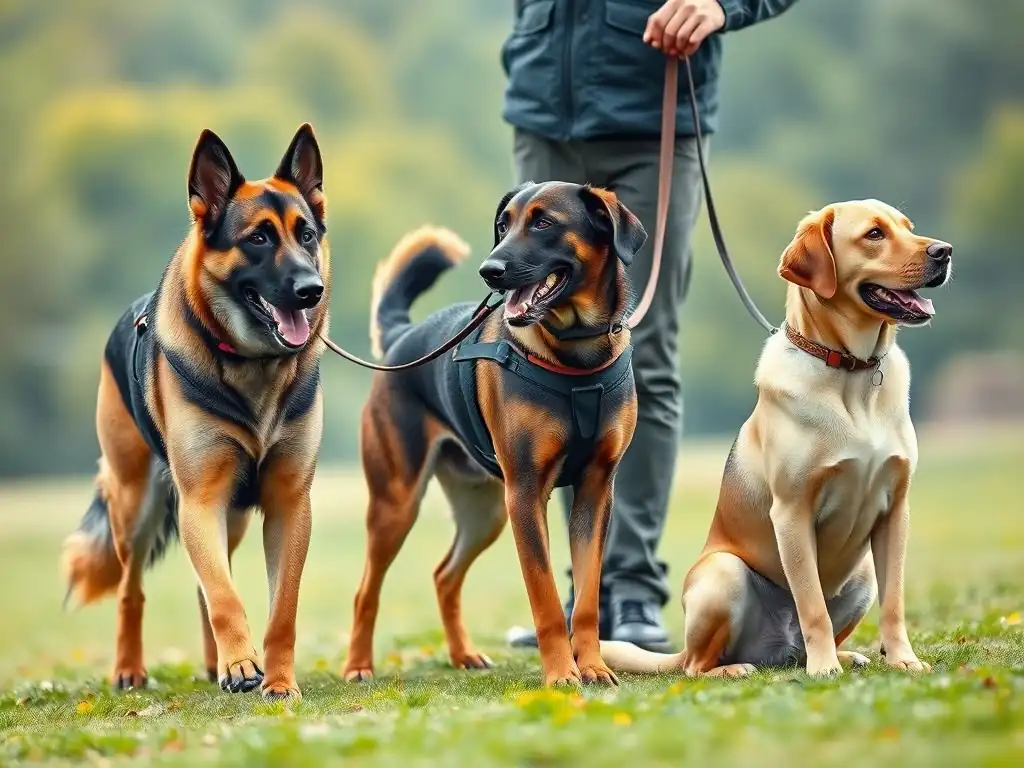
This section provides valuable resources to deepen your understanding and skills in working dog leash training techniques. Mastering these techniques requires dedication and consistent effort, and supplementing your learning with expert guidance is highly beneficial. We'll explore recommended books, online resources, and the importance of finding a qualified professional. Remember, responsible and effective leash training is crucial for the safety and well-being of both your working dog and the public.
Recommended Books and Online Resources
Finding reliable information on working dog leash training can be challenging. To help you navigate this, we've compiled a list of recommended books and online resources. These resources offer detailed explanations, practical exercises, and valuable insights from experienced trainers specializing in working breeds. Remember that each dog is an individual, and the best approach may vary based on breed, temperament, and age.
Choosing the right resource depends on your learning style and the specific challenges you face. Some prefer the structured approach of a book, while others benefit from the immediate feedback and visual demonstrations offered by online videos and courses. A combination of both can be particularly effective.
Here's a starting point for your research:
- Books: Look for titles focusing on canine behavior, obedience training, and specifically, working dog training. Keywords like "working dog training," "protection dog training," and "service dog training" will yield relevant results. Pay attention to authors with proven experience and positive reviews. Consider books that cover various training methods and emphasize positive reinforcement techniques.
- Online Resources: Many reputable websites and online platforms offer valuable resources. Search for training videos, articles, and webinars focusing on leash handling techniques for working dogs. Look for resources that emphasize positive reinforcement and clear communication with your canine partner. Be discerning – not all online information is accurate or reliable; prioritize resources from certified professional dog trainers.
Finding a Qualified Professional Trainer for Working Dogs
Investing in professional guidance is often the most effective way to accelerate your progress and avoid common pitfalls in working dog leash training. A qualified trainer can provide personalized instruction tailored to your dog's specific needs and temperament. They can identify and address any behavioral issues, ensuring a safe and effective training process.
When searching for a professional, consider these key factors:
| Factor | Description | Importance |
|---|---|---|
| Certifications | Look for trainers certified by reputable organizations, such as [Specific Certification Organization Name Pending] | Ensures the trainer has met specific educational and ethical standards. |
| Experience | Seek trainers with extensive experience working with working breeds and leash training specifically. | Crucial for handling the unique challenges of working dogs. |
| Training Methods | Insist on positive reinforcement methods. Avoid trainers who use punishment-based approaches. | Positive reinforcement is humane and more effective in the long run. |
| References | Ask for references and testimonials from previous clients. | Provides valuable insight into the trainer's effectiveness and client satisfaction. |
| Trial Session | Schedule a trial session before committing to a full training program. | Allows you to assess the trainer's compatibility with your dog and your training goals. |
Finding the right professional can significantly enhance your success in working dog leash training. Remember, the investment in professional guidance will yield long-term benefits in the form of a well-behaved, well-trained, and safe working dog. 🐶
Frequently Asked Questions
What are the key differences between leash training a working dog and a pet dog?
Working dogs require a higher level of obedience and control due to their specific tasks. Training focuses on precise commands and reliable responses in potentially distracting environments. Pet dog training prioritizes basic manners and socialization.
How can I start leash training my working dog from a young age?
Begin with short, positive training sessions in a quiet area. Focus on basic commands like "sit," "stay," and "come." Gradually introduce distractions and increase the duration of your sessions as your dog progresses. Early socialization is crucial.
What are some common mistakes to avoid during working dog leash training?
Avoid using harsh punishment or inconsistent commands. Pulling on the leash can create tension and resistance. Patience and positive reinforcement are key to success. Don't rush the process!
What type of leash and collar are best suited for working dog leash training?
A flat collar or harness is generally recommended, avoiding choke chains or prong collars. The leash should be strong yet lightweight, allowing for good control without being cumbersome. Consider the specific needs of your dog's breed and work.
How do I maintain my working dog's leash training once it's established?
Continue practicing commands regularly, even after your dog has mastered the basics. Introduce new challenges and maintain positive reinforcement. Regular training sessions, even short ones, reinforce learned behaviors and prevent regression.
Final Reflection: The Unbreakable Bond: Control, Focus, and the Working Dog
Effective leash training isn't just about control; it's the cornerstone of a strong, trusting partnership between handler and working dog. The techniques explored in this article are not merely exercises, but vital tools for building a reliable and responsive canine partner capable of excelling in any working environment. This is more crucial now than ever, as the demand for skilled working dogs continues to rise.
The impact of proper leash training extends far beyond the immediate task at hand. It fosters a deeper understanding between dog and handler, building mutual respect and confidence. This connection is the bedrock of successful teamwork, translating to improved performance and a more fulfilling relationship. As renowned dog trainer, Karen Pryor, wisely stated: Training is not about making the dog do what you want, but about building a relationship where the dog wants to do what you want.
This sentiment perfectly encapsulates the spirit of responsible and effective leash training for working dogs. It's about communication, trust, and a shared understanding of purpose.
Now, consider your own relationship with your canine companion. How can you apply the principles of clear communication, consistent reinforcement, and positive motivation to strengthen your bond? Take the time to reflect on your training methods, and strive to create a learning environment built on mutual respect and understanding. Remember, the journey towards mastery is a continuous process of learning and refinement, a journey that will reward you both with an unbreakable bond and unparalleled success in your shared endeavors.
Unlock Your Dog's Potential: Take Control of Your Training Today!
Thank you for learning about leash training techniques for working dogs! You've gained valuable insights into strengthening your bond with your canine companion. Now it's time to put that knowledge into practice.
Here's how you can continue your training journey:
- Implement short, frequent training sessions: Three short, three-minute sessions daily will significantly improve your dog's focus and responsiveness on the leash. This consistent approach will yield impressive results! Build upon the techniques already discussed to gradually increase your dog's understanding and obedience.
- Share your experiences: Join our PetCareWorld community forums to connect with other working dog owners, share your successes, and discuss any challenges you encounter. Let's build a supportive network together!
- Introduce off-leash training: Practice self-control and recall exercises in a safe, enclosed area. This will allow your dog to learn and practice in a more relaxed environment.
Ready to see a positive transformation in your dog's behavior? What's one small step you can take today to apply what you've learned?