
Beyond the Birdseed: A StepbyStep Guide to Fresh Food Integration

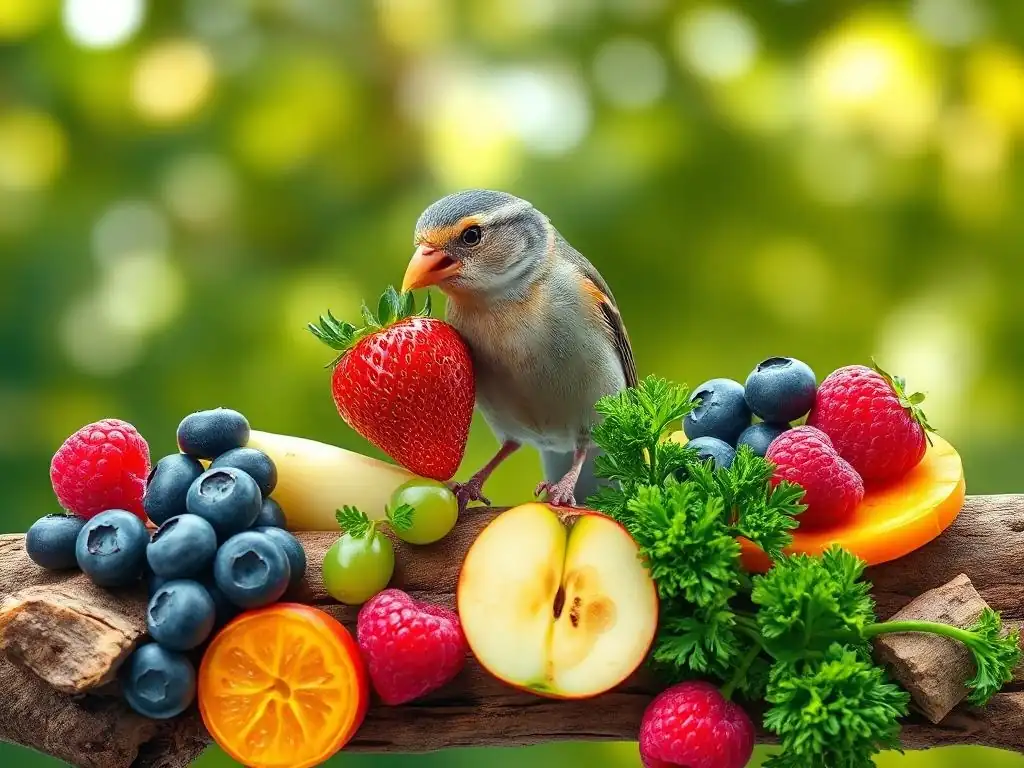
Welcome to PetCareWorld, your ultimate guide to a happier, healthier life for your beloved pets! Are you ready to revolutionize your feathered friend's diet? Discover the secrets to a vibrant, thriving bird with our in-depth guide on the Best Bird Fresh Food Diet. Learn how to seamlessly integrate fresh foods into your bird's routine, unlocking a world of nutritional benefits and strengthening your bond. Dive in and unlock the key to a longer, healthier life for your avian companion!
- Understanding the Nutritional Needs of Your Bird: A Foundation for a Healthy Diet
- Step 1: Introducing New Foods Gradually: Minimizing Digestive Upset
- Step 2: Variety is Key: A Diverse Diet for Optimal Health
- Step 3: Preparing and Serving Fresh Foods Safely
- Step 4: Observing and Adjusting Your Bird's Diet: Monitoring Progress
- Step 5: Maintaining a Balanced Bird Diet: Long-Term Nutritional Strategies
- Creating the Best Bird Fresh Food Diet: A Holistic Approach to Bird Health
- Frequently Asked Questions
- Final Reflection: Nourishing Nature, Nurturing Life
- Unleash Your Pet's Inner Gourmet!
Understanding the Nutritional Needs of Your Bird: A Foundation for a Healthy Diet
Providing your feathered friend with the best bird fresh food diet is crucial for their overall health and well-being. This comprehensive guide will walk you through a step-by-step process of integrating fresh foods into your bird's diet, ensuring they receive the essential nutrients required for a long and happy life. We'll explore the vital components of a balanced avian diet, help you assess your bird's current nutritional intake, and guide you through selecting safe and nutritious fresh food options.
Remember, a varied and balanced diet is key to preventing nutritional deficiencies and promoting optimal health in your beloved bird. This isn't just about supplementing their birdseed; it's about building a foundation for a thriving, vibrant companion. Let's dive in!
Essential Nutrients for a Thriving Bird: Vitamins, Minerals, and More
A balanced diet for your bird should encompass a wide array of essential nutrients. These include:
- Vitamins: Birds require a variety of vitamins, including Vitamin A (crucial for vision and immune function), Vitamin D3 (essential for calcium absorption), Vitamin E (an antioxidant), and various B vitamins (important for energy metabolism). Deficiencies can lead to a range of health problems, from weakened immune systems to skeletal deformities. The best way to ensure your bird receives sufficient vitamins is through a diverse diet including fresh fruits and vegetables.
- Minerals: Minerals like calcium (vital for bone health and egg production), phosphorus (essential for bone and energy metabolism), and potassium (important for nerve function) are also critical. A lack of these minerals can result in weakened bones, muscle weakness, and other serious health issues. Many fresh foods are excellent sources of these essential minerals.
- Proteins: High-quality protein sources are essential for feather growth, muscle development, and overall health. While birdseed provides some protein, incorporating fresh foods like cooked lean meats (in moderation) and certain vegetables can significantly enhance your bird's protein intake.
- Fats: Healthy fats are necessary for hormone production, cell function, and energy. However, it's crucial to avoid excessive fats, as they can lead to obesity and other health problems. Choose fresh foods that are naturally low in fat, or offer them in moderation.
Understanding these essential nutrients allows you to make informed choices when selecting fresh foods for your bird, creating a diet that supports their growth, development, and overall well-being. Remember to consult an avian veterinarian for personalized advice tailored to your specific bird's breed, age, and health condition.
Assessing Your Bird's Current Diet: Identifying Gaps and Needs
Before introducing fresh foods, carefully evaluate your bird's current diet. Consider the following:
- Type of birdseed: Different birdseeds offer varying nutritional profiles. Some are richer in certain nutrients than others. Knowing the composition of your bird's current seed mix is the first step in identifying potential nutritional gaps.
- Quantity of birdseed: Are you feeding your bird the recommended amount? Overfeeding can lead to obesity, while underfeeding can result in nutritional deficiencies.
- Frequency of feeding: How often are you feeding your bird? Consistent feeding schedules are important for maintaining a healthy weight and preventing nutritional imbalances.
- Other supplements: Are you already providing any supplements, such as vitamins or mineral blocks? If so, this needs to be considered when incorporating fresh foods to avoid potential overdoses.
By carefully assessing your bird's current diet, you can identify areas where fresh foods can make a significant contribution to their nutritional intake. This will allow you to create a more balanced and complete diet that meets all of your bird's nutritional needs. Keep a detailed food log to track your bird's consumption and identify any patterns or potential problems.
Choosing the Right Fresh Foods: Selecting Safe and Nutritious Options
Introducing fresh foods should be a gradual process. Start by offering small quantities of new foods and monitor your bird's reaction. Here are some safe and nutritious options to consider:
| Food | Nutritional Benefits | Precautions |
|---|---|---|
| Broccoli | Rich in vitamins C and K, fiber | Introduce gradually, wash thoroughly |
| Carrots | Excellent source of beta-carotene, fiber | Wash thoroughly, cut into small pieces |
| Apples (without seeds) | Source of fiber and vitamins | Remove seeds, core, and wash thoroughly |
| Berries (blueberries, etc.) | Rich in antioxidants | Offer in moderation, wash thoroughly |
| Cooked sweet potato | Good source of vitamin A and fiber | Ensure it's cooked well, serve in small pieces |
| Cooked brown rice | Provides carbohydrates and some minerals | Cook thoroughly, serve in small amounts |
Remember, moderation is key. Fresh foods should complement, not replace, your bird's primary diet. Always wash all fresh foods thoroughly before offering them to your bird to remove any pesticides or bacteria. Avoid offering foods that are toxic to birds, such as avocado, chocolate, and caffeine. Consult with an avian veterinarian to create a tailored fresh food plan for your bird. A carefully planned and gradually introduced fresh food diet will contribute significantly to your bird's health and longevity. Enjoy the journey of providing your feathered friend with the best possible nutrition!
Step 1: Introducing New Foods Gradually: Minimizing Digestive Upset
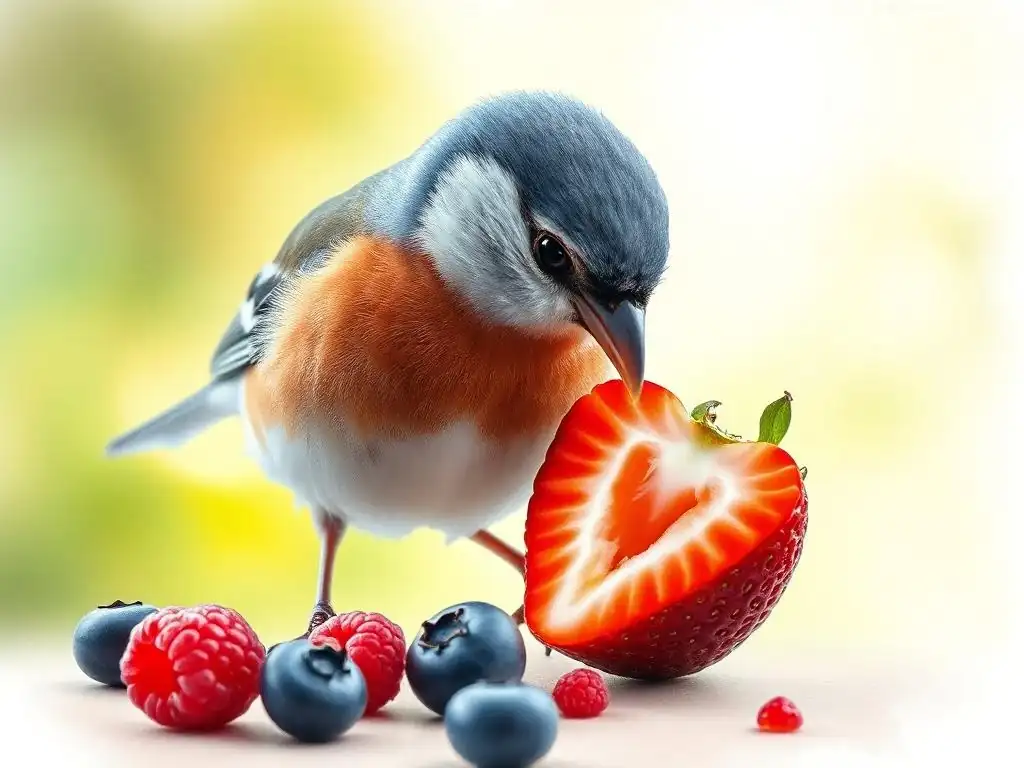
Introducing fresh foods into your bird's diet should be a gradual process. A sudden shift can lead to digestive upset, potentially causing illness. Remember, the goal is to find the best bird fresh food diet for your feathered friend, and that requires patience and careful observation. The key is to transition slowly, allowing your bird's digestive system to adapt to the new foods without experiencing significant stress. This approach minimizes the risk of diarrhea, vomiting, or other digestive problems. We'll explore the process step-by-step.
Starting Small: Introducing Tiny Portions of New Foods
Begin by offering a minuscule amount of the new food—think a single, small piece of fruit or a few finely chopped vegetables. Observe your bird's reaction closely. Some birds are naturally more adventurous than others; some might initially ignore the new offering. Don't force it. The initial goal is simply exposure and acceptance, not immediate consumption. If your bird shows interest, great! If not, try again later or with a different food. Variety is key when establishing a best bird fresh food diet.
You can also try offering the new food in a different location, perhaps closer to their favorite perch or food bowl. Placement can impact a bird's willingness to try something new. Remember, positive reinforcement can be helpful. If your bird samples the new food, offer praise and a small treat of their regular pellets or seed mix to associate the new food with a positive experience.
Monitoring for Adverse Reactions: Signs of Digestive Distress
After introducing a new food, diligently monitor your bird for any signs of digestive distress. This is crucial in determining the best bird fresh food diet for your specific bird. Common symptoms include:
- Diarrhea (loose or watery droppings)
- Vomiting
- Lethargy (unusual sleepiness or inactivity)
- Loss of appetite
- Changes in feather condition (ruffled or dull feathers)
If you observe any of these symptoms, immediately discontinue the new food and revert to your bird's regular diet. Contact your avian veterinarian for guidance if the symptoms persist. Remember, prevention is key; careful introduction of fresh foods is paramount in maintaining your bird's health.
Gradual Increase: Slowly Increasing the Amount of Fresh Foods
If your bird tolerates the initial tiny portion of the new food without any adverse reactions, you can gradually increase the amount over several days or even weeks. Start by doubling the portion, then gradually increase it further until it constitutes a small percentage (approximately 5-10%) of their daily diet. Always observe your bird's response closely. If you notice any signs of digestive problems, reduce the amount again or temporarily stop introducing the new food.
It's important to note that the rate of increase should be tailored to your bird's individual needs and tolerance. Some birds may adapt quickly, while others may require a slower, more cautious approach. Patience is key in crafting the best bird fresh food diet. Remember, the ultimate goal is to provide a nutritionally balanced diet that supports your bird's overall health and well-being while avoiding digestive upset. A slow and steady approach is the safest route to success. 🎉
Step 2: Variety is Key: A Diverse Diet for Optimal Health
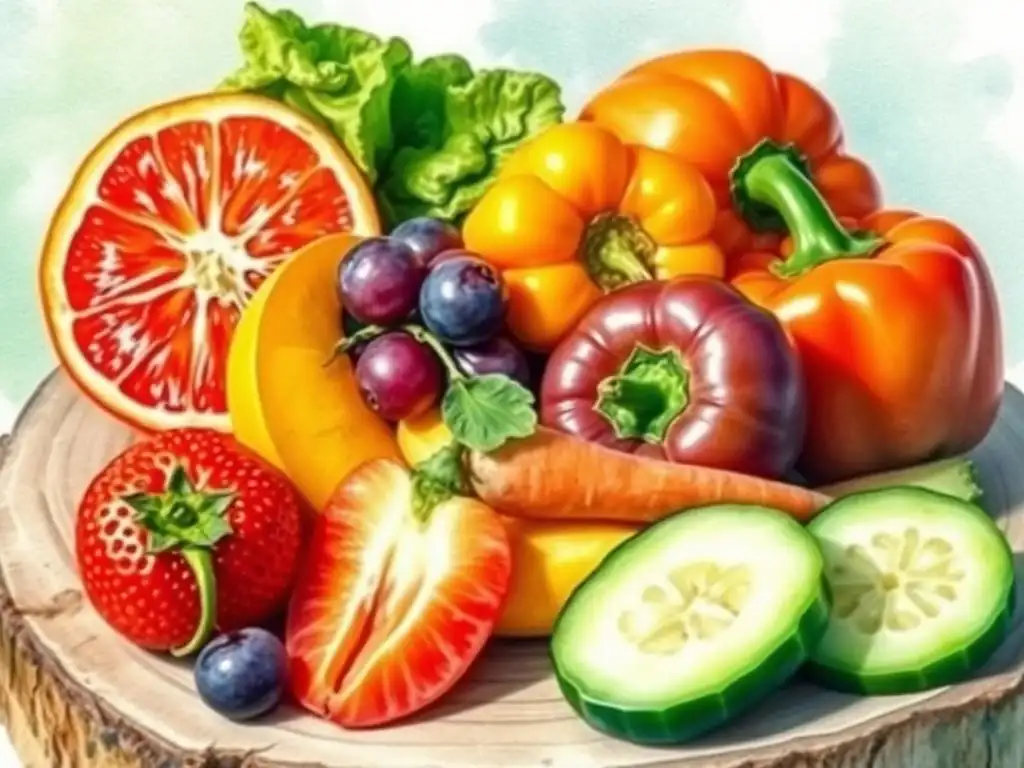
A balanced diet is crucial for your bird's overall health and well-being. While commercial birdseed provides some nutritional value, it shouldn't be the sole component of your feathered friend's meals. The best bird fresh food diet emphasizes variety, ensuring your bird receives a wide spectrum of vitamins, minerals, and antioxidants.
Think of it like a human diet – relying solely on one food group is detrimental; a similar principle applies to avian nutrition. A diverse diet boosts your bird's immune system, improves feather quality, and promotes vibrant energy levels. This section will explore the key components of a varied and enriching diet for your bird.
Incorporating a Range of Fruits and Vegetables: A Colorful and Nutritious Mix
Fruits and vegetables form the cornerstone of a healthy, fresh food diet for birds. Offering a colorful array of options ensures a diverse intake of essential nutrients. However, moderation is key. Introduce new foods gradually, monitoring your bird's reaction for any signs of digestive upset.
Here's a sample list of safe and beneficial fruits and vegetables:
| Fruit/Vegetable | Benefits | Serving Suggestions | Precautions |
|---|---|---|---|
| Apples (without seeds) | Vitamin C, fiber | Thinly sliced or diced | Remove seeds and core |
| Bananas | Potassium, fiber | Small pieces, mashed for smaller birds | Offer in moderation due to sugar content |
| Blueberries | Antioxidants, fiber | Whole or lightly mashed | Small quantities to avoid digestive issues |
| Broccoli | Vitamin C, fiber | Small florets, steamed or raw | Ensure it's thoroughly cleaned and chopped |
| Carrots | Vitamin A, fiber | Thinly sliced or shredded | Avoid excessive amounts |
| Green beans | Vitamins, fiber | Steamed or lightly cooked | Avoid raw, especially for smaller birds |
| Spinach (in moderation) | Iron, Vitamin K (oxalates can bind calcium) | Small amounts, chopped | Excessive intake may interfere with calcium absorption |
Remember to always wash fruits and vegetables thoroughly before serving them to your bird. Avoid offering spoiled or rotten produce, which can cause illness. Variety is the spice of life—and a healthy diet—for your avian companion! 🐦
Exploring Healthy Seeds and Grains: Beyond Birdseed Options
While commercial birdseed forms a part of a balanced diet, it shouldn't be the main component. Expanding your bird's diet to include other healthy seeds and grains adds crucial nutrients and variety. These options provide additional protein, fiber, and essential fatty acids, contributing to a more complete nutritional profile.
- Sprouted seeds: Sprouted seeds like sunflower, pumpkin, and flax seeds offer enhanced nutritional value compared to their unsprouted counterparts. The sprouting process increases the availability of vitamins and minerals.
- Millet sprays: These offer a tasty and nutritious treat, providing a good source of carbohydrates and fiber.
- Oats: Rolled oats can be a good source of fiber, but should be offered in moderation.
- Brown rice: Cooked brown rice can be a healthy addition, providing carbohydrates and some fiber.
Always ensure seeds and grains are fresh and stored properly to prevent spoilage and the risk of fungal growth. Introduce new seeds and grains gradually to assess your bird's tolerance.
Safe and Unsafe Foods for Birds: A Comprehensive Guide
Knowing which foods are safe and which are toxic for your bird is paramount. Some common human foods can be deadly to birds. This section provides a concise guide to help you make informed decisions about your bird's diet.
Safe Foods (in moderation): Many of the fruits and vegetables listed above, cooked pasta (plain), small amounts of cooked sweet potato.
Unsafe Foods: Avocado (toxic), chocolate (toxic), caffeine (toxic), alcohol (toxic), onions, garlic, rhubarb, salt (in large quantities), processed foods (high in sodium, sugars, fats). Always research any new food before introducing it to your bird's diet. When in doubt, consult with an avian veterinarian. The safety of your bird depends on your informed choices. The “best bird fresh food diet” is one that prioritizes safety and nutritional balance. Remember that a balanced diet is a cornerstone of your bird’s health and longevity. 🍎🥕🐦
Step 3: Preparing and Serving Fresh Foods Safely
This section focuses on the crucial steps of safely preparing and serving fresh foods to your avian companion. Neglecting these steps can lead to serious health issues, undermining the very benefits you're aiming for with a fresh food diet. Remember, the "best bird fresh food diet" is one that's both nutritious and safe.
Cleaning and Preparing Produce: Removing Pesticides and Ensuring Safety
Before introducing any fresh foods to your bird's diet, thorough cleaning is paramount. Pesticides, herbicides, and other contaminants present on conventionally grown produce can be highly toxic to birds. Their smaller size and faster metabolisms make them especially vulnerable. Here's a step-by-step guide to ensure safety:
- Washing: Rinse all produce under cool, running water for at least 2 minutes. Scrub firm fruits and vegetables with a soft brush to remove dirt and debris from crevices.
- Soaking: For added safety, soak produce in a solution of 1 part white vinegar to 3 parts water for 10-15 minutes. This helps to remove pesticide residues. Avoid using soap, as residue can be harmful.
- Peeling (When Necessary): Consider peeling fruits and vegetables with particularly thick skins, like apples or oranges, to further reduce pesticide exposure. However, the peel often contains valuable nutrients, so only peel if absolutely necessary.
- Cutting and Serving: Cut fruits and vegetables into appropriately sized pieces for your bird's beak and size. Avoid overly small pieces which could present a choking hazard.
- Organic Options: Whenever possible, opt for organically grown produce. Organically grown foods have significantly lower levels of pesticide residues, contributing to a safer and healthier diet for your feathered friend.
Proper Storage of Fresh Foods: Preventing Spoilage and Maintaining Freshness
Improper storage of fresh foods can lead to spoilage, bacterial growth, and the development of harmful toxins. This not only renders the food inedible but also poses a significant health risk to your bird. Here's how to maintain freshness and prevent spoilage:
- Refrigeration: Store most fresh foods in an airtight container in the refrigerator. This slows down bacterial growth and extends shelf life.
- Freezing: Many fruits and vegetables can be frozen for longer storage. Blanching (briefly boiling) before freezing helps to retain color and nutrients.
- Rotation: Use a "first in, first out" system to ensure that older foods are used before newer ones. Don't let fresh foods sit in the refrigerator for extended periods.
- Observation: Regularly inspect stored foods for signs of spoilage, such as mold, discoloration, or unpleasant odors. Discard any spoiled food immediately.
- Portioning: Prepare small portions of fresh food at a time to minimize waste and reduce the chance of spoilage.
Serving Sizes and Frequency: A Balanced Approach to Fresh Food Integration
The "best bird fresh food diet" isn't just about what you feed, but also how much and how often. Introducing fresh foods gradually is crucial to avoid digestive upset. Start with small amounts and observe your bird's reaction.
| Food Type | Recommended Serving Size (per day) | Frequency | Notes |
|---|---|---|---|
| Fruits (berries, melon) | 1-2 teaspoons | Every other day | Varies by bird size and species |
| Vegetables (broccoli, carrots) | 1-2 teaspoons | Daily | Introduce new vegetables gradually |
| Leafy Greens (kale, spinach) | 1-2 teaspoons | 2-3 times/week | Offer in moderation due to oxalic acid content |
Remember, fresh foods should supplement, not replace, a bird's complete commercial pellet diet. A balanced approach is key to a healthy and happy bird. Always consult with an avian veterinarian before making significant changes to your bird's diet, especially if your bird has pre-existing health conditions. They can provide personalized recommendations based on your bird's species, age, and health status, helping you achieve the best bird fresh food diet for your specific needs. 🐦
Step 4: Observing and Adjusting Your Bird's Diet: Monitoring Progress
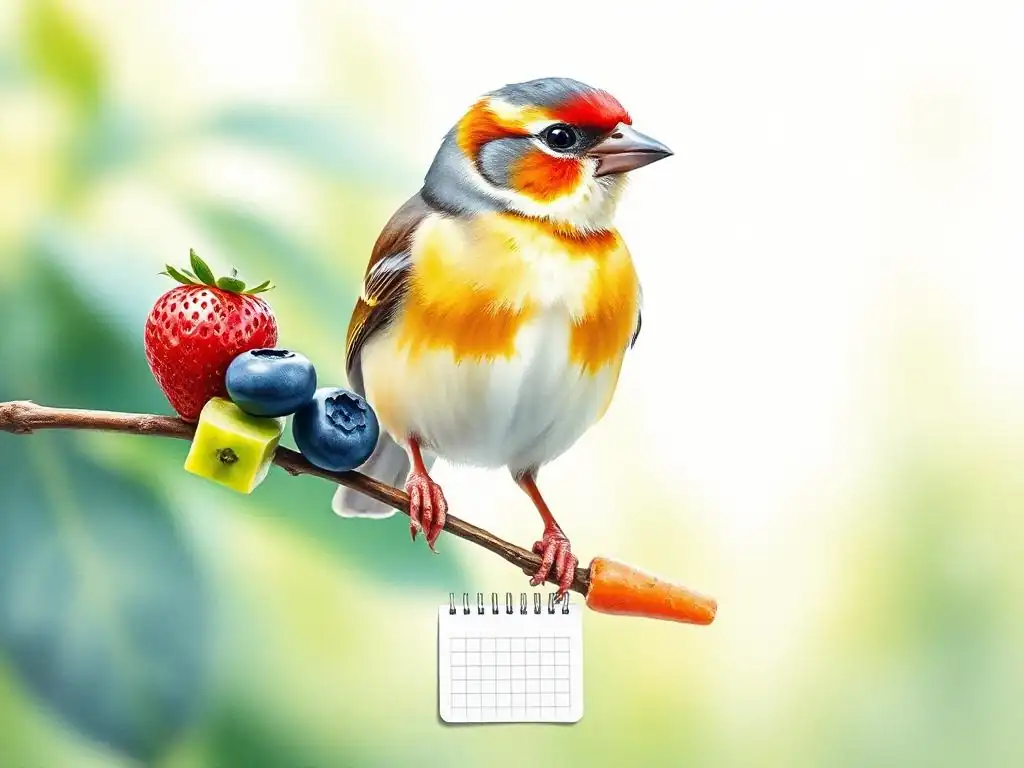
Transitioning your bird to a fresh food diet requires careful observation and adjustment. This isn't a one-size-fits-all approach; each bird is an individual with unique preferences and nutritional needs. Consistent monitoring is crucial for ensuring your feathered friend thrives on their new, improved diet. The "best bird fresh food diet" is the one that works best for your bird.
Monitoring Your Bird's Weight and Activity Levels: Indicators of Dietary Success
Regularly weighing your bird is paramount. Aim for weekly weigh-ins using a gram scale, recording the results in a small notebook or spreadsheet. A consistent weight, or a gradual, healthy increase, indicates that your bird is thriving on the new diet. A significant weight loss, however, warrants immediate veterinary attention. Remember to always weigh your bird at the same time of day to minimize variations.
Beyond weight, observe your bird's activity levels. Is your bird as energetic and playful as usual? A lethargic bird might be experiencing digestive issues or nutritional deficiencies. Conversely, increased energy and a brighter, more vibrant plumage can be positive indicators of a successful dietary change. Note any changes in behavior, such as increased preening or vocalizations, as these can also reflect the bird's overall health and well-being.
Here's a sample weight tracking table:
| Date | Weight (grams) | Notes |
|---|---|---|
| Oct 26, 2023 | 120 | Started fresh food integration |
| Nov 2, 2023 | 122 | Slightly increased weight, seems energetic |
| Nov 9, 2023 | 121 | Weight stable, good activity levels |
Remember, consistency is key. Tracking these metrics over time provides valuable insight into your bird's response to the dietary changes. This data will help you fine-tune the best bird fresh food diet for your specific avian companion.
Addressing Picky Eating: Strategies for Encouraging Fresh Food Consumption
Not all birds readily embrace fresh foods. Some are initially hesitant, exhibiting pickiness that can frustrate even the most dedicated bird owner. Persistence and creativity are essential here. Don't give up if your bird initially rejects a new food. Try these strategies:
- Variety is key: Offer a diverse range of fruits, vegetables, and other suitable fresh foods. Experiment with different textures, flavors, and preparation methods (e.g., chopped, grated, pureed).
- Positive reinforcement: Reward your bird with a small treat (a tiny amount of their usual pellet food) after they try a new food, even if they only take a small bite.
- Introduce gradually: Don't overwhelm your bird by drastically changing their diet overnight. Start by incorporating small amounts of fresh food alongside their existing diet, gradually increasing the proportion over time.
- Presentation matters: Arrange the fresh food attractively. Try offering it in different bowls, on foraging toys, or even on a branch in their cage.
- Pair with familiar foods: Initially, mix small amounts of new fresh foods with their preferred seeds or pellets to make the transition smoother.
Remember, patience is vital. It might take weeks or even months for your bird to fully accept a wider variety of fresh foods. The goal is gradual integration, not immediate transformation. The journey towards a "best bird fresh food diet" is a process of learning and adaptation for both you and your bird.
Adjusting Your Bird's Diet Based on Observations: A Continuous Process
The "best bird fresh food diet" is not static; it's an ongoing process of observation, adjustment, and refinement. Based on your bird's weight, activity levels, and preferences, you'll need to continuously fine-tune their diet. This is a dynamic process, not a one-time fix. Regularly review your bird's weight chart and behavioral observations.
If you notice any concerning trends, consult with an avian veterinarian. They can provide expert advice tailored to your bird's specific needs and help you create a truly optimal diet. Remember, a healthy, happy bird is a vibrant bird! 🎉 This ongoing monitoring and adjustment ensures your bird receives the optimal nutrition for a long and healthy life.
Step 5: Maintaining a Balanced Bird Diet: Long-Term Nutritional Strategies
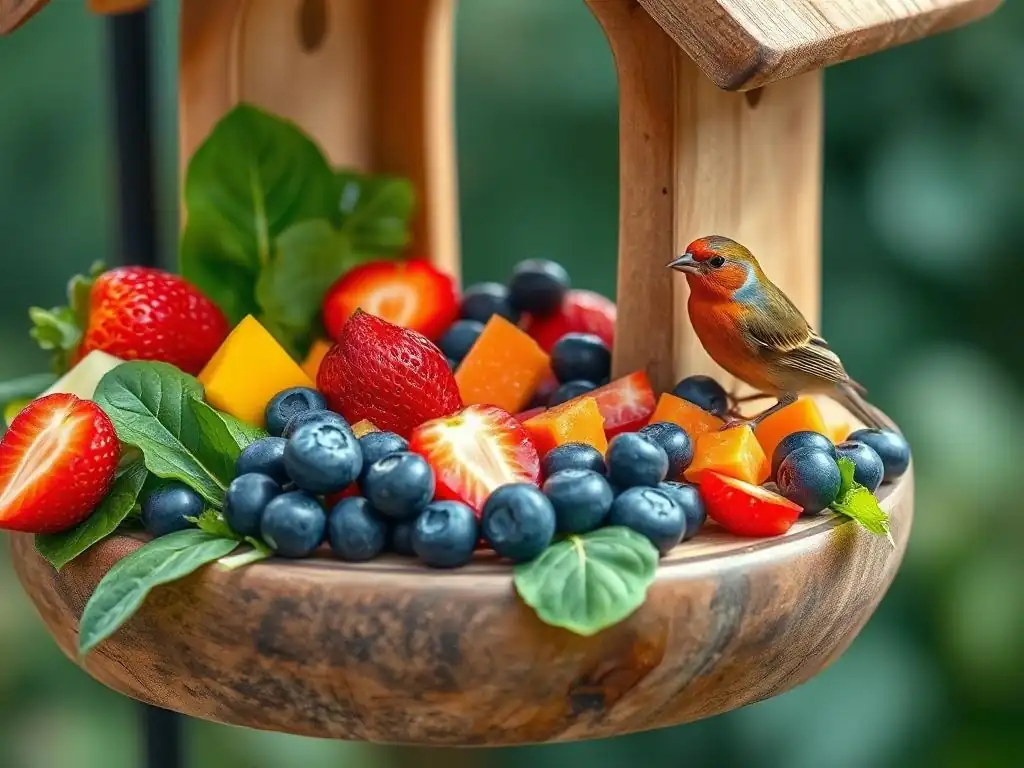
Maintaining a healthy and vibrant bird requires a consistent commitment to providing a balanced diet. Simply introducing fresh foods isn't enough; a long-term nutritional strategy is crucial for ensuring your feathered friend thrives. This section focuses on creating a sustainable plan to meet your bird's nutritional needs over time, maximizing their health and longevity. Remember, the "best bird fresh food diet" isn't a one-size-fits-all solution; it's a personalized approach tailored to your specific bird's species, age, and health status.
Creating a Weekly Meal Plan for Your Bird: Ensuring Nutritional Variety
Developing a weekly meal plan is key to providing nutritional variety and preventing dietary boredom. Birds, like humans, can become picky eaters if offered the same foods repeatedly. A well-structured plan ensures your bird receives a balanced intake of essential nutrients. Here's a sample plan, remember to adjust portion sizes based on your bird's size and activity level:
| Day | Morning Meal | Afternoon Meal | Evening Meal |
|---|---|---|---|
| Monday | Pellets (1/4 cup), Sprouting seeds (1 tbsp) | Chopped vegetables (carrots, broccoli) | Fruits (berries, apple slices) |
| Tuesday | Pellets (1/4 cup), Cooked quinoa (1 tbsp) | Leafy greens (spinach, kale) | Cooked sweet potato (small piece) |
| Wednesday | Pellets (1/4 cup), Fruit (banana, mango) | Shredded coconut (1 tsp) | Cooked brown rice (1 tbsp) |
| Thursday | Pellets (1/4 cup), Sprouting seeds (1 tbsp) | Chopped vegetables (peas, bell peppers) | Fruits (papaya, melon) |
| Friday | Pellets (1/4 cup), Cooked brown rice (1 tbsp) | Leafy greens (chard, lettuce) | Cooked sweet potato (small piece) |
| Saturday | Pellets (1/4 cup), Fruit (berries, grapes) | Shredded coconut (1 tsp) | Cooked quinoa (1 tbsp) |
| Sunday | Pellets (1/4 cup), Chopped vegetables (various) | Fruits (various) | Cooked brown rice (1 tbsp) |
Remember to always introduce new foods gradually to monitor for any adverse reactions. Keep a food diary to track your bird's consumption and adjust the plan accordingly. Variety is the spice of life, and a varied diet is the key to a healthy bird! 🐦
Supplementing with Bird-Specific Vitamins and Minerals: Addressing Potential Deficiencies
While a diverse diet rich in fresh foods aims to cover most nutritional needs, supplementing with bird-specific vitamins and minerals might be necessary, especially for birds with specific dietary requirements or health conditions. These supplements should only be used after consulting with an avian veterinarian. Improper supplementation can be harmful. Never self-diagnose or self-treat.
Some common deficiencies addressed through supplementation include Vitamin A, Vitamin D3, and Calcium. Always choose high-quality supplements formulated specifically for birds, and follow the recommended dosage precisely. Over-supplementation can be as detrimental as under-supplementation. Look for supplements that contain a blend of essential vitamins and minerals tailored to your bird's species.
Consulting with an Avian Veterinarian: Expert Guidance for Nutritional Needs
Regular check-ups with an avian veterinarian are crucial for maintaining your bird's optimal health. Your vet can assess your bird's overall health, conduct necessary blood tests to identify potential deficiencies, and provide personalized dietary recommendations. They can help you create a comprehensive nutritional plan that addresses your bird's unique needs and ensures they receive the "best bird fresh food diet" for their specific situation. Don't hesitate to seek professional advice; it's an investment in your bird's well-being and longevity. A proactive approach to avian healthcare is paramount for a happy and healthy companion.
Creating the Best Bird Fresh Food Diet: A Holistic Approach to Bird Health
This section delves into the creation of a nutritious and balanced fresh food diet for your avian companion. A well-planned diet significantly impacts your bird's overall health, vitality, and lifespan. Remember, a diverse diet is key to providing all the necessary nutrients. We'll explore the crucial elements to consider when designing the best bird fresh food diet for your feathered friend. This isn't just about supplementing their diet; it's about building a foundation for a long and healthy life.
The Importance of Fresh Food in Preventing Disease: Boosting Immunity and Vitality
A diet rich in fresh foods is paramount for bolstering your bird's immune system and preventing various diseases. Processed birdseed, while convenient, often lacks the essential vitamins, minerals, and antioxidants found abundantly in fresh produce. These vital nutrients act as the body's first line of defense against illness. For example, Vitamin C, readily available in many fruits and vegetables, is a powerful antioxidant that combats free radicals and strengthens the immune response. Similarly, Vitamin A, found in leafy greens like kale and spinach, is crucial for maintaining healthy mucous membranes and preventing respiratory infections – common ailments in birds.
Studies have shown a correlation between diets high in fresh foods and a reduced incidence of several common avian diseases. While specific data varies depending on the species, the overall trend points towards a significant improvement in overall health and longevity. A diet lacking in essential nutrients can lead to weakened immunity, making birds more susceptible to infections and illnesses. Therefore, incorporating fresh foods is not merely beneficial; it’s a vital component of preventative healthcare. Think of it as a natural booster shot for your bird's immune system! 🦜
Combining Fresh Foods with High-Quality Pellets: A Balanced Approach
While fresh foods are undeniably important, they shouldn't entirely replace high-quality bird pellets. Pellets provide a consistent source of essential nutrients that might be difficult to achieve solely through fresh foods. The ideal approach is a balanced combination: pellets form the nutritional base, while fresh foods act as a delicious and nutritious supplement. This approach ensures your bird receives a complete and well-rounded diet.
Consider the following ratio as a guideline (this can vary based on your bird's species and individual needs): 70% high-quality pellets, 30% fresh foods. Always choose pellets formulated specifically for your bird's species to ensure optimal nutrient levels. The fresh food component should be carefully selected and introduced gradually to avoid digestive upset. A sudden shift in diet can be harmful, so a slow transition is crucial.
| Food Type | Percentage | Examples |
|---|---|---|
| High-Quality Pellets | 70% | [Specific brand examples pending] |
| Fresh Fruits | 15% | Apples (without seeds), berries, melon |
| Fresh Vegetables | 15% | Broccoli, carrots, leafy greens (spinach, kale) |
Long-Term Benefits of a Fresh Food Diet: Enhanced Health and Longevity
The long-term benefits of incorporating fresh foods into your bird's diet are substantial. Beyond immediate improvements in immunity and vitality, a well-balanced diet contributes to:
- Improved Feather Quality: A diet rich in essential fatty acids and vitamins leads to brighter, healthier plumage.
- Increased Energy Levels: Birds on a fresh food diet often exhibit increased energy and activity levels.
- Stronger Bones and Muscles: Calcium and other minerals from fresh foods contribute to stronger bones and muscles.
- Enhanced Cognitive Function: Proper nutrition supports brain function and cognitive abilities.
- Longer Lifespan: Studies suggest a correlation between a healthy diet and increased lifespan in various bird species.
By prioritizing a fresh food diet, you're not just feeding your bird; you're investing in their long-term well-being and contributing to a happier, healthier life. Remember, consistency is key! Make fresh food a daily part of your bird's routine, and witness the positive impact on their overall health and vitality. This holistic approach to nutrition will contribute to achieving the best bird fresh food diet for your beloved companion.
Frequently Asked Questions
What are the benefits of incorporating fresh foods into my bird's diet?
A fresh food diet offers significant health advantages. It provides essential vitamins and minerals often lacking in seed-only diets, leading to improved feather quality, stronger immunity, and increased lifespan.
How much fresh food should I feed my bird?
The amount depends on the bird's size, species, and activity level. A good starting point is to offer 25-50% fresh foods, gradually increasing the proportion as your bird adjusts. Always provide access to clean water.
What types of fresh foods are safe for my bird?
Safe options include various fruits and vegetables, such as berries, leafy greens, and carrots. Avoid avocado, chocolate, and caffeine, which are toxic to birds. Research species-specific dietary needs for best results.
How do I introduce fresh foods to my bird if it's only used to eating seed?
Start by offering small portions of a new food alongside the seed. Gradually increase the amount of fresh food over several weeks. Be patient and persistent; it may take time for your bird to accept new foods.
What should I do if my bird refuses to eat fresh foods?
Try offering a variety of different foods in different forms (e.g., chopped, pureed). Experiment with presentation – try offering food on different surfaces or using different types of bowls. Consult a veterinarian if your bird shows signs of malnutrition.
Final Reflection: Nourishing Nature, Nurturing Life
The shift towards fresh food diets for our feathered friends is not merely a trend; it's a vital step towards ensuring their health and longevity. Providing birds with a diet rich in natural, whole foods is a powerful act of stewardship, directly impacting their well-being and contributing to a healthier avian population. This is more than just a dietary change; it's a commitment to responsible pet ownership and a deeper connection with the natural world.
The journey towards understanding the nutritional needs of our birds has been profoundly enriching. It's revealed the surprising complexity of their dietary requirements and highlighted the limitations of commercially produced birdseed. This exploration has challenged my own assumptions about what constitutes adequate care, prompting a reassessment of my own practices. The greatness of a nation and its moral progress can be judged by the way its animals are treated.
- Mahatma Gandhi. This quote resonates deeply, reminding us that our compassion extends beyond human society to encompass all living creatures.
Now, it's your turn. Consider the birds in your life – whether wild visitors to your garden or cherished companions in your home. Take a moment to reflect on their diet. Are you providing them with the nourishment they truly need to thrive? Make a conscious choice to integrate fresh, wholesome foods into their diet, and witness the positive impact on their health, vibrancy, and overall quality of life. Let's work together to create a world where every bird can flourish.
Unleash Your Pet's Inner Gourmet!
Thank you for learning how to enrich your pet's diet with fresh foods! You're now equipped to make a real difference in their health and happiness. Ready to begin?
- Start slowly: Gradually introduce new fresh foods, one at a time, to monitor your pet's reaction. This is crucial for preventing digestive upset.
- Share your experiences: Tell us about your journey—which fresh foods were your pet's favorites? What surprised you? Share your story in the comments below!
- Get creative: Experiment with different combinations of fresh fruits and vegetables to create exciting and nutritious meals for your furry friend. Don't be afraid to think outside the box!
What delicious, fresh food will you add to your pet's bowl this week?