
Recovering from Dog Dental Surgery: PostOp Care Tips


Welcome to PetCareWorld, your ultimate guide to a happier, healthier life for your beloved pets! Are you looking for expert advice on ensuring a smooth recovery for your furry friend? Then you've come to the right place. Discover crucial Dog dental surgery aftercare tips to help your canine companion heal quickly and comfortably. We'll equip you with the knowledge you need to navigate this important post-operative phase—read on to learn more!
- Understanding Your Dog's Post-Dental Surgery Needs
- Pain Management and Medication for Dogs After Dental Procedures
- Nutritional Guidelines for Dogs Recovering from Dental Surgery
- Oral Hygiene and Wound Care After Dog Dental Surgery
- Rest and Activity Levels for Dogs Post Dental Surgery
- Long-Term Oral Care to Prevent Future Dog Dental Problems
- Preventing Future Dog Dental Surgery: Proactive Care
-
Frequently Asked Questions
- What are the immediate post-operative care needs for my dog after dental surgery?
- How can I manage my dog's pain after dog dental surgery?
- What should I feed my dog after dental surgery?
- How long does it take for my dog to fully recover from dental surgery?
- When should I contact my vet about my dog after dental surgery?
- Final Reflection: A Pawsitive Outlook on Post-Op Dental Care
- Rediscover Your Dog's Happy Smile: Next Steps for Post-Op Care
Understanding Your Dog's Post-Dental Surgery Needs
Dental surgery for dogs, while often necessary to address periodontal disease, tooth extractions, or other oral health issues, requires careful post-operative care to ensure a smooth recovery. This comprehensive guide provides essential tips and information to help you navigate the post-operative period and support your canine companion's healing process. We'll cover everything from assessing your dog's pain level to recognizing potential complications, empowering you to provide the best possible aftercare and contribute to a successful recovery. Understanding the specific needs of your dog following dental surgery is crucial for minimizing discomfort and promoting optimal healing.
This detailed approach will equip you with the knowledge to effectively monitor your pet's progress and swiftly address any concerns that may arise. Remember, proactive care is key to a successful outcome following dog dental surgery. Let's delve into the specifics of providing the best possible post-operative care for your furry friend.
Assessing Your Dog's Pain Level After Dog Dental Surgery
Following dental surgery, it's crucial to carefully monitor your dog's pain level. Dogs cannot verbally express their pain, so you must rely on behavioral changes and physical signs. Pain indicators can include:
- Lethargy and decreased activity: A noticeable reduction in playful behavior or overall energy levels.
- Loss of appetite: Refusal to eat or drink, or only consuming small amounts.
- Whining or whimpering: Vocalizations expressing discomfort.
- Restlessness: Pacing, shifting positions frequently, or difficulty settling down.
- Changes in demeanor: Increased irritability, snapping, or hiding.
- Excessive licking or pawing at the mouth: Attempting to alleviate discomfort in the surgical area.
- Swelling or bruising around the mouth: Visible signs of inflammation or trauma.
A visual pain scale can be helpful. While subjective, observing your dog's behavior against these indicators can give you a better understanding of their pain level. Remember to consult your veterinarian if you're unsure about your dog's pain level or if you observe any concerning signs. They can prescribe appropriate pain medication to help manage discomfort and facilitate healing. Don't hesitate to contact them—early intervention is vital. 🐶
Immediate Post-Operative Care for Dogs: First 24 Hours
The first 24 hours after dog dental surgery are critical. Your veterinarian will likely provide specific instructions, but here are some general guidelines:
| Task | Importance | Notes |
|---|---|---|
| Administer pain medication | Manages pain and discomfort, promoting rest and faster healing. | Follow your vet's instructions precisely regarding dosage and frequency. |
| Restrict activity | Prevents disruption of the surgical site and reduces the risk of complications. | Keep your dog calm and confined to a quiet area; avoid strenuous exercise or rough play. |
| Provide soft food | Easier to consume and less likely to irritate the surgical area. | Consider bland, easily digestible options like cooked chicken or rice. Avoid hard kibble initially. |
| Monitor for bleeding | Early detection allows for prompt intervention to prevent excessive blood loss. | Observe your dog regularly for any signs of bleeding from the mouth. |
| Prevent excessive licking | Protects the surgical site and reduces the risk of infection. | Use an Elizabethan collar (cone) as directed by your veterinarian. |
| Keep the area clean | Reduces the risk of infection. | Gently wipe away any food debris or saliva around the mouth using a clean, damp cloth. |
Remember, consistent monitoring during this initial period is essential. Any concerning deviations from the expected recovery should be reported to your veterinarian immediately. Your proactive vigilance can significantly impact your dog's overall recovery.
Recognizing Complications: When to Contact Your Veterinarian
While most dogs recover uneventfully from dental surgery, it's important to be aware of potential complications. Contact your veterinarian immediately if you observe any of the following:
- Excessive bleeding: Bleeding that doesn't stop or significantly increases.
- Swelling that increases rapidly: Significant facial swelling beyond the initial post-operative swelling.
- Fever: Elevated body temperature.
- Lethargy or depression beyond the expected post-operative period: Persistent lack of energy or change in behavior.
- Loss of appetite lasting more than 24 hours: Continued refusal to eat or drink.
- Difficulty breathing or swallowing: Signs of respiratory distress or difficulty consuming food or water.
- Vomiting or diarrhea: Gastrointestinal upset.
- Discharge from the surgical site: Any pus or unusual discharge from the mouth.
Prompt veterinary attention is crucial to address these complications effectively and prevent more serious issues. Don't hesitate to contact your veterinarian—their expertise is invaluable in ensuring your dog's optimal recovery. 🐾
Pain Management and Medication for Dogs After Dental Procedures

Following dog dental surgery, effective pain management is crucial for a smooth recovery and to prevent complications. Your veterinarian will prescribe analgesics (pain relievers) tailored to your dog's size, breed, and the complexity of the procedure. Understanding the medication and monitoring your dog's response are key aspects of successful post-operative care. This section details vital information on managing your dog's pain and potential side effects to ensure a comfortable recovery. Remember, always follow your vet's specific instructions regarding dosage and administration. Improper medication use can be harmful to your pet.
Administering Pain Relief Medication to Your Dog
Administering medication correctly is paramount for effective pain management. Your vet will likely prescribe either oral medications (pills or liquid suspensions) or injectable pain relief, depending on the procedure and your dog's temperament.
For oral medications, follow these steps:
- Check the dosage: Double-check the prescribed dosage carefully to ensure you're giving your dog the correct amount. Incorrect dosing can lead to either insufficient pain relief or harmful side effects.
- Method of administration: For pills, you may need to hide them in tasty treats like small pieces of cheese or peanut butter (xylitol-free!). For liquid medications, use a syringe to administer directly into the side of your dog's mouth to avoid choking.
- Timing: Administer the medication at the times specified by your veterinarian. Consistency is key to maintaining adequate pain relief levels.
- Observation: After administering the medication, monitor your dog for any immediate adverse reactions like vomiting or lethargy.
If your dog is receiving injectable pain relief, your veterinarian will likely provide instructions on how to administer it or arrange for follow-up visits for injections. Remember, never attempt to administer injections yourself unless specifically trained to do so by your veterinarian.
Monitoring Your Dog's Response to Pain Medication
Monitoring your dog's response to pain medication is crucial to ensure its effectiveness and identify any potential problems early on. Observe your dog closely for signs of pain relief or continued discomfort. Signs of adequate pain relief include:
- Improved appetite: A return to normal eating habits is a good indicator that your dog is less uncomfortable.
- Increased activity levels: A gradual increase in playful behavior and willingness to move around indicates pain reduction.
- Reduced vocalization: Less whining, whimpering, or yelping is a positive sign.
- Improved mood: A happier, more relaxed demeanor suggests that the pain medication is working.
Conversely, if your dog continues to show signs of pain despite medication, such as:
- Restlessness: Persistent pacing or inability to settle down.
- Lethargy: Excessive sleepiness or lack of energy.
- Loss of appetite: Refusal to eat or drink.
- Continued whimpering or crying: Persistent vocalization despite medication.
Contact your veterinarian immediately. They may need to adjust the dosage or prescribe alternative pain relief options. Early intervention can prevent unnecessary suffering and potential complications.
Potential Side Effects of Post-Surgical Medications for Dogs
While pain medication is essential for a comfortable recovery, it's important to be aware of potential side effects. These can vary depending on the specific medication prescribed. Common side effects include:
| Side Effect | Description | Action |
|---|---|---|
| Gastrointestinal upset | Vomiting, diarrhea, loss of appetite | Contact your veterinarian; they may adjust the medication or prescribe anti-nausea medication. |
| Lethargy/Drowsiness | Excessive sleepiness or reduced energy levels | Monitor your dog closely; this is often a mild side effect, but excessive drowsiness warrants veterinary attention. |
| Allergic reactions | Hives, itching, swelling, difficulty breathing | Seek immediate veterinary attention; this is a medical emergency. |
| Changes in urination | Increased or decreased urination frequency; changes in urine color or consistency | Contact your veterinarian to rule out any kidney-related issues. |
More Information on Specific Medications
Specific medications and their side effects can vary. Your veterinarian will provide detailed information about the prescribed medication, including potential side effects and what to watch out for. Always follow their instructions carefully.
Remember, prompt veterinary care is crucial for managing post-operative pain and addressing any potential complications. By closely monitoring your dog and communicating openly with your vet, you can ensure a smooth and comfortable recovery following their dental surgery. This proactive approach contributes significantly to your dog's overall well-being and a quicker return to their playful self.
Nutritional Guidelines for Dogs Recovering from Dental Surgery

Following dog dental surgery, proper nutrition plays a crucial role in your canine companion's recovery. The goal is to provide easily digestible food that minimizes stress on the healing mouth and promotes overall well-being. This section outlines key nutritional considerations for post-operative care, helping you navigate this important phase of your dog's recovery journey. Remember, always consult your veterinarian for personalized dietary recommendations tailored to your dog's specific needs and surgical procedure. Ignoring veterinary advice could compromise your dog's health and healing process. This is especially crucial for dogs with pre-existing health conditions.
Choosing the Right Diet for Post-Operative Recovery
Selecting the appropriate diet is paramount for a smooth recovery after dog dental surgery. Avoid hard kibble, which can irritate the gums and stitches. Instead, opt for easily digestible options that require minimal chewing. Your veterinarian may recommend a prescription diet formulated for post-surgical recovery, often featuring softer textures and enhanced nutritional support to aid healing. These diets usually contain high-quality protein sources for tissue repair and essential nutrients to boost the immune system.
Some dogs may experience a decreased appetite immediately after surgery due to discomfort or medication. In such cases, smaller, more frequent meals can be more appealing than large portions. Monitor your dog's food intake carefully and report any significant changes to your veterinarian. Observe your dog for any signs of distress while eating, such as excessive drooling or pawing at the mouth. These could indicate complications and require immediate veterinary attention. The transition to a post-operative diet should be gradual to avoid digestive upset.
Feeding Your Dog After Dental Surgery: Soft Food Options
Many commercially available soft foods are suitable for post-operative canine nutrition. These include wet food, canned food, or even homemade options like cooked chicken or sweet potato puree (always check with your vet first on homemade options to ensure they are safe and nutritionally balanced). Look for foods that are easily mashed or blended for even easier consumption. Avoid foods that are too hot or cold, as this can exacerbate discomfort. Room temperature is generally ideal.
Here's a table summarizing suitable and unsuitable food options for post-dental surgery:
| Food Type | Suitable? | Reasons |
|---|---|---|
| Dry Kibble | No | Too hard; can irritate gums and stitches. |
| Wet/Canned Food | Yes | Soft texture, easily digestible. |
| Cooked Chicken | Yes | (Vet approved) Soft, easily digestible protein source. |
| Sweet Potato Puree | Yes | (Vet approved) Soft, easily digestible, and provides nutrients. |
| Hard Treats/Bones | No | Can damage healing tissues. |
| Spicy or Highly Seasoned Foods | No | Can irritate the mouth and cause discomfort. |
Remember, consistency is key. Stick to the recommended diet until your veterinarian clears your dog for a gradual return to their regular food. Sudden dietary changes can negatively impact your dog's digestive system and recovery.
Hydration is Key: Ensuring Adequate Water Intake
Maintaining adequate hydration is crucial during the recovery period following dog dental surgery. Dehydration can complicate healing and lead to other health issues. Ensure your dog has constant access to fresh, clean water. If your dog seems reluctant to drink, try offering water in a different bowl or location. You can also add a small amount of low-sodium broth to their water to make it more appealing. However, always consult your vet before adding anything to your dog's water.
Monitor your dog's urine output; reduced urination can be a sign of dehydration. If you notice any signs of dehydration (such as lethargy, dry gums, or sunken eyes), contact your veterinarian immediately. Providing adequate hydration will assist with healing and overall well-being throughout the recovery process. This is particularly important in hot weather, where dogs are more prone to dehydration. Regular monitoring of your dog's water intake and urine output is vital. 💧
Oral Hygiene and Wound Care After Dog Dental Surgery
This section focuses on the crucial aspects of oral hygiene and wound care immediately following your dog's dental surgery. Proper post-operative care is paramount to ensure a swift and complication-free recovery. Neglecting even seemingly minor details can significantly impact healing and increase the risk of infection. Remember, consistent and gentle care is key to your dog's comfort and successful recovery from dog dental surgery.
Cleaning Your Dog's Mouth Gently After Surgery
The initial days following dog dental surgery are critical for maintaining oral hygiene. Your veterinarian will likely provide specific instructions, but generally, you should avoid vigorous cleaning for at least the first 24-48 hours. Instead, focus on gentle cleansing to prevent the build-up of debris and promote healing. This is crucial for preventing infection and ensuring the best possible outcome of your dog's dog dental surgery aftercare.
You can use a soft, damp cloth or gauze pad to gently wipe away any food particles or saliva around the surgical site. Avoid using any harsh chemicals or abrasive cleaners. Plain warm water is usually sufficient. If your vet recommends a specific mouthwash, follow their instructions meticulously. Remember, excessive manipulation can irritate the surgical area, hindering the healing process. Be patient and gentle; your dog's comfort should always be your priority during this sensitive recovery period. The goal is to support the healing process, not to hinder it with excessive cleaning.
The frequency of cleaning will depend on your dog's individual needs and your vet's recommendations. Some dogs might require more frequent cleaning than others, particularly those prone to excessive drooling or those who consume messy foods. Always monitor your dog's reaction; if you notice any signs of discomfort or increased pain, cease cleaning immediately and contact your veterinarian. This proactive approach will contribute significantly to successful dog dental surgery aftercare tips.
Monitoring the Surgical Site for Signs of Infection
Careful observation of the surgical site is essential for early detection of any signs of infection. Prompt identification and treatment of infection are vital for a successful recovery from dog dental surgery. Knowing what to look for is crucial in your dog's post-operative care.
Several indicators can signal a potential infection. These include:
- Excessive Swelling: While some swelling is expected, excessive or rapidly increasing swelling is a cause for concern.
- Increased Pain or Discomfort: Your dog may exhibit signs of pain, such as whimpering, reluctance to eat, or changes in behavior.
- Purulent Discharge: The presence of pus-like discharge from the surgical site is a clear sign of infection. This discharge may be yellow, green, or bloody.
- Fever: A noticeable increase in your dog's body temperature can indicate an infection.
- Halitosis (Bad Breath): A persistent and foul odor from your dog's mouth can be another warning sign.
If you notice any of these signs, contact your veterinarian immediately. Early intervention is key to preventing the infection from spreading and causing more serious complications. Remember, diligent monitoring is a critical part of responsible dog dental surgery aftercare tips. Your prompt action can make all the difference in your dog's recovery.
Preventing Your Dog from Licking or Touching the Surgical Site
Preventing your dog from licking or touching the surgical site is crucial to avoid infection and ensure proper healing. Licking introduces bacteria into the wound, potentially delaying healing and increasing the risk of complications. This is a major aspect of dog dental surgery aftercare tips.
Several methods can effectively prevent licking:
- E-Collar (Elizabethan Collar): An e-collar, also known as a cone, is the most common method. It physically prevents your dog from reaching the surgical area.
- Recovery Suit: A soft recovery suit can provide similar protection while offering more comfort and mobility than an e-collar.
- Bitter-Tasting Sprays or Gels: These products deter licking by making the surgical site unpleasant to your dog's taste. However, their effectiveness varies.
- Distraction and Positive Reinforcement: Keep your dog engaged with toys and treats to distract them from licking the surgical site. Rewarding them for good behavior can be helpful.
The choice of method will depend on your dog's temperament and personality. Some dogs tolerate e-collars better than others. Consult with your veterinarian to determine the most suitable approach for your dog. Remember, your dog's comfort and safety are paramount throughout this process. Consistent application of chosen methods is essential for successful dog dental surgery aftercare. Careful planning and consideration will lead to a smooth recovery.
Rest and Activity Levels for Dogs Post Dental Surgery
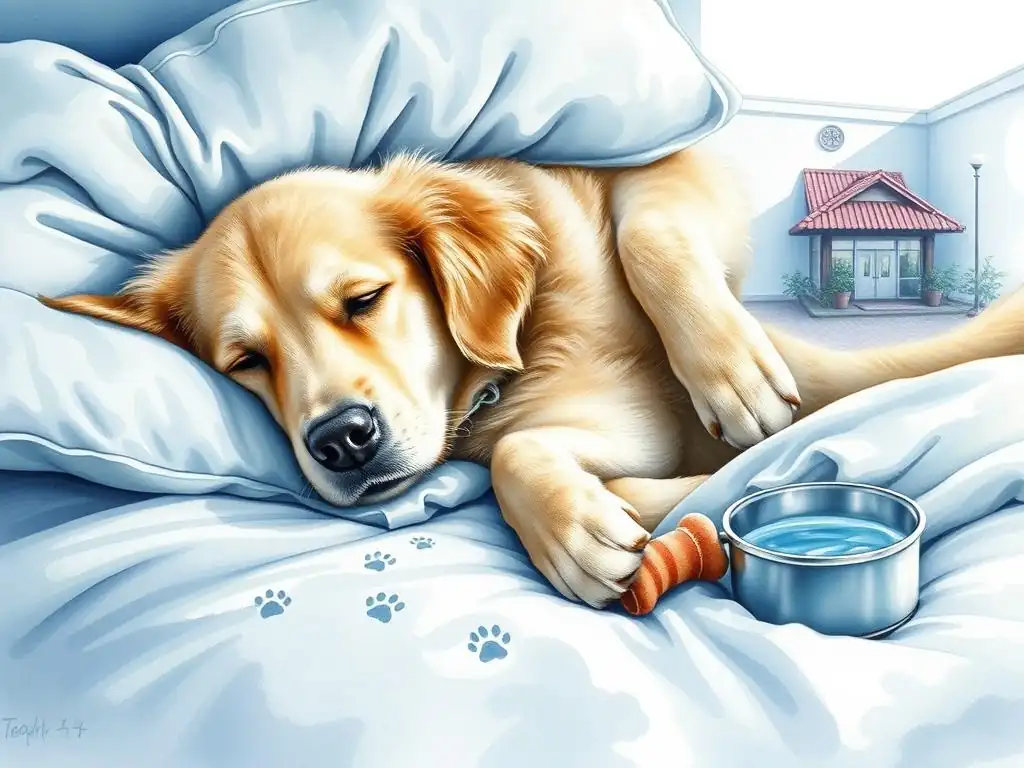
Following dog dental surgery, careful management of your canine companion's rest and activity levels is crucial for a successful recovery. The initial period immediately post-surgery is the most critical, demanding strict adherence to a rest protocol to minimize stress on the surgical site and prevent complications. This section details the importance of controlled activity and provides guidance on recognizing signs of overexertion. Remember, every dog heals differently, so observing your pet closely is paramount.
Consult your veterinarian immediately if you have any concerns. This careful monitoring is key to ensuring optimal healing and preventing potential setbacks. Proper aftercare significantly impacts your dog's long-term dental health and overall well-being.
Restricting Activity to Promote Healing
Immediately following dog dental surgery, complete rest is paramount. This means confining your dog to a quiet, comfortable space, ideally a crate or a small, enclosed area. Avoid any strenuous activity, including walks, playtime, or even excited greetings. The goal is to minimize any movement that could put pressure on the surgical sites in the mouth and jaw, potentially leading to bleeding, infection, or suture disruption. For the first 24-48 hours, restrict your dog's movements as much as possible.
Providing a soft, comfortable bed and limiting access to stairs or other potential hazards is recommended. Food and water should be easily accessible within their resting area to avoid unnecessary movement. This initial period of strict rest significantly reduces the risk of complications and promotes optimal healing. Think of it as a crucial investment in your dog's long-term oral health and comfort.
Gradual Return to Normal Activity Levels
After the initial 24-48 hour period of strict rest, a gradual return to normal activity levels is essential. This transition should be carefully managed to avoid re-injury or complications. Begin with very short, supervised walks on a leash, limiting the duration and intensity of the exercise. Avoid pulling or tugging on the leash, as this can place stress on the jaw. Observe your dog closely for any signs of discomfort or pain during these initial outings.
Gradually increase the duration and intensity of walks over several days, always monitoring for signs of overexertion. Playtime should also be introduced gradually, starting with calm, low-impact activities and progressing to more energetic play only when your veterinarian gives the all-clear. Remember, patience and observation are key to ensuring a smooth recovery. The transition to full activity should be dictated by your dog's progress and your veterinarian's advice, not by a set timeframe.
Signs of Overexertion in Recovering Dogs
Recognizing signs of overexertion in a recovering dog is crucial to prevent setbacks. These signs can vary, but some common indicators include excessive panting, lethargy, increased salivation, pawing at the mouth, loss of appetite, swelling or redness around the surgical site, and unusual vocalizations (whimpering, yelping). Any bleeding from the surgical site should be considered a serious sign and requires immediate veterinary attention.
If you observe any of these symptoms, immediately reduce your dog's activity level, provide a quiet resting place, and contact your veterinarian for guidance. Early intervention can prevent minor issues from escalating into more significant complications. Remember, your dog's comfort and well-being are the top priorities during this recovery period.
Don't hesitate to seek veterinary advice at the first sign of concern. Careful monitoring and prompt action are essential for ensuring a successful recovery and preventing long-term problems. The small effort you put into monitoring your dog's activity post-surgery will yield significant benefits in their long-term dental health and happiness.
Long-Term Oral Care to Prevent Future Dog Dental Problems
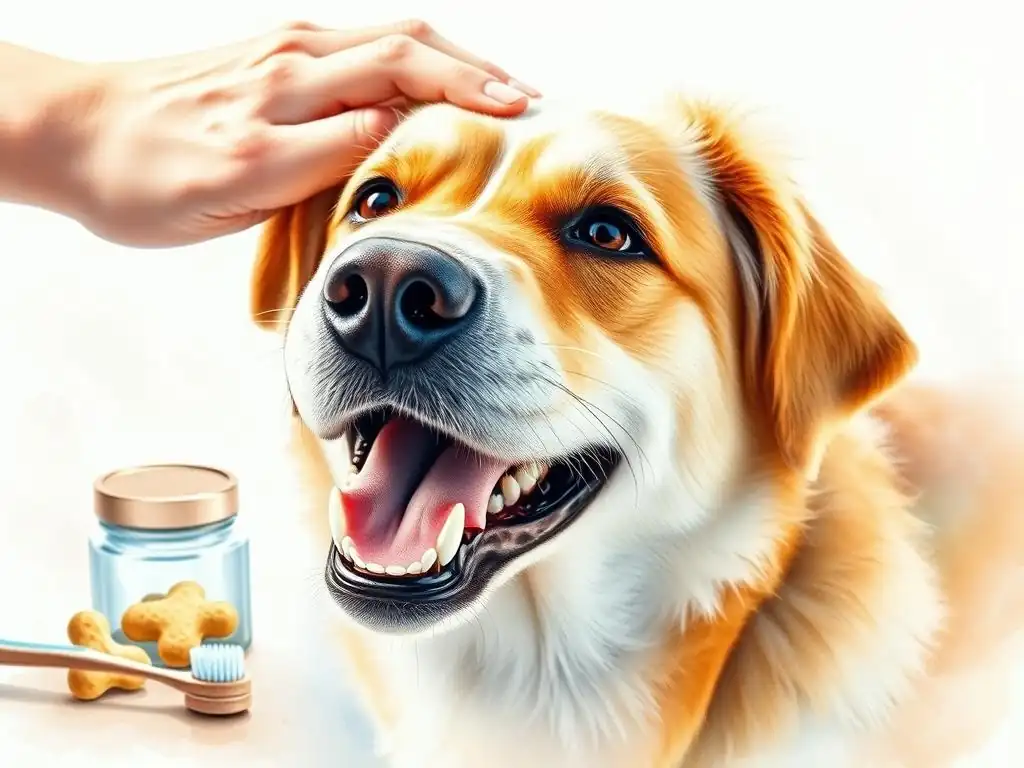
Following your dog's dental surgery, the focus shifts from immediate recovery to preventing future dental issues. Proactive oral care is crucial for maintaining your canine companion's long-term dental health and well-being. Neglecting this aspect can lead to recurring problems, potentially necessitating further, more extensive, and costly procedures. Think of post-operative care as the first step in a lifelong commitment to your dog's oral hygiene.
Investing time and effort now will significantly reduce the risk of future dental disease and improve your dog's overall quality of life. This translates to fewer vet visits, reduced pain for your furry friend, and ultimately, a happier, healthier dog. Let's explore how to achieve this.
Maintaining Your Dog's Oral Hygiene
Maintaining excellent oral hygiene at home is paramount. This goes beyond the occasional brushing; it's about establishing a consistent routine that becomes a natural part of your dog's daily care. Start by gradually introducing dental hygiene practices. If your dog is resistant to brushing, begin with gentle finger-rubbing along the gum line to get them used to the sensation. Gradually introduce a pet toothbrush and toothpaste designed specifically for dogs (human toothpaste is toxic to dogs!). Aim for at least twice-weekly brushing, working your way up to daily brushing if possible.
Remember, consistency is key! A missed day here and there won't derail your efforts, but making it a regular habit is essential. Consider using dental chews or toys specifically designed to help scrape plaque and tartar from teeth. These can supplement, but not replace, regular brushing.
Observe your dog's teeth regularly for any signs of redness, swelling, bleeding, or unusual odor – these are early warning signs that require immediate veterinary attention. Early detection significantly improves the chances of successful treatment and minimizes the severity of any potential issues. Don't underestimate the power of consistent, diligent home care; it's the cornerstone of preventing future dental problems. Regular monitoring and proactive measures can save you significant time, money, and your dog considerable discomfort.
Scheduling Regular Veterinary Dental Checkups
Even with diligent home care, regular professional dental checkups are non-negotiable. These checkups are more than just a quick glance; they involve a thorough examination of your dog's teeth, gums, and mouth. Veterinarians utilize specialized tools and techniques to detect problems that are often invisible to the naked eye. These examinations can identify early signs of periodontal disease, cavities, or other issues, allowing for prompt intervention and preventing them from developing into more serious problems.
The frequency of these checkups depends on your dog's breed, age, and overall health, but generally, annual checkups are recommended. During these visits, your veterinarian can provide personalized advice on maintaining your dog's oral hygiene, recommend appropriate dental products, and address any concerns you may have. They might also perform professional teeth cleaning under anesthesia, which is often necessary to effectively remove tartar and plaque buildup.
Don't delay or skip these crucial appointments; they are a vital part of your dog's preventative care strategy. Think of it as an investment in your dog's long-term health and well-being, preventing costly and potentially painful procedures down the road. The peace of mind knowing your dog's teeth are healthy is priceless.
Choosing the Right Dental Products for Your Dog
The market offers a wide array of dental products for dogs, making the selection process somewhat daunting. However, choosing the right products is crucial for maintaining your dog's oral health. When selecting a toothbrush, opt for one designed specifically for dogs – their smaller size and softer bristles are gentler on their sensitive gums. Avoid human toothbrushes, as their hardness can damage your dog's gums and teeth. Similarly, always use dog-specific toothpaste. Human toothpaste contains ingredients that are toxic to dogs, potentially causing serious health problems.
Dog toothpastes come in various flavors, such as chicken or beef, to make brushing more palatable for your canine companion. Look for toothpastes that contain enzymes that help break down plaque and tartar. In addition to toothbrushes and toothpaste, consider incorporating dental chews or toys into your dog's routine. These products are designed to help scrape away plaque and tartar as your dog chews.
Choose chews that are appropriately sized for your dog's breed and age to avoid choking hazards. When selecting any dental product, always read the label carefully to ensure it's specifically formulated for dogs and meets safety standards. Prioritize quality over price; investing in high-quality products will contribute to your dog's long-term oral health and overall well-being. Remember, a healthy mouth contributes to a happy and healthy dog.
Preventing Future Dog Dental Surgery: Proactive Care
Regular veterinary checkups and proactive dental care are crucial for preventing future dental surgery in your canine companion. Ignoring early signs of dental disease can lead to more extensive and costly procedures down the line. This section focuses on strategies to minimize the risk of future dental problems and maintain your dog's oral health. Remember, prevention is always better than cure, especially when it comes to your dog's teeth!
Daily Brushing Techniques for Dogs
Brushing your dog's teeth daily is the cornerstone of preventative dental care. It removes plaque and tartar buildup before it hardens and causes gum disease. However, simply picking up a toothbrush and going to town isn't enough. A gentle approach and the right tools are essential.
Start by introducing your dog to the toothbrush gradually. Let them sniff and investigate it. Use positive reinforcement, such as treats and praise, to create a positive association. Begin with short brushing sessions (15-30 seconds) and gradually increase the duration as your dog becomes comfortable. Use a dog-specific toothpaste – human toothpaste is toxic to dogs. Look for enzymatic toothpastes formulated to neutralize bad breath and prevent plaque.
There are various types of dog toothbrushes available, from finger brushes to specialized electric toothbrushes. Experiment to find what works best for you and your dog. Pay close attention to the gum line, as this is where most plaque accumulates. A circular motion is generally recommended. If your dog is particularly resistant, you might need to start by simply lifting their lips and gently wiping their teeth with a damp cloth.
Dental Chews and Toys for Dogs
Dental chews and toys can be a valuable addition to your dog's oral hygiene routine. These products help to mechanically remove plaque and tartar, acting as a natural cleaning aid. However, not all dental chews are created equal. Look for chews that are specifically designed for dental health and are appropriately sized for your dog's breed and age. Avoid hard bones or chews that can break and cause choking hazards.
When selecting dental chews, consider factors such as:
- Material: Look for chews made from durable, non-abrasive materials.
- Texture: Choose chews with a textured surface that helps to scrub the teeth.
- Size: The chew should be appropriately sized for your dog to prevent choking or breakage.
- Veterinary Approval: Some chews have undergone veterinary testing and are proven to be effective in reducing plaque and tartar.
Remember that dental chews are supplemental to daily brushing, not a replacement. Regular brushing remains the most effective way to maintain your dog's oral health. Use a variety of dental chews and toys to keep your dog engaged and prevent boredom. Observe your dog during chewing sessions to ensure they are not swallowing large pieces of the chew. Always supervise your dog while they are chewing on any type of toy or treat. A healthy mouth is a happy mouth, and proactive dental care will help your dog enjoy a long and healthy life. 🐾
Frequently Asked Questions
What are the immediate post-operative care needs for my dog after dental surgery?
Keep your dog quiet and comfortable for the first 24 hours. Administer any prescribed pain medication as directed by your veterinarian. Avoid strenuous activity and monitor for any signs of complications.
How can I manage my dog's pain after dog dental surgery?
Follow your vet's instructions regarding pain medication. You can also provide a soft, comfortable bed and limit activity. Contact your vet immediately if your dog seems excessively painful or distressed.
What should I feed my dog after dental surgery?
Start with soft, easily digestible foods like wet food or broth for the first few days. Gradually reintroduce kibble as your dog's comfort level improves. Avoid anything hard or chewy that could irritate the surgical site.
How long does it take for my dog to fully recover from dental surgery?
Full recovery time varies, but most dogs show significant improvement within one to two weeks. Complete healing of the gums and mouth can take several weeks. Follow up appointments with your vet are crucial.
When should I contact my vet about my dog after dental surgery?
Contact your vet immediately if you notice excessive bleeding, swelling, loss of appetite, lethargy, or any other concerning signs. Don't hesitate to reach out with any questions or concerns, no matter how small they may seem.
Final Reflection: A Pawsitive Outlook on Post-Op Dental Care
The health of our canine companions is paramount, and understanding the intricacies of post-operative care after dog dental surgery is crucial for a smooth recovery. Ignoring even seemingly minor aspects of aftercare can significantly impact their comfort and long-term oral health, potentially leading to complications that could have been easily avoided. This knowledge empowers responsible pet ownership and ensures our furry friends receive the best possible care.
The emotional toll of seeing our beloved dogs endure any procedure, let alone surgery, is undeniable. The worry, the uncertainty, and the constant vigilance required during recovery can be taxing. Yet, witnessing their gradual return to playful energy and happy smiles makes every effort worthwhile. The bond with a dog is as powerful as any human relationship.
This quote perfectly encapsulates the dedication we feel towards our canine family members, and proper post-operative care is a testament to that bond. It's a tangible way we demonstrate our love and commitment to their well-being.
Now, consider the information presented in this article. Reflect on the specific steps outlined for pain management, dietary adjustments, and monitoring for potential complications. You are now equipped with the knowledge to navigate this crucial period with confidence and compassion. Remember, proactive care isn't just about following instructions; it's about building a stronger, healthier relationship with your dog, based on understanding and attentive care. Take the time to implement these tips, and watch your furry friend thrive.
Rediscover Your Dog's Happy Smile: Next Steps for Post-Op Care
Thank you for taking the time to learn about caring for your dog after dental surgery! We hope this guide provided valuable insights to help your furry friend recover comfortably. Now, let's put that knowledge into action. Here are a few things you can do to ensure a smooth recovery:
- Prioritize pain management: Carefully follow your veterinarian's instructions for administering pain medication and monitor your dog closely for signs of discomfort, such as whining, lethargy, or loss of appetite. This is crucial for their comfort and a speedy recovery.
- Gentle feeding and hydration: Begin with soft, easily digestible foods like cooked chicken or plain rice, and encourage plenty of water intake. Offer small, frequent meals to avoid straining their mouth and exacerbating any discomfort.
- Share your post-op journey: We'd love to hear about your dog's recovery! Share your experiences and tips with other PetCareWorld members in the comments below. Learning from each other's experiences can make a huge difference.
Ready to make your dog's recovery a success? What small step will you take today to ensure their comfort and healing?