
Cat Scratching Alternatives: What to Use Instead of Your Couch

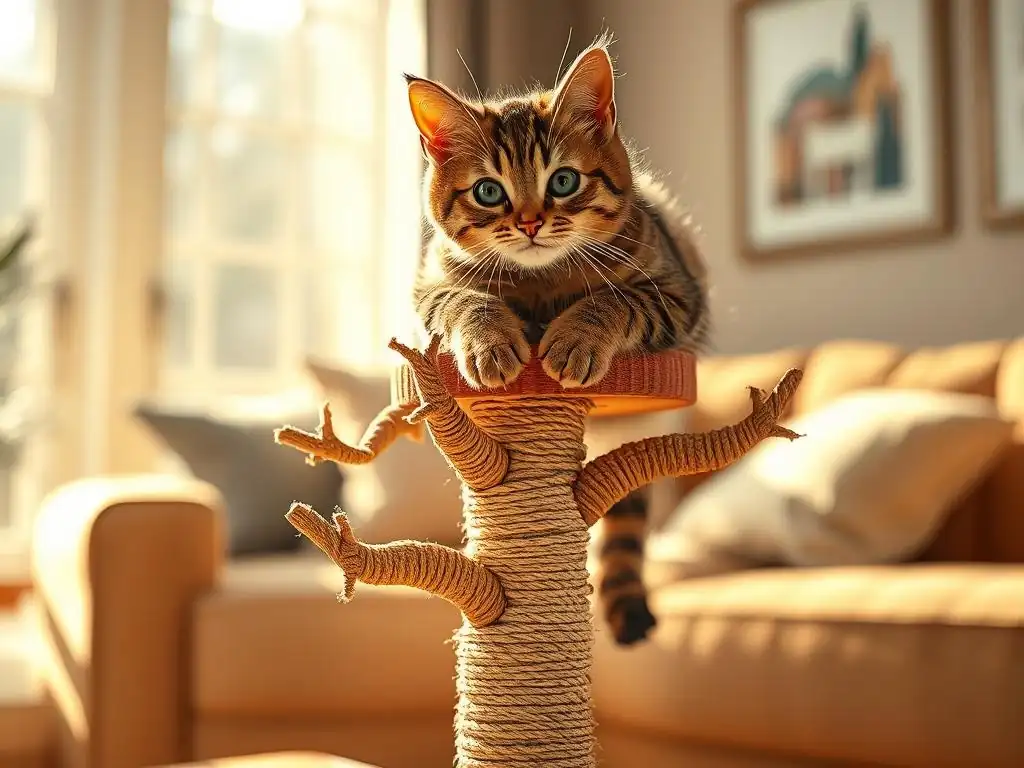
Welcome to PetCareWorld, your ultimate guide to a happier, healthier life for your beloved pets! Are you tired of your cat sharpening its claws on your favorite furniture? Discover amazing alternatives to traditional scratching posts in our in-depth article, "Best Cat Scratching Post Alternatives", and learn how to protect your belongings while keeping your feline friend happy and stimulated. Dive in and unlock the secrets to a harmonious home, exploring solutions that will leave both you and your cat purring with satisfaction!
- Understanding Cat Scratching Behavior
-
Best Cat Scratching Post Alternatives
- Cardboard Scratchers: Budget-Friendly Options and Recycling
- Sisal Rope Scratching Posts: Durability and Texture Variety
- Carpet Scratching Pads: Mimicking Familiar Textures and Providing Comfort
- Wooden Scratching Posts: Natural Materials and Aesthetics
- Multi-Level Cat Trees: Engaging Vertical Space and Scratching Surfaces
-
Choosing the Right Cat Scratching Alternative
- Cat Breed and Size: Matching Scratching Post Dimensions to Your Cat
- Observing Your Cat's Scratching Preferences: Identifying Preferred Textures and Styles
- Optimal Placement of Scratching Posts: Encouraging Use Through Strategic Positioning
- Material Durability and Maintenance: Selecting Long-Lasting and Easy-to-Clean Options
- Encouraging Your Cat to Use the New Scratching Alternative
- Advanced Strategies for Persistent Scratching
- Maintaining Your Cat's Scratching Alternative
-
Frequently Asked Questions
- What are the best alternatives to a cat scratching post?
- Why do cats scratch furniture if they have a scratching post?
- Are there any DIY cat scratching post alternatives I can make?
- How can I encourage my cat to use the alternative scratching surface?
- What if my cat continues to scratch my furniture despite the alternatives?
- Final Reflection: Rethinking the Scratching Post: A Purrfect Partnership
- Unleash Your Cat's Inner Architect: Design a Scratching Paradise!
Understanding Cat Scratching Behavior
Cats scratching is a natural and essential behavior, often misunderstood by their human companions. This isn't just about causing damage to your furniture; it's a complex activity driven by a combination of instinct, physical needs, and emotional well-being. This article explores the reasons behind cat scratching, highlighting the importance of providing suitable alternatives to prevent unwanted destruction while ensuring your feline friend remains happy and healthy.
We'll delve into why your cat scratches, examining the underlying reasons and offering practical solutions to redirect this natural behavior away from your prized possessions. Choosing the best cat scratching post alternatives is crucial for both you and your cat, and this guide will help you navigate the options to find the perfect fit. Understanding the why behind the scratching is the first step towards solving the problem effectively and creating a harmonious home environment for both you and your furry friend.
The Importance of Claw Maintenance for Cats
Cats scratch to maintain their claws. Their claws are constantly growing, and scratching helps to remove the outer, dead layers, keeping them sharp and effective for hunting (even indoor cats retain this instinct) and climbing. Think of it as a natural manicure! Failing to provide adequate scratching surfaces leads to overgrown claws, which can become ingrown, causing pain and infection.
Overgrown claws can also make it difficult for cats to walk comfortably, impacting their mobility and overall well-being. Providing appropriate scratching surfaces is therefore crucial for your cat's physical health and comfort. Regular claw trimming, while helpful, doesn't replace the essential act of scratching.
The scratching action itself is vital for the cat's physical well-being, stimulating blood flow to the claws and keeping them healthy. Ignoring this crucial aspect of feline care can lead to various health problems down the line. This is why providing alternatives is not simply about protecting your furniture; it's about responsible pet ownership.
Scent Marking and Territorial Behavior in Cats
Scratching is also a significant form of scent marking for cats. Cats have scent glands in their paws, and when they scratch, they leave behind visual and olfactory marks that communicate their presence and territory to other cats. This behavior is deeply ingrained in their instincts, and it's a vital part of their communication system. By scratching on various surfaces, they're essentially creating a "map" of their territory, reassuring themselves and sending messages to other felines.
This territorial behavior is particularly prominent in multi-cat households, where competition for resources and space can be heightened. Providing multiple scratching posts in different locations can help to reduce territorial conflict by giving each cat a sense of ownership and control over their space. Consider placement strategically, taking into account your cat's preferred routes and resting areas. This is important for maintaining a peaceful and harmonious environment for all your feline companions.
Stress and Boredom as Contributors to Scratching
Excessive scratching can sometimes indicate underlying stress or boredom. A cat that's feeling anxious, lonely, or understimulated may scratch more frequently and intensely as a way to cope with these negative emotions. Environmental changes, such as a new pet, a move to a new house, or even a change in routine, can trigger increased scratching behavior.
Similarly, a lack of enrichment and play can lead to frustration and boredom, manifesting as destructive scratching. Providing ample opportunities for play, interaction, and mental stimulation is therefore crucial for managing stress and preventing excessive scratching. This includes interactive toys, puzzle feeders, and dedicated playtime sessions.
A happy, stimulated cat is less likely to resort to destructive scratching as a coping mechanism. Observing your cat's behavior and identifying potential stressors is key to addressing the root cause of the problem and providing effective solutions. Remember, a well-adjusted cat is a happy cat, and a happy cat is less likely to damage your furniture!
Best Cat Scratching Post Alternatives
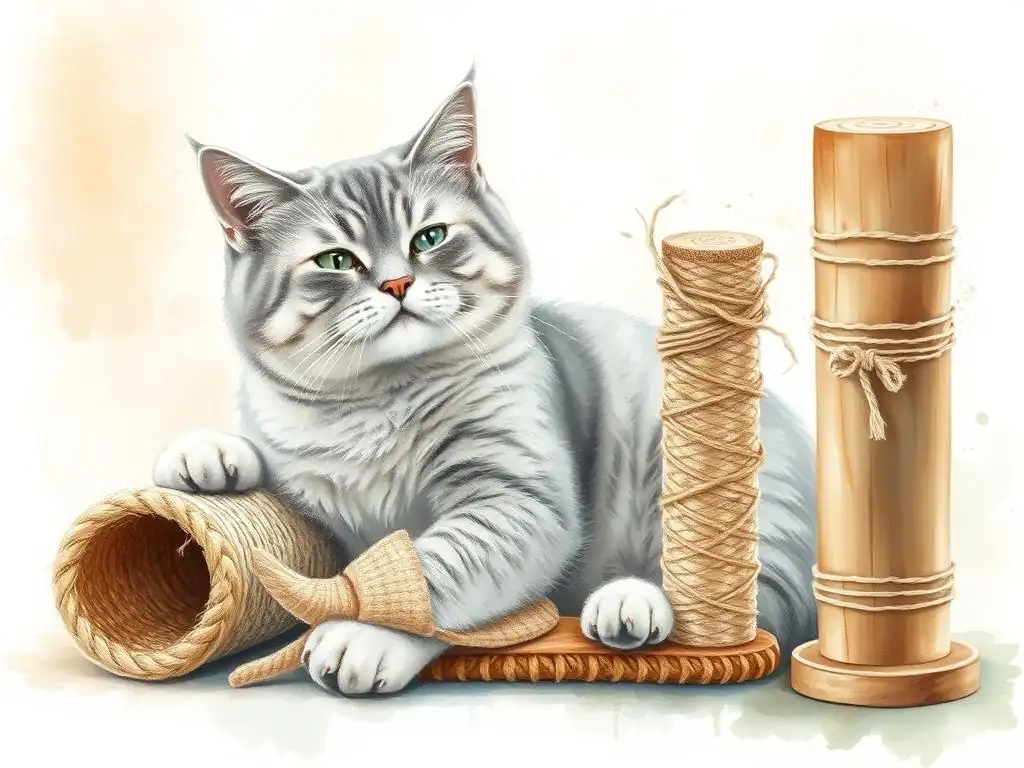
This section explores effective alternatives to traditional scratching posts, focusing on materials readily available and appealing to feline scratching instincts. Understanding your cat's scratching behavior is key to selecting the best alternative for their needs and your furniture's safety. We'll examine several options, considering factors like cost-effectiveness, durability, and the satisfaction they provide for your cat. Finding the right solution can significantly reduce unwanted scratching on your belongings and promote healthy claw maintenance for your beloved companion.
Cardboard Scratchers: Budget-Friendly Options and Recycling
Cardboard scratchers represent a fantastically affordable and readily accessible alternative to conventional scratching posts. Many pet stores offer pre-made versions, often infused with catnip for added allure. However, the beauty of cardboard lies in its recyclability and adaptability. You can easily create your own scratching surfaces using recycled cardboard boxes, corrugated sheets, or even toilet paper rolls.
The texture of cardboard, particularly corrugated cardboard, effectively satisfies a cat's need to shed their claws. The layers provide a satisfying scratching experience, similar to the feel of tree bark. Furthermore, the relatively soft nature of cardboard minimizes the risk of injury to your cat's claws.
Several advantages make cardboard scratchers an excellent choice:
- Cost-effectiveness: Recycled cardboard is practically free! Pre-made options are generally inexpensive compared to other scratching post materials.
- Easy replacement: Once a cardboard scratcher is worn down, simply replace it with a new one – a sustainable and convenient solution.
- Environmental friendliness: Utilizing recycled cardboard reduces waste and promotes eco-conscious pet ownership.
- Variety of shapes and sizes: You can easily customize the shape and size of your cardboard scratcher to suit your cat's preferences and your home decor. Consider creating a series of smaller scratchers for added interest.
Consider these tips for maximizing the appeal of your cardboard scratcher:
- Catnip: Sprinkle catnip on the cardboard to enhance its attractiveness.
- Strategic placement: Position the scratcher near your cat's favorite napping spots or high-traffic areas.
- Regular replacement: Replace worn-out cardboard scratchers promptly to prevent your cat from resorting to your furniture.
Sisal Rope Scratching Posts: Durability and Texture Variety
Sisal rope scratching posts offer a robust and long-lasting alternative. The coarse texture of sisal rope provides excellent scratching satisfaction for cats, effectively mimicking the feel of natural surfaces like trees. Unlike cardboard, sisal rope scratching posts are significantly more durable, offering extended use before needing replacement.
The tightly woven nature of sisal rope also ensures that it stands up to vigorous scratching, preventing it from fraying or becoming easily damaged. This makes sisal rope a cost-effective choice in the long run, despite its initial higher price compared to cardboard.
Sisal rope scratching posts come in a variety of shapes and sizes, including upright posts, horizontal boards, and even scratching tunnels, offering options to cater to different cat preferences and space constraints. Some even incorporate catnip or other enticing elements to further increase their appeal.
Here's a comparison of sisal rope and cardboard scratchers:
| Feature | Sisal Rope Scratching Post | Cardboard Scratcher |
|---|---|---|
| Durability | High | Low |
| Cost | Higher | Lower |
| Texture | Coarse, firm | Moderately coarse, softer |
| Environmental Impact | Moderate (due to rope production) | Low (recycled material) |
| Longevity | Long | Short |
The superior durability and long-lasting nature of sisal rope scratching posts make them a worthwhile investment for cat owners seeking a durable and effective scratching solution.
Carpet Scratching Pads: Mimicking Familiar Textures and Providing Comfort
Carpet scratching pads offer a unique approach to satisfying your cat's scratching instincts by replicating the familiar texture of carpeting. These pads, often made from durable, heavy-duty carpet remnants, provide a comfortable and familiar surface for scratching. Many cats find the soft yet slightly textured feel of carpet particularly appealing.
The advantage of carpet scratching pads lies in their ability to mimic the texture of carpets or rugs, which some cats may already be inclined to scratch. This makes it a particularly effective solution if your cat is already targeting your existing carpets. By providing a designated scratching area with a similar texture, you can redirect their behavior away from your valuable furniture.
Unlike sisal rope or cardboard, carpet scratching pads offer a softer scratching experience, potentially making them more appealing to cats with sensitive paws. They also tend to be more forgiving on your floors, reducing the risk of scratches or damage. However, they may not last as long as sisal rope options and require more frequent replacement.
Consider these points when choosing a carpet scratching pad:
- Thickness and density: A thicker, denser carpet will provide a more satisfying scratching experience.
- Material: Opt for durable, high-quality carpet materials to ensure longevity.
- Size: Choose a size that's appropriate for your cat's size and scratching habits. A larger pad might be preferable for more vigorous scratchers.
Remember, regular cleaning and timely replacement are crucial to maintaining hygiene and ensuring the continued effectiveness of your carpet scratching pad. Providing a variety of scratching surfaces, including both rough and soft options, will often lead to the happiest and healthiest cat.
Wooden Scratching Posts: Natural Materials and Aesthetics
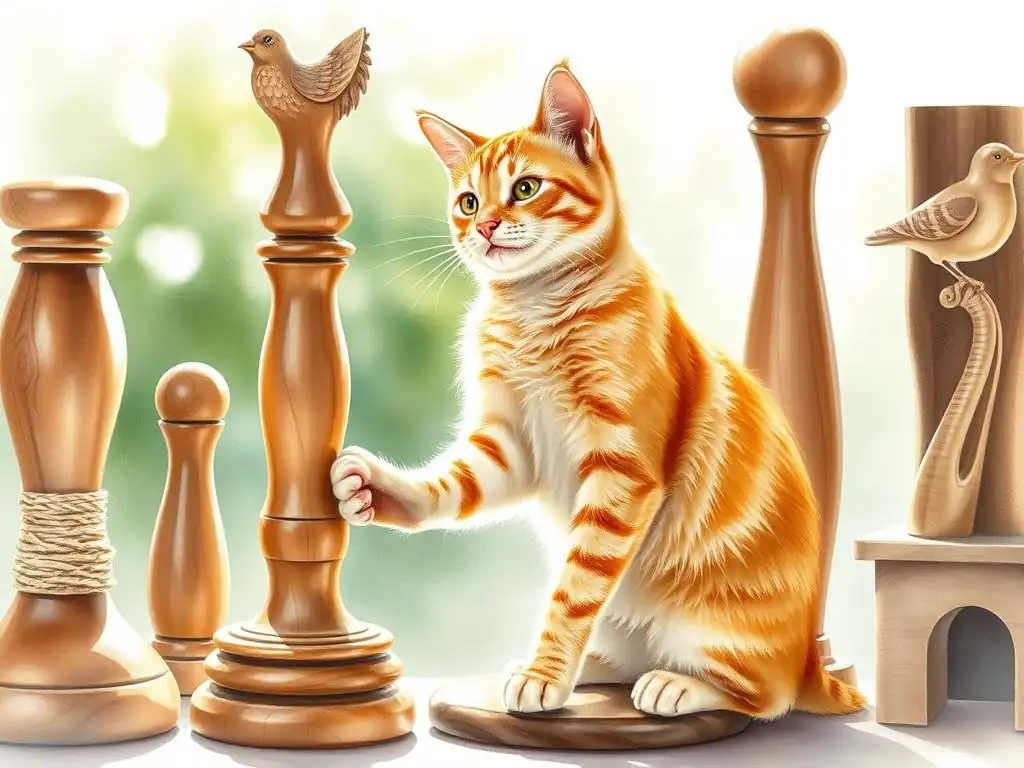
Wooden scratching posts offer a fantastic alternative to traditional sisal or cardboard options, appealing to both cats and their owners. The natural aesthetic of wood integrates seamlessly into most home decors, unlike some of the more brightly colored or overtly "pet-related" scratching posts. Furthermore, many cats find the texture of wood, particularly untreated or lightly sanded wood, incredibly satisfying for scratching. The slightly rougher surface provides the tactile stimulation they crave, fulfilling their instinctual need to shed their claws.
The durability of a well-made wooden scratching post is another significant advantage. Unlike cardboard, which can easily shred and become unusable, a solid wood post can last for years, even with regular use by a determined feline. Choosing hardwoods like oak or maple ensures longevity and resistance to wear and tear.
However, it's crucial to select posts made from sustainably sourced wood to support environmentally responsible practices. Consider the size and weight of the post; heavier posts are less likely to tip over, providing a more stable and secure scratching experience for your cat. Some wooden posts even come with added features like catnip pouches or built-in toys to further enhance their appeal.
Regular maintenance, such as occasional sanding or reapplication of a pet-safe sealant, will prolong the life of your wooden scratching post and keep it looking its best. The investment in a high-quality wooden scratching post is a worthwhile one, offering both aesthetic appeal and long-term functionality.
Multi-Level Cat Trees: Engaging Vertical Space and Scratching Surfaces
Multi-level cat trees provide a comprehensive solution to scratching behavior, combining vertical space for climbing and exploration with dedicated scratching surfaces. Cats are naturally arboreal creatures, and these trees allow them to satisfy their innate desire to climb and survey their territory from a vantage point. The inclusion of multiple scratching posts or pads at various heights caters to different scratching preferences and positions. Some cats prefer to scratch vertically, while others might prefer a horizontal surface. A multi-level cat tree accommodates both, making it a more versatile and appealing option than a single scratching post.
The design and construction of cat trees vary considerably. Some are simple structures with a few platforms and scratching posts, while others are elaborate complexes with numerous levels, tunnels, and hiding places. Consider your cat's personality and energy level when choosing a tree. An active cat will appreciate a larger, more complex tree with plenty of climbing opportunities, whereas a more sedentary cat may be content with a smaller, simpler model.
The materials used in the construction are also important. Look for sturdy, durable materials that can withstand the wear and tear of regular use. Carpeting, sisal, and even wood can be used to create scratching surfaces on cat trees, offering a variety of textures to appeal to different cats.
Ensure that the tree is stable and won't easily tip over, especially if you have a larger or more boisterous cat. A well-designed multi-level cat tree offers a multifaceted solution, addressing scratching behavior while simultaneously providing enrichment and entertainment for your feline companion. The benefits extend beyond simply preventing furniture damage; it contributes to your cat's overall physical and mental well-being.
Choosing the Right Cat Scratching Alternative
Finding the best cat scratching post alternatives for your feline friend requires careful consideration of several factors. Simply providing any alternative won't guarantee success; understanding your cat's individual preferences is key to preventing unwanted scratching on your furniture. This section explores crucial elements to consider when selecting a suitable alternative, ensuring a harmonious co-existence between your cat and your belongings. Remember, the goal is to provide a satisfying scratching experience that redirects their natural behavior away from your prized possessions.
Cat Breed and Size: Matching Scratching Post Dimensions to Your Cat
The physical dimensions of your cat significantly influence their scratching preferences. Larger breeds like Maine Coons or Norwegian Forest Cats require robust, taller scratching posts that can accommodate their size and weight. A small scratching post might feel inadequate and unstable, leading them to seek out sturdier alternatives – like your sofa! Conversely, smaller breeds like Siamese or Munchkins may find oversized posts cumbersome and less appealing.
Consider these guidelines:
| Cat Breed Size Category | Recommended Scratching Post Height (approx.) | Recommended Post Diameter (approx.) | Material Considerations |
|---|---|---|---|
| Small (e.g., Siamese, Munchkin) | 18-24 inches | 2-3 inches | Sisal, carpet, cardboard |
| Medium (e.g., Domestic Shorthair, Abyssinian) | 24-36 inches | 3-4 inches | Sisal, carpet, wood |
| Large (e.g., Maine Coon, Norwegian Forest Cat) | 36+ inches | 4+ inches | Sturdy sisal, thick carpet, multiple posts |
Choosing the appropriate size ensures your cat feels comfortable and secure using their designated scratching area, minimizing the temptation to use your furniture instead. Remember to regularly check the stability of the post, especially for larger cats. A wobbly post can be frustrating and deter its use.
Observing Your Cat's Scratching Preferences: Identifying Preferred Textures and Styles
Cats exhibit diverse preferences regarding scratching surfaces. Some cats adore the rough texture of sisal, while others prefer the softer feel of carpet or even corrugated cardboard. Observing your cat's current scratching habits is vital in choosing an effective alternative. Does your cat prefer vertical scratching, horizontal scratching, or a combination of both? Do they favor a specific material or texture?
Pay close attention to where your cat currently scratches. Is it a vertical surface like a leg of the couch or a horizontal surface like the armrest? This observation will guide you towards selecting an alternative that closely mimics their preferred scratching style. For example, if your cat loves scratching horizontally, a long, flat scratching pad might be a better option than a tall vertical post. Experimentation is key!
You might even find your cat enjoys a combination of textures and styles. Try offering different options to see what they gravitate towards. This understanding will significantly improve your chances of success in redirecting their scratching behavior. Remember to introduce the new scratching post gradually and positively.
Optimal Placement of Scratching Posts: Encouraging Use Through Strategic Positioning
Even the best cat scratching post alternatives will fail if not placed strategically. Consider your cat's habits and their preferred locations within your home. Placing the scratching post near their favorite sleeping or playing areas increases the likelihood of them using it. Avoid placing the post in high-traffic areas or locations where your cat feels insecure or threatened.
Here are some tips for optimal placement:
- Near their favorite resting spots: Cats often stretch and scratch after waking up or before settling down.
- In a well-lit area: Cats prefer well-lit spaces and are more likely to use a scratching post that's easily visible.
- Away from food and water bowls: These areas are typically associated with rest and relaxation, not scratching.
- Against a wall: This provides stability and a sense of security.
Experiment with different placements until you find the ideal location that encourages your cat to use the scratching post consistently. Patience and observation are key to success in redirecting this natural feline behavior. Remember, consistency is crucial in establishing a new routine and eliminating unwanted scratching on your furniture. 🎉
Material Durability and Maintenance: Selecting Long-Lasting and Easy-to-Clean Options
Choosing a durable and easy-to-clean scratching alternative is crucial for long-term satisfaction and minimizing your workload. Cats, especially kittens, can be quite vigorous when scratching, so the material needs to withstand their enthusiasm. Consider the following factors:
- Sisal: Sisal rope is a popular choice for scratching posts due to its rugged texture and natural fibers. It's relatively durable, offering good resistance to wear and tear from even the most enthusiastic scratchers. However, sisal can fray over time, and regular inspection and trimming of loose fibers are necessary. Cleaning is usually straightforward; a quick vacuuming or brushing is often sufficient. For deeper cleaning, a damp cloth can be used, but ensure it's completely dry before allowing your cat access again to prevent mold or mildew.
- Carpet: Carpet remnants or purpose-made scratching pads offer a softer scratching surface than sisal. The durability varies greatly depending on the carpet's quality and density. Thicker, tightly woven carpets will last longer. Carpet scratching posts or pads are generally easy to clean; vacuuming is usually sufficient. Spot cleaning with a pet-safe stain remover can address accidents. However, be mindful that certain carpet types can shed more readily than others.
- Cardboard: Cardboard scratchers are a budget-friendly and readily available option. They're generally less durable than sisal or high-quality carpet, but their affordability means they can be easily replaced when worn down. Cardboard scratchers are typically very easy to clean; simply discard and replace as needed. This makes them an excellent choice for those on a tighter budget or for cat owners whose cats show a preference for this material.
- Wood: While some cats enjoy scratching wood, it's important to choose a hardwood known for its durability, such as oak or maple. Softwoods like pine tend to be less durable and can splinter, posing a potential hazard to your cat. Wood scratchers typically require more maintenance; regular sanding or replacing is often necessary. Cleaning is generally straightforward, a damp cloth is suitable, but avoid excessive moisture to prevent warping or damage.
The best material will depend on your cat's preferences and your budget. Observe your cat's scratching habits to determine the texture and type of material they seem to gravitate towards. Remember, regular inspection and timely cleaning will prolong the lifespan of any scratching alternative, keeping your furniture safe and your cat happy. Choosing a material that aligns with both your cat's preferences and your cleaning routine is key to finding the perfect "best cat scratching post alternative."
Encouraging Your Cat to Use the New Scratching Alternative
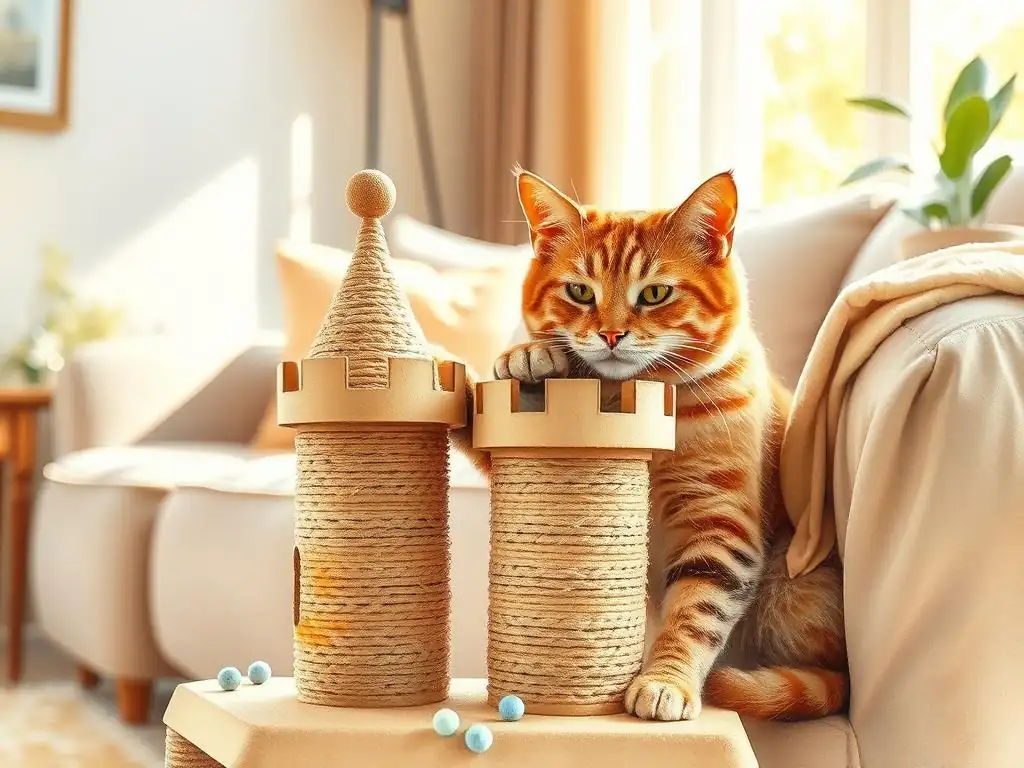
Successfully transitioning your cat from scratching your furniture to using a designated scratching post alternative requires patience and a strategic approach. Simply placing a new scratching post and hoping for the best rarely works. Instead, you need to actively encourage your feline friend to adopt the new scratching surface.
This involves understanding feline behavior and employing positive reinforcement techniques. The key is to make the new scratching post or alternative irresistibly appealing while simultaneously discouraging furniture scratching. This section will delve into the practical steps you can take to achieve this goal and find the best cat scratching post alternatives.
Positive Reinforcement Training: Rewarding Appropriate Scratching Behavior
Positive reinforcement is the cornerstone of successful cat training. It focuses on rewarding desired behaviors, making them more likely to be repeated. When your cat uses the new scratching alternative, immediately reward them with a treat, praise, or a favorite toy. Consistency is key; every time your cat scratches the designated surface, provide a reward. This creates a positive association between the scratching post and positive reinforcement. The timing is crucial; the reward must be given immediately after the desired behavior to effectively reinforce it.
Consider using a clicker for more precise timing. A clicker provides a consistent and easily identifiable signal marking the exact moment the desired behavior occurs. Pair the clicker sound with an immediate reward to create a strong association. This method increases the effectiveness of your training. Remember, patience is vital; cats learn at their own pace, and it may take some time for them to fully adopt the new scratching post.
Here's a sample training schedule you can adapt:
| Day | Morning Session | Afternoon Session | Evening Session |
|---|---|---|---|
| 1 | 3 reward sessions (5 minutes each) | 2 reward sessions (5 minutes each) | 1 reward session (5 minutes) |
| 2 | 3 reward sessions (5 minutes each) | 2 reward sessions (10 minutes each) | 1 reward session (10 minutes) |
| 3-7 | Gradually increase session length and reduce the frequency of rewards as your cat becomes more consistent. |
Enhancing Attractiveness: Using Catnip, Toys, or Treats
Making the new scratching post irresistible is crucial. Many cats are naturally attracted to catnip, and sprinkling some on the scratching post can significantly increase its appeal. The scent stimulates their natural scratching instincts, making them more likely to investigate and use the post. However, not all cats respond to catnip; some might even be indifferent to it.
If catnip doesn't work, try placing a favorite toy near the scratching post. The association of play and the scratching post can encourage your cat to use it. Alternatively, you can strategically place treats near or on the scratching post. This creates a positive association with the post and makes it a desirable place to be. Experiment with different approaches to determine what works best for your cat. Remember to always use safe and non-toxic materials and treats.
Gradual Introduction of the New Scratching Post: Minimizing Stress and Anxiety
Introducing a new scratching post abruptly can cause stress and anxiety in your cat. A gradual introduction helps them adapt more easily. Initially, place the new scratching post near their favorite sleeping or playing area. This allows them to get used to its presence without feeling overwhelmed. Avoid forcing your cat to use the post; let them approach it at their own pace.
Over time, gradually move the scratching post to its final location. This slow transition minimizes disruption and makes the adjustment process smoother. If your cat shows signs of stress or anxiety, such as hissing, avoidance, or hiding, slow down the process and give them more time to adjust. Patience and understanding are crucial for a successful transition. Remember, the goal is to make the new scratching post a positive and comfortable experience for your cat, ultimately leading to the best cat scratching post alternatives for your home and your cat's happiness.
Addressing Underlying Behavioral Issues: Identifying and Addressing Root Causes
Cats scratch for a variety of reasons, and simply providing an alternative scratching post might not solve the problem if underlying behavioral issues are at play. Understanding these root causes is crucial for successfully redirecting your cat's scratching behavior. Often, scratching isn't just about sharpening claws; it's a complex behavior with multiple contributing factors.
One common reason is stress or anxiety. Changes in the household, such as a new pet, a move, or even a change in family routine, can significantly impact a cat's behavior, leading to increased scratching as a way to cope with stress. Observe your cat's overall behavior. Is it more withdrawn? Is it hiding more than usual?
Is its appetite affected? These are all indicators of potential stress. Addressing the source of the stress, whether it's providing more quiet spaces, using pheromone diffusers, or consulting a veterinarian, is essential. Ignoring the underlying stress will likely result in continued scratching, even with the best scratching post alternative.
Another significant factor is territorial marking. Cats use scratching to leave scent marks, claiming their territory. This is particularly true for unneutered cats. Neutering can significantly reduce this behavior, but even neutered cats may still exhibit territorial scratching. Providing multiple scratching posts strategically placed throughout the house can help satisfy this need. Consider placing one near their food and water bowls and another near their sleeping area—essentially, areas they consider their domain. This provides them with multiple opportunities to mark their territory appropriately.
Finally, boredom and lack of enrichment can also lead to increased scratching. Cats are naturally active animals, and a lack of stimulation can manifest as destructive behaviors, including excessive scratching. Ensure your cat has plenty of toys, climbing structures, and opportunities for play. Interactive play sessions, where you engage directly with your cat, are particularly effective in burning off excess energy and reducing the likelihood of destructive scratching.
Rotating toys regularly keeps your cat engaged and prevents boredom. Remember, a happy, stimulated cat is less likely to resort to destructive scratching behaviors. Addressing these underlying issues alongside providing a suitable scratching alternative significantly increases the chances of success in redirecting your cat's behavior. The combination of a satisfying scratching option and a stress-free, enriched environment is key to long-term success.
Advanced Strategies for Persistent Scratching
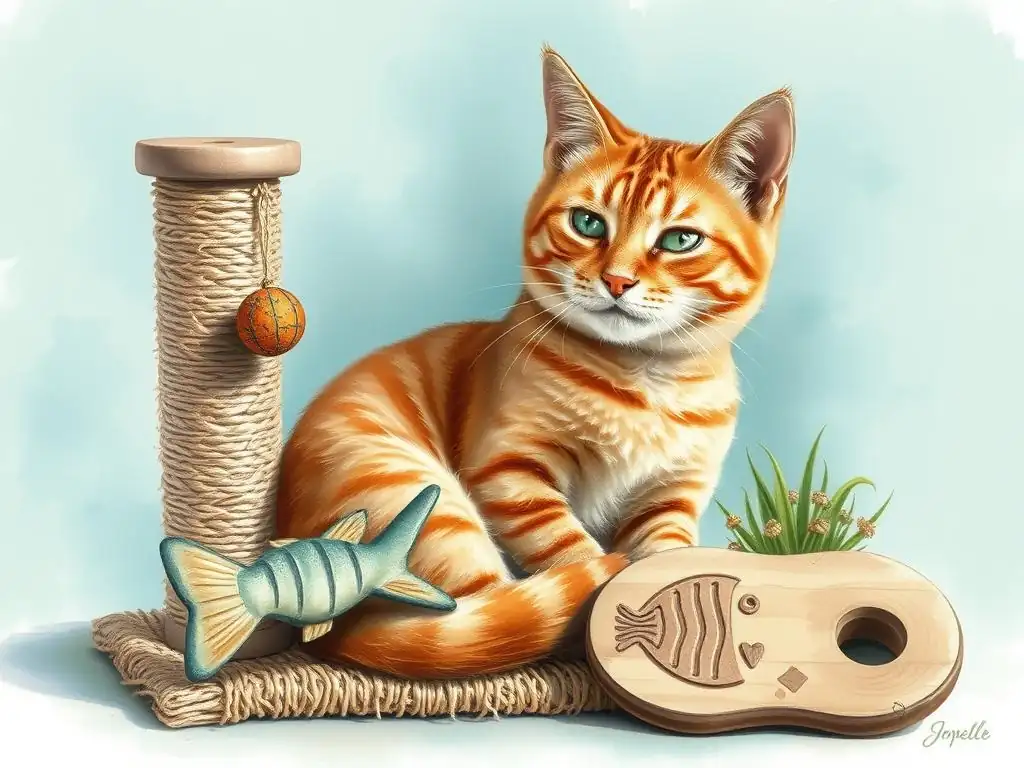
Even after implementing basic scratching post alternatives, some cats stubbornly persist with unwanted scratching. This section explores more advanced strategies for managing persistent scratching behavior. Understanding the underlying causes and employing targeted solutions is key to success. We'll delve into identifying and eliminating environmental triggers, the safe and effective use of deterrents, and the importance of veterinary consultation to rule out any underlying medical issues contributing to the problem. Remember, patience and consistency are crucial when addressing persistent scratching.
Identifying and Eliminating Scratching Triggers: Addressing Environmental Factors
Persistent scratching often stems from unmet needs or environmental stressors. A thorough assessment of your cat's environment is vital. Consider these key factors:
- Stress and Anxiety: Changes in routine, new pets or people, loud noises, or even a rearranged furniture layout can trigger increased scratching. Identify potential stressors and implement strategies to mitigate them. This might involve providing more hiding places, creating a calming environment, or using pheromone diffusers (Feliway) to reduce anxiety.
- Lack of Enrichment: Boredom can lead to destructive scratching. Ensure your cat has ample opportunities for play, exploration, and mental stimulation. Interactive toys, puzzle feeders, and climbing structures can significantly reduce the urge to scratch inappropriately. Rotate toys regularly to maintain interest.
- Territorial Marking: Cats scratch to mark their territory, leaving scent glands on the surface. If your cat is scratching in multiple locations, this might be a dominant factor. Providing multiple scratching posts strategically placed throughout the house can help satisfy this need. Consider vertical scratching posts near frequently used areas, such as doorways or windows.
- Insufficient Scratching Surfaces: Even with scratching posts, the type, material, and placement might not suit your cat's preferences. Experiment with different materials (sisal, cardboard, carpet) and post heights to find what your feline friend prefers. A variety of textures and heights cater to diverse scratching styles.
- Negative Associations: If your cat has had a negative experience near a specific piece of furniture (e.g., a scolding), it may associate that area with fear or stress, leading to increased scratching. Re-train your cat's association with positive reinforcement near this furniture.
Strategic Use of Deterrents: Safely Applying Repellents
While addressing underlying causes is paramount, deterrents can help manage scratching in the short term. However, never use harsh chemicals or punish your cat for scratching. This only creates fear and anxiety, exacerbating the problem. Focus on safe and humane deterrents:
- Citrus Scents: Cats generally dislike citrus smells. Place orange or lemon peels near furniture your cat is scratching. However, ensure it's out of their reach to avoid ingestion. This is a mild deterrent, and its effectiveness varies among cats.
- Sticky Tape: Double-sided tape applied to furniture can make scratching unpleasant. Cats dislike the sticky sensation on their paws. This is a temporary solution and should be combined with positive reinforcement methods. Monitor your cat regularly to ensure the tape does not cause injury.
- Commercial Repellents: Several commercially available repellents are designed to deter scratching without harming your cat. Look for products that use natural ingredients and are specifically designed for cats. Always follow the manufacturer's instructions carefully.
Remember, deterrents are most effective when used in conjunction with providing appropriate scratching alternatives and addressing the root causes of the behavior. The goal is not to punish, but to redirect your cat’s scratching behavior to acceptable surfaces.
Veterinary Consultation: Ruling Out Medical Conditions Affecting Scratching Behavior
Increased scratching can sometimes indicate an underlying medical condition. If your cat's scratching behavior is sudden, excessive, or accompanied by other symptoms (e.g., lameness, skin changes, excessive grooming), a veterinary consultation is crucial. Several medical conditions can manifest as increased scratching:
- Arthritis: Pain in the joints can make it uncomfortable for your cat to use their claws normally, leading to increased scratching to relieve discomfort.
- Skin Allergies: Itching and discomfort from allergies can prompt excessive scratching.
- Fungal or Bacterial Infections: Skin infections can cause intense itching and lead to compulsive scratching.
- Hyperesthesia: This neurological disorder causes extreme sensitivity to touch, leading to excessive grooming and scratching.
A thorough veterinary examination can identify any medical issues and provide appropriate treatment. Addressing underlying health problems is essential for resolving persistent scratching and ensuring your cat's overall well-being. Early detection and treatment are key to preventing complications.
Maintaining Your Cat's Scratching Alternative
This section focuses on the upkeep of your chosen cat scratching alternative, ensuring its longevity and appeal to your feline friend. A well-maintained scratching post alternative is crucial not only for protecting your furniture but also for maintaining your cat's healthy scratching behavior and overall well-being. Neglecting maintenance can lead to decreased effectiveness and potentially even harm your cat. We'll explore key aspects of maintaining various types of scratching alternatives, from sisal rope posts to cardboard scratchers.
Regular Cleaning and Hygiene: Maintaining Attractiveness and Preventing Bacterial Growth
Regular cleaning is paramount to keeping your cat's scratching alternative attractive and hygienic. Cats are meticulous groomers, but their scratching posts can accumulate dander, hair, and bacteria. The frequency of cleaning depends on the material and your cat's usage. For example, a heavily used cardboard scratcher might need replacing more frequently than a sturdy sisal post.
Here's a breakdown of cleaning recommendations for different materials:
| Material | Cleaning Frequency | Cleaning Method | Considerations |
|---|---|---|---|
| Cardboard | Weekly or bi-weekly | Replace when heavily worn or soiled. | Dispose of responsibly; avoid harsh chemicals. |
| Sisal Rope | Monthly | Vacuum thoroughly, spot clean with mild soap & water | Allow to dry completely before returning to use. |
| Carpet/Fabric | Monthly | Vacuum, spot clean with pet-safe enzyme cleaner | Air dry thoroughly to prevent mold and mildew growth. |
| Wood | As needed | Wipe with damp cloth and mild soap; avoid excessive moisture | Sand down rough edges to prevent splintering. |
Remember to always use pet-safe cleaning products, avoiding harsh chemicals that could be harmful to your cat. A simple solution of mild soap and water is often sufficient. Thoroughly rinse and dry the scratching post after cleaning to prevent the growth of bacteria and mold. Regular cleaning not only extends the life of your scratching post alternative but also contributes to a healthier environment for your beloved pet. This is especially important for preventing the spread of common feline illnesses.
Recognizing Signs of Wear and Tear: Determining When Replacement is Necessary
Even with regular cleaning, your cat's scratching alternative will eventually show signs of wear and tear. Recognizing these signs is crucial to ensure your cat continues to have a safe and satisfying scratching experience. Prolonged use of a damaged scratching post can lead to injury or frustration for your cat.
Signs that your cat's scratching post needs replacing include:
- Significant fraying or unraveling: If the sisal rope is significantly frayed or the carpet is coming apart, it's time for a replacement. This poses a risk of your cat ingesting loose fibers.
- Excessive damage or structural instability: A broken or wobbly scratching post is unsafe and ineffective.
- Loss of attraction: If your cat loses interest in the scratching post, it might be due to wear and tear, making it less appealing. Consider its texture and stability.
- Strong unpleasant odor: Despite regular cleaning, a persistent unpleasant odor might indicate bacterial growth or other issues requiring replacement.
Regularly inspect your cat's scratching post alternative for these signs. Proactive replacement prevents potential hazards and ensures your cat maintains healthy scratching habits. Choosing durable, high-quality materials from the start can extend the lifespan of your scratching post significantly.
Eco-Friendly and Sustainable Options: Choosing Responsible Scratching Post Materials
Choosing an eco-friendly scratching post alternative is not only good for the environment but also aligns with responsible pet ownership. Many sustainable options are available, providing a healthier choice for both your cat and the planet.
Consider these eco-conscious options:
- Recycled Cardboard Scratchers: These are readily biodegradable and often made from recycled materials. They are a low-cost, readily replaceable option.
- Sisal Scratching Posts from Sustainable Sources: Look for sisal sourced from responsibly managed plantations. Sisal is a durable, natural fiber.
- Wooden Scratching Posts from Reputable Suppliers: Opt for sustainably harvested wood, avoiding those from endangered forests. Ensure the wood is treated with pet-safe finishes.
- Upcycled Materials: Get creative! Old logs, appropriately treated, can make excellent scratching posts.
By opting for sustainable materials, you reduce your environmental impact while providing your cat with a safe and enriching scratching experience. Remember to always check product labels for certifications and information regarding sustainable sourcing practices. Choosing eco-friendly alternatives is a simple yet impactful way to contribute to a greener future for all.
Frequently Asked Questions
What are the best alternatives to a cat scratching post?
Many durable materials can satisfy your cat's scratching needs. Consider cardboard scratchers, sisal rope-covered surfaces, or even specially designed scratching pads. These offer various textures and can be easily replaced.
Why do cats scratch furniture if they have a scratching post?
Cats scratch to sharpen their claws, mark their territory, and stretch their muscles. Even with a post, they may prefer different textures or locations. Providing multiple scratching options in various materials and locations is key.
Are there any DIY cat scratching post alternatives I can make?
Yes! You can create a scratching post using old carpet remnants, thick cardboard boxes, or even wrapped pieces of wood. Ensure the material is sturdy and appealing to your cat.
How can I encourage my cat to use the alternative scratching surface?
Positive reinforcement is crucial. Reward your cat with treats or praise when they use the alternative. Place the alternative near their favorite scratching spots to encourage its use. Consider catnip to entice them.
What if my cat continues to scratch my furniture despite the alternatives?
If your cat persists, consult a veterinarian to rule out any underlying medical issues. A certified cat behaviorist can also help identify and address any behavioral problems contributing to the scratching.
Final Reflection: Rethinking the Scratching Post: A Purrfect Partnership
The age-old battle between feline claws and human furniture is far from over, but understanding our cats' scratching needs offers a path to peaceful co-existence. Ignoring this fundamental aspect of feline behavior only leads to damaged belongings and frustrated owners. This article has explored a range of creative and effective alternatives to the traditional scratching post, proving that a little ingenuity can go a long way in protecting your home while enriching your cat's life.
The impact of understanding our pets' natural instincts extends far beyond simply saving our sofas. It's about building a stronger bond based on mutual respect and understanding. By providing appropriate scratching surfaces, we're not just preventing damage; we're actively participating in our cats' well-being, fulfilling their innate need to stretch, sharpen their claws, and mark their territory. The cat who plays with you is a friend, the cat who plays by himself is a philosopher.
This quote highlights the importance of understanding our feline companions' unique personalities and needs, and providing them with the right tools to express themselves.
Consider the alternatives presented in this article – from sisal-wrapped furniture to cardboard scratchers – and choose the option that best suits your cat's personality and your home's aesthetic. Don't just replace the damage; proactively create a scratching environment that your cat will love. Observe your cat's behavior, experiment with different textures and materials, and most importantly, celebrate the harmonious relationship you'll build by understanding and meeting your feline friend's needs. The result? A happy cat, a happy home, and a purrfect partnership.
Unleash Your Cat's Inner Architect: Design a Scratching Paradise!
Thanks for exploring creative ways to satisfy your cat's scratching needs! We hope you're now ready to protect your furniture while enriching your feline friend's life. Ready to put your knowledge into action?
- Craft the perfect scratching post: Choose the right material—sisal, cardboard, or carpet—and build a custom post tailored to your cat's preferences. Let your creativity shine!
- Introduce alternative scratching surfaces: Strategically place a sisal rug or scratching pad near your cat's favorite napping spots. This encourages appropriate scratching behavior and protects your furniture.
- Share your successes (or challenges!): Let the PetCareWorld community know how your DIY project is going by sharing your experiences and tips in the comments below!
Now, tell us: Which scratching solution are you most excited to try, and why?