
The Best Cat Food Brands for Urinary Health: Our Top Picks

Welcome to PetCareWorld, your ultimate guide to a happier, healthier life for your beloved companion! Are you searching for the best cat food urinary tract health solutions? We understand the importance of providing your feline friend with optimal care, and our in-depth guide on choosing the right food will empower you to make informed decisions. Discover our top picks and unlock the secrets to maintaining your cat's urinary health – explore now and embark on a journey towards a healthier, happier cat!
- Understanding Feline Urinary Tract Health Issues
- Choosing the Best Cat Food for Urinary Health: Key Considerations
- Top Cat Food Brands for Urinary Tract Health: Our Expert Reviews
- Maintaining Optimal Urinary Tract Health Beyond Diet
- Frequently Asked Questions about Cat Food and Urinary Health
-
Frequently Asked Questions
- What is the most important factor to consider when choosing cat food for urinary tract health?
- My cat already has a urinary tract infection (UTI). Can I just change their food?
- Are there specific ingredients I should look for or avoid in cat food for urinary health?
- What if my cat doesn't like the new urinary health food?
- How often should I change my cat's food to maintain urinary tract health?
- Final Reflection: Nourishing a Lifetime of Health
- Unleash Your Cat's Purrfect Potential: Boost Urinary Health Today!
Understanding Feline Urinary Tract Health Issues
Maintaining your cat's urinary health is crucial for their overall well-being. Feline urinary tract issues are surprisingly common, and understanding the causes, symptoms, and preventative measures is key to ensuring a happy and healthy life for your furry friend. This article will delve into the best cat food brands specifically formulated to support urinary tract health, helping you make informed decisions to protect your cat from potential problems.
Choosing the right food can significantly reduce the risk of developing urinary tract infections (UTIs) and other related conditions, ultimately improving your cat's quality of life. We'll explore common problems, diagnostic methods, and the vital role nutrition plays in maintaining optimal urinary health in cats.
This guide focuses on providing you with the knowledge you need to select the best cat food for your cat's specific needs, ultimately contributing to a longer, healthier life for your feline companion. Remember, always consult your veterinarian for personalized advice and diagnosis.
Common Urinary Tract Problems in Cats
Cats, particularly males, are prone to a variety of urinary tract issues. Some of the most common problems include:
- Feline Idiopathic Cystitis (FIC): This frustrating condition is characterized by inflammation of the bladder, often with no identifiable underlying cause. Symptoms can include frequent urination, straining to urinate, blood in the urine (hematuria), and inappropriate urination outside the litter box. Stress, changes in environment, and diet can all contribute to FIC.
- Urinary Tract Infections (UTIs): Bacterial infections of the urinary tract are less common in cats than FIC, but they can still occur and require veterinary intervention. Symptoms are similar to FIC, including frequent urination, straining, and potentially blood in the urine.
- Urinary Stones (Uroliths): These mineral formations can block the urethra, causing severe pain and potentially life-threatening complications. Different types of stones exist, and their formation is often linked to diet and hydration levels. Struvite and calcium oxalate stones are the most common types.
- Feline Lower Urinary Tract Disease (FLUTD): This is an umbrella term encompassing a range of conditions affecting the lower urinary tract, including FIC, UTIs, and uroliths. The underlying causes can be complex and often require a comprehensive veterinary examination.
The prevalence of these conditions highlights the importance of proactive measures, including selecting a suitable diet to minimize risk. Regular veterinary check-ups are also essential for early detection and treatment.
A healthy urinary tract is vital for your cat’s overall health and well-being. Let's delve into how to properly diagnose these issues.
Diagnosing Urinary Tract Infections (UTIs) in Cats
Diagnosing urinary tract problems in cats requires a visit to the veterinarian. They will typically conduct a thorough physical examination, paying close attention to the cat's behavior and hydration status. Diagnostic tests may include:
- Urinalysis: This is a fundamental test that assesses the composition of the urine, looking for signs of infection, crystals, blood, and other abnormalities. The presence of bacteria, white blood cells, and red blood cells can indicate infection or inflammation.
- Urine Culture: If a UTI is suspected, a urine culture will be performed to identify the specific type of bacteria causing the infection. This allows for targeted antibiotic treatment.
- Blood Tests: Blood tests can help assess the cat's overall health and identify any underlying medical conditions that might be contributing to urinary tract problems.
- Imaging Techniques (Ultrasound, X-rays): In some cases, imaging techniques may be used to visualize the urinary tract and identify the presence of stones or other structural abnormalities.
Accurate diagnosis is crucial for effective treatment. Early intervention can prevent complications and improve the cat’s prognosis. Remember, never attempt to self-diagnose or treat urinary tract issues in your cat.
The Role of Diet in Maintaining Urinary Tract Health
Diet plays a pivotal role in preventing and managing feline urinary tract problems. Specific dietary modifications can significantly reduce the risk of developing conditions like FIC, UTIs, and uroliths. The following dietary strategies are often recommended:
- Increased Water Intake: Encouraging your cat to drink more water is crucial for flushing out the urinary tract and preventing the formation of crystals and stones. This can be achieved by providing fresh, clean water in multiple locations, using water fountains, or adding water to their food.
- Controlled Mineral Levels: Certain minerals, such as magnesium and phosphorus, can contribute to the formation of urinary stones. Diets formulated to control these mineral levels are often recommended for cats prone to stone formation.
- Adjusted pH: Maintaining a slightly acidic urine pH can help prevent the formation of certain types of stones. Some cat foods are specifically formulated to achieve this.
- High-Quality Protein Sources: Providing high-quality protein sources is essential for overall health and can support urinary tract function.
Choosing a cat food specifically formulated for urinary health is a proactive step in protecting your cat. The next section will explore the top brands offering such formulas. 😻
Choosing the Best Cat Food for Urinary Health: Key Considerations

Selecting the right cat food to support urinary tract health requires careful consideration of several crucial factors. Simply choosing a "urinary health" formula isn't enough; understanding the ingredients and their impact is paramount. This section delves into the key nutritional elements that influence your cat's urinary system and helps you make an informed decision when choosing the best food for your feline companion's well-being.
The optimal diet for urinary health is a complex interplay of protein, minerals, and fiber, all working in concert to minimize the risk of urinary tract issues. Ignoring any one of these elements can compromise the effectiveness of the overall approach.
Protein Sources and Their Impact on Urinary Health
The type and amount of protein in your cat's food significantly affect urinary health. High-quality protein is essential for overall health, but excessive protein can contribute to the formation of struvite crystals, a common cause of feline lower urinary tract disease (FLUTD). Therefore, the source of protein is just as important as the quantity.
While specific data on protein source impact varies depending on the study and cat breed, generally, animal-based proteins are preferred over plant-based proteins for cats. However, even within animal proteins, differences exist. For example, some studies suggest that certain types of fish protein may be associated with a lower risk of urinary crystal formation compared to poultry or beef. More research is needed to definitively rank protein sources, but prioritizing high-quality, easily digestible animal proteins from reputable sources is a sound strategy. Always look for clearly listed protein sources on the ingredient label, avoiding vague terms like "meat by-products."
It's crucial to note that reducing protein intake isn't always the solution. Cats are obligate carnivores, and insufficient protein can lead to other health problems. The key is finding a balance: a moderate protein level from high-quality sources, rather than drastically restricting protein. Consulting with your veterinarian to determine the appropriate protein level for your cat's individual needs and health status is highly recommended.
Mineral Content: Phosphorus, Magnesium, and Calcium Balance
The balance of minerals, particularly phosphorus, magnesium, and calcium, is critical for maintaining urinary health. An imbalance can lead to the formation of urinary crystals and stones. Therefore, understanding the mineral content of your cat's food is essential.
| Mineral | Role in Urinary Health | Potential Issues with Imbalance |
|---|---|---|
| Phosphorus | Essential for various bodily functions, but high levels can contribute to struvite crystal formation. | Increased risk of struvite stones, kidney issues. |
| Magnesium | Plays a role in struvite crystal formation. | High magnesium levels can increase the risk of struvite formation. |
| Calcium | Important for bone health, but excessive amounts can affect urinary pH. | Can indirectly influence crystal formation through pH changes. |
Manufacturers often adjust these mineral levels in urinary health formulas to minimize the risk of crystal formation. However, always check the guaranteed analysis on the food label to compare mineral levels across different brands. Remember, a slight variation is normal, but significant differences might warrant further investigation or consultation with your veterinarian. The ideal balance varies depending on your cat's breed, age, and overall health.
Fiber Content and its Role in Urinary Tract Function
Dietary fiber plays a crucial role in maintaining a healthy urinary tract in cats. Fiber promotes regular bowel movements, which helps to flush out waste products and reduce the risk of urinary tract infections (UTIs). Furthermore, certain types of fiber can help to bind to minerals in the urinary tract, preventing them from forming crystals.
The type of fiber is important. Insoluble fiber, such as cellulose, adds bulk to the stool and promotes regularity. Soluble fiber, like pectin, can help to regulate the absorption of minerals. Ideally, a balanced combination of both types of fiber is beneficial. Look for cat foods that list specific fiber sources, such as beet pulp or psyllium husk, rather than just a general "fiber" listing.
The exact amount of fiber needed varies depending on your cat's individual needs and should be discussed with your veterinarian. Always introduce dietary changes gradually to avoid digestive upset. Monitoring your cat's stool consistency is a good way to assess whether the fiber content is appropriate. Ideally, the stool should be firm but not hard. Too much fiber can lead to diarrhea, while too little can result in constipation.
Additives and Preservatives to Avoid in Cat Food for Urinary Health
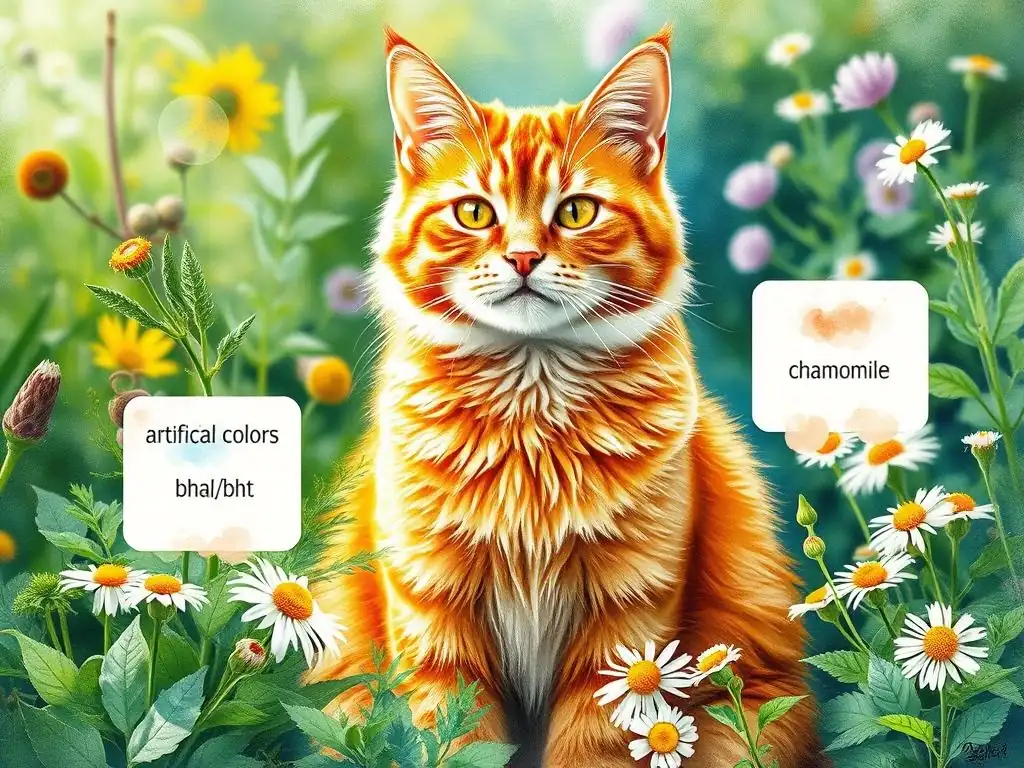
Choosing the right cat food for urinary tract health involves more than just looking at the protein and fiber content. Many additives and preservatives commonly found in commercial cat food can negatively impact urinary health, potentially exacerbating existing issues or even contributing to new ones. Understanding which ingredients to avoid is crucial for making informed decisions. For example, artificial colors and flavors, often used to enhance the palatability of the food, can act as irritants to the urinary tract in some cats. These artificial ingredients are often unnecessary and can contribute to inflammation.
Similarly, certain preservatives, such as BHA (butylated hydroxyanisole) and BHT (butylated hydroxytoluene), are known antioxidants, but their long-term effects on feline urinary health are still under investigation, and some studies suggest potential links to health problems. Therefore, opting for cat foods with minimal artificial additives and preservatives is a wise choice. Look for brands that prioritize natural ingredients and transparent labeling, clearly stating all components. Prioritizing food with natural preservatives like Vitamin E and rosemary extract is a much better alternative.
Remember, a holistic approach to urinary health includes a careful assessment of all ingredients in your cat's food. Don't just look at the main components; scrutinize the full ingredient list for potential irritants. This careful selection will support your cat's overall well-being and help prevent urinary tract issues. Reading reviews and consulting your veterinarian can also provide valuable insights into which brands consistently avoid these potentially harmful additives.
Wet vs. Dry Food for Cats with Urinary Issues
The debate of wet versus dry food is a common one among cat owners, but it takes on even greater significance when dealing with urinary health. Both wet and dry cat foods have their advantages and disadvantages concerning urinary tract health. Wet food, generally higher in moisture content (often exceeding 70%), helps dilute urine, making it less concentrated and reducing the risk of mineral crystal formation, a common cause of feline lower urinary tract disease (FLUTD). This higher moisture content is often cited as a key benefit for cats prone to urinary issues. However, wet food can also be more expensive and has a shorter shelf life once opened.
Conversely, dry food is more convenient, often cheaper, and has a longer shelf-life. However, its lower moisture content can contribute to more concentrated urine, increasing the risk of mineral crystal formation and urinary tract infections (UTIs). The decision between wet and dry food should be made in consultation with your veterinarian, considering your cat's individual needs and risk factors. Some veterinarians might recommend a combination of both, providing a balanced approach to hydration and nutrition.
Factors such as your cat's overall health, age, and activity level will all influence the optimal food type and ratio. For example, an older cat with a history of UTIs might benefit from a primarily wet food diet, while a younger, active cat might tolerate a higher proportion of dry food. Ultimately, the goal is to find a balance that supports optimal hydration and minimizes the risk of urinary problems. Remember to always monitor your cat's water intake and urine output to ensure adequate hydration regardless of the food type chosen.
Top Cat Food Brands for Urinary Tract Health: Our Expert Reviews
This section dives deep into the specifics of two leading cat food brands renowned for their effectiveness in supporting urinary tract health. We'll analyze their ingredients, examine user feedback, and assess their value to help you make an informed decision for your feline companion's well-being. Remember, consulting your veterinarian is crucial before making any significant dietary changes for your cat. Choosing the best cat food for urinary tract health is a vital step in preventative care.
Royal Canin Urinary SO: In-depth Review and Analysis for Urinary Tract Support
Royal Canin Urinary SO is a veterinary-recommended diet formulated to help maintain urinary tract health in cats. Its unique formulation addresses several key aspects contributing to urinary tract issues.
Ingredient Breakdown and Analysis for Royal Canin Urinary SO
Royal Canin Urinary SO utilizes a precise blend of ingredients designed to lower urinary tract pH, reduce struvite and calcium oxalate crystal formation, and promote hydration. Key ingredients often include:
- High-quality protein sources: These provide essential amino acids for overall health and muscle maintenance. The exact protein source will vary depending on the specific formula (e.g., chicken, poultry).
- Controlled mineral levels: Precisely balanced levels of phosphorus, magnesium, and calcium are crucial for preventing crystal formation.
- Acidifiers: These help maintain a healthy urinary pH, making it less hospitable to crystal growth. Common acidifiers include DL-methionine.
- High water content: Encourages increased water intake, which is vital for flushing out the urinary tract.
Detailed Macronutrient Profile (Example - Specific values vary by formula):
Crude Protein: 30%, Crude Fat: 12%, Crude Fiber: 3%, Moisture: 10%. Note: These are example values and may not reflect the precise composition of all Royal Canin Urinary SO formulas. Always refer to the packaging for accurate nutritional information.
User Reviews and Testimonials for Royal Canin Urinary SO
Many cat owners report positive experiences with Royal Canin Urinary SO. Common themes in user reviews include improved urinary health, reduced frequency of urinary tract infections (UTIs), and improved overall well-being in cats prone to urinary issues. However, some owners note that their cats are initially hesitant to accept this food due to its unique taste and texture. [Specific user review data pending – including average star ratings from various online retailers].
Price and Value Assessment for Royal Canin Urinary SO
Royal Canin Urinary SO is generally positioned as a premium cat food, reflecting its specialized formulation and high-quality ingredients. While it may be more expensive than standard cat foods, many owners consider it a worthwhile investment given its potential to prevent costly veterinary treatments associated with urinary tract problems. [Price comparison data from various retailers pending]. The long-term cost savings from preventing urinary tract issues should be considered when evaluating its overall value.
Hill's Science Diet c/d Multicare: A Comprehensive Look at its Urinary Health Benefits
Hill's Science Diet c/d Multicare is another highly regarded brand offering a complete and balanced diet formulated to support urinary tract health. It's known for its effectiveness in managing struvite and calcium oxalate stones.
Ingredient Breakdown and Analysis for Hill's Science Diet c/d Multicare
Similar to Royal Canin Urinary SO, Hill's Science Diet c/d Multicare features a carefully controlled balance of nutrients to support urinary health. Key ingredients typically include:
- High-quality protein sources: Providing essential amino acids for muscle development and overall health. Chicken is often a primary ingredient.
- Controlled mineral levels: Precisely balanced levels of minerals to help prevent crystal formation.
- Low magnesium content: Magnesium is a factor in struvite stone formation, so a low level is beneficial.
- High water content (in wet food variations): Increases hydration, contributing to urinary tract flushing.
User Reviews and Testimonials for Hill's Science Diet c/d Multicare
User reviews for Hill's Science Diet c/d Multicare generally reflect positive experiences with improved urinary health and reduced occurrences of UTIs. Many cat owners report that their cats readily accept this food, even those with picky palates. [Specific user review data pending – including average star ratings from various online retailers]. However, some users report that the cost can be a barrier.
Price and Value Assessment for Hill's Science Diet c/d Multicare
Hill's Science Diet c/d Multicare is also a premium cat food, reflecting its high-quality ingredients and specialized formulation. While the price point is typically comparable to Royal Canin Urinary SO, the palatability and potential for long-term cost savings due to reduced veterinary visits make it a strong contender in the market for the best cat food for urinary tract health. [Price comparison data from various retailers pending]. The overall value is often considered high due to its effectiveness and widespread acceptance by cats.
Purina Pro Plan Veterinary Diets UR Urinary Tract Health: Examining its Effectiveness for Urinary Tract Health
Purina Pro Plan Veterinary Diets UR Urinary Tract Health formula is a popular choice among veterinarians and cat owners seeking to support urinary tract health. This prescription diet is specifically formulated to address feline lower urinary tract disease (FLUTD), a common and often painful condition affecting cats. The effectiveness stems from its carefully balanced ingredient profile, designed to reduce the risk of struvite and calcium oxalate crystals forming in the urine.
This is achieved through a combination of controlled mineral levels, adjusted pH, and the inclusion of specific nutrients that promote healthy urine production and flow. Many cat owners report positive results, observing improvements in their cat's urination habits and overall well-being after switching to this diet. However, it's crucial to remember that individual results may vary, and consulting a veterinarian is always recommended before making dietary changes, especially for cats with pre-existing health conditions.
The diet's success hinges on consistent use and adherence to veterinary guidance. While effective for many cats, it's not a miracle cure and won't address underlying medical issues that might contribute to FLUTD.
Ingredient Breakdown and Analysis for Purina Pro Plan Veterinary Diets UR Urinary Tract Health
The Purina Pro Plan Veterinary Diets UR formula boasts a precise balance of ingredients chosen for their contribution to urinary tract health. A key feature is the controlled levels of minerals like magnesium and phosphorus, known to influence crystal formation. The recipe often includes high-quality protein sources, such as chicken or poultry by-product meal, providing essential amino acids for overall health.
Furthermore, the inclusion of specific carbohydrates and fibers aids in healthy digestion and contributes to the overall urinary tract support. The precise percentages of each ingredient can vary depending on the specific formulation (e.g., dry kibble vs. wet food), so it's always advisable to check the label for the most up-to-date information. While the overall ingredient list is generally well-regarded, some owners may have concerns about the inclusion of certain by-products.
However, these are generally considered safe and commonly used in pet food, contributing to cost-effectiveness without compromising nutritional value. The absence of artificial colors, flavors, and preservatives is a plus for many pet owners prioritizing natural ingredients.
User Reviews and Testimonials for Purina Pro Plan Veterinary Diets UR Urinary Tract Health
Online reviews for Purina Pro Plan Veterinary Diets UR are generally positive, with many cat owners reporting significant improvements in their cats' urinary health. Many testimonials highlight a reduction in urinary tract infections (UTIs), fewer instances of straining to urinate, and an overall increase in their cat's energy levels and comfort. Some users praise the palatable nature of the food, noting that their cats readily accept the transition to this diet.
However, there are also instances of negative reviews, with some owners reporting that their cats did not tolerate the food, experiencing digestive upset or refusing to eat it altogether. It's important to note that individual cat preferences and tolerances vary significantly. Furthermore, the effectiveness of the diet can also depend on the underlying cause of the urinary tract issue.
For example, cats with severe or chronic conditions might require additional treatments alongside dietary changes. The abundance of positive user reviews suggests that for many cats, this food is effective in maintaining and improving urinary tract health.
Price and Value Assessment for Purina Pro Plan Veterinary Diets UR Urinary Tract Health
Purina Pro Plan Veterinary Diets UR is generally priced higher than standard commercial cat foods. This premium price reflects the specialized formulation, the use of high-quality ingredients, and the veterinary oversight involved in its development. However, many pet owners view the higher price as justifiable given the potential cost savings associated with preventing or treating urinary tract issues.
The cost-effectiveness of this diet depends on several factors, including the cat's individual needs, the severity of the urinary tract problem, and the potential costs of veterinary care associated with untreated FLUTD. Considering the potential long-term health benefits and the cost of veterinary interventions for urinary tract problems, many owners perceive the higher cost of Purina Pro Plan Veterinary Diets UR as a worthwhile investment in their cat's well-being.
The value proposition ultimately lies in the balance between the cost of the food and the potential savings on veterinary bills and improved quality of life for the cat. Careful consideration of these factors is essential when evaluating the overall price and value of this specialized cat food.
Maintaining Optimal Urinary Tract Health Beyond Diet
Maintaining optimal urinary tract health in cats requires a holistic approach that extends beyond simply choosing the best cat food for urinary tract health. While diet plays a crucial role, other factors significantly influence a cat's urinary system well-being. Neglecting these aspects can compromise even the most effective dietary strategies. This section delves into key supplementary practices to ensure your feline companion enjoys a healthy urinary system. We'll explore hydration, veterinary care, and symptom recognition – all essential components of comprehensive urinary tract health management.
Importance of Hydration for Cats with Urinary Issues
Sufficient water intake is paramount for flushing out waste products and preventing the formation of crystals and stones in the urinary tract. Dehydration is a major risk factor for feline urinary tract disease (FUD), making hydration a cornerstone of preventative care. Cats, unlike dogs, don't inherently drink large quantities of water. Therefore, proactive measures are often necessary.
Several strategies can encourage increased water consumption:
- Provide multiple water sources: Place fresh water bowls in various locations throughout the house, ensuring easy access at all times. Consider using different types of bowls – ceramic, stainless steel, or even fountains – to see which your cat prefers.
- Use a water fountain: The moving water in a fountain often entices cats to drink more than they would from a still bowl. The added oxygenation can also make the water more appealing.
- Add water to wet food: While wet food already contains a higher moisture content than dry kibble, you can further increase hydration by adding a small amount of water to the food.
- Consider wet food only: Transitioning to a wet food diet significantly increases your cat's water intake, reducing the risk of dehydration.
- Monitor water intake: Observe your cat's drinking habits. Any significant decrease in water consumption warrants a veterinary consultation.
Lack of water intake can lead to concentrated urine, increasing the risk of crystal formation. This is especially crucial for cats prone to FUD or those already diagnosed with urinary tract issues. Regularly monitoring your cat's hydration levels is a simple yet effective way to contribute to their overall urinary health. The increased water intake helps dilute the urine, reducing the concentration of minerals that can contribute to crystal formation. This is a proactive measure that can significantly reduce the risk of future complications.
Regular Veterinary Checkups for Early Detection
Proactive veterinary care is crucial for early detection and management of urinary tract problems. Regular checkups allow veterinarians to monitor your cat's urinary health through urine tests and physical examinations. Early detection significantly improves treatment outcomes and can prevent the development of more severe complications.
The frequency of veterinary checkups depends on your cat's age, breed, and health history. However, annual checkups are generally recommended for adult cats, while kittens and senior cats may require more frequent visits. During these checkups, your veterinarian will assess your cat's overall health, including their urinary system. This may involve a physical exam, urine analysis, and potentially blood tests, depending on your cat's individual needs. Early detection of urinary tract infections or other issues can help prevent them from developing into more serious problems.
Moreover, your veterinarian can discuss dietary recommendations tailored to your cat's specific needs and risk factors. They can advise on appropriate cat food brands and provide guidance on managing any underlying health conditions that might impact urinary tract health. Regular communication with your veterinarian is key to ensuring your cat receives the best possible care. Don't hesitate to contact them if you notice any changes in your cat's urination habits or overall health. This proactive approach is essential for maintaining optimal urinary tract health and ensuring your cat's long-term well-being.
Recognizing Symptoms of Urinary Tract Problems in Cats
Recognizing the early warning signs of urinary tract problems in cats is vital for prompt veterinary intervention. While some symptoms are subtle, others are more pronounced and should prompt immediate action. Early detection can significantly improve the prognosis and prevent the development of serious complications.
Common symptoms of urinary tract issues in cats include:
- Frequent urination: Increased frequency, even at night, is a key indicator.
- Straining to urinate: This can be observed as prolonged squatting or vocalization during urination.
- Small amounts of urine: Producing only small volumes of urine despite frequent attempts to urinate.
- Blood in the urine (hematuria): This is a serious sign requiring immediate veterinary attention.
- Changes in urine color or odor: Noticeably darker or cloudy urine, or a strong, unusual odor.
- Increased thirst (polydipsia): Excessive drinking can be a symptom of underlying urinary issues.
- Lethargy or decreased appetite: These behavioral changes can accompany urinary tract infections.
- Inappropriate urination: Urinating outside the litter box can indicate pain or discomfort during urination.
Any of these symptoms warrants a visit to the veterinarian. Delaying treatment can lead to complications such as urinary tract infections, kidney damage, or even life-threatening blockages. Prompt diagnosis and treatment are essential for ensuring your cat's long-term health and well-being. Keeping a close eye on your cat's behavior and urination habits can help you identify potential problems early, allowing for timely intervention and improving the chances of a successful outcome. Remember, early detection is key to managing urinary tract issues effectively.
Frequently Asked Questions about Cat Food and Urinary Health
This section addresses common queries regarding feline urinary health and the role of diet in its maintenance. Understanding these points is crucial for ensuring your cat's well-being and preventing future urinary tract issues. Remember, always consult your veterinarian for personalized advice.
What are the signs of a urinary tract infection (UTI) in cats?
Recognizing the symptoms of a urinary tract infection in your cat is vital for prompt veterinary intervention. UTIs can be painful and, if left untreated, can lead to serious complications. While some signs are subtle, others are more noticeable. Look out for the following:
- Frequent urination: This is often a key indicator. Your cat may be using the litter box more often than usual, even at night. Increased frequency, despite seemingly normal urine volume, is a significant red flag.
- Straining to urinate: You might observe your cat straining or exhibiting discomfort during urination. This can involve vocalization (meowing or crying) or a prolonged period spent in the litter box.
- Blood in the urine: The presence of blood (hematuria) in the urine is a serious symptom and requires immediate veterinary attention. It can range from a noticeable reddish tint to microscopic blood only detectable through urinalysis.
- Changes in urination habits: This could include inappropriate urination outside the litter box, a sign that your cat is experiencing pain or discomfort.
- Lethargy and decreased appetite: A UTI can cause your cat to become less active and less interested in food, indicating systemic illness.
- Increased thirst: Increased water consumption (polydipsia) can accompany a UTI as the body attempts to flush out the infection.
- Vomiting: While not always present, vomiting can be a symptom associated with pain and discomfort related to the UTI.
It's crucial to remember that not all cats will exhibit all of these symptoms. If you notice any unusual changes in your cat's urination habits or overall behavior, consult your veterinarian immediately for a proper diagnosis and treatment plan. Early detection and treatment are essential for managing UTIs effectively and minimizing potential long-term health issues. Early intervention is key to improving the prognosis and preventing more serious complications.
Can I switch my cat's food suddenly to one for urinary health?
Switching your cat's food, especially to a specialized formula like one designed for urinary health, should never be done abruptly. Sudden dietary changes can upset your cat's digestive system and potentially exacerbate existing health problems. A gradual transition is vital to minimize the risk of digestive upset and ensure your cat's acceptance of the new food.
A recommended approach involves a slow and steady transition over 7-10 days. Begin by mixing a small amount (approximately 25%) of the new urinary health food with your cat's current food. Gradually increase the proportion of the new food over the transition period, decreasing the amount of the old food until your cat is solely consuming the specialized formula. Monitor your cat closely during this time for any signs of digestive upset, such as vomiting, diarrhea, or changes in appetite. If you observe any adverse reactions, slow down the transition or consult your veterinarian.
The transition period is crucial for the digestive system to adapt to the new ingredients and nutrient profile. Remember, patience and a gradual approach are key to a successful food switch, promoting a healthy and comfortable transition for your feline companion. Consider the specific needs of your cat and consult your veterinarian for personalized guidance on dietary changes.
How much water should my cat drink daily?
The amount of water a cat should drink daily varies depending on several factors, including breed, age, activity level, and overall health. However, a general guideline is that cats should consume approximately 1/2 to 1 ounce of water per pound of body weight per day. For example, a 10-pound cat should drink approximately 5-10 ounces of water daily.
Monitoring your cat's water intake is crucial, especially for cats prone to urinary tract issues. Insufficient water consumption can lead to concentrated urine, increasing the risk of crystals and stones forming in the urinary tract. Several strategies can help encourage your cat to drink more water:
- Provide multiple water sources: Place water bowls in various locations throughout your home, ensuring easy access for your cat.
- Use a water fountain: Many cats prefer running water, and a cat water fountain can stimulate their thirst.
- Add water to wet food: Mixing water into your cat's wet food can increase its overall water content.
- Offer flavored water: Some cats are more inclined to drink water infused with a small amount of low-sodium broth or tuna juice (in moderation).
Remember to monitor your cat's hydration levels, paying attention to the frequency of urination and the color and consistency of their urine. Dark, concentrated urine is an indication of dehydration, while pale yellow or clear urine generally suggests adequate hydration. If you have concerns about your cat's water intake, consult your veterinarian. Maintaining proper hydration is an essential aspect of preventing urinary tract problems and supporting your cat's overall health. Staying informed and proactive in managing your cat’s hydration is crucial for their well-being.
What are the long-term consequences of untreated urinary tract problems?
Untreated urinary tract problems in cats can lead to a cascade of serious health issues, significantly impacting their quality of life and potentially shortening their lifespan. Ignoring these problems can result in several severe complications, some of which can be life-threatening.
One major consequence is the development of kidney disease. Chronic urinary tract infections (UTIs) and blockages can place significant stress on the kidneys, leading to irreversible damage over time. This damage can manifest as chronic kidney disease (CKD), a progressive and often fatal condition requiring ongoing veterinary care and management. Symptoms of CKD can include increased thirst and urination, lethargy, weight loss, and poor appetite. Early detection and treatment of urinary tract issues are crucial in preventing or delaying the onset of CKD.
Another significant risk is the development of bladder stones. These stones can form due to mineral imbalances in the urine, often exacerbated by chronic UTIs or improper diet. Bladder stones can cause intense pain, leading to frequent urination, straining to urinate, and even blood in the urine. Large stones can obstruct the urethra, leading to a complete blockage – a life-threatening emergency that requires immediate veterinary intervention. The resulting urinary blockage can cause a build-up of toxins in the bloodstream, resulting in severe illness and potentially death if not treated promptly.
Furthermore, untreated urinary tract infections can lead to a systemic infection, spreading beyond the urinary tract and affecting other organs. This systemic infection can cause sepsis, a life-threatening condition characterized by widespread inflammation and organ failure. Sepsis requires aggressive medical treatment and carries a high mortality rate. The longer a UTI remains untreated, the higher the risk of sepsis developing.
Finally, chronic pain and discomfort associated with untreated urinary tract problems can significantly impact a cat's overall well-being. Cats suffering from urinary tract issues often exhibit behavioral changes, including decreased appetite, lethargy, and hiding behavior. This diminished quality of life not only affects the cat's physical health but also their emotional state, potentially leading to further health complications.
Providing appropriate veterinary care and addressing the underlying cause of urinary problems is essential to ensure a happy and healthy life for your feline companion. Choosing the right cat food, specifically formulated to support urinary health, plays a vital role in prevention and management.
Frequently Asked Questions
What is the most important factor to consider when choosing cat food for urinary tract health?
The most important factor is choosing a food formulated to support urinary tract health, often indicated by terms like "low magnesium," "reduced minerals," or "dissolved minerals" on the label. Always consult your veterinarian.
My cat already has a urinary tract infection (UTI). Can I just change their food?
While dietary changes can be part of a UTI treatment plan, it's crucial to consult your veterinarian first. They will diagnose the issue and recommend the best course of action, which may include medication in addition to diet changes.
Are there specific ingredients I should look for or avoid in cat food for urinary health?
Look for foods with high-quality protein sources and controlled levels of minerals like magnesium and phosphorus. Avoid foods with high levels of ash, as this can contribute to urinary issues.
What if my cat doesn't like the new urinary health food?
Try gradually transitioning your cat to the new food by mixing it with their old food over several days. If they still refuse it, consult your vet; they may have alternative recommendations or strategies.
How often should I change my cat's food to maintain urinary tract health?
Unless advised otherwise by your veterinarian, once you find a suitable food that your cat enjoys and tolerates, you can generally continue feeding it long-term. Regular veterinary check-ups are still essential.
Final Reflection: Nourishing a Lifetime of Health
The health of our feline companions is paramount, and ensuring their urinary tract remains strong is a crucial aspect of responsible pet ownership. Ignoring this vital need can lead to significant discomfort and long-term health problems for our beloved cats. This article has highlighted the critical role nutrition plays in preventing urinary tract issues, showcasing the best cat food brands specifically formulated to support this delicate system.
The impact of proper nutrition on feline urinary health is undeniable, extending far beyond simply preventing illness. It's about fostering a vibrant, energetic life for our cats, allowing them to enjoy their playful nature and bond with us for many years to come. As responsible pet owners, we are entrusted with their well-being, and providing the right food is a fundamental aspect of that responsibility. The best gift you can give your cat is a long and healthy life.
This simple statement underscores the profound impact of our choices.
Now, consider your own cat. What steps will you take today to ensure their urinary health? Will you research the brands highlighted in this article? Will you schedule a check-up with your veterinarian to discuss your cat's dietary needs? The power to improve your cat's quality of life rests in your hands. Make informed choices, prioritize their well-being, and watch your feline friend thrive. Let's work together to ensure our cats enjoy long, happy, and healthy lives, filled with purrs and playful antics.
Unleash Your Cat's Purrfect Potential: Boost Urinary Health Today!
Thank you for learning about cat foods that support urinary health! We hope this guide helps you make informed decisions for your feline companion. Now, let's put that knowledge to work:
- Prioritize your cat's health: Transition your cat to a high-quality food formulated to support urinary tract health. Monitor their hydration levels and litter box habits for positive changes.
- Share this vital information: Recommend these beneficial foods to other cat owners to promote better urinary health within your community.
- Learn more: Explore our additional resources on feline health and nutrition for a comprehensive approach to your cat's well-being.
Ready to see improvements in your cat's urinary health? What positive step will you take today to make a difference?