
Is Your Cat Stressed? Recognizing the Signs of Anxiety and Discomfort

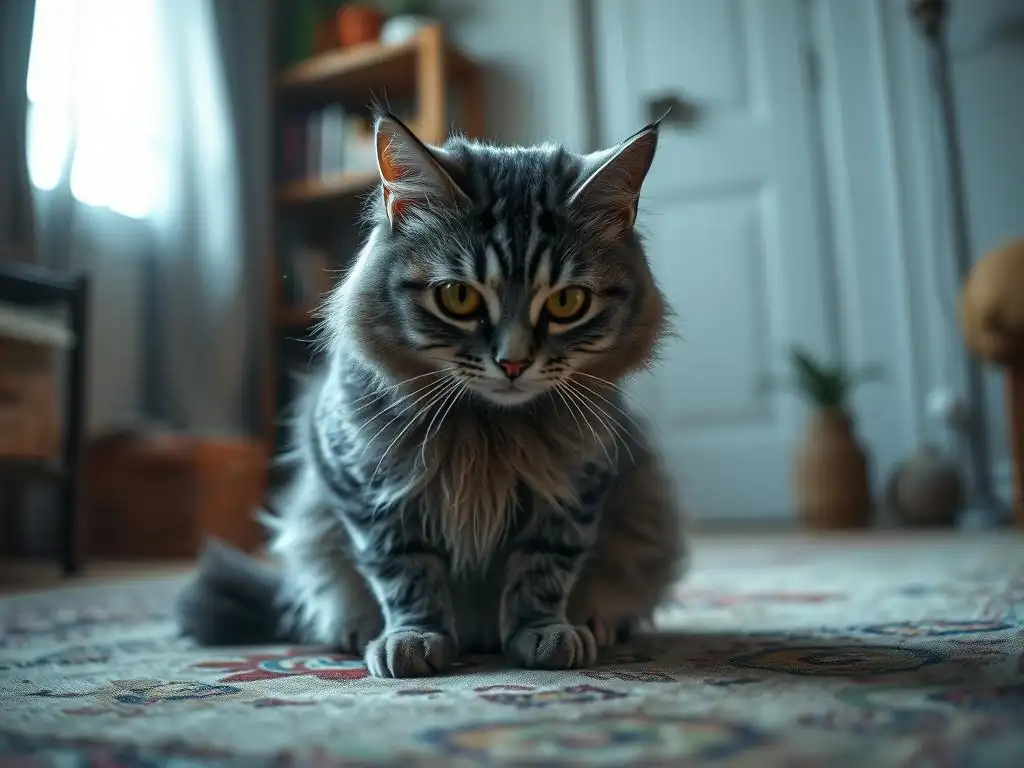
Welcome to PetCareWorld, your ultimate guide to a happier, healthier life for your beloved pets! Are you concerned about your feline friend? Learn to decipher the often subtle signs of cat stress and anxiety – early recognition is key to providing the support they need. Discover expert advice and practical solutions within our comprehensive guide on "Cat stress anxiety signs recognition" and unlock the secrets to a more peaceful and fulfilling life for your cat. Explore our wealth of resources and embark on a journey towards better pet care today!
- Understanding Cat Stress: A Comprehensive Guide to Recognizing Anxiety
- Common Causes of Cat Stress and Anxiety
- How to Help a Stressed Cat: Practical Solutions and Strategies
- Preventing Cat Stress: Proactive Measures for a Happy Feline
- Debunking Myths About Cat Stress and Anxiety
- Frequently Asked Questions
- Final Reflection: Understanding Feline Anxiety: A Path to Peaceful Coexistence
- Unlock Your Cat's Happiness: Ease Anxiety & Build a Stronger Bond
Understanding Cat Stress: A Comprehensive Guide to Recognizing Anxiety
Cats, despite their often independent nature, are susceptible to stress and anxiety, just like any other living creature. Understanding feline stress is crucial for responsible pet ownership, as unrecognized or untreated anxiety can significantly impact your cat's health and well-being, leading to behavioral problems and even physical illness. This comprehensive guide will equip you with the knowledge to identify subtle and overt signs of stress and anxiety in your cat, allowing you to provide the necessary support and create a more harmonious environment for your beloved companion.
We'll explore the subtle behavioral shifts, noticeable physical changes, and overall indicators that can signal your cat is experiencing distress. Learning to recognize these signs is the first step towards helping your cat live a happier, healthier life. This guide focuses on the key indicators of cat stress anxiety, enabling early recognition and proactive management.
Identifying Subtle Signs of Cat Anxiety and Stress
Subtle changes in your cat's behavior can often be the first indicators of underlying stress or anxiety. These changes might be easily missed if you're not paying close attention. It's important to remember that every cat is an individual, and what constitutes "normal" behavior for one cat may differ for another. However, some common subtle signs include:
- Changes in sleeping patterns: Increased sleeping, or conversely, restless sleep and frequent waking, can indicate stress. Is your cat sleeping significantly more or less than usual?
- Altered grooming habits: Excessive grooming, leading to bald patches or skin irritation, or a noticeable decrease in grooming, resulting in a matted or unkempt coat, can be a sign of anxiety. Pay close attention to your cat's fur condition.
- Increased hiding: Does your cat spend more time hiding in secluded areas than usual? A preference for dark, quiet spaces may indicate a feeling of vulnerability or insecurity.
- Shift in litter box habits: Changes in urination or defecation, such as increased frequency or accidents outside the litter box, can be stress-related. This is a significant indicator that warrants attention.
- Vocalization changes: Increased meowing, hissing, growling, or other unusual vocalizations can signal discomfort or anxiety. Note any changes in frequency or tone of your cat's vocalizations.
Recognizing Behavioral Changes Indicating Feline Stress
Beyond the subtle shifts, more pronounced behavioral changes can clearly indicate that your cat is experiencing significant stress. These changes often represent a more serious level of anxiety and require prompt attention. Some key behavioral changes to watch for include:
- Aggression: Unexplained aggression towards humans or other pets, such as biting, scratching, or swatting, is a strong indicator of stress. This can manifest as increased irritability or unpredictable outbursts.
- Over-grooming: As mentioned before, excessive grooming is a significant sign, but the severity can escalate. Observe for bald patches, irritated skin, and potential self-inflicted wounds.
- Appetite changes: A significant decrease or increase in appetite can be indicative of stress. Monitor your cat's food intake closely.
- Destructive behavior: Scratching furniture, spraying urine, or other destructive behaviors can be stress-related attempts to relieve anxiety. This is often a sign of unmet needs or a feeling of insecurity.
- Avoidance of interaction: If your usually affectionate cat is suddenly avoiding interaction, becoming withdrawn, or showing less interest in playtime, this could be a sign of significant stress.
Physical Manifestations of Stress in Cats: What to Look For
Stress isn't just a behavioral issue; it can also manifest physically in cats. Recognizing these physical signs is crucial for early intervention and preventing more serious health problems. Some key physical manifestations of stress include:
- Dilated pupils: Constantly dilated pupils can indicate a heightened state of anxiety or fear.
- Increased heart rate: While difficult to measure at home, a consistently restless or agitated cat might suggest an elevated heart rate.
- Gastrointestinal issues: Vomiting, diarrhea, or constipation can be stress-induced. Pay attention to any changes in bowel movements.
- Weight loss or gain: Significant weight changes, either loss or gain, can be a sign of underlying stress affecting appetite and metabolism.
- Weakened immune system: Chronic stress can weaken a cat's immune system, making them more susceptible to illness. Observe for any signs of illness or lowered energy levels.
Remember, if you observe any of these signs in your cat, consulting a veterinarian is crucial for proper diagnosis and treatment. Early intervention can significantly improve your cat's quality of life and prevent long-term health problems. 😻
Common Causes of Cat Stress and Anxiety
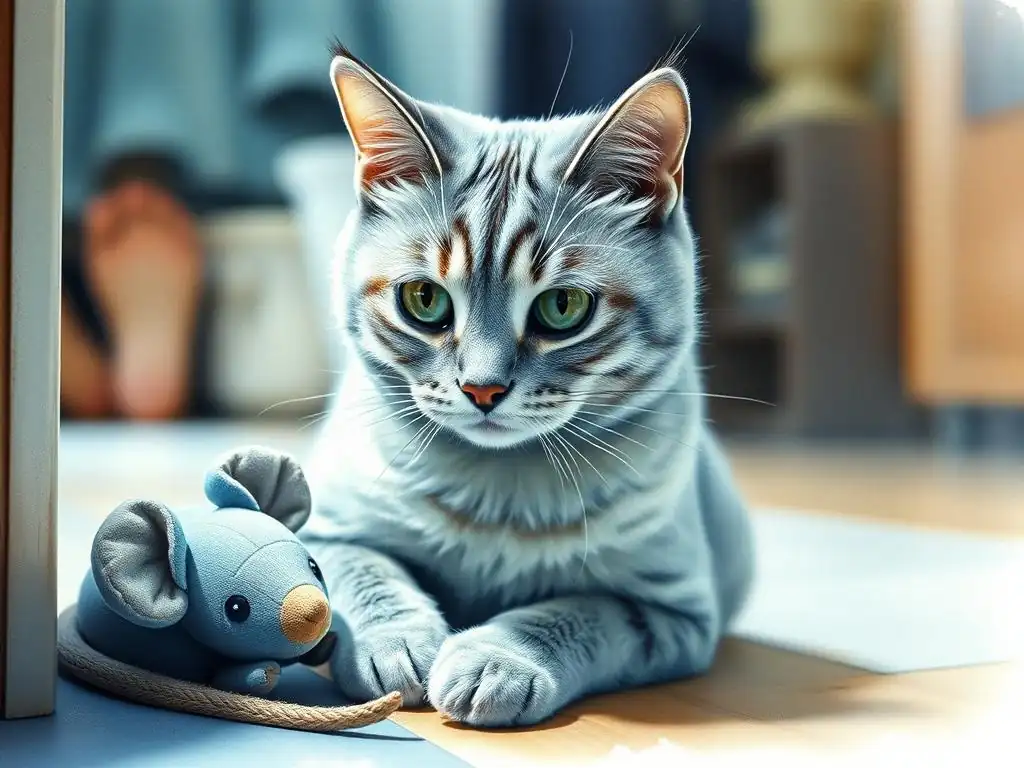
Cats, despite their often aloof demeanor, are sensitive creatures prone to stress and anxiety. Understanding the root causes is crucial for effective management and improving their overall well-being. Recognizing cat stress anxiety signs is the first step towards providing a more harmonious and less stressful environment for your feline companion. Several factors can contribute to feline anxiety, ranging from environmental shifts to dietary alterations. Let's delve into some of the most common culprits.
Environmental Changes and Their Impact on Cat Behavior
Environmental upheaval is a major trigger for cat stress and anxiety. Even seemingly minor changes can significantly impact a cat's emotional state. Cats thrive on routine and predictability; disrupting their established patterns can lead to noticeable behavioral shifts. For example, moving to a new home, rearranging furniture, or even a change in the family's daily schedule can cause considerable distress.
Consider the following scenarios: A recent move to a new house, even if it's only a few blocks away, can disorient a cat, causing them to hide, overgroom, or exhibit changes in appetite. Similarly, a simple change in the arrangement of furniture can alter their familiar territory, leading to increased anxiety. Even something as seemingly inconsequential as a new piece of artwork hanging on the wall can be perceived as a threat to their established sense of security. The introduction of new sounds, such as construction work nearby or frequent visitors, can also heighten a cat's stress levels.
The impact of these changes manifests in various ways. Some cats become withdrawn and lethargic, while others display increased aggression or destructive behaviors. Changes in litter box habits (e.g., increased urination outside the litter box) are also common indicators of stress. Careful observation of your cat's behavior after any environmental alteration is crucial for early detection of anxiety. Providing a safe and predictable space, such as a cat tree or quiet room, can help mitigate stress during periods of change.
Introducing New Pets or People into the Household
Introducing a new pet or person into an established household is a significant source of stress for many cats. Cats are territorial creatures, and the arrival of a new animal or human can be perceived as a direct threat to their established social hierarchy and resources. This can lead to a variety of stress-related behaviors, including aggression towards the newcomer, hiding, changes in appetite, or even excessive grooming.
The introduction process requires careful planning and gradual acclimation. Never force interactions between your cat and the newcomer. Instead, allow them to acclimate at their own pace, providing separate spaces where they can retreat and feel secure. Scent swapping – rubbing a towel on the new pet and placing it near your cat's belongings – can help them get used to each other's scent before direct interaction. Positive reinforcement training, using treats and praise, can help your cat associate the new addition with positive experiences.
Data suggests that slow, gradual introductions are far more effective than abrupt introductions. Studies on feline social dynamics show that a prolonged period of scent acclimatization, followed by supervised, short interactions, reduces the likelihood of conflict and stress. The success of this process largely depends on providing ample resources (food, water, litter boxes) and safe spaces for all animals involved.
Dietary Changes and Their Effects on Cat Well-being
While often overlooked, dietary changes can significantly impact a cat's well-being and contribute to stress and anxiety. Abrupt shifts in food type, brand, or even feeding schedule can disrupt their digestive system and cause discomfort, leading to behavioral changes. Cats are creatures of habit, and a sudden alteration to their diet can trigger stress and anxiety.
Consider the following: Switching from a wet food diet to a dry food diet, or introducing a new flavor or brand, can cause digestive upset, leading to vomiting, diarrhea, or changes in appetite. Similarly, changes in feeding schedules, even minor ones, can create anxiety and increase food-related stress. For example, a cat accustomed to being fed at the same time every day might experience anxiety if their feeding schedule is suddenly altered.
It's crucial to transition to new foods gradually, mixing small amounts of the new food with their existing food over several days. This slow introduction allows their digestive system to adapt and minimizes the risk of digestive upset. Maintaining a consistent feeding schedule is also vital for reducing food-related stress.
Observe your cat's response to any dietary changes closely; any significant behavioral changes, such as increased vocalization or changes in litter box habits, could indicate stress related to their diet. Consulting with a veterinarian is advisable if you notice any persistent digestive problems or behavioral changes following a dietary alteration.
Underlying Medical Conditions Causing Cat Stress
Cats, like humans, can experience stress and anxiety as a direct result of underlying health issues. Pain, discomfort, and the general feeling of being unwell can significantly alter a cat's behavior, manifesting as signs often mistaken for simple stress or behavioral problems. Recognizing this connection is crucial for effective treatment. Ignoring physical causes can lead to prolonged suffering for your feline companion and ineffective management of what appears to be behavioral anxiety.
Many medical conditions can contribute to feline stress. For instance, hyperthyroidism, a condition where the thyroid gland produces excessive hormones, can cause increased activity, restlessness, and even aggression—all symptoms often associated with anxiety. Similarly, arthritis and other joint problems can cause pain and stiffness, leading to lethargy, irritability, and changes in litter box habits. These changes in behavior might be interpreted as signs of stress, when in reality, they are cries for help stemming from physical discomfort.
Kidney disease, another prevalent ailment in older cats, can also manifest as behavioral changes. Cats with kidney disease often experience nausea, loss of appetite, and increased thirst, leading to frustration and potentially aggressive behavior. They might become withdrawn, hiding more frequently, which could be misinterpreted as anxiety. The subtle changes in behavior related to kidney disease are often overlooked, emphasizing the importance of regular veterinary checkups, particularly for senior cats. Early detection and management of these conditions can significantly improve the cat's quality of life and alleviate the behavioral issues associated with the underlying illness.
Furthermore, urinary tract infections (UTIs) are a common cause of discomfort and stress in cats. The pain associated with urination can lead to changes in litter box habits, such as increased frequency, straining, or even accidents outside the litter box. These changes can be mistakenly attributed to stress or behavioral problems, while the underlying cause remains untreated.
This highlights the importance of considering medical factors when assessing a cat's behavior. A thorough veterinary examination can help differentiate between behavioral anxiety and stress stemming from a treatable medical condition. Prompt veterinary intervention is vital for accurate diagnosis and appropriate treatment to alleviate your cat's suffering and restore their usual demeanor.
How to Help a Stressed Cat: Practical Solutions and Strategies
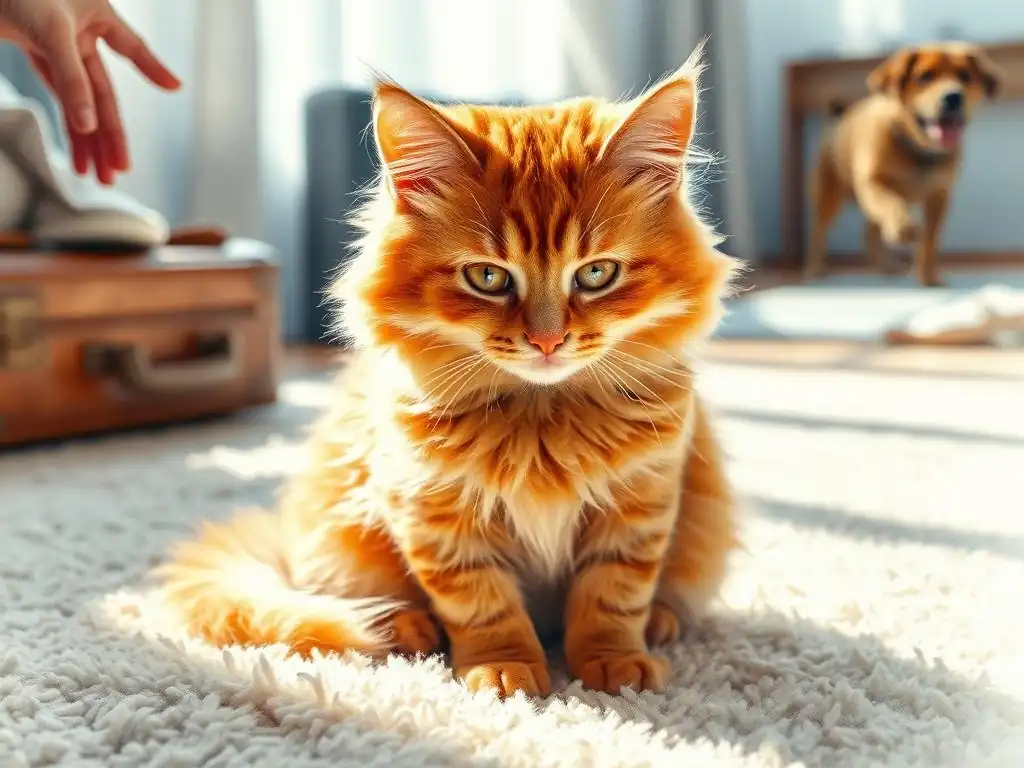
Recognizing cat stress anxiety signs is the first step; addressing the underlying causes and implementing effective solutions is crucial for your feline companion's well-being. This section delves into practical strategies to alleviate your cat's anxiety and promote a more relaxed state. Remember, a calm and happy cat is a healthy cat. Consistent effort and patience are key to success in managing feline stress.
Creating a Calming and Safe Environment for Your Cat
A significant contributor to cat stress and anxiety stems from an unsuitable environment. Creating a safe haven for your cat is paramount. This involves providing consistent resources and minimizing stressors. Consider these key elements:
- Designated Safe Spaces: Cats crave predictability and security. Provide multiple quiet retreats – such as comfortable beds, cat trees, or hiding boxes – in different locations throughout your home. These spots should be away from high-traffic areas and loud noises. Observe your cat; they'll often choose their favorite spot.
- Vertical Territory: Cats are naturally arboreal; providing vertical space, like cat trees or shelves, gives them a sense of control and security. This allows them to observe their surroundings from a safe vantage point, reducing feelings of vulnerability.
- Minimizing Noise and Chaos: Loud noises, sudden movements, and frequent guests can trigger stress in cats. Try to maintain a relatively calm household environment. If you have children, teach them to interact respectfully with the cat, avoiding sudden movements or loud noises near them.
- Consistent Routine: Cats thrive on routine and predictability. Maintain a regular feeding schedule, playtime, and grooming routine. This helps reduce uncertainty and anxiety. Changes to the routine should be introduced gradually.
- Environmental Enrichment: Provide stimulating toys and scratching posts to prevent boredom, a frequent cause of stress. Rotate toys regularly to maintain interest and prevent boredom. Consider puzzle feeders to provide mental stimulation.
Dietary Adjustments to Reduce Cat Stress and Anxiety
Nutrition plays a vital role in overall feline well-being, impacting their mood and stress levels. While dietary changes alone won't cure severe anxiety, they can be a supportive component of a broader stress-reduction plan. Here are some considerations:
- High-Quality Food: Opt for a high-quality cat food that meets their nutritional needs. Read labels carefully and look for foods with high protein content and minimal fillers. A balanced diet contributes to overall health and can positively affect mood.
- Supplements (Consult Veterinarian): Certain supplements, such as L-theanine or pheromone diffusers, might help reduce anxiety. However, always consult your veterinarian before introducing any supplements to your cat's diet. They can assess your cat's individual needs and recommend appropriate options, considering any pre-existing health conditions. Improper supplementation can be harmful.
- Avoid Food Sensitivities: Food allergies or sensitivities can manifest as behavioral issues, including anxiety. If you suspect your cat has food sensitivities, consult your vet to determine potential allergens and switch to a hypoallergenic diet.
Engaging in Stress-Reducing Activities with Your Cat
Beyond environmental modifications and dietary adjustments, actively engaging with your cat in calming activities can significantly reduce their stress and strengthen your bond.
- Slow Blinking: Cats communicate through subtle cues. Slow blinking towards your cat is a sign of trust and affection. They may reciprocate, indicating they feel safe and secure in your presence.
- Gentle Grooming: Regular grooming sessions provide tactile stimulation and help build trust. Use a soft brush and gently stroke your cat's fur in the direction of hair growth. This can be a very relaxing experience for them.
- Playtime (Appropriate Intensity): Play is crucial for physical and mental stimulation. However, avoid overly intense or stressful games. Opt for interactive play sessions using toys that encourage stalking and pouncing, rather than high-energy chases. Observe your cat’s cues; if they seem tired or stressed, stop the playtime.
- Positive Reinforcement Training: Simple training sessions using positive reinforcement techniques (rewards and praise) can build confidence and reduce anxiety. Focus on short, positive interactions. Avoid punishment, which can exacerbate stress.
Remember, consistent observation and understanding your cat's individual personality and behavior are key to recognizing and addressing their stress effectively. If your cat's anxiety persists or worsens despite your efforts, seeking professional veterinary advice is crucial. They can help diagnose underlying medical conditions and recommend additional interventions if necessary.
When to Seek Veterinary Help for Cat Anxiety
Recognizing when your cat's anxiety requires professional veterinary intervention is crucial for their well-being. While many stress-related behaviors can be managed at home with behavioral modification techniques and environmental enrichment, some situations necessitate veterinary care. Understanding the difference is key to ensuring your feline companion receives the appropriate support. Ignoring underlying medical issues can exacerbate anxiety, leading to a vicious cycle of stress and discomfort.
Several indicators suggest the need for a veterinary checkup. Persistent changes in behavior, even after implementing home remedies, warrant immediate attention. For instance, if your cat's appetite significantly decreases for an extended period, leading to weight loss, it's not just a matter of stress; it's a potential health problem. Similarly, persistent vomiting, diarrhea, or changes in urination habits could signal underlying medical conditions contributing to or resulting from anxiety. These physical symptoms are not to be dismissed as solely behavioral issues.
Another critical consideration is the severity and duration of the anxiety. Mild, occasional anxiety, perhaps triggered by a short-term event like a thunderstorm, might resolve itself. However, chronic, debilitating anxiety that significantly impairs your cat's quality of life demands professional help. This might manifest as constant hiding, excessive grooming to the point of self-harm (resulting in bald patches or skin irritation), or unrelenting vocalization (meowing, yowling). Such intense and prolonged stress levels can negatively impact your cat's overall health and even shorten their lifespan.
Furthermore, if your home-based strategies, such as creating a safe space, using pheromone diffusers, or engaging in play therapy, fail to alleviate your cat's anxiety, a veterinary consultation is necessary. The vet can conduct a thorough examination, rule out any underlying medical conditions, and potentially prescribe medication to help manage the anxiety. Remember, medication is not a standalone solution but rather a tool used in conjunction with behavioral modification techniques to provide comprehensive care.
The veterinarian can also help you create a tailored plan addressing both the physical and emotional aspects of your cat's anxiety. Don't hesitate to seek professional help; early intervention can significantly improve your cat's prognosis and overall well-being. Your veterinarian is your partner in ensuring your cat lives a happy and healthy life, free from the debilitating effects of chronic stress.
Preventing Cat Stress: Proactive Measures for a Happy Feline
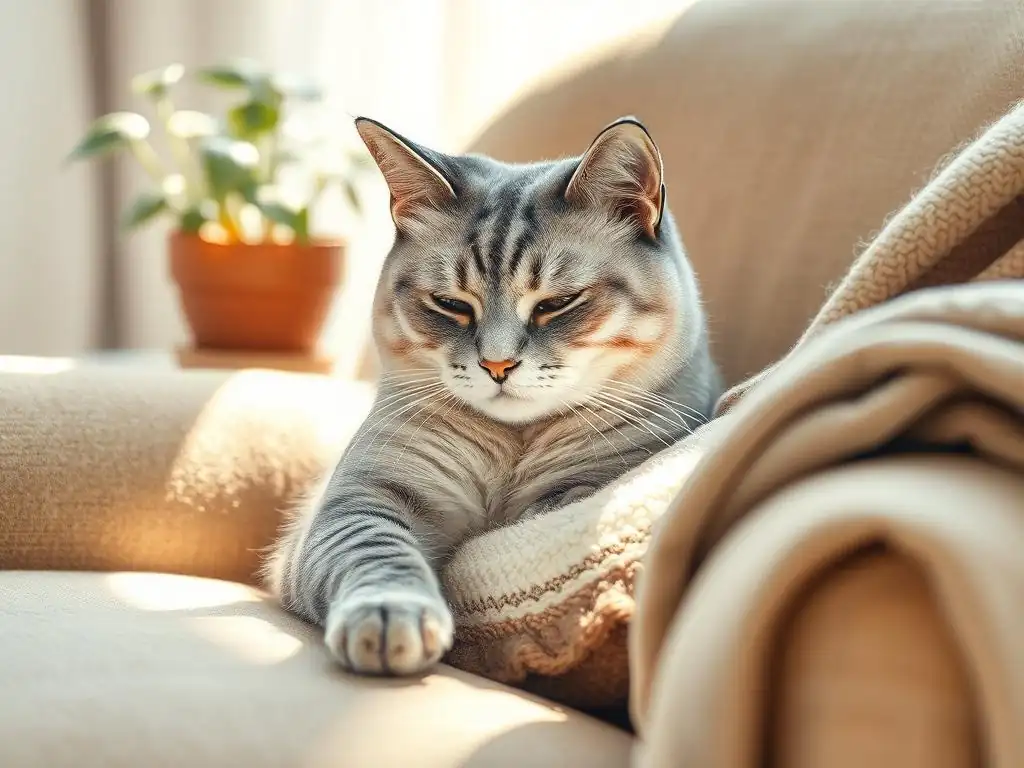
Understanding and recognizing cat stress anxiety signs is crucial, but equally important is proactively preventing stress from taking hold in the first place. A relaxed and content cat is a healthy cat, and implementing preventative measures significantly reduces the likelihood of anxiety developing. This section explores key strategies to cultivate a stress-free environment for your feline companion, focusing on routine, enrichment, and physical well-being. By addressing these areas, you can build a foundation for a happier, healthier cat, minimizing the chances of future stress-related issues. The proactive approach to cat stress management is far more effective than reactive treatment.
Establishing a Consistent Routine for Your Cat
Cats thrive on predictability. A consistent daily routine provides a sense of security and reduces uncertainty, which is a major source of stress for many cats. This includes regular feeding times, playtime sessions, and grooming routines. Even seemingly minor changes, like shifting furniture, can disrupt this equilibrium and trigger anxiety.
Consider creating a detailed schedule, noting down feeding times, playtime, grooming, and even the approximate times you interact with your cat. This structured approach helps you maintain consistency. For example, feeding your cat at 7 am and 7 pm daily establishes a predictable rhythm. Similarly, dedicating 15 minutes each evening to interactive playtime provides consistent engagement. This predictability helps reduce stress and promotes a sense of safety and security.
Inconsistency, on the other hand, can lead to increased anxiety and behavioral problems. The key is to establish a routine and stick to it as closely as possible. Small deviations are acceptable, but major disruptions should be avoided unless absolutely necessary. Observe your cat's responses to your routine – do they seem relaxed and anticipating these activities? Adjustments can be made based on your observations to optimize their comfort.
Providing Ample Enrichment and Mental Stimulation
Beyond a consistent routine, environmental enrichment is vital for preventing cat stress. Cats are naturally curious and intelligent creatures requiring mental and physical stimulation to avoid boredom, a significant contributor to stress and behavioral issues. Lack of stimulation can manifest in various undesirable behaviors such as excessive meowing, destructive scratching, or even aggression.
Providing enrichment activities can take many forms. This could include puzzle feeders to challenge their hunting instincts, interactive toys to engage them physically and mentally, or even creating a dedicated climbing area with cat trees and shelves to satisfy their natural desire to explore vertical spaces. Consider rotating toys regularly to keep them engaged and prevent boredom setting in. A simple change in toy can sometimes be all it takes to re-engage your cat.
Regularly introducing new toys or interactive games is crucial for ongoing mental stimulation. Aim to incorporate a variety of enrichment techniques to cater to different aspects of your cat’s personality and preferences. Don't underestimate the impact of even simple changes; a new scratching post in a different location can redirect unwanted scratching behaviors and offer a new source of engagement.
Maintaining a Healthy Diet and Exercise Regime for Your Cat
A balanced diet and adequate exercise play a significant role in your cat's overall well-being and stress levels. Nutritional deficiencies or an unhealthy weight can exacerbate stress and contribute to various health problems. Regular exercise not only helps maintain a healthy weight but also provides crucial physical and mental stimulation.
Ensure your cat's diet consists of high-quality food that meets their nutritional needs. Consult your veterinarian to determine the appropriate food type and quantity for your cat's age, breed, and activity level. Avoid sudden changes in their diet, which can upset their digestive system and increase stress. Gradual transitions are key to minimizing any potential digestive issues.
In addition to a balanced diet, regular exercise is crucial. This doesn't necessarily mean intense workouts; even short play sessions several times a day can significantly contribute to their physical and mental health. Interactive play, such as using a wand toy or laser pointer, provides both physical activity and mental stimulation.
Observe your cat's energy levels and adjust the exercise regime accordingly. Remember that regular veterinary check-ups are essential to identify and address any underlying health issues that might contribute to stress or anxiety. Maintaining a healthy lifestyle is a proactive approach to preventing stress and promoting a happy, healthy cat.
Debunking Myths About Cat Stress and Anxiety
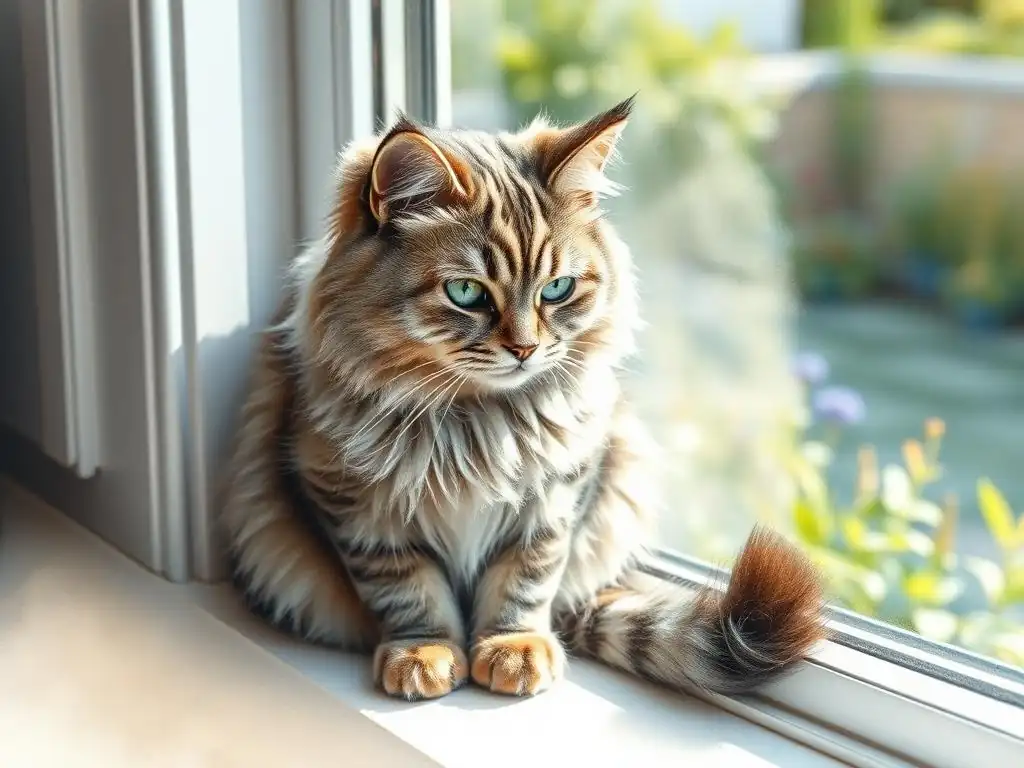
Domestic cats, despite their often aloof demeanor, are complex creatures with nuanced emotional lives. Understanding feline stress and anxiety is crucial for responsible pet ownership. Unfortunately, many myths surrounding cat behavior hinder accurate recognition of distress signals. Let's address some common misconceptions.
Myth 1: Cats are always independent and don't need attention.
This is a pervasive misconception that often leads to neglect and, consequently, increased stress in cats. While cats are known for their independent streaks, equating independence with a lack of need for interaction is inaccurate. Cats, like all social animals, require attention, affection, and a stimulating environment to thrive.
A cat seemingly content to sleep alone for hours might simply be adapting to a lack of engagement, not expressing a preference for solitude. The absence of outward demands for attention doesn't equate to a lack of need. In fact, ignoring a cat's subtle cues for interaction can lead to behavioral problems stemming from unmet social needs.
Studies have shown that cats deprived of social interaction exhibit higher cortisol levels (a stress hormone) and display more signs of anxiety and depression than cats with adequate social engagement. Think of it this way: a cat might tolerate loneliness, but it doesn't mean it enjoys it.
Reality 1: Cats require attention, affection, and environmental enrichment to thrive.
Providing adequate attention involves more than simply feeding and cleaning the litter box. It includes regular interaction, such as petting, playing, and gentle grooming. The type and amount of attention will vary depending on the individual cat's personality and preferences. Some cats are more affectionate and enjoy prolonged petting sessions, while others prefer shorter, more playful interactions.
Environmental enrichment is also vital. This includes providing opportunities for climbing, exploring, and hiding, which caters to a cat's natural instincts. Think cat trees, scratching posts, puzzle feeders, and interactive toys. A stimulating environment can reduce boredom and alleviate stress by providing mental and physical stimulation.
Consider rotating toys regularly to keep your cat engaged and prevent boredom-induced stress. Remember, a happy, enriched cat is a less stressed cat. Providing a balanced routine of affection, play, and environmental enrichment significantly contributes to a cat's overall well-being and reduces the likelihood of stress-related behavioral issues.
Myth 2: A stressed cat will always show obvious signs of anxiety.
Many believe that a stressed cat will exhibit dramatic, easily identifiable symptoms. However, cats are masters of masking their distress. Their subtle signs of anxiety are often overlooked, misinterpreted, or dismissed. A stressed cat might not always display overt aggression, excessive vocalization, or destructive behaviors.
Instead, they might exhibit more subtle indicators, such as changes in appetite, litter box habits, or grooming patterns. These subtle shifts can easily be missed, especially by owners unfamiliar with their cat's typical behavior. This makes early detection and intervention crucial. A cat might become more withdrawn, spending more time hiding or sleeping, which could be easily dismissed as laziness, rather than a sign of anxiety.
The key is to pay close attention to any deviations from their normal routine and behavior. A thorough understanding of your cat's baseline behavior is essential to recognizing even the subtlest signs of distress. Regular observation and a keen eye for detail are vital for identifying early signs of cat stress.
Reality 2: Subtle behavioral changes can indicate stress; early detection is key.
Many cat owners mistakenly believe that only dramatic changes in behavior, such as aggression or excessive vocalization, signal stress or anxiety in their feline companions. However, the reality is far more nuanced. Often, the early warning signs of cat stress are subtle shifts in their typical routines and demeanors, easily overlooked by even attentive owners. These subtle changes can manifest in various ways, making early detection crucial for timely intervention and preventing the escalation of anxiety into more severe behavioral problems.
For example, a cat who normally enjoys playing might suddenly lose interest in interactive games, preferring to isolate themselves instead. A usually affectionate cat might become less cuddly, avoiding physical contact or exhibiting increased avoidance behaviors. Changes in appetite, such as decreased food intake or increased snacking, can also be subtle indicators of underlying stress.
Similarly, a change in litter box habits, such as increased urination outside the box or increased frequency, could signal a cat's discomfort. These seemingly minor alterations from the cat's normal behavior should not be dismissed; they may be early warning signs of underlying stress or anxiety that needs addressing.
Early detection is particularly critical because untreated stress can lead to a cascade of negative consequences. Chronic stress can weaken a cat's immune system, making them more susceptible to illness. It can also exacerbate existing health conditions, and in severe cases, lead to more pronounced behavioral problems, such as excessive grooming (resulting in hair loss), self-mutilation, or even aggression.
By recognizing these subtle changes early on, cat owners can take proactive steps to address the underlying cause of stress and prevent these more serious complications. Regular observation of your cat's routine and behavior, combined with a keen eye for even small deviations, is vital for maintaining your cat's well-being. A proactive approach to stress management can lead to a happier, healthier cat.
Frequently Asked Questions
How can I tell if my cat is stressed?
Cats experiencing stress may exhibit changes in their behavior and physical appearance. Look for signs like increased vocalization, changes in appetite, or excessive grooming. Consult your vet if you're concerned.
What are some common behavioral signs of cat anxiety?
Behavioral indicators of anxiety include hiding, aggression, over-grooming, increased urination outside the litter box, or destructive scratching. These changes can be subtle, so careful observation is key.
My cat is suddenly more clingy. Is this a sign of stress?
While some clinginess is normal, a sudden increase in dependent behavior could indicate stress or anxiety. This is especially true if combined with other symptoms, like changes in eating habits or sleep patterns. Observe for additional signs.
How can I help reduce stress and anxiety in my cat?
Creating a safe and enriching environment is crucial. Provide plenty of vertical space, scratching posts, toys, and hiding places. A consistent routine, pheromone diffusers, and positive reinforcement training can also help.
When should I take my stressed cat to the vet?
If your cat shows significant changes in behavior or appetite, excessive vocalization, or physical symptoms like vomiting or diarrhea, consult your veterinarian immediately. Underlying medical conditions can mimic stress.
Final Reflection: Understanding Feline Anxiety: A Path to Peaceful Coexistence
The subtle signs of feline stress are often overlooked, yet their impact on our beloved companions is profound. Ignoring these signals can lead to serious behavioral issues and a diminished quality of life for our cats. Recognizing the early warning signs is crucial for ensuring their well-being and strengthening the bond we share.
The pervasive nature of cat anxiety, often stemming from environmental changes or underlying medical conditions, underscores the importance of attentive observation and proactive care. We, as responsible pet owners, have a moral obligation to understand our feline friends' emotional landscape. The greatest gift you can give your cat is a loving home, a safe space, and the understanding that you are there for them.
This simple truth highlights the power of empathy and attentive care in fostering a harmonious relationship with our cats.
Now, consider your own cat. Have you noticed any subtle shifts in behavior? Do you understand the nuances of their communication? Take the time to observe your cat closely, learn their individual quirks, and be mindful of any changes that might signal anxiety or discomfort. By actively seeking to understand your cat's needs, you're not just improving their life, you're enriching your own. The journey to a more peaceful and loving relationship with your feline companion begins with understanding, compassion, and a commitment to their well-being.
Unlock Your Cat's Happiness: Ease Anxiety & Build a Stronger Bond
Thank you for learning about recognizing feline stress! Understanding your cat's anxieties is a crucial step towards a happier, healthier life together. Let's put this knowledge into practice:
- Prioritize one small change: This week, focus on minimizing a single stressor for your cat. For example, if loud noises bother them, try to reduce exposure to them. Even small adjustments can significantly improve your cat's well-being.
- Share your cat's story: Tell us about your cat's personality and any stress triggers you've observed in the comments below. Let's build a supportive community where we can share experiences and learn from each other!
- Explore enrichment ideas: Enrich your cat's environment with new toys, scratching posts, or puzzle feeders to stimulate their mind. A mentally stimulated cat is often a less stressed cat.
Ready to create a calmer, more loving home for your feline friend? What small step will you take today to ease your cat's anxiety?