
Understanding Feline Pheromones: A Guide for Every Cat Owner

Welcome to PetCareWorld, your ultimate guide to a happier, healthier life for your beloved pets! Are you struggling with a feline friend who's a little too energetic? Discover the secrets of cat pheromone calming spray and unlock the power of natural calming solutions in our comprehensive guide. Learn how these amazing sprays can transform your cat's behavior and create a more peaceful home environment. Dive in and explore the fascinating world of feline pheromones – your journey to a calmer cat starts now!
- What are Feline Pheromones and How Do They Work?
- The Role of Pheromones in Cat Behavior
- Cat Pheromone Calming Spray: A Comprehensive Guide
- Beyond the Spray: Other Ways to Use Feline Pheromones
- Debunking Myths About Cat Pheromone Calming Sprays
- When to Consult a Veterinarian About Your Cat's Behavior
- Frequently Asked Questions about Cat Pheromones and Calming Sprays
- Frequently Asked Questions
- Final Reflection: Unlocking the Secrets of Feline Communication
- Unlock Your Cat's Secrets: A Purrfect Next Step
What are Feline Pheromones and How Do They Work?
Understanding your cat's behavior is key to a happy and harmonious relationship. Often, subtle cues can go unnoticed, leading to misunderstandings and potential behavioral problems. One crucial, yet often overlooked, aspect of feline communication is pheromones. This comprehensive guide dives deep into the world of feline pheromones, specifically focusing on their role in calming your cat and how you can utilize this knowledge to improve your pet's well-being.
We'll explore the science behind these powerful chemical messengers, the different types of cat pheromones, and how cats use them to communicate, ultimately providing you with a practical understanding of how to use cat pheromone calming sprays effectively. This guide is your ultimate resource to decipher the silent language of your feline friend and address common behavioral issues through a deeper understanding of cat pheromone calming spray guide techniques. Prepare to unlock a new level of connection with your cat! 😻
Understanding the Science Behind Cat Pheromones
Feline pheromones are scent chemicals produced by cats to communicate non-verbally. Unlike hormones which affect the cat's own internal functions, pheromones are released externally and detected by other cats (and, to a certain extent, by humans) through their olfactory system. These scent signals trigger specific behavioral and physiological responses.
The production of these pheromones is largely influenced by the cat's emotional state, impacting their social interactions and overall mood. Scientific research has identified specific pheromone compounds and their corresponding effects, paving the way for the development of synthetic pheromone products designed to mimic these naturally occurring scents. These synthetic pheromones, often found in cat pheromone calming sprays, are used to influence a cat's behavior in positive ways, reducing stress and anxiety.
Understanding the complex chemistry behind these pheromones is crucial to understanding their effectiveness. For instance, the precise molecular structure of each pheromone determines its interaction with receptors in the cat’s nose, influencing the resultant behavioral response.
Types of Feline Pheromones: Facial, Urine Marking, and Inter-mammal Pheromones
Cats produce a variety of pheromones, each with its unique function and purpose. Here are three key types:
- Facial Pheromones: These are secreted from glands located on a cat's cheeks and chin. They are often deposited through rubbing against objects, marking territory and providing a sense of security and familiarity. These pheromones are particularly important for creating a sense of "home" for a cat. A cat rubbing against you is a clear sign of affection and marking you as part of their territory.
- Urine Marking Pheromones: While often associated with territorial marking, urine marking pheromones also convey a range of information, including the cat's reproductive status and individual identity. The composition of these pheromones differs significantly between males and females, and even between individual cats. These pheromones are less directly involved in calming behaviors than facial pheromones.
- Inter-mammal Pheromones: These pheromones are secreted by female cats and play a crucial role in mother-kitten bonding. They are particularly important during nursing and the early stages of kitten development. These pheromones are not typically used in commercial calming products.
How Cats Use Pheromones for Communication
Cats utilize pheromones in a multitude of ways to communicate their emotional state and intentions. For example, a cat feeling stressed may exhibit different pheromone profiles than a relaxed cat. These subtle scent variations can be detected by other cats, influencing their interactions. Cats also use pheromones to mark their territory, establish social hierarchies, and attract mates.
The complex interplay of different pheromones creates a rich tapestry of communication that is largely beyond human perception. However, by understanding the basic principles of feline pheromones, we can begin to interpret their silent messages and utilize synthetic pheromones to help our feline companions feel more secure and comfortable. The effective use of a cat pheromone calming spray leverages this understanding to positively influence a cat's behavior and reduce stress-related issues.
The Role of Pheromones in Cat Behavior
Feline pheromones play a crucial role in mediating various aspects of cat behavior, communication, and overall well-being. These chemical signals, secreted by scent glands located in different areas of a cat's body, silently convey information about the cat's emotional state, reproductive status, and social standing. Understanding these subtle messages is key to interpreting feline behavior and providing appropriate care.
For instance, facial pheromones, released from glands around the mouth and cheeks, often indicate a cat's feeling of security and contentment. These pheromones are often used in commercially available cat calming sprays and diffusers, forming the basis of many products marketed as "cat pheromone calming spray guide" solutions. The effectiveness of these products relies on mimicking these natural calming signals.
The absence or disruption of these natural pheromone signals can often lead to behavioral issues that may require intervention. This section will explore how pheromones influence key aspects of cat behavior, providing a deeper understanding of their significance in a cat's life.
Aggression and Territoriality: Pheromone Influence
Aggression and territoriality in cats are often linked to imbalances in pheromone signaling. When a cat feels threatened or its territory is invaded, it may exhibit aggressive behaviors such as hissing, growling, swatting, or even biting. This aggressive response is often a direct result of disrupted pheromone communication. A cat's scent marks, deposited through scratching posts, rubbing against objects, or spraying urine, serve to establish territory and communicate its presence to other cats.
These scent marks contain pheromones that convey information about the cat's identity and status. When these territorial pheromone signals are disrupted – for example, by the introduction of a new pet, or a change in the home environment – it can trigger aggressive behaviors as the cat attempts to re-establish its dominance and security. Understanding this interplay between pheromones and aggression is critical for managing inter-cat conflicts and preventing unwanted behavioral problems.
Studies have shown that synthetic feline facial pheromone analogs, often the core ingredient in many "cat pheromone calming spray guide" products, can help reduce inter-cat aggression by promoting a sense of safety and security. The calming effect is believed to be a result of mimicking the natural pheromone signals that cats use to communicate calmness and reassurance. However, it's crucial to remember that pheromone sprays are not a standalone solution for severe aggression and should be used in conjunction with other behavioral modification techniques as advised by a veterinarian or certified cat behaviorist.
Stress and anxiety are common problems in cats, often manifesting as changes in behavior such as excessive grooming, hiding, inappropriate urination, or changes in appetite. Pheromones play a significant role in a cat's stress response. When a cat experiences stress, its pheromone profile changes, potentially exacerbating the anxiety. Identifying pheromone-related signs of stress can be challenging, as they are often subtle. However, some common indicators include:
- Increased spraying or urination outside the litter box.
- Changes in vocalization, such as increased meowing or hissing.
- Withdrawal or hiding behavior.
- Restlessness and pacing.
- Changes in appetite or grooming habits.
Using a "cat pheromone calming spray guide" can aid in mitigating these stress-related behaviors. The spray is designed to release synthetic pheromones that mimic the calming signals produced by a cat when it feels secure. This can help reduce anxiety levels and promote relaxation. However, it is important to consult a veterinarian to rule out underlying medical conditions that may be contributing to the cat's stress. A holistic approach, combining pheromone therapy with environmental enrichment and behavioral modification, is often the most effective strategy for managing feline stress and anxiety.
Feline pheromones are essential for facilitating social interactions between cats. Cats communicate through a complex interplay of visual, auditory, and olfactory cues, with pheromones playing a crucial role in the latter. For example, pheromones released during rubbing and scent marking behavior help establish social hierarchies and build bonds between cats.
This allows cats to recognize familiar individuals and establish a sense of security within their social group. When a cat feels safe and comfortable in its environment, it will exhibit typical social behaviors such as mutual grooming, playing, and amicable interactions. Conversely, disruptions in pheromone communication can lead to social isolation and conflict.
Understanding how pheromones influence social interaction is crucial for managing multi-cat households. Introducing a new cat into an existing household can cause significant disruption to the established pheromone landscape, leading to increased competition for resources and potential aggression. Using a "cat pheromone calming spray guide" can help ease the transition for both the resident cats and the newcomer, mitigating potential conflict by creating a more calming and reassuring environment.
This approach, combined with slow, controlled introductions and appropriate environmental enrichment, significantly increases the chances of a peaceful coexistence. The appropriate and responsible use of pheromone products can greatly improve the social dynamics within a multi-cat home.
Cat Pheromone Calming Spray: A Comprehensive Guide
This section delves into the practical application of cat pheromone calming sprays, offering a detailed guide for pet owners seeking to alleviate stress and anxiety in their feline companions. We'll explore choosing the right product, effective application techniques, and understanding the differences between synthetic and natural pheromone-based sprays. This information will help you effectively utilize cat pheromone calming sprays as part of a holistic approach to feline stress management.
Choosing the Right Cat Pheromone Calming Spray
Selecting the appropriate cat pheromone calming spray requires careful consideration of several factors. Not all sprays are created equal, and choosing the wrong one could be ineffective or even counterproductive. Here's a breakdown of key aspects to consider:
- Type of Pheromone: The most common type is Feliway, which mimics feline facial pheromones. Other brands may utilize different pheromone blends, potentially targeting specific anxieties (e.g., territorial marking, travel stress). Research the specific pheromone used by each product to ensure it aligns with your cat's needs.
- Concentration: The concentration of the pheromone plays a crucial role in effectiveness. Higher concentrations aren't always better; some cats may react negatively to overly potent sprays. Look for products that specify the concentration and suggest appropriate usage based on room size.
- Additional Ingredients: Some sprays include additional calming agents, such as lavender or chamomile extracts. While these may offer supplementary benefits, ensure they are safe for cats and don't mask potential adverse reactions to the pheromones themselves. Always check the ingredient list for potential allergens.
- Reviews and Recommendations: Before purchasing, read reviews from other cat owners. This can provide valuable insight into a product's effectiveness and potential side effects. Consider seeking recommendations from your veterinarian for brands they trust and have experience with.
- Spray vs. Diffuser: While this section focuses on sprays, it's important to note that pheromone diffusers offer a more continuous release of pheromones and might be a better choice for long-term stress management. Sprays are ideal for targeted application in specific situations or areas.
Application Techniques for Maximum Effectiveness
Proper application is key to maximizing the benefits of cat pheromone calming sprays. Improper use can render the product ineffective. Follow these steps for optimal results:
- Clean the Area: Before spraying, thoroughly clean the area where you intend to apply the pheromone spray. This removes any competing scents that might interfere with the pheromones' effectiveness. Use a pet-safe cleaner and ensure the area is completely dry before proceeding.
- Test in an Unseen Area: Always test the spray in a small, inconspicuous area first to ensure your cat doesn't have an adverse reaction to any additional ingredients. Wait at least 24 hours before applying it more widely.
- Spraying Technique: Hold the spray bottle approximately 6-8 inches away from the surface. Spray lightly and evenly, avoiding oversaturation. Focus on areas your cat frequently uses, such as scratching posts, bedding, or favorite resting spots.
- Frequency of Application: The frequency of application depends on the product and your cat's individual needs. Some sprays need to be reapplied daily, while others may last longer. Refer to the manufacturer's instructions for guidance.
- Combine with Other Calming Techniques: Cat pheromone sprays are most effective when used in conjunction with other stress-reducing techniques. This might include providing a safe space, interactive play sessions, or dietary changes as advised by your veterinarian.
Understanding the Ingredients: Synthetic vs. Natural Pheromones
Cat pheromone calming sprays typically utilize either synthetic or natural pheromones. Understanding the difference is crucial for making an informed choice.
| Feature | Synthetic Pheromones | Natural Pheromones |
|---|---|---|
| Source | Created in a laboratory to mimic natural pheromones | Extracted from the pheromone glands of cats |
| Cost | Generally less expensive | Typically more expensive |
| Consistency | Consistent in potency and effect | Potency may vary due to extraction methods and source |
| Purity | Highly pure and free from contaminants | Potential for impurities or inconsistent concentrations |
| Ethical Concerns | No ethical concerns related to animal welfare | Potential ethical concerns regarding cat welfare |
Synthetic pheromones are often preferred due to their consistent potency and affordability. Natural pheromones, while potentially more closely mimicking the natural scent, may be less predictable in their effects and more expensive. The choice depends on your priorities and budget. Always consult your veterinarian for personalized advice on which type of pheromone spray is best suited for your cat's specific needs and circumstances. Remember that a holistic approach, combining pheromone sprays with other calming techniques, is often the most effective strategy for managing feline stress and anxiety.
When to Use Cat Pheromone Calming Sprays: Specific Scenarios
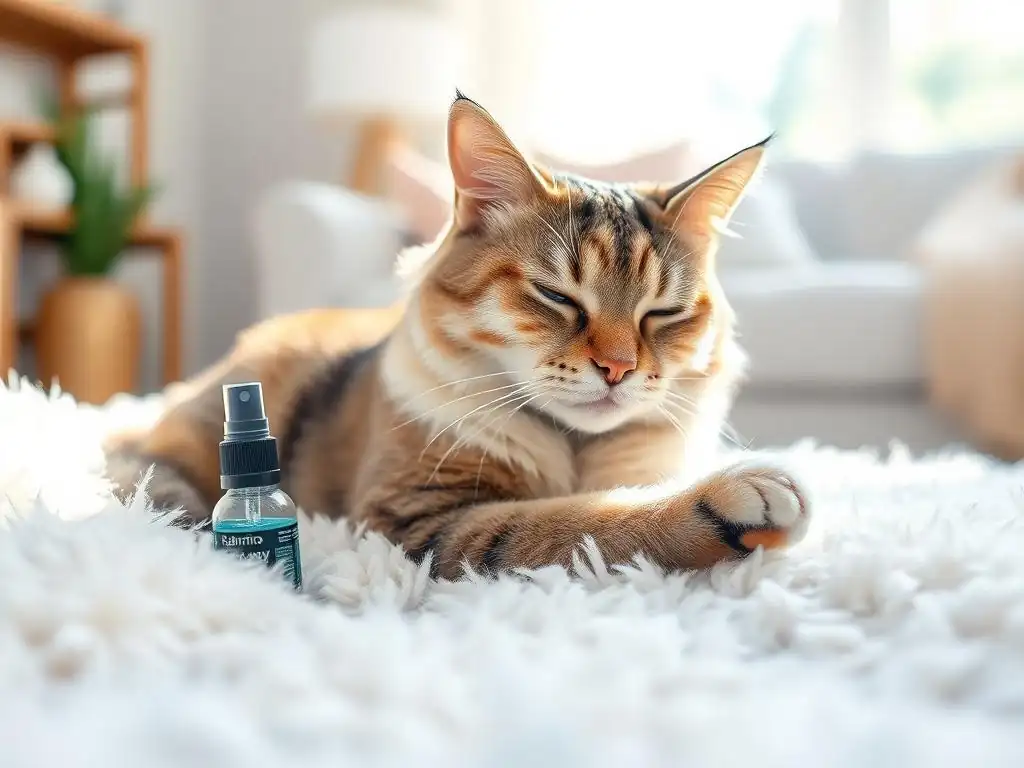
Cat pheromone calming sprays can be incredibly beneficial in a variety of situations where your feline friend might be experiencing stress or anxiety. Understanding when to use them is key to maximizing their effectiveness. Here are some specific scenarios where a cat pheromone calming spray can prove invaluable:
- Introducing a New Pet: Bringing a new animal into the home, whether another cat, a dog, or even a small animal, can be incredibly disruptive for your resident cat. The introduction of new smells, sounds, and territory competition can lead to significant stress, manifesting as hissing, aggression, or hiding. A pheromone spray can help ease the transition by creating a more calming environment for all involved. Strategic application in the areas where the cats interact most frequently can significantly reduce inter-cat conflict.
- Veterinary Visits: Many cats experience intense anxiety before and after veterinary visits. The car ride, the unfamiliar environment, and the handling by veterinary staff can trigger fear and stress. Spraying the carrier with a pheromone spray before the trip can help calm your cat during transport. Similarly, spraying the carrier and the immediate area around it at home can help to reduce post-visit stress.
- Moving to a New Home: Moving house is a major upheaval for any pet, and cats are particularly sensitive to changes in their environment. The unfamiliar smells, sounds, and layout can cause significant distress. Using a pheromone spray throughout the new home, focusing on key areas like sleeping spaces and scratching posts, can help your cat feel more secure and comfortable in their new surroundings. The familiar scent can help reduce anxiety and promote a sense of security during this transition.
- Travel: Whether it's a short trip to the vet or a longer journey, travel can be stressful for cats. Spraying the carrier and any areas where your cat will be resting during travel can help to reduce anxiety and make the experience more comfortable.
- Thunderstorms and Fireworks: Many cats are terrified of loud noises like thunderstorms and fireworks. The unpredictable nature of these events, combined with the intense sounds, can trigger significant fear and anxiety. Using a pheromone spray in your cat's safe space, such as their bed or a quiet corner, can create a haven where they can feel more secure during these frightening events. This proactive approach can help reduce the severity of their stress response.
Effective Cat Pheromone Calming Sprays: Brand Comparisons
While many brands offer cat pheromone calming sprays, their effectiveness can vary. It's crucial to choose a product that uses synthetic feline facial pheromones (feliway), as these are scientifically proven to have a calming effect on cats. Direct comparisons between brands are difficult as individual cat responses can differ greatly. However, we can highlight some key aspects to consider when choosing a spray:
| Brand | Key Features | Potential Pros | Potential Cons |
|---|---|---|---|
| Brand A | [Specific features pending] | [Specific pros pending] | [Specific cons pending] |
| Brand B | [Specific features pending] | [Specific pros pending] | [Specific cons pending] |
| Brand C | [Specific features pending] | [Specific pros pending] | [Specific cons pending] |
Note: This table requires further research to fill in specific details about individual brands and their products. Always read product reviews and consult with your veterinarian before using any new product on your cat. The effectiveness of a pheromone spray can also depend on your cat's individual personality and the severity of their anxiety.
Some cats may respond better than others. Consistent and proper use, as directed on the product packaging, is vital for optimal results. Remember that pheromone sprays are a supportive tool and may be most effective when combined with other calming techniques, such as providing safe spaces and enrichment activities.
Beyond the Spray: Other Ways to Use Feline Pheromones
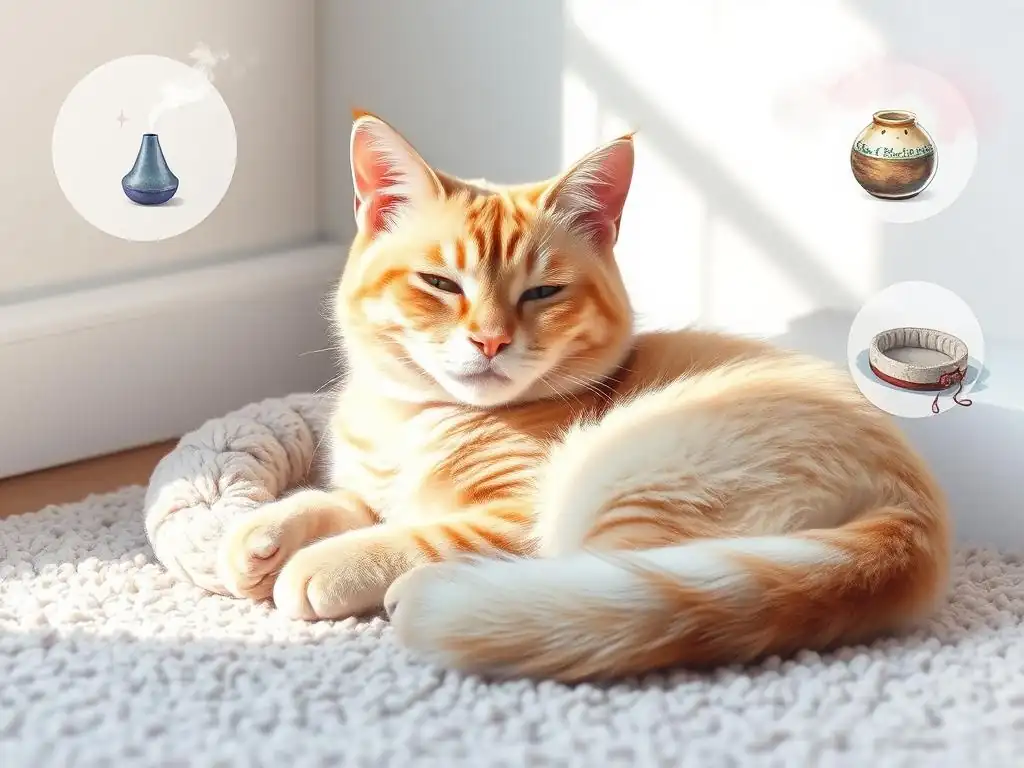
While feline pheromone calming sprays are popular and readily accessible, they represent only one avenue for leveraging the power of these chemical messengers to improve your cat's well-being. Understanding the different application methods allows for a more tailored and effective approach to managing feline stress and anxiety. This section explores alternative ways to incorporate feline pheromones into your cat's environment, offering a broader perspective on their calming benefits. Choosing the right method depends greatly on your cat's personality, the specific situation causing stress, and your home environment. Let's delve into some effective alternatives to sprays.
Diffusers and Plugins: A Different Approach to Calming
Diffusers and plugins offer a more subtle and continuous release of feline pheromones, creating a calming atmosphere throughout a specific area, such as a room or a small apartment. Unlike sprays, which provide a more localized and temporary effect, diffusers work constantly to saturate the environment with calming pheromones. This continuous exposure can be particularly beneficial for cats experiencing chronic stress or anxiety related to their surroundings. They are also ideal for cats who dislike the direct application of sprays.
The effectiveness of diffusers depends on several factors. The size of the room, ventilation, and the type of diffuser used all play a role. Well-ventilated rooms might require more frequent refills or stronger diffusers. Furthermore, the placement of the diffuser is crucial; avoid areas with direct airflow or high temperatures that could affect the pheromone's potency. Consider placing the diffuser in a central location within the room, away from direct sunlight and heat sources. Some cats might initially show increased curiosity towards the diffuser, but this should subside as they become accustomed to the scent.
Data suggests that using diffusers in conjunction with sprays can provide a synergistic effect, creating an even more calming and secure environment for your feline companion. However, more research is needed to fully quantify this effect and establish optimal usage protocols. For example, a study comparing the effectiveness of diffusers versus sprays in reducing stress in shelter cats [specific information pending] would be invaluable in clarifying best practices.
Additional Products Utilizing Feline Pheromones: Wipes and Collars
Beyond sprays and diffusers, the market offers a range of additional products incorporating feline pheromones. These include wipes and collars, each designed for specific situations and cat personalities.
- Pheromone Wipes: These wipes allow for targeted application of pheromones to specific areas, such as bedding, scratching posts, or even directly onto the cat (with caution and only if your cat tolerates it). This localized approach can be particularly useful in addressing specific anxiety triggers, such as a new pet or a recent move. They provide a more immediate calming effect compared to diffusers. However, the effect is generally shorter-lived than diffusers.
- Pheromone Collars: These collars release pheromones gradually over time, providing a continuous, albeit less concentrated, calming effect. They are ideal for cats prone to anxiety during travel or in new environments. While convenient, it’s important to ensure the collar fits properly and doesn't irritate your cat's skin. Regular monitoring for any signs of skin irritation or discomfort is crucial. Moreover, the collar's effectiveness might diminish over time, requiring replacement.
Choosing the right product depends on your cat's individual needs and preferences. Some cats respond better to the subtle, continuous release of pheromones from diffusers, while others might benefit more from the targeted application of wipes or the consistent release from a collar. Observe your cat's behavior and adjust your approach accordingly. Remember, patience and careful observation are key to finding the optimal method for calming your feline friend using feline pheromones. Always consult your veterinarian if you have concerns about your cat's behavior or anxiety levels. 😻
Debunking Myths About Cat Pheromone Calming Sprays
Many misconceptions surround cat pheromone calming sprays, leading to confusion and potentially ineffective use. Let's address some common myths to ensure you're using these products correctly and reaping their full benefits. Understanding the reality behind these myths is crucial for effectively managing your cat's stress and anxiety levels, improving their overall well-being, and enhancing your bond. This guide aims to clarify these misconceptions and empower you to make informed decisions about using feline pheromone calming sprays.
Myth 1: Cat pheromone sprays instantly calm a cat.
Reality: While cat pheromone sprays are highly effective calming aids, they don't work like magic. They don't provide immediate sedation. Think of them as a gradual mood regulator, not a quick fix. The synthetic pheromones mimic the natural calming pheromones cats produce, creating a sense of security and relaxation over time.
The effect is cumulative; consistent use is key to seeing noticeable improvements in your cat's behavior. You'll likely observe a gradual reduction in anxiety-related behaviors such as scratching, hiding, or excessive vocalization over several days or weeks of consistent application. The timeframe for noticeable changes varies depending on the individual cat and the severity of their anxiety. Patience and persistence are essential.
Myth 2: All cat pheromone sprays are the same.
Reality: The market offers various cat pheromone sprays, but they aren't all created equal. Some contain different types of feline pheromones (e.g., F3, F4), or varying concentrations. Product quality and effectiveness can also differ. It's crucial to choose a spray that's specifically formulated for cats and contains synthetic feline facial pheromones (feliway).
Always check the product label to ensure it's a reputable brand and meets the necessary quality standards. Consulting with your veterinarian can also help you choose a product suited to your cat's specific needs and any underlying health conditions that may contribute to their anxiety. Don't hesitate to ask your vet for recommendations based on your cat's individual profile.
Myth 3: Cat pheromone sprays are only for cats with behavioral problems.
Reality: While often used to address behavioral issues like stress, anxiety, or spraying, cat pheromone sprays can benefit all cats. They can create a more peaceful and comfortable environment for any feline, promoting relaxation and reducing stress in daily situations. Think of it as preventative care for your cat's emotional well-being.
Using a pheromone spray in your cat's favorite resting places, or areas where they spend a significant amount of time, can help create a consistently calming atmosphere, promoting a sense of security and reducing the likelihood of anxiety-related behaviors. Regular use can be beneficial even for cats that don't exhibit overt signs of stress or anxiety, contributing to their overall happiness and well-being. It's a proactive approach to maintaining a calm and harmonious feline companion.
When to Consult a Veterinarian About Your Cat's Behavior
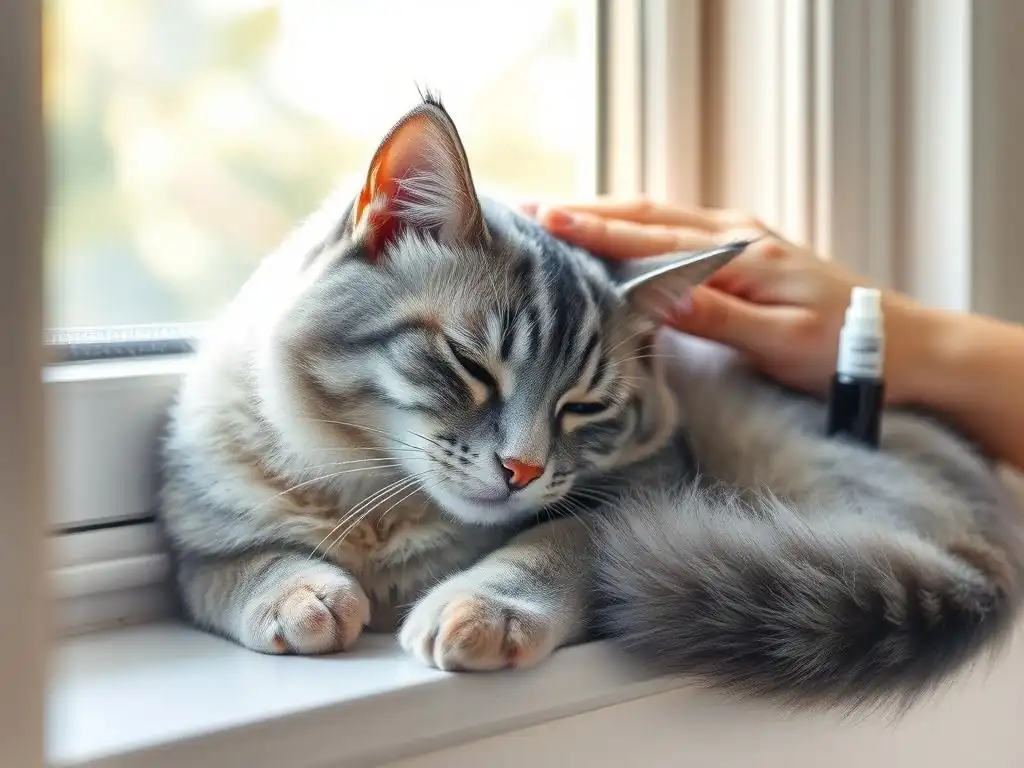
Understanding your cat's behavior is crucial for their well-being. While many behavioral quirks are normal feline characteristics, some warrant professional veterinary attention. This section provides guidance on identifying situations that require a vet's expertise, helping you navigate the complexities of feline behavior and ensure your cat receives the appropriate care. Using a cat pheromone calming spray can help in some situations, but it's not a substitute for professional veterinary assessment.
Recognizing Serious Behavioral Issues Requiring Professional Help
Several behavioral changes in cats signal potential underlying medical problems, requiring immediate veterinary consultation. These changes often go beyond simple adjustments in behavior and indicate a deeper issue that needs diagnosis and treatment. Ignoring these signs can lead to worsening conditions and reduced quality of life for your cat.
For example, a sudden increase in aggression, particularly unprovoked attacks, might be a symptom of pain or cognitive dysfunction. Similarly, a dramatic shift in litter box habits, such as inappropriate urination or defecation outside the litter box, could point to urinary tract infections, kidney disease, or other medical issues. Changes in appetite, excessive vocalization (meowing), or unusual grooming habits (over-grooming or neglect) should also be taken seriously and investigated by a veterinarian.
Consider this scenario: Your normally calm and affectionate cat suddenly starts hissing and biting without apparent provocation. This drastic change in behavior is a red flag and requires immediate veterinary attention. A simple cat pheromone calming spray won't address the underlying cause of this aggression. The vet can conduct a thorough examination to rule out pain, infection, or other medical conditions that might be causing this behavioral shift.
It's vital to remember that behavioral changes are often intertwined with physical health. A thorough veterinary examination, including blood tests and potentially imaging, may be necessary to pinpoint the underlying cause and develop an appropriate treatment plan. Prompt professional help can significantly improve your cat's comfort and well-being.
Distinguishing Between Normal and Abnormal Cat Behavior
Differentiating between normal feline behavior and concerning changes can be challenging. Many behaviors considered "quirky" are simply part of a cat's natural personality. However, a sudden or significant deviation from their established patterns warrants closer scrutiny. For instance, while a cat may occasionally hide, a persistent withdrawal or avoidance of human interaction could be a sign of stress, illness, or pain. Similarly, changes in sleep patterns—excessive sleeping or insomnia—should be observed carefully.
Let's compare two scenarios: Scenario A: Your cat occasionally hides under the bed for a few hours, then emerges seemingly fine. This is likely a normal feline behavior. Scenario B: Your cat is constantly hiding, refusing food, and exhibiting signs of distress. This is a cause for concern and needs veterinary attention.
Understanding your cat's baseline behavior is essential. Keep a detailed record of their daily routines, including eating habits, sleeping patterns, litter box use, and interactions with you and other pets. This baseline will help you identify significant deviations and facilitate effective communication with your veterinarian.
This record, combined with your observations, will help your vet assess whether a cat pheromone calming spray could be helpful, or if a more serious medical issue is at play. Remember, a thorough understanding of your cat's individual personality and habits is the first step in recognizing and addressing potential problems. Early intervention is key to resolving behavioral issues and maintaining your cat's overall health and happiness.
Frequently Asked Questions about Cat Pheromones and Calming Sprays
This section addresses common queries regarding feline pheromones and their application in calming sprays, providing you with a comprehensive understanding of this effective cat behavior modification tool. We'll delve into the specifics, helping you make informed decisions about using pheromone sprays for your feline companion.
Question 1: How do cat pheromone calming sprays actually work?
Cat pheromone calming sprays mimic the natural pheromones cats produce to mark their territory and create a sense of security. These synthetic pheromones, primarily felinine, don't contain the actual scent of a cat's urine or feces, but rather replicate the calming facial pheromones (produced from the cat's cheeks) that signal contentment and safety. When sprayed in a cat's environment, these synthetic pheromones bind to receptors in their noses, triggering a calming response in the brain. This reduces stress and anxiety, leading to more relaxed behavior.
The effect is subtle but significant; it doesn't sedate the cat, but rather creates a more peaceful atmosphere. Think of it as creating a "safe space" for your cat, reducing the triggers for anxious or fearful behavior. The effectiveness varies slightly from cat to cat, but the majority respond positively to the calming influence.
Question 2: What are the different types of cat pheromone calming sprays available, and how do I choose the right one?
The market offers several brands of cat pheromone calming sprays, all generally based on synthetic versions of feline facial pheromones. However, the formulation and concentration may differ slightly. Some brands are specifically formulated for particular situations, such as travel or vet visits. When choosing a spray, look for products specifically labeled as containing synthetic feline facial pheromones. Avoid products claiming to have other types of pheromones or those with additional additives that might be irritating to your cat.
Always check the ingredient list to ensure it's a pure pheromone product. Consulting your veterinarian is always a good idea, especially if your cat has pre-existing health conditions or exhibits severe behavioral problems. They can help you choose the most appropriate product based on your cat's specific needs and sensitivities. Remember, a “cat pheromone calming spray guide” is helpful, but professional advice is invaluable.
Question 3: Are there any potential side effects or risks associated with using cat pheromone calming sprays?
Generally, cat pheromone calming sprays are considered safe for cats. They are non-toxic and don't cause sedation or drowsiness. However, some cats might show no response at all, while others may exhibit a very slight, temporary change in behavior, such as increased lethargy or appetite changes. These are usually minimal and not cause for concern.
Rarely, a cat might exhibit an allergic reaction, typically manifesting as skin irritation or respiratory issues. If you observe any unusual reactions after using the spray, discontinue use immediately and consult your veterinarian. Always spray the product in well-ventilated areas to avoid any potential respiratory irritation.
Proper application, as per the manufacturer's instructions, is crucial to maximizing the benefits and minimizing any potential side effects. Remember, responsible pet ownership involves careful monitoring and prompt veterinary attention if needed. A holistic approach to cat care, including a balanced diet, adequate playtime, and a safe environment, works best in conjunction with pheromone sprays.
Frequently Asked Questions
What are feline pheromones and how do they work?
Feline pheromones are chemical signals released by cats to communicate. They affect the behavior and emotional state of other cats, and can also have a calming effect on the cat releasing them. Synthetic pheromones mimic these natural signals.
How can cat pheromone calming spray help my cat?
Cat pheromone sprays, containing synthetic feline facial pheromones, can help reduce stress and anxiety in cats. This can be beneficial for situations causing stress, such as vet visits, travel, or introducing a new pet.
Where should I spray the cat pheromone calming spray?
Spray the pheromone directly onto surfaces where your cat spends the most time, such as their bedding, scratching posts, or favorite resting spots. Avoid spraying directly on your cat.
Are cat pheromone calming sprays safe for my cat and other pets?
Yes, synthetic cat pheromone sprays are generally considered safe for cats and are not harmful if ingested. However, always keep the spray out of reach of other pets who might be sensitive to it.
How long does it take for a cat pheromone calming spray to work?
The effects of cat pheromone sprays can vary, but you may notice a calming effect within a few minutes to a few hours. For best results, use the spray consistently over several days or weeks.
Final Reflection: Unlocking the Secrets of Feline Communication
Understanding feline pheromones is not just a niche interest; it's a key to unlocking a deeper, more harmonious relationship with our feline companions. The ability to decipher their silent signals, to soothe anxieties, and to foster a more peaceful home environment through the strategic use of pheromone products is profoundly impactful for both cats and their owners. This knowledge empowers us to become better caregivers, creating a truly enriching bond built on mutual understanding.
The impact of this understanding extends far beyond the individual cat-owner relationship. As we become more attuned to the subtle nuances of feline communication, we collectively shift our approach to animal welfare. We move away from simply reacting to problematic behaviors and toward proactively creating environments that cater to our cats' innate needs. This proactive approach fosters a more compassionate and informed approach to pet ownership. The greatest good you can do for another is not just to share your riches, but to reveal to him his own.
This quote, while not directly about cats, speaks to the power of revealing the hidden communication of our feline friends, enriching both their lives and ours.
Consider the implications of this newfound knowledge. Are you ready to actively listen to your cat's silent cues? Will you explore the various pheromone products available, selecting the one best suited to your cat's unique personality and needs? Take the time to observe your cat's behavior, to identify potential stressors, and to implement strategies that promote calm and contentment. By embracing this knowledge, you are not only improving your cat's well-being but also deepening the bond you share, creating a richer and more fulfilling relationship for both of you.
Unlock Your Cat's Secrets: A Purrfect Next Step
Thanks for exploring the fascinating world of feline pheromones with us! You now have a better understanding of how these chemical signals influence your cat's behavior and well-being. Ready to put this knowledge into practice?
- Use a pheromone diffuser or spray: This is the most effective way to create a calmer, happier home for your cat. Observe your cat's behavior closely – you might be surprised by the difference!
- Share this article: Help other cat lovers understand their feline companions better. Let's build a community of informed and compassionate cat owners.
- Keep a behavior journal: Record any changes in your cat's behavior after using pheromones. This detailed record can provide valuable insights into your cat's unique personality and needs.
What changes are you most excited to make to improve your cat's environment, and why?