
The Cat's Perspective: Seeing Your Home Through Feline Eyes

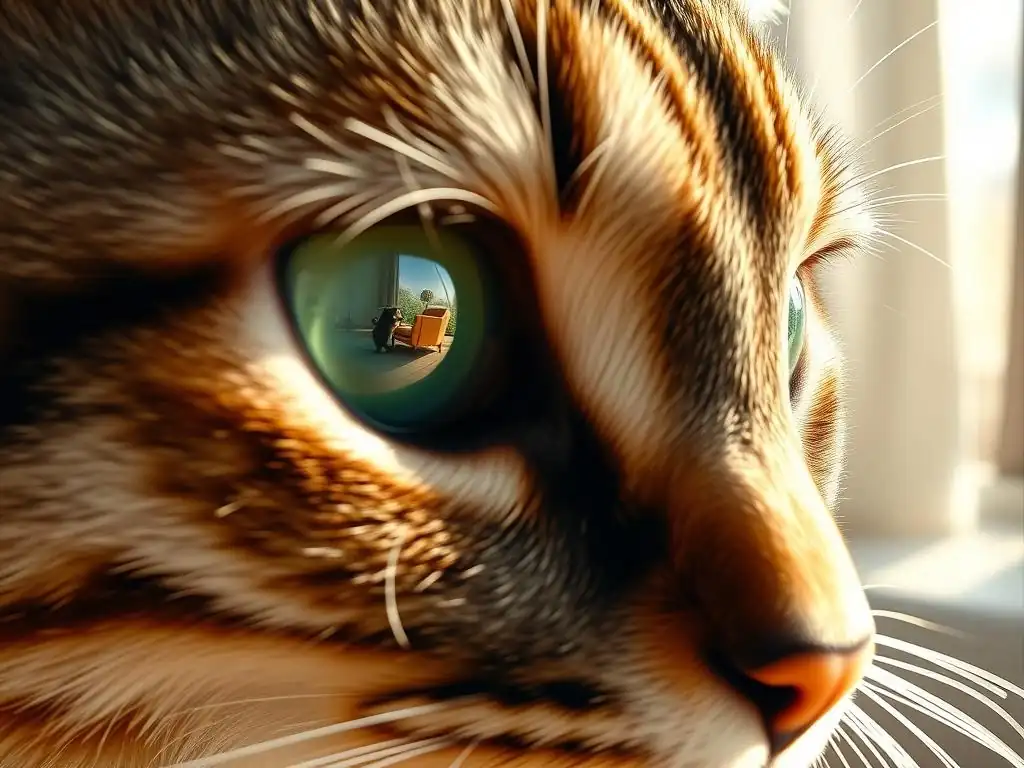
Welcome to PetCareWorld, your ultimate guide to a happier, healthier life for your beloved pets! Are you ready to unlock the secrets to a truly harmonious home environment for your feline friend? Our expert guide, " The Cat's Perspective: Seeing Your Home Through Feline Eyes," delves into the fascinating world of cat home environment understanding, revealing how your cat perceives their surroundings and how you can create a space that caters perfectly to their unique needs. Discover the surprising insights that will transform your relationship with your cat and create a purrfectly happy home. Let's begin!
- Understanding Your Cat's Home Environment: A Feline's Point of View
- Optimizing Your Home for a Happy Cat: Creating a Cat-Friendly Environment
- Understanding Your Cat's Needs: Beyond the Basics
- Creating a Harmonious Home: Cats and Humans Coexisting
- Frequently Asked Questions
- Final Reflection: Reimagining Home Through a Whisker's Width
- Rediscover Your Home: A Feline-Friendly Redesign
Understanding Your Cat's Home Environment: A Feline's Point of View
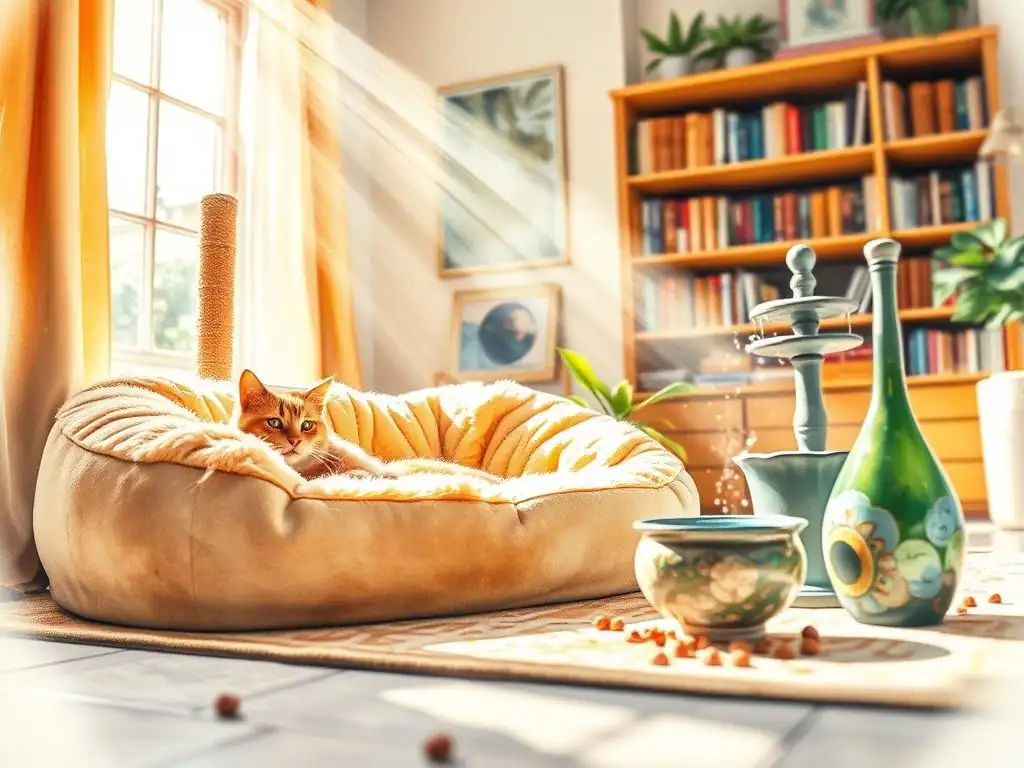
Cats, those enigmatic creatures, often seem to live in a world of their own, navigating our homes with an air of quiet mystery. Understanding your cat's home environment from their perspective is key to creating a truly happy and harmonious feline household. This isn't just about providing food and water; it's about recognizing how your cat perceives the spaces they inhabit, understanding their unique sensory experiences, and appreciating their inherent need for security and exploration.
This article will delve into the feline mind, exploring how your cat sees your home and what you can do to make it a purrfect paradise. We will uncover the secrets of feline body language within the home environment, identify essential safe spaces and hiding spots, and analyze how cats perceive different areas of your house.
By gaining this crucial insight into "Cat home environment understanding," you'll be well-equipped to create a space that caters to your cat's natural instincts and promotes their overall well-being. Let's embark on this journey to better understand our feline companions and build a stronger bond with them.
Deciphering Feline Body Language in Your Home
Understanding your cat's body language is paramount to comprehending their experience within your home. A flick of the tail, a slow blink, a flattened ear – these seemingly subtle movements communicate volumes about your cat's emotional state and comfort level. For instance, a cat constantly hiding could indicate a lack of safe spaces or feeling stressed by something in the environment. Conversely, a cat openly lounging, stretching and kneading shows contentment and a feeling of security.
Let's examine some key indicators:
| Body Language Signal | Meaning | Potential Environmental Factors |
|---|---|---|
| Tail held high and swishing | Happy, confident, alert | Safe and stimulating environment |
| Tail tucked low or between legs | Fearful, anxious, stressed | Loud noises, unfamiliar people, perceived threats |
| Slow blinks | Sign of trust and affection | Comfortable and secure environment |
| Ears flattened back | Fear, aggression, or feeling threatened | Over-stimulation, unfamiliar people or animals, loud noises |
| Hissing | Fear, aggression, warning | Feeling threatened or cornered |
| Kneading | Contentment, comfort, feeling safe | A comfortable and familiar space |
Recognizing these subtle cues can help you identify potential stressors in your cat's environment and make necessary adjustments to improve their quality of life. Remember, a cat's body language is a constant conversation; learn to listen, and you'll gain invaluable insights into their world.
Identifying Safe Spaces and Hiding Spots for Your Cat
Cats are naturally predisposed to seek out safe and secure spaces. These "hiding spots" provide a sense of refuge and control, allowing them to retreat when feeling overwhelmed or stressed. Providing ample hiding places is crucial for a cat's emotional well-being, especially in busy households. These safe havens can be as simple as a cardboard box or as elaborate as a custom-made cat tree.
Consider these options when creating safe spaces for your cat:
- High perches: Cats love high vantage points, offering a panoramic view of their surroundings and a sense of security. Cat trees, shelves, or window perches are excellent choices.
- Covered spaces: Cat beds with covers, tunnels, or even a quiet corner under a bed or sofa provide a sense of enclosure and privacy.
- Quiet areas: Identify quiet areas in your home where your cat can retreat when needed. These spaces should be free from loud noises and excessive activity.
- Multiple hiding spots: Provide several hiding spots throughout your home, ensuring your cat always has a safe place to retreat to, regardless of their location.
Remember, the ideal hiding spot is different for every cat. Observe your cat's behavior to determine their preferences and provide a variety of options to cater to their individual needs. The more secure and comfortable your cat feels, the more likely they are to exhibit relaxed and playful behaviors.
How Cats Perceive Different Areas of Your Home
Cats experience your home through their senses – sight, smell, hearing, touch, and taste – in ways vastly different from humans. What might seem like a harmless area to you could be a source of stress or anxiety for your cat. Understanding these sensory perceptions is vital in creating a cat-friendly environment.
For example:
- High-traffic areas: Cats often find high-traffic areas overwhelming due to the constant movement and noise. Provide alternative quiet areas where they can retreat from the hustle and bustle.
- Open spaces: While some cats enjoy open spaces, others find them exposed and vulnerable. Provide hiding spots or vertical space in open areas to give your cat a sense of security.
- Dark spaces: Many cats prefer dark, enclosed spaces, as these mimic their natural environment. A dark closet or cupboard can be a perfect hiding spot for a shy cat.
- Strong smells: Cats have a highly sensitive sense of smell. Strong perfumes, cleaning products, or even the scent of other animals can be overwhelming and stressful. Use pet-friendly cleaning products and avoid strong scents.
By considering your cat's unique sensory experiences and preferences, you can create a home environment that caters to their needs and promotes their overall well-being. Remember, creating a cat-friendly home is an ongoing process of observation, adaptation, and understanding. The more you learn about your cat's preferences, the better you can create a truly purrfect home for your feline friend. 😻
Optimizing Your Home for a Happy Cat: Creating a Cat-Friendly Environment
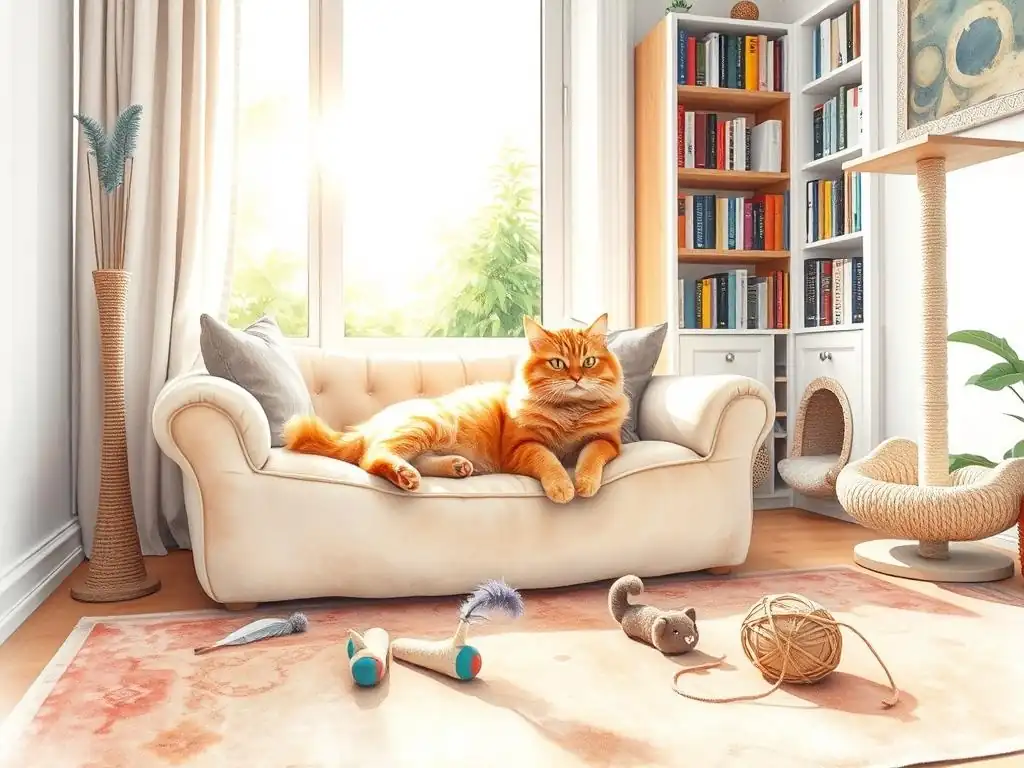
Understanding your cat's home environment is crucial for their well-being. Cats, unlike dogs, are crepuscular creatures, most active during dawn and dusk. Their senses of smell and hearing are far superior to ours, shaping their perception of their surroundings.
A cat-friendly home isn't just about aesthetics; it's about creating a safe, stimulating, and enriching space that caters to their specific needs and instincts. This involves considering several key areas, from safety to enrichment, all contributing to a happier, healthier cat. Optimizing your home for your feline companion requires a holistic approach, encompassing safety, enrichment, and a keen understanding of feline behavior.
This understanding, coupled with practical adjustments to your home, can transform your space into a true feline paradise, enhancing your bond and improving your cat's quality of life. The goal is to create a space where your cat feels secure, comfortable, and able to express its natural behaviors. This translates to a happier cat and a more harmonious home environment.
Cat-Proofing Your Home: Avoiding Hazards and Dangers
A crucial aspect of creating a cat-friendly home involves identifying and eliminating potential hazards. Cats are naturally curious and agile, often exploring areas we might not consider dangerous. Thorough cat-proofing is essential for their safety and well-being.
This includes:
- Securing toxic substances: Keep cleaning products, medications, pesticides, and other potentially harmful chemicals securely locked away in cabinets with childproof latches. Many common household plants are also toxic to cats; research which plants are safe before bringing them into your home. A simple online search for "toxic plants for cats" can provide a comprehensive list.
- Protecting electrical cords: Cats love to chew on cords, posing a significant electrical shock risk. Use cord covers or tuck cords away neatly to prevent access.
- Window safety: Ensure windows are securely closed or fitted with screens that can withstand a cat's weight. Falls from high places are a common cause of injury in cats.
- Preventing access to small spaces: Cats can squeeze into incredibly tight spaces, sometimes getting trapped or injured. Check for gaps under appliances, cabinets, or walls.
- Securing sharp objects: Keep needles, pins, and other sharp objects out of reach. Broken glass should be cleaned up immediately.
Regularly inspecting your home from a cat's perspective – getting down on all fours – will highlight potential dangers you might otherwise overlook. Remember, prevention is key when it comes to cat safety. Proactive measures will significantly reduce the risk of accidents and ensure your cat's safety within your home. A safe environment allows your cat to explore and play without the constant threat of injury.
Providing Vertical Space: Cat Trees and Shelves
Cats are naturally arboreal animals; they love to climb and survey their surroundings from high vantage points. Providing vertical space is crucial for their physical and mental well-being. This allows them to express their natural instincts, reducing stress and boredom.
Consider incorporating:
- Cat trees: These provide multiple levels for climbing, scratching, and resting. Choose a sturdy cat tree with a variety of textures and features to keep your cat engaged. The size should be appropriate for your cat's size and the space available in your home.
- Wall-mounted shelves: These offer additional climbing opportunities and create interesting pathways throughout your home. Securely attach shelves to the wall using appropriate hardware to prevent accidents.
- Window perches: Cats love to bask in sunlight and observe the world outside. A window perch provides a perfect spot for sunbathing and bird-watching.
The placement of these vertical elements is also important. Strategically placing cat trees and shelves near high-traffic areas allows your cat to observe their environment and interact with family members. Providing a variety of vertical spaces prevents your cat from constantly vying for the same limited space. This contributes to a more peaceful and less competitive atmosphere within your home.
Strategic Placement of Food and Water Bowls
The location of food and water bowls significantly impacts a cat's comfort and well-being. Cats prefer to eat and drink in quiet, secluded areas away from their litter box and high-traffic zones. This minimizes stress and encourages them to eat and drink regularly.
Consider the following:
- Multiple bowl locations: Having multiple food and water bowls in different areas of the house allows your cat to choose their preferred location. This is especially useful in larger homes or multi-level houses.
- Elevated bowls: Some cats prefer elevated bowls, which can reduce strain on their neck and joints. This is particularly beneficial for older or arthritic cats.
- Cleanliness: Keep food and water bowls clean and fresh. Regularly wash and disinfect them to prevent the growth of bacteria.
The placement of food and water bowls should be carefully considered as part of a holistic approach to creating a cat-friendly home. It's a seemingly small detail that can make a significant difference in your cat's comfort and overall well-being. A comfortable eating and drinking environment contributes to a happy and healthy cat. Remember, a cat's well-being is reflected in every aspect of their home environment.
Enhancing Sensory Enrichment: Toys and Interactive Elements
Cats, being naturally curious and playful creatures, thrive on sensory stimulation. A stimulating environment significantly contributes to their overall well-being and prevents boredom, which can lead to destructive behaviors or health problems. Providing a variety of toys and interactive elements is crucial for a happy and healthy cat. Think beyond the simple ball of yarn; consider offering a diverse range of textures, sounds, and smells to engage your feline friend's senses.
One effective approach is to rotate toys regularly. Cats, like humans, can get bored with the same old things. Keeping a selection of toys stored away and introducing them periodically maintains novelty and excitement. This simple strategy can significantly extend the lifespan of your cat's interest in their playthings. Consider a "toy box" where you can keep some favorites out of sight and rotate them every few days or weeks. This prevents the toys from becoming dull and keeps your cat constantly engaged.
The type of toys you offer should also be varied. Some cats prefer chasing toys like feather wands or laser pointers (always ensuring a "catch" at the end to avoid frustration). Others might enjoy puzzle feeders that challenge their problem-solving skills and provide mental stimulation, contributing to their overall cognitive health. These feeders often dispense treats only after the cat has solved a specific puzzle, providing both entertainment and a reward. Still others might simply enjoy a good, solid scratching post to satisfy their natural scratching instincts, preventing damage to your furniture.
Remember to consider your cat's personality and preferences. An energetic kitten will likely enjoy different toys than a more laid-back senior cat. Observe your cat's interactions with various toys and adjust your offerings accordingly. You might discover your cat has a hidden passion for crinkle balls or a surprising fondness for cardboard boxes—simple, inexpensive enrichment!
Don't underestimate the power of observation; understanding your cat's play style is key to providing the most enriching experience. Finally, always supervise playtime, especially with toys that have small parts, to ensure safety. A happy, stimulated cat is a healthier and more well-adjusted cat. Providing this enrichment is a key component of understanding and improving your cat's home environment.
Understanding Your Cat's Needs: Beyond the Basics
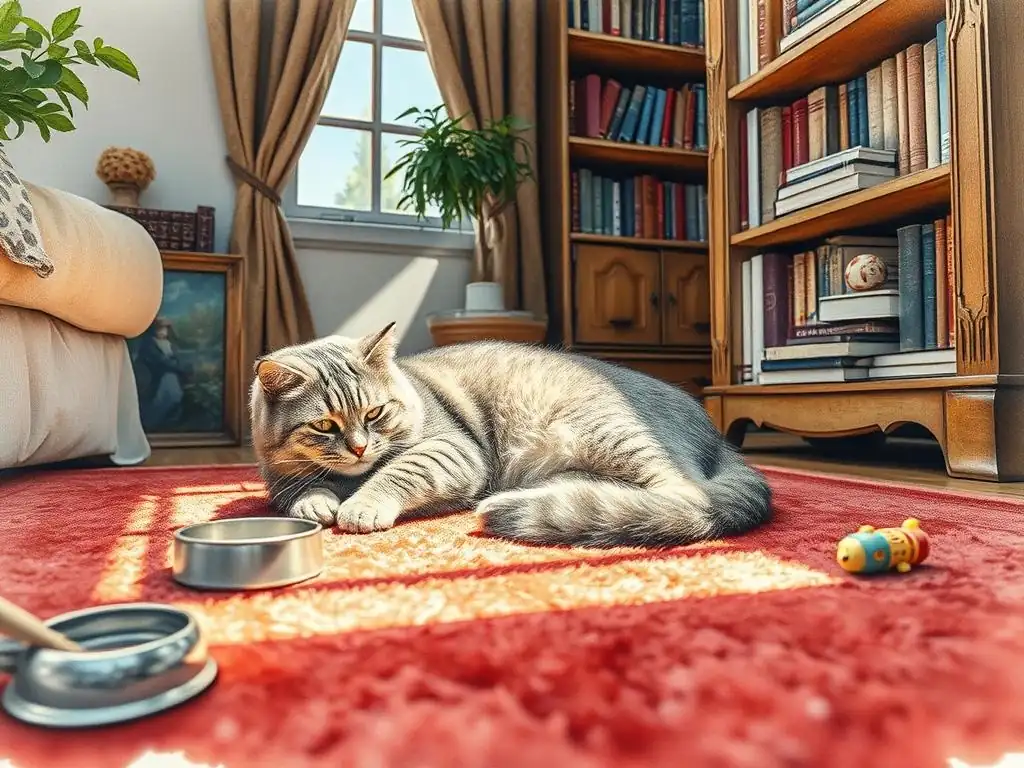
Understanding your cat's needs goes beyond simply providing food and water. A cat's well-being is intricately linked to its environment, and creating a cat-friendly home is crucial for its physical and mental health. This involves understanding feline behavior and preferences, anticipating potential stressors, and proactively designing a space that caters to their natural instincts. A happy cat is a healthy cat, and a happy cat contributes to a harmonious household. This section will delve into some key aspects of creating a positive and enriching home environment for your feline companion, improving your "Cat home environment understanding".
The Importance of Scratching Posts in Cat Home Environment
Scratching posts are not merely frivolous accessories; they are essential tools for maintaining a cat's physical and mental well-being. Cats scratch for several reasons: to shed their outer claw sheaths, to mark their territory through scent glands in their paws, and to stretch and exercise their muscles. Depriving a cat of appropriate scratching surfaces often leads to destructive behaviors like scratching furniture.
Providing a variety of scratching posts, strategically placed throughout the home, is crucial. Consider different types of posts: vertical, horizontal, cardboard, sisal, carpet—cats have preferences! Experiment to find what your cat enjoys most. Placement is key; a post near a favorite napping spot or in a high-traffic area often proves most appealing.
Regularly inspect and replace worn-out posts to maintain their appeal and effectiveness. The right scratching posts can significantly contribute to a positive "Cat home environment understanding". Think of it as proactive furniture protection and a crucial element of feline enrichment. Ignoring this aspect can lead to costly furniture repairs and a stressed-out cat.
Creating a Safe and Stimulating Play Area
Cats, despite their reputation for naps, are naturally playful creatures. Providing a dedicated play area, separate from their sleeping and eating zones, is important for their physical and mental stimulation. This area should be safe, secure, and filled with engaging toys. Consider incorporating:
- Climbing structures: Cat trees or shelves allow cats to explore vertically, fulfilling their natural climbing instincts.
- Tunnels and hiding places: These provide security and a sense of control, mimicking their natural hunting behaviors.
- Interactive toys: Feather wands, laser pointers (used responsibly! ), and puzzle feeders keep cats mentally engaged and prevent boredom.
- Variety of textures: Different textures in the play area can provide sensory stimulation.
Remember to rotate toys regularly to prevent boredom. A stimulating play area isn't just about fun and games; it's about preventing destructive behaviors stemming from boredom and pent-up energy. This significantly contributes to a positive "Cat home environment understanding". A well-designed play area is an investment in your cat's happiness and well-being.
Addressing Potential Stressors in the Cat's Home
Even the most well-designed cat-friendly home can have potential stressors. Identifying and mitigating these stressors is key to creating a truly peaceful environment. Common stressors include:
- Loud noises: Sudden loud noises, like fireworks or thunderstorms, can frighten cats. Providing a safe, quiet space where they can retreat during stressful events is crucial.
- Other pets: Introducing a new pet or having existing pets that aren't cat-friendly can cause stress. Slow and careful introductions, with separate spaces and supervised interactions, are essential.
- Changes in routine: Cats thrive on routine. Unexpected changes, like moving furniture or having guests over, can unsettle them. Maintaining a consistent routine as much as possible helps reduce stress.
- Lack of resources: Insufficient food, water bowls, litter boxes (one more than the number of cats is recommended), or scratching posts can lead to stress and behavioral problems.
Understanding these potential stressors and taking proactive measures to minimize them significantly improves your "Cat home environment understanding" and contributes to a happier, healthier cat. Regular observation and careful attention to your cat's behavior are essential for identifying and addressing any issues promptly. A calm and predictable environment is the cornerstone of a happy cat's life.
Creating a Harmonious Home: Cats and Humans Coexisting
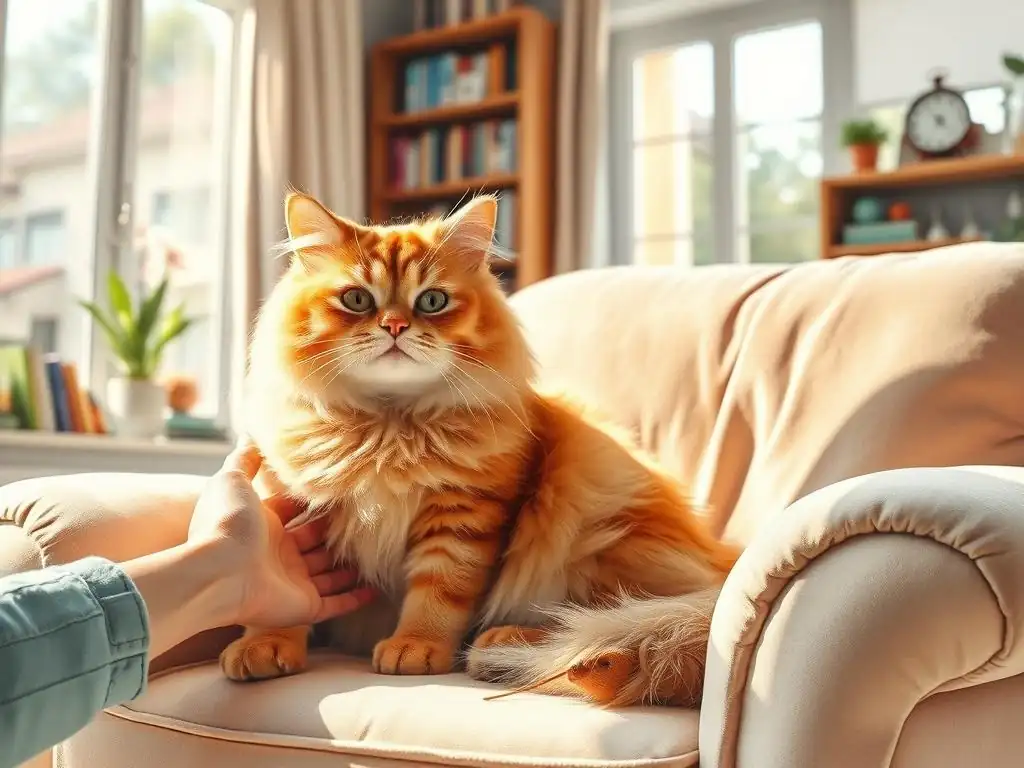
This section delves into the practical aspects of creating a home environment that caters to both feline and human needs, fostering a harmonious coexistence. Understanding your cat's perspective is key to achieving this balance. A cat-friendly home isn't just about providing food and water; it's about creating a space where your cat feels safe, secure, and stimulated.
This involves careful consideration of several key areas, from providing ample personal space to engaging in enriching play sessions. Successfully navigating these aspects significantly improves your cat's well-being and strengthens the human-animal bond, leading to a more peaceful and enjoyable home environment for everyone. The goal is to create a space where both you and your feline companion thrive.
Respecting Your Cat's Personal Space
Cats are inherently independent creatures who value their personal space. Unlike dogs, who often crave constant interaction, cats require periods of solitude and quiet to recharge. Ignoring this fundamental aspect of feline behavior can lead to stress and behavioral problems. Providing multiple resting areas throughout your home is crucial. This could include comfortable beds in quiet corners, high perches offering a vantage point, and even strategically placed scratching posts that double as climbing structures.
Think of it this way: imagine your own personal sanctuary – a quiet room where you can relax and unwind without interruption. Your cat needs similar spaces. Avoid forcing interactions during these periods; instead, let your cat approach you on their own terms. Observe their body language; a relaxed cat will have loose, slightly droopy ears, a slow blink, and a relaxed posture. A stressed cat, conversely, will exhibit flattened ears, dilated pupils, and a tense body. Respecting these signals is paramount to maintaining a positive relationship.
Consider the following:
- Vertical space: Cats love climbing! Cat trees, shelves, and window perches provide crucial vertical territory, allowing them to survey their domain and escape the hustle and bustle of the household.
- Safe spaces: Create quiet, secluded areas where your cat can retreat when feeling overwhelmed. A cat bed under a table or in a closet can be ideal.
- Avoid overcrowding: Too many people or pets in a small space can stress a cat. Provide ample space for your cat to move freely and avoid feeling confined.
Understanding Your Cat's Sleep Patterns and Habits
Cats are crepuscular animals, meaning they are most active during dawn and dusk. This doesn't mean they sleep only then; they typically sleep for 12-16 hours a day, often in short bursts throughout the day. Understanding these sleep patterns is vital for creating a cat-friendly home. Providing quiet and dark resting places can encourage restful sleep, contributing to a more relaxed and well-adjusted cat. Disrupting their sleep can lead to irritability and behavioral issues. A comfortable bed in a quiet location is an excellent starting point.
A common misconception is that cats sleep excessively due to laziness. This is often untrue; sleep is essential for their physical and mental well-being. Their sleep is crucial for energy conservation, processing information, and overall health. Interfering with this can cause stress and negatively impact their health. Observe your cat's sleeping habits; do they prefer sunny spots, dark corners, or elevated surfaces? Providing options caters to their individual preferences. Consider providing different types of bedding, such as soft blankets, plush beds, or even cardboard boxes – cats often find simple cardboard boxes incredibly appealing! 😴
Furthermore, consider the impact of your own routines on your cat's sleep. Loud noises, sudden movements, or changes in the household schedule can disrupt their rest. Consistency in routines can contribute to a more predictable and calming environment for your feline companion.
Building a Bond Through Play and Interaction
While cats value their independence, they also crave interaction and enrichment. Play is crucial for both physical and mental stimulation, preventing boredom and promoting a strong bond between you and your cat. Interactive play sessions, using toys like wands, feather teasers, or laser pointers, can mimic hunting behaviors, satisfying their natural instincts. These sessions shouldn't be overly long; short, frequent sessions are more effective than one long, tiring session.
Remember that play sessions should be engaging and stimulating, not stressful. Observe your cat's body language during playtime; signs of overstimulation include excessive panting or flattened ears. If you see these signals, end the play session immediately. Variety is key; rotate toys regularly to prevent boredom. Puzzle feeders can also provide mental stimulation, encouraging your cat to work for their food, mimicking their natural foraging behaviors.
Consider these points when planning playtime:
| Toy Type | Benefits | Considerations |
|---|---|---|
| Wand Toys | Mimics hunting prey, great exercise | Avoid pointing the laser directly at their eyes. |
| Puzzle Feeders | Mental stimulation, slows down eating | Choose puzzles appropriate to your cat's skill level. |
| Stuffed Mice/Toys | Satisfies predatory instincts | Supervise to prevent ingestion of small parts. |
| Crinkle Balls | Auditory and tactile stimulation | Choose durable, non-toxic materials. |
By incorporating these strategies, you can cultivate a truly cat-friendly home, enhancing your feline companion's well-being and strengthening your bond. Remember, understanding your cat's needs and preferences is paramount to creating a harmonious and happy home for both of you. 😻
Frequently Asked Questions
How can I make my home a safer space for my cat?
Cat safety is paramount! Remove toxic substances like cleaning products and medications, secure electrical cords, and eliminate access to small, potentially dangerous objects. A cat-proofed home is a happy home.
What kind of furniture is best for cats?
Cats appreciate vertical space and scratching posts. Provide tall cat trees for climbing and durable scratching surfaces to protect your furniture. Consider comfortable beds in quiet areas.
How can I create a stimulating environment for my cat?
Cats need mental and physical stimulation. Provide interactive toys, puzzle feeders, and window perches offering views. Rotating toys and creating environmental enrichment keeps them engaged.
What are some common cat hiding spots and how can I make them feel secure?
Cats often seek dark, quiet spaces. Provide cat beds or tunnels in these areas. Avoid disturbing them in their chosen spots to build trust and security. A safe haven is crucial for feline well-being.
My cat seems stressed; how can I identify and address the issue?
Observe your cat for signs of stress, such as excessive grooming, hiding, or changes in appetite. Consult your veterinarian to rule out medical causes and consider adjusting their environment to reduce stressors. A calm and predictable environment is key.
Final Reflection: Reimagining Home Through a Whisker's Width
Understanding our feline companions' home environment is not merely about providing food and water; it's about crafting a sanctuary that truly reflects their needs and enriches their lives. This understanding, crucial for their well-being, directly impacts their happiness and, in turn, strengthens the bond we share with these enigmatic creatures.
The impact of a thoughtfully designed feline environment extends far beyond the practical. It speaks to our capacity for empathy and our willingness to see the world from a perspective different from our own. The cat, who walks by himself, will not be happy with a man who walks by himself.
This quote, though not directly about home environment, highlights the interconnectedness of our lives with our pets and the importance of understanding their needs to foster a harmonious relationship. The more we learn about their unique sensory experiences and preferences, the more we appreciate the richness of their inner lives and the profound impact our actions have on their happiness.
Now, consider your own home. Look at it through the eyes of your cat – or even imagine a cat inhabiting your space. What adjustments could you make to enhance their comfort, security, and overall sense of well-being? Perhaps it's adding a new climbing structure, providing more hiding places, or simply paying closer attention to their body language to better understand their preferences. Take this opportunity to create a truly enriching home for your feline friend, a space where they feel safe, loved, and utterly at home.
Rediscover Your Home: A Feline-Friendly Redesign
Thank you for considering your home from your cat's point of view! We hope you've gained valuable insights into how your feline friend experiences their environment. Now let's put that knowledge to practical use.
- Prioritize your cat's comfort: Identify and address any sources of stress or discomfort in your home. This might involve relocating noisy appliances, providing better access to previously inaccessible areas, rearranging furniture, adding a new scratching post, or creating a cozy, dedicated cat space.
- Share your transformation: Tell us (and other cat lovers!) about the changes you're making to create a more cat-friendly home. Share your experiences and photos on social media using #FelineFriendlyHome.
- Continue learning: Explore our other articles on PetCareWorld.org for more tips on enriching your cat's life and creating a truly harmonious home environment.
What simple change will you make today to improve your cat's home life?