
Dog Dental Care and Anesthesia: Safety Considerations

Welcome to PetCareWorld, your ultimate guide to a happier, healthier life for your beloved companion! We're passionate about providing the most accurate and up-to-date information on all things pet care, and today we're diving into a crucial topic: Dog dental anesthesia safety risks. Are you aware of the potential hazards associated with anesthesia during your dog's dental procedures? Discover the vital facts and precautions you need to know to ensure your furry friend's safety. Let's explore this together and empower you to make informed decisions about your dog's dental health.
- Understanding the Risks of Anesthesia in Canine Dental Procedures
- Minimizing Anesthesia Risks During Dog Dental Cleaning
- Post-Anesthesia Care for Dogs After Dental Procedures
- Alternatives to General Anesthesia for Dog Dental Care
- Long-Term Oral Health and Prevention of Future Anesthesia Needs
-
Frequently Asked Questions
- What are the risks associated with anesthesia during dog dental procedures?
- How can I reduce the anesthesia risks for my dog's dental cleaning?
- What are the signs of anesthesia complications I should watch for in my dog after a dental procedure?
- Are there alternatives to general anesthesia for dog dental cleaning?
- My dog is senior; are the anesthesia risks higher?
- Final Reflection: Navigating the Anesthesia Maze for Canine Dental Health
- Unlock Your Dog's Brightest Smile: Take Action Today!
Understanding the Risks of Anesthesia in Canine Dental Procedures
Dental care is crucial for maintaining your dog's overall health and well-being. However, many dental procedures require anesthesia, introducing potential risks that every responsible pet owner should understand. This article delves into the safety considerations surrounding anesthesia for canine dental procedures, focusing on the increased risks associated with certain factors and the importance of thorough pre-anesthetic evaluation.
We'll explore the potential complications and highlight the critical role of veterinary expertise in minimizing these risks, ultimately ensuring the safest possible outcome for your beloved canine companion. Understanding these risks empowers you to make informed decisions and advocate for your dog's safety during dental procedures. Remember, proactive communication with your veterinarian is key to a successful and safe dental experience for your furry friend.
The goal is not to discourage necessary dental care, but rather to equip you with the knowledge to navigate the process confidently and responsibly. This is particularly important when considering the specific risks associated with the keyword "Dog dental anesthesia safety risks".
Anesthesia and Senior Dogs: Increased Risks and Considerations
Senior dogs, generally defined as those over seven years old, often present increased risks associated with anesthesia. Their bodies may not metabolize anesthetic drugs as efficiently as younger dogs, increasing the likelihood of complications. Pre-existing health conditions, such as heart disease, kidney disease, or liver disease, are common in older dogs and can significantly impact their response to anesthesia. These conditions can exacerbate the risks associated with anesthesia, making careful assessment and monitoring crucial.
For example, a senior dog with underlying heart disease might experience a more pronounced drop in blood pressure under anesthesia. Therefore, a thorough physical examination, complete blood count (CBC), and biochemical profile are vital before administering anesthesia to senior dogs. Veterinarians often tailor the anesthetic protocol to the specific needs and health status of the senior dog, opting for lower doses and closely monitoring vital signs throughout the procedure.
Careful post-operative care is also critical in ensuring a smooth recovery for senior patients, potentially including extended monitoring and supportive care. The ultimate goal is to minimize the risks and maximize the chances of a successful and safe dental procedure. 🐶
Pre-anesthetic Bloodwork: Importance and Interpretation for Canine Patients
Pre-anesthetic bloodwork is not merely a routine procedure; it's a vital step in ensuring the safety of your dog during dental anesthesia. Tests such as a complete blood count (CBC) and a serum biochemistry profile provide crucial information about your dog's overall health, revealing potential underlying conditions that could impact their response to anesthesia. A CBC helps assess red blood cell count, white blood cell count, and platelet count, identifying potential anemia, infection, or clotting disorders.
These conditions can significantly increase the risks associated with anesthesia and surgery. The serum biochemistry profile assesses organ function, including liver and kidney function, which are critical for metabolizing anesthetic drugs. Abnormal results in these tests can indicate a need for adjusted anesthetic protocols or, in some cases, postponement of the procedure to address underlying health issues first.
For example, elevated liver enzymes might indicate liver dysfunction, requiring a modified anesthetic plan to minimize liver stress. Understanding the results of these tests allows veterinarians to make informed decisions, optimizing the anesthetic protocol for your dog’s individual needs and minimizing potential complications. This proactive approach is paramount in ensuring your dog's safety and well-being.
Common Anesthetic Complications in Dogs During Dental Procedures
While anesthesia is generally safe, potential complications can arise during canine dental procedures. These complications can range from minor to severe, highlighting the importance of careful monitoring and prompt veterinary intervention. Common complications include: hypotension (low blood pressure), bradycardia (slow heart rate), respiratory depression (slow or shallow breathing), and hypothermia (low body temperature).
Less common, but potentially serious, complications include cardiac arrhythmias (irregular heartbeats), malignant hyperthermia (a rare but life-threatening condition), and post-anesthetic nausea and vomiting. The risk of these complications can be influenced by various factors, including the dog's age, breed, overall health, and the type of anesthetic used. Experienced veterinary professionals use advanced monitoring equipment, including electrocardiograms (ECGs) and pulse oximeters, to detect and manage these complications promptly.
Post-operative monitoring is equally crucial, with veterinarians closely observing the dog for signs of recovery and potential complications. The severity of these complications can vary greatly; some might require simple supportive care, while others necessitate immediate and intensive intervention. Understanding these potential risks is essential for responsible pet ownership and informed decision-making.
Emergencies during canine dental procedures under anesthesia, while thankfully rare, require immediate recognition and swift action. Understanding the potential complications and knowing how to respond is crucial for both veterinary professionals and informed pet owners. The signs can be subtle or dramatic, highlighting the importance of constant monitoring throughout the procedure and recovery.
One common sign is a sudden drop in blood pressure, often accompanied by a rapid or weak pulse. This can manifest as pale gums, a cool body temperature, and lethargy. Veterinarians are trained to identify these subtle changes quickly and administer appropriate countermeasures, such as intravenous fluids to restore blood volume. For pet owners, observing unusual paleness or weakness in their dog upon waking from anesthesia is a critical warning sign requiring immediate veterinary attention. Delaying treatment in such cases can have severe consequences.
Respiratory complications are another significant concern. These can range from shallow breathing and decreased respiratory rate to complete respiratory arrest. The veterinarian will continuously monitor the dog's breathing pattern using various tools, including pulse oximetry which measures oxygen saturation in the blood. Signs of respiratory distress may include increased respiratory effort, noisy breathing, or bluish discoloration of the gums (cyanosis). Immediate intervention, such as assisted ventilation or administration of respiratory stimulants, might be necessary to address these life-threatening situations.
Cardiac arrhythmias, irregular heartbeats, are also potential risks. These can range from minor irregularities to life-threatening conditions such as cardiac arrest. Continuous electrocardiogram (ECG) monitoring helps detect these arrhythmias, allowing for prompt treatment. The veterinarian will be prepared to administer medications to correct the heart rhythm if necessary. While pet owners won't directly monitor ECG during the procedure, observing unusual lethargy or irregularities in heart rate post-anesthesia warrants immediate veterinary consultation.
Finally, understanding the potential for post-anesthesia complications is vital. These can include nausea, vomiting, and pain. While some level of discomfort is expected, excessive vomiting or persistent lethargy should be reported to the veterinarian immediately. The veterinarian will provide appropriate pain management medication and monitor the dog's recovery closely to minimize discomfort and potential complications.
Proactive communication between the veterinarian and pet owner regarding expected post-operative signs and potential warning signs is critical for a safe and successful outcome. The goal is always to ensure a smooth recovery and minimize any potential risks associated with anesthesia for canine dental procedures. This requires a collaborative approach between the veterinary team and the pet owner, emphasizing open communication and prompt attention to any concerning signs.
Minimizing Anesthesia Risks During Dog Dental Cleaning
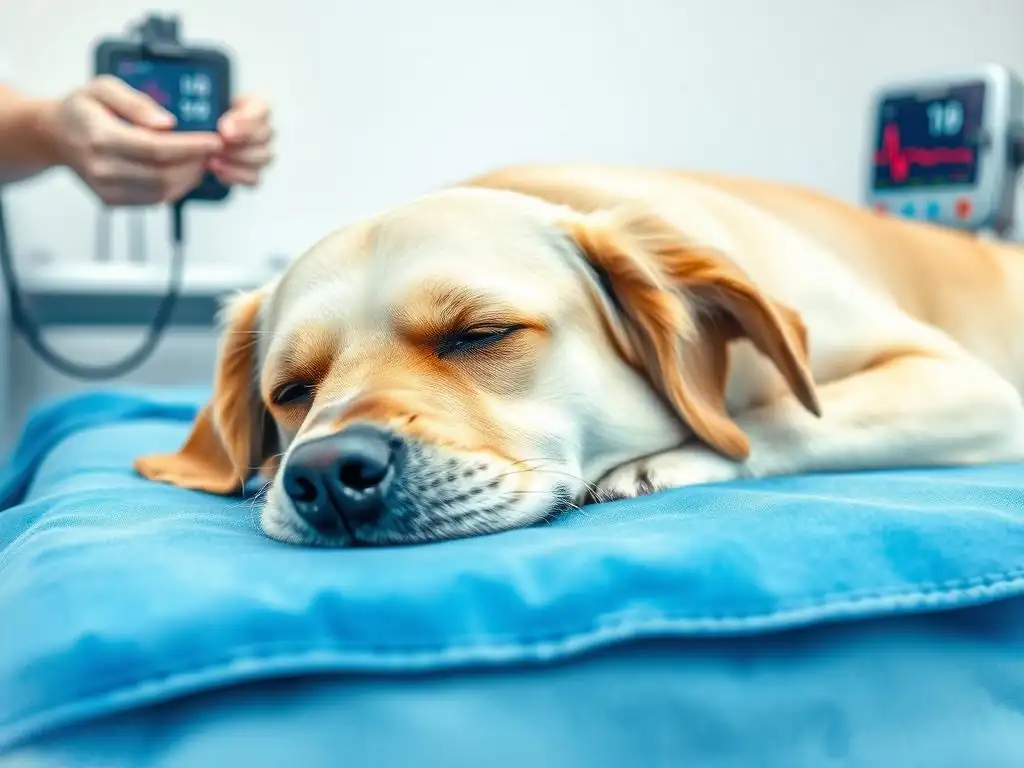
Dental procedures in dogs often require anesthesia, a necessary step to ensure the safety and comfort of the animal during the cleaning and any extractions. However, anesthesia carries inherent risks, making careful planning and execution paramount. This section focuses on strategies to minimize these risks and ensure a safe and successful dental cleaning for your canine companion. Understanding the potential dangers and proactive measures is crucial for responsible pet ownership and contributes to the overall well-being of your dog.
The goal is to maximize the benefits of professional dental care while mitigating the potential hazards associated with anesthesia. Effective communication with your veterinarian is key to navigating these considerations. The severity of potential complications is directly related to the dog's overall health, making pre-operative assessments incredibly important.
Choosing a Veterinarian Experienced in Canine Dentistry and Anesthesia
Selecting the right veterinarian is the cornerstone of safe dog dental anesthesia. Look for a veterinarian with specific experience in canine dentistry and anesthesia. A general practitioner might be capable of performing the procedure, but a specialist possesses the advanced knowledge and skills to handle potential complications more effectively. This includes expertise in administering anesthesia tailored to the size, breed, and health status of your dog.
Inquire about their experience with similar cases, their success rate with canine dental anesthesia, and their protocols for monitoring vital signs during and after the procedure. Don't hesitate to ask for references or testimonials from other pet owners. The peace of mind that comes from knowing your dog is in the hands of a skilled professional is invaluable. The difference in experience can significantly impact the safety and outcome of the procedure.
Importance of a Thorough Physical Examination Before Anesthesia
A comprehensive physical examination before anesthesia is not merely a formality; it's a critical safety checkpoint. This examination should go beyond a basic check-up. The veterinarian needs to assess your dog's overall health, identifying any underlying conditions that could increase the risk of complications during or after anesthesia. This includes checking vital signs (heart rate, blood pressure, respiratory rate), assessing organ function (kidneys, liver), and evaluating any pre-existing conditions such as heart disease, diabetes, or respiratory problems.
Blood work may be necessary to obtain a complete picture of your dog's health. This pre-anesthetic screening allows the veterinarian to tailor the anesthetic protocol to minimize risks and make informed decisions about the suitability of the procedure. The thoroughness of this exam directly correlates with the safety of your pet during anesthesia. A seemingly minor condition can have significant implications under anesthesia.
Pre-operative Fasting and Hydration Protocols for Dogs
Pre-operative fasting and hydration protocols are crucial components of safe anesthesia. The goal is to minimize the risk of aspiration (vomiting during anesthesia) and maintain adequate hydration. Your veterinarian will provide specific instructions regarding food and water restriction before the procedure. These instructions vary depending on the dog's size, breed, and overall health. Generally, it involves withholding food for a specific period before anesthesia. However, water restriction might be less stringent, and your vet may even recommend providing a small amount of water up to a few hours before the procedure. Following these guidelines precisely is essential to ensure a smooth and safe anesthetic experience. Improper fasting can lead to hypoglycemia (low blood sugar), while inadequate hydration can increase the risk of complications. Clear communication with your veterinarian about any concerns or deviations from the recommended protocols is essential. Careful adherence to these protocols minimizes potential risks associated with anesthesia.
Pain Management Strategies Before, During, and After Dental Procedures
Effective pain management is crucial for minimizing stress and discomfort in dogs undergoing dental procedures under anesthesia. A multi-modal approach, incorporating various pain relief methods, is generally recommended for optimal results. This strategy aims to preemptively address pain, manage it during the procedure, and provide continued relief in the post-operative period.
Preemptive analgesia, administered before the anesthetic induction, is a cornerstone of this approach. This could involve the use of non-steroidal anti-inflammatory drugs (NSAIDs) like carprofen or meloxicam, known for their anti-inflammatory and analgesic properties. The specific drug and dosage will depend on the dog's size, breed, and overall health, and should always be determined by a veterinarian. The goal is to establish a baseline level of pain control before the dog experiences the stress and discomfort associated with the procedure itself.
During the dental cleaning, the anesthetic protocol itself may incorporate analgesic agents. Local anesthetic blocks can be administered to numb specific areas of the mouth, reducing pain during the scaling and extraction processes. These injections target the nerves supplying the teeth and gums, providing localized pain relief. The veterinarian will carefully select the appropriate anesthetic and analgesic agents to ensure patient comfort and safety, balancing efficacy with potential side effects.
Post-operative pain management is equally important. Continuing NSAID administration, as prescribed by the veterinarian, is essential to manage post-operative inflammation and pain. The veterinarian may also prescribe opioids in cases of more significant pain or discomfort, though these are generally used cautiously due to potential side effects. Regular monitoring of the dog's pain levels, using a validated pain scale, is crucial for adjusting medication as needed. This might involve assessing factors like the dog's posture, appetite, activity level, and vocalizations.
Owners should be vigilant in reporting any signs of discomfort to their veterinarian. Careful observation for potential complications, such as bleeding, swelling, or infection, is also crucial in the post-operative period. Providing a comfortable and quiet environment for the dog to recover will also aid in minimizing stress and promoting healing. The veterinarian will provide detailed instructions regarding post-operative care, including medication administration, diet, and activity restrictions.
Following these instructions closely is paramount for ensuring a smooth recovery and minimizing the risk of complications. Regular follow-up appointments with the veterinarian are essential to monitor healing progress and address any concerns. The veterinarian will also assess the effectiveness of the pain management strategy and make adjustments as necessary. This collaborative approach, involving the veterinarian and the pet owner, is key to providing the best possible pain management and ensuring a safe and comfortable experience for the dog.
Post-Anesthesia Care for Dogs After Dental Procedures

Post-operative care is crucial for a successful outcome following canine dental procedures under anesthesia. Minimizing risks associated with dog dental anesthesia safety is paramount, and diligent monitoring and supportive care are key components. This section will focus on the critical aspects of post-anesthesia care, aiming to equip pet owners with the knowledge to advocate for their furry friends. The goal is to ensure a smooth recovery and prevent potential complications.
Monitoring Vital Signs After Anesthesia: Heart Rate, Respiration, and Temperature
Careful monitoring of vital signs is essential in the immediate post-anesthesia period. Changes in heart rate, respiration, and body temperature can indicate potential complications. Veterinarians typically monitor these parameters frequently during the initial recovery phase.
Heart rate should be checked regularly, noting any irregularities such as bradycardia (slow heart rate) or tachycardia (fast heart rate). Bradycardia can be a sign of anesthetic effects lingering too long, while tachycardia might suggest pain, stress, or other underlying issues. Respiratory rate and depth also need close observation, looking for signs of shallow breathing, apnea (cessation of breathing), or increased respiratory effort. These abnormalities could indicate respiratory depression, a serious complication of anesthesia.
Body temperature should be monitored as well, as hypothermia (low body temperature) is a common occurrence after anesthesia. Providing warmth, such as with blankets or warming pads, is vital to prevent hypothermia and its associated risks. Accurate and consistent recording of these vital signs provides valuable data for assessing the dog's recovery progress and identifying potential problems early on.
Ideally, owners should receive clear instructions from their veterinarian on how to monitor these vital signs at home and when to seek immediate veterinary attention. A slight deviation from normal parameters might not be cause for alarm, but significant changes warrant a prompt call to the veterinary clinic.
Pain Management and Analgesia for Post-Operative Canine Patients
Pain management is a critical aspect of post-operative care. Ignoring pain can lead to discomfort, reduced mobility, and potentially, more serious complications. Veterinarians commonly prescribe analgesics (pain relievers) to manage post-operative pain in dogs. The type and dosage of analgesia will depend on the extent of the dental procedure and the individual dog's needs.
Pain can manifest in several ways in dogs. They may exhibit signs such as lethargy, decreased appetite, whining, reluctance to move, or changes in behavior. Owners should carefully monitor their dogs for these signs and report any concerns to their veterinarian. Effective pain management not only improves the dog's comfort but also facilitates a faster recovery and reduces the risk of complications.
It's crucial to administer analgesics as prescribed by the veterinarian, strictly adhering to the dosage and schedule. Don't hesitate to contact the veterinary clinic if you have any questions or concerns about pain management. Remember, effective pain control is a key element in ensuring a safe and comfortable recovery for your canine companion, and reduces the overall risks associated with dog dental anesthesia safety.
Hydration and Nutritional Support After Dental Anesthesia
Adequate hydration and nutritional support are essential for post-operative recovery. Anesthesia can cause dehydration and suppress appetite, making it vital to provide fluids and nutrition. Initially, your veterinarian may recommend offering small amounts of bland, easily digestible food and water. Dehydration can lead to various complications, including electrolyte imbalances, so ensuring sufficient fluid intake is crucial.
The type of food offered should be carefully considered. Soft, easily chewable food is preferable to avoid irritating the surgical site. If your dog is reluctant to eat, your veterinarian might suggest enticing them with palatable options or even recommend appetite stimulants. Monitoring urine output can also be a helpful indicator of hydration status.
Darker or less frequent urination could suggest dehydration, prompting a call to the veterinary clinic. Providing appropriate hydration and nutrition supports the healing process, boosts the immune system, and contributes to a smoother recovery, significantly impacting the overall safety and success of the anesthesia. Remember, a well-nourished and hydrated dog recovers faster and better, further reducing the dog dental anesthesia safety risks.
Recognizing and Addressing Potential Post-Anesthesia Complications
Post-anesthesia care is crucial for a dog's safe recovery after dental procedures. Several complications can arise, and prompt recognition and intervention are vital. These complications can range from mild to severe, impacting the dog's respiratory, cardiovascular, and neurological systems. Careful monitoring is therefore paramount, ideally in a veterinary clinic for at least a few hours post-surgery, depending on the complexity of the procedure and the dog's overall health.
One common complication is bradycardia, a slow heart rate. This can manifest as weakness, lethargy, and pale gums. Immediate veterinary attention is necessary, as bradycardia can lead to decreased blood flow to vital organs. Treatment might involve administering atropine, a medication that increases heart rate. The severity and response to treatment vary depending on the underlying cause and the dog's individual health status. For instance, a young, healthy dog might recover quickly, while an older dog with pre-existing heart conditions might require more intensive care.
Another potential complication is hypothermia, or low body temperature. Anesthesia can depress the body's natural ability to regulate temperature. Symptoms include shivering, lethargy, and weak pulses. Gentle warming measures, such as using warming blankets or placing the dog in a warm environment, are usually effective. Intravenous fluids may also be administered to help maintain body temperature. The duration of hypothermia and the required treatment will depend on the severity of the temperature drop and the dog's individual response. A smaller dog, for example, is more susceptible to hypothermia than a larger breed.
Respiratory complications, such as pneumonia or atelectasis (collapsed lung), are also possible. These can manifest as labored breathing, coughing, and increased respiratory rate. Treatment might involve oxygen therapy, bronchodilators, and antibiotics. Prevention through careful monitoring during and after anesthesia is key. For example, ensuring the dog's airway is kept clear during the procedure significantly reduces the risk of these complications. The recovery time for respiratory complications can vary greatly, depending on the severity and the dog's overall health.
Finally, pain management is a critical aspect of post-anesthesia care. Dogs may experience pain after dental procedures, and appropriate analgesics should be administered to ensure comfort and prevent complications. Careful monitoring for signs of pain, such as whining, restlessness, or decreased appetite, is essential. The choice of analgesic will depend on the severity of the pain and the dog's individual needs.
A veterinarian will typically prescribe medication tailored to the specific situation, and owners should follow the prescribed dosage and administration instructions carefully. Ignoring pain can lead to complications, such as decreased appetite, lethargy, and even reluctance to engage in normal activities. This can significantly impact the dog's overall recovery and well-being. Pain management is a crucial aspect of responsible post-anesthesia care and contributes significantly to a smoother recovery.
Alternatives to General Anesthesia for Dog Dental Care

General anesthesia carries inherent risks for dogs, making the search for safer alternatives crucial for routine dental care. While general anesthesia remains necessary for complex dental procedures, several less invasive options are available, minimizing the risks associated with deep sedation. Understanding these alternatives empowers pet owners to make informed decisions alongside their veterinarians, prioritizing their dog's safety and well-being.
The choice ultimately depends on the dog's overall health, the extent of the dental work needed, and the veterinarian's professional judgment. This section explores several viable alternatives, focusing on their effectiveness, limitations, and suitability for different dental scenarios. The safety of your canine companion should always be the paramount concern.
Local Anesthesia Techniques for Canine Dental Procedures: Effectiveness and Limitations
Local anesthesia offers a less risky approach compared to general anesthesia for simpler dental procedures. This technique involves numbing the specific area of the mouth requiring treatment, allowing the veterinarian to perform procedures like tooth extractions or cleaning with minimal discomfort to the dog. The effectiveness of local anesthesia varies depending on factors such as the dog's individual response to the anesthetic, the complexity of the procedure, and the experience of the veterinarian administering it.
While local anesthesia significantly reduces the risk associated with general anesthesia, it's important to understand its limitations. It's generally not suitable for extensive dental work or procedures involving multiple teeth. Furthermore, some dogs may exhibit anxiety or discomfort even under local anesthesia, requiring additional sedation or restraint techniques. The success rate of local anesthesia for canine dental procedures is dependent on several factors, including the type of anesthetic used, the technique of administration, and the overall health of the dog.
[Specific data on success rates pending further research]. The use of local anesthetics can also have side effects, though typically milder than those of general anesthesia. These side effects might include temporary swelling, bleeding, or localized pain at the injection site.
Sedation Options for Less Invasive Dental Procedures
For dogs who exhibit anxiety or require more extensive procedures than what local anesthesia allows, sedation offers a middle ground between local anesthesia and general anesthesia. Sedation reduces the dog's anxiety and discomfort, making the dental procedure more tolerable. However, it doesn't induce complete unconsciousness like general anesthesia. The level of sedation can be adjusted to suit the individual dog's needs and the complexity of the procedure.
Several types of sedatives are available for canine dental procedures, each with its own advantages and disadvantages. These include both oral and injectable sedatives, often tailored to the specific needs of the dog and the procedure. The selection of the appropriate sedative is a crucial aspect of ensuring the safety and comfort of the animal. For example, some sedatives may be more suitable for dogs with pre-existing health conditions. [Specific examples of sedatives and their associated risks pending]. Close monitoring of the dog's vital signs is essential during sedation to ensure a safe and effective procedure.
Non-Anesthetic Dental Cleaning Methods: Benefits and Drawbacks
Non-anesthetic dental cleaning methods offer a potentially safer alternative for dogs with certain health conditions or for those whose owners are particularly concerned about the risks associated with anesthesia. These methods typically involve a thorough cleaning of the visible portions of the teeth using specialized tools and techniques.
However, the limitations of non-anesthetic cleaning are significant. It only addresses the readily accessible areas of the teeth, leaving plaque and tartar buildup beneath the gum line untouched. This makes it unsuitable for addressing serious dental issues like periodontal disease or deep pockets of infection.
Furthermore, the effectiveness of non-anesthetic cleaning is often limited, requiring more frequent cleaning sessions to maintain optimal oral hygiene. While it presents a lower-risk option, it’s vital to understand that it's not a substitute for comprehensive professional dental care when necessary. The benefits primarily lie in maintaining basic oral hygiene and potentially preventing the progression of minor dental issues, acting as a preventative measure rather than a cure for existing problems.
The choice between non-anesthetic and anesthetized cleaning should be made in consultation with a veterinarian, weighing the benefits against the potential risks and the dog's individual needs. Regular brushing at home remains crucial, regardless of the chosen professional cleaning method.
Evaluating the suitability of alternatives based on individual dog needs
Choosing the right approach to dog dental cleaning requires careful consideration of your pet's unique needs and health status. A thorough veterinary examination is crucial before deciding on any procedure, especially if alternatives to general anesthesia are being considered. This evaluation should encompass several key aspects:
The veterinarian will assess the dog's overall health, looking for pre-existing conditions like heart disease, respiratory problems, or kidney issues that could increase the risks associated with sedation or even local anesthesia. For example, a dog with a known heart murmur might be a poor candidate for certain sedatives. The age of the dog is also a significant factor; older dogs often have more complex health profiles requiring a more cautious approach. Younger, healthier dogs may tolerate procedures better.
Beyond general health, the severity of the dental issues themselves plays a crucial role. Minor plaque buildup and gingivitis might be manageable with less invasive methods like hand scaling under light sedation or even without sedation in exceptionally calm and cooperative dogs. However, severe periodontal disease, broken teeth, or significant oral infections often necessitate a more comprehensive approach that might still require some form of anesthesia, even if not general anesthesia. The veterinarian will carefully evaluate the extent of the dental problems to determine the best course of action.
The temperament and behavior of the dog are also paramount. Highly anxious or aggressive dogs may not be suitable candidates for procedures performed with minimal or no sedation, as the stress of the procedure could exacerbate their anxiety or lead to injury to the veterinary staff. In such cases, a carefully chosen sedative might be necessary to ensure a safe and effective cleaning.
Conversely, a calm and cooperative dog might tolerate hand scaling without any sedation at all, minimizing the risks associated with any form of anesthesia. Careful observation and assessment of the dog's behavior during the initial examination are crucial in making this determination. The veterinarian might even suggest a trial run with a short period of handling to gauge the dog's reaction before deciding on a procedure.
Finally, the owner's preferences and financial capabilities should also be considered. While some alternatives might be less expensive, they may not always be the best option for every dog. The veterinarian should discuss the pros and cons of each approach transparently, allowing the owner to make an informed decision that aligns with their pet's needs and their own resources. Open communication between the veterinarian and the owner is essential to ensure the best possible outcome for the dog's dental health. This collaborative approach respects both the animal's well-being and the owner's concerns.
Long-Term Oral Health and Prevention of Future Anesthesia Needs
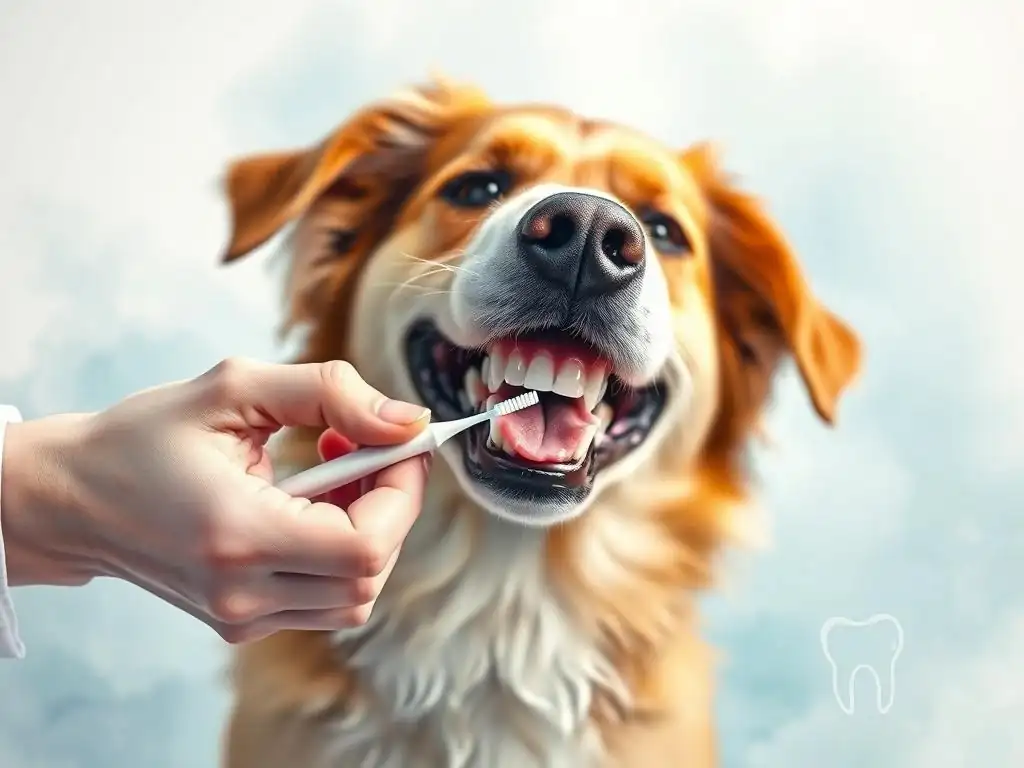
Maintaining your dog's long-term oral health is paramount, not only for their comfort and well-being but also to significantly reduce the need for anesthesia in the future. Many dental procedures, from simple cleanings to extractions, require general anesthesia, carrying inherent risks. Proactive dental care minimizes the frequency and severity of dental issues, thus decreasing the likelihood of needing such procedures. This preventative approach translates to a healthier, happier dog and fewer stressful anesthetic events.
The cumulative effect of repeated anesthesia can be detrimental to a dog's health over time, highlighting the importance of preventative care as a key element in responsible pet ownership. Think of it as an investment in your dog's long-term health and a way to avoid potential complications down the line. By focusing on prevention, you are actively participating in your dog's well-being and reducing the overall risks associated with anesthesia.
Home Dental Care for Dogs: Brushing, Chews, and Dental Diets
Regular home dental care forms the cornerstone of preventative canine dentistry. Daily brushing, using a dog-specific toothpaste (human toothpaste is toxic! ), is ideal. However, even brushing two to three times a week significantly reduces plaque and tartar buildup.
Start slowly, perhaps with just a finger rub along the gum line, gradually introducing the toothbrush. Positive reinforcement with treats and praise is crucial. Dental chews, specifically designed for plaque removal, offer a supplementary approach. Look for chews with the Veterinary Oral Health Council (VOHC) seal of approval, indicating their effectiveness.
These chews help to mechanically scrub teeth and stimulate saliva production, which naturally helps to neutralize acids. Finally, consider a veterinary-recommended dental diet. These specialized diets are formulated with ingredients that help to reduce plaque and tartar formation. The combination of brushing, chews, and a dental diet creates a powerful, proactive approach to oral hygiene, minimizing future dental issues and reducing the need for anesthesia.
Regular Veterinary Dental Checkups: Importance and Frequency
Despite diligent home care, professional veterinary dental checkups are essential. Veterinarians can identify subtle problems invisible to the naked eye, such as periodontal disease in its early stages. These checkups typically involve a thorough examination of the teeth and gums, often including dental radiographs (x-rays) to assess the condition of the roots and bone. The frequency of these checkups depends on your dog's breed, age, and overall oral health.
However, a yearly checkup is generally recommended for most dogs, with more frequent visits necessary for dogs with pre-existing conditions or a history of dental problems. Early detection of dental problems allows for less invasive and less risky interventions, thereby minimizing the need for general anesthesia for more extensive procedures later. These regular visits are an investment in your dog's long-term health and well-being. Remember that early intervention is key to preventing more serious, and anesthesia-requiring, dental problems.
Early Detection of Dental Problems: Prevention is Key
Early detection of dental problems is crucial in minimizing the need for anesthesia. Signs to watch out for include bad breath (halitosis), excessive drooling, difficulty eating, pawing at the mouth, bleeding gums, loose teeth, and changes in behavior (lethargy, irritability). If you notice any of these symptoms, schedule an immediate appointment with your veterinarian.
The earlier a dental problem is identified and addressed, the less invasive the treatment is likely to be. Minor issues might only require professional cleaning, while more advanced problems might necessitate extractions, which invariably require anesthesia. Prevention, through consistent home care and regular veterinary checkups, is the most effective strategy for minimizing the risks associated with dental anesthesia in dogs.
By acting proactively, you are not only improving your dog's oral health but also significantly reducing their exposure to the potential complications of anesthesia. Investing in prevention translates directly to a healthier and safer life for your canine companion.
Addressing Underlying Health Conditions Affecting Oral Health
Addressing underlying health issues is crucial for long-term canine oral health and minimizing future anesthesia risks during dental procedures. Many systemic diseases can manifest orally, impacting the success of dental cleanings and increasing the risks associated with anesthesia. For example, diabetes can lead to periodontal disease and slower healing, making dental procedures more complicated and increasing the risk of post-operative infections. Similarly, kidney disease can affect the body's ability to process anesthetic medications, potentially leading to complications. Careful pre-anesthetic blood work is essential to identify these conditions.
A comprehensive veterinary examination prior to any dental procedure is paramount. This examination shouldn't just focus on the teeth and gums; it should also include a thorough assessment of the dog's overall health. This might involve checking blood pressure, listening to the heart and lungs, and conducting blood tests to evaluate organ function. Conditions like heart murmurs, high blood pressure, or respiratory issues can significantly increase the risk associated with anesthesia. Early detection and management of these underlying conditions can significantly improve the safety and outcome of dental procedures.
Furthermore, proper management of chronic conditions is essential. If a dog has diabetes, for example, its blood glucose levels need to be carefully controlled before, during, and after the dental procedure. Similarly, dogs with kidney disease may require adjustments to their medication regimens to minimize the risk of anesthetic complications. Close collaboration between the veterinarian and the pet owner is vital to ensure that the dog's overall health is optimized before undergoing any dental procedure.
This proactive approach helps reduce the likelihood of needing future anesthesia for dental issues, improving the dog's quality of life and longevity. The veterinarian might recommend a gradual approach to dental care, addressing minor issues before tackling more complex problems under anesthesia. This strategy prioritizes the dog's safety and well-being. This holistic approach to canine dental care emphasizes preventative measures and the importance of regular veterinary check-ups.
Frequently Asked Questions
What are the risks associated with anesthesia during dog dental procedures?
While generally safe, anesthesia for dog dental procedures carries inherent risks like low blood pressure, irregular heartbeat, and respiratory complications. These risks are minimized with careful pre-operative assessment and monitoring.
How can I reduce the anesthesia risks for my dog's dental cleaning?
Thorough pre-operative veterinary examination is crucial. This includes bloodwork to assess organ function and identifying potential risks. Choosing a veterinary practice with experienced anesthetists and monitoring equipment also helps.
What are the signs of anesthesia complications I should watch for in my dog after a dental procedure?
Look for lethargy, difficulty breathing, pale gums, excessive bleeding, or vomiting. Contact your veterinarian immediately if you observe any of these signs.
Are there alternatives to general anesthesia for dog dental cleaning?
In some cases, local anesthesia or sedation might be options, especially for minor procedures. However, general anesthesia is often necessary for comprehensive dental cleaning and treatment.
My dog is senior; are the anesthesia risks higher?
Yes, older dogs and those with pre-existing health conditions face increased risks. Open communication with your veterinarian about your dog's health history is vital before proceeding with any anesthesia.
The delicate balance between ensuring optimal canine dental health and mitigating the risks associated with anesthesia remains a critical concern for pet owners and veterinary professionals alike. The increasing awareness of periodontal disease in dogs underscores the importance of proactive dental care, yet the inherent risks of anesthesia necessitate a cautious and informed approach. This careful consideration is not merely a veterinary concern; it's a crucial aspect of responsible pet ownership.
The emotional toll of navigating the complexities of dog dental anesthesia is significant. The decision to proceed with a procedure often involves weighing the potential benefits against the inherent risks, a burden shared by both pet owners and veterinarians. This process highlights the profound bond we share with our canine companions and the lengths we go to ensure their well-being. The best friend a man has in this world may turn against him and become his enemy. His son or daughter that he has reared with loving care may prove ungrateful and leave him in his old age. His wife who has shared his joys and sorrows may turn against him. But a dog will never turn on you.
- Unknown. This sentiment underscores the responsibility we carry in making informed decisions about their healthcare.
Consider the information presented in this article as a tool, not a definitive answer. You are now empowered to engage in a more informed dialogue with your veterinarian, advocating for your dog's safety and well-being. Ask questions, seek second opinions if needed, and remember that a collaborative approach, built on trust and transparency, is the cornerstone of responsible canine dental care. Your dog's smile, and their long-term health, depend on it.
Unlock Your Dog's Brightest Smile: Take Action Today!
Thank you for exploring canine dental care with us! You've learned about the importance of protecting your furry friend's teeth. Now, let's put that knowledge into practice.
- Schedule a dental checkup: This is the most crucial step. Contact your veterinarian to schedule a comprehensive dental examination for your dog. Early detection is vital for maintaining their oral health.
- Brush your dog's teeth daily: Make daily brushing part of your routine for healthier gums and a happier pup. Even a quick brushing is beneficial.
- Share your experience: Tell other pet owners about your journey towards better dog dental care on social media using #PetCareWorldDental.
What will you do today to improve your dog's oral health?