
Choosing the Right Substrate for Your Reptile: A Comprehensive Guide

Welcome to PetCareWorld, your ultimate guide to a happier, healthier life for your beloved companion! Are you ready to unlock the secrets to creating the perfect environment for your scaly friend? Our comprehensive Best Reptile Substrate Guide dives deep into the crucial role substrate plays in your reptile's well-being, covering everything from safety and hygiene to species-specific needs. Discover the ideal substrate for your reptile and ensure their thriving habitat – let's explore together!
- Understanding Reptile Substrate: Key Considerations
-
Popular Reptile Substrate Options: A Detailed Comparison
- Paper Towels and Newspaper: Pros, Cons, and Applications
- Aspen Shavings: Suitability, Maintenance, and Potential Issues
- Cypress Mulch: Ideal Habitats and Considerations
- Coconut Fiber: Moisture Retention and Selection
- Soil-Based Substrates: Species Compatibility and Potential Problems
- Sand: Appropriate Species, Risks, and Safe Handling
- ReptiBark and other Wood-Based Substrates
-
Choosing the Best Reptile Substrate for Specific Species
- Substrate for Bearded Dragons: Optimal Choices and Hazards
- Substrate for Leopard Geckos: Humidity Control and Impaction Prevention
- Substrate for Corn Snakes: Suitable Materials and Health Considerations
- Substrate for Ball Pythons: Moisture Levels, Hygiene, and Best Practices
- Substrate for Crested Geckos: Humidity and Drainage
- Substrate Selection for Uromastyx, Green Iguanas, and Ctenosaura
- Maintaining Reptile Substrate Hygiene and Safety
- Frequently Asked Questions
- Final Reflection: Nurturing Life, One Substrate at a Time
- Unleash Your Reptile's Potential: Create the Perfect Habitat!
Understanding Reptile Substrate: Key Considerations
Choosing the appropriate substrate for your reptile's enclosure is paramount for their health and well-being. A reptile's environment needs to accurately mimic its natural habitat, and the substrate plays a crucial role in this. The wrong substrate can lead to a variety of problems, from impacted digestive systems and respiratory issues to burns and infections.
This comprehensive guide will help you navigate the world of reptile substrates, enabling you to make informed decisions that prioritize your reptile's comfort and health. We will explore the importance of substrate selection, delve into various common types, and provide guidance on choosing the best option for your specific reptile species and habitat preferences. This guide aims to be your ultimate resource for selecting the best reptile substrate, ensuring you provide optimal care for your scaly companion.
Choosing the right substrate is a vital step in responsible reptile ownership, contributing significantly to their overall health and longevity. Let's dive in!
Defining Reptile Substrate and its Importance
Reptile substrate refers to the material that forms the bottom layer of your reptile's enclosure. It's far more than just something to make the enclosure look aesthetically pleasing; it plays a vital role in maintaining the proper humidity and temperature levels within the habitat. The substrate also influences the overall hygiene of the enclosure and can impact your reptile's behavior.
For example, some substrates are better at retaining moisture, crucial for species requiring high humidity, while others provide better drainage, preventing bacterial growth. Furthermore, the substrate can affect your reptile's natural digging and burrowing behaviors. A poorly chosen substrate can lead to several health problems:
- Impaction: Certain substrates, if ingested, can cause digestive impaction.
- Respiratory Issues: Dust from certain substrates can irritate your reptile's respiratory system.
- Burns: Some substrates can retain heat excessively, leading to thermal burns.
- Infections: Unsanitary substrates can breed bacteria and fungi, increasing the risk of infection.
Choosing the right substrate is therefore not merely a matter of preference but a crucial element of responsible reptile keeping. The correct substrate contributes significantly to a healthy and thriving reptile.
Common Reptile Substrate Types
The market offers a wide variety of reptile substrates, each with its own advantages and disadvantages. Understanding these differences is key to making the right choice. Some common types include:
- Paper Towels: A simple, inexpensive, and easily cleaned option, ideal for quarantine or temporary housing. However, it lacks enrichment and doesn't provide any humidity retention.
- Aspen Shavings: A popular and readily available choice, aspen is absorbent, relatively inexpensive, and generally safe for most reptiles. However, it can be dusty and may not be suitable for all species.
- Cypress Mulch: Offers excellent drainage and humidity retention, making it suitable for many species. However, it can be more expensive than other options.
- Coconut Fiber: A natural, absorbent substrate that retains moisture well and provides good drainage. It's a favorite among reptile keepers for its versatility and suitability for many species.
- Soil-Based Substrates: These substrates aim to mimic natural environments but require careful selection to ensure they are safe and suitable for your specific reptile. Some soil-based mixes can be prone to mold or bacterial growth if not managed correctly.
- Tile/Newspaper: These are often used for easier cleaning and are ideal for reptiles that don't require burrowing or digging. However, they offer minimal enrichment.
Selecting the Right Substrate: Species, Habitat, and More
Choosing the right substrate requires careful consideration of several factors:
- Species: Different reptile species have different needs. For instance, a desert species requires a different substrate than a tropical species. Research the specific requirements of your reptile's natural habitat.
- Habitat Type: The type of habitat your reptile originates from (desert, rainforest, etc.) will dictate the ideal substrate characteristics, such as moisture retention and drainage.
- Age and Size: Young reptiles may require a different substrate than adults. For example, very small reptiles might ingest larger substrates, leading to impaction.
- Behavior: Consider your reptile's natural behaviors. Does it burrow? Does it require high humidity? The substrate should accommodate these behaviors.
- Ease of Cleaning: Choose a substrate that is easy to clean and maintain to prevent the buildup of bacteria and waste.
Remember, selecting the right substrate is a critical aspect of responsible reptile care. By carefully considering these factors, you can create a healthy and enriching environment for your reptile, contributing to its overall well-being and longevity. Careful observation and regular maintenance of the substrate are also crucial for maintaining a healthy environment.
Popular Reptile Substrate Options: A Detailed Comparison
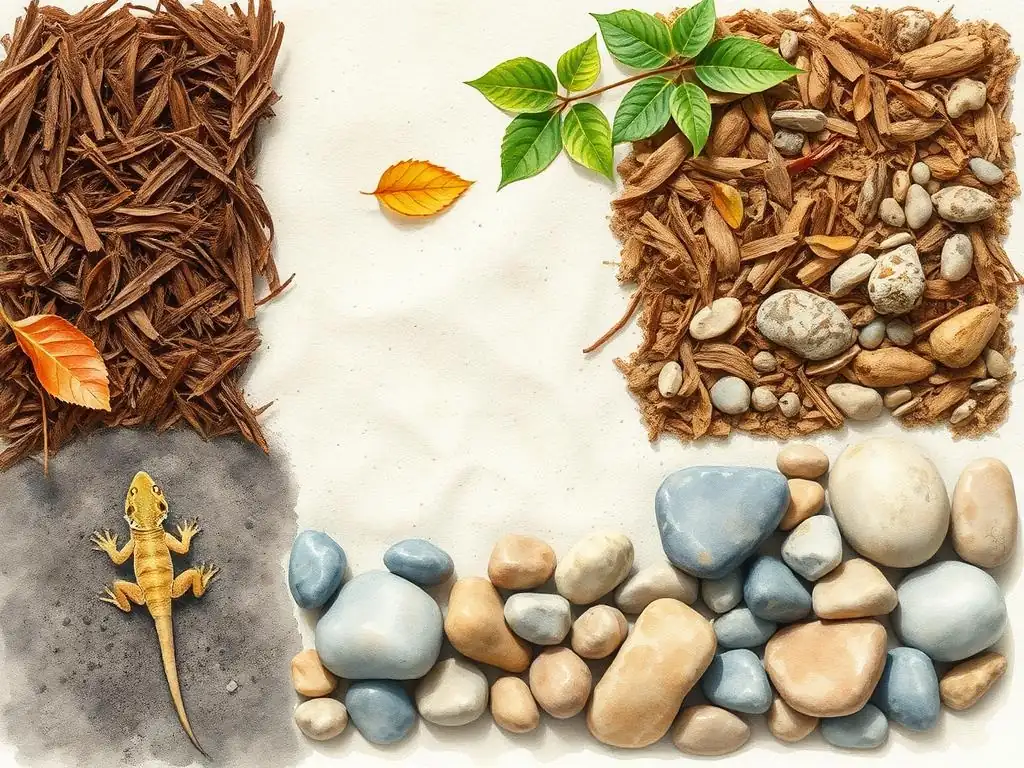
Choosing the right substrate is crucial for maintaining a healthy and thriving reptile habitat. The "best" substrate depends heavily on the specific species of reptile, its age, and its individual needs. This section will compare several popular options, highlighting their pros, cons, and ideal applications to help you make an informed decision. Finding the best reptile substrate is key to responsible reptile ownership, contributing to your pet's overall well-being and longevity.
Paper Towels and Newspaper: Pros, Cons, and Applications
Paper towels and newspaper are often recommended as temporary or starter substrates, especially for young or sick reptiles. Their simplicity makes them easy to maintain.
Pros:
- Hygiene: They are easily disposable, minimizing the risk of bacterial or parasitic buildup. This is particularly important for quarantine situations or when dealing with a reptile exhibiting signs of illness. Regular changes prevent the accumulation of waste products that could negatively impact your reptile's health.
- Cost-effective: Paper towels and newspaper are readily available and inexpensive. This makes them a budget-friendly option, especially beneficial for beginners or those housing multiple reptiles.
- Easy Cleaning: Simply replace soiled paper towels or newspaper with clean ones. No specialized cleaning or disinfecting is needed.
Cons:
- Lack of Enrichment: They offer minimal environmental enrichment, lacking the texture and stimulation of natural substrates. This can lead to boredom and stress in some reptiles.
- Not Ideal Long-Term: They are not suitable for long-term use for most reptiles, as they don't provide the necessary humidity or burrowing opportunities. Long-term use can lead to dehydration in some species.
- Aesthetics: They are not visually appealing and fail to create a natural-looking habitat.
Applications:
- Quarantine situations for new reptiles.
- Temporary housing for sick or injured reptiles.
- Suitable for species with minimal burrowing needs and that don't require high humidity.
- Excellent for hatchlings, as they prevent the ingestion of substrate particles.
Aspen Shavings: Suitability, Maintenance, and Potential Issues
Aspen shavings are a popular choice for many reptile keepers due to their absorbency and relatively low cost. However, careful consideration is needed to ensure suitability for your specific reptile.
Suitability:
Aspen shavings are suitable for many reptiles, particularly those that don't require high humidity. They are dust-extracted, reducing the risk of respiratory problems. However, some reptiles, such as bearded dragons, may ingest aspen shavings, which can lead to impaction. Careful monitoring is crucial.
Maintenance:
Spot cleaning should be performed daily to remove feces and urates. Complete substrate changes are recommended every few weeks or as needed, depending on the amount of waste produced and the size of the enclosure.
Potential Issues:
- Dust: While dust-extracted, some dust may still be present, potentially irritating sensitive respiratory systems. Choosing high-quality aspen shavings from reputable brands minimizes this risk.
- Impaction: Ingestion of aspen shavings can lead to impaction, particularly in young or smaller reptiles. Close monitoring of your pet's behavior and bowel movements is necessary.
- Mold: Aspen shavings can become moldy if not kept dry. Good ventilation and regular changes are crucial to prevent mold growth.
Cypress Mulch: Ideal Habitats and Considerations
Cypress mulch offers a natural-looking alternative to other substrates, often preferred for its aesthetic appeal and ability to retain moisture. However, it's crucial to select the right type and use it appropriately.
Ideal Habitats:
Cypress mulch is ideal for species that require higher humidity levels, such as certain frogs, turtles, and some snakes. Its ability to retain moisture helps maintain a humid microclimate within the enclosure. It also creates a natural-looking environment, enriching the reptile's habitat.
Considerations:
- Type of Cypress Mulch: It's essential to use untreated cypress mulch. Treated mulch contains chemicals that can be harmful to reptiles. Always check the product label for assurances of no chemical treatment.
- Moisture Retention: While beneficial for humidity control, it's crucial to avoid over-watering, which can lead to mold and bacterial growth. Good ventilation is crucial.
- Sharp Pieces: Some cypress mulch may contain sharp pieces that could injure your reptile. Thoroughly inspect the mulch before adding it to the enclosure to remove any potentially hazardous fragments. This is especially important for smaller reptiles.
- Potential for Bacterial Growth: Because of its moisture-retaining properties, cypress mulch can be a breeding ground for bacteria if not maintained properly. Regular cleaning and monitoring are essential.
Remember, the best reptile substrate is the one that best meets the specific needs of your reptile species. Always research the requirements of your pet before making a decision. Consult with a veterinarian or experienced reptile keeper if you have any questions or concerns.
Coconut Fiber: Moisture Retention and Selection
Coconut fiber, also known as coco coir, is a popular choice among reptile keepers due to its excellent moisture-retention properties. This makes it particularly suitable for species that require a humid environment, such as many tropical rainforest dwellers. The ability to retain moisture helps maintain a consistent humidity level, crucial for preventing dehydration and respiratory issues. Furthermore, coconut fiber is generally considered safe for most reptiles, provided it's properly prepared and sourced.
Choosing the right coconut fiber is important. Look for a product specifically designed for reptile use; these are often sterilized to reduce the risk of introducing harmful bacteria, fungi, or parasites into your reptile's enclosure. Avoid using coconut fiber intended for other purposes, such as gardening, as these may contain additives or chemicals that could be harmful to your pet. The fiber should be finely shredded for optimal moisture retention and burrowing capabilities.
The texture should be soft and free of large, sharp pieces that could injure your reptile. Always check the packaging for any potential contaminants or additives before using it in your reptile's habitat. Regularly monitor the moisture level of the substrate and adjust accordingly to prevent it from becoming overly dry or soggy, which can lead to health problems.
Soil-Based Substrates: Species Compatibility and Potential Problems
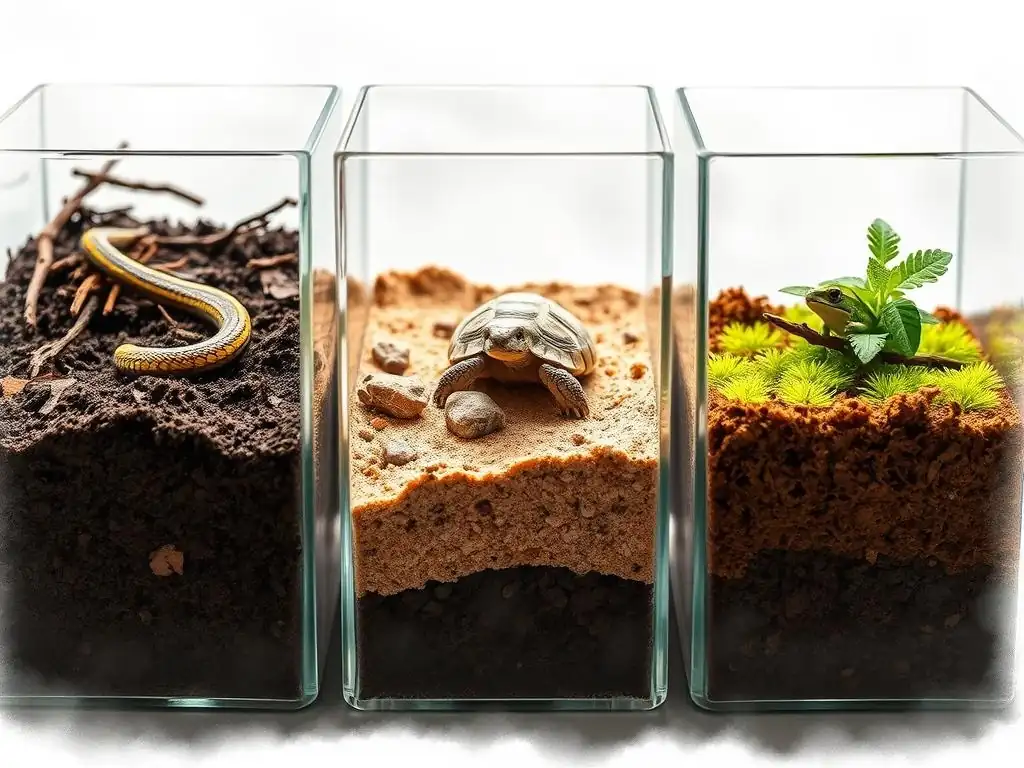
Soil-based substrates, often incorporating a mix of topsoil, peat moss, and other organic materials, can provide a natural-looking environment for some reptile species. However, it's crucial to understand the potential drawbacks before using them. The biggest concern is the risk of bacterial or fungal growth, especially if the substrate is kept consistently moist. This can lead to respiratory infections or skin problems in your reptile. Additionally, soil-based substrates can become easily contaminated with parasites or harmful bacteria. Some soil types may also contain fertilizers or pesticides that are toxic to reptiles.
Species compatibility is paramount. Soil-based substrates are generally not recommended for reptiles that require a dry, arid environment. They are more suitable for species that thrive in humid environments, but even then, careful monitoring and regular cleaning are essential. It's often advisable to use a smaller amount of soil-based substrate in combination with other materials, such as coconut fiber, to mitigate some of the risks.
Always research the specific needs of your reptile species before using soil-based substrates. Choosing a well-draining mix and ensuring proper ventilation in the enclosure can help reduce the risk of bacterial or fungal growth. Regularly inspecting the substrate for signs of mold or mildew and replacing it as needed is crucial for maintaining a healthy environment.
Sand: Appropriate Species, Risks, and Safe Handling
Sand can be an aesthetically pleasing substrate, creating a desert-like environment suitable for certain reptile species. However, its use carries significant risks if not carefully considered. Sand ingestion is a major concern; many reptiles, especially young ones, may accidentally ingest sand while eating or exploring. This can lead to impaction, a life-threatening condition where the sand blocks the digestive tract.
Therefore, sand is only appropriate for species that are not prone to sand ingestion, such as some desert-dwelling lizards. Even then, careful monitoring is crucial. The type of sand is also important; avoid using fine-grained sand, as it poses a higher impaction risk. Opt for coarser-grained sand that is specifically designed for reptile use. It should be inert and free from any sharp edges or contaminants.
Always ensure the sand is properly cleaned before use to remove any dust or debris. Regularly check your reptile's feces for sand particles; if you notice a significant amount, it's a sign that your reptile may be ingesting the substrate and a change might be necessary. Providing plenty of appropriate food and water will also help reduce the likelihood of sand ingestion. Regularly monitor your reptile's health and behavior for any signs of digestive problems.
ReptiBark and other Wood-Based Substrates
ReptiBark, along with other wood-based substrates like cypress mulch and aspen shavings, offers a natural-looking environment for many reptiles. These substrates provide excellent moisture retention, crucial for species requiring higher humidity levels. This moisture retention helps maintain a healthy microclimate within the terrarium, reducing the frequency of misting and making it easier to control humidity levels.
However, it’s important to note that the moisture retention can also lead to bacterial growth if not managed properly. Regular cleaning and substrate changes are vital to prevent the buildup of harmful bacteria and fungi. The risk of bacterial or fungal growth is particularly high if the substrate becomes excessively damp or if waste isn't promptly removed.
The texture of ReptiBark and similar substrates provides good burrowing opportunities for many reptile species, allowing them to express natural behaviors. This enrichment aspect is vital for their physical and mental well-being. Burrowing helps them regulate their body temperature, provides a sense of security, and contributes to a more stimulating environment. However, the potential for impaction is a concern, particularly with smaller reptiles or those prone to ingesting substrate. Close monitoring of your reptile's behavior and bowel movements is essential to detect any signs of impaction. If impaction is suspected, immediate veterinary attention is crucial.
Choosing the right particle size is critical when using wood-based substrates. Larger pieces are generally better for larger reptiles, offering better burrowing opportunities and reducing the risk of ingestion. Smaller particles, however, are more suitable for smaller reptiles and species that prefer a softer substrate. The type of wood also matters.
Avoid cedar and pine shavings, as these contain aromatic oils that can be toxic to reptiles. ReptiBark and cypress mulch are generally safer alternatives. Always ensure the substrate is free from pesticides, herbicides, and other harmful chemicals before introducing it to your reptile's enclosure. Thoroughly rinse the substrate before use to remove any dust or debris.
Finally, consider the ease of cleaning and maintenance. Wood-based substrates are relatively easy to spot-clean, but complete substrate changes are often necessary every few months, depending on the size of the enclosure and the reptile's habits. This regular maintenance is crucial to prevent the buildup of harmful bacteria and maintain a hygienic environment for your reptile. The frequency of substrate changes will also depend on the humidity level maintained in the enclosure; higher humidity necessitates more frequent changes.
Choosing the Best Reptile Substrate for Specific Species
Selecting the right substrate is crucial for maintaining a healthy and thriving reptile habitat. The ideal substrate varies significantly depending on the species, their specific needs regarding humidity, and their natural burrowing behaviors. Choosing the wrong substrate can lead to serious health problems, including respiratory infections, impaction, and even death. This section delves into substrate selection for three popular reptile species: Bearded Dragons, Leopard Geckos, and Corn Snakes. This guide aims to help you make informed decisions to ensure the well-being of your scaled companions, making it the ultimate best reptile substrate guide.
Substrate for Bearded Dragons: Optimal Choices and Hazards
Bearded dragons, Pogona vitticeps, are active reptiles requiring a substrate that balances ease of cleaning with appropriate humidity levels. Avoid substrates that are excessively dusty, as this can irritate their respiratory system. Similarly, substrates that retain too much moisture can increase the risk of bacterial and fungal infections.
Several suitable options exist for Bearded Dragon enclosures:
- Paper towels: A simple, inexpensive, and easily disposable option, particularly useful for young dragons or during quarantine. It allows for easy cleaning and monitoring of waste. However, it lacks the natural aesthetic appeal of other substrates.
- Tile: Provides excellent hygiene and is easy to clean. It is a good choice for adult dragons and prevents ingestion. However, it offers no burrowing opportunities and can be cold to the touch.
- Reptile carpet: A relatively affordable option that mimics a natural surface. It's easier to clean than loose substrates but can still harbor bacteria if not cleaned regularly.
- Sand (fine, play sand): While popular, fine play sand is a controversial choice. While it provides a natural feel and allows for burrowing, it poses a significant impaction risk if ingested. Many experts recommend avoiding sand altogether for Bearded Dragons due to this risk. Always monitor your dragon carefully for signs of impaction (lethargy, loss of appetite, straining).
| Substrate Type | Pros | Cons | Impaction Risk |
|---|---|---|---|
| Paper Towels | Easy cleaning, inexpensive, disposable | Unnatural, no burrowing opportunities | Low |
| Tile | Hygienic, easy cleaning | Cold, no burrowing opportunities | None |
| Reptile Carpet | Easier cleaning than loose substrates | Can harbor bacteria if not cleaned regularly | Low |
| Fine Play Sand | Natural feel, burrowing opportunities | High impaction risk if ingested | High |
Choosing the appropriate substrate is vital for your Bearded Dragon's health and well-being. Prioritize hygiene and minimize impaction risks. Regular monitoring and prompt veterinary attention are crucial.
Substrate for Leopard Geckos: Humidity Control and Impaction Prevention
Leopard geckos, Eublepharis macularius, are desert-dwelling reptiles with specific humidity requirements. The substrate should retain a minimal amount of moisture while still allowing for proper ventilation. Impaction is also a serious concern, so selecting a substrate that is not easily ingested is critical.
Suitable substrate choices for Leopard Geckos include:
- Paper towels: A safe and hygienic option, especially for babies or during quarantine. It facilitates easy cleaning and monitoring of fecal matter. It does not, however, provide any enrichment.
- Tile: Hygienic and easy to clean, it does not provide any burrowing opportunities. It’s a good option for preventing ingestion and keeping the enclosure clean.
- Reptile carpet: Offers a slightly more natural feel than paper towels, but it requires diligent cleaning to prevent bacterial growth.
- Loose substrates (with caution): Some keepers use very fine, non-clay based substrates, but it's crucial to monitor for ingestion. If using loose substrates, ensure your gecko cannot ingest them. This is one of the more challenging aspects of providing the best reptile substrate for Leopard Geckos.
Maintaining appropriate humidity levels is crucial for Leopard Geckos. Regular misting may be necessary depending on the enclosure's ventilation and the ambient humidity. Always monitor your gecko's shedding process, as difficulties shedding can indicate humidity issues.
Substrate for Corn Snakes: Suitable Materials and Health Considerations
Corn snakes, Pantherophis guttatus, are relatively adaptable reptiles, but the substrate choice still affects their health and well-being. They are semi-arboreal, meaning they spend time both on the ground and climbing, so the substrate should be easy to clean and not impede their movement. Avoid anything that is excessively dusty or absorbent, which can lead to respiratory problems or skin irritation.
Good substrate options for Corn Snakes include:
- Aspen shavings: A popular choice, aspen shavings provide good drainage and are relatively inexpensive. They are also readily available at most pet stores. However, they can be messy and require frequent spot cleaning.
- Cypress mulch: Another readily available option, cypress mulch retains slightly more moisture than aspen shavings, making it suitable for slightly higher humidity environments. It's still relatively easy to clean.
- Paper towels: A simple and hygienic option, particularly useful for young snakes or during quarantine. It's easy to monitor for waste and clean thoroughly.
- Avoid: Avoid substrates like sand or walnut shells, as these can cause impaction if ingested. Furthermore, cedar and pine shavings should be avoided due to their release of harmful aromatic oils.
Choosing the right substrate for your Corn Snake is vital for maintaining a healthy and comfortable environment. Remember to prioritize hygiene and choose a substrate appropriate for their semi-arboreal lifestyle. Regular cleaning and monitoring are essential to prevent potential health problems.
Substrate for Ball Pythons: Moisture Levels, Hygiene, and Best Practices
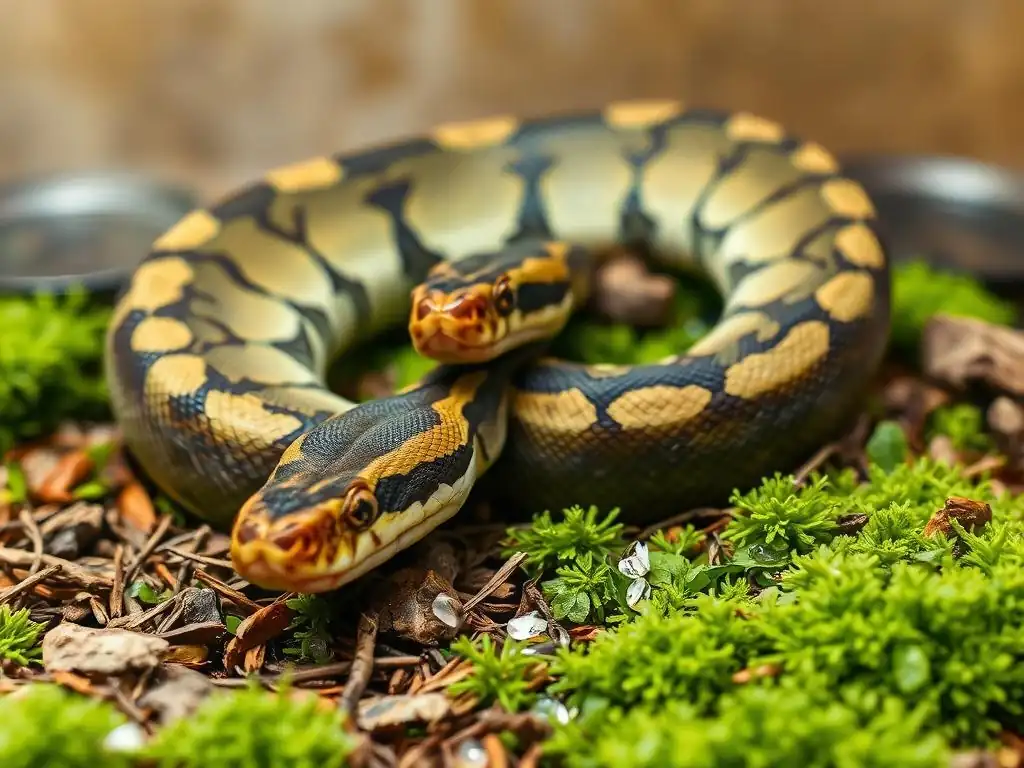
Ball pythons, known for their docile nature and stunning patterns, require a substrate that maintains appropriate humidity levels while remaining easy to clean. Ignoring this crucial aspect can lead to skin problems, respiratory infections, and overall decreased well-being for your reptile. Several substrates are suitable, but each presents trade-offs.
Aspen shavings are a popular choice due to their affordability and absorbency. They retain moisture well, helping maintain the necessary humidity levels for ball pythons, typically between 50-70%. However, aspen shavings can become dusty, potentially irritating your snake's respiratory system. Regular spot cleaning and complete substrate changes every few months are essential to mitigate this risk. Furthermore, aspen shavings can harbor bacteria and parasites if not maintained properly. Always ensure the substrate is completely dry before adding more, to avoid excessive moisture which can lead to bacterial and fungal growth.
Another option is cypress mulch, which provides excellent drainage and is less dusty than aspen. It also holds moisture reasonably well, making it a good alternative. However, cypress mulch can be more expensive than aspen shavings. The same rigorous cleaning protocol applies to cypress mulch as with aspen. Regularly checking for mold or mildew is crucial, and if detected, a complete substrate change is necessary.
Avoid substrates like sand or loose gravel, as these can cause impaction if ingested by the snake. This is a serious health concern, potentially fatal if not addressed promptly. Prioritizing hygiene and choosing a substrate that balances moisture retention with easy cleaning is paramount for the health and well-being of your ball python. A clean and appropriately humid environment directly contributes to a thriving reptile.
Substrate for Crested Geckos: Humidity and Drainage
Crested geckos, with their unique appearance and relatively low maintenance needs, thrive in environments with high humidity. The substrate plays a crucial role in maintaining this humidity and preventing the development of harmful bacteria or fungi. Choosing the right substrate is vital for their health and comfort.
Paper towels are a commonly recommended substrate for crested geckos, especially for younger or newly acquired geckos. They are inexpensive, easily cleaned, and provide little risk of impaction. The downside is that they don't retain moisture as well as other options, requiring more frequent misting to maintain humidity levels. Maintaining a humidity level between 60-80% is crucial for shedding and overall health. Regularly monitor humidity levels with a hygrometer to ensure optimal conditions.
Eco-earth, a coconut fiber substrate, is a popular alternative that offers better moisture retention than paper towels. This reduces the frequency of misting, simplifying husbandry. However, it requires more careful cleaning to prevent the build-up of bacteria and mold. Proper ventilation is crucial when using Eco-earth to prevent the substrate becoming too damp. Complete substrate changes should be performed regularly, typically every 3-6 months, depending on the level of soiling. The choice between paper towels and Eco-earth often depends on the keeper's experience and willingness to commit to thorough cleaning.
Substrate Selection for Uromastyx, Green Iguanas, and Ctenosaura
Uromastyx, green iguanas, and ctenosaurs, all originating from arid and semi-arid regions, have specific substrate needs that reflect their natural environments. Selecting the wrong substrate can lead to various health problems, including foot rot, respiratory issues, and impaction. The key is to choose a substrate that promotes good drainage while providing some level of texture.
For these species, tile or slate are excellent choices. These materials are easy to clean, disinfect, and provide a smooth, non-abrasive surface for the reptiles to move on. They do not retain moisture, which is crucial in preventing fungal and bacterial growth. The lack of moisture retention necessitates careful monitoring of humidity levels, often achieved through regular misting or the use of a humid hide. The smooth surface also minimizes the risk of abrasions and injuries to the reptiles' delicate skin and scales.
Reptile carpet, although less natural-looking, is another option that provides easy cleaning and prevents the risk of impaction. However, it's crucial to choose a high-quality, durable carpet that is specifically designed for reptiles. Some cheaper carpets may shed fibers, which can be ingested by the reptiles. Regular cleaning and replacement are needed to prevent the build-up of bacteria. While tile and slate offer superior hygiene, reptile carpet can be a more aesthetically pleasing option for some keepers. The choice ultimately depends on a balance between practicality and aesthetic preferences, always prioritizing the reptile's well-being.
Maintaining Reptile Substrate Hygiene and Safety
Maintaining a clean and safe reptile enclosure is paramount to your pet's health and well-being. Substrate, the bedding material at the bottom of the enclosure, plays a crucial role in this. Choosing the right substrate is only half the battle; proper hygiene practices are equally vital in preventing disease and ensuring a thriving environment for your reptile. This section focuses on practical steps to maintain substrate cleanliness and mitigate potential health risks. Remember, proactive hygiene is significantly more effective and less stressful than dealing with infestations or infections later.
Cleaning and Replacing Reptile Substrate: Frequency and Methods
The frequency of substrate cleaning and replacement depends heavily on the type of substrate used, the size and species of your reptile, and the overall cleanliness of the enclosure. For example, paper towels, which are easily disposable, require complete replacement much more frequently than a well-maintained bioactive substrate.
General Guidelines:
- Paper towels/Newspaper: Daily spot cleaning and complete replacement every 2-3 days is recommended. These substrates are designed for easy disposal and prevent bacterial buildup.
- Aspen shavings/Cypress mulch: Spot clean daily, removing feces and urates immediately. Complete replacement is typically needed every 2-4 weeks, depending on the level of soiling. Regular misting can help prevent the substrate from becoming excessively dry and dusty.
- Coconut fiber/Coco husk: This substrate retains moisture well, which can promote bacterial growth if not managed properly. Spot cleaning should occur daily, with complete replacement every 4-6 weeks. Adequate ventilation is crucial to prevent mold and mildew.
- Bioactive substrates: These complex systems require less frequent complete changes, often every 6-12 months. However, they necessitate meticulous maintenance, including regular cleaning of the surface layer and occasional deeper cleaning to remove waste buildup. This often involves removing and cleaning the top layer of substrate, replenishing it with fresh material.
Cleaning Methods:
- Spot cleaning: Use paper towels or a small scoop to remove waste immediately. This prevents the spread of bacteria and parasites.
- Partial replacement: For substrates like coconut fiber, removing and replacing the top layer every few weeks can significantly improve hygiene.
- Complete replacement: When replacing the entire substrate, thoroughly clean the enclosure with a reptile-safe disinfectant before adding fresh substrate. This ensures a fresh start and minimizes the risk of re-infestation. Always allow the enclosure to dry completely before reintroducing your reptile.
Preventing Parasites and Bacterial Growth
Reptile enclosures can be breeding grounds for parasites and bacteria if not properly maintained. Substrate hygiene is a primary defense against these potential threats. Several strategies can significantly reduce risks:
- Proper ventilation: Good airflow helps to prevent the buildup of moisture, which is a major contributor to bacterial and fungal growth.
- Appropriate substrate choice: Selecting a substrate suited to your reptile's needs and environment is crucial. Avoid substrates that retain excessive moisture or are known to harbor parasites.
- Regular cleaning: Consistent spot cleaning and periodic complete substrate replacement are essential preventive measures.
- Quarantine new reptiles: Before introducing a new reptile to your collection, quarantine it for several weeks to observe for any signs of parasites or illness. This precaution helps prevent the spread of infection to other animals.
- Temperature and humidity control: Maintaining appropriate temperature and humidity levels within the enclosure discourages the growth of harmful microorganisms.
- Regular enclosure disinfection: Periodically disinfecting the entire enclosure using a reptile-safe disinfectant can help eliminate any lingering bacteria or parasites. Always follow the manufacturer's instructions carefully.
Several signs may indicate problems related to your reptile's substrate:
- Skin irritation: If your reptile shows signs of redness, scaling, or other skin issues, the substrate may be contributing to the problem. Consider switching to a different substrate or improving hygiene practices.
- Respiratory issues: Dusty or moldy substrates can cause respiratory problems in reptiles. Ensure proper ventilation and choose a less dusty substrate if necessary.
- Digestive problems: Ingestion of contaminated substrate can lead to digestive issues. Maintain strict hygiene practices and choose a substrate that is not easily ingested.
- Parasite infestation: Signs of parasite infestation can include lethargy, weight loss, and visible parasites on the skin or in the feces. Consult a veterinarian immediately if you suspect a parasite infestation. Thorough cleaning and substrate replacement will be necessary.
- Fungal or bacterial infections: These infections can manifest as skin lesions, respiratory problems, or other systemic issues. Consult a veterinarian for diagnosis and treatment. Improper substrate maintenance is a major contributing factor, so improved hygiene is critical.
Addressing substrate-related issues promptly is crucial for the health and well-being of your reptile. Regular observation and proactive maintenance are key to preventing many potential problems and ensuring a healthy environment for your scaled companion. 🦎
Frequently Asked Questions About Reptile Substrate
Many pet owners have questions about choosing and maintaining the right reptile substrate. Let's address some of the most frequently asked questions to ensure you're providing the best possible environment for your scaly friend.
How often should I change my reptile's substrate? The frequency of substrate changes depends heavily on the type of substrate, the species of reptile, and the size of the enclosure. For example, paper towels, which are often used for young or sick reptiles, need more frequent spot cleaning and complete changes (weekly or bi-weekly) than bioactive substrates. Bioactive substrates, incorporating live plants and beneficial bacteria, might only require partial changes every few months, focusing on removing waste and replenishing topsoil.
However, even with bioactive setups, regular monitoring for mold or excessive waste buildup is crucial. Always err on the side of caution – more frequent cleaning is better than risking health problems for your reptile. A good rule of thumb is to monitor for odor; a noticeable unpleasant smell indicates it’s time for a change or at least a thorough spot cleaning.
What are the signs of a dirty substrate? Several indicators signal the need for substrate cleaning or replacement. These include visible fecal matter or urates (the white, pasty waste of reptiles), a strong unpleasant odor, the presence of mold or mildew (often appearing as fuzzy patches of white, green, or black), and unusual insect activity within the substrate. Additionally, if you notice your reptile exhibiting unusual behavior, such as lethargy, loss of appetite, or skin irritation, the substrate could be a contributing factor and should be investigated. Remember, proactive cleaning is key to preventing these issues.
Can I reuse my reptile's substrate? Some substrates, like coconut fiber or cypress mulch, can be partially reused after thorough cleaning and drying. However, this is generally not recommended for substrates that have absorbed significant waste or show signs of mold or bacterial growth. For substrates like paper towels or newspaper, reuse isn't generally practical or hygienic. Always prioritize your reptile's health and safety; if you're unsure whether to reuse a substrate, it's best to replace it entirely. The cost of substrate is minimal compared to the potential veterinary expenses associated with a reptile suffering from substrate-related illness.
What are the best practices for cleaning reptile substrate? Cleaning methods vary depending on the type of substrate. For bioactive setups, carefully remove waste and decaying plant matter using tweezers or a small scoop. For other substrates, spot cleaning with a paper towel or small brush is often sufficient for daily maintenance.
Complete substrate changes should involve thoroughly removing all the old substrate, cleaning the enclosure with a reptile-safe disinfectant (always check the product label for reptile safety! ), and then adding fresh, clean substrate. Never use harsh chemicals or disinfectants that could harm your reptile. Always ensure the enclosure is completely dry before introducing your reptile back into its habitat.
What are some common mistakes to avoid when choosing and maintaining reptile substrate? A common mistake is choosing a substrate that's inappropriate for the species of reptile. Sand, for instance, can cause impaction if ingested by certain species. Another mistake is neglecting regular cleaning, leading to the buildup of harmful bacteria and parasites.
Finally, using substrates that retain excessive moisture can create a breeding ground for mold and mildew, posing serious health risks to your reptile. Choosing the right substrate and maintaining a clean environment are crucial aspects of responsible reptile care. Always research the specific needs of your reptile species before selecting a substrate.
Frequently Asked Questions
What is reptile substrate, and why is it important?
Reptile substrate is the bedding material you place at the bottom of your reptile's enclosure. It's crucial for maintaining humidity, providing enrichment, and allowing for natural burrowing behaviors. Choosing the wrong substrate can lead to health problems.
What are some of the best substrates for reptiles?
Popular choices include paper towels (easy to clean), coconut fiber (good humidity retention), and tiled floors (for desert species). The best substrate depends on your reptile's species and specific needs.
How do I choose the right substrate for my specific reptile?
Research your reptile's natural habitat. Consider factors like humidity requirements, burrowing habits, and potential for ingestion. Consult with a veterinarian or experienced reptile keeper if unsure.
How often should I change my reptile's substrate?
The frequency depends on the type of substrate and your reptile's habits. Paper towels may need daily spot cleaning and weekly changes, while coconut fiber might need replacing every few months. Always remove waste promptly.
Are there any substrates I should avoid using for my reptile?
Avoid substrates like cedar or pine shavings, as they release harmful oils that can cause respiratory problems. Sand can also be problematic if ingested. Always prioritize safe and appropriate materials.
Final Reflection: Nurturing Life, One Substrate at a Time
The health and well-being of our reptile companions hinges directly on the choices we make, and selecting the right substrate is paramount. A seemingly small detail, the substrate forms the foundation of their environment, impacting everything from humidity levels and thermoregulation to the prevention of disease. Ignoring this crucial aspect can have devastating consequences for our scaly friends.
The impact of proper substrate selection extends far beyond the individual reptile; it speaks to our responsibility as keepers. We are entrusted with the care of these fascinating creatures, and providing them with a suitable habitat reflects our commitment to their welfare. As we learn more about their specific needs, our understanding of their delicate ecosystems deepens. The care of a reptile is not merely a hobby; it is a commitment to understanding and respecting a life different from our own.
This quote underscores the profound connection we forge with these animals through responsible husbandry, and choosing the right substrate is a significant step in that journey.
Consider the information presented in this guide as a starting point, not an endpoint. Continue to research, observe your reptile's behavior, and adapt your approach as needed. You are now equipped to make informed decisions that will directly impact the quality of life for your reptile. Embrace the challenge of responsible reptile keeping, and remember that every careful choice, from the substrate to the enrichment, contributes to a thriving and fulfilling life for your scaly companion.
Unleash Your Reptile's Potential: Create the Perfect Habitat!
Thanks for joining us on this reptile care journey! You've already learned how to choose the perfect substrate for your scaly friend. Now let's put that knowledge to work!
- Prioritize your reptile's needs: Carefully consider your reptile's specific needs and choose a suitable substrate. Remember, a comfortable and safe environment is crucial for your pet's health and happiness. Consult our guide for helpful suggestions.
- Share your creation: Show off your amazing new habitat! Post a picture on social media and tag us – we'd love to see it.
- Learn more: Explore our extensive library of reptile care articles for more tips and tricks on creating a thriving and enriching environment for your pet.
Ready to transform your reptile's home into a paradise? What other elements will you include to ensure your reptile's well-being?