
Location, Location, Location: Where Your Cat Likes to Scratch and Why

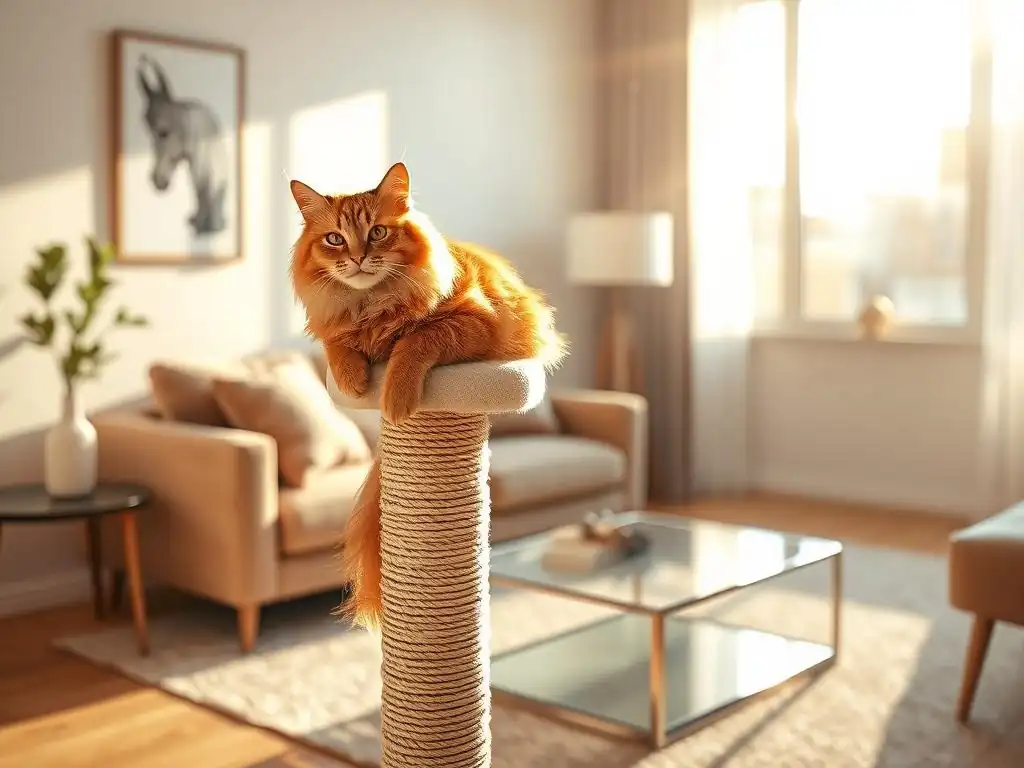
Welcome to PetCareWorld, your ultimate guide to a happier, healthier life for your beloved pet! Are you puzzled by your feline friend's scratching habits? Our expert guide, "Cat scratching post location guide," reveals the secrets behind your cat's scratching preferences and how strategic placement can transform your home from a battleground to a purrfect haven. Discover the science behind scratching and learn how to choose the ideal location for your cat's scratching post—read on to unlock the mystery!
- Understanding Your Cat's Scratching Behavior: A Comprehensive Guide
- Choosing the Perfect Cat Scratching Post Location: A Strategic Guide
- Types of Cat Scratching Posts and Their Ideal Locations
- Troubleshooting Common Cat Scratching Post Location Issues
- Creating a Scratching Post Paradise: Enhancing Cat Engagement
- Frequently Asked Questions
- Final Reflection: Understanding Feline Furniture Preferences for a Harmonious Home
- Unleash Your Cat's Inner Architect: Design a Scratching Paradise!
Understanding Your Cat's Scratching Behavior: A Comprehensive Guide
Cats scratching—it's a universal feline behavior that often leaves pet owners scratching their heads! This comprehensive guide delves into the fascinating world of cat scratching, exploring the reasons behind this seemingly destructive habit and offering practical solutions to redirect this natural instinct.
We'll examine the signals your cat sends through scratching, the crucial role it plays in their physical and mental well-being, and most importantly, how choosing the right location for your cat's scratching post can significantly impact their happiness and your home's décor. Understanding your cat's scratching behavior isn't just about protecting your furniture; it's about understanding your feline companion on a deeper level and providing them with a happy, enriching environment.
This guide will serve as your ultimate resource for mastering the art of cat scratching post placement, transforming a potential source of frustration into a harmonious co-existence between you and your beloved pet. This guide will help you navigate the world of cat scratching and provide you with the knowledge needed to implement a successful “Cat scratching post location guide”.
Deciphering the Scratching Signals: Why Cats Scratch
Cats scratch for a multitude of reasons, far beyond simple mischief. It's a complex behavior driven by instinct and serves several vital purposes. Think of scratching as a form of feline communication. The act itself isn't random; it conveys important information about your cat's physical and emotional state.
Understanding these signals is key to preventing unwanted scratching on your furniture and other household items. Cats may scratch to:
- Mark their territory: Scent glands in their paws leave behind visual and olfactory messages, claiming their space.
- Stretch and exercise: Scratching provides a fantastic full-body stretch, strengthening muscles and improving flexibility. Think of it as their daily yoga! 🧘♀️
- Sharpen their claws: Just like a lion sharpening its claws, cats need to maintain their claws for hunting, climbing, and defense.
- Express emotions: Stress, excitement, or even boredom can manifest as increased scratching. A sudden increase in scratching frequency could signal an underlying issue requiring attention.
- Remove the outer sheath of their claws: This is a natural process that helps keep their claws sharp and healthy.
The Importance of Scratching for Cats: Physical and Mental Well-being
Ignoring or suppressing your cat's natural scratching behavior can have negative consequences for their physical and mental well-being. Denying them the opportunity to scratch can lead to:
- Frustration and stress: A cat unable to scratch may exhibit behavioral issues like aggression, excessive meowing, or inappropriate elimination.
- Claw damage: Overgrown claws can become ingrown, painful, and prone to infection.
- Muscular problems: Lack of stretching can lead to stiffness and muscle pain.
- Furniture destruction: If not provided with appropriate scratching alternatives, cats will inevitably resort to your furniture, causing costly damage.
Providing a suitable scratching post is not merely about protecting your furniture; it's an act of responsible pet ownership. It addresses your cat's innate needs, contributing to their overall health and happiness. The next section will delve into the ideal location for your cat's scratching post, maximizing its effectiveness and minimizing any potential conflicts.
Choosing the Perfect Cat Scratching Post Location: A Strategic Guide
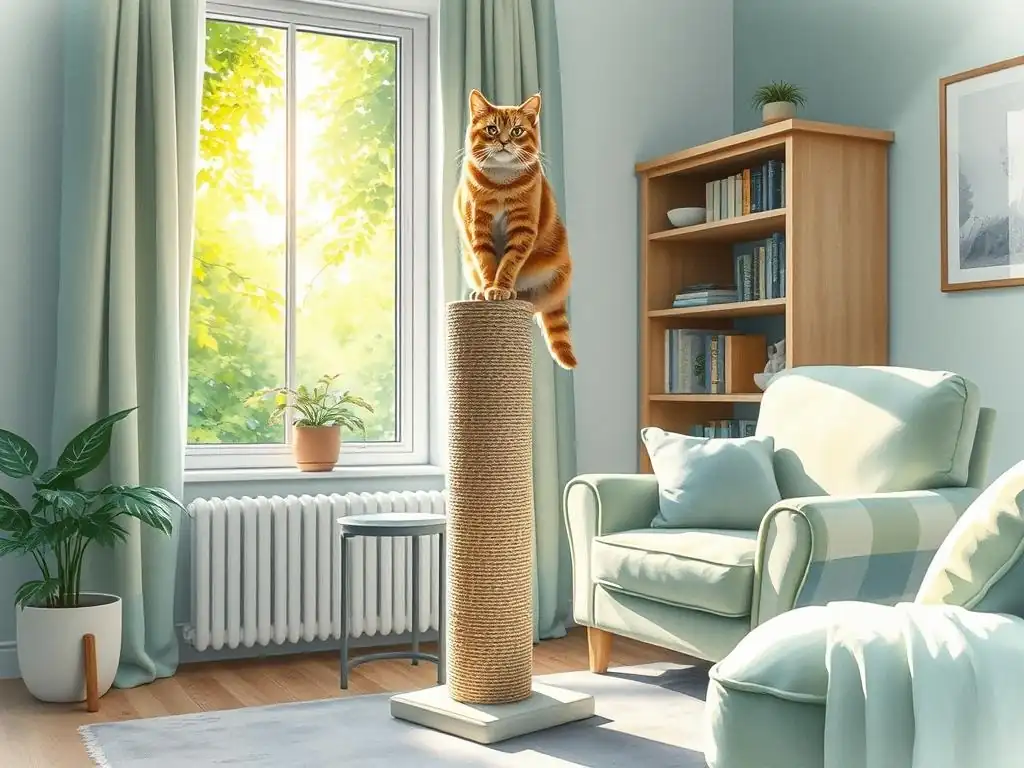
This section delves into the crucial aspect of cat scratching post placement, a key element in managing your feline friend's scratching behavior and ensuring a harmonious home environment. Strategic placement significantly impacts your cat's use of the scratching post, minimizing unwanted scratching on furniture and other household items. This guide provides a room-by-room analysis, factoring in your cat's personality and your home's layout. Understanding these factors is paramount for successful scratching post integration and creating a happy, less-stressed home for both you and your cat.
Cat Scratching Post Placement: Factors to Consider
Successfully integrating a scratching post into your home requires careful consideration of several key factors. Ignoring these can lead to a frustrating experience for both you and your cat, resulting in continued furniture scratching.
Considering Your Cat's Personality and Preferences
Some cats are bolder and more adventurous, while others are shy and prefer quieter spaces. A shy cat might avoid a scratching post placed in a high-traffic area, preferring a quieter corner. Conversely, a more confident cat might relish a prominent scratching post in the living room. Observe your cat's behavior and preferences to determine the ideal location.
Does your cat prefer vertical or horizontal scratching surfaces? Does your cat prefer to scratch in open spaces or tucked away corners? Understanding these individual preferences is vital for successful scratching post integration. For example, a playful kitten might enjoy a tall, sturdy post near a window for viewing opportunities, while a senior cat might prefer a lower, softer scratching pad in a less active area.
Assessing Your Home's Layout and Traffic Flow
The flow of traffic in your home significantly impacts scratching post placement. Avoid placing the post in high-traffic areas where it could become a tripping hazard or obstruct movement. Similarly, avoid placing it too close to doorways or other areas where your cat might feel vulnerable. Consider the overall layout of your home. Does your cat have access to all areas of the house? Is there sufficient space for the scratching post without impeding other activities? A clear understanding of your home's layout and traffic patterns will guide you towards the most effective placement options.
Optimizing Scratching Post Placement for Multiple Cats
If you have multiple cats, providing multiple scratching posts is crucial to avoid competition and conflict. Space them strategically to cater to each cat's individual preferences and to minimize territorial disputes. Consider different types of scratching posts – some cats prefer sisal, while others may favor carpet or cardboard. Ensure that each cat has easy access to its preferred scratching post location. Observe your cats' interactions and adjust post placement as needed to ensure harmony. Remember, sufficient space and multiple options are vital for a multi-cat household.
Ideal Locations for Cat Scratching Posts: Room-by-Room Analysis
This section offers a room-by-room guide for optimal scratching post placement, considering the specific characteristics of each space.
Strategic Placement in the Living Room: Maximizing Cat Engagement
The living room is often a central hub of activity, making it an ideal location for a scratching post. However, careful placement is crucial. Avoid placing it directly in the path of foot traffic. A corner location, near a window offering a view of the outside world, often proves highly effective. This provides visual stimulation and encourages scratching. Consider the size and style of the scratching post to ensure it complements your living room's décor. A tall, sturdy post is ideal for cats who enjoy stretching and climbing.
Bedroom Scratching Post Placement: Balancing Convenience and Privacy
While not the most obvious choice, a bedroom can be a surprisingly effective location for a scratching post. Placing it near a bed or in a quiet corner can provide your cat with a sense of security and encourage use, especially if your cat enjoys spending time in the bedroom. However, ensure it doesn't obstruct movement or become a hazard. Consider a smaller, less imposing scratching post for the bedroom to maintain a balance between functionality and aesthetics.
Kitchen and Dining Area Scratching Post Considerations: Safety First
The kitchen and dining area require extra caution when placing a scratching post. Prioritize safety by avoiding placement near hot appliances or areas where food is prepared. Choose a sturdy, easily cleanable post. A smaller, wall-mounted scratching pad might be a better option than a freestanding post in these areas. Remember, maintaining hygiene is paramount in these high-traffic zones.
Bathroom Scratching Post Placement: Unexpected Benefits
The bathroom might seem an unusual location, but it can offer unexpected benefits. A smaller scratching post can be placed in a corner, away from high-traffic areas. The relatively quiet and private nature of the bathroom may appeal to shy cats. Ensure the post is easily cleanable and made of a material that won't be damaged by moisture. This unexpected location may surprise you with its effectiveness!
Types of Cat Scratching Posts and Their Ideal Locations
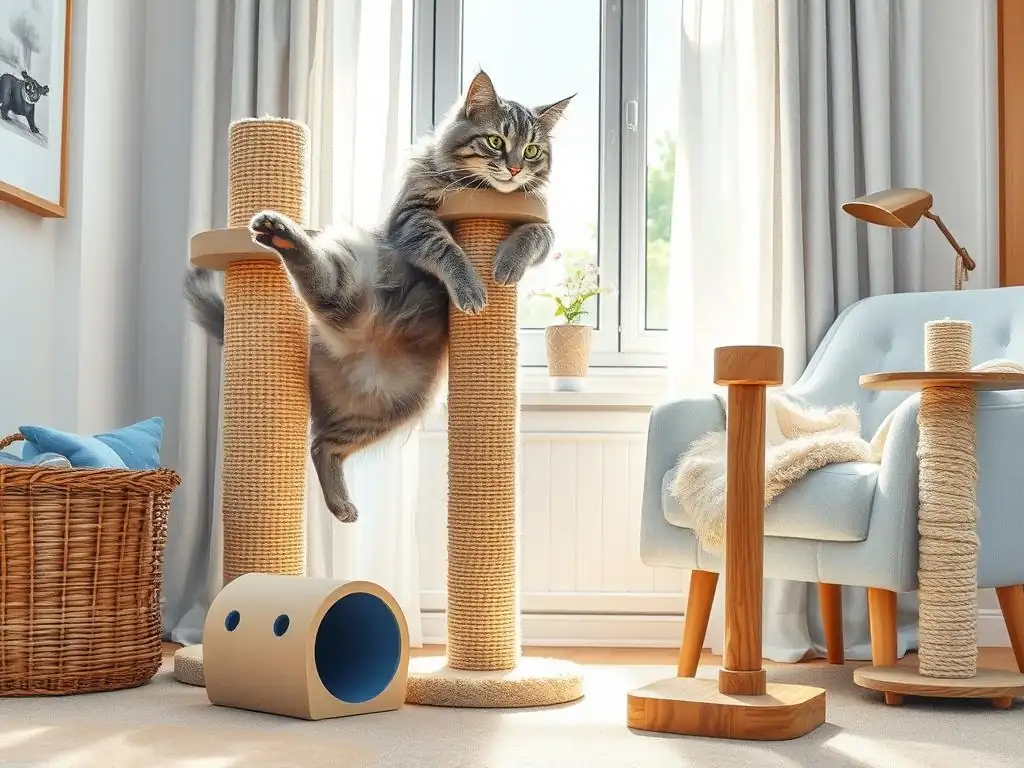
Understanding your cat's scratching preferences is key to choosing the right scratching post and placing it strategically. Cats scratch for a variety of reasons, including scent marking, stretching, sharpening claws, and simply because it feels good. The type of scratching post you choose will influence where it's best placed in your home.
This guide will help you select the optimal location for different scratching post styles, maximizing its use and minimizing unwanted scratching on your furniture. Remember, a well-placed scratching post is a crucial element of a happy and well-adjusted feline companion, contributing significantly to their overall well-being and reducing stress. Consider this a crucial component of your comprehensive cat scratching post location guide.
Vertical Scratching Posts: Placement for Climbing Cats
Vertical scratching posts, often resembling tall trees or towers, cater to cats' natural climbing instincts. These are particularly appealing to active, playful cats who enjoy exploring vertical spaces. The ideal placement for a vertical scratching post considers both climbing and scratching behavior.
Many cats prefer to have a vantage point from which to survey their territory. Therefore, placing a tall vertical post near a window, providing a view of the outdoors, is often highly effective. This satisfies their innate hunting instincts and provides a sense of security. Another strategic placement is near a frequently used area of the house, such as a living room or hallway, allowing your cat easy access for regular scratching sessions. Avoid placing it in areas with high foot traffic or where it might be easily knocked over.
Consider the height of the post. Taller posts are generally better, allowing cats to fully stretch and extend their claws. A post that's too short might not satisfy their scratching needs, leading them to seek alternative scratching surfaces. Also, the texture of the post matters. Sisal is a popular choice for its durability and ability to effectively sharpen claws. However, some cats prefer carpet or other textured materials.
Horizontal Scratching Posts: Ideal Locations for Stretching and Scratching
Horizontal scratching posts are perfect for cats who prefer a more grounded approach to scratching. These posts offer a great opportunity for stretching and scratching in a comfortable, low-to-the-ground position. Their placement should consider the cat's preference for horizontal scratching and access to comfortable resting spots nearby.
Optimal placement for a horizontal scratching post is often along a wall, providing support and stability. This prevents the post from sliding or moving during use. Placing it near a favorite napping spot or resting area can encourage its use. Cats often associate scratching with relaxation and territory marking, and proximity to a resting spot reinforces this behavior.
Avoid placing the horizontal post in high-traffic areas or where it might be easily disturbed. Consider the cat's preferred scratching style; some prefer a flat surface, while others may prefer a slightly curved or angled surface. The material also plays a role, with cardboard, sisal, and carpet being popular choices depending on your cat's preference. Experiment with different materials if necessary.
Corner Scratching Posts: Space-Saving Solutions and Optimal Placement
Corner scratching posts are a fantastic space-saving solution, especially for smaller homes or apartments. These posts are designed to fit snugly into corners, maximizing space utilization and minimizing disruption to the room's aesthetic. However, careful placement is still crucial for effective use.
The best location for a corner scratching post is, naturally, a corner! Choose a corner that's relatively quiet and out of the way of high-traffic areas. A corner that's near a favorite resting spot or play area can encourage use. However, ensure that the post isn't placed so close to other furniture that it obstructs access or movement.
Consider the height and width of the post relative to the corner. A post that's too large might overwhelm the space, while a post that's too small might not provide sufficient scratching surface. The material remains important; sisal and carpet are common and effective options for encouraging use. If you have multiple cats, consider providing multiple scratching posts in different locations to accommodate individual preferences and prevent competition for resources. This contributes to a more peaceful and harmonious household environment for your feline companions.
Cardboard Scratchers: Affordable and Versatile Placement Options
Cardboard scratchers offer a budget-friendly and readily available solution to satisfy your cat's scratching needs. Their lightweight nature and relatively small size make them incredibly versatile in terms of placement. Unlike sturdier scratching posts, cardboard scratchers can be easily moved around to find the optimal location that your feline friend prefers. This is particularly helpful during the initial stages of introducing a new scratching post, allowing you to experiment with different spots in your home to gauge your cat's preferences.
One significant advantage of cardboard scratchers is their disposability. Once the scratching surface becomes worn down or damaged, simply replace it with a new one. This eliminates the need for cleaning or extensive maintenance, which is a significant plus for busy pet owners.
This ease of replacement also allows you to experiment with different textures and shapes of cardboard scratchers, catering to your cat’s specific preferences. Some cats may prefer a corrugated surface, while others might favor a flatter, smoother cardboard. Offering a variety of cardboard scratchers can help you determine your cat's preferences, leading to a more successful scratching post integration.
Placement strategies for cardboard scratchers are less constrained than with larger, heavier scratching posts. You can strategically place them near favorite napping spots, in sunbeams, or even in the vicinity of high-traffic areas where your cat frequently passes. However, always consider placing them away from fragile items or furniture they might damage during enthusiastic scratching sessions. The flexibility afforded by cardboard scratchers makes them an excellent choice for apartment dwellers or those with limited space, as they can be easily tucked away when not in use.
Remember to regularly monitor your cat's interactions with the cardboard scratcher to assess its effectiveness and adjust its placement as needed. This iterative approach ensures you find the perfect spot to encourage appropriate scratching behavior. The affordability and disposability make experimenting with placement a low-risk, high-reward endeavor in your quest for the ultimate "cat scratching post location guide."
Troubleshooting Common Cat Scratching Post Location Issues
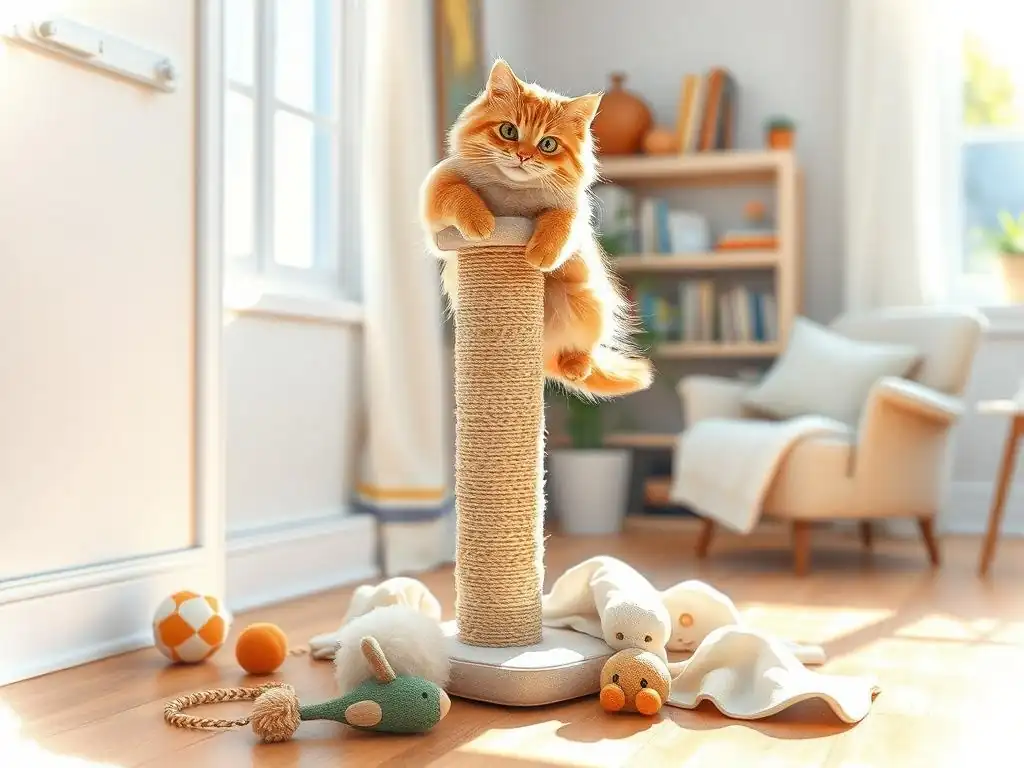
This section delves into the practical aspects of placing a scratching post, addressing common problems pet owners face when trying to encourage their feline companions to use it instead of furniture. Understanding your cat's preferences and adapting your strategy is key to success in this area. Remember, a well-placed scratching post is a crucial element in preventing costly furniture damage and maintaining a harmonious home environment. This guide will help you navigate the common challenges and find the perfect spot for your cat's scratching post.
My Cat Ignores the Scratching Post: Troubleshooting and Solutions
Many cat owners encounter the frustrating situation where their cat completely ignores the strategically placed scratching post. This isn't necessarily a reflection on the post itself, but rather a sign that the location, type of post, or even the cat's individual preferences aren't quite right. Several factors contribute to this issue.
First, consider the location. Is it in a high-traffic area where your cat feels vulnerable? Cats often prefer to scratch in places where they feel safe and secure, away from disturbances. Try moving the post to a quieter corner or against a wall. Perhaps they prefer a vertical scratching post placed near a window for sunbathing, or a horizontal one where they can stretch out fully.
Second, the type of scratching post matters immensely. Some cats are only interested in carpet-covered posts, while others prefer sisal or cardboard. Experimentation is key! If your cat consistently ignores one type of post, try a different material or style. The height and stability of the post are also important factors. A wobbly post will discourage use.
Third, consider the cat's personality. Some cats are more independent and require less stimulation, while others need a bit more encouragement. Try sprinkling catnip on the post, or strategically placing toys nearby to entice your cat to investigate. Positive reinforcement, such as treats and praise when they use the post, can also be incredibly effective.
My Cat Prefers Scratching Furniture: Redirecting Scratching Behavior
Even with a perfectly placed scratching post, some cats stubbornly persist in scratching furniture. This usually stems from a combination of factors, including instinct, learned behavior, and the cat’s inherent need for scratching. Redirecting this behavior requires patience and a multi-pronged approach.
Firstly, identify the preferred furniture. Understanding why your cat chooses that particular piece of furniture is crucial. Is it the texture, the location, or perhaps the scent? Once you've pinpointed the reason, you can start to address the issue.
Secondly, make the furniture less appealing. Covering the furniture with cat-repellent sprays or double-sided tape can make it less attractive to your cat. However, ensure that these products are safe for your cat and your furniture.
Thirdly, make the scratching post more appealing. As mentioned before, the type of scratching post, its location, and positive reinforcement all play a critical role. Consider placing the scratching post directly next to the furniture your cat prefers, allowing for a seamless transition. This often works well since cats tend to gravitate towards previously used scratching locations.
Finally, provide alternative scratching options. Offering a variety of scratching surfaces, including vertical and horizontal posts, can cater to your cat's preferences and potentially deter them from the furniture.
Multiple Cats, Multiple Scratching Posts: Managing Competition and Preferences
Introducing multiple scratching posts when you have more than one cat is vital to prevent territorial disputes and ensure each cat has access to a suitable scratching area. Ignoring this often leads to increased competition and ultimately, furniture destruction.
The number of posts should ideally exceed the number of cats, allowing for individual preferences and minimizing conflict. Consider placing the posts in different locations throughout the house, strategically positioned to cater to each cat's individual habits and preferred scratching styles. Observe your cats’ behaviour – do they prefer vertical or horizontal surfaces, sisal or carpet? Providing a variety of options addresses these individual preferences.
Furthermore, consider the spacing. Posts should be spaced far enough apart to avoid competition, but not so far apart that it makes them inconvenient for your cats. Each cat needs their own 'personal space' for scratching.
Finally, consistent positive reinforcement is essential. Reward each cat when they use their own scratching post. This helps reinforce positive behavior and reduces the likelihood of competition. Using different scents or textures on each post can also help the cats identify their own 'designated' scratching spot. This proactive approach can significantly reduce scratching-related conflicts and maintain harmony amongst your feline family members.
Creating a Scratching Post Paradise: Enhancing Cat Engagement
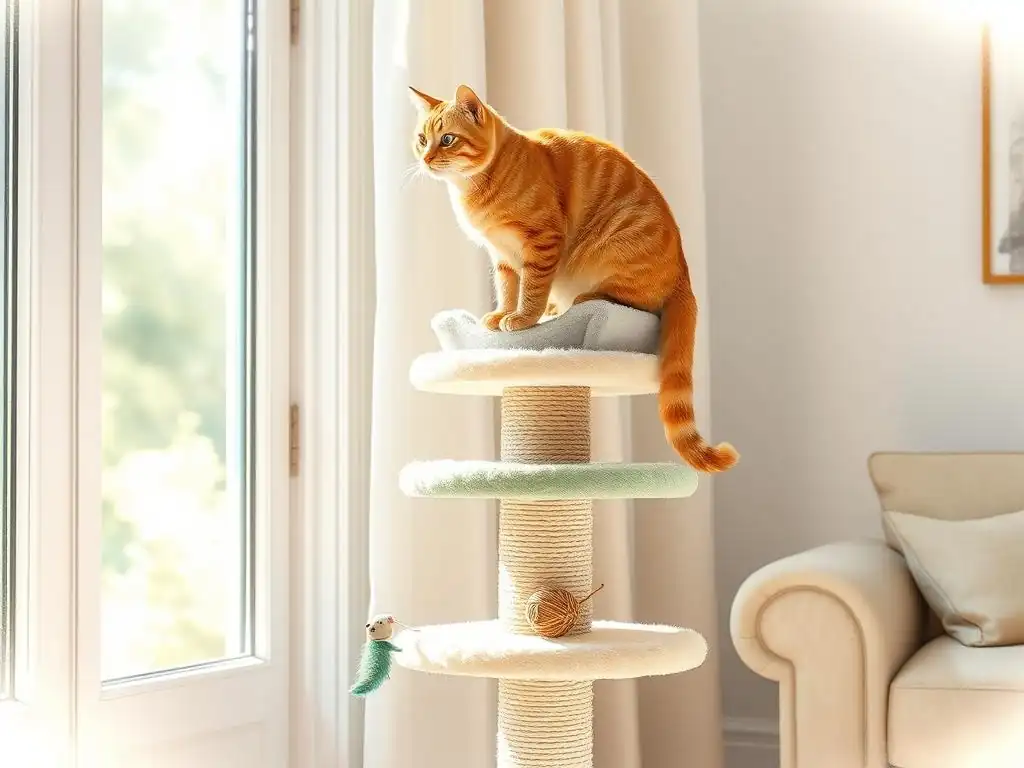
Cats scratch for a multitude of reasons, including scent marking, stretching, and sharpening their claws. Providing appropriate scratching surfaces is crucial for their well-being and to protect your furniture. The location of the scratching post, however, plays a surprisingly significant role in its acceptance by your feline friend. A poorly placed scratching post, regardless of its quality, is likely to be ignored. This section delves into optimizing scratching post placement for maximum cat engagement, offering a comprehensive Cat scratching post location guide.
Encouraging Scratching Post Use: Tips and Tricks
Successful scratching post placement isn't just about finding a convenient spot for you; it's about understanding your cat's preferences and creating an environment that encourages its use. Here are some key strategies:
- Strategic Placement: Cats often prefer to scratch in areas where they feel safe and secure, or near high-traffic areas to observe their surroundings. Consider placing scratching posts near their favorite napping spots, feeding areas, or windows. Avoid placing them in isolated corners or high-traffic walkways where your cat might feel vulnerable.
- Vertical vs. Horizontal: Offer a variety of scratching posts, both vertical and horizontal. Some cats prefer to stretch upwards, while others enjoy a more grounded scratching experience. A good mix caters to diverse preferences. Consider the different scratching surfaces too; sisal, carpet, cardboard – experiment to find what your cat prefers.
- Height Matters: Taller scratching posts allow cats to fully stretch and extend their claws, satisfying their natural instincts. A tall post near a window offers a perfect vantage point for observation while scratching.
- Positive Reinforcement: Reward your cat for using the scratching post with treats, praise, or interactive play. This positive association makes the post more appealing.
- Scent Appeal: Cats are sensitive to scent. You can lightly sprinkle catnip on the scratching post to make it more enticing. However, be mindful that some cats are not sensitive to catnip.
Maintaining Your Cat's Scratching Posts: Cleaning and Replacement
Just like any other pet accessory, scratching posts require regular maintenance to ensure they remain appealing and functional. Neglecting this can lead to reduced usage and potential health issues for your cat.
- Regular Cleaning: Regular cleaning is vital to remove dust, debris, and bacteria. The frequency depends on your cat's usage but aim for at least a weekly wipe-down with a pet-safe cleaner. For heavily soiled posts, more frequent cleaning is necessary. Avoid harsh chemicals that might be harmful to your cat.
- Replacement Schedule: The lifespan of a scratching post varies greatly depending on the material and your cat's scratching habits. Sisal posts tend to last longer than cardboard ones. Regularly inspect the post for wear and tear. If the scratching post is significantly worn down or damaged, replace it promptly to prevent injuries and maintain your cat's interest. A worn-out post might become less appealing and encourage scratching elsewhere.
- Material Considerations: Different materials offer varying levels of durability. Sisal is a robust and long-lasting option; cardboard is more affordable but degrades faster. Consider your cat's scratching intensity and preference when selecting the material. A multi-textured scratching post might be the best option for cats with varying preferences.
This detailed approach ensures your cat has a scratching post that is not only functional but also appealing and enjoyable, thus contributing to a happy and healthy feline companion. Remember, a well-maintained and strategically placed scratching post is a key component of responsible cat ownership and a crucial element in your Cat scratching post location guide.
Frequently Asked Questions
Where is the best place to put a cat scratching post?
The ideal location is a spot your cat already frequents for scratching, such as near their favorite sleeping area or a high-traffic zone. Consider placing it near a window for environmental enrichment.
Why does my cat scratch in inappropriate places despite having a scratching post?
Your cat might not like the post's material, its location, or it might simply prefer other vertical surfaces. Try different materials and locations, or consider adding more scratching posts.
What type of scratching post material is best for cats?
Cats have preferences! Sisal is a popular and durable option, but some cats prefer carpet, cardboard, or even wood. Experiment to find your cat's favorite.
My cat ignores the scratching post. What can I do?
Try moving the post to a more attractive location. You can also encourage scratching by sprinkling catnip on it or using positive reinforcement (treats and praise).
How many scratching posts should I have for my cat?
The number depends on your cat's personality and your home's layout. A good rule of thumb is to provide at least one post per cat, plus additional posts in different locations throughout the house.
Final Reflection: Understanding Feline Furniture Preferences for a Harmonious Home
Understanding your cat's scratching behavior is not merely about protecting your furniture; it's about understanding your feline companion and creating a truly harmonious home environment. The seemingly simple act of scratching holds a wealth of information about your cat's physical and emotional needs, impacting their well-being and your sanity. Ignoring these needs can lead to unwanted behaviors and damaged belongings, while understanding them opens the door to a more peaceful coexistence.
The strategic placement of scratching posts, as explored throughout this guide, is more than just a practical solution; it's a testament to the power of observation and empathy in our relationships with animals. It's about recognizing that a cat's scratching isn't malicious, but instinctual. Cats scratch to stretch, sharpen their claws, mark their territory, and relieve stress.
This simple statement highlights the multifaceted nature of this behavior, urging us to look beyond the immediate problem of shredded furniture to the underlying needs of our furry friends. Understanding this has profoundly changed my approach to cat ownership, fostering a deeper connection with my own feline companions.
Consider the locations you've explored in this guide – near sunny windows, by favorite resting spots, or even strategically placed to redirect scratching away from vulnerable furniture. Now, take a moment to observe your cat's behavior. Where do they gravitate? What seems to attract them? By applying the principles discussed here, you can create a space where both you and your cat thrive, transforming a potential source of conflict into an opportunity for understanding and connection. Create that perfect scratching post haven, and watch your home transform into a haven of feline and human happiness.
Unleash Your Cat's Inner Architect: Design a Scratching Paradise!
Thanks for exploring the fascinating world of feline scratching behavior with us! You've gained valuable insights into why cats scratch and how to understand their preferences. Ready to put this knowledge into action?
- Create the purrfect scratching post haven: Observe where your cat enjoys scratching most and place scratching posts nearby. Consider providing posts of varying heights and materials to cater to their preferences, experimenting with cardboard, sisal, carpet, and other textures to discover their favorites.
- Share your successes (and challenges!): Let's learn from each other! Share your experiences and photos in the comments section below. What has worked well for you, and what hasn't?
- Observe your cat's scratching habits for a week: Note when and where they scratch most frequently. This information will help you refine your approach to providing appropriate scratching surfaces.
So, tell us: What creative scratching solutions will you design to keep your cat happy and your furniture safe?