
Bird Cage Size: Maximizing Space for Flight and Play

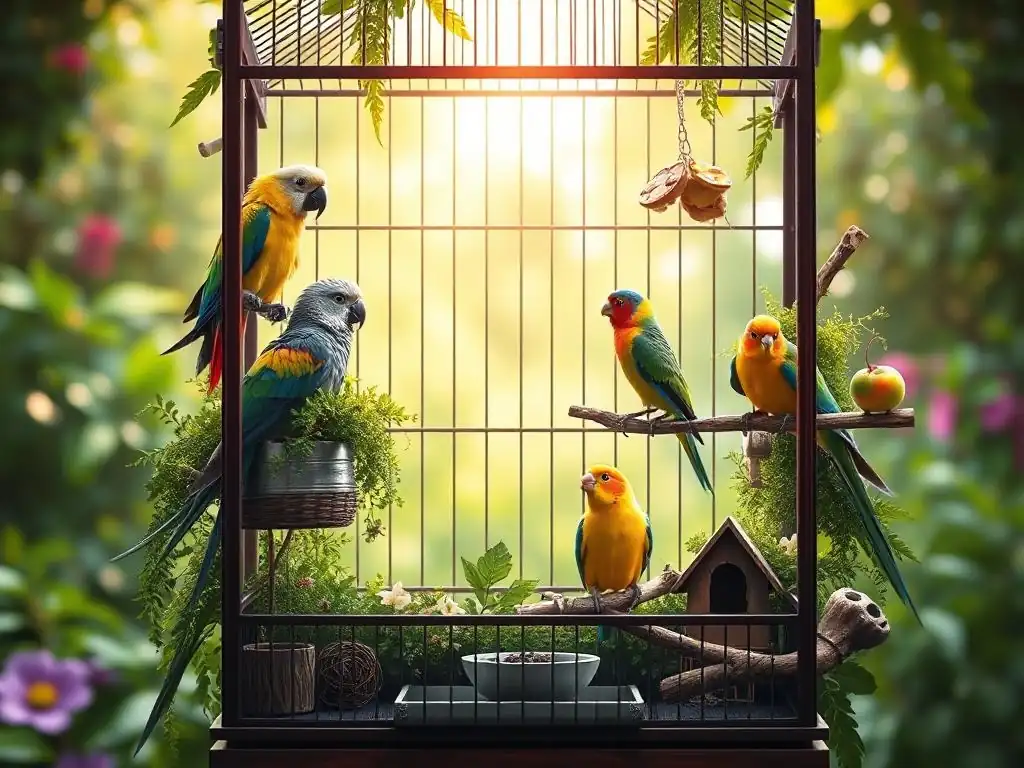
Welcome to PetCareWorld, your ultimate guide to a happier, healthier life for your beloved companion! Are you ready to create the perfect avian sanctuary? Then dive into our expert guide on choosing the best bird cage size, ensuring your feathered friend has ample space for flight, play, and overall well-being. Discover the secrets to maximizing comfort and enriching your bird's life – it's more than just a cage, it's a home! Let's explore the best bird cage size guide together and unlock the key to a thriving feathered family.
- Best Bird Cage Size Guide: Understanding Your Bird's Needs
-
Essential Factors Beyond Minimum Cage Size Requirements
- Providing Ample Space for Flight and Exercise: Importance of Wingspan Clearance
- Choosing the Right Cage Shape for Optimal Movement and Exploration
- The Role of Perches in Maximizing Space and Enriching the Bird's Environment
- Assessing the Number of Birds and Adjusting Cage Size Accordingly: Multi-Bird Households
- Maximizing Space with Cage Accessories and Design
-
Common Mistakes to Avoid When Choosing a Bird Cage
- The Dangers of Choosing a Cage That's Too Small: Stress, Health Issues, and Behavioral Problems
- Overcrowding: The Impact on Bird Health and Social Dynamics in Multi-Bird Households
- Misinterpreting Minimum Size Recommendations: Understanding Specific Bird Needs
- Neglecting the Importance of Vertical Space: Providing Opportunities for Climbing and Exploration
- Resources and Further Reading: Best Bird Cage Size Charts and Guides
-
Frequently Asked Questions
- What is the most important factor to consider when choosing a bird cage size?
- How much space does my bird need to fly comfortably?
- What are some signs my bird's cage is too small?
- Are there any specific cage designs better suited for certain bird species?
- Where can I find more detailed information on bird cage sizes for specific species?
- Final Reflection: Unlocking Avian Potential: Beyond the Bars
- Unleash Your Feathered Friend's Potential!
Best Bird Cage Size Guide: Understanding Your Bird's Needs
Choosing the right bird cage is crucial for your feathered friend's health and happiness. A cage that's too small can lead to stress, feather plucking, and other behavioral problems, severely impacting your bird's quality of life. This comprehensive guide will help you determine the best bird cage size for your specific bird, ensuring they have ample space for flight, play, and overall well-being.
We'll explore various factors to consider, including species, wingspan, and activity level, ultimately empowering you to create a safe and stimulating environment for your avian companion. This guide aims to be your ultimate resource for selecting the perfect cage, helping you navigate the complexities of finding the ideal "best bird cage size" for your beloved pet. We'll delve into specifics, providing you with the knowledge to make an informed decision, ensuring your bird thrives in its home.
Determining the Right Cage Size Based on Bird Species
The ideal cage size isn't a one-size-fits-all solution. Different bird species have vastly different size and activity levels. A small finch will require a much smaller cage than a large macaw. Consider these examples:
- Small Birds (Finches, Canaries, Budgies): These birds generally need a cage that's at least 18 inches wide, 18 inches tall, and 12 inches deep. However, larger cages are always preferable to allow for more movement and play. Remember, more space is always better!
- Medium Birds (Cockatiels, Conures): Medium-sized birds benefit from cages significantly larger than those suitable for small birds. Aim for a minimum of 24 inches wide, 24 inches tall, and 18 inches deep. These birds are more active and require more space to stretch their wings and engage in natural behaviors.
- Large Birds (Macaws, African Greys, Amazons): Large parrots need expansive cages to accommodate their size and energy levels. The minimum dimensions should be at least 36 inches wide, 36 inches tall, and 24 inches deep. Even larger cages are highly recommended, especially for multiple birds. Think of it as providing a spacious "condo" for your feathered friend! 🐦
Remember, these are minimum dimensions. Providing more space is always beneficial and contributes to a happier, healthier bird. Consider the bird's temperament and activity level; a more active bird will benefit from an even larger cage.
Measuring Your Bird's Wingspan and Body Length for Accurate Sizing
While species-based guidelines offer a good starting point, accurately measuring your bird's wingspan and body length provides a more precise assessment of their space requirements.
To measure your bird's wingspan:
- Gently extend one wing fully.
- Measure from the tip of the longest primary feather to the tip of the longest secondary feather.
- Repeat for the other wing and take the average.
To measure your bird's body length:
- Gently place your bird on a flat surface.
- Measure from the tip of its beak to the tip of its tail.
Once you have these measurements, you can use them to estimate the minimum cage dimensions. A general rule of thumb is that the cage's width and height should be at least twice the bird's wingspan, and the depth should be at least the bird's body length. However, remember to prioritize the species-specific recommendations as a base, then adjust based on your bird's individual measurements.
Minimum Cage Dimensions for Different Bird Sizes: Small, Medium, and Large Birds
The following table summarizes minimum cage dimensions based on bird size. Remember, these are minimums, and larger cages are always preferred. Consider enriching the cage environment with toys, perches, and other stimulating items to encourage activity and mental engagement.
| Bird Size | Minimum Width (in) | Minimum Height (in) | Minimum Depth (in) |
|---|---|---|---|
| Small (Finches) | 18 | 18 | 12 |
| Medium (Cockatiels) | 24 | 24 | 18 |
| Large (Macaws) | 36 | 36 | 24 |
Always prioritize the well-being of your bird. A spacious, appropriately sized cage is a fundamental aspect of responsible bird ownership. Remember to regularly assess your bird's needs and adjust the cage size or enrichment as necessary. Providing a stimulating and comfortable environment is key to a long and happy life for your feathered friend! 🎉
Considering Height and Depth: Vertical vs. Horizontal Space
Choosing the right bird cage isn't just about square footage; it's about providing the appropriate dimensions for your bird's natural behaviors. Many bird species are naturally inclined towards vertical movement, spending a significant portion of their day climbing, swinging, and perching at varying heights. Therefore, simply focusing on the overall floor space can be misleading.
A cage that's long and wide but lacks sufficient height might restrict your bird's natural climbing and flapping instincts, leading to boredom, stress, and potential health problems. Think of it like this: a small apartment with high ceilings feels vastly different than a large, sprawling ranch-style house that's only one story high.
For smaller birds like finches or canaries, a cage with a greater emphasis on width and depth might suffice, provided it offers ample perches at different levels. However, even these smaller birds appreciate some vertical space for climbing and exploring. Larger birds, such as cockatoos, macaws, or amazons, absolutely require significant height.
These birds need room to spread their wings fully, to climb and play, and to engage in their natural behaviors without feeling cramped. A tall cage allows them to stretch their wings comfortably and prevents feather damage that can result from restricted movement. The depth of the cage is also crucial for larger birds, providing enough space for toys, food bowls, and perches without making the cage feel cluttered and overwhelming.
Consider the species of your bird and its natural behaviors when determining the ideal height-to-depth ratio. Researching your specific bird's needs will give you a better understanding of the type of cage that best suits its natural tendencies. A cage that is too short, regardless of its width and depth, will severely limit your bird's ability to exercise and engage in natural behaviors. This can lead to a decline in physical and mental health, manifesting as feather plucking, lethargy, and aggression.
Conversely, a cage that is too tall might be impractical for smaller birds and could make cleaning more difficult. Finding the right balance is key to ensuring your feathered friend thrives in their environment. The best approach is to always prioritize sufficient height, particularly for larger and more active bird species. Remember, a happy bird is an active bird!
Essential Factors Beyond Minimum Cage Size Requirements

Finding the best bird cage size isn't just about meeting minimum requirements; it's about providing a stimulating and enriching environment for your feathered friend. While minimum cage size guidelines offer a starting point, they often fall short of what's truly needed for a bird to thrive. This section delves into crucial factors that go beyond the basic measurements, ensuring your bird has the space it needs for physical and mental well-being.
Understanding these factors is key to providing the best possible home for your avian companion and will contribute to a longer, healthier, and happier life for them. This guide will help you choose the right cage size, contributing to your search for the "best bird cage size guide".
Providing Ample Space for Flight and Exercise: Importance of Wingspan Clearance
A bird's cage should be large enough to allow for comfortable flight. This isn't just about flapping their wings; it's about the ability to comfortably spread their wings without touching the sides or top. A good rule of thumb is to ensure the cage's length and width are at least three times the bird's wingspan. For example, a large macaw with a 40cm wingspan would require a cage with a minimum length and width of 120cm.
Failing to provide sufficient wingspan clearance can lead to stress, feather plucking, and other behavioral problems. Consider the bird's natural behavior – do they like to soar, or do they prefer more contained movements? Larger birds require significantly more space than smaller birds.
Smaller birds still benefit from a spacious cage. Remember, a cramped cage can negatively impact a bird's physical health and mental well-being. Consider adding toys and other enrichment items that encourage movement and exploration, which will help even in a slightly smaller cage.
Choosing the Right Cage Shape for Optimal Movement and Exploration
The shape of the cage also plays a significant role in maximizing usable space. While rectangular cages are common, consider the benefits of taller cages, especially for birds that prefer to climb and perch high. A tall cage allows for vertical movement, mimicking their natural environment. Avoid cages that are too shallow, as this restricts movement and exploration. The shape of the cage impacts the bird's ability to navigate its environment efficiently and comfortably. A square or rectangular cage generally provides more usable floor space than a round or uniquely shaped cage of the same overall volume.
Cage Shape Considerations:
Here's a quick comparison of common cage shapes:
- Rectangular: Offers the most usable space and allows for varied perch placement.
- Square: Similar benefits to rectangular, but can feel less spacious for some birds.
- Round: Often less efficient use of space and can be disorienting for birds.
The Role of Perches in Maximizing Space and Enriching the Bird's Environment
The placement and type of perches significantly impact how much space a bird perceives as usable. Multiple perches of varying diameters and materials are crucial. This allows the bird to change positions frequently, relieving pressure on their feet and encouraging natural movement. Avoid overcrowding perches. Strategically placed perches can create different zones within the cage, providing opportunities for climbing, sleeping, eating, and playing. The perches should not be placed too close together, leaving enough space for the bird to comfortably move between them.
This also avoids restricting movement and potentially causing injuries. Consider incorporating natural branches of varying thicknesses for a more stimulating environment. The diversity in perch placement and material adds to the overall enrichment of the cage, making it a more comfortable and engaging space. This contributes to the overall feeling of spaciousness and comfort for your bird. 🐦
Assessing the Number of Birds and Adjusting Cage Size Accordingly: Multi-Bird Households
Housing multiple birds requires significantly more space than accommodating a single avian companion. Cramming several birds into a cage designed for one can lead to increased stress, aggression, feather plucking, and a higher risk of disease transmission. The general rule of thumb is to significantly increase the cage size for each additional bird. A cage suitable for a single small parrot, for example, might be wholly inadequate for two or three.
Consider not only the floor space but also the vertical space, allowing each bird ample room to climb, perch, and avoid unwanted interactions. Remember, birds need space to escape from each other if they become agitated. A larger cage with multiple perches strategically placed at different heights will help facilitate this.
Think of it like this: each bird needs its own "personal space" within the cage. This translates to more perches, toys, and feeding stations to prevent competition and resource guarding, which are common causes of conflict in multi-bird households. A cage that's too small forces birds into close proximity, leading to heightened territoriality and aggression.
This is especially true for species known for their territorial nature. For instance, two cockatoos in a small cage will likely engage in more frequent disputes than two cockatoos in a spacious enclosure. Observing your birds' behavior is crucial; if you notice signs of stress or aggression, such as excessive vocalization, feather plucking, or constant chasing, it's a clear indication that the cage is simply too small for your flock.
Upgrading to a significantly larger cage is essential to mitigate these issues and ensure the well-being of your feathered friends. Consider consulting with an avian veterinarian or experienced bird breeder for personalized guidance on appropriate cage size for your specific bird species and number of birds. They can provide expert advice tailored to your particular situation, helping you create a harmonious and healthy environment for your multi-bird household.
Maximizing Space with Cage Accessories and Design
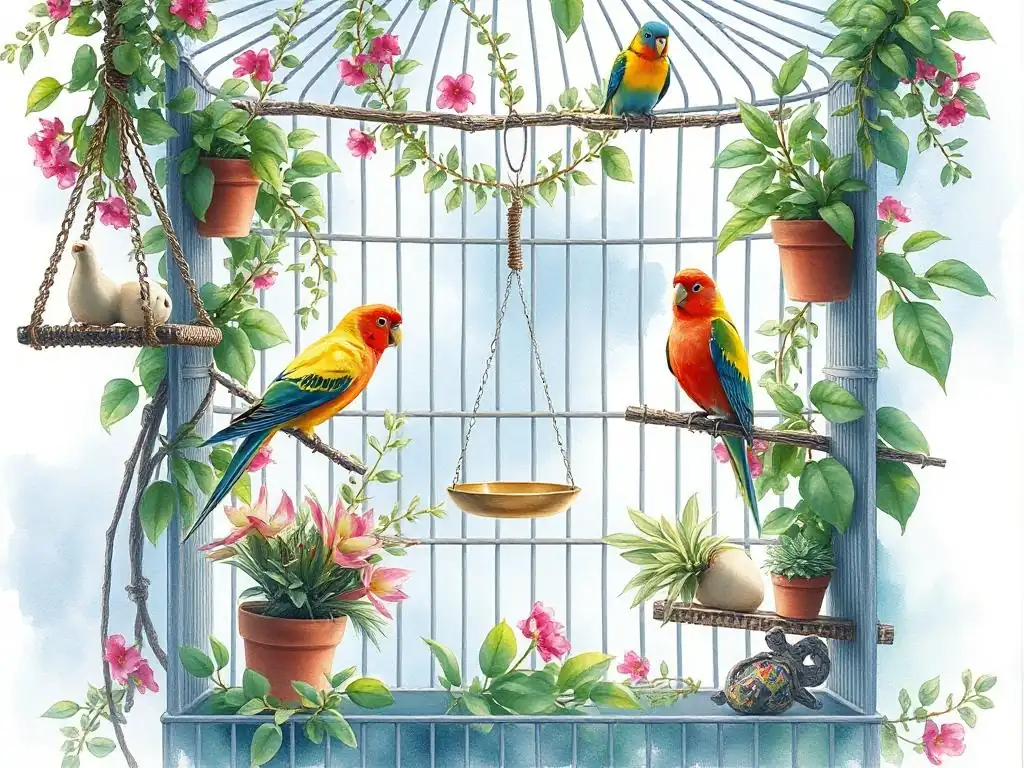
This section focuses on optimizing space within your bird's cage, ensuring it's not just large enough, but also effectively utilized for your feathered friend's comfort and enrichment. A larger cage doesn't automatically equate to a better environment; clever placement of accessories is key to maximizing the usable space and providing a stimulating habitat. Remember, the goal is to provide ample room for flight, play, and exploration, contributing to your bird's overall well-being and preventing boredom. This is crucial for achieving the best bird cage size, regardless of the species.
Strategically Placing Perches and Toys to Optimize Space Utilization
Effective perch placement is vital for maximizing vertical space and promoting natural bird behaviors. Avoid overcrowding; instead, strategically position perches at varying heights and distances to encourage climbing and movement. Consider the size and species of your bird when determining perch spacing. Smaller birds need closer perches, while larger birds require more space between them. Think of it like creating a "bird gym" within the cage.
For example, a cockatiel might benefit from perches placed at different levels, with some close together for resting and others further apart for stretching and climbing. A larger macaw, however, will need significantly more space between perches, allowing for ample wingspan and maneuverability. Avoid placing perches directly above food and water dishes to prevent droppings from contaminating them.
Toys should also be strategically placed to maximize space and encourage exploration. Use hanging toys to utilize vertical space and avoid cluttering the cage floor. Vary the types and placement of toys regularly to keep your bird mentally stimulated and prevent boredom. Rotate toys every few days to maintain novelty and engagement. Consider the bird's natural foraging instincts and provide toys that challenge them mentally and physically. This is a significant aspect of providing the best bird cage size – the space must be engaging!
Selecting Appropriate Cage Accessories: Food and Water Dishes, Toys, and Baths
The size and type of cage accessories significantly impact space utilization. Choose appropriately sized food and water dishes to avoid taking up excessive space. Consider using corner feeders or wall-mounted dishes to save floor space. Similarly, select toys that are appropriately sized for your bird and the available space. Avoid overcrowding the cage with too many large toys, which can restrict movement.
When selecting a bird bath, choose one that is easy to clean and doesn't take up too much valuable space. Smaller, shallow baths are often preferable to large, deep ones, especially for smaller birds. Remember, regular cleaning of all accessories is crucial for maintaining hygiene and preventing the spread of disease. A clean and organized cage is a happy and healthy cage. This contributes to the perception of adequate space, even if the cage is smaller than the ideal. Finding the right balance of space and accessories is key to a happy bird.
Creating a Stimulating Environment: Climbing Structures, Playgrounds, and Foraging Toys
Enriching your bird's environment goes beyond simply providing a spacious cage. Incorporating climbing structures, playgrounds, and foraging toys creates a stimulating and engaging habitat. These elements encourage natural behaviors and prevent boredom, which is particularly important for birds that require a lot of mental and physical stimulation.
Climbing structures like ropes, ladders, and branches provide opportunities for exercise and exploration. These structures can be arranged to create different levels and pathways within the cage, maximizing vertical space. A playground area with various toys and perches can be designated in a corner of the cage, providing a dedicated space for play and interaction.
Foraging toys encourage natural foraging behaviors and provide mental stimulation. These toys can include puzzle feeders, treat balls, and foraging baskets. By hiding treats within these toys, you encourage your bird to work for its food, mimicking its natural foraging instincts. This is a crucial aspect of a stimulating environment, and it shows how even with the best bird cage size guide, environmental enrichment is vital. Remember, a stimulating environment is just as important as the size of the cage itself. A well-designed cage, even if on the smaller side, can still provide a fulfilling environment with proper enrichment.
Optimizing Cage Placement for Natural Light and Air Circulation
Proper cage placement significantly impacts your bird's well-being. Natural light is crucial for a bird's physical and mental health, aiding in vitamin D synthesis and regulating their circadian rhythm. Avoid placing the cage in direct sunlight, which can lead to overheating and potentially harmful UV exposure.
Instead, opt for a location with ample indirect sunlight, perhaps near a window with a sheer curtain to diffuse the light. Remember to rotate the cage periodically to ensure even sun exposure and prevent uneven fading of the cage itself. This also helps prevent your bird from becoming too accustomed to one particular view.
Air circulation is equally important. A stuffy environment can lead to respiratory problems and a build-up of harmful bacteria and fungi. Avoid placing the cage near heating vents or air conditioners, as these can create drafts and temperature fluctuations that stress your bird. Good air circulation also helps to keep the cage clean and prevent the accumulation of odors.
Consider the placement of other furniture and objects in the room. Allow for sufficient space around the cage to ensure proper airflow and prevent the cage from becoming trapped in a stagnant air pocket. Regularly open windows (weather permitting) to provide fresh air, but always ensure your bird is safe and secure, preventing escapes.
Observe your bird's behavior; if they seem lethargic or are exhibiting signs of respiratory distress, reassess the cage's placement and airflow. A well-ventilated space contributes significantly to your feathered friend's overall health and happiness. Remember, even seemingly minor adjustments in placement can make a significant difference in the overall quality of your bird's life.
Common Mistakes to Avoid When Choosing a Bird Cage
This section focuses on the pitfalls many bird owners encounter when selecting a cage, offering insights to help you make an informed decision and avoid common mistakes. Choosing the right cage is paramount for your feathered friend's physical and mental well-being. A poorly chosen cage can significantly impact their health, happiness, and longevity. This "best bird cage size guide" will help you navigate these crucial choices.
The Dangers of Choosing a Cage That's Too Small: Stress, Health Issues, and Behavioral Problems
A cage that's too small for your bird is akin to living in a cramped closet. The consequences are far-reaching and detrimental to their health. Confinement in insufficient space leads to significant stress, manifesting in various ways. Birds might exhibit feather plucking, excessive preening, or repetitive movements, all indicative of psychological distress.
Furthermore, a lack of space limits their ability to engage in natural behaviors like flapping their wings, stretching, and climbing. This restricted movement can lead to muscle atrophy, obesity, and other physical health problems. Consider the specific needs of your bird species; a cockatoo requires significantly more space than a finch. The lack of adequate space can also negatively impact their immune system, making them more susceptible to illnesses.
For example, a small cage can hinder proper air circulation, increasing the risk of respiratory infections. Remember, a happy bird is a healthy bird, and providing ample space is a crucial step towards ensuring their well-being. Choosing the right size cage is a vital part of the best bird cage size guide.
Even if you choose a large cage, overcrowding can negate its benefits. Multiple birds in a space too small for their combined needs can lead to increased stress, aggression, and competition for resources. This can manifest as feather damage from fighting, increased vocalizations due to territorial disputes, and a general decline in overall health and happiness.
For example, two large parrots in a cage designed for one will inevitably lead to conflict over perches, food, and toys. Adequate space allows birds to establish individual territories, reducing the likelihood of conflict and promoting harmonious co-existence. The ideal scenario is to provide enough space so that each bird has its own distinct area.
The rule of thumb is to significantly increase the cage size for each additional bird, often doubling or tripling the space depending on the species and temperament of your birds. This aspect is often overlooked in many best bird cage size guide resources, but it's critical for multi-bird households. Remember, providing ample space is not just about the floor area but also vertical space allowing for three-dimensional movement.
Misinterpreting Minimum Size Recommendations: Understanding Specific Bird Needs
Many resources provide minimum cage size recommendations, but these should be treated as absolute minimums, not ideal sizes. These minimums often reflect the bare minimum space for survival, not for a fulfilling and enriching life. Different bird species have vastly different space requirements. A small parakeet's needs are drastically different from those of a large macaw.
A large macaw needs significantly more space to spread its wings, climb, and engage in natural behaviors. Simply meeting the minimum size requirement might still leave your bird feeling cramped and stressed. Always research the specific needs of your bird's species and consider their size, activity level, and social behavior when choosing a cage.
Consider a cage that exceeds the minimum recommendations; this is a key part of creating a thriving environment that promotes a happy, healthy bird. Remember, a properly sized cage is a fundamental aspect of any best bird cage size guide. Prioritize your bird's well-being by providing them with the space they deserve to thrive.
Neglecting the Importance of Vertical Space: Providing Opportunities for Climbing and Exploration
Many bird owners focus solely on the cage's footprint (length and width) when selecting a cage, overlooking the crucial aspect of vertical space. This is a significant mistake, as birds are naturally inclined to climb, perch, and explore their environment in three dimensions. Restricting their vertical movement can lead to several behavioral problems, including increased stress, boredom, and even feather plucking. A cage that's too short, even if it's wide, doesn't provide the necessary opportunities for physical activity and mental stimulation that a bird needs to thrive.
Consider a cockatoo, for instance. These large birds require significantly more vertical space than a smaller finch. A cramped, low cage will not allow a cockatoo to stretch its wings fully or engage in natural climbing behaviors. This can lead to muscle atrophy and a decline in overall physical health. Furthermore, the lack of vertical space can cause frustration and boredom, manifesting as destructive behaviors like excessive chewing or screaming.
The ideal cage should offer ample space for your bird to climb, swing, and comfortably stretch its wings without hitting the top or sides. Think of it as providing a miniature "bird playground" within the cage. The more vertical space, the more opportunities for enrichment you can provide, such as adding climbing toys, perches at various heights, and even small ladders or ropes.
This encourages natural behaviors and contributes to a happier, healthier bird. Remember, vertical space is not just about the height; it's about creating a multi-level environment that caters to your bird's instinctual need for exploration and movement. A taller cage allows for a greater variety of perches and toys, enriching the bird's environment and reducing the risk of boredom-related behavioral issues.
The added vertical space also helps to improve air circulation within the cage, promoting better respiratory health for your feathered friend. Failing to account for sufficient vertical space is a common oversight that can significantly impact your bird's well-being.
Resources and Further Reading: Best Bird Cage Size Charts and Guides
This section provides guidance on finding reliable information to determine the best bird cage size for your feathered friend. Choosing the right cage is crucial for your bird's physical and mental well-being, impacting everything from flight capacity to stress levels. Remember, a cramped cage can lead to behavioral problems and health issues. Therefore, using accurate and up-to-date resources is paramount.
Finding Reputable Sources for Bird Cage Size Recommendations
Locating trustworthy information on bird cage sizing can be surprisingly challenging. Many websites offer recommendations, but quality varies significantly. To ensure you're getting accurate advice, focus on these sources:
- Reputable Avian Veterinarians: These professionals have direct experience with various bird species and their specific needs. They can provide personalized recommendations based on your bird's breed, size, and activity level. Their insights are invaluable for ensuring your bird thrives.
- Specialized Bird Organizations: Organizations dedicated to avian welfare often publish detailed guidelines and resources on cage size and enrichment. Look for organizations with a strong track record and a commitment to scientific accuracy. Their materials often incorporate research and best practices.
- Peer-Reviewed Scientific Literature: While this may require a deeper dive, scientific journals sometimes publish studies on avian welfare and the impact of cage size. This is an excellent resource for evidence-based decision-making, although it may require some scientific literacy to interpret.
- Experienced Bird Breeders and Aviaries: Breeders who have successfully raised and cared for many birds over the years often have a wealth of practical knowledge to share about appropriate cage sizes. However, always cross-reference their advice with other reliable sources.
Avoid relying solely on anecdotal evidence or information from unverified sources. Remember, your bird's health and happiness depend on informed choices. A slightly larger cage is always preferable to one that is too small.
Understanding Bird Species-Specific Needs for Space and Enrichment
Bird cage size isn't a one-size-fits-all proposition. Different species have vastly different needs in terms of space and enrichment. A small parakeet will have vastly different requirements compared to a large macaw. Consider these factors:
| Bird Species Category | Typical Size Range | Minimum Cage Dimensions (approx.) | Enrichment Needs |
|---|---|---|---|
| Small Parakeets (Budgies, etc.) | 4-6 inches | 18" x 18" x 24" | Multiple perches, toys, foraging opportunities |
| Medium Parrots (Conures, etc.) | 10-14 inches | 24" x 24" x 36" | Larger perches, varied toys, climbing structures |
| Large Parrots (Macaws, etc.) | 24-36 inches or larger | 48" x 48" x 72" or significantly larger | Abundant space for flight, large toys, varied textures |
Note: These are minimum dimensions. Larger cages are always better, allowing your bird more room for exercise, exploration, and play. The more space you provide, the healthier and happier your bird will be. Remember to always consider the bird's wingspan and the space it needs to fully extend its wings without hitting the bars.
Consulting with Avian Veterinarians and Bird Experts for Personalized Advice
While general guidelines exist, the best way to determine the appropriate cage size for your specific bird is to consult with a qualified avian veterinarian or experienced bird expert. They can assess your bird's individual needs and provide tailored recommendations.
The most important factor in choosing a bird cage isn't just the size, but the overall environment you create within that cage. Enrichment and stimulation are key to a bird's well-being.
- Dr. [Avian Veterinarian Name Pending]
They can take into account factors such as your bird's breed, age, health, and activity level to ensure you provide the best possible home. Don't hesitate to seek their professional guidance – it's an investment in your bird's long-term health and happiness. This personalized approach ensures your bird has the space and enrichment necessary to thrive. Don't underestimate the value of a professional opinion in this area. The cost of a consultation is far outweighed by the potential benefits for your bird's well-being.
Frequently Asked Questions
What is the most important factor to consider when choosing a bird cage size?
The most crucial factor is the bird's size and species. Larger birds like macaws require significantly more space than smaller finches. Consider the bird's wingspan and the need for ample room for flight and exercise.
How much space does my bird need to fly comfortably?
Your bird needs enough space to fully extend its wings without hitting the cage bars. A good rule of thumb is to allow for at least twice the bird's wingspan in length and width. This allows for natural movement and prevents stress.
What are some signs my bird's cage is too small?
Signs of a cramped cage include plucking feathers, increased aggression, lethargy, or repetitive behaviors like pacing. If you notice any of these, consider upgrading to a larger cage.
Are there any specific cage designs better suited for certain bird species?
Yes, some designs are better than others. For example, parrots benefit from cages with multiple perches at varying heights, allowing for climbing and exploration. Smaller birds may do well in horizontal cages promoting more flight opportunities.
Where can I find more detailed information on bird cage sizes for specific species?
PetCareWorld offers a comprehensive best bird cage size guide with detailed information on cage dimensions for various bird species. Check out our other resources for in-depth guides and expert advice tailored to your bird's specific needs.
Final Reflection: Unlocking Avian Potential: Beyond the Bars
The quest for the perfect bird cage isn't merely about finding adequate space; it's about recognizing the profound impact of environment on a creature's well-being and potential. A bird's cage is not just a dwelling; it's a microcosm of its entire world, influencing its physical health, mental stimulation, and overall quality of life. Choosing the right size isn't a trivial detail; it's a fundamental act of responsible pet ownership.
The ongoing debate surrounding appropriate bird cage sizing highlights a larger societal shift towards a more compassionate understanding of animal welfare. We are increasingly recognizing the intelligence and emotional complexity of our avian companions, moving beyond the simplistic view of birds as mere decorative items. The greatness of a nation and its moral progress can be judged by the way its animals are treated.
- Mahatma Gandhi. This quote resonates deeply, reminding us that our choices regarding our feathered friends reflect our values and our commitment to ethical living. The size of a cage, therefore, becomes a symbol of our respect for these creatures and their inherent right to thrive.
Consider the implications of this guide. You now possess the knowledge to make informed decisions about the housing of your avian companion. Don't just settle for "adequate"; strive for optimal. Think beyond the minimum requirements and envision a space where your bird can truly flourish – a space that allows for natural behaviors, encourages exploration, and promotes a rich and fulfilling life. This isn't just about buying a bigger cage; it's about creating a sanctuary where your bird can spread its wings, both literally and metaphorically.
Unleash Your Feathered Friend's Potential!
Thank you for learning about creating the perfect aviary for your beloved bird! We hope you gained valuable insights into maximizing space for flight and play. Now let's put that knowledge into action!
- Prioritize your bird's needs: Carefully evaluate your current cage setup to ensure it meets your bird's minimum space requirements. Consider upgrading to a larger cage if necessary; this is the single most impactful step you can take to improve your bird's well-being.
- Share your upgrade journey: Tell us about your cage improvements and how your bird is enjoying the changes! We'd love to see photos and hear your experiences in the comments.
- Explore enrichment ideas: Think about creative ways to add climbing structures, swings, and foraging opportunities to enrich your bird's environment.
What's the one enrichment item you're most excited to add to your bird's cage, and why?