
Handling a Molting Bird: Special Care and Considerations

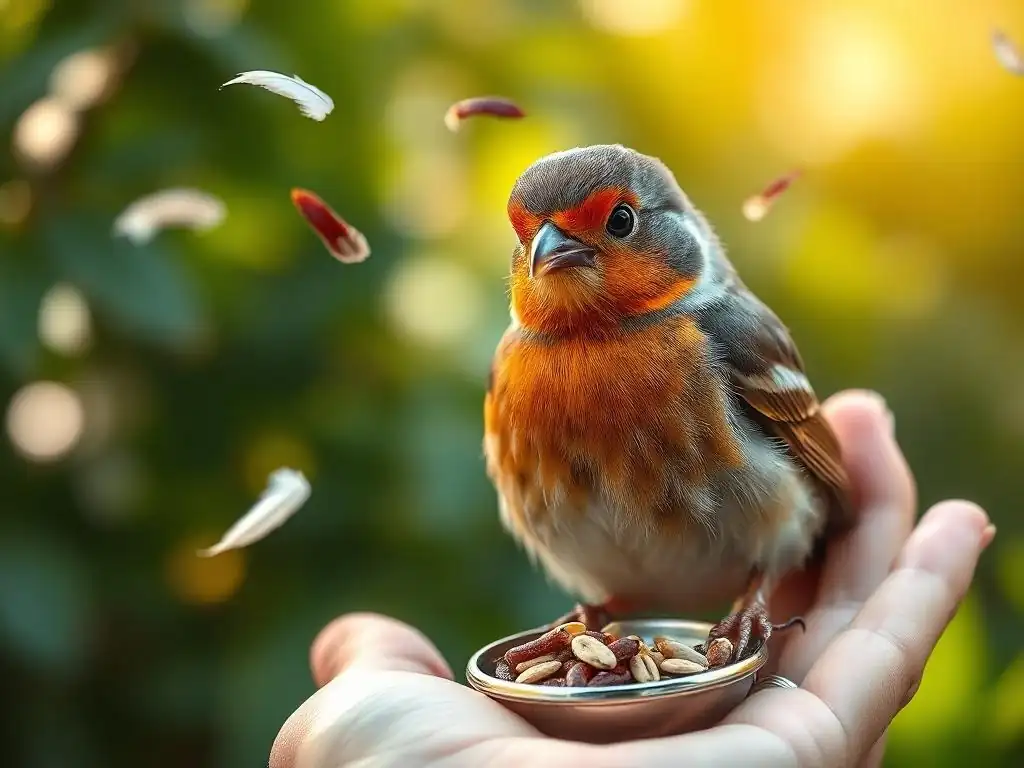
Welcome to PetCareWorld, your ultimate guide to a happier, healthier life for your beloved pets! Are you ready to unlock the secrets to thriving bird ownership? We delve into the often-overlooked world of molting bird care tips, offering expert guidance on navigating this crucial phase in your feathered friend's life. Discover the essential techniques and considerations needed to ensure a smooth and stress-free molting period. Prepare to learn everything you need to know to help your bird through this natural process – read on to discover more!
- Understanding the Molting Process in Birds
- Providing Optimal Care for a Molting Bird
- Handling Your Molting Bird: Gentle Techniques
- Molting Bird Care Tips: Addressing Common Concerns
- Preventing Future Molting Complications
- Frequently Asked Questions
- Final Reflection: The Silent Struggle of Molting Birds
- Unveil Your Bird's Beauty: Support Their Molting Journey
Understanding the Molting Process in Birds
Molting, the natural shedding and regrowth of feathers, is a crucial process for all birds, including your beloved budgie, cockatiel, or parrot. This periodic renewal is essential for maintaining feather health, insulation, and flight capabilities. However, molting can be a stressful time for birds, and understanding the process, its signs, and the specific care required during this period is vital for responsible pet ownership.
This comprehensive guide provides essential "molting bird care tips" for ensuring your feathered friend remains healthy and comfortable throughout their molt. We’ll focus on budgies as a common example, highlighting key aspects applicable to many bird species. Understanding the nuances of molting, from recognizing the initial signs to navigating the various stages and duration, empowers you to provide optimal support and care.
Ignoring these crucial aspects can lead to unnecessary stress for your bird and potentially impact their overall well-being. Let's delve into the specifics of molting in birds and how to best support your avian companion.
Recognizing Signs of Molting in Budgies
One of the first steps in providing excellent "molting bird care tips" is recognizing the signs. Budgies, like many other birds, exhibit several telltale indicators of molting. These often include:
- Increased feather loss: You might notice more feathers than usual around the cage, on your clothing, or on the bird itself. This isn't necessarily cause for alarm, but it's a clear indication that a molt is underway.
- Lethargy and ruffled feathers: During molting, your budgie might seem less energetic than usual. Their feathers may appear dull, ruffled, or unkempt. This is due to the energy expenditure involved in feather regrowth.
- Changes in appetite: Some budgies experience a slight change in appetite during a molt. They may eat slightly more or less than usual. Monitor their food intake and ensure they are still consuming a balanced diet.
- Irritability or changes in behavior: Molting can make birds more irritable or sensitive. They may be less inclined to interact or play. Provide a quiet and comfortable environment during this time.
- Uneven feather growth: As new feathers grow, they may initially appear slightly uneven or patchy. This is normal and will even out as the molt progresses.
The Stages of Budgie Molting: A Timeline
Budgie molting typically occurs in stages, although the exact timeline can vary depending on factors like age, health, and overall condition. While a precise timeline is difficult to establish without individual observation, we can outline the general phases:
- Initial Phase: This is marked by increased feather loss and the initial appearance of pin feathers (new feathers emerging from the skin). The bird may display some lethargy and ruffled feathers.
- Active Molting Phase: This stage sees the most significant feather loss and regrowth. Pin feathers become more prominent, and the bird may appear somewhat unkempt. This is the period requiring the most attentive care.
- Recovery Phase: As new feathers fully emerge, the bird starts to look more vibrant. The lethargy subsides, and the overall appearance improves significantly. The bird's energy levels and appetite should return to normal.
Duration of Molting in Budgies: How Long Does It Last?
The duration of a budgie's molt varies, but it generally lasts anywhere from 4 to 8 weeks. Some molts might be shorter or longer depending on the individual bird and its health. Factors like stress, diet, and overall health can influence the length of the molting period. During this time, providing a consistent, supportive environment and a high-quality diet is crucial. Remember that consistent monitoring and observation are key to ensuring your budgie's comfort and well-being throughout this natural process. If you notice any unusual signs or prolonged lethargy, consult an avian veterinarian.
Why is Molting Important for Budgie Health?
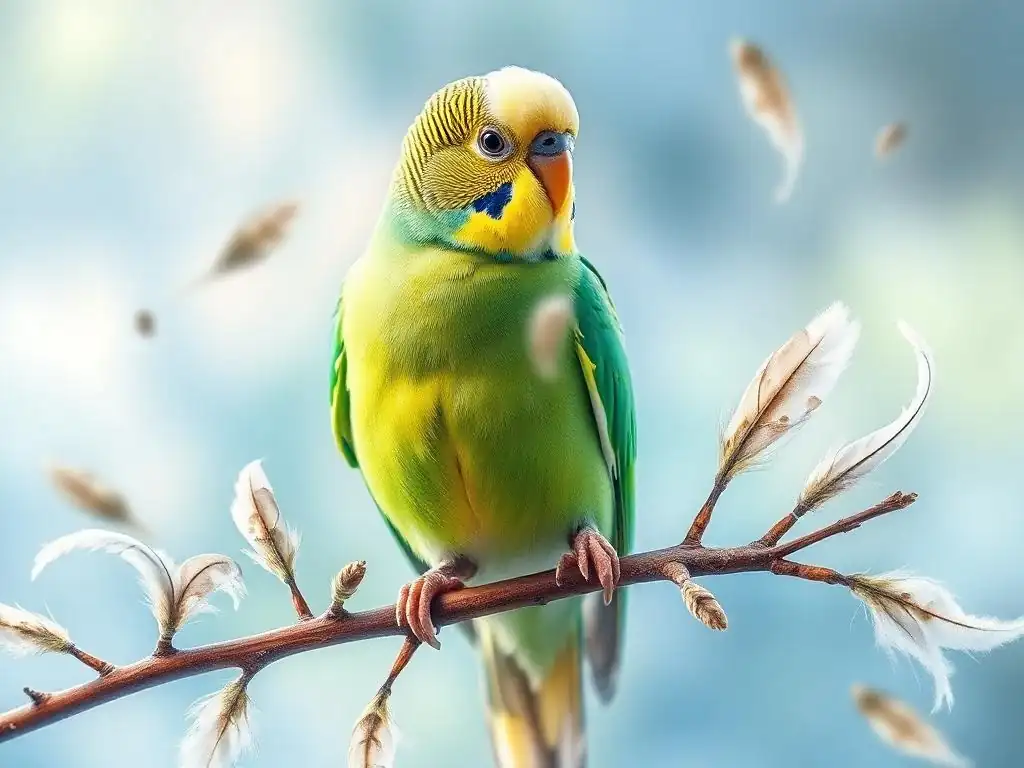
Molting, the process of shedding old feathers and growing new ones, is a crucial aspect of a budgie's (and indeed, most birds') overall health and well-being. It's not simply a cosmetic change; it's a vital biological process that ensures the bird maintains its insulation, flight capability, and overall physical condition. Think of it as a complete renewal of the bird's outer protective layer. Old, worn feathers become brittle and less effective at insulating the bird against temperature fluctuations, providing waterproofing, and aiding in flight.
These damaged feathers can also harbor parasites or bacteria, potentially leading to infections. Molting allows the budgie to replace these compromised feathers with fresh, healthy ones, improving its ability to regulate body temperature, fly efficiently, and stay healthy. This process is essential for maintaining a budgie’s natural defenses against the elements and disease. A healthy molt indicates a generally healthy bird, while a problematic molt can signal underlying health issues requiring veterinary attention.
Therefore, understanding the molting process is paramount for responsible budgie ownership, enabling owners to provide the necessary support during this critical period. Failing to provide adequate support during a molt can lead to stress, weakened immune response, and potentially even death in severe cases. Observing your budgie's molting process carefully is a key part of proactive pet care.
What are the Signs of a Healthy Molt in Budgies?
A healthy molt in budgies is generally a gradual process, not a dramatic, sudden event. You should observe a steady shedding of old feathers, with new feathers emerging smoothly. The new feathers should be vibrant in color, matching the budgie's typical plumage, and free from deformities or irregularities. During a healthy molt, your budgie's energy levels should remain relatively consistent; they might be a little less active than usual, but not lethargic or excessively sleepy.
Their appetite should also remain normal, and they should maintain a healthy weight. Their droppings should be of normal consistency and color. The presence of scattered pin feathers (new feathers that are still emerging from the skin) is completely normal during molting. These pin feathers are initially covered in a protective sheath that will eventually fall off as the feather matures.
Absence of these signs, or the appearance of unusual symptoms, such as excessive feather loss, dull plumage, or listlessness, could indicate a problem that requires veterinary attention. Regularly checking your budgie's feathers, noting the rate of feather replacement and the quality of the new feathers, is vital for early detection of any potential molting-related issues. A healthy molt is a sign of a well-cared-for and thriving budgie.
How Long Does a Budgie Molt Last?
The duration of a budgie's molt can vary depending on several factors, including the bird's overall health, age, and diet. Generally, a budgie will molt several times throughout its life, with each molt lasting several weeks to a few months. It's not a single, defined period; rather, it's a more gradual process that can be spread out over several weeks or even months. Some budgies might experience a more noticeable molt once or twice a year, while others may have a more continuous, less dramatic feather replacement throughout the year.
During these periods, you may notice a slightly increased amount of feather shedding, but this should not be excessive or alarming if the bird is otherwise healthy. Factors such as stress, poor nutrition, or underlying health issues can significantly impact the duration and intensity of the molt. For instance, a bird experiencing stress might have a longer or more difficult molt, potentially leading to feather loss or damaged feathers.
A balanced diet rich in essential nutrients is crucial for supporting a healthy molt and ensuring that the new feathers grow strong and vibrant. If you notice your budgie's molt lasting significantly longer than usual or are concerned about the process, it's always best to consult an avian veterinarian to rule out any underlying health problems. Careful observation and timely veterinary intervention can ensure your budgie's molting process remains healthy and efficient.
Providing Optimal Care for a Molting Bird
Molting is a natural process for birds, involving the shedding of old feathers and the growth of new ones. While it's a normal part of their life cycle, it's also a period of increased stress and nutritional demands. Providing optimal care during this time is crucial for ensuring your feathered friend remains healthy and vibrant.
Neglecting proper molting bird care can lead to weakened feathers, compromised immune function, and even feather loss disorders. This section focuses specifically on addressing the nutritional and hydration needs of your bird during this crucial phase, offering practical "molting bird care tips" to help you support your pet through the process.
Nutritional Needs During Molting: Diet Adjustments for Cockatiels
Cockatiels, like many other bird species, require a dietary adjustment during molting to meet the increased protein and nutrient demands. Their bodies are working hard to produce new feathers, which require significant amounts of protein, essential fatty acids, and various vitamins and minerals. Simply continuing with their regular diet may not suffice.
A good starting point is to increase the proportion of high-quality protein sources in their diet. This could involve offering more seeds high in protein (like sunflower seeds, but in moderation due to their high fat content), or supplementing their diet with cooked, plain chicken or hard-boiled eggs (small amounts, introduced gradually). Avoid giving raw meat or eggs due to the risk of bacterial contamination.
It's also essential to ensure they are getting enough essential fatty acids, crucial for feather health. Consider adding a small amount of high-quality seed oil (such as flaxseed oil or hemp seed oil) to their food, but always consult your avian veterinarian before making any significant dietary changes. Remember, moderation is key; excessive fat can be detrimental to their health. A balanced diet is crucial, encompassing a variety of fruits, vegetables, and pellets formulated specifically for cockatiels.
Supplementing a Cockatiel's Diet During Molting
While a balanced diet forms the cornerstone of molting bird care, supplementation can further support your cockatiel's needs during this demanding period. However, it's crucial to remember that supplements should complement, not replace, a healthy diet. Never rely solely on supplements as a means to address nutritional deficiencies.
Consider adding a vitamin and mineral supplement specifically formulated for birds. Many commercially available options are designed to support feather growth and overall health. Always follow the instructions on the label carefully, and don't exceed the recommended dosage. Over-supplementation can be as harmful as under-supplementation.
Some owners also incorporate nutritional yeast into their cockatiel's diet. Nutritional yeast is a good source of B vitamins and protein, both beneficial during molting. Again, introduce it gradually and in moderation. Monitor your bird for any adverse reactions after introducing any new supplement. Changes in droppings consistency or appetite could indicate a problem.
Maintaining Hydration: Water Intake and Quality for Parakeets
Adequate hydration is paramount during molting. Parakeets, in particular, are prone to dehydration, and this risk increases during molting due to increased metabolic activity. Ensuring access to clean, fresh water is crucial for their well-being.
Always provide fresh water daily, ideally in more than one location and in different types of containers. Birds can be picky! Some might prefer a ceramic dish, while others might favor a bottle. Experiment to see what your parakeet prefers. Regularly clean and disinfect the water containers to prevent bacterial growth.
The quality of the water is equally important. Avoid using tap water if it contains high levels of chlorine or other chemicals. Filtered water or bottled spring water are safer alternatives. You can also add a tiny amount of electrolyte powder specifically formulated for birds to the water, particularly if your parakeet seems lethargic or dehydrated.
However, always consult your avian veterinarian before adding electrolytes to your bird's water. Observe your parakeet's water consumption; a significant decrease in water intake can signal a problem and requires veterinary attention. Remember, consistent access to clean water is a fundamental aspect of comprehensive molting bird care.
Environmental Enrichment for a Comfortable Molt in Conures
Conures, known for their vibrant plumage and playful personalities, undergo molting like all birds. Providing a stimulating and comfortable environment during this period is crucial for minimizing stress and promoting healthy feather regrowth. This involves several key aspects, from adjusting their cage setup to offering engaging activities.
One significant element is ensuring ample space. A cramped cage can exacerbate stress during molting, as birds may feel less secure and have limited opportunities to preen and groom effectively. Consider temporarily upgrading to a larger cage or ensuring the existing one is appropriately sized for the conure's breed and age. Sufficient space allows for natural behaviors like flapping wings and stretching, which are essential for healthy feather development. Remember that a larger cage also benefits the conure outside of molting periods, promoting better physical and mental health.
Furthermore, providing varied perches of different textures and diameters is beneficial. This caters to the conure's need for foot exercise and prevents joint stiffness, often associated with reduced activity during molting. Wooden perches are preferred over plastic, as they are more natural and provide a better grip for the bird's feet. Different perch diameters encourage the conure to use different foot muscles, improving overall mobility and comfort. Consider adding natural branches from safe, untreated trees to provide additional variety and stimulation.
Beyond perches, environmental enrichment should also focus on mental stimulation. A bored bird is more likely to experience stress, which can negatively impact molting. Introduce new toys regularly, rotating them to prevent boredom. Toys should encourage chewing, foraging, and problem-solving, stimulating the conure's natural instincts.
Puzzle feeders are particularly beneficial, as they require the bird to work for its food, mimicking its natural foraging behavior. This mental stimulation can be crucial for reducing stress levels during the molting process. Remember to monitor your conure's interaction with toys and remove anything that shows signs of damage or presents a potential hazard.
Finally, maintaining a consistent and stable environment is paramount. Sudden temperature fluctuations, drafts, or excessive noise can all stress a molting bird. Ensure the cage is placed in a quiet, draft-free area of the home, away from direct sunlight and heating/cooling vents.
A consistent temperature and humidity level within the ideal range for your conure species will help maintain optimal feather health and promote a smoother molting process. Regular cleaning of the cage is also essential to maintain hygiene and prevent the spread of bacteria or parasites, which could further complicate the molting process. A clean and comfortable environment provides a sense of security and reduces stress, leading to a healthier molt.
Handling Your Molting Bird: Gentle Techniques
Molting is a natural process for all birds, but it can be a sensitive time. Understanding how to handle your feathered friend during this period is crucial for their well-being and to prevent unnecessary stress. Gentle handling is paramount, as their feathers are weakened and more easily damaged during the molting process. This section provides specific techniques for handling your bird during molting to ensure a smooth transition. Remember, patience and a calm demeanor are key elements in successful molting bird care.
Minimizing Stress During Molting: Handling Strategies for Lovebirds
Lovebirds, known for their affectionate nature, can become particularly sensitive during molting. Their vibrant plumage is integral to their social interactions and self-image. Changes in feather texture and appearance can lead to increased anxiety. To minimize stress, avoid unnecessary handling. If handling is necessary, for instance, for medication or cleaning of their cage, do so swiftly and gently. Speak in a soft, soothing voice to comfort your bird.
Here are some specific handling strategies for lovebirds during molting:
- Reduce cage cleaning frequency: Minimize disruption to your lovebird's environment. Instead of daily cleaning, opt for spot cleaning and a thorough cleaning once a week.
- Maintain a consistent routine: Sticking to a predictable schedule for feeding, playtime, and cage cleaning helps reduce anxiety. Unexpected changes can stress your bird during this already vulnerable period.
- Provide a quiet, dark space: If your lovebird seems particularly stressed, offer a quiet, dimly lit area in their cage or a separate, secure space where they can rest undisturbed.
- Offer favorite treats: Rewarding calm behavior with a favorite treat can help associate handling with positive experiences. However, avoid overfeeding.
Remember, observing your lovebird's behavior is crucial. If you notice signs of excessive stress – such as ruffled feathers, withdrawn behavior, or loss of appetite – consult an avian veterinarian. Early intervention is key in managing molting-related stress.
Avoiding Feather Plucking: Prevention and Management in Amazon Parrots
Amazon parrots are prone to feather plucking, a behavioral issue that can worsen during molting. The discomfort associated with new feather growth, coupled with underlying stress, can trigger or exacerbate this habit. Preventing feather plucking requires a proactive approach focusing on environmental enrichment and stress reduction.
Here’s how to address feather plucking in molting Amazon parrots:
- Enrichment is key: Provide plenty of toys, climbing structures, and foraging opportunities to keep your parrot mentally stimulated and prevent boredom, a common trigger for feather plucking.
- Nutritional needs: Ensure your parrot receives a balanced diet rich in essential vitamins and minerals to support healthy feather growth. Consult an avian veterinarian to ensure your parrot's diet meets their needs during molting.
- Identify and address underlying stressors: Feather plucking is often a sign of underlying stress. Evaluate your parrot's environment for potential stressors, such as loud noises, unfamiliar people, or changes in routine.
- Veterinary checkup: A veterinary examination can rule out any underlying medical conditions contributing to feather plucking. This is especially important during molting, when the bird may be more vulnerable.
- Positive reinforcement: Reward positive behaviors, such as preening and playing, with praise and treats. Avoid punishing your parrot for feather plucking, as this can worsen the problem.
Careful observation and a comprehensive approach are crucial for managing feather plucking in molting Amazon parrots.
Safe Bathing Practices for Molting Cockatoos
Bathing is essential for maintaining hygiene, but the process needs to be adapted during molting. Cockatoos, known for their luxurious plumage, require extra care during molting to avoid damaging their delicate feathers.
Here's how to safely bathe your molting cockatoo:
- Avoid forceful spraying: Instead of a forceful shower, opt for a gentle misting with lukewarm water. Use a spray bottle or a shallow dish of water.
- Supervise closely: Always supervise your cockatoo during bathing to ensure they don't become stressed or over-soaked.
- Use bird-safe products: Avoid using soaps, shampoos, or other chemicals, as these can damage their feathers and irritate their skin. Plain lukewarm water is usually sufficient.
- Frequent, short baths: Offer several short baths throughout the week rather than one long bath. This is less stressful for your bird and allows for easier drying.
- Towel dry gently: After bathing, gently towel dry your cockatoo with a soft, absorbent towel. Avoid rubbing vigorously, as this can damage their feathers.
Following these guidelines ensures that bathing remains a positive experience for your molting cockatoo, promoting hygiene without causing stress or damage to their delicate feathers. Remember, a healthy, happy cockatoo is a well-cared-for cockatoo. Consistent and gentle care is crucial during this period of change.
Recognizing Signs of Distress in a Molting Macaw
Macaws, with their vibrant plumage and spirited personalities, can be particularly sensitive during molting. Recognizing signs of distress is crucial for ensuring their comfort and well-being during this period. A macaw experiencing distress might exhibit several behavioral and physical changes. These can range from subtle shifts in demeanor to more pronounced symptoms requiring immediate veterinary attention.
One of the first indicators to watch for is a change in appetite. A macaw that's usually enthusiastic about its food might suddenly lose interest, refusing even its favorite treats. This decreased appetite could be a sign of underlying discomfort or pain associated with the molting process.
Furthermore, pay close attention to the bird's droppings. Any significant changes in consistency, color, or frequency could signal a digestive issue potentially linked to stress or nutritional deficiencies during molting. Remember, consistency is key; regular monitoring of your macaw's eating habits and waste elimination provides a baseline for comparison when assessing any deviations.
Beyond digestive issues, behavioral changes can be equally telling. A normally playful and interactive macaw might become withdrawn, spending more time alone and avoiding interaction. This could manifest as reluctance to participate in usual activities, such as playtime or training sessions. Increased aggression or feather plucking are also potential signs of stress.
Normally affectionate birds might become irritable or bite more frequently, indicating discomfort. Similarly, excessive feather plucking, often focused on areas where new feathers are emerging, can be a sign of intense itching or discomfort. The macaw might be trying to alleviate the irritation caused by the new feather growth. In severe cases, the bird might even show signs of self-mutilation.
Physical symptoms can also provide valuable clues. While some feather loss is expected during molting, excessive feather loss or the presence of bare patches could indicate a problem. Examine the skin carefully for any signs of irritation, redness, or infection. These could be caused by bacterial or fungal infections that are more likely to occur in birds experiencing stress during molting.
Furthermore, look for any unusual swelling or lesions on the bird's body. Remember, a healthy macaw will generally display bright, alert eyes and maintain a smooth, even gait. Any deviation from these norms warrants closer examination and potential veterinary consultation. A lethargic macaw with dull eyes and an unsteady gait needs immediate attention.
Finally, it's important to remember that every macaw is an individual, and what constitutes normal behavior can vary. Regular observation of your bird’s typical habits and temperament is crucial to effectively identify any deviations that may indicate distress during molting. If you notice any of these signs, consult an avian veterinarian promptly. Early intervention can significantly improve the chances of a smooth and healthy molting process for your beloved macaw. Early detection and prompt veterinary care are crucial in mitigating potential complications and ensuring your macaw's well-being.
Molting Bird Care Tips: Addressing Common Concerns
This section delves into specific molting challenges faced by common pet birds and offers practical solutions for optimal bird care during this natural process. Remember, molting is a normal part of a bird's life cycle, but understanding the nuances can significantly improve your feathered friend's comfort and health. Proper molting bird care tips are essential for preventing complications and ensuring a smooth transition.
Dealing with Increased Feather Shedding in Canaries
Canaries, known for their vibrant plumage, experience noticeable molting periods. Increased feather shedding is a hallmark of this phase, often leading to concerns among owners. Understanding the typical molting cycle of a canary is the first step in providing appropriate care. Most canaries molt once or twice a year, usually in spring and autumn. The duration varies, typically lasting several weeks.
During this period, you'll observe a significant increase in the number of feathers your canary sheds. This is completely normal. However, excessive feather loss beyond the typical molting pattern could indicate underlying health issues. Observe your canary closely for other symptoms such as lethargy, loss of appetite, or changes in droppings. If you notice any of these, consult an avian veterinarian immediately.
To ease your canary's molting process, ensure a balanced diet rich in protein and essential fatty acids. Supplementing their diet with high-quality seed mixes, fresh fruits, and vegetables can provide the necessary nutrients for healthy feather regrowth. Maintaining a clean cage and providing regular baths (using lukewarm water) can help remove loose feathers and prevent skin irritations. Remember, consistent, gentle handling can also help reduce your canary's stress during this sensitive period. A calm environment is crucial for optimal molting.
Managing Irritated Skin During Molting in Finches
Finches, while generally hardy birds, can experience skin irritation during molting. The process of shedding old feathers can leave their delicate skin vulnerable to dryness and irritation. Careful observation is key to identifying and addressing these issues promptly. Signs of irritated skin may include redness, scaling, or excessive scratching.
One effective strategy is to increase the humidity in the finch's cage. This can be achieved by placing a shallow dish of water near the heating element (if applicable) or by misting the cage lightly with lukewarm water several times a day. Avoid over-misting, which can lead to dampness and potential respiratory problems. Providing a variety of cuttlebone or mineral blocks can also help supplement their diet with essential minerals that support healthy skin and feather growth.
Furthermore, ensuring your finches have a balanced diet with plenty of fresh greens and vegetables is crucial. These food sources provide vitamins and antioxidants that support skin health and promote faster healing. If irritation persists or worsens despite these measures, consulting an avian veterinarian is strongly recommended. They can identify any underlying conditions and recommend appropriate treatment. Early intervention is key to preventing more severe skin problems.
Supporting Feather Regrowth: Natural Remedies for Parrots
Parrots, with their striking plumage, require special attention during molting. While a balanced diet forms the foundation of healthy feather regrowth, some natural remedies can support the process. However, it's crucial to remember that these remedies should complement, not replace, a proper diet and veterinary care if needed.
One popular approach is incorporating foods rich in sulfur-containing amino acids, such as eggs and certain vegetables like broccoli and kale. These amino acids are building blocks of keratin, the protein that makes up feathers. Additionally, providing access to a variety of foraging toys can stimulate natural behaviors and reduce stress, indirectly supporting feather regrowth. A stressed parrot may experience prolonged or more difficult molting.
Another helpful strategy is to offer your parrot a diet supplemented with essential fatty acids, such as those found in flaxseed oil or fish oil (always consult your avian veterinarian before introducing supplements). These fatty acids contribute to feather health and shine. Remember, consistency is key – providing these supportive elements throughout the molting period can make a noticeable difference in the quality and speed of feather regrowth. Always monitor your parrot for any unusual symptoms and consult your vet if you have any concerns. A healthy, happy parrot will molt smoothly with proper care.
When to Seek Veterinary Assistance for Molting Problems in African Greys
African Grey parrots are known for their intelligence and affectionate nature, but their molting process can sometimes present unique challenges. While some feather loss during molt is normal, certain signs indicate a need for professional veterinary intervention. Understanding these warning signs is crucial for ensuring the health and well-being of your feathered friend.
One key indicator requiring immediate veterinary attention is excessive feather loss. Normal molting involves a gradual shedding of feathers, with new feathers replacing the old ones. However, if you notice significantly more feather loss than expected, accompanied by bare patches or areas of skin showing through, it's time to consult an avian veterinarian. This could point to underlying health issues such as nutritional deficiencies, parasitic infestations (like mites or lice), or even more serious conditions like feather plucking disorders.
Another significant warning sign is changes in your bird's behavior. During normal molting, your African Grey might be slightly less active or more lethargic than usual, but excessive lethargy, listlessness, or a change in appetite (either increased or decreased) warrants a veterinary check-up. These behavioral shifts can often be indicative of underlying medical problems that are affecting the molting process. Similarly, any signs of self-mutilation or excessive preening, potentially leading to skin irritation or bleeding, should be addressed immediately.
Furthermore, poor feather quality during and after molting is a red flag. New feathers should be smooth, strong, and lustrous. If the new feathers are brittle, dull, or oddly shaped, this suggests a potential problem with nutrition, genetics, or a hidden medical condition. A veterinarian can conduct thorough testing to identify the cause and recommend appropriate treatment.
Finally, weight loss during molting, especially if accompanied by any of the other symptoms mentioned above, is a serious concern. Weight loss indicates that your bird isn't getting the necessary nutrients to support its molting process and overall health. This could stem from various factors, including dietary deficiencies, underlying illness, or digestive problems. A veterinary examination is essential to pinpoint the cause and initiate appropriate treatment.
Remember, proactive care is key to preventing potential complications during your African Grey's molting cycle. Don't hesitate to seek professional help if you notice any unusual signs. Early intervention can often make a significant difference in the outcome.
Preventing Future Molting Complications
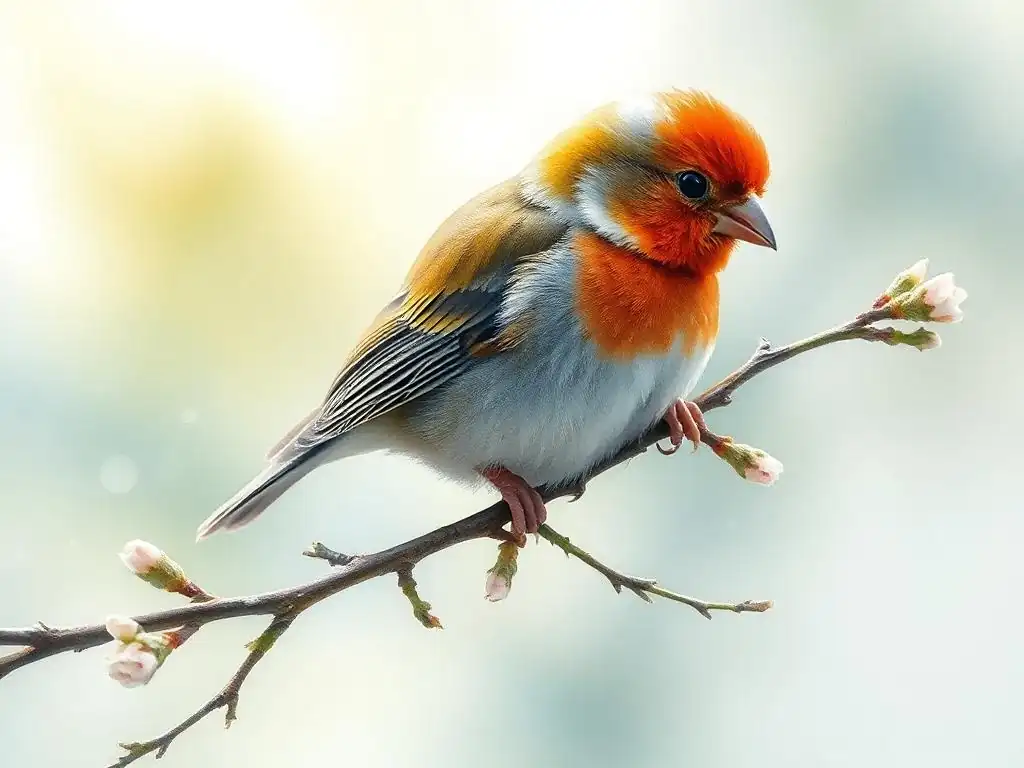
Molting, the natural shedding of feathers, is a crucial process for birds, but complications can arise if not managed properly. Understanding the factors that contribute to difficult molts allows for proactive intervention, minimizing stress and discomfort for your feathered friend. This section focuses on preventative measures to ensure smoother molting periods in the future. Implementing these strategies will significantly contribute to your bird's overall health and well-being. Remember, proactive care is key to preventing future molting complications and promoting a healthy, vibrant bird. This proactive approach is central to successful "molting bird care tips".
Maintaining a Healthy Diet Year-Round for Eclectus Parrots
Eclectus parrots, known for their vibrant plumage, are particularly susceptible to molting complications if their diet is deficient. A balanced diet is crucial throughout the year, not just during molting. Their diet should consist of a high-quality pellet mix formulated specifically for Eclectus parrots, supplemented with fresh fruits, vegetables, and occasional nuts and seeds. Avoid processed foods and sugary treats.
A significant portion of their diet should be comprised of fruits and vegetables rich in vitamins and minerals essential for feather growth. For example, incorporating leafy greens like kale and spinach, along with colorful fruits like mangoes and papaya, provides crucial nutrients. Providing a varied diet helps ensure that all nutritional needs are met, leading to healthier feathers and a smoother molting process. Neglecting proper nutrition can lead to delayed molting, dull feathers, and even feather loss. Therefore, maintaining a healthy, balanced diet is a cornerstone of successful "molting bird care tips".
Creating a Stress-Free Environment for Your Bird
Stress is a major contributor to molting problems. Birds experiencing high levels of stress may exhibit delayed molting, patchy feather loss, or even feather plucking. Creating a calm and enriching environment is paramount. This includes providing ample space in the cage, ensuring the cage is clean and free of hazards, and minimizing exposure to loud noises or sudden movements.
Consider adding enrichment activities to reduce boredom and stress. This could involve providing a variety of toys, rotating them regularly to maintain interest, and allowing supervised playtime outside the cage. Social interaction is also crucial; spend quality time with your bird, talking to it, and engaging in gentle interaction. A happy, relaxed bird is far less likely to experience molting complications. Remember, a stress-free environment is a crucial element of effective "molting bird care tips".
Regular Veterinary Check-ups for Preventative Care
Regular veterinary check-ups are essential for preventative care and early detection of any underlying health issues that may affect molting. Annual check-ups allow the avian veterinarian to assess your bird's overall health, including its feather condition and quality. Early detection of potential problems, such as nutritional deficiencies or parasitic infestations, can significantly improve the outcome of the molting process.
During these check-ups, the vet can also provide personalized advice regarding diet, enrichment, and other aspects of bird care, tailored to your specific bird's needs. This proactive approach ensures that any potential problems are addressed promptly, minimizing the risk of complications during molting. Regular veterinary visits are an integral part of comprehensive "molting bird care tips", contributing to a healthy and happy bird throughout its life. Don't underestimate the value of preventative veterinary care. It's an investment in your bird's long-term health and well-being.
Understanding Your Bird's Breed-Specific Molting Patterns
Understanding your bird's breed-specific molting patterns is crucial for proactive molting bird care tips. Different bird species molt at varying times of the year and at different rates. Some species, like cockatoos, may experience a more gradual molt spread over several months, while others, such as budgies, might shed their feathers more rapidly over a shorter period. Knowing your bird's breed helps you anticipate when molting is likely to occur and allows you to prepare accordingly.
For instance, a cockatoo owner might need to focus on consistent nutritional support over a longer duration, while a budgie owner may need to increase the frequency of cleaning to manage shed feathers. This knowledge also helps differentiate normal molting from potential health problems. A sudden, excessive feather loss outside of the typical molting period could indicate an underlying health issue requiring veterinary attention. Consulting breed-specific information online or with an avian veterinarian is highly recommended to establish a baseline for your bird's normal molting cycle.
This proactive approach helps distinguish normal molting from potential health concerns. Remember to record observations about your bird's molting patterns – the timing, duration, and intensity – to help you identify any deviations in future molts. This detailed record serves as a valuable tool for early detection of potential problems and contributes to improved preventative care. Properly identifying your bird's breed is the first step in providing effective molting bird care.
Nutritional Strategies During Molting
Providing optimal nutrition is paramount during a bird's molt. Feathers are primarily composed of protein, so increasing protein intake is essential. You can achieve this by offering a higher-quality seed mix, supplementing with commercially available bird molting supplements, or adding protein-rich foods like cooked eggs (in moderation) or sprouted seeds to their diet. However, it's crucial to remember that simply increasing the quantity of food isn't always sufficient; the quality of the food is just as important.
A diet rich in essential amino acids, vitamins (especially A and B vitamins), and minerals is crucial for healthy feather regrowth. Avoid sudden dietary changes during molting, as this can stress your bird and potentially exacerbate the situation. Instead, gradually introduce new foods to their diet to allow their digestive system to adapt.
Many pet stores offer specialized bird molting diets that have carefully balanced nutritional profiles designed to support feather regrowth. Always consult with an avian veterinarian before making significant changes to your bird's diet, especially if they have pre-existing health conditions. Remember, a balanced and nutritious diet is a cornerstone of successful molting bird care, contributing to a healthier, more vibrant plumage.
Maintaining a Stress-Free Environment
Stress significantly impacts a bird's molting process. A stressed bird might experience prolonged molting, patchy feather growth, or even feather plucking. Therefore, creating a calm and secure environment is crucial. Minimizing noise levels, providing ample space for movement, and avoiding sudden changes in their routine are all important steps.
Ensure your bird has access to plenty of toys to keep them mentally stimulated and prevent boredom. A lack of mental stimulation can lead to increased stress levels. Interaction and socialization are also crucial. Regular, gentle handling and interaction can help reduce stress and strengthen the bond between you and your bird.
However, avoid forceful handling, particularly during molting, as this can cause further stress and damage to delicate new feathers. Consider using calming techniques such as playing soft music or using pheromone diffusers to create a more relaxing atmosphere. Remember, a stress-free environment is a key component of successful molting bird care, ensuring a smoother and healthier molting experience for your feathered friend. A peaceful environment significantly contributes to healthy feather regrowth.
Frequently Asked Questions
What is molting in birds?
Molting is a natural process where birds shed their old feathers and grow new ones. It's essential for maintaining healthy plumage and flight capabilities. This usually happens annually, sometimes twice a year.
How long does a bird's molt last?
The duration varies depending on the bird species and its overall health. It can range from a few weeks to several months. Patience and proper care are crucial during this time.
What are the signs of a molting bird?
You might notice increased feather shedding, lethargy, and a slightly ruffled appearance. Some birds also experience a reduced appetite during this period. Consult a vet if you have concerns.
What special care do molting birds need?
Provide a nutritious diet enriched with protein and essential fatty acids. Ensure a stress-free environment, and maintain good hygiene in the bird's cage. Supplements may be beneficial, but consult your avian vet.
How can I help my molting bird feel better?
Offer warm baths to help loosen old feathers. Maintain a consistent temperature in the environment and provide plenty of restful sleeping areas. A healthy diet is key for a successful molt.
Final Reflection: The Silent Struggle of Molting Birds
The vibrant plumage we admire in our avian companions masks a period of intense physiological stress: molting. Understanding this crucial life stage is not merely a matter of aesthetics; it's essential for ensuring the health and well-being of our feathered friends. Neglecting proper care during this vulnerable time can have serious consequences, impacting their immune system and overall vitality.
Witnessing a bird navigate the challenges of molting offers a profound insight into the delicate balance of nature. It's a reminder that even the most seemingly effortless displays of beauty require significant energy and resilience. The beauty of a bird is not in its feathers, but in its ability to fly.
This quote, while not directly about molting, speaks to the underlying strength and resilience that these creatures demonstrate during this transformative period. The process highlights the interconnectedness of their physical and emotional well-being, emphasizing the importance of our role as responsible caregivers.
Now, consider your own feathered friend. Are you providing the optimal environment for their molting process? Do you understand the subtle signs of distress? Take a moment to reflect on the information presented in this article. Empower yourself with knowledge, and become a more attentive and compassionate caregiver. By understanding the nuances of molting, you can contribute to the health and happiness of your bird, fostering a deeper bond built on mutual respect and understanding.
Unveil Your Bird's Beauty: Support Their Molting Journey
Thank you for learning about the special care your feathered friend needs during molting! You've gained valuable insights into ensuring their comfort and healthy feather regrowth. Now, let's put that knowledge into practice.
- Prioritize Nutritional Support: Feed your bird a diet rich in essential fatty acids and protein to promote healthy feather regrowth. This might involve adding nutritious seeds or supplements to their regular food.
- Create a Relaxing Environment: To ensure your bird's comfort during this sensitive time, consider providing a quieter and less stimulating environment. A quieter room, perhaps, away from household activity.
- Share Your Molting Success: We'd love to hear about your experience! What worked best for your bird? Share your tips and advice with our community in the comments below.
Are you ready to confidently support your bird through this natural phase of their life cycle?