
The Cost of Litter Box Supplies: Budgeting for Multiple Cats


Welcome to PetCareWorld, your ultimate guide to a happier, healthier life for your beloved pets! Are you a multi-cat household navigating the sometimes overwhelming world of litter box management? Discover how to effectively budget for multiple cat litter boxes without compromising on cleanliness or your feline friends' well-being. Learn practical strategies and cost-saving tips in our in-depth guide, "The Cost of Litter Box Supplies: Budgeting for Multiple Cats," and unlock the secrets to a smoother, more sanitary life for you and your furry companions. Let's dive in!
- Understanding Your Multiple Cat Litter Box Budget
-
Factors Influencing Your Multi-Cat Litter Box Budget
- Number of Cats and Their Litter Box Preferences
- Type of Litter: Clumping vs. Non-Clumping, and Material Costs
- Frequency of Litter Box Changes and Cleaning
- Choosing Cost-Effective Litter Boxes: Durability and Material
- Number of Litter Boxes Needed: The Rule of Thumb and Exceptions
- Types of Litter: Clumping vs. Non-Clumping, and the Cost Factor
- Tips for Saving Money on Multiple Cat Litter Box Supplies
- Budgeting for Unexpected Expenses: Litter Box Replacements and Veterinary Costs
- Creating a Realistic Budget for Multiple Cat Litter Box Needs
- Frequently Asked Questions
- Final Reflection: Navigating the Multi-Cat Litter Box Labyrinth
- Unlock Your Multi-Cat Budget Bliss!
Understanding Your Multiple Cat Litter Box Budget
Owning multiple cats is a rewarding experience, filled with purrs, cuddles, and endless entertainment. However, responsible cat ownership comes with significant financial commitments, and a substantial portion of that cost revolves around maintaining a clean and hygienic litter box environment. This article delves into the specifics of budgeting for litter box supplies when you have more than one feline friend, helping you navigate the initial investment and ongoing expenses to ensure your cats' well-being without breaking the bank.
We'll explore the various factors influencing your "multiple cat litter box budget," providing practical tips and strategies for cost-effective management. Understanding these costs upfront allows for better planning and prevents unexpected financial strain, ultimately contributing to happier, healthier cats and a more peaceful home environment. Let's dive into the details!
Initial Setup Costs: Litter Boxes, Litter, and Accessories
The initial investment for multiple cat litter boxes can seem daunting, but careful planning can minimize upfront expenses. The general rule of thumb is to have one litter box per cat, plus one extra. So, for two cats, you'll need at least three litter boxes. This prevents territorial disputes and ensures each cat has access to a clean space.
Consider these cost factors for the initial setup:
- Litter Boxes: Prices vary greatly depending on material (plastic, ceramic, self-cleaning), size, and features. A basic plastic litter box might cost around $10-$20, while a self-cleaning model can cost upwards of $150-$300. Therefore, budgeting for three basic plastic boxes could cost approximately $30-$60. However, if you opt for self-cleaning models, the cost will significantly increase.
- Litter: The type of litter you choose dramatically impacts your budget. Clumping clay litter is often the most affordable option initially, but it can be more expensive in the long run due to higher usage. Other options include silica gel litter (more expensive but lasts longer), and various eco-friendly litters (prices vary widely). Expect to spend approximately $15-$30 on a large bag of litter to start. Consider purchasing a few different types to determine your cat's preference.
- Accessories: You'll also need scoops, a trash can specifically for used litter (to avoid unpleasant odors), and potentially litter box liners or mats to protect your floors. These accessories might cost anywhere from $10-$30.
| Item | Low-Cost Estimate | High-Cost Estimate |
|---|---|---|
| Litter Boxes | $30 | $300 |
| Initial Litter | $15 | $30 |
| Accessories | $10 | $30 |
| Total Estimate | $55 | $360 |
The table above illustrates the significant range in initial costs depending on your choices. Remember to factor in the cost of potential additional accessories like enzymatic cleaners for accidents outside the litter box.
Ongoing Monthly Expenses: Litter, Scooping Tools, and Cleaning Supplies
The ongoing monthly expenses for maintaining multiple litter boxes are a significant consideration in your long-term budget. These costs are directly related to litter consumption, the frequency of cleaning, and the type of cleaning supplies used.
- Litter Replenishment: The amount of litter you use monthly depends on the number of cats, the type of litter, and how often you scoop. Expect to spend anywhere from $15-$50 or more per month on litter alone, depending on your chosen type and the number of cats. For example, a large family of cats might require multiple bags of litter weekly!
- Scooping Tools and Replacement: While a sturdy scoop is a one-time purchase (unless it breaks! ), you might need to replace it occasionally. Factor in a small amount for potential replacements over time.
- Cleaning Supplies: Regular cleaning is crucial for hygiene and odor control. You'll need cleaning agents, preferably enzymatic cleaners, to eliminate odors effectively. These can range in price, but budget for approximately $10-$20 per month for cleaning supplies.
Remember that unforeseen circumstances, such as illness or accidents, can unexpectedly increase your monthly expenses. Building a small contingency fund into your budget is always a wise decision. Regularly evaluating your spending habits and adjusting your budget as needed will ensure you maintain a clean and hygienic environment for your cats without financial stress. Careful planning and mindful purchasing decisions can make a big difference in managing the cost of litter box supplies for your multiple cat household.
Factors Influencing Your Multi-Cat Litter Box Budget
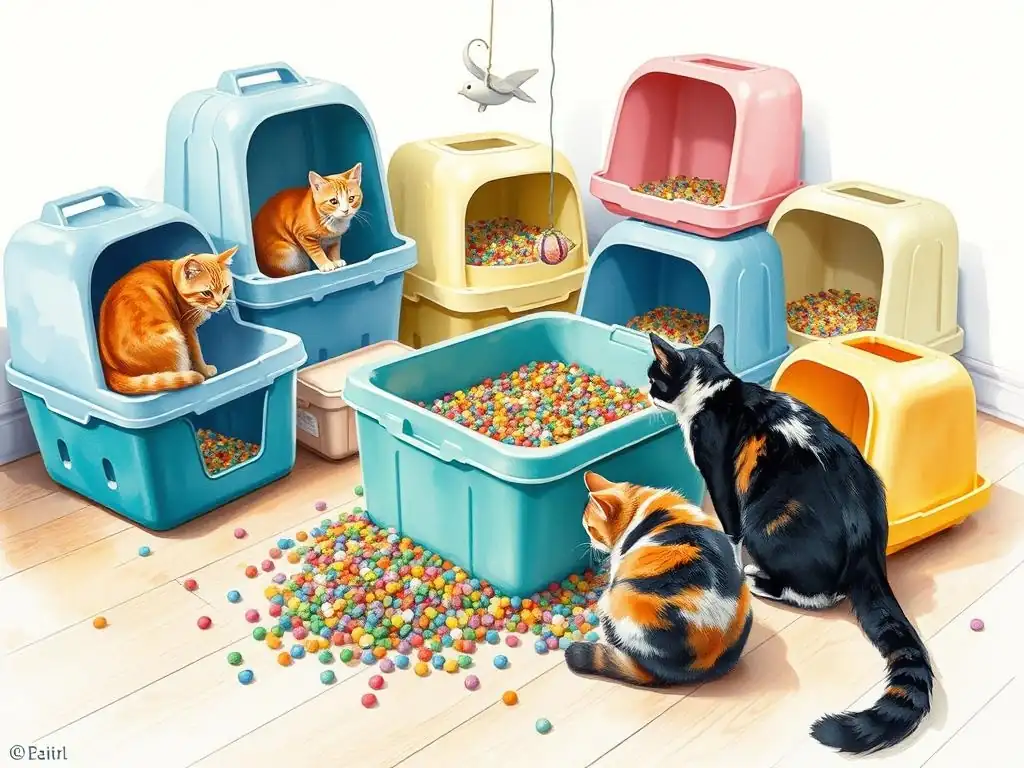
This section delves into the key factors that significantly impact the overall cost of maintaining litter boxes for multiple cats. Understanding these variables allows for accurate budgeting and prevents unexpected expenses. Successfully managing a multi-cat litter box budget requires careful consideration of several interdependent factors. Let's explore them in detail.
Number of Cats and Their Litter Box Preferences
The number of cats directly correlates with the cost of litter box supplies. A simple rule of thumb is to have one litter box per cat, plus one extra. For example, three cats necessitate four litter boxes. However, individual cat preferences can complicate matters. Some cats are more particular than others. A shy cat might avoid a large, open litter box, preferring a smaller, enclosed one, leading to higher initial setup costs. Similarly, some cats may prefer certain litter types, influencing your overall expenditure.
Consider this scenario: You have two cats. One happily uses a standard-sized, open-top litter box filled with inexpensive clay litter. The other, however, insists on a covered, self-cleaning litter box and prefers a more expensive, silica-based litter. This difference alone significantly impacts your monthly budget. You'll be paying for two different types of litter boxes and two distinct litter types. Understanding your cats' individual preferences is crucial for creating an efficient and cost-effective litter box strategy. Observing your cats' behavior and litter box usage can help determine their preferences, minimizing waste and maximizing budget efficiency.
Type of Litter: Clumping vs. Non-Clumping, and Material Costs
The type of litter you choose drastically affects your "multiple cat litter box budget." Clumping litter, while generally more expensive upfront, often proves more economical in the long run due to its superior waste management capabilities. You'll need to change and clean the litter box less frequently, reducing overall litter consumption. Non-clumping litter requires more frequent scooping and complete changes, leading to higher consumption rates and increased expenses.
| Litter Type | Initial Cost | Long-Term Cost | Pros | Cons |
|---|---|---|---|---|
| Clumping Clay | Moderate | Moderate | Excellent clumping, readily available, inexpensive | Dust can be a problem; heavy; not environmentally friendly |
| Non-Clumping Clay | Low | High | Inexpensive | Requires frequent changes; less hygienic |
| Silica Gel | High | Moderate | Absorbent, low dust, odor control | Expensive; can be messy if spilled; not biodegradable |
| Wood Pellets | Moderate | Moderate | Flushable (check local regulations), biodegradable | Can be messy; less effective odor control |
| Paper/Recycled Litter | Moderate | Moderate | Environmentally friendly, low dust | Less absorbent; may not control odor effectively |
Beyond the clumping/non-clumping dichotomy, consider the material cost. Silica gel litter, for instance, is significantly more expensive per bag than clay litter. Weighing the initial cost against the long-term savings and environmental impact is crucial for informed decision-making.
Frequency of Litter Box Changes and Cleaning
The frequency of litter box maintenance directly impacts your expenses. Daily scooping of waste is essential, regardless of litter type. However, the frequency of complete litter box changes varies depending on the litter type and number of cats. With clumping litter and diligent scooping, a complete change might be needed every 1-2 weeks. Non-clumping litter generally requires more frequent, potentially weekly, complete changes.
Consistent, regular maintenance is not only more hygienic but also significantly reduces long-term costs. Failing to scoop regularly leads to increased odor and ammonia buildup, potentially necessitating more frequent and thorough cleanings, which consumes more litter and cleaning supplies. This, in turn, impacts the overall "multiple cat litter box budget". Therefore, a proactive approach to litter box maintenance is financially beneficial in the long run. A cleaning schedule, even a simple one, can ensure consistent maintenance and help you track your supplies usage, leading to better budgeting.
Choosing Cost-Effective Litter Boxes: Durability and Material
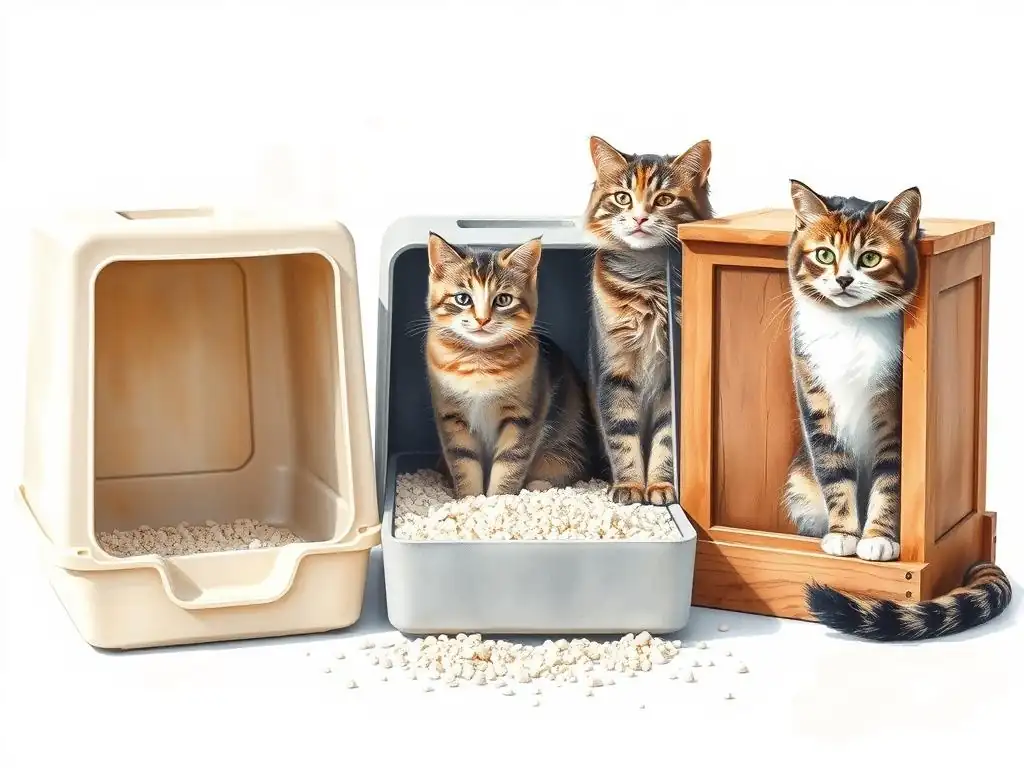
Selecting the right litter boxes significantly impacts your multi-cat litter box budget. Durability and material are key factors to consider for long-term cost savings. Investing in high-quality, durable litter boxes upfront might seem expensive, but it can prevent frequent replacements, ultimately saving you money in the long run. Cheap plastic litter boxes, while initially attractive due to their low price point, often crack, break, or become unsanitary quickly, requiring more frequent replacements. This constant cycle of purchasing new litter boxes adds up significantly over time.
Consider materials like stainless steel or high-impact plastic. Stainless steel litter boxes are exceptionally durable and easy to clean, resisting scratches and damage from multiple cats. While the initial investment is higher, their longevity makes them a worthwhile investment for households with multiple felines. High-impact plastic litter boxes, while not as robust as stainless steel, generally offer better durability than standard plastic options, often withstanding the wear and tear of multiple cats better than cheaper alternatives. Look for reinforced corners and thicker plastic to ensure greater durability.
Another aspect to consider is the size and shape of the litter box. Larger litter boxes, particularly those designed for multiple cats, offer more space for each cat to comfortably use the facilities. This reduces the likelihood of litter being scattered outside the box and minimizes the potential for accidents due to overcrowding. While larger boxes might cost a bit more initially, the reduced need for frequent cleaning and litter replacement can offset the initial cost.
Consider the size of your cats and their litter box habits when choosing the size; a box that's too small will lead to more frequent cleaning and may cause your cats to avoid using it altogether. This ultimately increases your overall litter box expenses. Therefore, a thoughtful selection of size and material will contribute significantly to a more manageable "multiple cat litter box budget".
Number of Litter Boxes Needed: The Rule of Thumb and Exceptions
The widely accepted rule of thumb for multiple cat households is to have one litter box per cat, plus one extra. For example, a household with three cats should ideally have four litter boxes. This ensures that each cat has ample access to a clean, convenient place to relieve themselves, minimizing the risk of accidents and territorial disputes over litter box access. However, this is just a guideline; several factors can influence the actual number you'll need.
The size of your cats plays a role. Larger breeds might require more space than smaller cats, possibly necessitating additional boxes even if you adhere to the one-per-cat rule. Similarly, the size of your home can affect the number of litter boxes you'll need. If your cats have to travel a long distance to reach a litter box, they might be more likely to have accidents. Therefore, strategically placing several boxes throughout your home ensures convenient access for all your cats.
Furthermore, the age and health of your cats are crucial considerations. Kittens and senior cats may require more frequent access to the litter box and therefore might benefit from having more boxes readily available. Cats with health problems, such as urinary tract infections, may also require more frequent access to the litter box than healthy cats.
Ignoring these individual needs can lead to increased cleaning costs and potential veterinary bills, ultimately increasing your "multiple cat litter box budget" beyond what the basic rule of thumb suggests. Always observe your cats' behavior and adjust the number of litter boxes accordingly. Remember that flexibility is key to managing a multi-cat household effectively and economically.
Types of Litter: Clumping vs. Non-Clumping, and the Cost Factor
Choosing the right type of cat litter is a crucial aspect of managing your multi-cat litter box budget. The two main types are clumping and non-clumping. Clumping litter forms solid clumps when wet, making it easier to scoop and dispose of waste, reducing the frequency of complete litter box changes. This translates to significant savings on litter costs over time. Non-clumping litter, on the other hand, requires more frequent and complete changes, leading to higher consumption and increased expenses.
Beyond clumping versus non-clumping, the material of the litter itself impacts the cost. Clay litter is generally the most affordable option, but it can be heavy and dusty. Silica gel litter, while more expensive, is known for its excellent odor control and absorbency, requiring less frequent changes and ultimately offering potential long-term savings. Other options, such as wood-based litters or recycled paper litters, offer varying degrees of cost-effectiveness and environmental friendliness, each presenting a different balance between price and performance.
The amount of litter you use also impacts the overall cost. Consider the size of your litter boxes and the number of cats you have. Using more litter than necessary is wasteful and increases your expenses.
Finding the right balance between sufficient litter depth for proper clumping and waste absorption, and avoiding excessive usage, is crucial for optimal cost management. Experiment with different litter brands and types to determine which offers the best combination of cost-effectiveness, performance, and your cats' preferences. Remember, your cats' preferences can also influence how much litter gets wasted, so finding a litter they love can indirectly impact your "multiple cat litter box budget".
Tips for Saving Money on Multiple Cat Litter Box Supplies

Managing the litter box needs for multiple cats can quickly strain your budget. However, with careful planning and smart purchasing strategies, you can significantly reduce your expenses without compromising on the cleanliness and well-being of your feline companions. This section explores practical methods to create a sustainable and affordable litter box system for multi-cat households. Efficient litter box management is key to a successful "multiple cat litter box budget."
Buying Litter in Bulk: Wholesale Options and Savings
Purchasing cat litter in bulk offers substantial savings compared to buying smaller bags at pet stores or supermarkets. Wholesale options, often available online or at dedicated pet supply warehouses, provide significant discounts per unit. Consider the following when exploring bulk purchasing:
- Storage Space: Ensure you have adequate storage space to accommodate larger quantities of litter. A dedicated, dry, and rodent-proof area is essential.
- Litter Type: Bulk discounts are usually available for popular litter types like clay, clumping clay, and silica gel. However, the availability of specific brands or types in bulk may vary.
- Transportation: Factor in the cost and convenience of transporting bulk litter. Larger bags can be heavy and may require additional assistance for moving.
- Expiration Dates: Check the expiration dates on bulk purchases to avoid waste. While cat litter doesn't typically expire quickly, it's best to use it within a reasonable timeframe.
For example, a 40lb bag of a popular clumping clay litter might cost $20 at a local pet store. The same litter purchased in bulk (e.g., a 40lb case containing 4 x 10lb bags) might cost only $60, representing a significant savings of $20 compared to buying four individual 10lb bags. This cost-effectiveness makes bulk buying an attractive option for managing a "multiple cat litter box budget."
Utilizing Reusable Litter Box Liners: Cost-Effectiveness and Hygiene
Reusable litter box liners offer a practical and economical alternative to disposable liners. These liners are typically made from durable materials like silicone or plastic, and can be easily cleaned and reused multiple times. This significantly reduces the long-term cost associated with disposable liners.
- Material Durability: Choose liners made from high-quality, durable materials that can withstand repeated cleaning without tearing or degrading.
- Ease of Cleaning: Opt for liners that are easy to clean and disinfect. Some liners are dishwasher-safe, while others can be cleaned with soap and water.
- Compatibility: Ensure the liner is compatible with your litter box size and shape. Different liners are designed to fit various litter box styles.
- Hygiene: Regularly clean and disinfect reusable liners to maintain proper hygiene and prevent the buildup of bacteria and odors. Thorough cleaning is paramount to avoid potential health issues for your cats.
The initial investment in reusable liners might be slightly higher than disposable ones, but the long-term savings are considerable. This contributes significantly to a more manageable "multiple cat litter box budget" over time. Proper maintenance is crucial to maximizing their lifespan and hygiene benefits.
DIY Litter Box Solutions: Cost-Saving Alternatives
For budget-conscious pet owners, crafting DIY litter box solutions can provide significant cost savings. While this requires some creativity and effort, it can lead to substantial long-term financial benefits.
- Repurposing Containers: Large plastic storage containers, appropriately sized and modified, can serve as effective and inexpensive litter boxes. Ensure the container is sufficiently deep, has a low enough entrance for your cats, and allows for easy cleaning.
- Building Custom Boxes: Those with carpentry skills can build custom litter boxes from readily available materials like plywood or other suitable wood. This allows for greater customization in terms of size, shape, and features.
- Cost Comparison: Compare the cost of materials for DIY solutions against the price of commercially available litter boxes. Factor in labor costs and time investment when assessing overall cost-effectiveness.
Remember, safety and hygiene are paramount. Ensure any DIY litter box is appropriately sized, well-ventilated, and easy to clean. A properly constructed DIY solution can contribute significantly to a more efficient "multiple cat litter box budget," offering a cost-effective alternative without sacrificing your cats' comfort and well-being. Careful planning and execution are key to a successful DIY project.
Comparing Prices Across Different Retailers: Online vs. Brick-and-Mortar Stores
Shopping smart is crucial when budgeting for multiple cat litter boxes. The price of litter, boxes, and other supplies can fluctuate significantly depending on where you buy them. A thorough price comparison between online and brick-and-mortar stores is essential for maximizing your savings.
Online retailers often offer competitive pricing, especially when purchasing in bulk. Many online pet supply stores offer subscription services, providing regular deliveries of litter and other essentials at discounted rates. This convenience can save you time and potentially money in the long run, although shipping costs should be factored into the overall price. However, the lack of immediate access to products can be a drawback, particularly if you unexpectedly run out of supplies. Furthermore, you can't physically inspect the quality of the litter or the sturdiness of the litter box before purchasing online.
Brick-and-mortar stores, such as pet supply chains or local pet shops, offer the advantage of immediate access to products. You can examine the litter's texture, smell, and clumping ability, and assess the build quality of the litter boxes. Many physical stores also offer loyalty programs, providing discounts or points for repeat purchases, which can add up to considerable savings over time. However, prices at these stores might not always be as competitive as online retailers, especially for bulk purchases. Sales and promotions are still an option, but they might be less frequent and less substantial than those offered online.
To get the best deal, consider a hybrid approach. Compare prices online for bulk purchases of litter and potentially litter boxes, factoring in shipping costs. Then, check local stores for smaller, more urgent purchases or to take advantage of any current sales or promotions.
This strategy combines the cost-effectiveness of online shopping with the convenience and immediate gratification of brick-and-mortar stores, optimizing your "multiple cat litter box budget". Remember to always factor in potential discounts and loyalty programs offered by both types of retailers. Keeping track of prices across different stores and taking advantage of sales will lead to significant long-term savings.
Budgeting for Unexpected Expenses: Litter Box Replacements and Veterinary Costs
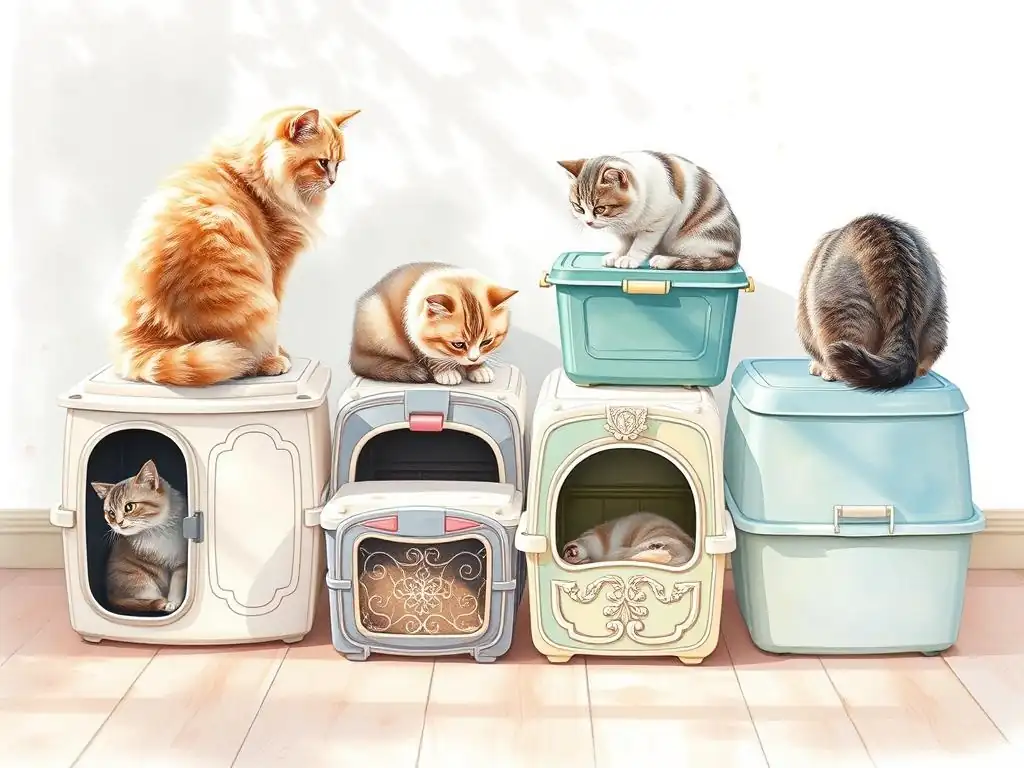
Owning multiple cats significantly increases the likelihood of unexpected expenses related to litter box maintenance. While budgeting for regular litter and box cleaning is crucial (as detailed in previous sections), a comprehensive "multiple cat litter box budget" must also account for potential repairs and veterinary bills. Ignoring these unforeseen costs can lead to financial strain and compromise your cats' well-being. Let's delve into these crucial areas.
Planning for Potential Litter Box Breakages and Repairs
Litter boxes, especially those made from cheaper materials, are prone to damage. Multiple cats using the same box increase the wear and tear exponentially. A rambunctious kitten might scratch or chew the plastic, while a larger cat could accidentally break a flimsy box. Consider these scenarios:
- Material Matters: Sturdier litter boxes made from durable materials like stainless steel or heavy-duty plastic are a worthwhile investment in the long run, despite the higher initial cost. They're more resistant to damage and will likely last longer, reducing replacement expenses. A simple calculation comparing the cost of replacing a cheap plastic box every few months versus a more expensive, longer-lasting option can reveal significant savings.
- Number of Boxes: The more litter boxes you have, the less strain on each individual box. Distributing your cats across several litter boxes reduces the likelihood of concentrated damage to any single unit. This also minimizes the chance of accidents like tipping over a box, a common occurrence with overly enthusiastic cats.
- Emergency Fund: Including a dedicated amount in your "multiple cat litter box budget" for unexpected repairs or replacements is vital. This fund should cover the cost of purchasing a new box, potentially including shipping and handling if you need to order online. A realistic estimate would be [specific dollar amount pending research on average litter box prices and lifespan] per year, factoring in the number of boxes you use. Consider setting this money aside each month to avoid a sudden financial burden.
While seemingly unrelated, litter box issues can sometimes necessitate veterinary care. Problems such as urinary tract infections (UTIs), crystals in the urine, or even behavioral issues stemming from inappropriate urination can all be linked to inadequate litter box provisions. These issues can be costly to treat.
- UTI Prevention: Insufficient litter boxes, improper litter type, or infrequent cleaning can all contribute to UTIs in cats. Regular veterinary checkups can help detect these issues early, reducing the severity and cost of treatment. Proactive measures, such as choosing the right litter type for your cats and adhering to a rigorous cleaning schedule, are essential for preventing costly veterinary visits.
- Behavioral Issues: Stress related to litter box access can lead to inappropriate urination outside the box. Addressing this behavioral issue might involve veterinary consultation, possibly requiring medication or behavioral modification training. The cost of these interventions should be factored into your budget. This includes potential diagnostic tests and the cost of consultations.
- Emergency Fund: The emergency fund established for litter box replacements should also account for potential veterinary expenses related to litter box problems. Allocate a supplementary amount specifically for unexpected veterinary care. Consider consulting with your veterinarian to get an estimated cost range for potential issues like UTIs or behavioral problems related to litter box use. This proactive approach will help mitigate the financial impact of such emergencies. 😻
Creating a Realistic Budget for Multiple Cat Litter Box Needs
Managing the litter box needs for multiple cats requires careful budgeting. Unlike single-cat households, the expenses multiply, encompassing more litter, boxes, and potentially more frequent cleaning. A well-defined budget ensures you're prepared for these costs and prevents unexpected financial strain.
This section focuses on developing a realistic, adaptable budget for multiple cat litter box supplies, helping you navigate the financial aspects of responsible multi-cat ownership. Understanding the factors influencing your spending is crucial for effective budget planning and achieving a sustainable approach to managing litter box expenses. This means considering not only the initial investment in litter boxes and litter but also the ongoing costs of replacement and cleaning supplies.
Tracking Monthly Expenses: Monitoring Your Spending Habits
Before creating a budget, it's vital to understand your current spending habits. This involves meticulously tracking your expenses related to litter boxes for a period of, ideally, three months. Use a spreadsheet or a budgeting app to record every purchase:
| Date | Item | Quantity | Unit Cost | Total Cost | Notes |
|---|---|---|---|---|---|
| Oct 26, 2023 | Clumping Litter | 2 x 20lbs | $15.00 | $30.00 | Brand X, purchased at PetSmart |
| Oct 26, 2023 | Litter Box Liners | 100 | $0.25 | $25.00 | Generic brand, bulk purchase |
| Nov 15, 2023 | Litter Scooper | 1 | $12.00 | $12.00 | Replacement for worn-out scooper |
| Nov 20, 2023 | Clumping Litter | 1 x 40lbs | $28.00 | $28.00 | Brand Y, larger bag for cost savings |
This detailed record provides a clear picture of your monthly expenses. Analyzing this data reveals spending patterns, identifying areas where you can potentially save money. For example, buying litter in bulk often leads to lower per-unit costs. Also, note the frequency of litter and liner replacements. This information is crucial for accurate budget forecasting. 😻
Developing a Monthly or Annual Budget Plan: Forecasting Costs
Based on your expense tracking, you can now develop a realistic monthly or annual budget. Consider these factors:
- Number of cats: More cats mean higher consumption of litter and more frequent box cleaning.
- Litter type: Clumping litter is generally more expensive than non-clumping litter, but it often reduces the frequency of complete box changes.
- Litter box type: Open-top boxes are cheaper initially but may require more frequent cleaning. Covered boxes are more expensive but can help contain odors.
- Frequency of cleaning: Daily scooping is essential, but full litter box changes will vary depending on the number of cats and the litter type.
- Additional supplies: Don't forget to factor in costs for litter box liners, scoops, and any cleaning solutions you use.
Once you have these factors quantified, create a projected budget. For instance:
Monthly Budget Example (2 cats):
- Clumping Litter: $50
- Litter Box Liners: $15
- Cleaning Supplies: $5
- Total Monthly Cost: $70:
Annual Budget Example (2 cats):
- Clumping Litter: $600
- Litter Box Liners: $180
- Cleaning Supplies: $60
- Total Annual Cost: $840:
Remember, this is an estimate. Adjust your budget based on your tracked expenses and any changes in your cats' habits or preferences.
Adjusting Your Budget Based on Your Cats' Needs and Preferences
Your budget isn't set in stone. Regularly review your spending and adjust as needed. Several factors might necessitate budget adjustments:
- Changes in litter preference: Your cats might develop sensitivities or preferences for specific litter brands or types.
- Increased litter consumption: Seasonal changes, illness, or dietary changes might influence litter box usage.
- New litter boxes: If your current boxes are damaged or insufficient for your cats' needs, you'll need to factor in the cost of replacements.
- Unexpected expenses: Occasional vet visits related to urinary tract issues might necessitate additional cleaning supplies or specialized litter.
Flexibility is key. Track your expenses consistently, compare them to your budget, and make necessary adjustments. Remember, a responsible budget ensures your cats' health and well-being while managing your financial resources effectively. Prioritizing your cats' comfort and cleanliness is crucial, and a well-managed budget allows you to do so without undue financial stress. Regularly reassessing your "multiple cat litter box budget" will help you maintain a healthy and happy home environment for both you and your feline companions.
Frequently Asked Questions
How many litter boxes do I need for multiple cats?
As a general rule, you should have one litter box per cat, plus one extra. So, for two cats, you'd need three boxes. This ensures sufficient space and reduces territorial issues.
What are the main costs associated with multiple cat litter boxes?
The biggest expenses are the litter boxes themselves, the litter, and litter scoops. Consider the frequency of litter changes and the type of litter you choose.
What types of litter are most budget-friendly?
Clay litter is often the cheapest initial option, but clumping litter can save money in the long run by requiring less frequent complete changes. Consider the pros and cons of each type for your budget and cats' preferences.
How can I save money on litter box supplies?
Buying litter in bulk can reduce costs significantly. Also, look for sales and discounts at pet stores or online retailers. Choosing a less expensive but effective litter type can also help.
Are there any reusable or eco-friendly options to reduce litter box costs?
Yes, self-cleaning litter boxes can save time and potentially litter, but they have a higher upfront cost. Reusable litter liners can also reduce waste and the need for frequent box cleaning, offering long-term savings.
The seemingly simple act of providing litter boxes for multiple cats quickly escalates into a significant budgetary concern. Ignoring this reality can lead to compromised feline hygiene, potential health issues, and ultimately, a much larger financial burden down the line. Proper planning and budgeting are not just cost-saving measures; they are crucial for ensuring the well-being of your furry family members.
The ongoing impact of responsible multi-cat ownership extends far beyond the immediate cost of litter and boxes. It's about fostering a harmonious household environment where each cat feels safe, secure, and respected. This requires careful consideration of their individual needs, a commitment to consistent cleaning, and a proactive approach to potential problems. As the saying goes, The best things in life aren't free, but they are worth every penny.
This rings especially true when considering the investment in the health and happiness of our beloved feline companions.
So, as you navigate the complexities of multi-cat litter box management, remember that this isn't just about numbers on a spreadsheet. It's about creating a loving and healthy home for your cats. Take the time to assess your individual needs, explore different budget-friendly options, and prioritize the well-being of your furry friends. You'll find that the investment in their happiness pays dividends in countless purrs, cuddles, and years of shared joy.
Unlock Your Multi-Cat Budget Bliss!
Thanks for exploring the often-overlooked world of multi-cat litter box budgeting! You now have the knowledge to keep your feline friends happy and your wallet feeling a little lighter. Ready to put your new skills to the test?
- Prioritize your litter box plan: Create a detailed monthly budget, allocating funds for litter, boxes, and cleaning supplies based on your needs. This is key to confident multi-cat care!
- Share your savvy: Tell your fellow cat lovers about your successful budgeting strategy – they'll appreciate it!
- Explore sustainable options: Consider eco-friendly litter options or reusable litter box liners to reduce costs and your environmental impact.
So, what cost-cutting measures will you implement first to ensure your multi-cat household thrives without breaking the bank?