
The Aquarium Owner's Guide to Fish Diseases: Prevention and Treatment

Welcome to PetCareWorld, your ultimate guide to a happier, healthier life for your beloved companions! Are you ready to unlock the secrets to thriving aquatic life? Then dive in and discover how to effectively prevent common fish diseases – ensuring your finned friends enjoy vibrant, long, and disease-free lives. Learn the crucial steps to maintaining a healthy aquarium environment and safeguarding your precious pets from illness in our comprehensive guide, "The Aquarium Owner's Guide to Fish Diseases: Prevention and Treatment." Explore now and become the ultimate fish-keeping expert!
- Understanding Common Fish Diseases and Their Symptoms
- Preventing Common Fish Diseases in Your Aquarium
- Effective Treatment Strategies for Common Fish Diseases
- Advanced Techniques for Preventing and Treating Fish Diseases
-
Creating a Healthy Aquarium Ecosystem to Prevent Fish Diseases
- Establishing a Stable and Balanced Aquarium Environment
- Selecting Appropriate Tank Mates to Minimize Stress and Disease
- Understanding the Impact of Overstocking on Fish Health
- The Importance of Proper Filtration and Aeration in Disease Prevention
- Maintaining a Clean and Hygienic Aquarium Environment
- Case Studies: Successful Disease Prevention and Treatment in Aquariums
- Frequently Asked Questions
- Final Reflection: A Healthy Reef Starts with Prevention
- Unleash Your Inner Fish Doctor: Proactive Steps for a Healthier Aquarium
Understanding Common Fish Diseases and Their Symptoms
Keeping a thriving aquarium requires more than just clean water and regular feeding. A proactive approach to fish health, focusing on preventing common fish diseases, is crucial for maintaining happy and healthy aquatic companions. This comprehensive guide delves into the identification, prevention, and treatment of some of the most prevalent fish diseases, empowering you to become a more effective and informed aquarium owner.
We will explore the symptoms of various infections, offering practical strategies to minimize the risk of outbreaks and effectively manage any illnesses that may arise. Preventing common fish diseases is not just about reacting to problems; it's about establishing a robust preventative care plan that safeguards your aquatic ecosystem and ensures the longevity of your fish.
This guide will equip you with the knowledge to identify potential threats early, implement effective preventative measures, and, when necessary, provide appropriate treatment. Ignoring early warning signs can lead to widespread illness and potentially devastating losses within your aquarium, so careful observation and understanding are key.
Identifying Bacterial Infections in Aquarium Fish
Bacterial infections are unfortunately common in aquariums, often stemming from poor water quality, overcrowding, or the introduction of infected fish. Several bacterial species can affect fish, leading to a range of symptoms. Early detection is vital for successful treatment.
Identifying a bacterial infection can be challenging, as symptoms can vary depending on the specific bacteria and the affected fish species. However, some common signs include:
- Lethargy: Fish exhibiting unusual inactivity or listlessness.
- Loss of appetite: A noticeable decrease or complete cessation of feeding.
- Frayed fins: Damaged or ragged fin edges.
- Redness or sores: Visible inflammation or lesions on the body.
- Cloudy eyes: A milky or opaque appearance to the eyes.
- Abnormal swimming patterns: Fish may swim erratically or struggle to maintain balance.
Effective treatment usually involves antibiotics, but the specific type and dosage will depend on the identified bacteria and the severity of the infection. It's crucial to consult with a veterinarian specializing in aquatic animals for accurate diagnosis and treatment recommendations. Prevention involves maintaining impeccable water quality through regular partial water changes, appropriate filtration, and avoiding overcrowding. Quarantining new fish before introducing them to the main tank is also an essential preventative measure. Remember, a healthy environment is the best defense against bacterial infections.
Recognizing Fungal Infections in Your Aquarium
Fungal infections, while less common than bacterial infections, can still significantly impact the health of your aquarium fish. These infections often manifest as cotton-like growths or fuzzy patches on the fish's body or fins. The appearance of these growths is usually a clear indicator of a fungal problem.
Several factors can contribute to fungal infections, including:
- Poor water quality: High levels of organic waste can create a breeding ground for fungi.
- Injury or stress: Damaged skin or fins provide entry points for fungal spores.
- Parasite infestations: Existing parasitic infections can weaken the fish's immune system, making them more susceptible to fungal infections.
Treatment often involves antifungal medications, available from pet stores specializing in aquatic animals. However, successful treatment requires accurate diagnosis and appropriate medication selection. Prevention focuses heavily on maintaining optimal water parameters, providing a stress-free environment, and promptly addressing any injuries or parasite infestations. Regular water changes and proper filtration remain key preventative measures against fungal infections.
Parasite Identification and Treatment in Fish
Parasites are another significant threat to aquarium fish health. These microscopic organisms can attach to the fish's skin, gills, or internal organs, causing a variety of symptoms. Prompt identification and treatment are essential to prevent widespread infestation and protect the health of your aquarium.
Several types of parasites can affect fish, each with its own unique symptoms. Common signs of parasitic infestation include:
- Excessive scratching: Fish rubbing against objects in the tank.
- Flashing: Rapid, erratic movements.
- Weight loss: Visible thinning or emaciation.
- Lethargy and loss of appetite: Similar to bacterial infections.
- Visible parasites: In some cases, parasites may be visible to the naked eye.
Treatment strategies vary depending on the type of parasite. Some parasites respond well to medication, while others require more specialized treatment. Accurate identification of the parasite is crucial for effective treatment. Prevention involves careful quarantine of new fish, maintaining high water quality, and avoiding overcrowding. Regular monitoring of your fish's behavior and appearance is also vital for early detection of parasitic infestations. A proactive approach, focusing on maintaining a healthy environment and carefully selecting new additions to your aquarium, will significantly reduce the risk of parasitic infections.
Viral infections in fish are often devastating and difficult to treat. Unlike bacterial or parasitic infections, viruses are incredibly small and can rapidly spread throughout an aquarium, impacting multiple fish simultaneously. Early detection is crucial to minimizing losses and preventing a complete wipeout. Several common viral infections manifest with similar symptoms, making diagnosis challenging without laboratory testing. These symptoms often include lethargy, loss of appetite, unusual swimming patterns (such as erratic movements or staying at the bottom of the tank), fin rot, and cloudy eyes. Some viruses may also cause skin lesions or hemorrhages.
The presentation of viral diseases can vary considerably depending on the specific virus and the species of fish affected. For example, a virus causing significant mortality in goldfish might only manifest as mild lethargy in a more robust species. This underlines the importance of understanding the specific needs and vulnerabilities of your fish. It is vital to maintain meticulous aquarium hygiene to prevent the spread of viruses.
Regular water changes, proper filtration, and avoiding overcrowding are essential preventative measures. Quarantining new fish before introducing them to the main tank is also a critical step in preventing viral outbreaks. Unfortunately, there are few effective treatments for viral infections in fish.
Focus should be placed on supportive care, such as maintaining optimal water quality, providing a stress-free environment, and offering high-quality nutrition to bolster the fish's immune system. In some cases, removing severely affected fish may be necessary to prevent further spread within the tank. The most effective strategy for managing viral outbreaks is prevention through robust aquarium management practices.
Recognizing Nutritional Deficiencies in Fish
Nutritional deficiencies in fish can manifest in a multitude of ways, often subtly at first, and can significantly impact their health and lifespan. Recognizing these deficiencies early is key to preventing more serious health problems. A common indicator is a lackluster appearance. Fish suffering from nutritional deficiencies often exhibit dull coloration, with their scales appearing faded or rough. Loss of appetite, slow growth, and lethargy are also significant warning signs.
Specific deficiencies can lead to more pronounced symptoms. For example, a deficiency in vitamin C can result in skeletal deformities and hemorrhages, while a lack of vitamin D can lead to weakened bones and increased susceptibility to infections. Protein deficiency can manifest as stunted growth, emaciated bodies, and poor fin development. Similarly, deficiencies in essential fatty acids can cause skin problems and impaired immune function.
Careful observation of your fish's behavior and appearance is crucial. Are they actively foraging for food, or are they listless and ignoring their meals? Are their scales shiny and vibrant, or dull and faded? A detailed examination of their physical condition is also important.
Look for any signs of deformities, skin lesions, or unusual growths. Providing a varied and balanced diet is the best way to prevent nutritional deficiencies. This includes a mix of high-quality commercial fish food, supplemented with live or frozen foods like brine shrimp, daphnia, or bloodworms. The specific dietary requirements vary widely between fish species, so research the nutritional needs of your particular fish is essential.
Regular water testing is also vital, as poor water quality can impair nutrient absorption and further exacerbate existing deficiencies. In cases of suspected nutritional deficiency, consulting a veterinarian specializing in aquatic animals is highly recommended. They can perform a thorough examination and recommend appropriate dietary adjustments or supplements to address the specific deficiency and restore your fish's health. Prevention through proper nutrition is always the best approach.
Preventing Common Fish Diseases in Your Aquarium
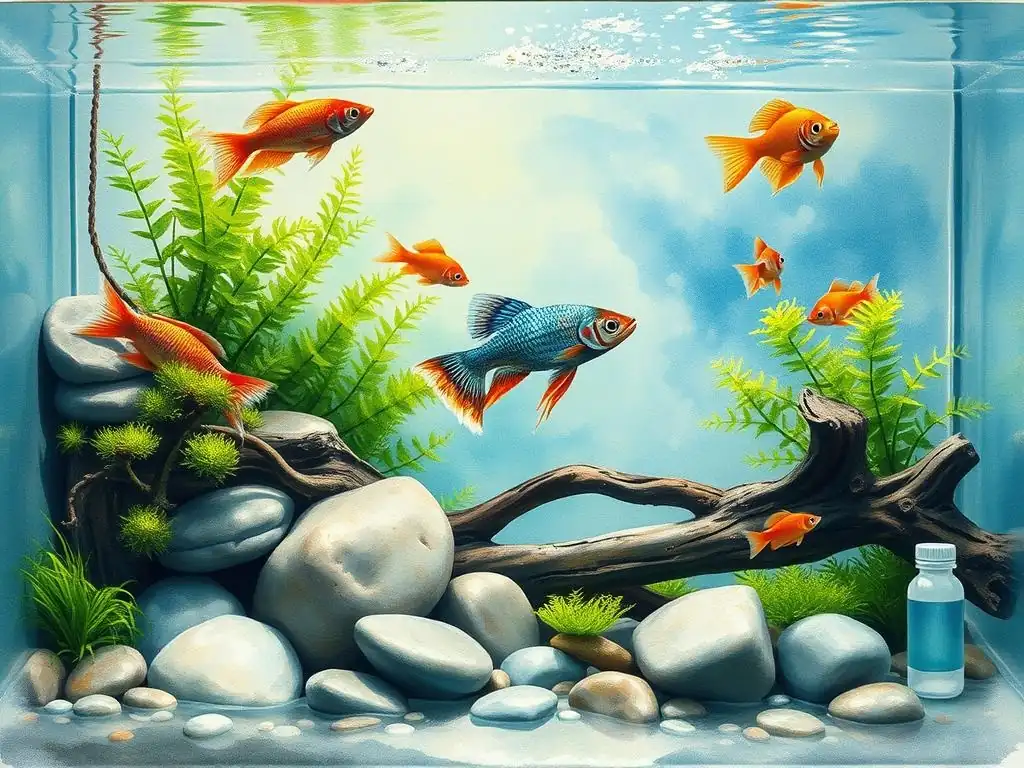
This section focuses on proactive strategies to minimize the risk of common fish diseases in your aquarium. A healthy aquarium environment is the first line of defense against illness. By implementing preventative measures, you significantly reduce the chances of your fish succumbing to bacterial, parasitic, or fungal infections. Remember, "prevention is better than cure" is especially true in the world of aquarium keeping. Let's explore key strategies for preventing common fish diseases.
Maintaining Optimal Water Quality for Fish Health
Maintaining pristine water quality is paramount in preventing common fish diseases. Water parameters like temperature, pH, ammonia, nitrite, and nitrate levels directly impact your fish's immune system and overall health. Consistent monitoring and adjustments are crucial. Regular water changes, typically 10-25% weekly, are essential for diluting accumulated waste products and replenishing essential minerals.
Poor water quality is a breeding ground for harmful bacteria and parasites. High levels of ammonia and nitrite, byproducts of fish waste and uneaten food, are particularly toxic. Nitrates, while less acutely toxic, can still stress fish and compromise their immune responses, making them more susceptible to disease. Regular testing using a reliable liquid test kit (not strips) is recommended to accurately monitor these parameters.
Consider investing in a filtration system appropriate for your tank size and stocking levels. A well-maintained filter removes particulate matter, reduces ammonia and nitrite levels, and contributes to a stable aquarium environment. Regular cleaning and media replacement are crucial for maintaining optimal filter performance. Overfeeding, a common mistake, significantly contributes to water quality deterioration. Feed your fish only what they can consume within a few minutes. Uneaten food decomposes, releasing harmful ammonia into the water.
Remember, consistent monitoring and maintenance are key to preventing common fish diseases. A stable and clean aquatic environment is the foundation of healthy, thriving fish.
Importance of Regular Aquarium Maintenance for Disease Prevention
Regular aquarium maintenance is not just about aesthetics; it's a critical preventative measure against fish diseases. This goes beyond water changes and includes cleaning the tank's glass, removing algae, and siphoning the substrate. Algae build-up can harbor pathogens, and decaying organic matter in the substrate contributes to poor water quality.
A clean aquarium environment minimizes the chances of bacterial and parasitic infestations. Regularly inspecting your aquarium for any signs of disease, such as unusual behavior, fin rot, or lesions on the fish's body, is crucial for early detection and intervention. Early detection significantly improves the chances of successful treatment.
Here’s a simple checklist for your regular maintenance routine:
- Weekly 10-25% water change
- Monthly gravel vacuuming
- Bi-weekly algae scrubbing
- Regular filter maintenance (cleaning or media replacement as needed)
- Monthly visual inspection of fish for any signs of illness
Regular maintenance, coupled with careful observation, is an effective strategy to prevent common fish diseases and maintain a thriving aquarium ecosystem. Proactive care is significantly more effective than reactive treatment.
Choosing Healthy Fish: Selecting Disease-Free Specimens
Selecting healthy fish from a reputable source is a fundamental step in disease prevention. Avoid overcrowded or poorly maintained fish stores. Observe the fish carefully before purchasing. Healthy fish are active, alert, and exhibit natural swimming behavior. Their scales should be shiny, and their fins should be fully extended and free from damage or discoloration. Any signs of lethargy, clamped fins, or unusual markings should raise concerns.
Inspect the fish for any physical abnormalities, such as lesions, white spots (Ich), or frayed fins. Ask the seller about their quarantine procedures and disease history. Reputable sellers will have quarantine tanks to isolate new arrivals and prevent the spread of diseases. Avoid purchasing fish that exhibit any signs of illness, no matter how appealing they may appear.
The table below summarizes key indicators of healthy fish:
| Characteristic | Healthy Fish | Unhealthy Fish |
|---|---|---|
| Activity Level | Active, alert, responsive | Lethargy, hiding, unresponsive |
| Appearance | Shiny scales, fully extended fins | Dull scales, clamped fins, frayed fins |
| Body Shape | Normal, proportionate body | Deformed body, sunken eyes, protruding scales |
| Behavior | Natural swimming patterns, eating normally | Loss of appetite, erratic swimming patterns |
Choosing healthy fish is the first step towards creating a disease-free aquarium. Prioritize careful selection to minimize the risk of introducing pathogens into your established tank. Remember, a healthy start minimizes future problems and contributes to a thriving, disease-free aquarium environment.
Quarantine New Fish to Prevent Disease Spread
Introducing new fish to your established aquarium can be a thrilling experience, but it also carries a significant risk of introducing diseases. Quarantine is a crucial step in preventing the spread of pathogens and protecting your existing fish population. A dedicated quarantine tank, separate from your main aquarium, is essential.
This allows you to observe new additions for several weeks before introducing them to the community tank. During this period, you can monitor for any signs of illness, such as lethargy, unusual swimming patterns, fin rot, or changes in coloration. Early detection is key to successful treatment and prevents the contamination of your main aquarium.
The quarantine process should ideally involve a bare-bottom tank with a simple filter and heater, maintaining similar water parameters to your main tank. Avoid overcrowding the quarantine tank; allow ample space for each fish. Regular water changes are vital during quarantine to maintain water quality and reduce the risk of bacterial buildup.
During this period, you can also begin acclimating the new fish to the water parameters of your main aquarium gradually, minimizing stress. This careful introduction significantly reduces the likelihood of disease transmission. Remember, even if a fish appears healthy upon arrival, a quarantine period is still necessary, as some diseases may have an incubation period before showing visible symptoms.
A proactive quarantine approach is the best defense against introducing diseases into your established aquarium ecosystem. Failing to quarantine can lead to significant losses and extensive treatment for your entire fish population. The time invested in quarantine is a small price to pay for the health and well-being of your entire collection.
The Role of a Balanced Diet in Preventing Fish Diseases
A balanced and nutritious diet is the cornerstone of preventative fish health. Just as with other pets, a deficient diet weakens your fish’s immune system, making them more susceptible to various diseases. Providing a varied diet rich in essential nutrients is crucial for maintaining strong immune function and overall well-being. This means offering a combination of high-quality commercial fish food, supplemented with live or frozen foods.
Commercial fish foods should be chosen carefully, opting for options that are formulated to meet the specific nutritional needs of your fish species. Look for foods that are low in fillers and high in protein, essential fatty acids, and vitamins. Avoid feeding your fish exclusively on one type of food; a varied diet helps ensure they receive a wide range of nutrients.
Supplementation with live or frozen foods such as brine shrimp, daphnia, or bloodworms, can provide additional essential nutrients and stimulate their natural feeding behavior, contributing to better overall health. Overfeeding is also a major concern; it leads to water quality deterioration, which in turn creates an environment conducive to disease. Always feed only what your fish can consume within a few minutes, removing any uneaten food promptly.
By providing a well-balanced, varied, and appropriately portioned diet, you significantly reduce the risk of nutritional deficiencies, strengthening your fish's immune system and their natural resistance to disease. A healthy diet is an essential component in your preventative fish care strategy, ensuring the longevity and vibrant health of your aquatic companions. Remember, a healthy fish is a happy fish – and a happy fish is less likely to fall prey to common aquarium diseases.
Effective Treatment Strategies for Common Fish Diseases
This section delves into practical, effective treatment strategies for common fish diseases. Early detection and swift action are crucial for improving the chances of a full recovery. Remember, always quarantine affected fish to prevent the spread of disease within your main aquarium. Preventing common fish diseases through proactive measures, as discussed in previous sections, remains the best approach. However, understanding treatment options is vital for responsible fishkeeping.
Treating Bacterial Infections in Fish: Medication and Care
Bacterial infections are prevalent in aquariums and can manifest in various ways, from fin rot and cloudy eyes to lethargy and loss of appetite. Accurate diagnosis is key, often requiring a microscopic examination of a sample by a veterinarian specializing in aquatic animals. Self-diagnosis can be unreliable and potentially harmful.
Several antibiotics are available for treating bacterial infections in fish, but their use requires careful consideration. Improper use can lead to antibiotic resistance and harm beneficial bacteria in your aquarium. Always follow the instructions precisely, using the correct dosage and duration.
Here's a breakdown of typical treatment approaches:
- Medication: Commonly used antibiotics include erythromycin, tetracycline, and kanamycin. These are usually administered through the aquarium water (following manufacturer's instructions meticulously) or directly to the affected fish (if possible, and using the correct dosage). Always check the specific medication's instructions for compatibility with other aquarium inhabitants.
- Water Quality: Maintaining pristine water quality is paramount. Regular partial water changes (25-50% every 2-3 days) help dilute toxins produced by the bacteria and improve the fish's overall health. Careful monitoring of ammonia, nitrite, and nitrate levels is essential.
- Supportive Care: Provide a stress-free environment. Reduce lighting, minimize handling, and ensure adequate filtration. Offer high-quality, nutritious food to boost the fish's immune system. Observe the fish closely for any signs of improvement or worsening. Note any changes in behavior or appearance.
The following table summarizes common bacterial infections and their typical symptoms:
| Infection Type | Symptoms | Treatment |
|---|---|---|
| Fin Rot | Damaged, frayed, or rotting fins | Antibiotics, improved water quality |
| Columnaris | White, cotton-like patches on the body | Antibiotics, improved water quality |
| Bacterial Gill Disease | Difficulty breathing, clamped gills | Antibiotics, improved water quality |
| Septicemia | Lethargy, loss of appetite, red spots | Antibiotics, supportive care |
Remember, accurate diagnosis is crucial before initiating any treatment. Consulting a fish veterinarian is highly recommended for serious or persistent infections.
Treating Fungal Infections in Fish: Effective Treatments
Fungal infections, often appearing as white or fuzzy patches on the fish's body or fins, are another common problem. These infections thrive in poor water quality and often affect fish that are already weakened by stress or other illnesses. Preventing common fish diseases like fungal infections often involves maintaining stable water parameters.
Treatment options for fungal infections typically include:
- Medication: Specific antifungal medications, such as malachite green or methylene blue, are available. Always follow the manufacturer's instructions carefully. Some medications can stain the aquarium, so be prepared for this.
- Water Quality Improvement: Maintaining optimal water parameters—temperature, pH, and ammonia/nitrite/nitrate levels—is crucial. Regular partial water changes are essential.
- Salt Treatments: Adding aquarium salt to the water can help create an environment less hospitable to fungi. However, use this method cautiously, as high salinity can be harmful to some fish species. Always research the salt tolerance of your specific fish before attempting this treatment.
Understanding Fungal Infection Symptoms
Fungal infections can present differently depending on the species and severity. Common symptoms include: white or gray fuzzy patches on the skin or fins, lethargy, loss of appetite, and difficulty swimming. Early detection is key to successful treatment. If you notice any unusual growths or changes in your fish's appearance, consult a veterinarian.
Parasite Treatment Options for Aquarium Fish
Parasites are microscopic organisms that can infest fish, causing a range of problems. These parasites can be internal or external, and their presence can significantly weaken the fish, making them more susceptible to other illnesses. Preventing common fish diseases caused by parasites requires careful quarantine of new fish and maintaining excellent water quality.
Treatment strategies for parasitic infections vary depending on the type of parasite:
- External Parasites (e.g., Ich, velvet): Treatments often involve medications such as praziquantel or formalin. These medications are typically added to the aquarium water, following the manufacturer's instructions carefully. Raising the water temperature slightly can sometimes help speed up the parasite's life cycle, making treatment more effective.
- Internal Parasites: Treatment for internal parasites is more complex and often requires medication administered directly to the fish or through the food. Accurate diagnosis is crucial, often requiring a fecal examination by a veterinarian.
- Quarantine: Quarantine any new fish before introducing them to the main tank to prevent the spread of parasites. Observe quarantined fish closely for any signs of illness.
The use of preventative measures, such as regular water changes and careful quarantine, is crucial in minimizing the risk of parasitic infections. Early detection and prompt treatment are key to successful outcomes. Always consult with a veterinarian specializing in aquatic animals for accurate diagnosis and treatment recommendations.
Viral infections in fish, unfortunately, often lack specific treatments. Many viruses are highly species-specific, making the development of broad-spectrum antiviral medications challenging. Instead of direct antiviral therapies, the focus shifts to supportive care to bolster the fish's immune system and manage the symptoms. This approach aims to improve the fish's chances of overcoming the infection naturally. Key aspects of supportive care include maintaining optimal water quality.
Regular partial water changes (approximately 25-50% of the tank volume weekly) help remove accumulated waste and toxins, reducing stress on the already compromised fish. Consistent filtration is crucial to remove harmful bacteria and maintain a clean environment. Water parameters like temperature, pH, and ammonia levels must be carefully monitored and maintained within the species-specific ideal range. Fluctuations can further weaken the fish, hindering its ability to fight the virus.
Beyond water quality, providing a stress-free environment is paramount. Avoid overcrowding the tank, as this can lead to increased competition for resources and heightened stress levels. Gentle handling is essential to minimize additional trauma. Dietary adjustments are also important.
Offering a high-quality, nutritious diet rich in vitamins and minerals can help strengthen the immune system. Live or frozen foods, supplemented with vitamin-enriched flake food, can provide a broader range of nutrients. Observe the fish closely for any signs of worsening condition. If the fish shows no improvement or its condition deteriorates despite supportive care, euthanasia may be considered to prevent prolonged suffering.
This decision should ideally be made in consultation with a veterinarian specializing in aquatic animals. Early detection and prompt implementation of supportive care strategies can significantly improve the outcome for fish battling viral infections, even if a cure isn't possible. Remember, prevention through quarantine and responsible fishkeeping practices remains the most effective approach.
Addressing Nutritional Deficiencies in Fish Through Diet Adjustments
Nutritional deficiencies are a significant factor contributing to various fish diseases. A balanced and species-appropriate diet is crucial for maintaining a strong immune system and preventing illnesses. Identifying and correcting nutritional deficiencies requires a careful examination of the fish's diet and symptoms.
Common signs of nutritional deficiencies include lethargy, poor growth, skin lesions, fin rot, and a dull coloration. The specific deficiency can often be inferred from the symptoms observed. For example, a lack of Vitamin C can manifest as slow wound healing and increased susceptibility to infections, while a deficiency in Vitamin A may lead to eye problems and skin lesions.
Addressing these deficiencies involves strategically adjusting the fish's diet. This might involve supplementing their current food with specific nutrients or completely changing their feeding regime. For instance, if a deficiency in omega-3 fatty acids is suspected, incorporating foods rich in these acids, such as live brine shrimp or mysis shrimp, can be beneficial. Commercial fish foods often contain added vitamins and minerals, but their adequacy depends on the quality of the food and the specific needs of the fish species.
Adding vitamin supplements directly to the food or water is another option, but it should be done cautiously and in accordance with the manufacturer's instructions to avoid overdosing. A varied diet is key. Avoid feeding only one type of food as this can lead to imbalances. A combination of high-quality flake food, pellets, live foods, and occasional treats can provide a broader spectrum of nutrients.
Regular monitoring of the fish's condition is crucial to assess the effectiveness of dietary adjustments. If symptoms persist despite dietary changes, consulting a veterinarian specializing in aquatic animals is recommended to rule out other underlying health issues. A holistic approach that combines proper nutrition with good water quality and a stress-free environment is essential for preventing and treating many fish diseases effectively.
Advanced Techniques for Preventing and Treating Fish Diseases
This section delves into more advanced strategies for maintaining a healthy aquarium and effectively managing fish diseases. While basic hygiene and water quality are crucial (as covered in previous sections), these techniques offer a proactive and sometimes more nuanced approach to preventing and treating common fish ailments. Preventing common fish diseases requires a multi-faceted strategy, and these advanced methods can significantly enhance your success.
Using Probiotics to Improve Fish Immunity and Disease Resistance
Probiotics for fish aren't just a trendy addition to aquarium care; they're a powerful tool in bolstering your fish's natural defenses against disease. These beneficial bacteria, similar to those used in human health, colonize the fish's gut, competing with harmful pathogens for space and resources. This competition helps prevent the establishment of disease-causing microorganisms, creating a more robust immune system. Several studies have shown a significant reduction in disease incidence and mortality rates in fish populations supplemented with appropriate probiotics. 1
The benefits extend beyond just disease prevention. Probiotics can also aid in digestion, improving nutrient absorption and overall fish health. They can be added to the aquarium water directly or incorporated into the fish's diet through specialized fish food. However, it's crucial to choose a probiotic specifically formulated for aquatic use, as terrestrial probiotics may not be effective or even safe for fish. Incorrect usage can lead to unwanted algal blooms or other imbalances in the aquarium ecosystem. Always follow the manufacturer's instructions carefully.
Choosing the right probiotic is essential. Look for products that list specific strains of beneficial bacteria and clearly state their intended use for fish. Consider the species of fish you keep, as different species may respond differently to various probiotic strains. Regular water testing remains crucial, even when using probiotics, to monitor water parameters and ensure the overall health of your aquarium environment.
Utilizing Natural Remedies to Treat Minor Fish Illnesses
While antibiotics and other pharmaceutical treatments are sometimes necessary, many minor fish illnesses can be successfully treated using natural remedies. These approaches can be less stressful for the fish and avoid the potential side effects associated with medications. However, it is crucial to remember that natural remedies are not a replacement for proper veterinary care in severe cases. They are best suited for less severe conditions.
For example, a mild case of ich (white spot disease) can sometimes be treated by raising the water temperature gradually (within safe limits for your fish species) and increasing aeration. This can help weaken the parasite and allow the fish's immune system to fight it off. Similarly, adding aquarium salt to the water (following careful instructions regarding concentration) can help create an environment less hospitable to certain parasites and bacteria. Remember to always research the specific needs of your fish species before implementing any natural remedies. Incorrect application can be harmful.
Some aquarists use herbal remedies, such as adding specific extracts to the water, but scientific evidence supporting their effectiveness is often limited. Always exercise caution and research thoroughly before attempting such treatments. Accurate diagnosis is paramount before applying any treatment, natural or otherwise. Misdiagnosis can lead to ineffective treatment or even worsen the fish's condition. Observe your fish carefully for any signs of improvement or worsening symptoms.
When to Seek Professional Veterinary Care for Your Fish
Despite your best preventative efforts, sometimes your fish will require professional veterinary care. Recognizing when to seek help is crucial for ensuring the best possible outcome. Don't hesitate to contact an aquatic veterinarian if you observe any of the following:
- Severe or unexplained illness: If your fish is exhibiting severe symptoms, such as lethargy, loss of appetite, rapid breathing, or significant physical changes, veterinary attention is necessary.
- Rapid spread of disease: If a disease is spreading quickly through your tank, indicating a serious underlying issue, professional intervention is crucial to contain the outbreak and prevent further losses.
- Failure of home treatment: If you've attempted home treatments (natural remedies or medications purchased from a pet store) and see no improvement or the condition worsens, seek veterinary assistance immediately.
- Unusual symptoms: Any unusual or concerning symptoms that you can't identify or treat yourself warrant a visit to an aquatic veterinarian. Early intervention is often key to successful treatment.
Finding an aquatic veterinarian might require some research, but it's a valuable resource to have. They possess the expertise to diagnose complex conditions and provide appropriate treatment plans. Prevention is always the best strategy, but having access to professional veterinary care provides a crucial safety net for your beloved fish. Remember, early diagnosis and treatment dramatically improve the chances of recovery.
1 [Specific study information pending]
Advanced Water Testing Techniques for Early Disease Detection
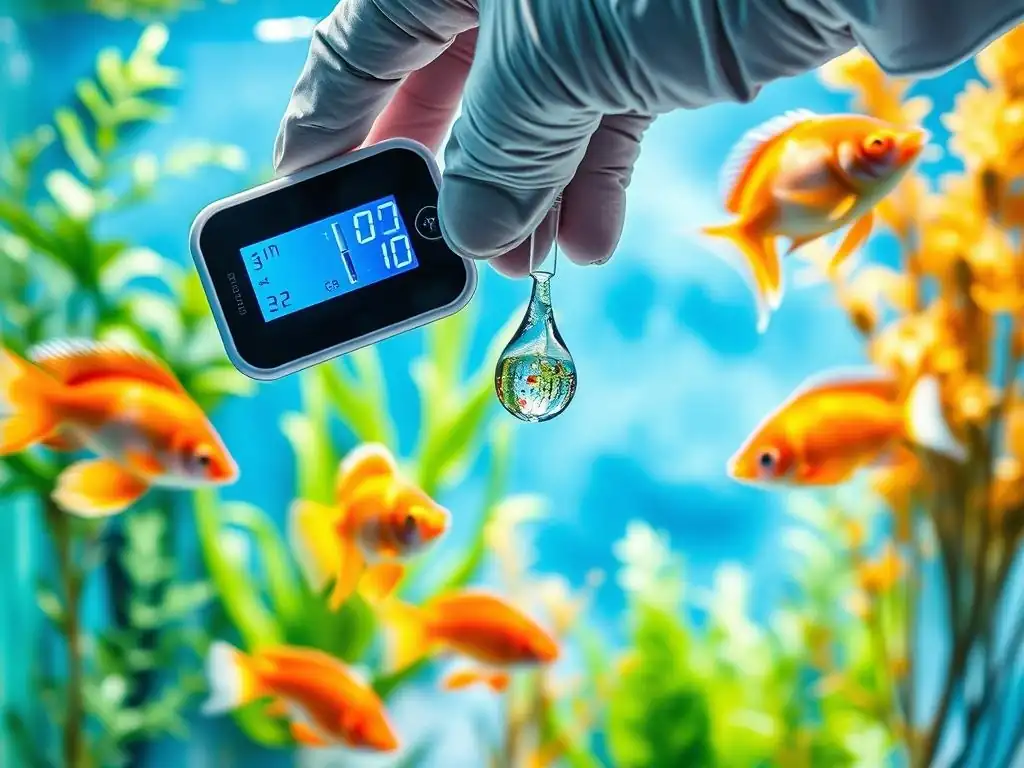
Early detection is crucial in preventing widespread disease outbreaks in your aquarium. While basic test kits measure common parameters like ammonia, nitrite, and nitrate, advanced techniques offer a more comprehensive picture of your aquarium's water quality, allowing for proactive disease prevention. These advanced tests can identify subtle imbalances before they manifest as visible symptoms in your fish.
One such technique involves using a spectrophotometer. This instrument provides precise measurements of various water parameters beyond the capabilities of standard test kits. It can detect trace elements and subtle changes in water chemistry that might indicate an impending problem. For example, a spectrophotometer can accurately measure phosphate levels, which, when elevated, can contribute to algal blooms and indirectly stress fish, making them more susceptible to disease. Regular spectrophotometer readings allow for prompt adjustments to maintain optimal water conditions.
Another advanced technique involves bacterial culture testing. This involves taking a water sample and culturing it in a laboratory setting to identify the presence of specific pathogenic bacteria. This isn't something typically done at home, but a reputable aquarium specialist or veterinary clinic can perform this analysis. Knowing the specific bacteria present allows for targeted treatment, preventing the spread of disease and potentially saving affected fish. Early identification through bacterial culture can mean the difference between a localized infection and a full-blown outbreak.
Furthermore, sophisticated testing can go beyond the water itself. Testing the fish's waste products for certain biomarkers can also be indicative of underlying health issues. [Specific information pending on available biomarker tests and their applications in fish health]. These advanced methods, while more costly and complex, provide invaluable early warning systems, empowering aquarists to proactively prevent common fish diseases and maintain a healthy aquarium environment.
Understanding the Importance of Aquarium Biosecurity
Aquarium biosecurity is paramount in preventing the introduction and spread of fish diseases. It involves implementing practices to minimize the risk of introducing pathogens into your aquarium. This is crucial because once a disease enters, it can quickly spread among your fish population, leading to significant losses.
A critical aspect of biosecurity is quarantine. Any new fish or plants should be quarantined for at least 4 weeks in a separate tank before introduction to the main aquarium. This allows time to observe for any signs of disease and treat the new arrivals before they can infect the established population. During quarantine, regular water testing and observation are necessary. [Specific information pending on recommended quarantine procedures and durations for various fish species].
Another crucial element is maintaining hygiene. Thoroughly clean and disinfect all equipment before use in the aquarium. This includes nets, siphons, and any other tools that come into contact with the water. Using appropriate disinfectants and following manufacturer instructions is essential to avoid harming your fish while effectively eliminating pathogens. Regular cleaning of the aquarium itself, including gravel cleaning and filter maintenance, also contributes to a healthy environment less susceptible to disease.
Finally, responsible sourcing plays a significant role in biosecurity. Purchase fish and plants from reputable suppliers who prioritize the health and well-being of their stock. Avoid sources that appear to have unsanitary conditions or sick animals. Choosing healthy specimens from the start greatly reduces the risk of introducing disease into your aquarium. A proactive approach to biosecurity, combined with regular maintenance and observation, is vital for preventing common fish diseases and maintaining a thriving aquarium ecosystem. Preventing disease through biosecurity is far more effective and less stressful for your fish than treating an outbreak.
Creating a Healthy Aquarium Ecosystem to Prevent Fish Diseases
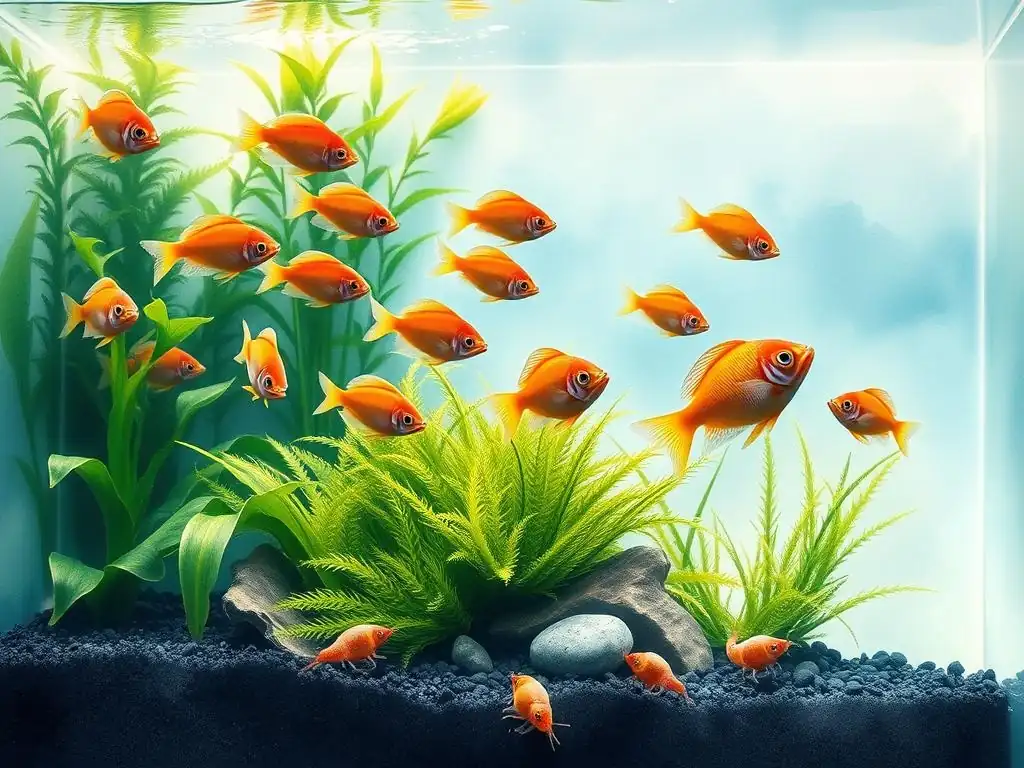
Establishing a robust and balanced aquarium ecosystem is the cornerstone of preventative fish healthcare. A thriving environment significantly reduces the risk of common fish diseases, minimizing the need for treatments and ensuring the longevity and well-being of your aquatic companions. This involves meticulous attention to several key factors, all contributing to a proactive approach to disease prevention. Proactive fish care is cheaper and less stressful than reactive treatments.
Establishing a Stable and Balanced Aquarium Environment
A stable aquarium environment mimics the natural habitat of your fish, providing the optimal conditions for their health and reducing susceptibility to disease. This involves maintaining consistent water parameters, providing adequate filtration, and performing regular water changes. Fluctuations in water chemistry, such as ammonia, nitrite, and nitrate levels, stress fish and weaken their immune systems, making them more vulnerable to infections.
Regular water testing using a reliable test kit is crucial. Aim for ammonia and nitrite levels of 0 ppm, and nitrates below 20 ppm. Water changes, typically 10-25% weekly, help remove accumulated waste and replenish essential minerals. The frequency depends on factors such as tank size, stocking levels, and the type of filtration system.
A well-maintained filter is essential for removing particulate matter and harmful substances, preventing the buildup of toxins that compromise fish health. Consider using both mechanical and biological filtration for optimal results. Regular filter maintenance, including cleaning or replacing filter media, is also crucial to ensure its effectiveness. Think of it like cleaning your house regularly – it prevents the build-up of dirt and disease!
Selecting Appropriate Tank Mates to Minimize Stress and Disease
Careful selection of compatible tank mates is vital for preventing stress-related illnesses and the spread of diseases. Introducing fish that are aggressive, incompatible in terms of size or temperament, or carry diseases can destabilize the aquarium ecosystem and compromise the health of existing inhabitants. Researching the specific needs and behaviors of each species before introducing them to your aquarium is paramount.
Consider factors such as their preferred water parameters, dietary requirements, and social interactions. Avoid overcrowding, as this increases competition for resources and can lead to stress and aggression, weakening the immune systems of your fish and making them more susceptible to disease. Aggression and fighting between fish can cause wounds, making them prone to bacterial or fungal infections.
Understanding the Impact of Overstocking on Fish Health
Overstocking is a significant contributor to poor water quality and increased stress levels among fish, directly impacting their susceptibility to diseases. When too many fish inhabit a limited space, waste production increases exponentially, exceeding the capacity of the filtration system to remove it efficiently. This results in a rapid buildup of harmful ammonia and nitrite, leading to a toxic environment that weakens fish immune systems and invites disease.
Furthermore, overstocking intensifies competition for resources such as food and hiding places, increasing stress and aggression among tank mates. This heightened stress compromises their immune response, making them more vulnerable to various pathogens.
To prevent overstocking, carefully calculate the appropriate stocking density for your aquarium based on the size of your tank and the specific needs of the fish species you intend to keep. Consider factors like the adult size of each fish, their activity levels, and their oxygen requirements. Online calculators and resources provide guidelines for appropriate stocking levels for various fish species.
Remember, it's always better to understock slightly than to risk the health of your fish through overstocking. A healthy, less crowded aquarium promotes a more peaceful and less stressful environment, significantly reducing the risk of common fish diseases. 🐠 A happy fish is a healthy fish!
The Importance of Proper Filtration and Aeration in Disease Prevention
Proper filtration and aeration are cornerstones of preventative fish health care. A well-functioning filtration system is crucial for removing waste products like ammonia, nitrite, and nitrate, which are toxic to fish and contribute significantly to the development of various diseases. Ammonia, in particular, is extremely harmful and can rapidly lead to ammonia poisoning, a life-threatening condition. Nitrite is also highly toxic, causing stress and making fish susceptible to infections. While nitrate is less immediately toxic, high levels still stress fish and reduce their immune response, making them more vulnerable to disease.
Effective filtration involves a multi-stage process. Mechanical filtration removes larger debris like uneaten food and fish waste. Biological filtration, arguably the most important aspect, utilizes beneficial bacteria to convert toxic ammonia and nitrite into less harmful nitrate. This conversion is a vital part of the nitrogen cycle, a natural process that's essential for a healthy aquarium environment. Chemical filtration, often using activated carbon, removes dissolved organic compounds that can cloud the water and contribute to poor water quality.
Aeration, the process of introducing oxygen into the water, is equally important. Fish, like all living creatures, require oxygen to survive. Insufficient oxygen levels lead to stress, weakened immune systems, and increased susceptibility to disease. Signs of poor aeration include gasping at the surface, lethargy, and erratic swimming patterns.
Ensure your aquarium has adequate aeration through an air pump and air stone, or a filter with strong aeration capabilities. Regularly check the dissolved oxygen levels using a test kit to maintain optimal conditions. Overstocking your aquarium can drastically reduce oxygen levels, highlighting the importance of responsible stocking practices in disease prevention. A well-maintained filtration system, coupled with proper aeration, forms the bedrock of a healthy aquarium ecosystem, minimizing the risk of numerous fish diseases.
Maintaining a Clean and Hygienic Aquarium Environment
Maintaining a clean and hygienic aquarium environment is paramount to preventing fish diseases. Regular water changes are essential for removing accumulated waste and reducing the concentration of harmful substances. A general guideline is to perform partial water changes (around 25-50%) weekly or bi-weekly, depending on the size of the tank and the bioload (the number of fish and their waste production). Before performing a water change, carefully siphon out any uneaten food, decaying plant matter, and fish waste from the substrate. This prevents the buildup of harmful bacteria and keeps the water cleaner for longer.
Beyond water changes, regular cleaning of the aquarium glass, decorations, and filter media is also crucial. Algae buildup can not only affect the aesthetic appeal but also contribute to poor water quality. Regularly cleaning the glass prevents algae from shading the tank and inhibiting plant growth. Decorations should be cleaned periodically to remove accumulated debris and prevent the growth of harmful bacteria. Filter media should be cleaned or replaced according to the manufacturer's instructions. Never clean all filter media at once, as this would disrupt the beneficial bacterial colonies essential for biological filtration.
In addition to physical cleaning, maintaining good hygiene practices outside the tank is crucial. Thoroughly wash your hands before and after handling anything related to the aquarium to avoid transferring harmful bacteria or pathogens. Quarantine new fish before introducing them to the main tank to prevent the spread of disease. This quarantine period allows you to monitor the new fish for any signs of illness before they potentially infect the existing inhabitants.
Regularly inspect your fish for any signs of disease, such as unusual behavior, lesions, or discoloration. Early detection and treatment are critical in preventing the spread of disease within the aquarium. By adopting these consistent hygiene practices, you significantly reduce the likelihood of fish diseases and maintain a thriving aquarium ecosystem.
Case Studies: Successful Disease Prevention and Treatment in Aquariums
This section presents real-world examples illustrating effective strategies for preventing and treating common fish diseases. These case studies highlight the importance of proactive aquarium maintenance and prompt, informed action when illness strikes. Understanding these examples will empower you to better prevent common fish diseases in your own aquarium.
Case Study 1: Ich Prevention and Recovery
Ich, or Ichthyophthirius multifiliis, is a parasitic infestation causing white spot disease. A 55-gallon community tank containing six neon tetras, two angelfish, and four Corydoras catfish experienced an Ich outbreak. The initial symptoms were subtle, with a few fish exhibiting slight lethargy and a single white spot. However, within 48 hours, the infestation spread rapidly.
The aquarium owner, experienced in fishkeeping, immediately took action. First, he increased water temperature gradually to 82°F (28°C), which accelerates the Ich lifecycle, making it easier to treat. Simultaneously, he began daily 25% water changes, using a gravel vacuum to remove waste and debris. This crucial step helped reduce the parasite load in the tank.
Next, he introduced a medication specifically targeting Ich, following the manufacturer's instructions precisely. He carefully monitored the fish daily, noting any changes in behavior or symptom severity. The treatment lasted for 10 days, with close observation continuing for another week to ensure complete eradication. All fish recovered fully, demonstrating the effectiveness of prompt diagnosis and treatment. Crucially, preventing common fish diseases like Ich involves maintaining impeccable water quality and avoiding overcrowding.
Case Study 2: Columnaris Treatment and Management
Columnaris, caused by the bacterium Flavobacterium columnare, is a devastating disease characterized by frayed fins, lesions, and cotton-like growths on the fish's body. A 20-gallon tank housing three betta splendens experienced a Columnaris outbreak. The owner, a novice fishkeeper, initially noticed a single fish exhibiting unusual fin rot. Within days, the infection spread to the other two bettas.
Unfortunately, the owner's initial response was delayed. This delay significantly impacted the treatment's effectiveness. While he eventually sought veterinary advice and started appropriate antibiotic treatment, one betta succumbed to the infection. The remaining two bettas responded positively to the medication combined with daily 20% water changes and improved filtration. This case highlights the critical importance of early intervention and seeking expert advice when dealing with serious bacterial infections. The lesson learned: preventing common fish diseases relies heavily on identifying problems early and acting decisively.
Case Study 3: Velvet Outbreak Prevention Strategies
Velvet, or Oodinium, is another parasitic disease causing a golden or velvety appearance on the fish. A 10-gallon tank with three dwarf gourami experienced a velvet outbreak. The owner, a diligent hobbyist, had already implemented several preventative measures, including regular water changes (25% weekly), a well-maintained filter, and a stable aquarium environment.
Despite these precautions, the outbreak occurred, likely due to the introduction of an infected plant. The owner immediately treated the tank with a medication specifically designed for velvet, following the instructions meticulously. Simultaneously, he increased the water temperature slightly and performed daily 10% water changes. The treatment was successful, and all three gourami recovered within a week.
This case underlines that while preventative measures significantly reduce the risk, outbreaks can still occur. Therefore, understanding disease symptoms and having a treatment plan readily available are crucial aspects of preventing common fish diseases and managing outbreaks effectively. The proactive approach minimized the impact of the outbreak and underscores the value of preparedness.
Frequently Asked Questions
How can I prevent common fish diseases in my aquarium?
Maintaining optimal water quality is crucial. This involves regular water changes, proper filtration, and avoiding overstocking your tank. A quarantine tank for new fish is also highly recommended.
What are the most common signs of fish disease?
Look for changes in behavior, such as lethargy or loss of appetite. Physical symptoms include unusual markings, fin rot, cloudy eyes, or excessive mucus production. Quick diagnosis is key to effective treatment.
What role does diet play in preventing fish diseases?
A balanced and nutritious diet is essential for a strong immune system. Feed your fish high-quality food in appropriate amounts, avoiding overfeeding which can pollute the water and weaken fish. A varied diet is beneficial.
How important is quarantine for new fish?
Quarantine is extremely important to prevent the introduction of diseases into your main tank. Keep new fish in a separate tank for at least 2-4 weeks to observe them for any signs of illness before introducing them to your established community. This prevents disease outbreaks.
What should I do if I suspect my fish has a disease?
Isolate the affected fish immediately to prevent the spread of disease. Research the symptoms to determine a possible diagnosis. Contact a veterinarian specializing in aquatic animals or an experienced aquarist for advice and treatment options.
Final Reflection: A Healthy Reef Starts with Prevention
The health of our aquarium ecosystems directly mirrors our responsibility as caretakers. A thriving, vibrant tank isn't just aesthetically pleasing; it's a testament to diligent observation, proactive prevention, and a deep understanding of our aquatic companions' needs. Ignoring the early warning signs of fish disease can lead to devastating consequences, highlighting the crucial role of preventative measures in maintaining a healthy environment.
The journey of learning about fish diseases has been a profound one, teaching me not only about the biological intricacies of these creatures but also about the delicate balance within a contained ecosystem. The care of a living thing is a responsibility, not a privilege.
This quote resonates deeply, emphasizing the commitment required to ensure the well-being of the fish under our care. Understanding the subtle shifts in behavior, water parameters, and physical appearance of our fish is paramount, allowing us to intervene early and prevent minor issues from escalating into major health crises.
Now, it's your turn. Take a moment to reflect on your own aquarium practices. Are you proactively monitoring water quality? Are you quarantining new fish? Are you familiar with the common diseases affecting your specific species? By actively engaging in preventative care, you're not just extending the lifespan of your fish; you're cultivating a harmonious underwater world where life thrives. Embrace the responsibility, and watch your aquarium flourish.
Unleash Your Inner Fish Doctor: Proactive Steps for a Healthier Aquarium
Thanks for exploring the world of fish health! You've gained valuable knowledge to keep your aquatic companions thriving. Ready to apply your new skills?
- Prioritize preventative care: Regular aquarium maintenance is crucial for a healthy environment. This weekend, perform a thorough cleaning, including a water change, filter cleaning, and a careful inspection for any signs of illness. Your fish will appreciate it!
- Gather essential supplies: Assemble a readily accessible fish first-aid kit. This should include medications appropriate for common fish ailments, a quarantine tank for isolating sick fish, and a reliable water testing kit to monitor water parameters.
- Share your knowledge: Help build a healthier aquarium community by sharing your newfound expertise with fellow enthusiasts online or at your local fish store.
What simple preventative measure will you take today to ensure your fish remain happy and healthy?