
The Impact of Kidney Disease on a Cat's Behavior: What to Watch For

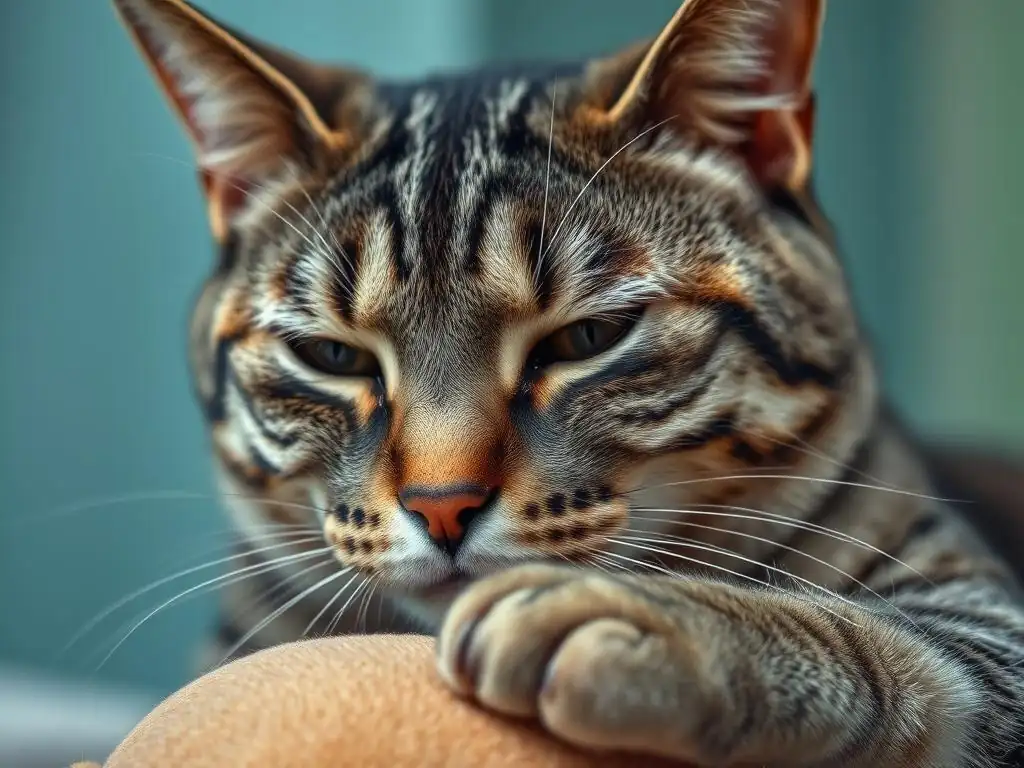
Welcome to PetCareWorld, your ultimate guide to a happier, healthier life for your beloved pets! Are you noticing subtle shifts in your cat's behavior? Understanding cat kidney disease behavior changes is crucial for early detection and intervention. Discover how seemingly minor alterations can signal a serious health concern and learn what steps you can take to provide the best possible care. Dive in and explore the vital information awaiting you within!
- Understanding Chronic Kidney Disease (CKD) in Cats
-
Key Behavioral Changes to Watch For in Cats with Kidney Disease
- Increased Thirst and Urination in Cats with CKD
- Changes in Appetite and Eating Habits in Cats with Kidney Disease
- Lethargy and Decreased Activity Levels in Cats with CKD
- Changes in Litter Box Habits: Frequency and Accidents
- Increased Aggression or Irritability in Cats with Kidney Disease
- Hiding Behavior and Social Withdrawal in Cats with CKD
- Unusual Vocalizations: Meowing, Yowling, or Whining
- Increased Thirst and Urination: A Subtle Sign of Kidney Failure
- Changes in Appetite and Eating Habits: A Warning Sign
- Lethargy and Increased Sleep: A Sign of Reduced Energy
- Connecting Behavioral Changes to Kidney Disease Diagnosis
- Managing Behavioral Changes Associated with Feline CKD
- Prognosis and Long-Term Management of CKD in Cats
-
Frequently Asked Questions
- What are the common behavioral changes seen in cats with kidney disease?
- How can I tell if my cat's behavioral changes are due to kidney disease?
- My cat is suddenly more vocal. Could this be related to kidney disease?
- Are there specific behavioral changes that indicate advanced kidney disease?
- What should I do if I suspect my cat has kidney disease based on behavioral changes?
- Final Reflection: Understanding the Silent Suffering of Feline CKD
- Unlock Your Cat's Health Secrets: Take Action Today!
Understanding Chronic Kidney Disease (CKD) in Cats
Chronic kidney disease (CKD), also known as chronic renal failure, is a progressive and often insidious condition affecting cats. It's characterized by a gradual decline in kidney function, impacting the body's ability to filter waste products from the blood. This seemingly simple physiological disruption has profound consequences, manifesting in a range of noticeable and subtle behavioral changes in your feline companion.
Understanding these behavioral shifts is crucial for early diagnosis and management of CKD, ultimately improving your cat's quality of life and extending their lifespan. This article will delve into the specific behavioral changes associated with feline CKD, equipping you with the knowledge to recognize the signs and seek veterinary care promptly.
Early detection is key in mitigating the severity of this often-fatal disease, so let's explore the subtle and more pronounced behavioral indicators of cat kidney disease. We'll examine how changes in behavior can serve as important warning signs for pet owners, enabling proactive intervention and improved outcomes for cats suffering from this prevalent condition.
Early Stages of Feline CKD: Subtle Behavioral Shifts
In the early stages of CKD, the disease often progresses silently, with few outwardly visible symptoms. However, astute cat owners may notice subtle shifts in their pet's behavior. These changes can be easily overlooked, often attributed to aging or minor inconveniences. However, they are crucial indicators that warrant veterinary attention.
Some early behavioral signs of feline CKD include:
- Increased thirst and urination: While seemingly simple, an increased need to drink water (polydipsia) and urinate (polyuria) is a common early symptom. You might notice your cat drinking from water sources more frequently or using the litter box more often. Keep a close eye on water and litter box usage patterns to detect any deviations from the norm.
- Changes in appetite: Some cats with early CKD may experience a decreased appetite (anorexia), while others may exhibit increased appetite. Weight loss or gain, even without significant changes in food intake, should be monitored.
- Lethargy and decreased activity: A gradual decrease in energy levels and playfulness can be subtle but significant. Observe if your cat is sleeping more than usual or showing less interest in its favorite activities. A once playful cat becoming noticeably less active should raise a red flag.
- Increased grooming: While some increased grooming is normal, excessive grooming can indicate discomfort or underlying issues. Monitor your cat's grooming habits for any significant changes.
It's vital to remember that these early signs are often subtle. A seemingly minor change in behavior could be an early indication of CKD. Regular veterinary check-ups, including blood and urine tests, are essential for early detection and management.
Advanced CKD: More Noticeable Changes in Cat Behavior
As CKD progresses, the behavioral changes become more pronounced and distressing, impacting your cat's overall well-being. These changes are often more obvious and cannot be easily ignored.
In advanced CKD, you may observe:
- Significant changes in appetite: Appetite loss can become severe, leading to weight loss and malnutrition. Cats may refuse to eat even their favorite foods.
- Marked lethargy and weakness: The cat may become significantly less active, spending most of the time sleeping or resting. Weakness and difficulty moving may also become evident.
- Changes in urination and defecation habits: Urinary incontinence or increased frequency of urination may occur. Changes in defecation patterns, such as constipation or diarrhea, are also possible.
- Behavioral changes: Your cat might exhibit unusual behaviors, such as vocalization, aggression, hiding, or changes in litter box habits. These changes can be deeply concerning and distressing for both the cat and the owner.
- Neurological signs: In advanced stages, neurological signs, such as seizures or disorientation, may occur due to the buildup of toxins in the blood.
These more obvious behavioral shifts often indicate a serious stage of CKD. Immediate veterinary intervention is crucial to manage the symptoms, improve the cat's comfort, and potentially prolong its life. Don't hesitate to seek veterinary help if you notice these significant behavioral changes in your cat. Early intervention, even in advanced stages, can improve the prognosis.
Key Behavioral Changes to Watch For in Cats with Kidney Disease

Chronic kidney disease (CKD) in cats, also known as chronic renal failure (CRF), significantly impacts their overall health and well-being. While many physical symptoms exist, subtle and often overlooked behavioral changes can be early indicators of this debilitating disease. Understanding these behavioral shifts is crucial for early diagnosis and intervention, improving your cat's quality of life. Early detection of "Cat kidney disease behavior changes" can significantly impact treatment outcomes. This section details some of the most common behavioral alterations observed in cats suffering from CKD. Recognizing these signs can help you seek veterinary care promptly, potentially slowing disease progression.
Increased Thirst and Urination in Cats with CKD
One of the earliest and most noticeable signs of CKD in cats is a significant increase in water consumption (polydipsia) and urination (polyuria). This is because damaged kidneys are less efficient at concentrating urine, leading to increased urine production. Your cat may exhibit this through:
- Frequent trips to the water bowl: Observe how often your cat drinks. A noticeable increase compared to their usual habits is a red flag.
- Increased urination frequency: You might find your cat using the litter box more often than normal, potentially even outside the box due to urgency.
- Larger volumes of urine: The urine itself may appear more dilute.
- Nocturnal urination: Some cats with CKD start urinating more frequently at night, disrupting sleep for both the cat and the owner.
Quantifying these changes can be beneficial. Keep a log for a week, noting the number of times your cat drinks and uses the litter box, as well as the approximate volume of urine produced (if possible). This data can be invaluable when discussing your cat's condition with your veterinarian. This meticulous observation can be the key to early detection of "Cat kidney disease behavior changes" related to fluid balance.
Changes in Appetite and Eating Habits in Cats with Kidney Disease
As CKD progresses, cats often experience changes in their appetite and eating habits. This can manifest in several ways:
- Decreased appetite (anorexia): Loss of appetite is a common symptom. Your cat may simply eat less than usual, or refuse food altogether. This can lead to weight loss, further weakening their already compromised system.
- Changes in food preferences: Your cat might suddenly show a preference for different types of food, or become pickier about what they eat. They might develop a sudden aversion to their usual diet.
- Vomiting: Kidney disease can cause nausea and vomiting, further decreasing food intake and leading to malnutrition.
- Weight loss: Significant weight loss, even without a decrease in appetite, is a serious warning sign.
It's crucial to monitor your cat's food intake and weight regularly. Weigh your cat weekly to detect even subtle changes. If you observe any significant changes in their eating habits, consult your veterinarian immediately. These shifts in appetite and eating behavior represent another facet of "Cat kidney disease behavior changes" demanding attention.
Lethargy and Decreased Activity Levels in Cats with CKD
As kidney function declines, cats often become lethargic and less active. This is due to the buildup of toxins in the bloodstream, which causes fatigue and weakness. Observe these potential indicators:
- Increased sleeping: Your cat may sleep significantly more than usual, showing less interest in play or interaction.
- Reduced grooming: A well-groomed cat suddenly neglecting its grooming routine could signal underlying illness.
- Difficulty jumping or climbing: Cats with CKD may struggle with activities that require physical exertion, such as jumping onto furniture or climbing stairs.
- Hiding: Some cats become withdrawn and prefer to hide more often, avoiding interaction with their owners.
These behavioral shifts are often subtle, easily overlooked as simple aging or personality changes. However, combined with other symptoms, they paint a clearer picture of potential kidney disease. Monitoring your cat's activity levels and comparing them to their usual behavior can help you identify these important "Cat kidney disease behavior changes". Early intervention is key, and recognizing these subtle shifts can make all the difference. 😻
Changes in Litter Box Habits: Frequency and Accidents
Cats with chronic kidney disease (CKD) often experience changes in their litter box habits. This can manifest in several ways. Increased frequency of urination is a common symptom, as the kidneys struggle to efficiently concentrate urine. This leads to the need to urinate more often, potentially resulting in accidents outside the litter box.
The cat may also exhibit straining or difficulty urinating due to bladder irritation or inflammation frequently associated with CKD. Furthermore, changes in urine volume and appearance – such as increased volume or cloudy, bloody, or foul-smelling urine – should be noted and reported to a veterinarian immediately. These changes aren't just about inconvenience; they are crucial indicators of the disease's progression and potential complications, such as urinary tract infections. Monitoring litter box usage is a vital part of early detection and management of CKD in cats.
Keep a close eye on the frequency, volume, and characteristics of your cat's urination. Any deviation from the norm warrants a veterinary checkup. Regular veterinary visits, even if your cat seems otherwise healthy, are crucial for early detection and management of this potentially life-threatening condition. Early diagnosis and treatment are key to improving the cat's quality of life and extending their lifespan.
Increased Aggression or Irritability in Cats with Kidney Disease
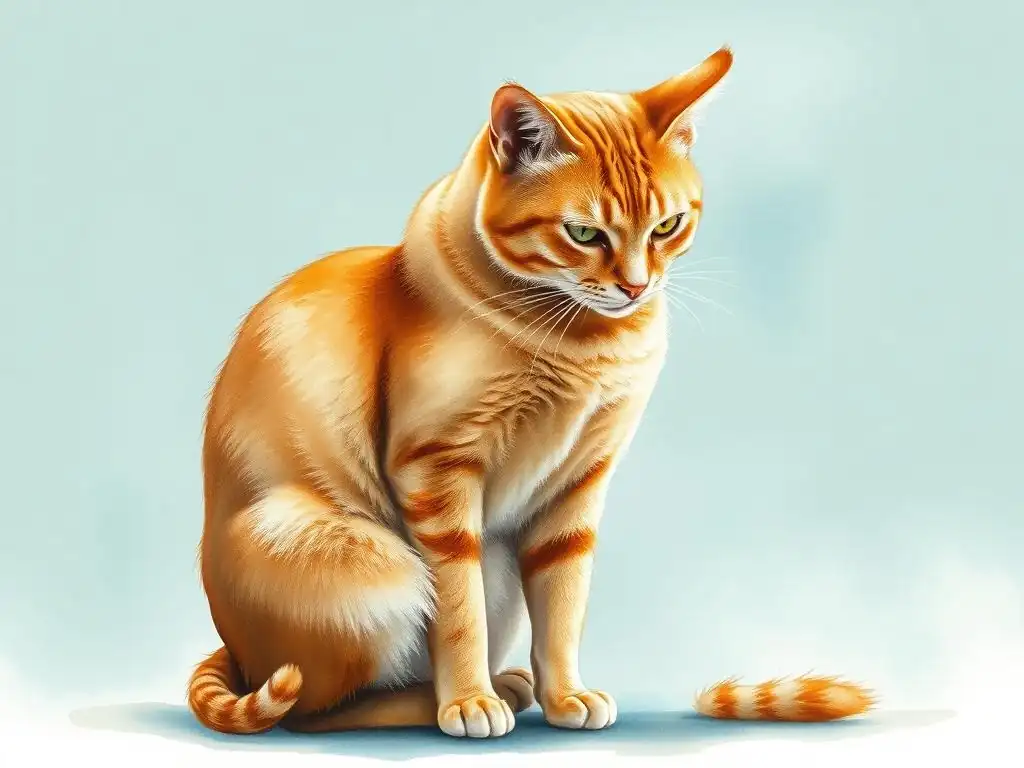
The discomfort and pain associated with CKD can significantly alter a cat's temperament. Many cats with kidney disease become more irritable and aggressive than usual. This change in behavior isn't a sign of malice; it's often a manifestation of their physical discomfort. Pain from uremic toxins building up in the body, coupled with potential inflammation in the urinary tract, can lead to increased sensitivity and a lower pain threshold.
Simple petting or handling might trigger an aggressive response. Even routine activities, like grooming, might become sources of discomfort and frustration. Additionally, the hormonal imbalances often associated with CKD can also contribute to mood swings and behavioral changes. The subtle shifts in behavior, such as increased hissing, swatting, or biting, are often early warning signs.
It is important to remember that this aggression is often a symptom of underlying pain and discomfort, not a deliberate act of defiance. Understanding this crucial distinction allows owners to approach the situation with patience and compassion, prioritizing veterinary care to alleviate the cat's suffering. Providing a quiet and comfortable environment can also help minimize stress and reduce the frequency of aggressive episodes.
As CKD progresses, cats may exhibit a marked increase in hiding behavior and social withdrawal. This isn't simply laziness; it's often a sign of significant discomfort and illness. The cat may seek out dark, quiet places to rest, avoiding interaction with their human companions or other pets. This withdrawal can be attributed to several factors, including pain, nausea, and general malaise associated with uremia (a build-up of waste products in the blood).
The cat's reduced energy levels and overall weakness further contribute to their desire to isolate themselves. They may simply lack the energy to engage in playful activities or social interactions. This behavioral change is a clear indication that something is seriously wrong. It's not just a matter of the cat being "grumpy"; it's a crucial sign that they are suffering and need immediate veterinary attention.
Observing these subtle shifts in behavior, such as increased time spent hiding and reduced interest in previously enjoyed activities, is critical for early diagnosis and intervention. Prompt veterinary care can significantly improve the cat's comfort level and quality of life, even in advanced stages of CKD. Providing a safe and comfortable space for your cat to retreat to, while also ensuring regular veterinary check-ups, is essential in managing this aspect of the disease.
Unusual Vocalizations: Meowing, Yowling, or Whining
Cats with kidney disease often experience changes in their vocalizations. A normally quiet cat might suddenly become excessively vocal, exhibiting increased meowing, yowling, or whining. This isn't simply a matter of increased frequency; the character of the vocalizations often changes as well. Instead of the usual short, soft meows associated with attention-seeking, a cat with kidney disease might produce longer, louder, and more insistent calls. This change in vocalization is often linked to pain, discomfort, or a general feeling of unease stemming from the disease's impact on their bodies.
The increased vocalization can be particularly noticeable at night, potentially disrupting the sleep of their owners. It's crucial to note that while increased vocalization is a potential symptom, it's not diagnostic on its own. Other underlying health issues can also cause vocal changes, highlighting the importance of a thorough veterinary examination. The severity and frequency of the vocalizations can vary depending on the stage of the kidney disease and the cat's overall health.
For instance, a cat in the later stages of chronic kidney disease might exhibit constant, mournful yowling, whereas a cat in the earlier stages might only show occasional bouts of increased meowing. Paying close attention to the nuances of your cat's vocalizations—the pitch, tone, duration, and context—can provide valuable insights into their comfort level and overall well-being. This careful observation, combined with regular veterinary check-ups, is vital for effective management of feline kidney disease. Don't dismiss changes in your cat's meows as simply a quirk; they could be a crucial indicator of a serious health problem.
Increased Thirst and Urination: A Subtle Sign of Kidney Failure
While increased thirst and urination are classic signs of kidney disease in cats, their behavioral manifestations are often subtle and easily overlooked. The increased thirst leads to more frequent drinking, which can be observed as increased time spent at the water bowl or even attempts to drink from unusual sources like puddles or toilet bowls. This increased water intake directly contributes to increased urination, resulting in more frequent trips to the litter box. The behavioral changes associated with this are less obvious than other symptoms but can still provide clues.
For instance, a cat might show signs of frustration or discomfort if access to water or the litter box is restricted or inconvenient. They might meow or paw at the water bowl more urgently or become more insistent about using the litter box, exhibiting signs of agitation if unable to do so immediately. The change in urination habits can also lead to accidents outside the litter box, a behavior that can be distressing for both the cat and the owner. Increased urination can also lead to a change in the cat's overall grooming habits; they might spend more time cleaning themselves to alleviate discomfort caused by the increased urination.
Therefore, observing subtle changes in your cat's drinking and bathroom habits, even seemingly minor ones, is essential for early detection and management of kidney disease. It is important to remember that increased thirst and urination are not exclusive to kidney disease, and other underlying conditions might exhibit similar symptoms. A veterinary check-up is crucial to rule out other potential issues.
Changes in Appetite and Eating Habits: A Warning Sign
Changes in appetite and eating habits can be significant indicators of kidney disease in cats. These changes aren't always dramatic; they can be subtle shifts that are easily missed unless you pay close attention to your cat's daily routines. A cat with kidney disease might exhibit decreased appetite, leading to weight loss and a generally thinner appearance. This reduced food intake isn't always due to a lack of hunger; it can be caused by nausea, vomiting, or simply a decreased enjoyment of food due to the disease's effects on their sense of taste and smell.
Some cats may show increased preference for certain types of food, possibly due to changes in taste perception or a desire for more palatable options. Conversely, some cats might exhibit increased appetite initially, compensating for nutrient loss or feeling the need to consume more to maintain energy levels. However, this increased appetite usually doesn't translate to weight gain, as the body struggles to absorb nutrients efficiently. Other behavioral changes associated with altered eating habits include increased fussiness with food, rejection of previously favored foods, or even attempts to steal food from other pets or even humans.
The cat might also exhibit a decreased interest in mealtimes, preferring to graze throughout the day instead of eating scheduled meals. These alterations in eating patterns can significantly impact the cat's overall health and well-being, emphasizing the need for careful observation and prompt veterinary intervention. The specific changes in appetite and eating habits can vary greatly depending on the stage of the kidney disease and the cat's individual response to the illness.
Lethargy and Increased Sleep: A Sign of Reduced Energy
Cats with kidney disease often display significant lethargy and increased sleep. This isn't just a matter of occasional naps; it's a noticeable decrease in overall activity levels and a marked increase in the amount of time spent sleeping. A normally playful and active cat might become significantly less energetic, spending most of their day resting or sleeping. This lethargy is a direct consequence of the kidney's reduced ability to filter toxins from the blood. The accumulation of toxins leads to fatigue, weakness, and a general feeling of malaise, resulting in the cat's preference for rest.
The increased sleep isn't always restful; the cat might wake up frequently, appearing disoriented or restless. This can lead to behavioral changes such as increased vocalization during the night or attempts to seek comfort and attention from their owners more frequently than usual. The cat's previously enjoyed activities, like playing with toys or interacting with other pets, might become less appealing or even entirely avoided. The level of lethargy varies depending on the stage of the kidney disease.
In the early stages, the increase in sleep might be subtle, only noticeable to attentive owners. However, as the disease progresses, the lethargy becomes increasingly pronounced, with the cat possibly sleeping for most of the day and exhibiting minimal activity even when stimulated. Recognizing this behavioral change is crucial for early diagnosis and intervention, as it can indicate a serious decline in the cat's overall health. A veterinarian can help determine the underlying cause and recommend appropriate treatment options.
Connecting Behavioral Changes to Kidney Disease Diagnosis

Chronic kidney disease (CKD) in cats often manifests subtly, with behavioral changes frequently preceding noticeable physical symptoms. Understanding these behavioral shifts is crucial for early detection and intervention, improving the cat's quality of life and potentially extending its lifespan. Many cat owners initially attribute these changes to aging or minor personality quirks, delaying crucial veterinary intervention. However, recognizing the subtle signs can make a significant difference.
This section will explore the connection between specific behavioral alterations and the progression of feline CKD. Early identification of these behavioral changes, often subtle at first, is paramount in managing feline CKD effectively. The earlier the diagnosis, the better the chances of slowing disease progression and improving the cat's overall well-being.
Importance of Veterinary Examination for Behavioral Changes
Observing behavioral changes in your cat, such as increased thirst or urination, lethargy, or changes in appetite, is a critical first step. However, these symptoms alone are not definitive indicators of CKD. Many other conditions can present with similar symptoms. Therefore, a thorough veterinary examination is absolutely essential. The veterinarian will perform a comprehensive physical exam, paying close attention to the cat's hydration status, body condition, and overall health.
They will also consider the cat's history, including age, breed, and any pre-existing conditions. Remember, a timely veterinary visit is crucial for accurate diagnosis and appropriate management of any health issue, including suspected kidney disease. Don't delay seeking professional help if you notice any concerning behavioral changes in your feline companion. Ignoring these signs could lead to irreversible damage and a decline in your cat's health. Early diagnosis is key to effective treatment and improved long-term prognosis.
Diagnostic Tests for Confirming CKD in Cats
Following a physical examination, your veterinarian will likely recommend several diagnostic tests to confirm a diagnosis of CKD and assess its severity. These tests are crucial for determining the extent of kidney damage and guiding treatment decisions. Common diagnostic tests include:
- Blood tests: These are essential for measuring blood urea nitrogen (BUN) and creatinine levels, key indicators of kidney function. Elevated BUN and creatinine levels suggest impaired kidney function. Furthermore, blood tests can help identify other abnormalities, such as anemia or electrolyte imbalances, which are often associated with CKD.
- Urinalysis: A urinalysis examines the composition of your cat's urine, providing valuable information about kidney function and the presence of any infections or other abnormalities. This test can reveal proteinuria (protein in the urine), which is a common sign of kidney damage.
- Imaging studies: In some cases, imaging studies such as ultrasound may be used to visualize the kidneys and assess their size and structure. This can help determine the extent of kidney damage and identify any other abnormalities.
The results of these tests, combined with the cat's clinical signs and history, will allow your veterinarian to reach an accurate diagnosis and develop a personalized treatment plan. Remember, early and accurate diagnosis is vital for effective management of feline CKD and improving your cat's quality of life. Don't hesitate to ask your veterinarian any questions you may have about the testing process and the results. Understanding your cat's condition is crucial for providing the best possible care.
Managing Behavioral Changes Associated with Feline CKD
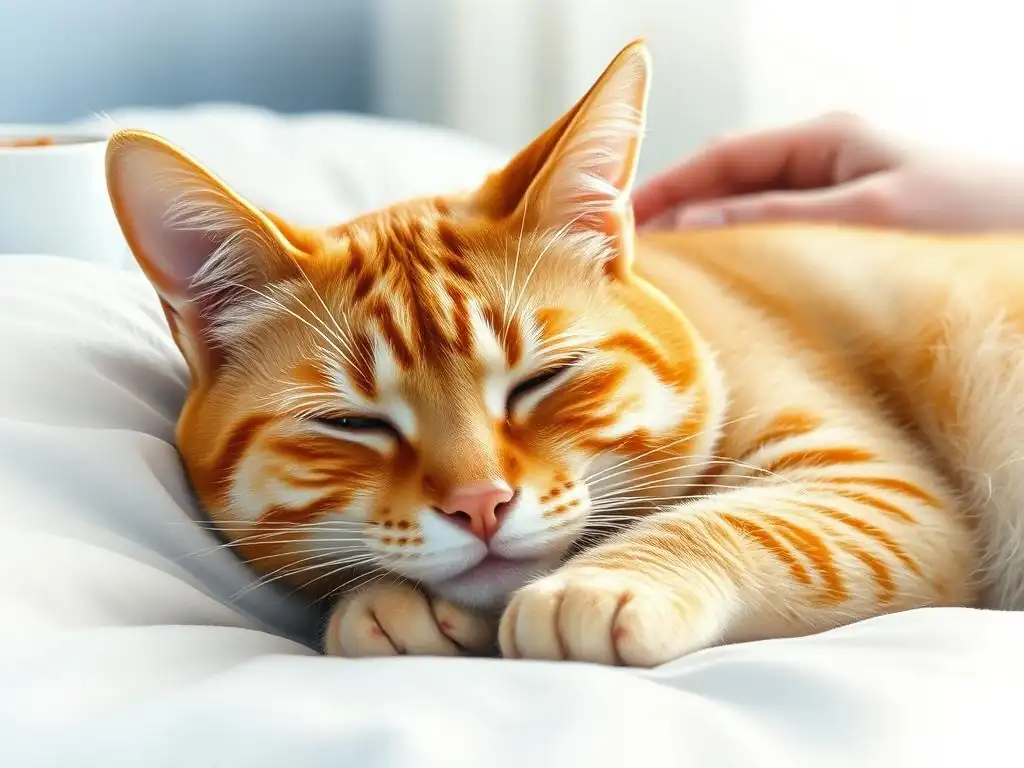
Chronic kidney disease (CKD) in cats significantly impacts their behavior, often manifesting as subtle shifts that can easily be overlooked. Early detection of these behavioral changes is crucial for effective management and improving the cat's quality of life. Understanding the connection between feline CKD and behavioral alterations allows pet owners to provide appropriate support and address potential issues proactively.
This section focuses on practical strategies for managing these behavioral changes, enhancing comfort, and maintaining a positive relationship with your feline companion during this challenging period. Recognizing the subtle signs of cat kidney disease behavior changes is paramount in ensuring timely veterinary intervention and improving the cat's overall well-being.
Dietary Adjustments for CKD Cats: Impact on Behavior
Dietary modifications are a cornerstone of CKD management in cats. Changes in appetite and food preferences are common, often related to nausea, reduced taste sensitivity, or gastrointestinal discomfort associated with the disease. A carefully formulated prescription diet, specifically designed for CKD, is vital. These diets typically contain lower phosphorus and protein levels, crucial for slowing disease progression. However, a sudden shift in diet can lead to decreased food intake and even behavioral changes such as increased vocalization or agitation.
The transition to a new diet should be gradual, mixing the new food with the old gradually over a period of 7-10 days. This allows the cat's digestive system to adapt and minimizes the likelihood of negative behavioral responses. Monitoring food intake closely is essential.
If appetite remains poor despite dietary adjustments, veterinary consultation is crucial to rule out other underlying issues or explore appetite stimulants. Offering small, frequent meals rather than large portions can often improve food intake. Paying close attention to your cat’s cat kidney disease behavior changes related to food will help you understand its preferences and adjust accordingly.
Some cats with CKD may develop a preference for certain types of food textures or flavors. Experimenting with different palatable options, such as warmed food or adding a small amount of low-sodium broth, can sometimes encourage better food intake. Always consult your veterinarian before making any significant changes to your cat's diet, as inappropriate dietary choices can exacerbate CKD.
Medication and Treatment: Influence on Cat's Behavior
Medication plays a crucial role in managing CKD symptoms and slowing disease progression. However, some medications can have side effects that affect a cat's behavior. For example, certain medications might cause drowsiness, lethargy, or changes in appetite. Others may lead to increased thirst and urination, potentially causing frustration or discomfort for the cat. Monitoring your cat's response to medication is crucial. Note any behavioral changes, such as increased aggression, anxiety, or unusual sleeping patterns, and report them to your veterinarian immediately.
Regular veterinary check-ups are essential to monitor the effectiveness of medication and adjust the treatment plan as needed. The veterinarian might suggest adjusting the dosage or switching to an alternative medication if side effects are significant or if the medication isn't effectively managing the disease. Understanding the potential side effects of medication and recognizing any cat kidney disease behavior changes related to them is vital for providing the best possible care for your cat. Open communication with your veterinarian is critical for managing both the disease and its associated behavioral impacts.
Environmental Enrichment and Stress Reduction for CKD Cats
Environmental enrichment plays a significant role in improving the quality of life for cats with CKD. Chronic illness can cause stress, anxiety, and behavioral changes. Creating a calm and comfortable environment can significantly benefit your cat's well-being. This includes providing a quiet, safe space where your cat can retreat when feeling unwell or stressed. Access to comfortable bedding, scratching posts, and interactive toys can help reduce boredom and anxiety.
Regular play sessions can help maintain physical and mental stimulation. However, it's crucial to adjust the intensity and duration of play sessions based on your cat's energy levels, which might be reduced due to the disease. Consider low-impact activities like gentle feather wand play or puzzle feeders. Reducing stressors in the environment, such as loud noises or unfamiliar visitors, is equally important.
A consistent routine and predictable environment can help create a sense of security and reduce anxiety. Creating a supportive and enriching environment contributes to a more positive experience for cats experiencing cat kidney disease behavior changes. Remember, even small adjustments can significantly impact your cat's comfort and overall well-being.
Prognosis and Long-Term Management of CKD in Cats
Chronic kidney disease (CKD) in cats is a progressive condition, meaning it worsens over time. Unfortunately, there's no cure, but with proper management, you can significantly improve your cat's quality of life and extend their lifespan. The prognosis for a cat with CKD depends on several factors, including the stage of the disease at diagnosis, the severity of the symptoms, and the cat's overall health.
Early detection and intervention are crucial for better outcomes. A veterinarian will assess your cat's condition through blood tests (measuring creatinine and BUN levels), urine analysis, and possibly an ultrasound. These tests help determine the stage of CKD and guide treatment decisions.
The progression of CKD varies considerably between individual cats. Some cats may experience a slow, gradual decline, while others may experience a more rapid deterioration. Regular veterinary check-ups are vital for monitoring kidney function and adjusting treatment as needed. These check-ups often involve repeat blood and urine tests to track the disease's progression and assess the effectiveness of the treatment plan. Early detection, through proactive veterinary care and awareness of subtle behavioral changes, can significantly influence the prognosis.
Maintaining Quality of Life for Cats with Kidney Disease
Managing CKD in cats focuses heavily on improving and maintaining their quality of life. This involves a multifaceted approach encompassing dietary changes, fluid therapy, and supportive care. A specialized renal diet, low in phosphorus and protein, is often prescribed to reduce the burden on the kidneys.
Increased water intake is also crucial to help flush out toxins and maintain hydration. This can be achieved through encouraging water consumption with fresh, clean water sources and potentially adding water to their food. Some cats may benefit from subcutaneous fluid therapy (administered under the skin at home), which provides a more efficient way to increase hydration.
Beyond dietary and fluid management, pain management is essential. Cats with advanced CKD can experience pain and discomfort. Veterinarians can prescribe appropriate pain medications to alleviate suffering and improve comfort. Regular grooming, gentle handling, and a quiet, stress-free environment are also vital components of supportive care. Monitoring for signs of depression or lethargy and addressing these proactively can significantly improve the cat's overall well-being. Remember, the goal is to make your cat as comfortable as possible throughout the course of their disease. Even small adjustments can make a huge difference in their daily happiness.
Supporting Your Cat Through CKD: Patience and Understanding
Living with a cat diagnosed with CKD requires patience, understanding, and a commitment to consistent care. The disease can be emotionally challenging for both the cat and the owner. It's important to recognize that your cat's behavior may change as the disease progresses. This can manifest as increased thirst (polydipsia), increased urination (polyuria), lethargy, loss of appetite, weight loss, or changes in coat condition. These changes can be subtle at first, making early detection challenging. But understanding these potential behavioral shifts is crucial for early intervention.
Providing a loving and supportive environment is paramount. This means maintaining a consistent routine, offering plenty of rest, and minimizing stressful situations. Positive reinforcement and gentle handling can help alleviate anxiety and improve your cat's overall mood. Open communication with your veterinarian is key. Don't hesitate to ask questions, express concerns, and seek guidance on managing your cat's condition.
Remember, you're not alone in this journey. Support groups and online communities dedicated to feline CKD can provide valuable resources, emotional support, and practical advice from other owners facing similar challenges. The journey with a cat suffering from CKD requires dedication and compassion, but with the right approach, you can provide your feline companion with a comfortable and loving life, even with this challenging condition. 😻
Frequently Asked Questions
What are the common behavioral changes seen in cats with kidney disease?
Cats with kidney disease may exhibit lethargy and decreased activity levels. They might also show changes in appetite, including decreased food intake or increased thirst and urination. Changes in litter box habits are also frequently observed.
How can I tell if my cat's behavioral changes are due to kidney disease?
It's crucial to consult a veterinarian for proper diagnosis. While behavioral changes can indicate kidney disease, they can also stem from other health issues. A thorough examination is necessary to determine the underlying cause.
Yes, increased vocalization can be a sign. Pain, discomfort, or changes in cognitive function associated with kidney disease can cause cats to meow more frequently or differently than usual. This is particularly important to monitor.
Are there specific behavioral changes that indicate advanced kidney disease?
In advanced stages, cats may show significant lethargy, weight loss, and dehydration. They might become more withdrawn and less interactive. Changes in grooming habits are also possible.
What should I do if I suspect my cat has kidney disease based on behavioral changes?
Schedule an immediate appointment with your veterinarian. Early detection and treatment are crucial for managing kidney disease and improving your cat's quality of life. Provide detailed information about the observed behavioral shifts.
Final Reflection: Understanding the Silent Suffering of Feline CKD
The subtle behavioral shifts in cats with Chronic Kidney Disease (CKD) are often overlooked, leading to delayed diagnosis and compromised quality of life. Early detection is crucial, and recognizing these changes can mean the difference between managing the disease effectively and facing a more difficult prognosis. This understanding is not just about veterinary care; it's about building a stronger bond with our feline companions.
The emotional toll of witnessing a beloved cat struggle with CKD is immense. It's a silent battle, often masked by their inherent stoicism, making it all the more important to be vigilant observers of their subtle changes. The best way to find yourself is to lose yourself in the service of others.
While not directly about CKD, this quote speaks to the profound connection we share with our pets, and the responsibility we have to understand and respond to their needs, even the unspoken ones. The journey of caring for a cat with CKD is a testament to this bond, demanding patience, understanding, and unwavering love.
Now, consider your own cat. Have you noticed any changes in their behavior, however small? Are they drinking more water, using the litter box differently, or perhaps less playful than before? Don't dismiss these as simple quirks; they could be vital clues. Take the time to observe your feline friend closely, and if you have any concerns, schedule a veterinary appointment. Early intervention can significantly improve your cat's comfort and extend their precious time with you. Let's work together to ensure that our feline companions live long, happy, and healthy lives.
Unlock Your Cat's Health Secrets: Take Action Today!
Thank you for learning about the subtle behavioral changes that can indicate kidney disease in cats. Recognizing these signs is crucial for your cat's well-being. Let's put this knowledge to work!
- Schedule a veterinary checkup: This is the most important step. Even if your cat appears healthy, a proactive checkup allows your veterinarian to detect early signs of kidney disease and implement preventative measures.
- Spread the word: Share this information with other cat owners! Help protect other cats by sharing this article on social media or emailing it to your friends.
- Learn more: Explore PetCareWorld.org for additional articles and resources dedicated to feline health and well-being.
Ready to give your cat the best possible care? What will you do today to ensure their long-term health?