
DIY Dog Toys for Small Breeds: Safe and Fun Projects from Recycled Items

Welcome to PetCareWorld, your ultimate guide to a happier, healthier life for your beloved companion! Are you ready to unleash your creativity and save money? Discover how to craft amazing, DIY small dog toys recycled from everyday household items – safe, stimulating, and surprisingly simple to make! Dive into our "Creative Pet Projects & DIY" section and unlock a world of fun projects that will delight both you and your furry friend. Let's get crafting!
- Introduction: The Benefits of DIY Dog Toys for Small Breeds
- Easy DIY Small Dog Toys from Recycled Materials: Step-by-Step Tutorials
- Advanced DIY Small Dog Toys: More Challenging Projects
- Maintaining and Replacing Your DIY Small Dog Toys
- Conclusion: Embrace Sustainable and Affordable Pet Care with DIY Dog Toys
- Affiliate Links & Recommended Products (for enhanced durability and safety)
-
Frequently Asked Questions
- What materials are best for DIY small dog toys using recycled items?
- How do I ensure my recycled DIY dog toy is safe for my small dog?
- Are there any recycled materials I should avoid using for dog toys?
- What are some simple DIY small dog toy ideas using recycled materials?
- How can I make sure my recycled dog toy is durable enough for a small, enthusiastic chewer?
- Final Reflection: The Enduring Joy of Recycled Play
- Unleash Your Inner Craft Genius: Make Your Pup's Day!
Introduction: The Benefits of DIY Dog Toys for Small Breeds
Creating your own dog toys offers a multitude of advantages, especially for small breeds. It allows for complete control over the materials used, ensuring safety and durability tailored to your tiny companion's needs. This is particularly crucial for small dogs, who are often more prone to injury from poorly constructed or unsafe commercial toys. Furthermore, crafting your own toys can be a fun and rewarding experience, strengthening the bond between you and your furry friend.
This guide focuses on utilizing recycled materials to build engaging and safe toys for small dogs, promoting sustainability and saving you money while enriching your pet’s life. We'll explore various simple yet effective DIY projects, emphasizing safety precautions and material selection to guarantee a fun and enriching experience for your small dog. Learn how to transform everyday discarded items into stimulating and long-lasting playthings, perfectly sized for your petite pooch! 🎉
Why Choose Recycled Materials for Small Dog Toys? Sustainability and Cost Savings
Using recycled materials for your small dog's toys offers significant benefits beyond simply being environmentally friendly. It's a fantastic way to reduce waste and contribute to a more sustainable lifestyle. Think about all those old t-shirts, cardboard boxes, and plastic bottles piling up! Instead of discarding them, you can repurpose them into engaging toys for your dog. This drastically reduces your environmental footprint and promotes responsible pet ownership.
Beyond the environmental advantages, crafting toys from recycled materials is significantly more economical than buying new toys regularly. You’ll save money while keeping your furry friend entertained. The cost savings can be substantial over time, especially considering how quickly small dogs can destroy store-bought toys. This approach is both budget-friendly and planet-friendly—a win-win for you and your pet! 🌎
Safety First: Avoiding Hazards in Homemade Dog Toys for Small Breeds
Safety should be the paramount concern when making DIY dog toys, particularly for small breeds. Small dogs are more susceptible to injuries from swallowing small parts or getting entangled in loose strings. Therefore, meticulous attention to detail is crucial. Avoid using materials that could easily break into small, ingestible pieces.
For example, completely avoid using materials like styrofoam, which can be extremely dangerous if ingested. Always supervise your dog while they play with any homemade toy, and regularly inspect the toy for any signs of wear and tear. Replace or repair damaged toys immediately to prevent potential hazards. Remember, a small tear or loose thread in a toy designed for a small dog presents a significant risk.
Thoroughly inspect all materials before beginning construction, removing any sharp edges or loose components. Prioritize durable, non-toxic materials that can withstand rigorous chewing. Remember, a happy and safe dog is a healthy dog! 🐶
Choosing the Right Materials: Recycled Fabrics, Cardboard, and More
The beauty of DIY dog toys lies in the versatility of materials. Many household items can be transformed into fun and stimulating toys. Old t-shirts and socks can be repurposed into durable tug toys or knotted balls. Cardboard tubes from toilet paper rolls or paper towel rolls can be turned into engaging puzzle feeders or hiding places for treats.
Plastic bottles (ensure they are thoroughly cleaned and devoid of any harmful chemicals) can be used to create interactive toys, although extreme caution is needed to avoid sharp edges. Before using any recycled material, always ensure it's thoroughly cleaned and free from any potentially harmful substances. Avoid using materials that are easily shredded into small pieces that your dog could potentially swallow. Consider the texture and durability of the materials; some small breeds are particularly aggressive chewers, requiring extra robust toys.
Experiment with different materials to discover what your dog enjoys most! Remember to prioritize safety and durability in your material choices. ♻️
Easy DIY Small Dog Toys from Recycled Materials: Step-by-Step Tutorials
This section provides detailed instructions and safety tips for creating engaging and safe DIY toys for small dog breeds using recycled materials. We'll focus on projects that are easy to make, even for beginners, and utilize readily available household items. Remember to always supervise your small dog during playtime with any homemade toy.
Project 1: No-Sew Fleece Toys for Teething Puppies
This project is perfect for teething puppies, offering a soft, safe, and stimulating toy made entirely from recycled fleece scraps. The no-sew design makes it incredibly simple and quick to create, minimizing your time commitment while maximizing your pup's enjoyment. Remember, always check the toy for any loose threads or potential hazards before giving it to your puppy.
Materials Needed: Fleece Scraps, Scissors, Optional: Stuffing (recycled cotton)
- Fleece Scraps: Gather various colors and patterns of soft fleece fabric scraps. Old sweaters, blankets, or even unwanted clothing items work perfectly. Aim for scraps at least 6 inches square.
- Scissors: A sharp pair of scissors is essential for clean cuts.
- Optional Stuffing (recycled cotton): Old cotton t-shirts or towels can be cut into small pieces and used as stuffing for added texture and durability. This adds an extra layer of fun and encourages your puppy to use their paws and mouth to explore the toy.
Step-by-Step Instructions with Pictures
- Cut the Fleece: Cut two identical squares of fleece, approximately 6 inches by 6 inches. Larger or smaller squares can be used depending on your puppy's size and chewing habits. Remember, smaller is better for very small breeds to prevent accidental swallowing.
- Layer the Fleece: Lay the two fleece squares on top of each other, with the patterned sides facing inward.
- Cut the Corners: Cut a small square from each corner of the layered fleece, approximately 1 inch by 1 inch. This will create rounded edges and prevent sharp points that could irritate your puppy's mouth.
- Optional Stuffing: If using stuffing, place a small amount of recycled cotton in the center of the layered squares.
- Tie the Knots: Tie the fleece squares together tightly using a secure knot at each corner. You can use a simple overhand knot or a more secure square knot. Trim any excess fleece.
Safety Considerations for Teething Puppies
- Regular Inspection: Inspect the toy frequently for any signs of wear and tear. Discard the toy immediately if you notice any significant damage or loose threads, as these could pose a choking hazard.
- Size Appropriateness: Ensure the toy is appropriately sized for your puppy, preventing them from swallowing pieces of the fleece. For smaller puppies or aggressive chewers, consider using smaller scraps and making multiple smaller toys.
- Material Safety: Fleece is generally a safe material for puppies, but always supervise your puppy during playtime to ensure they are not ingesting any significant amounts of the fabric.
Project 2: Cardboard Tube Puzzle Toys for Small Dogs
This project transforms ordinary toilet paper rolls into stimulating puzzle toys that challenge your small dog's problem-solving skills and provide a rewarding treat-dispensing experience. This DIY toy is perfect for keeping your small dog mentally engaged and preventing boredom.
Materials Needed: Toilet Paper Rolls, Treats, Glue (non-toxic), Markers (optional)
- Toilet Paper Rolls: Save your empty toilet paper rolls. The more you have, the more complex the puzzle can be.
- Treats: Use small, high-value treats that your dog loves.
- Glue (non-toxic): Choose a non-toxic glue that is safe for pets. Avoid using anything that could be ingested by your dog.
- Markers (optional): Use non-toxic markers to decorate the cardboard tubes and make the puzzle more visually appealing for your dog.
Step-by-Step Instructions with Pictures
- Prepare the Tubes: Ensure the toilet paper rolls are clean and dry. If desired, decorate the tubes with non-toxic markers.
- Apply Glue: Apply a small amount of non-toxic glue to one end of the toilet paper roll.
- Insert Treats: Insert a few small treats into the tube.
- Seal the End: Seal the end with glue to prevent the treats from falling out immediately.
- Repeat: Repeat steps 2-4 to create multiple puzzle tubes.
Enhancing the Puzzle: Adding Difficulty Levels for Advanced Play
- Simple Puzzle: Use only one toilet paper roll with a few treats inside. This is ideal for dogs who are new to puzzle toys.
- Intermediate Puzzle: Connect two or three toilet paper rolls together by gluing them end-to-end. This will increase the difficulty level and extend playtime.
- Advanced Puzzle: Create a more complex maze by gluing several toilet paper rolls together in a more intricate pattern. You can even use cardboard boxes to create a larger, more challenging puzzle. Remember to always supervise your dog while they play with these puzzles to ensure they are not getting frustrated or ingest any materials. Adjust the difficulty based on your dog's problem-solving skills and chewing habits. 🎉
Project 3: Recycled Sock Tug-of-War Toy for Small Breeds
This project is perfect for repurposing those lonely socks that have lost their partners. Creating a tug-of-war toy from recycled socks is not only economical and eco-friendly, but also incredibly simple. The resulting toy is durable enough for enthusiastic small breeds, providing hours of engaging playtime.
Small dogs, especially those prone to chewing, benefit from toys that are both stimulating and safe, and this sock toy fits the bill perfectly. The soft material is gentle on their teeth and gums, while the sturdy construction ensures it can withstand plenty of tugging and pulling. Remember to always supervise your dog during playtime to ensure their safety and prevent accidental ingestion of small parts.
Materials Needed: Old Socks, Stuffing (recycled cotton or fabric scraps), Strong Thread or Yarn
Before you begin, gather your materials. You'll need at least two old socks—although more can be used for a larger, more robust toy. The socks should be relatively clean and free of any holes that could unravel easily. Choose thicker, more durable socks for longer-lasting toys.
For stuffing, use recycled materials such as cotton balls, scraps of old fabric, or even clean, dry dryer lint (ensure it's completely free of chemicals). Avoid using anything that could be toxic if ingested. Finally, you'll need strong thread or yarn to securely stitch the socks together. Heavy-duty thread is recommended for added durability, ensuring the toy can withstand even the most vigorous tug-of-war sessions.
Step-by-Step Instructions with Pictures
- Prepare the Socks: Turn the socks inside out. This makes stuffing easier and helps to create a smoother finish.
- Stuff the Socks: Begin stuffing one sock with your chosen recycled material. Pack it firmly but not too tightly; you want a toy that's sturdy but also pliable. Aim for a sausage-like shape, leaving a small opening at the top.
- Tie off the Sock: Once adequately stuffed, tightly tie off the open end of the sock using the strong thread or yarn. Double-knot the thread for extra security. Repeat steps 2 and 3 for the second sock.
- Sew the Socks Together: Now, carefully sew the two stuffed socks together using your thread. Start at one end, creating a secure seam along the length of the socks. Ensure the stitches are tight and strong to prevent the socks from separating during play.
- Finalize and Inspect: Once sewn, inspect your creation. Check for any loose threads or areas that might unravel. Trim any excess thread carefully. Your DIY tug-of-war toy is now ready!
Choosing the Right Sock Material for Durability
Not all socks are created equal when it comes to making durable dog toys. For small breeds, consider the following factors when selecting your socks:
- Thickness: Thicker socks, such as wool or cotton blends, are more resistant to tearing and chewing than thin, delicate fabrics like nylon or silk.
- Material: Avoid socks made from materials that easily fray or unravel, as these pose a choking hazard. Wool and cotton are generally good choices.
- Weave: A tightly woven sock will be more durable than one with a loose weave. Look for socks with a strong, sturdy construction.
- Condition: Choose socks that are in good condition, free from large holes or significant wear and tear. Repairing small holes is acceptable, but severely damaged socks are not suitable for this project. Remember, safety is paramount when creating DIY dog toys.
By following these steps and choosing appropriate materials, you can create a safe, durable, and fun tug-of-war toy for your small dog using only recycled materials. Remember to always supervise your dog's playtime and replace the toy if it becomes damaged. This simple project is a great way to reduce waste and provide your furry friend with hours of entertainment! 🐶♻️
Advanced DIY Small Dog Toys: More Challenging Projects
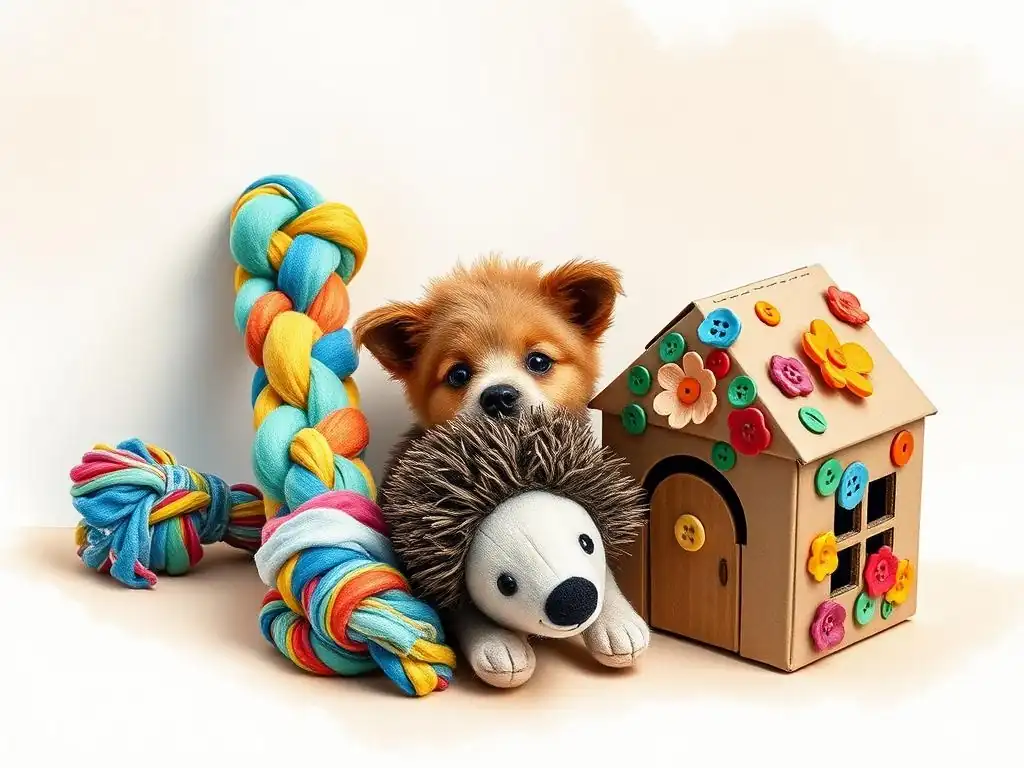
This section explores more intricate DIY dog toy projects suitable for small breeds, requiring slightly more advanced crafting skills but yielding highly rewarding and durable results. These projects utilize recycled materials, continuing our commitment to sustainable pet care and minimizing environmental impact. Remember to always supervise your small dog while playing with any homemade toy to ensure its safety and prevent accidental ingestion of small parts. The focus here is on "DIY small dog toys recycled," offering creative and cost-effective solutions for enriching your furry friend's playtime.
Project 4: Upcycled T-Shirt Braided Dog Toy
This project transforms old t-shirts into a durable and engaging braided toy perfect for small dogs who love to tug and chew. The braiding technique adds strength and longevity, making it a worthwhile investment of time.
Materials Needed: Old T-Shirts, Scissors
You'll need several old t-shirts in various colors for a visually stimulating toy. The more shirts you use, the thicker and more substantial the final toy will be. Sharp scissors are essential for clean cuts.
Step-by-Step Instructions with Pictures
- Cut the T-shirts: Cut each t-shirt into long strips, approximately 1-2 inches wide. The length will depend on the size of your dog and the desired length of the braid. Aim for strips at least 2 feet long.
- Create the Braids: Take three strips of different colors and begin braiding them together. Keep the tension consistent to create a strong and even braid. Continue braiding until you reach the end of the strips.
- Secure the Ends: Once braided, tie a strong knot at the end to secure the braid. You can also use a lighter to gently melt the ends of the fabric to prevent fraying, but be cautious and supervise this step carefully.
- Create the Toy: For a simple tug toy, leave the braid as is. For a more complex toy, you can braid multiple braids together or create a knot at the end for added interest. Consider incorporating different braiding techniques for a unique look. Remember to leave sufficient length for your small dog to easily grasp.
Adding Durability and Interest: Knotting and Braiding Techniques
To enhance the toy's durability, consider incorporating various knotting techniques along the braid. This adds texture and makes it more resistant to aggressive chewing. Experiment with different knot types, such as square knots or overhand knots, to create a unique and stimulating toy. You can also incorporate small, securely fastened beads or buttons for added sensory stimulation (ensure these are securely attached to avoid choking hazards). The possibilities are endless! Remember, the goal is to create a fun and safe toy for your beloved small dog.
Project 5: Recycled Bottle Cap Treat Dispensing Toy
This project transforms discarded plastic bottle caps into a fun and engaging treat-dispensing toy that challenges your dog mentally and physically. This is an excellent option for small dogs who enjoy puzzle toys.
Materials Needed: Plastic Bottle Caps, Strong Glue, Small Treats
Gather a variety of plastic bottle caps of different sizes and colors. A strong adhesive, such as epoxy glue, is crucial for securing the caps together. Use small, dry treats that are appropriate for your dog's size and breed to avoid choking hazards.
Step-by-Step Instructions with Pictures
- Clean the Bottle Caps: Thoroughly clean and dry all the bottle caps to ensure proper adhesion.
- Assemble the Toy: Arrange the bottle caps in a desired pattern, ensuring a secure fit. Consider creating a simple linear pattern or a more complex design.
- Glue the Caps: Apply a generous amount of strong glue to the edges of the bottle caps, ensuring a secure bond. Allow the glue to dry completely according to the manufacturer's instructions. This step is crucial for the toy's durability.
- Add Treats: Once the glue is completely dry, place small treats inside the bottle caps. The treats should be small enough to fall out easily but not so small that they pose a choking hazard.
Safety Considerations: Avoiding Choking Hazards
Always supervise your small dog while playing with this toy. Regularly inspect the toy for any signs of damage or loose parts. Replace the toy if any damage is detected. Choose treats that are appropriately sized for your dog to minimize the risk of choking. The use of strong glue is essential to prevent the bottle caps from separating and becoming a potential choking hazard. Prioritize safety above all else when crafting DIY dog toys. Remember, responsible pet ownership includes ensuring the safety and well-being of your furry friend.
Maintaining and Replacing Your DIY Small Dog Toys
Creating DIY small dog toys from recycled materials is a fantastic way to save money and reduce waste. However, even the most durable homemade toys eventually need replacing or thorough cleaning. Understanding the signs of wear and tear and implementing proper maintenance will ensure your canine companion continues to enjoy safe and stimulating playtime. This section focuses on extending the life of your creations and recognizing when it's time to make a new one. Remember, a worn-out toy isn't just less fun; it can pose safety hazards for your small breed friend.
Signs Your Dog Toy Needs Replacing: Wear and Tear, Safety Concerns
Several indicators signal that your DIY small dog toy needs replacing. Prioritizing your dog's safety is paramount. Look for these key signs:
- Excessive Wear and Tear: Small tears, frayed edges, or significant loss of stuffing are clear signs of wear and tear. These can lead to your dog ingesting small pieces of fabric or stuffing, potentially causing intestinal blockages. This is especially crucial for small breeds, whose smaller size makes them more vulnerable to such problems. Regularly inspect toys, especially those made from softer materials like old t-shirts or socks.
- Broken or Loose Parts: Buttons, beads, or other embellishments can become detached, presenting a choking hazard. Similarly, toys with broken seams or structural damage should be discarded immediately. The risk of your small dog swallowing these parts is significant.
- Unusual Odors: A musty or unpleasant smell can indicate bacterial growth, particularly if the toy has been exposed to saliva or moisture. This can be a breeding ground for germs and potentially lead to health issues for your pet. Don't hesitate to replace any toy with an off-putting odor.
- Loss of Interest: While not always a safety concern, if your dog has completely lost interest in a particular toy, it might be time for a new one. This doesn't necessarily mean the toy is unsafe, but it suggests a need for novelty and stimulation. Consider rotating toys regularly to maintain your dog's interest.
Proper Cleaning Techniques for Homemade Dog Toys
Maintaining hygiene is crucial for your dog's health and well-being. Regular cleaning of DIY dog toys helps prevent the buildup of bacteria and ensures a longer lifespan. The cleaning method will depend on the material:
- Machine Washable Toys: Toys made from durable fabrics like sturdy denim or canvas can often be machine-washed in a gentle cycle with cold water and a pet-safe detergent. Always air-dry these toys completely to avoid mold or mildew. Avoid using fabric softener, as this can irritate your dog's skin.
- Hand Washable Toys: Toys made from delicate materials, such as felt or fleece scraps, are best hand-washed with mild soap and water. Gently squeeze out excess water and allow them to air dry completely.
- Non-Washable Toys: Some toys, like those made from hard materials (e.g., repurposed cardboard tubes), may not be washable. For these, regular wiping with a damp cloth and pet-safe disinfectant is recommended.
Remember to always thoroughly rinse and dry all toys before returning them to your dog. Proper cleaning helps prevent the spread of bacteria and prolongs the life of your DIY creations.
Storage Tips to Keep Toys Fresh and Clean
Proper storage is essential for keeping your DIY small dog toys clean, fresh, and free from damage. Here are some useful tips:
- Designated Toy Bin: Keep your dog's toys organized in a designated bin or container. This prevents them from getting lost or damaged and makes cleaning easier.
- Air Circulation: Avoid storing toys in airtight containers or bags, as this can trap moisture and encourage mold growth. Ensure adequate air circulation around the toys to keep them dry and fresh.
- Regular Inspection: Regularly check your dog's toys for signs of wear and tear, even if they are stored properly. This proactive approach helps identify potential problems early on, preventing accidents and ensuring your dog's safety.
Remember, regular maintenance and timely replacement of your DIY small dog toys are crucial for ensuring your pet's safety and enjoyment. By following these guidelines, you can maximize the lifespan of your homemade creations and keep your furry friend happy and healthy. 🎉
Conclusion: Embrace Sustainable and Affordable Pet Care with DIY Dog Toys
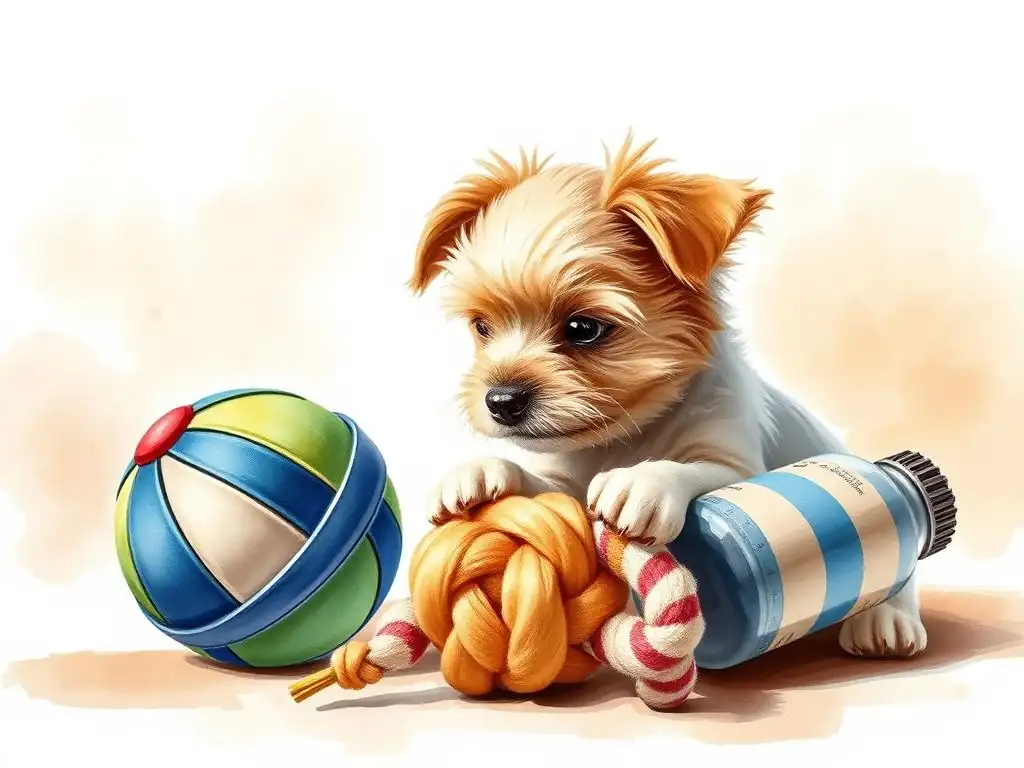
Creating DIY dog toys for small breeds using recycled materials offers a multitude of benefits. It's not just about saving money; it's about embracing a sustainable lifestyle that's kinder to the planet and better for your furry friend. By repurposing items you already have, you reduce waste and contribute to a more eco-conscious approach to pet ownership. Furthermore, the process of crafting these toys can be incredibly rewarding, strengthening the bond between you and your dog.
You'll also have the satisfaction of knowing exactly what materials are used, ensuring your small dog's safety and avoiding potentially harmful chemicals often found in commercially produced toys. Remember, a happy, healthy dog is a playful dog, and DIY toys provide a fantastic avenue for stimulating their minds and bodies while promoting responsible pet ownership. The creative possibilities are endless, allowing you to tailor toys specifically to your dog's size, preferences, and chewing habits.
This approach promotes a more personalized and enriching experience for your beloved companion. Consider this a sustainable and affordable approach to enriching your small dog's life, one recycled toy at a time. This is a great way to practice responsible and affordable pet care, aligning with the core values of "DIY small dog toys recycled" and sustainable living.
Further Resources: Finding More Recycled Materials for DIY Projects
Finding suitable recycled materials for your DIY dog toy projects doesn't require extensive effort. Your home is likely already brimming with potential! Think about the following sources:
- Old T-shirts and Socks: These soft fabrics are ideal for creating plush toys or braided ropes. Ensure you remove any buttons or embellishments that could pose a choking hazard.
- Cardboard Tubes: Toilet paper and paper towel rolls can be transformed into fun and engaging puzzle toys. Simply stuff them with treats or kibble and seal the ends.
- Plastic Bottles: Clean and thoroughly rinse plastic bottles (ensure all labels are removed). These can be used to create interactive fetch toys, or even a simple ball. Always supervise your dog while they play with plastic toys.
- Bottle Caps: These can be used to create stimulating sound toys (but always monitor for potential chewing and ingestion).
- Fabric Scraps: Any leftover fabric from sewing projects can be repurposed into durable toys.
Remember to always thoroughly clean and inspect any recycled materials before giving them to your dog. Avoid using materials that are sharp, brittle, or contain small parts that could be swallowed. Safety is paramount when crafting DIY toys. Consider the following table for a quick reference:
| Material | Suitable For | Safety Considerations |
|---|---|---|
| Old T-shirts | Plush toys, ropes | Remove buttons, wash thoroughly |
| Cardboard Tubes | Puzzle toys | Ensure no sharp edges, supervise play |
| Plastic Bottles | Fetch toys | Thoroughly clean, remove labels, supervise closely |
| Bottle Caps | Sound toys | Monitor for chewing and ingestion, consider gluing shut |
| Fabric Scraps | Durable toys | Ensure no loose threads or small parts |
By being mindful and resourceful, you can easily find an abundance of materials to keep your creativity flowing and your small dog entertained. Think outside the box – you might be surprised by the possibilities! Remember the keyword: "DIY small dog toys recycled".
Community Engagement: Sharing Your DIY Creations with Other Pet Owners
The joy of crafting DIY dog toys extends beyond your own furry friend. Sharing your creations and experiences with other pet owners fosters a sense of community and can inspire others to embrace sustainable pet care practices. Consider these avenues for sharing your DIY prowess:
- Social Media: Platforms like Instagram, Facebook, and TikTok are excellent places to showcase your creations using relevant hashtags such as #DIYdogtoys, #recycledpettoys, #smalldogtoys, and #DIYsmalldogtoysrecycled. Share photos and videos of your dog enjoying their new toys. This is a great way to connect with other pet owners who share your passion for crafting and sustainability.
- Online Forums and Communities: Join online forums or groups dedicated to pet owners and DIY enthusiasts. Share your patterns, tips, and techniques, and engage with others who are also exploring creative ways to enrich their pets' lives.
- Local Pet Events: If your area hosts pet adoption events or pet-related festivals, consider bringing some of your DIY creations to share and inspire others. This is a fantastic way to promote sustainable practices within your community.
By actively engaging with the pet owner community, you contribute to a larger movement towards eco-conscious pet care. Sharing your knowledge and enthusiasm can inspire others to adopt similar practices, collectively reducing waste and promoting a more sustainable future for our furry companions. Remember to always highlight the benefits of using recycled materials in your creations, emphasizing the cost-effectiveness and environmental friendliness of the "DIY small dog toys recycled" approach. Let's build a community of responsible and creative pet owners! 🐶♻️
Affiliate Links & Recommended Products (for enhanced durability and safety)
Creating safe and long-lasting DIY small dog toys from recycled materials requires careful consideration of the materials used. While many household items can be repurposed, ensuring the final product is non-toxic and durable is paramount for your small breed's safety. To help you achieve this, we've compiled a list of recommended products – focusing on those that prioritize safety and longevity. Remember, always supervise your dog while playing with any toy, regardless of its origin.
Affiliate Link to Non-Toxic Glue
Choosing the right glue is crucial for the structural integrity and safety of your DIY dog toy. Avoid glues containing harmful chemicals that could be ingested by your furry friend. Look for non-toxic, pet-safe adhesives specifically designed for crafting projects. A strong bond is essential, especially for toys that might experience significant chewing or tugging.
[Specific product name and description pending] We recommend a glue that is water-resistant and dries clear to maintain the aesthetic appeal of your creation while ensuring a secure hold. Consider the type of materials you'll be using – some glues work better with certain materials than others. For example, a glue ideal for fabric might not be as effective on harder plastics.
Always test your chosen glue on a small, inconspicuous area of your recycled material before applying it to the entire project. This helps prevent any unexpected reactions or discoloration. Remember to allow the glue to dry completely before letting your dog play with the new toy.
Affiliate Link to Durable Thread
The strength of your stitching directly impacts the toy's durability. Small dogs, especially those known for enthusiastic chewing, can quickly destroy poorly stitched toys. Investing in high-quality, durable thread specifically designed for pet toys is essential. [Specific product name and description pending] Look for thread that is strong, resistant to fraying, and ideally made from natural, non-toxic materials. Consider the thickness of the thread – heavier thread offers better durability but might require a stronger needle.
The type of stitch you use also plays a role. A backstitch or a whip stitch are generally stronger than simpler running stitches. If you are unsure about your sewing skills, consider consulting online tutorials or seeking assistance from someone with experience in sewing. Remember, a well-stitched toy will last longer and reduce the risk of your dog ingesting loose threads.
Affiliate Link to Organic Cotton Stuffing
The filling material is another critical aspect to consider when making DIY small dog toys. You want something soft, safe, and unlikely to cause harm if ingested. [Specific product name and description pending] Organic cotton stuffing is a great choice because it’s non-toxic, biodegradable, and relatively inexpensive. Avoid using synthetic stuffing that may contain harmful chemicals.
Ensure the stuffing is securely contained within the toy to prevent your dog from accessing and potentially ingesting it. Consider double-stitching seams or using a strong, durable fabric to prevent the stuffing from escaping. The amount of stuffing you use will also impact the toy's durability and playability.
Too much stuffing can make the toy too bulky and less fun to play with, while too little can make it flimsy and easily torn. Finding the right balance will ensure your dog enjoys their new toy for a longer time. Always check the toy regularly for any signs of wear and tear, and replace it if necessary.
Frequently Asked Questions
What materials are best for DIY small dog toys using recycled items?
You can use many safe, recycled materials, such as old t-shirts (cut into strips for tug toys), cardboard tubes (covered with fabric scraps), or clean plastic bottles (after removing labels and ensuring no sharp edges). Always supervise your dog with any new toy.
How do I ensure my recycled DIY dog toy is safe for my small dog?
Thoroughly inspect the toy for any sharp edges, loose parts, or small pieces that could be swallowed. Avoid using materials that could be toxic if ingested, and always supervise your dog during playtime.
Are there any recycled materials I should avoid using for dog toys?
Avoid using materials that are toxic, such as plastic bags, rubber bands, or anything containing harmful chemicals. Also avoid anything with small parts that could easily be chewed off and swallowed.
What are some simple DIY small dog toy ideas using recycled materials?
You can easily make rope toys from old t-shirts, stuff old socks with fabric scraps, or create puzzle feeders from cardboard boxes. Get creative and have fun!
How can I make sure my recycled dog toy is durable enough for a small, enthusiastic chewer?
Use strong, durable materials like denim or canvas for toys. Double-stitch seams and consider adding extra layers of fabric for added strength. Always supervise playtime to prevent excessive wear and tear.
Final Reflection: The Enduring Joy of Recycled Play
The simple act of crafting a toy from discarded materials transcends mere cost-saving; it's a powerful statement about sustainability and the deep bond we share with our canine companions. In a world increasingly focused on reducing waste and mindful consumption, creating DIY dog toys from recycled items offers a tangible way to participate in a more eco-conscious lifestyle while enriching the lives of our beloved small breeds.
The impact of this simple act extends beyond the immediate benefit to our pets. It fosters a deeper connection with the materials we use, encouraging us to be more thoughtful consumers and to appreciate the value in repurposing. The best things in life are free. The second best are very, very cheap.
– This sentiment, while not directly about dog toys, perfectly encapsulates the joy and satisfaction derived from creating something meaningful from seemingly insignificant items. The process itself becomes a cherished moment of connection with our furry friends, strengthening the bond we share.
Now, consider the possibilities. What creative projects can you undertake? Perhaps you'll transform old t-shirts into durable tug-of-war toys, or repurpose cardboard boxes into stimulating puzzle feeders. The possibilities are as limitless as your imagination. Embrace the challenge, unleash your creativity, and experience the profound satisfaction of providing your small dog with a safe, engaging, and ethically sourced toy. The joy on their face will be the ultimate reward.
Unleash Your Inner Craft Genius: Make Your Pup's Day!
Thanks for joining us on this fun crafting journey! We hope you've discovered creative ways to reuse household items and strengthen your bond with your furry friend. Now it's time to put your new skills to the test!
- Craft your dog's dream toy: Use recycled materials to create a personalized toy perfectly sized and suited to your dog's play style. Remember to prioritize safety and durability.
- Share your creations: Post pictures of your finished projects on social media using #PetCareWorldDIY to inspire other pet parents!
- Explore more DIY pet projects: Discover even more creative ideas and tutorials on our website and become a pet DIY master!
What ingenious toy will you create to bring joy to your beloved dog today?