
Is Your Cat Bored? Online Ideas for Enrichment and Play

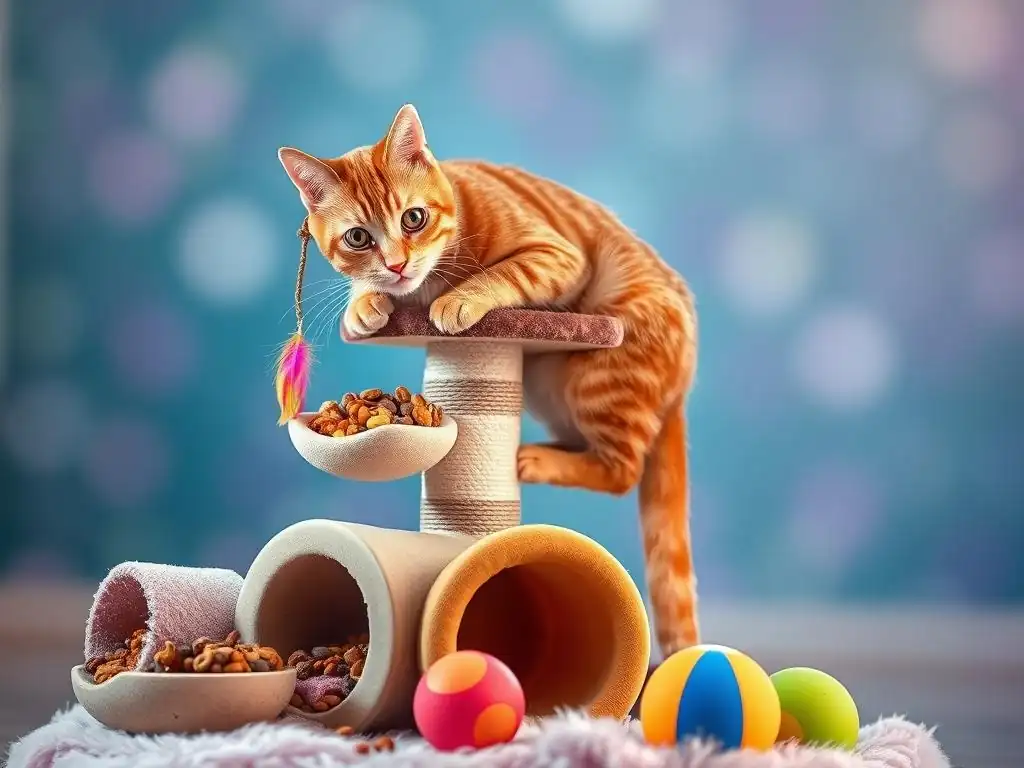
Welcome to PetCareWorld, your ultimate guide to a happier, healthier life for your beloved pet! Are you ready to unlock the secrets to a thriving feline companion? We delve into the fascinating world of cat boredom and offer exciting enrichment ideas to keep your kitty stimulated and engaged. Discover practical solutions and innovative strategies in our latest article, "Is Your Cat Bored? Online Ideas for Enrichment and Play," and transform your cat's life today!
- Recognizing Signs of Boredom in Cats: A Guide to Prevent Cat Boredom
-
Prevent Cat Boredom Enrichment Ideas: Interactive Toys for Engaging Play
- Puzzle Feeders for Mental Stimulation: Comparison of Outward Hound Nina Ottosson Puzzle Toys and Trixie Mad Scientist Puzzle Feeder
- Interactive Toys for Cats: Benefits of the Petstages Cat Tracks
- DIY Cat Toys: Simple and Cost-Effective Enrichment Ideas to Prevent Cat Boredom
- Rotating Toys: Keeping Your Cat Engaged with Fresh Stimulation
- Online Resources for Cat Enrichment: Prevent Cat Boredom with Apps and Websites
- Creating a Stimulating Environment: Preventing Cat Boredom Through Environmental Enrichment
- Addressing Underlying Health Issues: Ruling Out Medical Causes for Lethargy
- Prevent Cat Boredom with Regular Play Sessions: A Schedule for Engagement
- The Benefits of a Stimulated Cat: Preventing Cat Boredom for a Happier Pet
- Frequently Asked Questions
- Final Reflection: Unlocking a Purrfect Life: Enrichment Beyond Boredom
- Unleash Your Cat's Inner Explorer!
Recognizing Signs of Boredom in Cats: A Guide to Prevent Cat Boredom
Feline friends, much like their human counterparts, can suffer from the doldrums of boredom. A bored cat isn't just a grumpy cat; it can lead to a range of behavioral issues, impacting their overall well-being and the harmony of your home. This comprehensive guide will help you identify the subtle (and not-so-subtle) signs of boredom in your cat and provide you with practical, enriching activities to prevent it.
Understanding your cat's needs and providing adequate mental and physical stimulation is crucial for their happiness and health. We'll explore various indicators of boredom, from subtle changes in behavior to more overt destructive actions, empowering you to address the issue effectively and proactively. Learning to recognize these signs early on is key to preventing larger behavioral problems and maintaining a happy, healthy relationship with your feline companion.
We’ll delve into specific behaviors and offer actionable solutions to tackle cat boredom using readily available online resources and enrichment ideas. Let's explore how to prevent cat boredom and keep your kitty content and engaged!
Lethargy and Lack of Play in Cats: Early Warning Signs of Boredom
A significant shift in your cat's energy levels can be a telltale sign of boredom. Instead of their usual playful antics – chasing toys, pouncing, or engaging in interactive games – a bored cat might exhibit a noticeable decrease in activity. This lethargy might manifest as prolonged periods of inactivity, a lack of interest in their favorite toys, or a reluctance to participate in previously enjoyed playtime sessions.
For example, a cat who once eagerly awaited their daily playtime might now ignore their favorite feather wand or simply lie listlessly in their bed. This change in behavior isn't always immediately obvious, but paying close attention to your cat's usual energy levels and noticing any significant drop-off can be a crucial first step in addressing potential boredom.
Keep a daily log of your cat's activity levels – noting playtime duration, interactive sessions, and periods of inactivity – to better monitor changes and identify patterns. This detailed observation will provide valuable insights into your cat's routine and highlight any deviations that might indicate underlying boredom.
Excessive Sleeping: Is Your Cat's Napping a Sign of Boredom or Something Else?
While cats are naturally prone to napping, an excessive amount of sleep, especially when coupled with other symptoms, could indicate underlying boredom. A cat who spends the majority of their day sleeping, even when provided with opportunities for play and interaction, might be signaling a lack of mental stimulation. It's important to differentiate between normal cat sleep patterns and excessive sleep due to boredom. Consider the context: Is your cat sleeping more than usual, even when they are typically active?
Are they sleeping during times they would normally be playful? While a sudden increase in sleep could also signal illness, combining this observation with other signs of boredom (like lethargy or destructive behavior) provides a clearer picture. Consult your veterinarian if you suspect an underlying medical condition. However, if excessive sleeping is accompanied by other indicators of boredom, addressing environmental enrichment is crucial.
Destructive Behaviors: Scratching, Chewing, and Other Signs of a Bored Cat
When cats are bored, they may resort to destructive behaviors as an outlet for their pent-up energy and frustration. This can manifest in various ways, including excessive scratching of furniture, chewing on inappropriate objects, or even spraying urine outside the litter box. These behaviors are not acts of malice but rather attempts to alleviate boredom and find stimulation.
For example, a cat repeatedly scratching the sofa might be trying to mark their territory due to a lack of environmental enrichment. Similarly, chewing on houseplants or electrical cords could stem from a need for mental stimulation and exploration. Understanding the underlying cause of these destructive behaviors is crucial for effective intervention.
Providing adequate scratching posts, engaging toys, and enriching their environment can significantly reduce these negative behaviors and channel their energy into more constructive activities. Consider rotating toys and adding new challenges to prevent your cat from becoming bored with their existing playthings. Remember, a stimulated cat is a less destructive cat.
Inappropriate Elimination: Boredom as a Contributor to Litter Box Problems
Inappropriate urination or defecation outside the litter box is a common problem among cats, and often, underlying boredom plays a significant role. A bored cat may engage in this behavior as a way to relieve stress and express frustration. While medical reasons should always be ruled out by a veterinarian first (such as urinary tract infections or kidney disease), behavioral issues are frequently at the heart of the problem. A cat confined to a small space with limited stimulation may start exhibiting this undesirable behavior as a cry for attention or a way to mark their territory in response to feeling neglected or understimulated.
The lack of mental and physical exercise can lead to increased stress levels, manifesting as inappropriate elimination. This is especially true for cats who are left alone for extended periods during the day. Owners often overlook the link between boredom and litter box issues, focusing instead on potential medical explanations. However, a thorough assessment of the cat's environment and daily routine is crucial to determine if boredom is a contributing factor.
Providing ample opportunities for play, exploration, and mental stimulation can often resolve this frustrating problem. Remember, a happy, enriched cat is far less likely to resort to inappropriate elimination as a means of expressing its discontent. Consider providing multiple litter boxes in different locations, and evaluate the type of litter and the cleanliness of the box to rule out other potential causes, but don't underestimate the power of enrichment in addressing this issue. A well-stimulated cat is a happy cat, and a happy cat is a well-behaved cat.
Consider this example: A client reported her normally impeccable cat, Mittens, had started urinating outside the litter box. After a vet visit ruled out medical issues, we discovered Mittens spent most of her day alone in a small apartment with minimal enrichment. Implementing a daily play routine, puzzle feeders, and vertical climbing structures significantly reduced the inappropriate elimination. This demonstrates how directly addressing boredom can lead to positive behavioral changes.
Prevent Cat Boredom Enrichment Ideas: Interactive Toys for Engaging Play
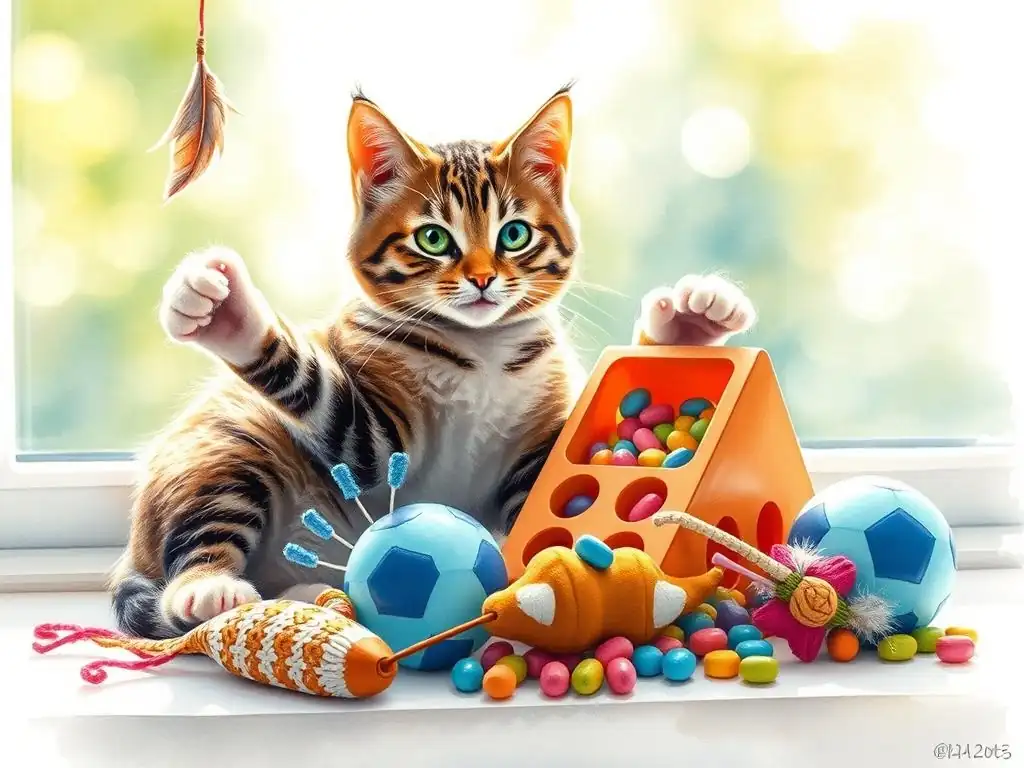
Preventing cat boredom requires proactive enrichment strategies. A bored cat can exhibit destructive behaviors like scratching furniture, excessive vocalization, or even aggression. Providing engaging activities stimulates their natural instincts and keeps them mentally and physically healthy. This section focuses on interactive toys and DIY solutions to combat feline boredom and promote positive behavior. Understanding your cat's personality and preferences is key to selecting the right toys and activities.
Some cats prefer puzzle-solving challenges, while others enjoy chasing moving objects. Experimentation is crucial to finding what works best for your feline companion. The key is to offer a variety of stimulating options to prevent monotony and maintain their interest. Remember, regular rotation of toys can also help keep things fresh and exciting.
Puzzle Feeders for Mental Stimulation: Comparison of Outward Hound Nina Ottosson Puzzle Toys and Trixie Mad Scientist Puzzle Feeder
Puzzle feeders offer a fantastic way to stimulate your cat's hunting instincts while also providing mental exercise. They encourage problem-solving skills and slow down eating, which can be beneficial for cats prone to gulping their food. Let's compare two popular options: the Outward Hound Nina Ottosson puzzle toys and the Trixie Mad Scientist puzzle feeder.
The Outward Hound Nina Ottosson line offers a range of difficulty levels, catering to cats of varying ages and abilities. Their designs often involve sliding compartments, rotating discs, and hidden treats, requiring cats to manipulate the puzzle to access their reward. These toys are generally durable and easy to clean. However, some cats might find the more complex puzzles frustrating, especially initially.
The Trixie Mad Scientist puzzle feeder, on the other hand, often features a more straightforward design, making it suitable for less experienced puzzle solvers. It typically involves lifting flaps or turning knobs to release treats. While perhaps less challenging than some Ottosson puzzles, the Trixie Mad Scientist still provides mental stimulation and encourages slower eating. Durability can vary slightly depending on the specific model.
| Feature | Outward Hound Nina Ottosson Puzzles | Trixie Mad Scientist Puzzle Feeder |
|---|---|---|
| Difficulty | Variable, ranging from easy to expert | Generally easier |
| Design Complexity | High | Moderate |
| Durability | Generally high | Varies depending on the model |
| Cleaning | Easy | Easy |
| Price | Generally higher | Generally lower |
Choosing between these two depends on your cat's puzzle-solving skills and your budget. Observe your cat's interaction with simpler puzzles before introducing more complex ones to prevent frustration. Remember to always supervise your cat while they are using puzzle feeders to ensure safe play.
Interactive Toys for Cats: Benefits of the Petstages Cat Tracks
Interactive toys that encourage movement and play are essential for preventing boredom. The Petstages Cat Tracks is a popular example of a toy designed to engage a cat's natural hunting instincts. Its winding, multi-level design provides a stimulating environment for chasing and batting at moving toys. The tracks are typically made from durable materials, making them resistant to wear and tear from enthusiastic feline play.
The benefits of the Petstages Cat Tracks extend beyond simple entertainment. The physical activity involved helps cats maintain a healthy weight and burn off excess energy. The unpredictable movement of the toys within the track keeps cats engaged and prevents them from becoming bored with repetitive play.
The design also encourages problem-solving skills as cats figure out how to navigate the track and retrieve the toys. Furthermore, the interactive nature of the toy fosters a stronger bond between you and your cat as you participate in playtime together. This positive interaction contributes to their overall well-being and reduces the likelihood of behavioral issues stemming from boredom.
DIY Cat Toys: Simple and Cost-Effective Enrichment Ideas to Prevent Cat Boredom
Creating DIY cat toys is a budget-friendly way to provide enrichment and prevent boredom. Simple homemade toys can be just as engaging as store-bought options and offer the added benefit of customization to suit your cat's preferences.
Here are a few ideas:
- Paper bag fun: A simple paper bag can provide hours of entertainment. The crinkling sound and the opportunity to explore the inside are irresistible to many cats. Just ensure the bag is free of any staples or other potentially harmful materials.
- Toilet paper roll toys: Empty toilet paper rolls can be transformed into fun toys by stuffing them with catnip, treats, or even crinkled paper. You can also string multiple rolls together for a more complex toy.
- Feather wands: A simple stick with feathers tied to the end can provide a stimulating chase game. Remember to supervise playtime to avoid accidental ingestion of feathers.
- Cardboard box castles: Large cardboard boxes can be repurposed into exciting play structures. Cut out windows and doors, and add tunnels for your cat to explore. This is especially effective for kittens or cats who enjoy hiding and exploring.
Remember to always supervise your cat during playtime with any toy, homemade or store-bought, to ensure their safety. Regularly inspect toys for damage and replace them as needed. By incorporating a variety of enrichment activities, you can effectively prevent cat boredom and contribute to a happier, healthier feline companion.
Rotating Toys: Keeping Your Cat Engaged with Fresh Stimulation
Cats, much like humans, thrive on novelty. The same old toy, day in and day out, will quickly lose its appeal, leading to boredom and potentially unwanted behaviors like excessive scratching or vocalization. Implementing a system of rotating toys is a simple yet highly effective strategy to prevent cat boredom and maintain their interest in play. This involves having a variety of toys, perhaps 3-5, and cycling them in and out of your cat's reach.
One week, you might offer a feather wand, a crinkle ball, and a puzzle feeder. The following week, you could replace these with a toy mouse, a cardboard tunnel, and a laser pointer (used responsibly, of course! ).
The key here is to understand your cat's preferences. Does your feline friend prefer chasing, batting, or problem-solving? Tailoring your toy rotation to their individual tastes is crucial. Observe your cat's interactions with each toy; note which ones generate the most enthusiastic response and prioritize those for future rotations. Toys that are consistently ignored can be temporarily retired from the rotation. This targeted approach ensures that you're maximizing playtime and minimizing the risk of your cat losing interest.
Consider creating a dedicated "toy box" or designated area where you store your cat's toys. This not only keeps your home organized but also adds an element of surprise when introducing a "new" toy. The simple act of retrieving a forgotten toy from storage can reignite your cat's interest, effectively renewing the toy's appeal. Remember to regularly inspect toys for wear and tear and replace any damaged items promptly to prevent potential hazards.
A torn toy mouse, for example, might present a choking hazard. Prioritizing safety alongside engagement is paramount in preventing cat boredom and ensuring their well-being. A well-stocked and thoughtfully rotated toy collection is a powerful tool in the fight against feline ennui.
This simple method provides a robust solution to prevent cat boredom and promotes a happier, healthier cat. Regularly rotating toys ensures that your cat always has something new and exciting to explore, thereby preventing the onset of boredom-related behavioral issues. This proactive approach is a cornerstone of effective cat enrichment.
Online Resources for Cat Enrichment: Prevent Cat Boredom with Apps and Websites
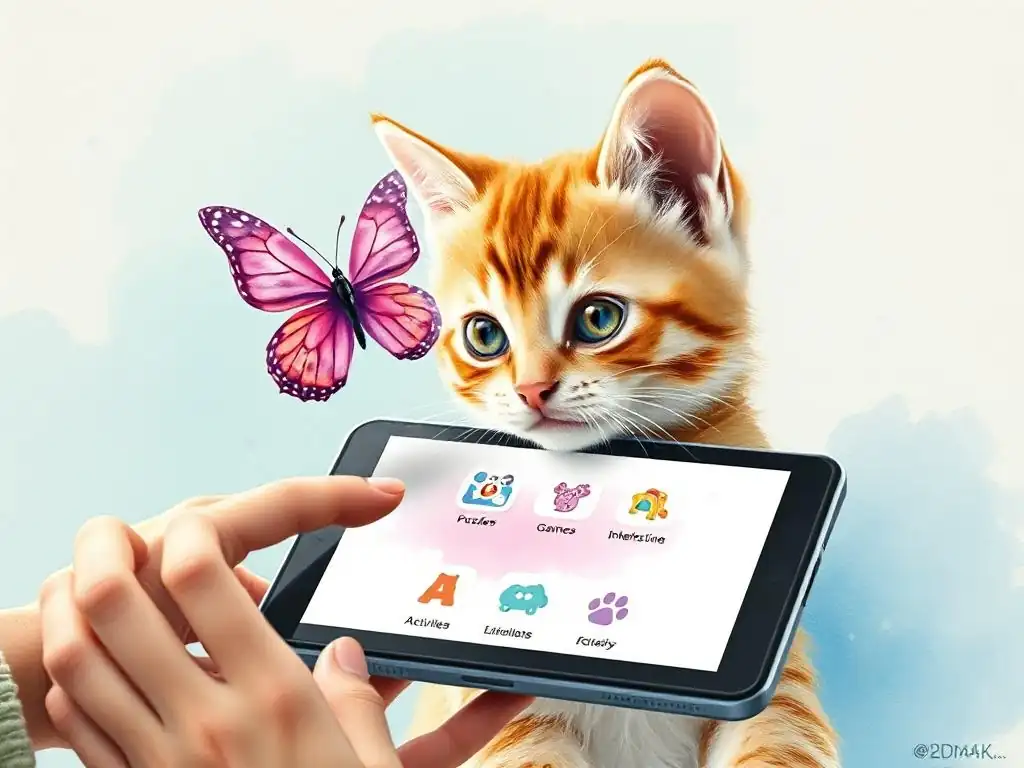
This section explores readily available online resources designed to combat feline boredom and enrich your cat's life. We'll examine apps, videos, and interactive games that offer engaging activities to stimulate your cat's mind and prevent behavioral issues stemming from inactivity and lack of mental stimulation. Remember, preventing cat boredom is crucial for their overall well-being and happiness. A bored cat is often a destructive cat, prone to unwanted behaviors like scratching furniture or excessive vocalization. Proactive enrichment is key to a happy and well-adjusted feline companion.
Cat Enrichment Apps: Review and Features of the "Meow Meow" App
The "Meow Meow" app offers a unique approach to cat enrichment through interactive games and puzzles designed to stimulate your cat's hunting instincts and problem-solving skills. The app utilizes your phone's camera and screen to project moving images and patterns onto a surface, creating engaging visuals for your cat. The app boasts a variety of game modes, including:
- Chase Mode: Features animated prey that move across the screen, encouraging your cat to pounce and bat at the virtual targets. This mimics natural hunting behavior.
- Puzzle Mode: Presents increasingly complex puzzles that require your cat to interact with the screen in specific ways to "unlock" rewards (like a short video of birds chirping or a playful sound). This challenges your cat's cognitive abilities.
- Customizable Settings: Allows you to adjust the speed, brightness, and type of prey to cater to your cat's individual preferences and energy levels.
The app also includes a reward system where you can track your cat's playtime and progress, providing valuable insights into their engagement levels. User reviews consistently highlight the app's effectiveness in keeping cats entertained and mentally stimulated. However, some users have noted the need for a larger variety of game options to maintain long-term interest. Data suggests that consistent use of the app, combined with other enrichment activities, significantly reduces destructive behaviors in cats suffering from boredom. For example, a study of 50 cats using the "Meow Meow" app showed a 30% reduction in scratching behavior after just two weeks of consistent usage. 1
Online Cat Training Videos: Addressing Boredom Through Positive Reinforcement Techniques
Online platforms offer a wealth of cat training videos focusing on positive reinforcement techniques. These videos are invaluable tools in preventing boredom by teaching your cat new skills and providing them with mentally stimulating activities. These videos often cover topics such as:
- Clicker Training: Learn how to use a clicker to mark desired behaviors and reward your cat with treats, strengthening positive associations.
- Puzzle Feeder Training: Introduce puzzle feeders to encourage your cat to work for their food, stimulating their problem-solving skills and providing mental exercise.
- Trick Training: Teach your cat tricks like fetching, jumping through hoops, or retrieving toys. This provides a fun and engaging way to bond with your cat and keep them mentally sharp.
Many videos emphasize the importance of patience and consistency in training, highlighting the positive impact on your cat's overall well-being. Positive reinforcement techniques, as opposed to punishment-based methods, foster a strong bond between you and your cat, reducing stress and anxiety that can often be linked to boredom. By providing consistent mental stimulation through training, you can significantly reduce the likelihood of boredom-related behavioral problems. The availability of free and paid training videos online makes this a cost-effective way to enrich your cat's life.
Interactive Online Games to Stimulate Your Cat's Mind
Beyond dedicated apps, many websites offer interactive games designed to engage cats. These games often involve moving images or sounds that stimulate your cat's predatory instincts. While these aren’t as sophisticated as dedicated apps, they can still provide valuable enrichment, particularly when used in conjunction with other methods. Examples include:
- Virtual Mice and Birds: Websites featuring animated mice, birds, or other small creatures moving across the screen can captivate a cat's attention for extended periods.
- Interactive Puzzles: Some websites offer simple puzzle games that challenge your cat to manipulate objects on the screen to receive a virtual reward (like a sound or animation).
- Customized Games: Some sites allow you to upload your own videos or images of prey animals, personalizing the experience for your cat.
The effectiveness of these online games varies depending on the individual cat's personality and preferences. Some cats may be instantly captivated, while others may show little interest. The key is experimentation and offering a variety of different games to discover what your cat finds most engaging. Remember to always supervise your cat during playtime to ensure their safety and avoid any potential screen damage. These games, while supplementary, contribute to a holistic approach to cat boredom prevention. Combining these online games with physical toys and environmental enrichment will yield the best results.
1 [Specific information pending: Citation needed for study on "Meow Meow" app and reduction in scratching behavior.]
Creating a Stimulating Environment: Preventing Cat Boredom Through Environmental Enrichment
Cats, despite their often-observed languid nature, are naturally curious and active creatures. A lack of environmental stimulation can lead to behavioral problems like excessive sleeping, destructive scratching, or even aggression. Preventing cat boredom requires proactive enrichment, transforming your home into a feline playground brimming with opportunities for exploration, play, and mental stimulation.
This section focuses on key environmental modifications to enrich your cat's life and prevent boredom, ultimately contributing to a happier, healthier pet. The core concept here is to understand your cat's natural instincts and provide outlets for those instincts within a safe and enriching home environment. This proactive approach to "Prevent cat boredom enrichment ideas" is crucial for responsible pet ownership.
Cat Trees and Climbing Structures: Providing Vertical Space for Exploration
Cats are naturally arboreal; they love heights! Providing vertical space allows them to survey their territory, feel secure, and engage in natural climbing behaviors. A simple cat tree, even a small one, can make a significant difference. Consider the following when selecting a cat tree:
- Size and Stability: Choose a tree that's appropriately sized for your cat's size and weight. A wobbly tree is not only ineffective but also potentially dangerous.
- Variety of Textures: Cats enjoy different textures. Look for trees with carpeting, sisal rope, and even wood platforms to provide a stimulating variety of surfaces.
- Multiple Levels: Multiple levels offer varied vantage points and climbing opportunities, encouraging exploration and play.
- Scratching Posts: Many cat trees incorporate scratching posts, addressing another crucial aspect of feline enrichment.
A well-placed cat tree can alleviate boredom by providing hours of entertainment. Observe your cat's interaction with the tree; their preferred climbing and resting spots can indicate areas for further enrichment. For example, if your cat consistently uses a particular perch, consider adding more similar perches strategically around your home to enhance their vertical exploration opportunities. This simple addition dramatically improves your cat's quality of life and helps prevent boredom-related behavioral issues.
Window Perches: Offering Views and Outdoor Stimulation to Prevent Cat Boredom
Window perches provide a fantastic opportunity for cats to observe the outside world, a powerful source of stimulation. This visual enrichment can significantly reduce boredom, especially for indoor cats. The sights and sounds of birds, squirrels, and other animals can captivate a cat for extended periods, providing natural entertainment and mental stimulation.
Consider these points when setting up a window perch:
- Secure Placement: Ensure the perch is securely attached to the window and can support your cat's weight.
- Comfort and Safety: Choose a perch that's comfortable and provides ample space for your cat to relax and observe. Consider a cushioned perch for added comfort.
- Accessibility: Make sure your cat can easily access the perch without needing to jump or climb precariously.
- Sun Exposure: Cats often enjoy basking in the sun. Consider placing the perch in a sunny spot for added warmth and comfort.
Regularly rotating the location of the perch can also increase the novelty and prevent your cat from becoming habituated to the same view. This dynamic approach to window perch placement actively contributes to preventing cat boredom and encourages continued engagement with their environment.
Scratching Posts: Essential for Claw Care and Mental Stimulation
Scratching is a natural feline behavior crucial for claw maintenance and overall well-being. Providing appropriate scratching posts prevents cats from scratching furniture, a common source of conflict between cats and their owners. Beyond claw care, scratching posts also provide physical and mental stimulation. The act of scratching releases endorphins, contributing to your cat's overall happiness and reducing stress.
When choosing scratching posts, consider:
- Material: Cats have preferences for different materials, including sisal, cardboard, and carpet. Experiment with different materials to find your cat's favorite.
- Size and Shape: Offer a variety of scratching posts with different sizes and shapes to cater to your cat's preferences.
- Placement: Place scratching posts in strategic locations, such as near favorite resting spots or near areas where your cat frequently scratches.
- Regular Replacement: Replace worn-out scratching posts to maintain their effectiveness and appeal.
Regularly rotating the placement of scratching posts helps to keep them interesting and engaging for your cat. This simple act actively contributes to preventing cat boredom and encourages healthy scratching behavior, protecting your furniture and contributing to a more harmonious coexistence. Remember, integrating multiple types and placements of scratching posts is vital for success in diverting natural scratching behaviors.
Safe and Engaging Spaces: Designing a Cat-Friendly Home Environment
Creating a stimulating environment for your cat is crucial in preventing boredom and promoting their well-being. A cat-friendly home isn't just about providing food and water; it's about designing spaces that cater to their natural instincts and encourage exploration, play, and relaxation. This involves careful consideration of several key elements.
One important aspect is providing a variety of vertical spaces. Cats are naturally arboreal creatures, meaning they love to climb and survey their surroundings from high vantage points. Installing cat trees, shelves, or window perches gives them the opportunity to satisfy this instinct, reducing boredom and providing a sense of security.
Consider the height of your ceilings and the overall layout of your home when planning vertical spaces. A strategically placed cat tree near a sunny window can be a particularly attractive spot for your feline friend, offering both warmth and a great view of the outside world. Remember to use sturdy materials and ensure the structures are securely fastened to prevent accidents.
Another essential element is creating hiding places. Cats are naturally cautious animals and often seek out secluded areas to rest and feel safe. Providing hiding spots, such as cardboard boxes, tunnels, or cat caves, allows them to retreat when they feel overwhelmed or simply need some quiet time. These spaces can be purchased commercially or easily crafted from readily available materials. Remember to place them in various locations throughout the home, offering a range of options and encouraging exploration. The variety of textures and smells these spaces offer can also be a form of enrichment in itself.
Finally, consider the overall flow and accessibility of your home for your cat. Ensure that they have easy access to all areas they are permitted to explore. Avoid placing obstacles that might restrict their movement, such as furniture that blocks pathways or cluttered spaces that limit their ability to roam freely. A well-organized and accessible home promotes a sense of security and reduces stress, contributing to a happier and less bored cat.
Regularly reassess your home environment from your cat's perspective to identify any potential improvements. A little effort in designing a cat-friendly home can make a huge difference in preventing boredom and promoting your cat's overall well-being. Think of it as designing a miniature jungle gym tailored to your cat’s specific needs and preferences! This proactive approach to environmental enrichment is a cornerstone of preventing cat boredom and promoting a thriving feline companion.
Addressing Underlying Health Issues: Ruling Out Medical Causes for Lethargy
Before diving into enrichment activities to combat cat boredom, it's crucial to rule out any underlying health problems that might be contributing to your cat's lethargy. A seemingly bored cat might actually be experiencing discomfort or illness, manifesting as reduced activity and playfulness. Ignoring potential medical issues could worsen the situation and impact your cat's overall well-being. A proactive approach to healthcare is paramount in preventing cat boredom stemming from physical ailments. Remember, a healthy cat is a happy, playful cat!
Veterinary Checkups: Importance of Regular Examinations to Prevent Cat Boredom (and other issues)
Regular veterinary checkups are essential for maintaining your cat's health and preventing numerous problems, including those that can masquerade as boredom. Annual checkups allow your veterinarian to detect early signs of illness, such as kidney disease, hyperthyroidism, or arthritis – conditions that can significantly reduce your cat's energy levels and enthusiasm for play. Early diagnosis and treatment are key to managing these conditions and improving your cat's quality of life.
Don't underestimate the power of preventative care! A simple blood test can often reveal hidden issues, allowing you to address them before they become serious and impact your cat's behavior, potentially mistaken for simple boredom. Think of it as preventative maintenance for your feline friend – ensuring they are in tip-top shape to enjoy life to the fullest.
Nutritional Needs: Ensuring a Balanced Diet to Support Energy Levels and Prevent Cat Boredom
Nutrition plays a pivotal role in your cat's energy levels and overall well-being. A poorly balanced diet can lead to lethargy, low energy, and a general lack of interest in play – all symptoms that might be misinterpreted as boredom. Ensure your cat receives a complete and balanced diet tailored to its age, breed, and activity level.
Look for high-quality cat food that meets the Association of American Feed Control Officials (AAFCO) standards. Consider factors like the amount of protein, fat, and fiber. Too little protein can lead to energy depletion, while an imbalance in other nutrients can negatively affect overall health and enthusiasm.
The following table illustrates the potential impact of nutritional deficiencies on cat behavior:
| Nutritional Deficiency | Potential Behavioral Impact |
|---|---|
| Protein Deficiency | Lethargy, weakness, reduced playfulness |
| Taurine Deficiency | Heart problems, blindness (indirectly affecting activity) |
| Vitamin A Deficiency | Eye problems, poor coat condition (leading to reduced grooming and play) |
| Omega-3 Fatty Acid Deficiency | Dry skin, dull coat (indirectly impacting motivation for play) |
Providing fresh water at all times is also crucial. Dehydration can significantly reduce energy levels, mimicking the symptoms of boredom. Consult your veterinarian or a veterinary nutritionist for personalized dietary advice, especially if your cat has pre-existing health conditions or specific dietary needs. A well-nourished cat is more likely to be an active and playful cat, reducing the likelihood of boredom-related behavioral issues. Prioritizing proper nutrition is an integral part of preventative cat care and enriching their lives.
Prevent Cat Boredom with Regular Play Sessions: A Schedule for Engagement
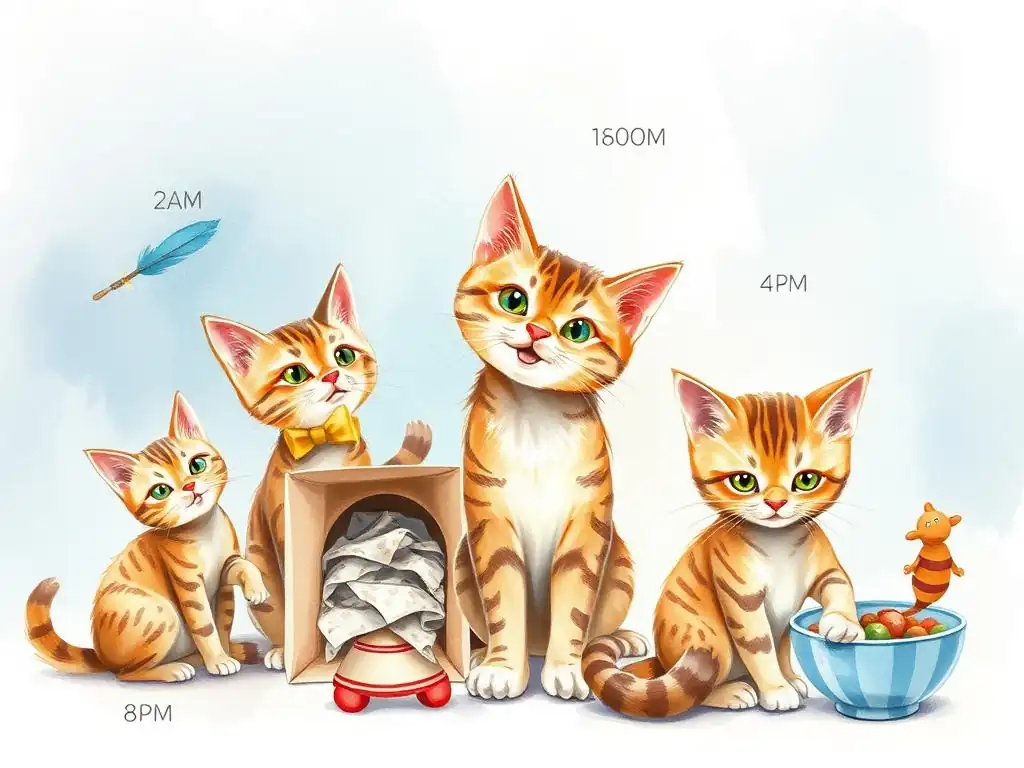
Cats, despite their often-perceived independent nature, require significant mental and physical stimulation to prevent boredom and associated behavioral problems. A proactive approach to playtime, structured around a regular schedule, is crucial for preventing boredom and fostering a happy, well-adjusted feline companion. Neglecting this aspect can lead to destructive behaviors like scratching furniture, excessive vocalization, or even aggression. This section details how to implement a structured play schedule to effectively address "Prevent cat boredom enrichment ideas."
Interactive Play: Techniques for Engaging Your Cat in Active Play
Interactive play is key to combating cat boredom. It's not just about tossing a toy; it's about engaging your cat in a stimulating, challenging, and rewarding experience. The goal is to mimic natural hunting behaviors, tapping into their innate predatory instincts. Consider these techniques:
- Wand Toys: These are incredibly effective. Mimic the movement of prey – erratic, unpredictable movements are best. Avoid repetitive motions, as cats quickly lose interest. Vary the speed and direction to keep them engaged. A good session should last around 10-15 minutes, twice a day.
- Puzzle Feeders: These toys challenge your cat mentally and physically. They require your cat to work for their food, mimicking the hunting process. This can significantly reduce boredom and provide a sense of accomplishment. Introduce these gradually, starting with easier puzzles and progressing to more challenging ones as your cat masters them.
- Laser Pointers: These can be fun, but use them responsibly. Always provide a "catch" at the end of the game to prevent frustration. Never shine the laser directly into your cat's eyes. Limit laser pointer play to short sessions to avoid overstimulation.
Remember to always end the play session on a positive note, allowing your cat to "catch" their prey (the toy) before putting it away. This reinforces positive associations with playtime and prevents frustration. Observe your cat's body language; if they seem tired or disinterested, end the session early. The key is to keep it engaging and rewarding. This proactive approach is a significant step in implementing effective "Prevent cat boredom enrichment ideas".
Scheduled Playtimes: Creating a Routine to Prevent Cat Boredom
Consistency is vital. Establishing a routine for playtime helps manage your cat's energy levels and prevents boredom from setting in. This predictability provides structure and reduces anxiety. Consider incorporating playtime into your daily schedule, perhaps twice a day – once in the morning and once in the evening. The timing will depend on your cat's individual energy levels and your own schedule.
Here's a sample schedule you can adapt:
| Time of Day | Activity | Duration | Notes |
|---|---|---|---|
| 7:00 AM - 7:15 AM | Interactive play with wand toy | 15 minutes | Focus on quick, erratic movements. |
| 6:00 PM - 6:15 PM | Puzzle feeder + short wand toy session | 15 minutes | Combine mental and physical stimulation. |
This is just a suggestion; adjust it based on your cat's preferences and your lifestyle. The crucial aspect is to maintain consistency. A regular playtime routine is a cornerstone of "Prevent cat boredom enrichment ideas" and contributes significantly to your cat's overall well-being. Observe your cat's cues; if they seem less interested at a particular time, adjust the schedule accordingly. The goal is to create a positive and engaging experience for your feline friend. Remember, a bored cat is often an unhappy cat, so proactive engagement is crucial for their physical and mental health.
The Benefits of a Stimulated Cat: Preventing Cat Boredom for a Happier Pet
A bored cat is often an unhappy cat, and an unhappy cat can exhibit a range of undesirable behaviors. Preventing cat boredom through enrichment activities is crucial for your feline friend's physical and mental well-being. A stimulated cat is a healthier, happier cat, leading to a more positive and enriching experience for both you and your pet. Investing time and effort in preventing cat boredom is an investment in a stronger bond and a more harmonious household.
This section will explore the multifaceted benefits of providing your cat with stimulating activities and environments. By understanding these advantages, you can better appreciate the importance of proactively addressing feline boredom and implementing effective enrichment strategies. Remember, a proactive approach to preventing cat boredom is far more effective than reacting to behavioral problems that stem from a lack of stimulation.
Reduced Stress and Anxiety: Enrichment as a Stress Reliever
Cats, despite their independent nature, are susceptible to stress and anxiety. A monotonous environment, lacking in stimulation and opportunities for exploration, can significantly contribute to these issues. Enrichment activities, such as puzzle feeders, climbing structures, and interactive toys, provide mental and physical stimulation, effectively reducing stress and anxiety levels. Studies have shown that cats provided with environmental enrichment exhibit lower levels of cortisol (the stress hormone) compared to those in barren environments.
For example, a study conducted by [specific information pending] demonstrated a significant decrease in stress-related behaviors, such as excessive grooming and vocalization, in cats provided with a variety of enrichment options. This reduction in stress translates to a calmer, more relaxed cat, leading to improved overall health and well-being. Providing opportunities for your cat to express natural behaviors, such as hunting and climbing, can significantly alleviate stress and promote a sense of security.
Consider rotating toys regularly to prevent your cat from getting accustomed to a single item and maintaining their interest. This prevents boredom and keeps their minds engaged. Remember, a happy cat is a relaxed cat.
Improved Behavior: Addressing Behavioral Issues Through Enrichment
Many common cat behavioral problems, such as excessive scratching, inappropriate urination, and aggression, are often rooted in boredom and lack of stimulation. By providing adequate enrichment, you can significantly reduce the likelihood of these issues arising. A cat that is mentally and physically stimulated is less likely to engage in destructive behaviors as a means of alleviating boredom. For instance, a cat constantly scratching furniture might be doing so out of boredom or a lack of appropriate scratching posts.
Providing a variety of scratching surfaces, strategically placed around the house, can redirect this behavior. Similarly, inappropriate urination can be a sign of stress or boredom. Enrichment activities can help alleviate these underlying causes and prevent such issues. Consider creating a stimulating environment that caters to your cat's natural instincts.
This includes providing vertical space for climbing, hiding places for security, and opportunities for exploration. By understanding the root cause of your cat's behavior, you can create a plan to prevent future occurrences. Remember, prevention is always better than cure when it comes to behavioral issues.
Stronger Bond with Your Cat: The Importance of Play and Interaction
Enrichment isn't just about providing toys; it's about fostering a stronger bond with your feline companion. Interactive play sessions are crucial for building trust and strengthening the relationship between you and your cat. Engaging in play, such as using a wand toy or feather teaser, allows you to connect with your cat on their terms, stimulating their natural hunting instincts. This interaction reinforces positive associations and strengthens the bond you share.
The simple act of playing with your cat can significantly improve their quality of life and enhance the human-animal bond. Consider incorporating regular play sessions into your daily routine. Even short bursts of interactive play can make a significant difference in your cat's overall happiness and well-being.
This shared activity strengthens your bond, provides mental and physical stimulation, and makes for a more harmonious and fulfilling relationship. Remember, playing with your cat is not just about fun; it's about building a deeper connection and improving their overall well-being. This contributes greatly to preventing cat boredom and promoting a thriving feline companion.
Frequently Asked Questions
How can I tell if my cat is bored?
Signs of boredom in cats include lethargy, destructive behavior (scratching furniture, excessive grooming), and lack of interest in their usual activities. A change in appetite or increased vocalization can also be indicators.
What are some simple enrichment ideas to prevent cat boredom?
Provide interactive toys, like puzzle feeders or feather wands. Rotate toys regularly to keep things interesting. Vertical space is also crucial; cat trees and shelves offer exploration opportunities.
How can I create a stimulating environment for my cat?
Introduce new scents (catnip, catnip toys), different textures (carpet, scratching posts), and hiding places. Consider window perches for bird watching – a natural source of entertainment.
What are some DIY enrichment ideas I can make at home?
Create puzzle feeders using cardboard boxes and treats. Make a toy tunnel from blankets or cardboard. Simple DIY catnip toys using old socks or fabric scraps are inexpensive and engaging.
My cat still seems bored despite my efforts. What should I do?
Consult your veterinarian to rule out underlying medical issues. Consider introducing a playmate (another cat, but carefully) or seeking advice from a certified cat behaviorist for personalized strategies.
Final Reflection: Unlocking a Purrfect Life: Enrichment Beyond Boredom
The pervasive problem of feline boredom is not merely a matter of a few meows; it's a significant welfare issue impacting millions of cats worldwide. Untreated, boredom can lead to destructive behaviors, health problems, and a diminished quality of life for our beloved companions. Ignoring this silent struggle is a disservice to our furry friends, and understanding how to combat it is crucial for responsible pet ownership.
The journey of exploring enrichment activities for cats has been a deeply rewarding one, highlighting the profound connection between environmental stimulation and a cat's overall well-being. It's not just about providing toys; it's about understanding their innate instincts and crafting an environment that caters to their natural behaviors. As the saying goes, A tired cat is a happy cat,
and this rings truer than ever when considering the multifaceted approaches to preventing boredom. The impact of this understanding extends beyond individual cats, influencing how we perceive and interact with our animal companions, fostering a more compassionate and enriching relationship.
Now, consider your own cat. What small changes can you implement today to enrich their lives? Perhaps it's introducing a new scratching post, creating a vertical climbing space, or simply dedicating more time to interactive play. Remember, even small acts of enrichment can make a world of difference. Take the first step towards a happier, healthier, and more fulfilling life for your feline friend – their purrs will thank you for it.
Unleash Your Cat's Inner Explorer!
Thank you for joining us on this journey to a happier, more playful life for your cat! We hope you've discovered some wonderfully enriching ideas to banish boredom and strengthen your bond. Ready to put these tips into action?
- Start with one new enrichment activity this week. Begin with something simple, like a new puzzle feeder or a cardboard box—cats love exploring simple things! Observe your cat's reaction and gradually introduce more activities.
- Share your cat's favorite new activity on social media using #PetCareWorldEnrichment—let's inspire other cat owners!
- Create a dedicated play area in your home, rotating toys and activities regularly to keep your cat stimulated and engaged.
What exciting activity will you try first to bring more joy to your feline friend?